Thousands of People Were Struggling With Money Until They Discovered This One Ancient Secret Hidden in Sound
>>> Unlock It Now <<<

Choosing the right ringtone for each contact helps you recognize who is calling in an instant, without pulling your phone from your pocket. It speeds up decisions, reduces interruptions, and keeps your day flowing smoothly. With a simple setup, you can assign unique tones to family, coworkers, and friends so you know who’s calling before you even glance at the screen. This small change can cut down on stress and make your daily routine a little more predictable.
In this guide, you’ll learn how to create a tailored soundscape on both iPhone and Android devices. We’ll cover easy steps to assign tones to individual contacts, plus how to organize your tones so you can find the perfect match quickly. Whether you want a gentle alert for close family or a bold tone for urgent work calls, the process is straightforward and rewarding. You’ll see that the same ideas work across most modern smartphones.
If you’re new to tweaking ringtones, don’t worry. The setup is simple, and you don’t need any third party apps in most cases. We’ll share practical tips for picking tones that are easy to distinguish by ear and won’t clash with other alerts. You’ll also find quick reminders on keeping your library tidy, so adding and updating tones stays effortless over time. This keeps your phone’s soundscape clean and usable.
By the end of this post, you’ll have a clear, repeatable method for assigning unique tones to each contact. You’ll see real world examples that illustrate how people use different ringtones in daily life, plus a quick troubleshooting checklist for common issues. Apply these steps to your daily smartphone use and you’ll notice how much faster you respond to calls and messages. The techniques work across most modern devices, so you can implement them today and enjoy a calmer, more organized phone experience.
There Is a Frequency That the Wealthiest Families Have Used for Generations and Most People Will Never Know It Exists
>>> Open the Door <<<

Why set different ringtones for each contact
Giving every contact a unique ringtone helps you identify who’s calling at a glance. It reduces the mental load of checking the screen and speeds up the decision to answer, mute, or let it go to voicemail. When you hear a familiar tone, you know whether to grab your phone during a workout, drive, or a busy meeting. This section explains the practical benefits and how to implement them without added friction.
Improve call screening and response speed
Hearing a familiar tone lets you know who is calling without looking at the screen. For example, a soft, family-friendly ring for a parent or grandparent signals a personal call that deserves attention, while a sharp tone for work colleagues flags urgent messages. This quick recognition means you can respond faster and stay focused on the task at hand.
Real-life scenarios you’ll recognize:
- You’re in an office meeting. A coworker with a distinct ringtone prompts you to take the call discreetly or let it ring through if it’s not urgent.
- You’re at the gym. A gentle tone for a partner or family member lets you answer quickly, while a louder tone for a client keeps work calls separate.
- You’re at home with the kids. A familiar family ring helps you decide whether to pause a show or answer a quick question.
The payoff is clear: when you identify calls by sound, you minimize interruptions and keep your day moving. If you’re new to the idea, consider starting with just a few key contacts and expand your library over time. For more ideas on how to set up personalized ringtones, see guides like how to set a ringtone for a specific contact on iPhone, which walks through per-contact customization. You can also find practical, step-by-step instructions for both iPhone and Android in various how-tos and guides.
Relevant reads:
- Set a Ringtone for a Specific Contact on iPhone
Reduce missed calls during busy times
Distinct ringtones help you catch important calls during workouts, driving, or meetings. The moment you hear a tone you recognize, you can decide quickly to answer, silence, or let it pass. This is especially helpful when you’re on the move or multitasking.
A simple workflow you can try today:
- Identify your most important contacts (family, key clients, emergency numbers).
- Assign unique tones to those contacts first.
- Leave a few generic tones for less urgent calls.
- Test in different scenarios (driving, workout, meeting) to confirm the recognizability.
- Tidy up the tones you rarely use to avoid confusion.
If you’re unsure how to assign tones on your device, check out tutorials that show per-contact ringtones for iPhone and Android. A useful reference available is the guide on setting a special ringtone for a contact on iPhone, which demonstrates the per-contact approach in a straightforward way.
Recommended resource:
- Set a Ringtone for a Specific Contact on iPhone
Add a personal touch for family and friends
Personalized tones make calls feel more familiar and less jarring. A bright, cheerful tone for a child can feel warm and approachable, while a calm, steady ring for a close friend keeps your phone’s soundscape pleasant and easy to parse. Just keep a few rules in mind to avoid misfires.
Tips for choosing tones:
- Pick short, easily recognizable sounds. Long tunes can be hard to hear in noisy environments.
- Favor tones that contrast with your other alerts. If you use a lot of notification sounds, a distinct ringtone helps you stand out.
- Avoid tones that could be mistaken for system alerts or alarm sounds.
Quick reminder: choose tones that are easy to recognize by ear and not overly long. This keeps your phone responsive and your day calm. If you want practical examples and setup steps, you can explore a few reputable guides that explain per-contact ringtones for iPhone and Android.
Further reading:
- How to associate a ringtone with one of your contacts on Android or iPhone
By implementing these tips, you’ll create a more intuitive phone experience. You’ll answer faster when it matters, avoid unnecessary interruptions, and keep the soundscape of your smartphone friendly and well organized. Remember, the goal is to make calls feel personal without adding friction to your daily routine. For ongoing guidance, consider checking official discussions and setup tips from reputable sources that cover per-contact ringtones for both major platforms.
Step by step: assign a ringtone to a contact
Assigning a unique ringtone to each contact is straightforward and saves you from guessing who’s calling. The exact steps are simple and work reliably on most iPhone setups. A quick way to remember them is: open Contacts or Phone, pick a contact, edit, choose Ringtone, select a tone, and save. If you ever run into a path variation, the general flow stays the same across iOS versions.
Here’s a concise walkthrough you can follow right now:
- Open the Contacts app or the Phone app and locate the person you want to customize.
- Tap the contact, then tap Edit in the top-right corner.
- Scroll to Ringtone and tap it.
- Browse and select the tone you want. You’ll hear a preview before you confirm.
- Save your changes. If you use iCloud or regular backups, syncing the new ringtone will propagate to other devices you own.
Tips to keep this process fast:
- Keep a short, distinct set of tones for high-priority people like family, close colleagues, and emergency contacts.
- If you switch devices or restore from a backup, confirm the tone transfers correctly by testing a call to that contact.
For deeper setup ideas and visuals, see guides like How to Set Up Custom Ringtones for Specific Contacts on iPhone, which walks through the per-contact customization step by step. An extra reference on iPhone tone management can be helpful when you want to rethink your entire ringtone library.
Recommended resource:
- How to Set Up Custom Ringtones for Specific Contacts on iPhone
One quick note about syncing: if you rely on iCloud, turn on Contacts in iCloud settings so changes push to all devices. It’s a small step with a big payoff in consistency and convenience.
Tips for using multiple ringtones on iPhone
A well organized ringtone collection makes per-contact customization feel effortless. With a few practical habits, you can quickly grab the right tone without hunting through menus every time.
What to try first
- Create a favorites or a dedicated folder for your best tones. This speeds up future selections and keeps your library tidy.
- Use shorter tones for quick recognition. Short, crisp sounds are easier to catch in a noisy room or while you’re on the move.
- Avoid similar tones for different people. Distinct sounds prevent mixups during busy moments like workouts or commutes.
Smartphone users often miss the small-but-powerful benefit of consistent tones. By standardizing on a few clearly different ringtones, you reduce cognitive load and respond faster to incoming calls.
Practical setup ideas
- Label tones with contact role cues: family, work, friends. That labeling helps you pick the right sound at a glance.
- Pair tones with contexts: a gentle ring for home, a confident tone for work, a quirky sound for friends. This makes recognition instant.
- Periodically prune your library. Delete tones you rarely use to prevent clutter and confusion.
If you want a structured walkthrough that includes visuals, check out a guide focused on per-contact ringtones for iPhone. You’ll find concrete steps, screenshots, and tips tailored to the iPhone experience.
Further reading:
- Set a Ringtone for a Specific Contact on iPhone
By building a thoughtful library and sticking to a simple naming system, you’ll enjoy a calmer, more efficient phone experience each day. The result is less fumbling and more time staying in flow, whether you’re in a meeting, at the gym, or driving.
Common issues and quick fixes on iPhone
Even with simple steps, you might hit a snag when assigning ringtones to contacts. Here are the most common problems and reliable fixes to get you back on track quickly.
- Do Not Disturb or Focus blocks calls
- If Focus modes mute alerts, ringtones may not sound. Check Settings > Focus and deactivate any active modes during calls. Also verify the Do Not Disturb setting is off.
- A ringtone not appearing after an update
- When iOS updates roll out, some tones or settings can shift. Reopen the contact, reselect the ringtone, and save again. If the issue persists, ensure the tone file is still valid and compatible with your iOS version.
- A tone not saving to a contact
- Confirm you saved the changes after selecting the tone. If it still fails, re-edit the contact, try a different tone to verify the issue is not with the file itself, and then reselect your preferred tone.
Other quick troubleshooting steps
- Recheck the contact’s phone number to confirm it matches the one stored on the device, especially if the call comes from a saved business or international number.
- Restart the device. A simple reboot can clear minor glitches affecting ringtone playback.
- Ensure the tone file is valid and not corrupted. If you use custom audio, convert it to a compatible format and reimport if needed.
If you’re seeking additional guidance, reputable tutorials cover per-contact ringtones for iPhone and Android, including common hiccups and robust fixes. For detailed, platform-specific walkthroughs, refer to sources like How to Assign a Custom Ringtone to a Specific Contact on iPhone and other troubleshooting guides.
Helpful resources:
- Contact-specific iPhone ringtones not working? Try these fixes
- Why your iPhone isn’t ringing and how to fix it
By keeping a short list of reliable fixes handy, you’ll handle most ringtone issues without frustration. A quick check of the basics often resolves the problem in minutes, letting you enjoy personalized tones again.
Links for deeper reading and verification:
- How to Set Specific Ringtones for Contacts on iPhone 17
- How to associate a ringtone with one of your contacts on your phone
External references are included to guide you through both common issues and best-practice setups. If a tone or setting seems off after an update, revisit the original steps to reestablish the per-contact ringtone and restore the personalized sound you rely on.
Set up ringtones on Android
Personalizing ringtones on Android can help you recognize calls at a glance and respond faster. This section focuses on practical, step-by-step methods to assign different ringtones to individual contacts, plus smart practices for managing local and cloud tones and quick fixes for common issues. You’ll find real-world tips, brand variations, and reliable resources to ensure the setup stays consistent across your devices.
Step by step: assign a ringtone to a contact on Android
Setting a per-contact ringtone on Android is usually straightforward, but the exact path can vary by brand and the version of Android you’re running. The core flow remains consistent: open Contacts or the Phone app, select a contact, edit, choose Ringtone, pick a tone, and save. Here’s a concise walkthrough you can follow now:
- Open the Contacts app or the Phone app and locate the person you want to customize.
- Tap the contact, then tap Edit in the top-right corner.
- Scroll to Ringtone or Phone ringtone and tap it.
- Browse the available tones, tap one to hear a preview, and confirm your choice.
- Save your changes. If you use cloud backups, syncing may push the new tone to other devices you own.
Tips to keep this process fast and reliable:
- Limit your most-used contacts to a small, clearly distinct set of tones. This makes recognition immediate.
- If you switch devices or restore from a backup, test the tone by calling that contact to verify the ringtone transfers properly.
Brand-specific notes you might encounter:
- Samsung Galaxy devices often place the option under the contact’s details with a label like “Ringtone” or “Phone ringtone.” You can customize per contact there and even reuse tones across multiple entries.
- Google Pixel and many stock Android experiences follow a similar flow but may label options slightly differently in the Contacts app.
For a guided visual walk-through, you can consult Android-specific tutorials that show how to set custom ringtones for individual contacts. A well-regarded resource demonstrates the per-contact approach with clear steps and screenshots, which can help you confirm you’re following the right path on your device. If you prefer a brand-focused take, Samsung’s support articles walk through the exact taps needed on Galaxy phones.
Recommended resource:
- How to Set Specific Ringtones for Contacts on Android
One more practical tip: if you rely on iCloud or Google backups, ensure your contacts are synced across devices so the new ringtone stays in place when you switch phones. Regular backups are a small habit with a big payoff.
Tips for using local vs cloud tones on Android
Android lets you store tones in a few different places. Understanding where they live and how to manage them makes it easier to keep your library tidy and portable.
Where tones live on the device
- Local tones typically live in folders such as “Ringtones,” “Notifications,” or “Alarms” in internal storage. These are the simplest to access from the ringtone picker when you edit a contact.
- Some devices show downloaded tones from the Downloads folder or a dedicated Music or Audio folder. If a tone was added through a file manager or a third-party app, it may appear in categories within the ringtone picker.
Backing up and syncing tones
- Back up your tones by keeping a copy in cloud storage or a computer you trust. This ensures you don’t lose custom tones if you reset the device or switch to a new phone.
- When you back up, include your Contacts and any audio files you use for ringtones. Certain devices offer direct backup options that preserve app data and settings, while others require manual transfers of the tone files.
Accessing tones across apps
- Many Android apps share the same ringtone pool. If a tone is set for a contact, it should generally be discoverable in the system ringtone picker across messaging apps and system alerts.
- If you use a third-party launcher or dialer, verify that the tone you selected is visible there as well. Some apps maintain their own tone lists, which can require you to reassign the tone within that app.
Sync tip when changing devices
- When you switch phones, keep a note of your most-used tones and consider re-importing them on the new device. A quick re-selection in the Contacts app is usually enough, but having the files on cloud storage speeds up the process.
- If you use Google’s backup ecosystem, ensure Contacts and device settings are included in your backup. This reduces the chance you need to redo your tone library from scratch.
Local vs cloud tone pros and cons
- Local tones offer quick access and fast previews since they’re stored right on the device. They’re ideal if you switch devices infrequently or want immediate control.
- Cloud tones simplify transfers and backups, especially if you regularly upgrade devices. They also reduce the risk of losing custom sounds when you reset or replace your phone.
To explore practical guidelines for backing up and managing Android tones, consider a few reputable guides that cover general ringtone management and cross-device use. These resources help you plan a smooth transition when you upgrade phones or switch ecosystems.
Useful resource:
- How to manage backups on Android without paying for cloud storage
Common issues and quick fixes on Android
Android users sometimes run into hiccups when assigning or using per-contact ringtones. Here are the most common problems and reliable steps to fix them quickly.
- No sound for the selected ringtone
- Check the device volume and verify Do Not Disturb is not silencing calls. If the ringtone is muted, pick a louder tone or adjust notification and call volume separately.
- Confirm the contact’s number is correct and matches the one stored on the device. A mismatch can cause Android to treat the call differently.
- Ringtone not appearing in the picker after a change
- Ensure the tone file is in a supported format (MP3, WAV, OGG, etc.). If you added a new file, re-import it or move it into the correct Ringtones folder.
- Reopen the Contacts app, edit the contact again, and reselect the ringtone. Sometimes the picker needs a refresh to recognize new files.
- Tone preview fails or sounds distorted
- Test the file outside the ringtone picker to ensure it plays normally in a media player. If it’s corrupted or heavily compressed, replace it with a cleaner file.
- If the problem persists after a reboot, try moving the file to a different folder and reselecting it.
- Ringtone not syncing across devices
- Verify the tone is stored in a shared location if you rely on cloud backups. Re-sync Contacts and media files to ensure the tone follows you to other devices.
- Some third-party apps may maintain separate tone lists. Check each app’s settings to confirm the selected tone is available there as well.
Additional quick checks
Thousands of People Were Struggling With Money Until They Discovered This One Ancient Secret Hidden in Sound
>>> Unlock It Now <<<
- Restart the device. A simple reboot can clear minor glitches affecting playback or selection.
- Update the Contacts app and any involved system components. Updates often fix compatibility issues that affect tone playback.
- If you use a custom ringtone from a third-party app, ensure the app has the necessary permissions to access storage and manage sounds.
If you’re looking for deeper guidance, you can consult brand-specific tutorials or official support threads that address per-contact ringtones on Android. For example, Samsung and Google offer structured guidance on customizing ringtones and troubleshooting common issues on their devices and services.
External references for further reading:
- Customizing ringtone for each contact (Android) on Samsung Galaxy devices
- Customizing per-contact ringtones on Android (Google support thread)
- How to set individual ring tones for different contacts on Android (general guidance)
By keeping these checks handy, you’ll handle most ringtone issues without frustration. A quick test after any change ensures you stay in control of your phone’s soundscape, no matter which brand you use.
Best practices for choosing and organizing ringtones
Choosing and organizing ringtones is more than just a prank of sound. A well curated set helps you identify callers at a glance, stay focused, and keep your daily routines momentum. This section outlines practical, repeatable approaches to picking distinct tones and arranging them so you can find and apply them quickly on both iPhone and Android. You’ll learn how to assign tones to key contacts, keep things consistent, and maintain a tidy library that travels with your devices.
Choose distinct, clear tones for key people
When you assign ringtones to important contacts, aim for tones that are easy to distinguish in a noisy environment. Short, crisp sounds work best because you hear them clearly even when your phone is buried in a bag or knocked around in your gym bag. Avoid tones that sound alike, which can cause you to pause and double-check who is calling.
Tips to implement now:
- Start with a small, high-priority list (family, essential work contacts, emergency numbers) and give each a unique, short tone.
- Favor contrasts in tone color. If one ring feels like another, you’ll miss the cue.
- Test the tones in different situations, like walking outside or in a crowded space, to ensure recognizability.
If you want practical examples and setup steps, consider guides that show how to set a ringtone for a specific contact on iPhone or Android. These step-by-step tutorials help you verify you’re selecting the right tone and saving changes correctly. For additional context, see resources like Set a Ringtone for a Specific Contact on iPhone and Android equivalents.
Relevant reads:
- Set a Ringtone for a Specific Contact on iPhone
- How to Set Specific Ringtones for Contacts on Android
Keep tones consistent across family, friends, colleagues
Consistency reduces cognitive load. Group your contacts into clear categories and use a limited, well-chosen set of tones for each category. This way, you’ll know at a glance whether a call is personal, family, or work-related, without having to inspect the screen.
Practical approach:
- Create a small palette of tones for each category (for example, family, colleagues, and friends) and reuse them across all related contacts.
- Use consistent naming to avoid confusion when you’re scrolling through your list or syncing across devices.
- Periodically review and prune the palette to keep the system simple and reliable.
If you’re unsure where to start, look for tutorials that demonstrate per-contact ringtones on iPhone or Android. A good reference walks you through creating a consistent tone scheme and confirms the tones carry over when you switch devices.
Further reading:
- How to Set Specific Ringtones for Contacts on Android
- Set a Ringtone for a Specific Contact on iPhone
Accessibility considerations
Ringtones must work for all hearing profiles. Consider volume levels, tone clarity, and how different tones register in various environments. A tone that’s clear at noon can be inaudible in a noisy gym or while driving. It’s worth testing tones at different times of day and in different ambient noise conditions.
He Was Drowning in Bills and Burnout Until a Simple Daily Ritual Rewired His Brain for Wealth in Less Than a Week
>>> Start Your Shift Today <<<

Key accessibility checks:
- Ensure you have a volume that cuts through background noise without being painfully loud.
- Choose tones with distinct timbres and avoid very high frequencies that can be hard to hear for some users.
- Test in diverse settings, such as quiet rooms, busy streets, and during workouts.
If you need more insights, explore guides that cover per-contact ringtones for iPhone and Android, along with practical tips for selecting tones that work well for a wide range of hearing needs. See recommended references for hands-on guidance.
Useful reference:
- Set a Ringtone for a Specific Contact on iPhone
Organizing tones and backing up
A clean library saves time and reduces errors when you update devices. A simple labeling system helps you locate the right tone fast, and a regular backing up process protects your tones during updates or device changes.
Organization tactics:
- Use a straightforward labeling system, such as “Family-01,” “Work-02,” and “Friends-03,” and keep the files in clearly named folders.
- Schedule periodic cleanups to remove rarely used tones and avoid confusion.
- Back up your tones along with Contacts and essential settings. If you upgrade devices, you’ll enjoy a smooth transition and a consistent soundscape.
For deeper visuals and steps, consult guides that walk through per-contact ringtones for iPhone and Android, and note how backups help maintain tone libraries across devices.
Recommended resource:
- How to Set Specific Ringtones for Contacts on Android
A practical tip: if you rely on cloud backups, verify that your tones are included in the backup plan so your library remains intact after updates or device swaps.
External resources for further reading:
- How to manage backups on Android without paying for cloud storage
By keeping your tones well organized and backed up, you’ll experience faster setup after a device change and fewer mismatches in your daily routine. A tidy library makes it easy to maintain a personal, efficient soundscape across all your contacts.
FAQs and troubleshooting
This section answers common questions and provides fast fixes to keep your per-contact ringtones working smoothly on both iPhone and Android. Whether you’re syncing tones across devices or just want to double check a misbehaving alert, you’ll find practical steps you can apply right away. If you’re using a smartphone daily, these tips help you stay in control of your soundscape without breaking your routine.
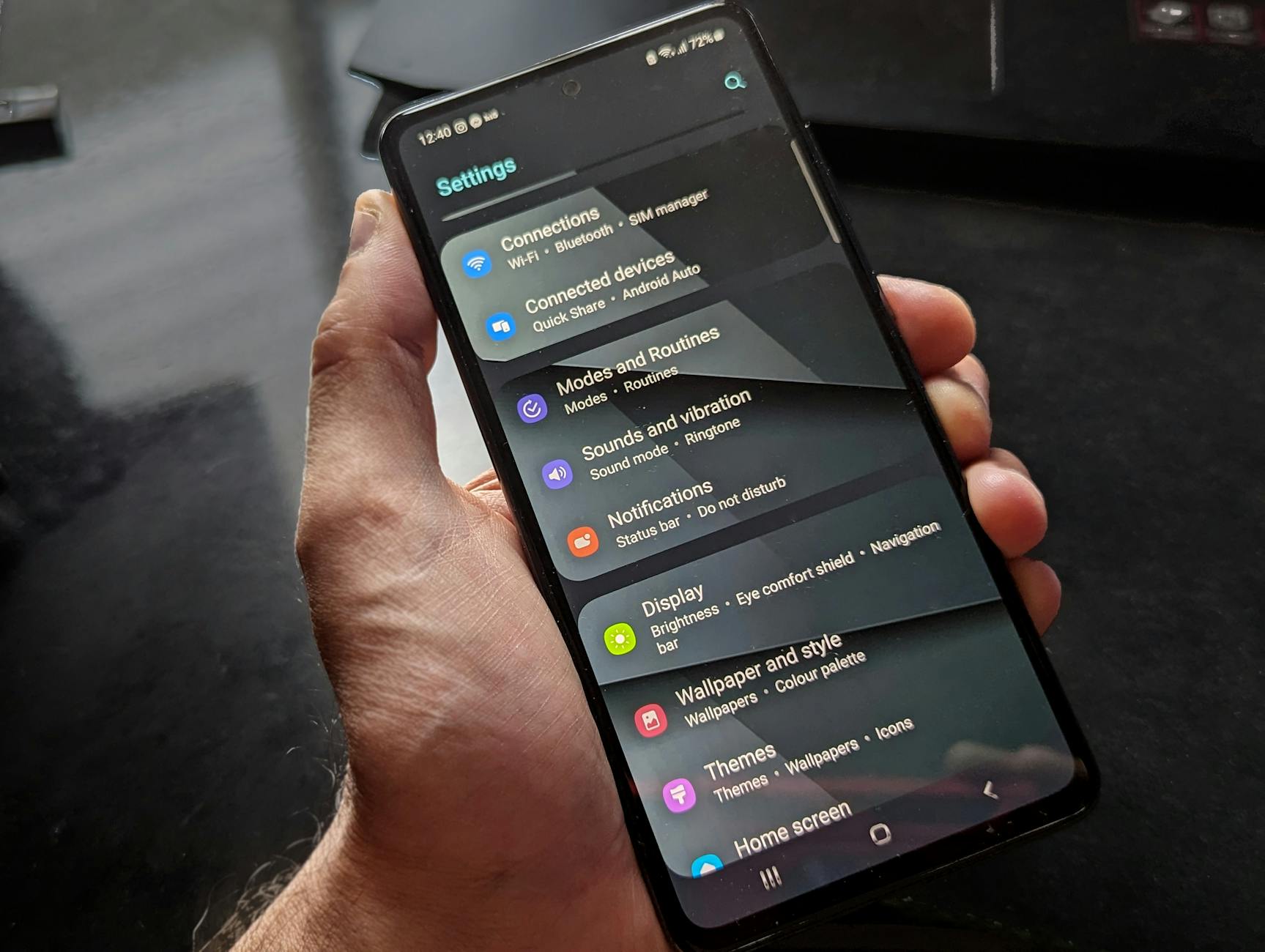 Photo by Watford London Media
Can I sync ringtones across devices
Yes, you can sync tones across devices, but the method depends on your ecosystem. For Apple devices, using iCloud or a similar cloud backup keeps your contact tones consistent as you switch between iPhone, iPad, or Mac. On Android, cloud backups (like Google One) or the device’s own backup system help maintain your tones when you move to a new phone. The key is to include Contacts and any tone files in the backup so changes propagate to every device you own.
Simple checklist to ensure syncing works:
- Turn on cloud backups for Contacts in your account settings.
- Keep your tone files stored in a location that the system ringtone picker can access (local folders for quick access or cloud storage for cross-device transfers).
- After changing a contact’s ringtone, perform a quick test by calling that contact from another device to verify the tone follows you.
- When you upgrade devices, restore from the same backup and recheck the tone for the key contacts.
If you want a guided walk-through, look for tutorials that show per-contact ringtones on iPhone and Android. For iPhone users, a typical path is to edit a contact and choose a Ringtone, then confirm the change; iCloud keeps it consistent across devices. For Android, the process is similar, but paths vary slightly by brand. See brand-specific guides like Samsung or Pixel tutorials for exact wording and menu placement.
Useful resources:
- How to Set Specific Ringtones for Contacts on Android
- How to Set Up Custom Ringtones for Specific Contacts on iPhone
Tip: if you rely on cloud backups, ensure your backup includes the Contacts app data. This small step pays off when upgrading devices or resetting your phone.
What if a ringtone does not play after assignment
If a newly assigned ringtone doesn’t sound, run through a quick check list to locate the issue fast. Most problems boil down to a simple setting misfire or a file compatibility hiccup.
Quick checks:
- Verify the contact is correct and that you saved the changes after selecting the ringtone.
- Confirm the volume for ringtones is up and that Do Not Disturb or Focus modes aren’t silencing calls.
- Make sure the tone is in a compatible format and that there are no file corruption issues.
Hands-on steps:
- Open the contact and reselect the ringtone. Preview it to ensure you hear the sound during the selection.
- Test with another contact to determine if the issue is isolated to one entry.
- Reboot the phone if the tone still won’t play. A fresh start clears minor glitches.
If you’re still stuck, consult platform-specific troubleshooting guides. On iPhone, issues after iOS updates can occur, and reselecting the ringtone often fixes the problem. Android users may need to check that the tone file is in MP3, WAV, or another supported format and that it’s stored in a folder accessible by the system ringtone picker.
Relevant reads:
- My custom ringtone for an assigned contact does not work (iPhone)
- Android ringtone not appearing in the picker after a change
How to share a ringtone with another contact
Sharing or reusing tones between devices without copyright conflicts or broken formats should be straightforward. The safe approach is to use tones you’ve created or obtained from reputable sources that permit personal use. If you plan to distribute tones to others, respect copyright and licensing terms. The practical path is to share files that you personally own or that come with a permissive license.
Safe sharing methods:
- Use your own original tones or officially licensed sounds.
- Send the file via a common, widely supported format (MP3 or WAV) and explain how the recipient can import it on their device.
- Encourage recipients to verify the tone is compatible with their OS before applying it.
If you want cross-device portability, keep a backup of your tone library in cloud storage and share only the approved files. Some readers also use a shared folder for their household tones to keep everything synchronized without breaking licenses.
Recommended resource:
- 3 Ways to Transfer iPhone Ringtones
A practical tip: when sharing tones with friends or family, provide simple import instructions for iPhone and Android, so they can set their own per-contact ringtones quickly and legally.
Troubleshooting tips for volume and Do Not Disturb
Volume and Do Not Disturb (DND) are two of the most common culprits that mute or suppress ringtones. A few quick checks can restore visibility and sound quickly.
Test your volume:
- Increase the ringtone volume while in Settings or with the volume buttons to see if the tone becomes audible.
- Check if a media volume or app-specific volume is muted while the ringer is active.
DND and Focus considerations:
- Ensure Do Not Disturb is off for calls from your preferred contacts or set exceptions so important calls ring through.
- On some devices, Focus modes can override standard ring settings. Review active modes and adjust accordingly.
App-specific settings:
- Some messaging or contact apps have their own notification sound settings. Confirm these aren’t blocking your chosen ringtone.
- If you recently installed a new app or updated an OS, re-check per-contact tones in both the Contacts app and the associated notification settings.
Practical steps to verify everything:
- Call test from a different device or user account to confirm consistency.
- Toggle DND off and on to see if the ringtone resumes playing.
- Revisit the contact and reselect the ringtone to confirm the tone is still saved correctly.
If you want deeper guidance, explore Do Not Disturb help pages for iPhone and Android. They offer platform-specific remedies for misbehaving ringtones when DND is active.
Helpful resources:
- If you hear no sound or distorted sound from your iPhone
External references for fix guidance:
- Android phone that won’t ring and related troubleshooting
- Do Not Disturb not working on iPhone and related fixes
This set of checks covers most scenarios. Keeping a short checklist handy will help you solve issues quickly and stay in control of your call notifications.
Images and visual aids
- A step-by-step visual guide can speed up retracing the exact taps on your device. If you’re adding visuals, pair them with brief captions that point to the precise menu names for iPhone and Android.
External links and further reading
- Transfer ringtones across devices with careful attention to file formats and licensing.
- Brand-specific guides for iPhone and each Android flavor help you tailor steps to your device.
By following these practical FAQs and troubleshooting steps, you’ll maintain a clean, responsive ringtone setup. Your calls will be easier to manage, and your smartphone will feel more like a personal assistant than a noisy distraction.
Note: For related topics, you can explore guides on setting per-contact ringtones for iPhone and Android, along with tips on organizing and backing up your ringtone library. These resources offer deeper dives into practical setups and common edge cases.
Conclusion
Setting different ringtones for each contact makes your phone feel more organized and responsive. You’ll identify who’s calling in an instant, so you answer the right calls and skip unnecessary interruptions. A tidy library of distinct tones reduces cognitive load and boosts daily efficiency, whether you’re using an iPhone or an Android phone. Embrace a small but powerful upgrade to your smartphone routine and share your favorite tone ideas with readers.
Quick action checklist
- Pick 3 to 5 key contacts and assign unique, short tones.
- Keep tones distinct from other alerts for easy recognition.
- Save changes and test by calling the contact from another device.
- Back up your tone files and ensure they sync across devices.
- Review your library every few months and prune unused tones.
She Pressed Play on a Strange Audio Track and Within Days Her Financial Reality Started Shifting in Ways She Could Not Explain
>>> See How It Works <<<
