Thousands of People Were Struggling With Money Until They Discovered This One Ancient Secret Hidden in Sound
>>> Unlock It Now <<<

You’ve spent time picking perfect custom icons for your apps. They make your home screen look just right. Then a quick restart or update hits, and they’re gone, snapped back to boring defaults. It’s frustrating, right?
This glitch hits icons reverting to default on both Android and iOS smartphones. It stems from app updates that override changes, cache buildup in your launcher, or system bugs after restarts. Sometimes third-party icon packs clash with stock apps too.
Don’t worry. You can fix it fast without tech skills. These steps take under 10 minutes and work on most devices.
We’ll cover quick checks first, like clearing cache and relocking icons. Then platform-specific guides: for Android, tweak your launcher settings; for iOS, use Shortcuts app tweaks. You’ll get your custom look back for good.
What If the Only Thing Between You and the Life You Deserve Is a Hidden Wealth Code Waiting to Be Activated
>>> Open the Door <<<

Main Causes of Icons Reverting to Default
Custom icons vanish fast, often right after a restart or background process. You tweak your home screen on your smartphone, only to watch it snap back to plain defaults. Common culprits include launcher problems, updates, power settings, and storage woes. Spot these issues first to stop the cycle.
Launcher App Glitches and Crashes
Third-party launchers like Nova Launcher handle your custom icons well most days. They store layouts in memory and apply icon packs smoothly. But restarts expose weak spots.
A reboot can strip permissions from the launcher app. Your smartphone then falls back to the stock home screen, which ignores custom setups. Memory shortages pile on; low RAM forces the system to reload defaults for stability.
Default launchers on Android act the same way under heavy load. They crash during multitasking, wiping icon changes. Users report this often with Nova after updates or battery dips. Check Nova Launcher loses default status on reboot for fixes from others facing it.
Quick signs of launcher trouble:
- Icons reset only after sleep or restart.
- Home screen flickers before reverting.
- Launcher shows as “not default” post-reboot.
Fix this by setting your launcher as default again in settings. Grant full permissions too. These steps hold icons steady longer.
Software Updates That Wipe Customizations
OS updates promise fixes and speed boosts. They often reset home screen layouts without warning. Your custom icons disappear as the system refreshes app data.
Android updates tweak launcher databases, overriding third-party packs. iOS pushes wipe Shortcuts-based icons during major releases. App updates do the same; developers change icon files, forcing defaults.
Recent Android versions reset grids after security patches. iOS does it with home screen tweaks in new betas. Icon packs clash here, as fresh code ignores old customizations.
You lose hours of work each time. Back up layouts before updates. Tools like Nova Backup save your setup in one tap.
Battery Saver and Optimization Settings
Power-saving modes keep your battery alive longer. They limit background apps, including launchers. Custom icons suffer as a result.
Android’s battery optimization hibernates icon apps to cut drain. Your smartphone reverts to lightweight defaults for quick access. iOS Low Power Mode restricts widget and icon rendering too.
Active modes kill processes that maintain packs. Icons reload as stock when you wake the screen. Turn off optimization for your launcher app to prevent this.
Follow guides like how to turn off battery optimization for both platforms. List key apps to exempt:
- Launcher (Nova, etc.).
- Icon pack managers.
- Automation tools.
Your custom look stays put without draining power fast.
Cache Buildup and Low Storage
Apps build cache files over time. Full storage triggers cleanups that hit icon data. Defaults kick in to free space.
Dirty launcher cache corrupts custom layouts. Low memory on your smartphone forces a reset to basics. Check storage first; under 1GB free often causes it.
Thousands of People Were Struggling With Money Until They Discovered This One Ancient Secret Hidden in Sound
>>> Unlock It Now <<<
Clear cache via settings without losing data. Android paths: Settings > Apps > Launcher > Storage > Clear Cache. iOS uses offload unused apps.
Storage red flags:
- Icons revert during app installs.
- Home screen lags with full drive.
- Random resets at night.
See how to clear cache on Android for safe steps. Free up space, and icons hold firm.
Fast Fixes for Android Phones
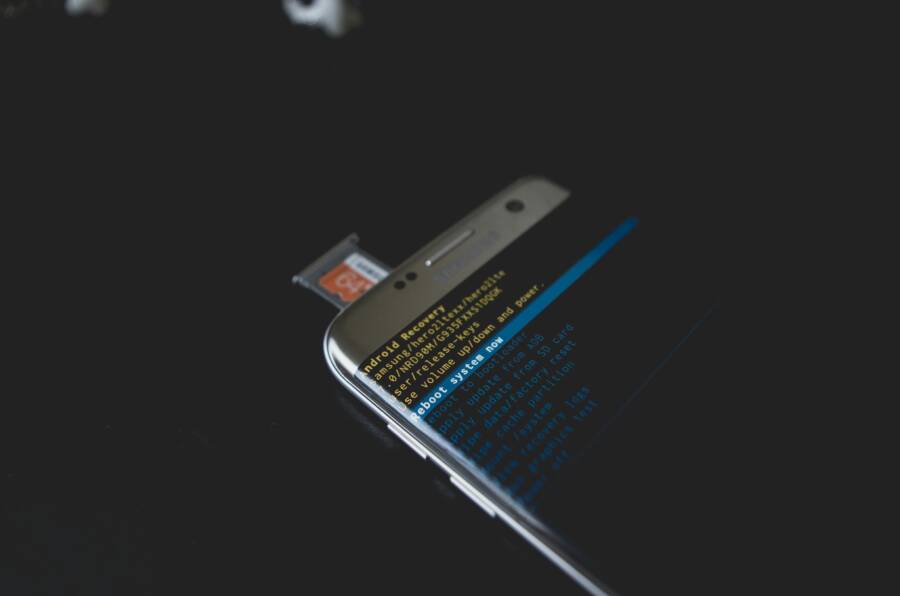
When icons on your Android home screen keep reverting to the default look, it can feel like a never ending loop. The good news is that most fixes are quick, require minimal technical know-how, and can be completed in under 10 minutes. In this section, you’ll find practical steps to stabilize your custom icons and keep your home screen looking the way you want it.
 Photo by Kelvin Valerio
https://www.pexels.com/@kelvin809
Photo by Kelvin Valerio
https://www.pexels.com/@kelvin809
Restart and Clear Recent Apps
If your icons revert after a reboot or after using a few apps, a quick reset can stop the cycle. Start with a force restart to clear transient glitches. On most Android devices, you can force a restart by holding the Power button for 10 to 20 seconds. If that doesn’t work, try Power and Volume Down together for the same duration.
After the device boots again, close all recently used apps. This helps clear any memory hiccups that might push the launcher back to defaults. Finally, inspect the home screen. If icons have returned to default, reapply your icon pack and layout.
Tips to confirm you’re done:
- Launch a couple of apps to ensure icons stay in place.
- Open the launcher settings to verify your current layout is still active.
- Reboot once more to verify persistence.
If you want more guidance on force restarts and managing recent apps, check an expert walkthrough on force restarting and clearing recent apps.
Clear Launcher Cache and Data
Corrupted launcher cache is a common culprit behind icon resets. Clearing the launcher cache forces the system to rebuild its icon cache from scratch. Before you begin, back up your icon packs and layouts so you can reapply them easily.
Steps for most Android devices:
- Go to Settings.
- Tap Apps (or Apps & notifications).
- Find your launcher (it may be named like “Launcher,” “Nova Launcher,” or the default system launcher).
- Tap Storage & cache.
- Tap Clear Cache, then Clear Storage/Data.
Important: Clearing data will reset your launcher to its default state, so you’ll need to reconfigure your home screen afterward. Have your icon packs and layouts ready to reapply. If you’re using a third party launcher, you can reinstall the app and set it as default again.
After you reset, reapply your custom icon packs and layouts. If you notice the issue returning after an app update or a system event, consider re-uploading the icon pack or switching to a more stable launcher option.
If you’re looking for more detail on clearing launcher caches, a number of users report similar experiences with Pixel devices and the Pixel Launcher. You can参考 this guide on clearing the launcher cache to refresh icon data.
Reinstall or Reset Your Launcher
If the above steps don’t hold your icons in place, it’s time to reinstall or switch launchers. Reinstalling the launcher can fix corrupted files or permissions that cause a reset. If you’re already using a well-known third party launcher, you may want to try a default launcher to compare results.
- Reinstall the launcher: Uninstall the launcher from Settings > Apps > [Your Launcher] > Uninstall. Then reinstall from the Google Play Store.
- Test a different launcher: Nova Launcher is a popular option for customizable icons. If you prefer staying with the default experience, you can revert to the built-in launcher.
After installation, set the launcher as the default again. Go to Settings > Apps > Default Apps (or Home app) and select your chosen launcher as the home app. If you used Nova Launcher before, you can reapply your icon packs and home screen layout to regain your preferred look.
For readers exploring launcher stability and defaults, you can review discussions about resetting icons back to defaults with Nova Launcher for more context. Resetting defaults can help you decide whether to stay with third party options or stick with the stock experience.
Links for further reading and broader community experiences:
- Nova Launcher defaults reset discussion: https://xdaforums.com/t/reset-icons-back-to-their-defaults-in-nova-launcher.3868907/
- How to exit Nova Launcher and revert to default: https://xdaforums.com/t/how-to-exit-temporarily-nova-launcher-and-revert-to-default-launcher-no-default-launcher-change.4683030/
- Galaxy users restoring default launcher: https://www.youtube.com/watch?v=qVqnW-FQy5o
This approach minimizes disruption while keeping your customized look intact. If you run into persistent issues after a system update, consider keeping a backup of your layout so you can restore it quickly.
External reference for core Android launch behavior and app management:
- Find, open & close apps on Android: https://support.google.com/android/answer/9079646?hl=en
If you want a deeper dive into how to manage icons and launcher behavior on various devices, exploring community forums can provide device-specific tips and scripts that users share after upgrades.
The content above is tailored to help you fix icons reverting to default on Android devices quickly. The next sections will continue with targeted guidance for different Android setups and ensure your home screen stays in the look you love. For further context on launcher behavior and icon management across devices, you can explore additional resources and threads linked above.
iPhone Fixes to Restore Custom Icons
When your iPhone icons keep slipping back to the default look, it can feel like you’ve wasted a lot of time. This section gives you three practical approaches to keep your home screen personalized. Each method focuses on a different cause, so you can pick the one that matches your setup. Think of it as a quick triage that gets you back to a home screen you love, without heavy tech stress.
He Was Drowning in Bills and Burnout Until a Simple Daily Ritual Rewired His Brain for Wealth in Less Than a Week
>>> Start Your Shift Today <<<

Reset Home Screen Layout
Resetting the home screen layout is a low-risk, high-reward step. It restores the grid and defaults without touching your apps themselves, so your data stays intact while you get a clean slate to reapply icons.
- Path to follow: Settings > General > Transfer or Reset > Reset > Reset Home Screen Layout.
- What happens: The home screen returns to the original layout, but your apps remain installed. You’ll need to re-arrange icons and reapply any custom icon tweaks afterward.
- When to try: If you notice icons reverting after a reboot or after a major system event, this reset often stabilizes the layout for subsequent sessions.
- Pro tip: After the reset, reapply your custom icons in a controlled sequence. This reduces the chance of a second reset caused by a conflicting layout.
Why this helps: A lot of icon issues stem from layout metadata getting out of sync with the grid. A fresh layout provides a reliable baseline, allowing you to reintroduce your chosen icons without interference from stale settings.
If you’d like a quick visual guide, you can explore a recent walkthrough that demonstrates how to reset the Home Screen layout on iOS 18 and see the steps in action. This can help you confirm the exact taps on your device model.
Update Apps and iOS Software
Outdated apps or system software can cause icons to revert as part of bug fixes and asset reassignments. Keeping everything up to date minimizes surprises and helps preserve your custom icon setup.
- Check for iOS updates: Open Settings > General > Software Update. Install any available updates, then restart your iPhone to apply changes cleanly.
- Update apps: Open the App Store, tap your profile picture, and install any pending updates. Some apps update their own icons as part of redesigns, so keeping apps current reduces mismatches with your icon pack.
- Why this matters: Updates can replace icon assets or reset launcher behavior. A fresh set of assets aligns with your current home screen configuration, reducing the chance of automatic reversion.
- Quick maintenance tip: Enable automatic updates for both iOS and apps if you want to minimize manual checks. This helps ensure you’re always running the latest, compatible icon assets.
Useful context: If you want more background on how software updates interact with home screen layouts, a discussion around iOS icon behavior during updates can provide deeper context. For convenience, you can view community experiences referenced by other users as they encountered similar issues.
Trusted guidance and related attention points:
- Apple Discussions on how updates can affect home screen layouts. These threads often contain user-tested strategies that align with official behavior.
- A practical overview of how to manage app icons when iOS changes icon assets after updates. This helps set expectations for upcoming releases.
Recreate Icons Using Shortcuts App
If updating or resetting doesn’t fully restore your look, the Shortcuts app offers a reliable way to recreate icons exactly how you want them. This method gives you granular control over each icon’s appearance and behavior.
- Quick tutorial outline:
- Open the Shortcuts app and create a new shortcut.
- Choose “Add Action” and select the app you want to link to a custom icon.
- In the shortcut options, tap the icon image to customize it with your own artwork.
- Add the shortcut to your Home Screen as a new icon, not the original app shortcut.
- Repeat for each app you want to customize.
- Why this works: Shortcuts-based icons are separate from the system icon catalog. They render with your chosen artwork and won’t be overridden by standard app updates.
- Tips for smoother results:
- Use high-contrast images that remain clear at small sizes.
- Group related icons by theme to keep your home screen organized.
- If a shortcut looks a bit off after an update, recreate the shortcut and re-add it to the home screen.
- Common pitfalls: Some users find that icons created with Shortcuts load a tiny delay the first time you tap them. This is usually negligible after the first launch, but you can minimize it by testing a few icons together before finalizing your setup.
Illustrative example: You can change the look of your calendar and messaging apps by linking them to bold, themed icons. This approach keeps the visual rhythm you enjoy while staying responsive to app updates.
Helpful resources and related discussions:
- A straightforward guide on changing app icons with Shortcuts, which provides step-by-step visuals and tips.
- Community threads where users share their Shortcuts icon workflows, including troubleshooting tips if an icon doesn’t launch as expected.
External references you may find useful:
- How to change app icons on iPhone using Shortcuts. This guide walks you through a practical workflow and shows common customization patterns.
Your home screen, your rules. Shortcuts give you a durable path to maintain a cohesive look, even as apps update and change their own visuals.
External links for deeper context and community experiences:
- How to Change App Icons iOS 26 in 5 Minutes
- Making Custom App Icons With Shortcuts on Apple Community
- How to Change App Icons on iPhone by TMS Outsource
By following these three approaches, you’ll have a solid plan to keep your iPhone icons from slipping back to default. Reset the layout for a clean start, keep software up to date to prevent asset reassignments, and use Shortcuts to precisely recreate and lock in your preferred icons. If you want more targeted guidance for a specific iPhone model or iOS version, I’ll tailor the steps to fit your setup.
Advanced Steps If Icons Still Reset
If you’ve tried the quick fixes and your icons still revert to the default look, it’s time for deeper troubleshooting. This section walks you through practical, no-nonsense steps that address stubborn causes. Think of it as a smart triage that separates the flaky launchers from the system quirks. You’ll gain more control over how your home screen stays consistent, with clear actions you can take today.
Boot into Safe Mode
Safe Mode helps you test whether third party apps are causing the icon resets. When you boot into Safe Mode, only the system apps run, so you can see if the problem persists without your icon pack or launcher involved.
- Android steps: Hold the power button, then tap and hold Safe Mode. Complete the reboot and test your icons on the home screen.
- Test plan: Reapply a minimal setup—one launcher and one icon pack. If icons stay put, a third party app is the culprit.
- Next actions: Exit Safe Mode to return to normal, then uninstall suspected culprits one by one. If the issue disappears in Safe Mode but returns after a regular boot, you’ve narrowed the list to problematic apps.
Tip: If you want a quick reference for common Safe Mode workflows, you can review community threads about launcher behavior in Safe Mode and how it reveals underlying app conflicts. This kind of testing is often the fastest path to a stable setup. For broader context on launcher behavior and app management, see the back-up and restore guidance in related resources.
Disable Battery Optimization for Launchers
Battery optimization can quietly suspend or throttle launcher processes, which can cause icon packs to fail to apply or revert after certain events.
- Path to adjust: Settings > Battery > App optimization > Don’t optimize.
- What to do next: After you mark the launcher as not optimized, run a quick test by restarting the phone and reshaping the home screen layout. If icons hold, you’ve likely found the culprit.
- Why this helps: With optimization disabled, launchers get the resources they need to render your icons consistently, especially during moments of heavy load or after wakeups.
- Extra tips: Some devices vary in wording (for example, “Unrestricted” or “No restrictions”). If you see those options, choose them for the launcher, icon pack manager, and any automation tools you rely on.
For deeper context on how Android manages background processes and app optimization, you can consult guides that walk you through turning off battery optimization for specific apps. This is particularly helpful if you notice icon resets after gaming, navigation, or messaging apps that rely on timely icon rendering. One practical resource outlines the general approach and common pitfalls.
Factory Reset as Last Option
A factory reset should be reserved for when all other methods fail or when the device has accrued multiple conflicting settings. It returns the phone to its original software state, removing personal data and apps you installed after purchase.
- Preparation: Back up everything important first. This includes photos, messages, app data, and custom layouts.
- Full steps:
- Open Settings.
- Go to System or General Management, then Reset.
- Choose Factory data reset or Reset all data.
- Confirm and wait for the device to reboot.
- When to use: If the icon problem persists across Safe Mode, after clearing launcher caches, and after a full system update, a reset can clear stubborn metadata that locks in defaults.
- Post-reset plan: Restore apps from your backup, reconfigure your launcher, and reapply your icon packs with the least risky sequence. This helps avoid reintroducing corrupted data.
Backup and restore resources can guide you through the process, ensuring you don’t miss any critical step. If you’re unsure which data to keep, use built in cloud backups or a trusted local backup method. A factory reset is a fresh start, but it requires careful preparation.
External references and related context can offer practical perspectives on backing up and restoring layouts. For example, guides that discuss backing up and restoring home screen layouts across devices provide concrete steps you can follow before you reset. Such resources help you move through this option with confidence and less stress. If you want to explore more about restoring app icons after a reset, you’ll find community experiences helpful as you rebuild your look.
Prevent Icons from Resetting Again
A consistent home screen is part of your phone’s personality. When icons snap back to default after updates, restarts, or background processes, it breaks that sense of cohesion. This section outlines practical, no-nonsense steps you can take to keep your custom icons in place. You’ll learn how to preserve your layout, choose reliable launchers, and implement a stable setup that stands up to updates and power saving.
Backup Your Home Screen Setup
Backing up your home screen layout is the first line of defense against icon resets. Think of it as saving your work in progress so you can restore it in seconds if something overwrites your changes. A solid backup lets you reapply your icon packs, grid settings, and widget placements without starting from scratch.
Start with two simple methods:
- Launcher export: Many launchers offer a built in backup feature. If you’re using Nova Launcher or a similar app, open the launcher’s settings and look for Backup & Import. Create a backup of your layout, icon packs, and widgets. This gives you a single file that you can restore after updates or device changes.
- Screenshots: Capture a quick sequence of your home screen pages, including all folders and widgets. Screenshots are fast and verifiable when you need to reconfigure a look exactly as it was. Store these in a dedicated album for quick access during restoration.
Why backups matter: updates, app reshuffles, and permission resets can wipe your customization even when you don’t expect it. A saved layout ensures you’re not left guessing where to place each icon again.
How to implement a reliable backup routine:
- Schedule a backup after major changes, like adding a new icon pack or adjusting a dozen icons.
- Save backups to a cloud service or a dedicated folder on your device for quick restoration.
- If your launcher supports it, enable automatic backups so you always have a recent restore point.
Pro tip: If you want to back up your Nova Launcher setup specifically, you can follow a straightforward process to export your layout. This approach is practical if you often switch devices or need to reset your phone for troubleshooting. For a step by step guide, see the Nova Launcher backup resources in the community tutorials.
- Nova Launcher backup guide: https://android.gadgethacks.com/how-to/nova-launcher-101-back-up-restore-your-home-screen-settings-0179912/
Image: A clean, well-organized home screen with a cohesive icon theme, reflecting a stable layout after a backup.
Photo by Artem Podrez
Choose Stable Launchers and Icon Packs
The second pillar of preventing icon resets is selecting launchers and icon packs that are known for stability and good update practices. A well chosen combination minimizes conflicts, preserves your look through updates, and reduces the need for constant reconfiguration.
Guidelines for choosing a stable setup:
- Favor launchers with clear backup and restore options. A launcher that periodically saves layout data to the cloud or local storage reduces the risk of losing your configuration after an update.
- Pick icon packs from reputable sources with active maintenance. Regular updates to icons and compatibility fixes mean fewer surprises when your OS or apps update.
- Consider how well the launcher handles system updates. Some launchers refresh their integration with the OS after major updates; others may require a quick re-application of your layout.
What to look for in a launcher:
- Explicit default status control after reboot and stable permission handling.
- A straightforward process to reapply icon packs and layouts post update.
- Broad compatibility with popular icon packs and theme elements.
Recommendations to explore:
- Action Launcher and similar alternatives are favored by many users for reliable backups and straightforward customization.
- Other notable options include well-supported launchers that emphasize stability over novelty, especially after OS updates.
Icon pack stability matters too. Some packs may clash with certain launchers or device skins, causing icons to revert or misalign after a patch. If you notice reversion after an update, test a different icon pack or switch to a launcher with stronger compatibility guarantees. For broader guidance on launcher options, see reviews of popular Android launchers and their stability profiles.
Useful references and practical tips:
- If you’re curious about stable alternatives to Nova Launcher, check a comprehensive roundup of reliable launchers that perform well without frequent resets.
Link: https://www.androidauthority.com/nova-launcher-alternatives-3597206/ - For a deeper comparison of top Android launchers in 2025, Tom’s Guide offers a practical roundup you can use to pick a stable option.
Link: https://www.tomsguide.com/round-up/best-android-launchers - If you’re on a Samsung device and want predictable results, some users report better outcomes with launchers that align with Samsung’s ecosystem. See community discussions on launcher stability for Galaxy devices.
Link: https://www.zdnet.com/article/6-android-launchers-that-are-better-than-your-default-home-screen-and-why/
Readers often find that testing a couple of stable launchers over a week reveals the best fit for their daily use. The goal is to reduce disruptions so your home screen remains visually consistent even as apps update.
Image: An Android phone showing a clean, organized home screen with a stable icon theme.
Photo by Artem Podrez
Putting it into practice:
- Start with one stable launcher that supports reliable backups.
- Pair it with a widely used icon pack that receives frequent updates.
- Create a backup after setting the layout and reapply whenever you notice a major OS or app update.
External links for further context:
- Backup and restore Nova Launcher setup: https://forum.waituk.com/how-to-backup-your-nova-launcher-setup/
- Nova Launcher backup basics: https://android.gadgethacks.com/how-to/nova-launcher-101-back-up-restore-your-home-screen-settings-0179912/
By pairing a stable launcher with a well maintained icon pack, you create a safer baseline. This reduces the chances of an automatic reset and makes it easier to recover quickly if something does change. If you want to tailor your setup for a specific device, I can help map out a tested combination that works best for your phone model and Android version.
Conclusion
Icon reversion can feel small yet disrupts your whole phone personality. The most reliable fixes are simple: back up your home screen, pick a stable launcher and icon pack, and keep software up to date. By applying these steps, you reduce the chances of sudden resets after updates or restarts.
If you still see icons revert, run through a quick triage. Reset the home screen on iOS, clear launcher cache on Android, and test in Safe Mode to isolate the culprit. A well chosen setup stays steady through updates and power saving, letting your custom look endure.
A practical mindset helps here. Back up first, then reapply icons in a calm sequence. This minimizes rework and keeps your layout intact longer. When an update hits, you’ll have a quick restore point to rely on rather than starting from scratch.
Want to keep the momentum going? Try a dedicated backup routine and stay with a stable launcher you trust. If you hit a snag, drop a note in the comments about what fixed yours. Sharing concrete steps helps everyone, and you’ll reinforce your own plan as well. Your smartphone should feel like you, not like a default reset.
Happy customizing, and may your home screen stay as unique as you are.
There Is a Frequency That the Wealthiest Families Have Used for Generations and Most People Will Never Know It Exists
>>> Open the Door <<<
