She Pressed Play on a Strange Audio Track and Within Days Her Financial Reality Started Shifting in Ways She Could Not Explain
>>> See How It Works <<<

Why do alarms go off at the wrong time on your phone, and what can you do about it? This guide gives you a practical, no nonsense plan for both Android and iPhone users. You’ll learn the common culprits, step by step fixes, and smart habits to prevent future misfires.
Alarms can misbehave for several reasons. Time zone and clock settings matter a lot, especially if Automatic time or time zone is off. Software bugs in the Clock app or OS updates can flip alarm times or mute sounds. Do Not Disturb or Focus modes can silence alarms or change notification behavior, making a trusted wakeup call fail to ring. Battery saver and background restrictions can stop the Clock app from running in the background, so an alarm might not trigger as expected. Third party apps and automations can interfere, and simple human errors like AM/PM mixups or duplicate alarms still happen.
The good news is that most misfires are fixable with a quick check of settings and a few test alarms. In this post you’ll find clear, actionable steps for both devices, plus practical tips to prevent repeats. By the end you’ll know how to recover a reliable wakeup routine, even if you rely on multiple alarms across apps. If you want, share your phone model and OS version and I’ll tailor the checks to your device.
Understand Why Alarms Go Off at the Wrong Time
Alarms that ring at the wrong moment are frustrating and risky, especially when you rely on them to wake up on time or catch important appointments. The root causes are usually straightforward: time zone glitches, clock sync issues, overlapping alarms, or software quirks. In this section, you’ll learn the common culprits and how to fix them quickly across Android and iPhone. You’ll also get practical checks you can perform right away to prevent future misfires.
What If the Only Thing Between You and the Life You Deserve Is a Hidden Wealth Code Waiting to Be Activated
>>> Open the Door <<<

Time zone and clock sync issues
When the clock on your device isn’t aligned with the real world, alarms can misbehave. A wrong time zone or a clock that isn’t updating automatically can push an alarm to ring an hour early or late. The fix is simple, but it requires confirming a few settings and running quick tests.
- Enable automatic date and time: This lets your phone adjust to changes in time zones and daylight saving time without you thinking about it. On most devices, you’ll find this under Date & time or similar settings. Turn on “Automatic date & time” and, if available, “Automatic time zone.”
- Check the current time zone: Make sure your home time zone matches where you are. If you travel or move, a mismatched time zone can throw off alarms until the clock syncs.
- Confirm internet connection: If your device can’t access the network, automatic time updates may stall. Ensure you’re online when you enable automatic settings.
- Manually verify the clock after a reset: If you’ve recently rebooted or updated the OS, the clock can drift briefly. Check the time by opening the Clock app and comparing it to a reliable source.
- Cross-check for multiple clocks: Some users accidentally enable a secondary clock for another city. If your alarm is tied to a home clock, this misconfiguration can cause confusion.
A quick test helps: set a one-off alarm for a few minutes in the future, then watch to see if it rings on time. If it doesn’t, revisit the automatic date and time settings and confirm the time zone is correct. For Apple devices, you can follow guidance from Apple Support about enabling automatic time settings if the wrong date or time keeps appearing. For Android users, Google’s Android Help offers steps to set time, date, and time zone accurately. If you’d like, you can share your device model for a tailored check.
Useful resources:
- Android Help: Set time, date and time zone
- Apple Support: Set the date and time automatically
Multiple alarms and conflicts
Alarms can collide in ways that make wake-up calls inconsistent. You might have duplicates, overlapping schedules, or silent alarms from other apps that mask the sound you expect. Each of these can push you past your intended wake-up time or leave you with a silent morning.
- Look for duplicate alarms: Review every alarm entry in the Clock app. Delete any duplicates or alarms that are scheduled at the same time. If you use multiple apps for reminders, consolidate them so you aren’t juggling several alarm sources.
- Check repeat patterns: A repeated alarm can mask another alarm set for the same time on different days. Ensure you don’t have overlapping repeat rules.
- Inspect for silent alarms or muted sounds: Some apps can set alarms that go quiet due to notification or Do Not Disturb settings. Verify the sound options within each alarm and the app’s own notification settings.
- Test after edits: After removing duplicates or adjusting schedules, set a test alarm for tomorrow morning. Confirm the sound plays as expected and at the right time.
- Consider one centralized wake-up plan: If you rely on several alarms for different tasks, try putting them all under a single clock or routine so you always know which alarm will ring.
If you’ve experienced reports of alarms behaving oddly on iPhone or Android, you’re not alone. A common workaround is to clean up duplicates and run a controlled test. For iPhone users, some have found relief by ensuring the alarm app has the correct sound and that Focus or Do Not Disturb modes aren’t silencing alerts. Android users often fix this by deleting extra alarms and double-checking the home clock settings. If you want additional guidance, we can walk through a device-specific checklist.
Third party apps and automations
Automation apps and smart routines can quietly influence how alarms behave. A shortcut, automation rule, or background task might trigger an alarm, modify the clock’s behavior, or mute sounds at the wrong times.
- Audit automation apps: Review any apps that have permission to run at scheduled times or modify notifications. This includes routine automations, sleep tracking apps, and smart home helpers.
- Test in Safe Mode or with recent apps disabled: Safe Mode disables third party apps, allowing you to determine if an automation is the culprit. If alarms work in Safe Mode, one of your installed apps is interfering.
- Disable recent automations temporarily: If you recently installed or updated an automation app, disable it to see if the alarm timing stabilizes.
- Isolate by performing a clean boot: On Android, a clean boot can help you verify whether the problem is caused by third party software. On iPhone, review any Shortcuts that run alarms or notifications and test after removing them.
- Reintroduce gradually: After you identify a culprit, re-enable other automations one by one to confirm the exact interaction causing the issue.
If you want a precise, device-based approach, share your model and OS version and I will tailor the safe mode steps and app checks to your phone.
Software bugs and updates
Bugs in the operating system or clock apps can cause alarms to misfire. A bug might shift alarm times, mute sounds, or disable alarms entirely in certain conditions. Software updates often address these issues, but they can also introduce new quirks.
What If the Only Thing Between You and the Life You Deserve Is a Hidden Wealth Code Waiting to Be Activated
>>> Open the Door <<<
- Check for OS updates: Updates can fix known alarm issues. Install any pending updates from the device settings.
- Review release notes: Look for known issues related to alarms in the latest update notes from Apple or Google. If a bug is reported, you’ll typically see it documented there.
- Reboot after updates: A fresh restart helps the OS reinitialize the clock and alarms after updates.
- If the problem persists, seek guidance: When updates don’t fix the issue, consider a targeted fix path such as resetting the clock app preferences or testing with a clean install of the Clock app if available.
- Monitor for new patterns: After applying updates, pay attention to whether alarms return to normal. If not, you may need to escalate with support or check online communities for similar reports.
In many cases, a simple update and a restart clear the problem. If you’ve been affected by a bug in a recent OS version, you’ll find related notes in official support pages and reputable tech outlets. Keeping an eye on credible sources helps you stay ahead of any recurring issues.
External references you may find helpful:
- Apple Support: Time and time zone settings
- Android Help: Set time, date and time zone
If you’d like, I can tailor a step-by-step runbook for your exact device model and OS version, including a quick one-week checklist to prevent future misfires.
Android Fixes That Actually Work
If you’re shopping for practical, no-nonsense fixes to alarms that go off at the wrong time, you’ve landed in the right spot. This section focuses on reliable, tested steps you can apply right away on Android devices. You’ll learn how to align time settings, prune confusing alarm setups, and verify that nothing in the background is quietly sabotaging your wakeup calls. Along the way, you’ll see how a simple smartphone adjustment can save you from missed meetings and groggy mornings.

Photo by cottonbro studio
Set correct time zone and date
Incorrect time zone and date are the most common culprits behind alarms firing at the wrong moment. A quick audit of your Android time settings can restore reliability in minutes.
Walkthrough:
- Open the Clock app, then tap the menu (often labeled More or Settings).
- Ensure Automatic date and time is turned on. If available, enable Automatic time zone as well.
- Confirm your Home time zone matches your current location. A mismatch will drift alarms until the clock catches up.
- Check your device’s general network status. Automatic time updates rely on a network connection; ensure you’re online when you adjust these settings.
- After a reset or reboot, verify the clock again. A brief drift after updates is common, so a fresh check helps.
Extra tip: keep an eye on regional differences. If you travel frequently, your phone might switch to a different region’s clock. This can create subtle, hard-to-detect drift over days or weeks. A recurring check ensures your device stays aligned with your actual time.
One quick test helps: set a one-off alarm for two minutes in the future. If it rings on time, you’re good. If not, revisit the automatic date and time settings and verify the time zone is correct. For Apple devices you’d follow Apple Support guidance on automatic time settings; for Android, Google’s help site covers time, date, and time zone management. If you want, share your device model for a tailored check.
Useful resources:
- https://support.google.com/android/answer/2841106?hl=en
- https://support.google.com/clock/answer/2841106?hl=en
- https://support.google.com/pixelphone/answer/2841106
Clean and manage alarms in the Clock app
A clutter of alarms from different apps or duplicate entries can cause conflicts or silent wakeups. A clean Clock app setup minimizes failure points and makes it easy to spot misconfigurations at a glance.
What to do:
- Edit alarms and delete duplicates: Open the Clock app, review all alarms, and remove any duplicates or identical times. If you use multiple reminder apps, consider consolidating to a single alarm source to avoid overlap.
- Verify snooze options: Some alarms mute snooze or revert to a silent state if the app’s notification channel is misconfigured. Make sure each alarm has a defined tone and snooze duration.
- Check default alarm sounds: Confirm you’re not set to a “None” tone. A missing sound can leave you with a silent wakeup.
- Look for app-specific settings: Some third-party alarm apps override system alerts or apply their own Do Not Disturb rules.
A practical approach: after making edits, set a test alarm for tomorrow morning. Confirm the sound and timing behave as expected. If you’re juggling alarms across apps, aim to centralize under the stock Clock app or a single, well-supported option to prevent cross-talk.
If you’d like a device-specific checklist, share your model and OS version and I’ll tailor the steps to your phone.
Test with a quick alarm
Testing after changes or after a reboot confirms the fixes are solid. A short, controlled test helps you avoid surprises on the big morning.
How to test:
- Set a test alarm two minutes ahead, or three to five minutes if you’re in a noisy environment.
- Wait for the moment and listen for the tone. If it fires correctly, you’ve validated the fix.
- Repeat after any reboot or OS update, since background reinitialization can reset alarm behavior.
This approach also helps verify that any automation or app updates haven’t reintroduced the issue. If you notice any inconsistency during testing, revisit the preceding steps and re-check time zone, alarm sounds, and app interference.
Check for interfering apps and automation
Automation apps and routines can quietly alter how alarms work. A simple misconfiguration or a new rule can mute a wakeup or trigger an alarm at an unexpected time.
What to inspect:
- Audit automation apps: Review any apps with time-based permissions or those that can modify notifications. Sleep trackers, home automation, and routine apps are common culprits.
- Test in Safe Mode or with recent apps disabled: Safe Mode disables third-party software, letting you see if the problem persists without them. If alarms behave normally in Safe Mode, one of your apps is to blame.
- Disable recent automations: If you installed or updated an automation app recently, disable it temporarily to see if the problem clears up.
- Consider a clean boot: On Android, a clean boot can help you isolate whether third-party software is to blame. On some devices, you can replicate this by disabling non-essential services.
- Reintroduce gradually: Once you identify a culprit, re-enable other automations one by one to confirm the exact interaction causing the misfire.
If you want a precise, device-based path, share your model and OS version. I’ll tailor Safe Mode steps and app checks for your setup.
Update Clock app or switch to Google Clock
If your Clock app has its own quirks, updating it or switching to a trusted alternative can restore reliability. Google Clock is a strong default option on many devices, but you should check compatibility with your device and region.
What to do:
- Update the Clock app: Open the Google Play Store and check for updates to the Clock app. Install any available updates and restart the device.
- Try Google Clock: If your device’s default clock is problematic, Google Clock is a reliable alternative. It’s frequently updated and well-supported.
- Check reviews and notes: When updating, skim the release notes for known alarm-related issues. A bug fix in a recent update is common.
- Reboot after updating: A fresh start helps reinitialize the clock and alarms, reducing lingering glitches.
- If issues persist, consider a clean reinstall: If possible, reinstall the Clock app to reset its preferences and permissions.
New versions often fix subtle bugs that affect alarm timing or sound playback. If you run into trouble, you can consult official support pages or trusted tech outlets for the latest guidance.
External references you may find helpful:
- Apple Support: Time and time zone settings
- Android Help: Set time, date and time zone
- Google Clock Help: Get the Clock app
If you’d like, I can tailor a step-by-step runbook for your exact device model and OS version, including a quick one-week checklist to prevent future misfires.
Images and external resources:
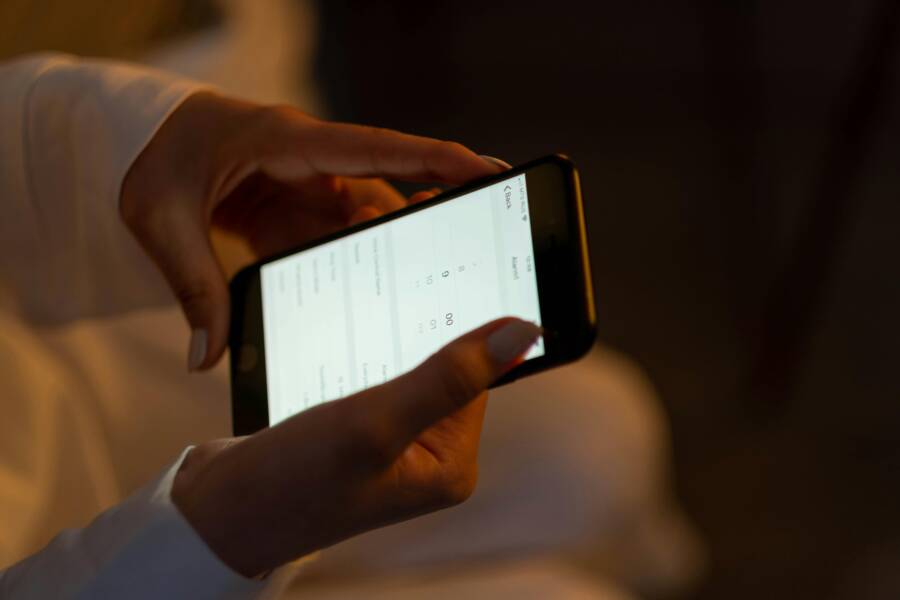
- Photo: Close-up of hands setting an alarm on a smartphone, depicting night usage and technology interaction. Photo by cottonbro studio.
- External links: See the Android and Clock help pages for official guidance, plus reports on common alarm issues and fixes from reputable sources such as TechRadar and Android Authority. These links provide practical steps and user-tested workarounds you can apply today.
Would you like a downloadable, device-specific cheat sheet you can refer to on mornings with coffee in hand? I can tailor a one-page checklist for your exact phone model and OS version, plus a quick six-day plan to ensure alarms stay on track.
iPhone Fixes That Clear the Noise
If your iPhone alarms keep misbehaving, you’re not alone. A few focused checks can restore reliable wakeups without replacing your entire routine. This section offers practical, device-specific fixes that address the most common sources of alarm noise and silence. You’ll learn to verify settings, disable disruptive modes, recreate alarms, and keep a reliable backup in case of future hiccups.
Check volume and alarm sound settings
Sound matters more than you think when a wake-up call is at stake. If the volume is low or the alarm tone is missing, you’ll miss the ring entirely.
- Open Settings > Sounds & Haptics. Raise the Ringer and Alerts volume to a comfortable level.
- Turn off Change with Buttons if you want to lock in the alarm volume. This prevents accidental changes in the middle of the night.
- In the Clock app, verify an alarm tone is selected. A silent alarm is a common culprit.
- If you use Do Not Disturb or Focus, check that alarms aren’t muted by a focus setting.
Image suggestion:
 Photo by cottonbro studio
External references:
She Pressed Play on a Strange Audio Track and Within Days Her Financial Reality Started Shifting in Ways She Could Not Explain
>>> See How It Works <<<
- How to set and change alarms on your iPhone
- Allow or silence notifications for a Focus on iPhone
Disable Do Not Disturb and Focus modes
Focus modes can silence alarms or alter their behavior, even if you expect a wake-up call to ring. A misconfigured Focus schedule is a common reason alarms don’t behave as planned.
- Open Settings > Focus. Review any active Focus profiles and disable them temporarily to test the alarm behavior.
- Check Focus schedules and automation: remove or adjust times when Focus silences notifications during the wake window.
- If you rely on a Focus mode during sleep, consider creating an exception rule just for the Clock or Alarm app so your wakeups aren’t muted.
Test tip: after adjusting Focus, set a short test alarm to confirm the change. If alarms ring reliably, you’re in the clear.
Recreate alarms and verify AM/PM
Sometimes old alarms or misread settings cause a wake-up to happen an hour early or late. Recreating the alarm with a fresh setup reduces the risk of hidden conflicts.
- Delete the problematic alarm in the Clock app.
- Create a new alarm with a clear name and time.
- Double-check AM/PM if you aren’t using 24-hour time. A simple misinterpretation can shift the wake time.
- Run a test by setting a short future alarm. Confirm it rings at the intended moment.
Tip: if you rely on multiple alarms, keep a single master alarm under Clock and use others only as backups. This reduces cross-talk between sources.
Restart or force restart
A quick restart can clear minor glitches that affect the Clock app or iOS services behind alarms.
- Soft restart: press and hold the Side button and either volume button, then slide to power off. After a moment, turn the iPhone back on.
- Force restart: on iPhone 8 and later, quickly press Volume Up, then Volume Down, then hold the Side button until the Apple logo appears.
- After restart, open Clock and run a quick test alarm. If issues persist, consider updating iOS or resetting Clock preferences.
Patience helps here. If you just updated the OS, give the system a moment to reinitialize background tasks that handle alarms.
Consider a backup alarm app if needed
If the built-in Clock app keeps giving you trouble, a trusted backup alarm can save your mornings.
- On iOS, Google Clock is not available as an iPhone app, but there are reliable alternatives. Look for apps with clear alarm tones, offline operation, and good user reviews.
- A simple, affordable real alarm clock placed by your bedside can serve as a dependable backup. This adds a physical fail-safe for busy or travel-heavy routines.
If you want a backup option tailored to iPhone users, I can suggest apps with strong reliability and straightforward setup.
Photo and reference notes:
- Photo sources illustrate general alarm setup and can help readers visualize the steps.
External references you may find helpful:
- Apple Support: Time and time zone settings
- Apple Support: Change your wake up alarm in Clock on iPhone
- Google Clock Help: Get the Clock app
Would you like a device-specific checklist you can print or save as a quick morning guide? I can tailor a one-page cheat sheet for your exact iPhone model and iOS version, plus a six-day plan to keep alarms on track.
Preventive Steps to Avoid Future Alarm Glitches
A reliable alarm routine is about good habits as much as smart settings. These preventive steps help you keep alarms accurate across Android and iPhone, even when you travel or switch time zones. Think of it as a lightweight playbook you can run every few weeks to prevent misfires. You’ll learn practical checks you can perform now, plus simple adjustments that pay off each morning.
Keep automatic date and time on; correct time zone
Enabling automatic date and time ensures your device stays aligned with local time as you move. This is especially helpful when you travel or cross time zones, where manual changes can lag behind real time.
- Turn on Automatic date and time and Automatic time zone if available. These settings keep the clock in sync with network time, so alarms stay accurate.
- Verify your current time zone matches your location. A mismatch is a common cause of alarms firing at the wrong moment.
- Ensure you’re online when enabling these settings. Automatic updates rely on a network connection.
- After resets or OS updates, recheck the clock. A quick sanity check confirms everything is aligned.
- If you use multiple clocks for different cities, consolidate so alarms reference a single, reliable time source.
Quick test: set a one-off alarm a few minutes ahead and monitor whether it rings on time. If not, revisit the automatic time settings and confirm the time zone. For device owners, Apple Support offers guidance on automatic time settings, while Android Help provides steps for time, date, and time zone management. If you want, share your device model for a tailored check.
Useful resources:
- https://support.apple.com/en-us/101619
- https://support.google.com/android/answer/2841106?hl=en
Regular OS and clock app updates
Bugs get fixed and reliability improves with updates. Staying current reduces the odds of an alarm misbehaving when the phone delivers notifications.
- Install all pending OS updates. They frequently include fixes for clock and notification issues.
- Update the Clock app if it has its own update channel. A fresh version can fix sound glitches or mis-timed alerts.
- Review release notes for alarm-related fixes. If a bug is acknowledged, you’ll see it documented there.
- Reboot after updates. A clean restart helps reinitialize background tasks that handle alarms.
- If problems persist, consider a reset of clock preferences or a clean reinstall of the Clock app if available.
External references you may find helpful:
- Apple Support: Time and time zone settings
- Android Help: Set time, date and time zone
- Google Clock Help: Get the Clock app
If you’d like, I can tailor a device-specific runbook for your exact model and OS version, including a quick one-week preventive checklist.
Avoid cross time zones with alarm scheduling
For travelers and remote workers, resisting automatic time zone shifts during the day can prevent alarm confusion. Plan a simple approach to scheduling across zones.
- Use a single, primary clock for alarm scheduling. When possible, rely on the built-in Clock app as your source of truth.
- If you must travel, consider temporarily locking the time zone to your home zone for certain alarms, then switch back after your schedule stabilizes.
- Be mindful of apps that carry their own timers or alarms. They can disable or mute alerts if they’re not synchronized with your main clock.
- Turn off auto time zone during long stays in one region if you notice drift, then re-enable once you’re back to normal routines.
Practical tip: set up a test alarm in the new zone to confirm behavior before relying on it for important mornings. External resources offer guidance for both Apple and Android users when dealing with time zones during travel.
- World clocks and time zone apps can help you visualize the difference and plan alarms more reliably.
- If you want a device-specific plan, share your model and OS version.
Useful resources:
- World Alarms app listing
- Best time zone tools for travelers
Keep alarms simple
A minimalist alarm setup reduces the chances of conflict or silent wakeups. Simplicity is a strong defense against misfires.
- Limit the number of active alarms. Too many alarms from different apps increase the risk of overlap or silence.
- Check snooze settings. Ensure snooze sounds are audible and don’t mute the alarm unexpectedly.
- Verify alarm tones. A missing or silent tone is a common cause of missed wakeups.
- Prefer a single trusted source for alarms. If you use multiple apps, consolidate to reduce cross-talk.
Test approach: after cleaning up, create a clear, named alarm and run a quick test. If it works reliably, you’ve reached a stable baseline.
Use a physical backup alarm for critical mornings
A cheap bedside alarm clock provides a dependable fail-safe for crucial days or when power or network is unstable.
- Position a low-cost alarm clock within easy reach as a reliable backup.
- Use the physical device for mornings that require extra security, such as travel days or important events.
- If you frequently travel, choose a clock with straightforward dual-battery or rechargeable power options to guard against outages.
This backup approach avoids total reliance on the smartphone and adds redundancy to your wake-up routine.
For readers who want recommendations, I can suggest budget-friendly options that work well with both Android and iPhone ecosystems.
Images and external resources:
- Close-up photo illustrating alarm setup on a smartphone
- Apple Support and Android Help pages for further guidance
Would you like a downloadable, device-specific cheat sheet? I can tailor a one-page checklist for your exact phone model and OS version, plus a six-day plan to keep alarms on track.
External resources you may find helpful:
- Apple Support: Time and time zone settings
- Android Help: Set time, date and time zone
- Google Clock Help: Get the Clock app
World-ready readers can combine these checks with a simple weekly routine to prevent misfires. A small, consistent effort saves mornings and keeps you productive.
Notes:
- If you’d like, I can tailor a device-specific checklist and runbooks for your exact model and OS version, including a quick six-day plan to keep alarms on track.
Troubleshooting Routine and Quick Wins
A solid troubleshooting routine helps you spot and fix alarm misfires fast. This section lays out a practical routine you can run nightly and use as a quick wins checklist whenever alarms act up. Think of it as a pocket guide for your smartphone that keeps your wakeups reliable across Android and iPhone.
Nightly alarm test ritual
A simple three-step ritual before you call it a night can save groggy mornings. It also gives you a clear baseline so you know whether the alarms are behaving.
- Set a short test alarm. Pick a time two to five minutes ahead and label it clearly, like “Test Alarm Tonight.”
- Confirm it rings. When the time hits, listen for the tone, signs of vibration, or a notification banner. Make sure the volume is audible and the selected sound is active.
- Log the result. Note whether the alarm fired as planned and any odd behavior (delayed ring, silent alarm, or muting). If it didn’t ring, record the exact circumstance and plan to recheck the settings the next day.
A quick, consistent nightly test creates a habit that prevents surprises. If you’re unsure about any step, start with the clock settings first to verify date, time, and time zone are correct. For Android users, the Android Help page offers explicit steps to set time and time zone, while Apple Support covers automatic time settings for iPhone users. This small routine pays off when you’re rushing in the morning.
External references:
- Android Help: Set time, date and time zone
- Apple Support: Time and time zone settings
What to do if alarms still fail
If a test alarm doesn’t ring as expected, follow a clear action path to rules out common culprits. Start with the simplest fixes and move to more targeted checks.
- Update first. Check for OS updates and Clock app updates. A bug fix in a recent release can restore reliable timing.
- Reset or recreate. Remove duplicates or conflicting alarms, then create a fresh alarm with a clear name and time.
- Test after each change. Run a new quick alarm test to confirm whether the issue is resolved.
- If needed, escalate. If multiple attempts fail, contact support or consider a device swap if the problem appears hardware related.
If the issue seems persistent, a deeper look at software quirks is helpful. For Android readers, there are reports about alarm clock bugs and fixes that surface after updates, while iPhone users sometimes encounter alarms not going off due to Focus or Attention features. Tech-focused outlets have published practical guidance on these topics, which you can reference as you work through the steps.
Useful resources:
- How to fix the Android alarm clock bug so you wake up on time
- Fix your iPhone alarm not going off
When to contact support or switch devices
Certain red flags indicate it’s time to involve support or reassess devices. If alarms fail across multiple apps, or after a thorough clean install, you’re likely dealing with a deeper issue.
- Red flags for support: repeated misfires after updates, alarms not adapting to time zone changes, or consistent silent alarms across apps.
- When to switch devices: if the issue follows you across repairs or replacements, or if your current phone has a known reliability problem with alarms, a switch may be warranted. Consider whether your current device meets your travel schedule and time-zone needs without relying on multiple backup systems.
- Carrier considerations: if network-related time updates or notification delivery seems flaky, check whether a switch to a more stable network or carrier improves reliability.
For context, several credible reports discuss ongoing alarm reliability concerns and solutions across iPhone and Android devices. If you want, I can tailor a device-specific plan and a six-day checklist to prevent future misfires.
External references:
- iPhone alarms not going off: guidance from Apple and independent outlets
- Android alarm reliability discussions and fixes
By following these steps, you’ll build a robust routine that minimizes missed wakeups. If you’d like, share your device model and OS version and I’ll tailor a precise runbook you can print or save for quick mornings. You can also use a single, trusted clock app as your primary source of truth to avoid cross-talk between sources.
Conclusion
A reliable alarm routine comes from clean settings, simple choices, and regular checks. The key fixes include confirming automatic date and time, verifying time zones, and pruning duplicate or conflicting alarms. Keep your clock app as the single source of truth whenever possible to avoid cross talk between apps and reminders. A quick test after any change confirms you’re set for the next morning.
Preventive steps matter just as much as fixes. Maintain up to date OS and clock apps, and stay mindful of Do Not Disturb or Focus modes that can mute alarms. Travel or time zone shifts deserve a quick, preemptive check so a correct wake-up remains non negotiable. A simple nightly routine plus a weekly sweep keeps your smartphone reliable when you need it most.
If you found this guide helpful, share it with friends and colleagues who rely on alarms for work, travel, or workouts. And remember, test alarms regularly to catch issues early. Tonight, try the step-by-step checks and a quick two minute test alarm to confirm everything rings as planned.
He Was Drowning in Bills and Burnout Until a Simple Daily Ritual Rewired His Brain for Wealth in Less Than a Week
>>> Start Your Shift Today <<<
