She Pressed Play on a Strange Audio Track and Within Days Her Financial Reality Started Shifting in Ways She Could Not Explain
>>> See How It Works <<<

Ever had a plan derail because your calendar shows the wrong time on your phone? A missed dinner, a late flight, or a meeting that starts before you realize it can spill into your day in minutes. Small misalignments add up, especially when you travel across time zones or juggle multiple calendars.
This post gives you simple, proven steps that work on both iPhone and Android. You’ll learn quick fixes you can try today and deeper settings to check for the longer term. We’ll cover common culprits like device time settings, time zone errors, and calendars that come from outside apps. By the end, you’ll have a reliable checklist to stop time mixups from ruining plans.
First, we’ll look at the basics that often solve the problem. If the clock on your phone isn’t correct, every event looks off. We’ll show you how to set the date and time automatically and how to verify your time zone is right for where you are right now. Next, we’ll dive into calendar settings that can pull in time from elsewhere, such as a travel moment or an imported calendar. Sometimes a single event keeps its own clock, and you need to correct it in place or remove the source calendar entirely.
We’ll also discuss unglamorous but effective maintenance habits. Regular software updates, rechecking synced calendars, and a quick reboot after changes can prevent recurring misprints. And if you rely on shared calendars for family trips or team projects, we’ll explain how to align those clocks without losing the events you care about.
Thousands of People Were Struggling With Money Until They Discovered This One Ancient Secret Hidden in Sound
>>> Unlock It Now <<<

If you’re ready to get back to keeping accurate schedules, this guide will walk you through a calm, practical sequence that works in everyday life and while you’re traveling. Whether you’re using a smartphone at home or on the go, you’ll finish with a dependable routine to keep your calendar in sync.
Common causes of wrong calendar times
When your calendar shows the wrong time, it can feel like your day is off from the start. Most issues come down to a few simple culprits that you can fix quickly. Below are the main causes and practical checks you can run on your smartphone to get back on track. If you travel or switch calendars often, you’ll want to skim these points so you know where to look first.
Wrong device time zone and automatic time settings
A mismatch in your device’s clock or time zone affects every event you see. If the clock is off, even by a few minutes, calendar entries shift accordingly. On iPhone and Android, verify that the time is set to auto and that the time zone matches your current location. For iPhone, check Date & Time and Time Zone settings; for Android, look under System or Date & Time. A quick reboot after changes helps solidify the fix. For deeper guidance, see Apple’s guide on scheduling in different time zones and Google’s calendar help for Android time zones. This issue is common for travelers who forget to enable automatic time updates. Learn more about iPhone time zone settings and related steps here: https://support.apple.com/guide/iphone/schedule-display-events-a-time-zone-iph69525c028/ios
Calendar Time Zone Override on iPhone
Event level time zones and server time settings
Some events carry their own time zone, independent of your device. This means a calendar entry could be scheduled in a different zone even if your phone is set correctly. To check, open the event details and look for a Time Zone option. If the event is in the wrong zone, adjust the time zone or convert the event to your local time. When you correct one event, you often fix a handful of similar entries that came from the same source. For reference on how events interact with device time, see Google’s Android calendar time zone guidance: https://support.google.com/calendar/answer/37064?hl=en&co=GENIE.Platform%3DAndroid
Calendar account time zone mismatches and server sync
Your calendar provider, whether Google, Exchange, or another service, can set a different time zone on the server. If the server’s time zone doesn’t match your device, events can appear at the wrong times even after you fix the device clock. Check the provider’s web settings to confirm the server time zone, then resync or re-add the calendar to align with your device. For Apple users, review provider-specific tips and ensure your calendar is syncing correctly. A trusted reference for Google Calendar time zone behavior is available here: https://support.google.com/calendar/answer/37064?hl=en&co=GENIE.Platform%3DAndroid
Tips to keep things aligned across devices
- Regularly confirm both the device clock and the calendar’s time zone settings are in sync.
- If you use multiple calendars, test a single event after a setting change to confirm the fix works across sources.
- Consider a quick reboot after adjusting time settings to ensure updates are applied.
Extra note for quick checks on the go
- When you’re using a smartphone, a five-minute review of Date & Time, Time Zone, and Calendar settings can prevent most misalignments. If you travel frequently, keep Time Zone Support in mind and re-check after arriving at a new location. For a broader reference on time zone behavior across platforms, you can consult Apple’s and Google’s official support pages linked above.
Quick fixes you can try today
When calendar times go off, you need fast, practical steps you can apply right away. These quick fixes address the most common culprits—device clock settings, calendar time zones, and account syncing. Below you’ll find concise, actionable actions for iPhone and Android that you can implement without digging into complicated menus. A simple reboot after changes helps lock in the fixes.
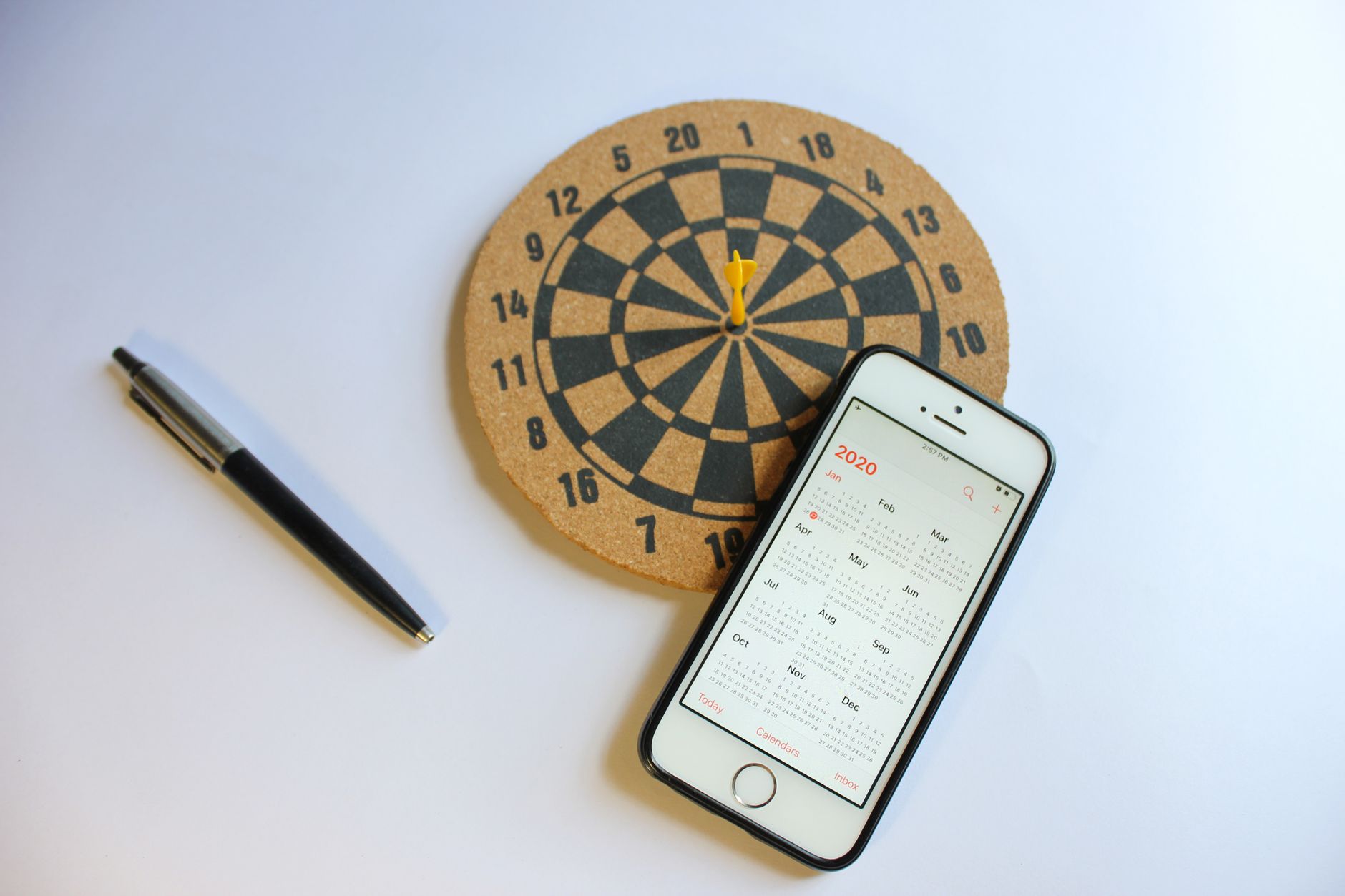 Photo by Garreth Brown (https://www.pexels.com/@garreth)
Verify device clock and time zone (auto vs manual)
Set automatic date and time to ensure every event lines up with reality. On iPhone, go to Settings > General > Date & Time, toggle on Set Automatically. If you travel, confirm the time zone matches your current location in the same menu. On Android, open Settings > System > Date & Time, enable Automatic date & time and Automatic time zone. A quick reboot after changes helps the settings take effect. For extra guidance, see Apple’s official guide on scheduling in different time zones and Android’s time zone help.
Check calendar Time Zone Override and event time zones
Time Zone Override can pin events to a single zone, which causes shifts when you move. On iPhone, open Settings > Calendar > Time Zone Override and turn it on or off as needed, or set it to your current location. Then review recent events in your calendar to verify their internal time zones. If an event sits in the wrong zone, edit the event to update its Time Zone or convert it to your local time. Apple’s and Google’s guidance provide quick reference points to verify these steps. If you notice a pattern tied to a single source, adjusting that source’s time zone usually fixes several entries at once.
Resync or re add calendar accounts
If sync looks good on the device but shows old times, sign out of the calendar accounts and sign back in, or remove and re-add them. This approach clears server-side mismatches and reestablishes a clean link between your device and the calendar provider. For iPhone users, remove and re-add iCloud or Google accounts in Settings > Passwords & Accounts, then re-sync Calendar. On Android, remove and re-add Google or Exchange accounts in Settings > Accounts. A quick re-add often resolves stubborn sync issues.
- If you rely on multiple calendars, test one event after re-adding to confirm the fix works across sources.
For additional context and step-by-step visuals, you can review related guidance on time zones and account syncing from trusted sources linked in the references.
iPhone specific fixes you can apply
When calendar times misbehave on your iPhone, a quick, phone-first approach often fixes the issue. This section focuses on iPhone-specific tweaks you can implement now. It’s all about making your device pull the right time from the right place, so your events stay properly aligned whether you’re at home or on the move. Keep a steady online connection as you apply these changes, and you’ll notice improved accuracy across calendars and apps.
Set time zone automatically and verify location services
Turn on Set Automatically to let your iPhone pick the correct time zone from your location. Make sure Location Services are enabled so the device can detect where you are and adjust accordingly. A quick check ensures you stay online while you verify these settings, which helps Time Zone detection stay accurate as you travel. If you notice delays, a short restart can help the new data take effect. For more details, see Apple’s guidance on scheduling in different time zones and the related setup steps. https://support.apple.com/guide/iphone/schedule-display-events-a-time-zone-iph69525c028/ios
Thousands of People Were Struggling With Money Until They Discovered This One Ancient Secret Hidden in Sound
>>> Unlock It Now <<<
He Was Drowning in Bills and Burnout Until a Simple Daily Ritual Rewired His Brain for Wealth in Less Than a Week
>>> Start Your Shift Today <<<

Manage Time Zone Override on iPhone
Time Zone Override locks events to a fixed zone, which can cause trouble when you cross borders. If you’re traveling or moving between locations, turn off Time Zone Override or set it to your current region. This keeps new events and imported ones aligned with where you are now. Use a quick check of a few recent events to confirm the change works across your calendar sources. If you frequently travel, this is a particularly useful adjustment. Schedule guidance for this feature can be found here: https://support.apple.com/guide/iphone/schedule-display-events-a-time-zone-iph69525c028/ios
Update iOS and restart for fresh time data
Keeping iOS up to date matters for time zone database accuracy. New builds include fixes that improve how calendars interpret time data. After updating, perform a quick restart to ensure the device loads the latest time information. This is a simple step that can prevent recurring misprints and help your smartphone handle time changes more reliably. For official steps on changing date and time on iPhone, check Apple’s support page: https://support.apple.com/en-ca/guide/iphone/iph65f82af3e/ios
Android specific fixes you can apply
If you’re juggling multiple calendars or traveling across time zones, Android users have reliable, straightforward fixes at their fingertips. This section focuses on practical steps you can implement on common Android devices to keep calendar times aligned. A quick reboot after changes helps lock in the updates, and a test event can confirm the fix works across sources. Keep this mini-guide handy for when time slips happen on your smartphone.
Set date and time automatically
Enabling automatic date and time, plus automatic time zone, solves most mismatches in one go. On Android, go to Settings > System > Date & time and switch on both “Automatic date & time” and “Automatic time zone.” If your device supports it, also enable “Use network-provided time.” Brands may label these options slightly differently, but the path is similar across Samsung, Google Pixel, OnePlus, and others. After turning these on, reboot your smartphone to ensure the new settings take effect. For quick reference on the official Android steps, see the Set time, date and time zone guidance from Google’s support resources.
- Verify the time zone matches your current location.
- If you travel, recheck after reaching a new place.
- Do a quick test by creating a calendar event and checking the displayed time.
For more detail, you can review Google’s Android help page about time settings: https://support.google.com/android/answer/2841106?hl=en
Sync calendar accounts and fix web settings
Sometimes the root cause sits on the web rather than on the device. Check that the calendar provider on the web uses a server time zone that matches your device. Misalignment between the server and device can cause events to appear at the wrong time even after you fix the device clock. Use the following quick checklist:
- Sign in to your calendar on the web and review the time zone in account settings.
- Confirm the server time zone equals your current location.
- Remove and re-add the calendar account if sync remains slow or inconsistent.
- Open the calendar app and perform a manual sync or refresh.
If you use Google Calendar, confirm the web time zone settings align with Android’s, then re-sync the calendar. Quick references from official guidance help you navigate this without guesswork: https://support.google.com/calendar/answer/37064?hl=en&co=GENIE.Platform%3DAndroid
Clear cache or reinstall calendar app
If the issue lingers after checking time settings, take a focused app-level approach. Clear the calendar app’s cache and data, or uninstall and reinstall the app. On Android, go to Settings > Apps > Calendar (or Google Calendar) > Storage & cache, then choose Clear Cache. If necessary, select Clear Storage (this will remove locally stored calendar data, but your events remain in the cloud when synced). If problems persist, uninstall the calendar app and reinstall from the Google Play Store. A fresh install often eliminates corrupted data that cause time display errors.
- After reinstall, sign back in and re-enable calendar syncing.
- Create a test event to confirm the time displays correctly across multiple calendars.
- If you rely on multiple calendars, repeat the test with one entry per source.
For broader context on calendar sync and time zone behavior, you can explore additional guidance linked to Google Calendar time zone settings and Android help pages.
External references for deeper reading:
- Use Google Calendar in different time zones – Android: https://support.google.com/calendar/answer/37064?hl=en&co=GENIE.Platform%3DAndroid
- How to manage calendar sync and solve common issues: https://yesassistant.com/how-to-manage-google-calendar-sync/
By applying these Android-specific fixes, you’ll dramatically reduce the frequency of wrong times on your calendar. If you still see discrepancies, the next steps involve cross-checking each calendar source and considering a device-wide refresh or factory reset as a last resort.
Long term tips to prevent wrong times in the future
Keeping calendar times accurate for the long haul means building a simple, repeatable routine. These tips focus on what to check regularly, how to structure your calendars, and how to handle travel without letting time zone quirks steal any minutes from your day. Think of this as a proactive habit, not a one-off fix. A little setup now saves a lot of confusion later, especially if you juggle multiple calendars or travel often.
 Photo by Karola G
Maintain a single, reliable time source across devices
- Set every device to update its clock automatically. This reduces drift between phones, tablets, and computers.
- Keep Time Zone Support enabled on laptops and mobile devices when you travel. Mismatches often start here.
- For travelers, re-check your time zone after landing in a new location. A quick glance can prevent a cascade of misaligned events.
Why it matters: when all devices pull time from the same reference, calendars stay in sync and you avoid double bookings or missed reminders. See Apple’s guidance on scheduling in different time zones and Android’s time zone help for practical steps.
Centralize calendar sources and reduce source drift
- Use one primary calendar for your main events and treat others as secondary only if you must. This minimizes conflicts when time zones or edits come from different servers.
- Review the time zone of each calendar source on the web. Server time zones can differ from your device and create silent shifts.
- Re-adding a calendar account after a period of intermittent syncing often clears stubborn misalignment.
Why it matters: when you align server and device times, you cut down on events that appear in the wrong hour across apps. Trusted guides from major platforms offer precise steps for resolving source-level issues.
Build a quick weekly maintenance ritual
- 10-minute weekly check: verify device clock, time zone, and a test event across all calendars you rely on.
- After any change, perform a quick reboot to ensure updates propagate correctly.
- Keep a small list of critical events (appointments, flights, meetings) and confirm their times once a week in their source calendar.
Why it matters: small, regular checks catch drift before it becomes a problem and create a habit that sticks.
Travel with a time zone plan, not a guess
- Before you travel, note the destination’s time zone and adjust your devices accordingly. If you cross multiple zones in one trip, plan for staggered checks along the way.
- When arriving, re-check the primary calendar’s view for the current location. A misplaced hour can ruin a plan you’ve anticipated for days.
- Consider turning off Time Zone Override during travel and relying on automatic updates instead. This makes new entries reflect your current location more reliably.
Why it matters: travel is the prime time for misalignment. A simple plan helps you stay on schedule even when you’re moving fast.
Optimize for cross-platform consistency
- If you use multiple ecosystems (iOS, Android, web), keep the same time zone on each device, or at least ensure each one references the same primary source.
- Regularly test how events created on one platform appear on the others. This prevents silent differences from sneaking in.
- When you notice a consistent pattern with a single app or service, focus your fixes there first.
Why it matters: cross-platform consistency reduces the chance of hidden shifts that show up only after you scroll to the next event.
Practical checklist you can save and reuse
- Device clocks set to automatic
- Time zones verified for current location
- Time Zone Override disabled or updated
- Calendar accounts re-synced or re-added if needed
- One calendar as the master source for critical events
- Quick test event created and viewed across all calendars
- A short travel time plan reviewed before trips
When to consult official guides
If you hit a stubborn mismatch, turn to trusted sources for precise steps. Apple’s and Google’s official pages provide step-by-step instructions tailored to each platform. In many cases, following their time zone guidance directly yields the fastest, most reliable results. For focused reading, these resources are valuable anchors:
- Schedule or display events in a different time zone on iPhone
- Android time settings and time zone guidance
- How to manage calendar time zones across platforms
Realistic expectations and next steps
- Time zone issues rarely require a factory reset. Most problems are resolved with a clean sync, updated time data, and a small adjustment to a single setting.
- If you manage several family or team calendars, set a shared baseline for time zone behavior and document the steps that fix the majority of issues.
- Keep your firmware and apps current. Updates often include improvements to time handling and calendar data.
If you want to dive deeper, see practical analyses from experts who focus on calendar apps and time zone behavior. Their insights can help you tailor the approach to your routine and devices. For further reading, consider these sources:
- Understand Calendar App Time Zone Support to Avoid Scheduling Mishaps
- Working with Time Zones in Apple’s Calendar Apps
- Traveling and Keeping Your Calendar Appointments In the Right Time Zone
By adopting these long-term practices, you’ll reduce misalignment risk and keep your schedule reliable across devices, apps, and locations. Your future self will thank you for the calm, predictable calendar you built today.
Conclusion
Fixing calendar times on your phone comes down to reliable time sources and clean syncing. Start by confirming automatic date, time, and time zone settings on every device, then check any calendar level time zones or overrides that might anchor events to a fixed zone. When travel or cross country moves happen, a quick recheck of the current location and a test event can save you from missed plans.
Keep your main calendar source in sync and minimize drift by using a single master clock as your reference. If a source feels off, re-add the account or re-sync to reset server time and device time alignment. A swift reboot after changes helps lock in the fix. For daily use, set a short weekly ritual that includes a quick time check and a test event across all calendars you rely on.
If you travel often, treat time zones as part of your packing list. Turn off Time Zone Override when you want automatic updates that reflect your current spot, then re-enable it only when you need a fixed zone. Bookmark this guide for fast reference, and share your own quick tests in the comments to help others keep their smartphone calendars in sync. Your schedule will thank you.
Thousands of People Were Struggling With Money Until They Discovered This One Ancient Secret Hidden in Sound
>>> Unlock It Now <<<