What If the Only Thing Between You and the Life You Deserve Is a Hidden Wealth Code Waiting to Be Activated
>>> Open the Door <<<

You know the drill. Your phone home screen overflows with apps, widgets, and random icons. You scroll forever just to find your calendar or email.
This mess slows you down. It adds stress when you need quick access. Plus, it distracts from what matters on your smartphone.
Good news. You can fix it fast. This guide shows simple steps that work for both iPhone and Android users.
You’ll gain faster app access. Less clutter means better focus and a calmer mind. No tech skills needed; just follow along.
Thousands of People Were Struggling With Money Until They Discovered This One Ancient Secret Hidden in Sound
>>> Unlock It Now <<<

We’ll cover assessing your screen, grouping apps, hiding extras, and adding smart shortcuts. Stick with us. Your tidy home screen waits.
Audit Your Home Screen to Spot the Clutter
Take a hard look at your phone’s home screen. It acts as your daily launchpad. Clutter hides here in plain sight: faded icons, stacked widgets, and folders you ignore.
Spot it now to save time later. This step clears mental fog and points you to fixes. Grab your smartphone. Scan top to bottom, left to right. Note apps that feel like strangers. Your screen tells a story of habits. Time to rewrite it.
Identify Unused Apps in Seconds
Start with intuition. Glance at your home screen. Which icons jump out as forgotten? You know the ones: that game from last summer or the shopping app after Black Friday. These drain space without value.
Check last use dates for proof. Swipe up from the screen’s bottom edge. Both iPhone and Android show recent apps this way. Empty spots or old timers confirm neglect. Apps absent here sat idle for days or weeks.
iOS adds the App Library. Swipe left beyond your last home screen page. Apple sorts apps by category. Recent additions appear first; the rest fade back. This view exposes ghosts fast.
Android keeps it simple too. Tap the recents button (square or three lines). Your phone lists open apps with previews. No-shows mean low use. Check this quick video on Android recents or iPhone’s version for visual steps.
Act on findings right away. Long-press an unused icon. Select delete or remove from home. Your screen breathes easier. Repeat across pages. You cut clutter without second-guessing.
Quick tip: Sort by gut first, then verify with recents. This combo spots 80% of junk in under a minute. Your smartphone runs smoother already. Keep momentum; next steps build on this win.
What If the Only Thing Between You and the Life You Deserve Is a Hidden Wealth Code Waiting to Be Activated
>>> Open the Door <<<
Remove Unused Apps Without Losing Data
When your home screen starts to feel like a crowded kitchen drawer, it’s time to tidy up. The goal isn’t to delete every app, but to remove the ones you never use while keeping your important data safe. You can reclaim space and speed without losing your settings or progress. This section covers practical, step by step methods for both iPhone and Android users, so you can reclaim control over your smartphone without the fear of data loss.
iPhone Tricks for Quick Deletion
If you’re juggling a lot of apps, offloading is a fast and safe way to trim the excess. Offloading removes the app itself but preserves its documents and data, so reinstalling later puts you right back where you left off. Here’s how to do it efficiently.
- Open your device Settings and go to your apps or iTunes & App Store settings. Turn on the option to automatically offload unused apps if you want this to happen in the background.
- In jiggle mode, find an app you rarely use. Long press the app icon until it wobbles, then choose the offload or remove from home option. If you don’t see an offload option, you can delete the app but keep its data by reinstalling later.
- After you offload, you’ll see a small iCloud-like icon on the app tile indicating its data is preserved. This is the signal you’re not losing anything critical while clearing space.
- Use the App Library to identify apps you haven’t touched in weeks. Swipe left on the home screen beyond your last page to access it. Group the likely culprits and offload them in batches to speed up the cleanup.
A quick video walkthrough can help you visualize this workflow on an iPhone. For a practical guide, see discussions about offloading on iOS and how it preserves data while freeing space. More on this approach here: offloading on iOS (App Library and manual offload) and related guidance.
- Pro tip: Start with apps you never use and avoid moving essential tools into a folder first. This keeps your most-used apps accessible while you reclaim screen real estate.
Android Shortcuts to Uninstall Clutter
Android gives you robust options to remove clutter without rooting the device. You can declutter with built-in tools and a few careful setting tweaks. Here’s a concrete path you can follow.
- Access the app drawer and find the settings menu. From there, look for a “Debloat” or similar option if your device offers it in the launcher settings. This helps you disable bloatware and unneeded preinstalled apps.
- Long-press an app icon to reveal the uninstall option. If you’re unsure about an app, verify its last use from the recent apps list. If it hasn’t been used in a while, you can safely uninstall it.
- For persistent system apps you can’t remove, disable them instead. Disabling prevents the app from running and hiding in plain sight, which reduces clutter without removing data that might be needed by the OS or other apps.
- Consider using a debloater tool or a reputable launcher that supports clean uninstallation. Make sure you understand what each app does before removing it to avoid breaking essential functions.
If you want a quick visual guide, there are step-by-step videos and tutorials on how to debloat Android devices without root access. These resources illustrate how to reach the right menus and perform safe removals while keeping data intact. You can start with a straightforward debloat walk-through or explore more advanced methods via trusted tutorials. For a deeper dive, check out practical guides on debloating Android phones without root.
Group Apps into Folders for Easy Access
A tidy home screen helps you act faster. Grouping related apps into folders reduces search time and creates a clear workflow. Think of folders as labeled drawers in a desk: you know exactly where to look, and you can keep the most important tools at arm’s reach. This section shows practical ways to build folders that actually improve daily use, plus how to keep pages manageable so your essential apps stay front and center.
Build Folders That Make Sense
Start by clustering apps by purpose rather than by random placement. For example, keep messaging apps in one folder and photos in another. Other sensible groupings include productivity, media, finance, and travel. A well-structured set of folders keeps your screen clean while you maintain quick access to everything you use daily.
- Limit each folder to 9 to 12 apps. This cap prevents folders from turning into mini-app stores and keeps them easy to scan at a glance.
- Give folders clear, concise names. Short labels like “Messages,” “Photos,” “Work,” and “Media” reduce hesitation when you’re in a hurry.
- Use a consistent order. Place folders you open most often on the first home screen, with less-used groups on subsequent pages.
- Repurpose folders as your needs change. If you add a new app that fits a category, drop it into the existing folder instead of creating a new one.
If you’re on an iPhone, you can view and manage folders through the official guide that explains how to organize apps in folders on iPhone. It demonstrates creating folders by dragging apps together and naming them for quick access. For Android users, creating folders follows a similar drag-and-drop approach on the home screen or in the app drawer, making it simple to group and access apps quickly. Learn more about iPhone folder organization here: Organize your apps in folders on iPhone and see Android folder creation tips here: Create App Folders on Galaxy Smartphones.
- Pro tip: Start with the most frequently used apps. If something is in the wrong folder, move it during the first clean sweep so the arrangement reflects your real habits.
A practical example: create a folder named “Messaging” that contains your SMS and chat apps, another folder called “Photos & Media” for gallery and video apps, a “Work” folder for email and productivity tools, and a “Tools” folder for utilities like calculator, flashlight, and calendar. This setup makes it easy to navigate with a single swipe and a quick tap.
Trim Pages and Prioritize Favorites
Once you’ve grouped your apps, the next step is to reduce the number of home screen pages and push your favorites to the front. Fewer pages mean fewer taps to reach the apps you use most often. This approach keeps your primary workflow fast and friction-free.
- Move key apps to the first page. Place your most-used tools within reach of your thumb so you can launch them with minimal effort.
- Hide or remove everything else from the main screen. You can offload or uninstall rarely used apps or simply move them to folders on second or third pages.
- Maintain a lean surface. A minimal, well-organized home screen reduces cognitive load and speeds up decisions.
On iPhone and Android alike, this strategy is straightforward: keep a front-page mix of essential apps and place the rest in folders or on subsequent pages. If you need a quick reference, several reputable guides show how to move apps to the first page and hide others without losing data or function. For iPhone users, Apple’s steps for moving apps to different pages and organizing folders are a reliable starting point. See their guidance here: Move apps and create folders on your iPhone, iPad, or iPod touch. For Android fans,’ll find practical approaches to grouping and organizing apps, including folder creation in the home screen and app tray: How can I group and organize my apps in folders?.
She Pressed Play on a Strange Audio Track and Within Days Her Financial Reality Started Shifting in Ways She Could Not Explain
>>> See How It Works <<<

- Quick implementation idea: after placing your top five to seven apps on the first page, dedicate a single folder to ongoing tasks for the day (e.g., “Today’s Tasks”) and rotate the contents as the day evolves. This keeps momentum and prevents clutter from creeping back.
As you implement these steps, periodically review which apps actually earn a spot on the first page. If you find yourself rarely using a single app, either offload it (iPhone) or uninstall it (Android) and move its essential functions into folders that stay on the front lines. A lean setup not only speeds up access but also reduces the mental load of deciding where to look next. For ongoing efficiency, consider revisiting your layout every couple of weeks to adjust for new apps or shifting routines.
Polish with Widgets and a Fresh Wallpaper
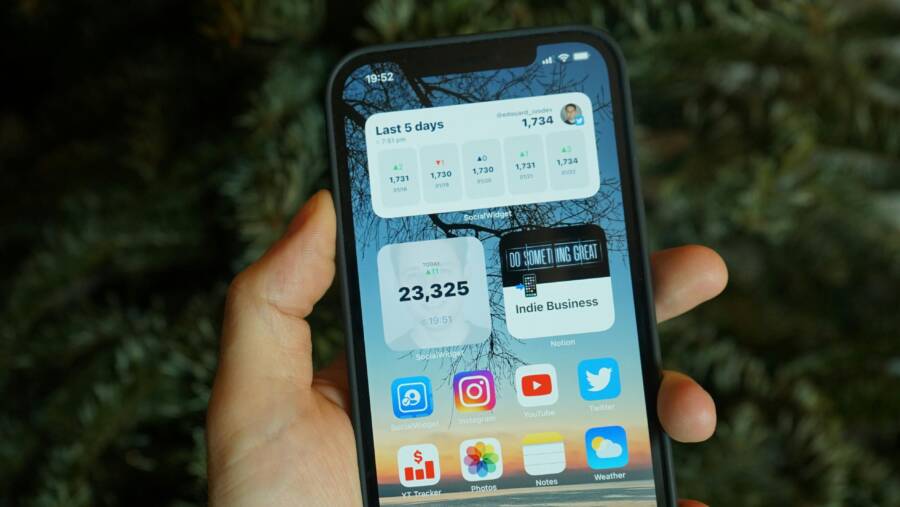
A tidy home screen isn’t just about removing apps. It’s about smartly layering information you need now with visuals that spark focus. Widgets act like mini dashboards you can glance at in seconds. Pair them with a fresh wallpaper, and your phone feels new again without a full reset. This section covers how to pick time-saving widgets and how to use a vibrant wallpaper to reinforce a clean, usable layout.
Select Widgets That Save Time
Widgets are not just pretty; they’re functional shortcuts. The right ones cut taps, speed up actions, and keep essential data in view. Start with a small, practical core and expand only as your routine demands it.
- Battery and clock widgets: A glance at battery status helps you avoid surprises, while a clock widget can show time zones or a schedule at a glance. These reduce the need to open multiple apps just to check the clock or battery percent.
- Task and calendar widgets: Quick task lists or calendar snippets keep your day from slipping. A single tap can open the full app when you need more detail.
- Productivity shortcuts: Widgets that launch a note, a timer, or a repeating reminder save time across the day. These are especially useful when you tend to forget steps in a routine.
- Weather and commute previews: A compact weather widget plus travel time can help you plan without opening the app. It’s a small nudge toward fewer taps and quicker decisions.
For iPhone users, interactive widgets introduced in recent iOS versions let you perform certain actions without launching the app. This can cut wasted seconds during busy moments. If you’re curious about which widgets fit best, there are practical guides that explore interactive options and their real-world benefits. Learn more about interactive iPhone widgets in a concise guide here: 10 Interactive iPhone Widgets That Let You Use Apps From the Home Screen. For Android fans, the best Android widgets article walks you through a wide range of widgets that suit different workflows. It’s a solid starting point to pick ones that fit your routine: 19 best Android Widgets for your home screen.
- Quick setup tip: start with two or three widgets on the first page, close to your primary apps. If a widget doesn’t get used in a week, replace it with something that serves an ongoing task.
A practical example: place a calendar widget on the top row to show today’s events, a battery widget on the far right to monitor power, and a task widget in the center to surface your top 3 priorities. This keeps your screen informative without becoming cluttered.
Here are a couple of resource links to help you decide which widgets to add:
- How interactive iPhone widgets can streamline your day: 10 Interactive iPhone Widgets That Let You Use Apps From the Home Screen
- Android widget ideas and picks for a streamlined home screen: 19 best Android Widgets for your home screen
When you choose widgets, think about rhythm. If you open certain apps first thing in the morning, a morning routine widget can be a natural fit. If you juggle multiple time zones, a world clock widget saves mental overhead. The goal is to create a dashboard you trust to guide you through the day with minimal taps.
Photo by Nikita Khandelwal on Pexels
 Photo by Nikita Khandelwal
Keep Your Home Screen Clean Long Term
A tidy home screen isn’t a one-time fix. It’s a daily habit that pays off every time you pick up your phone. When you keep clutter under control, you’ll reach what you need faster, reduce cognitive load, and enjoy a calmer digital life. The goal is a reliable setup you don’t have to rethink every week. Below are practical strategies to maintain a clean, efficient home screen over the long haul.
Establish a simple cleanup cadence
Consistency beats intensity. Schedule a brief, 5 to 10 minute check every week or two to keep your layout feeling fresh. Use this mini-audit to identify apps you no longer use, unneeded widgets, or misfiled shortcuts. A quick sweep prevents small mismatches from turning into heavyweight clutter later.
- Review the first page daily favorites. Move or group anything that doesn’t belong there.
- Scan for stale widgets. If a widget hasn’t delivered value for a week, replace it with something more relevant.
- Tidy folders as habits shift. If you add a new tool, see if it fits an existing folder before creating a new one.
This routine becomes automatic with time. You’ll experience fewer decision moments and more smooth, fast access to the tools you rely on. For ideas on persistent organization, see practical guides that focus on ongoing maintenance and widget strategy.
Build a triage system for new apps
New apps arrive constantly. Create a simple rule to decide what stays and what goes. A practical approach is to evaluate on first use and after 7 days.
- Keep it if: it solves a real need, you use it weekly, or it replaces an older app you’ve outgrown.
- offload or uninstall if: you rarely open it, it duplicates another tool, or it adds friction to your layout.
- Move to a dedicated folder if: it isn’t essential right now but could be useful later.
A clear triage system prevents clutter from creeping back. It also keeps essential tools within arm’s reach, so you maintain momentum rather than hunting for apps in a crowded drawer.
Practice purposeful widget and wallpaper choices
Widgets should speed you up, not slow you down. Start with a small core of high-value widgets and expand only when you notice a gap in your workflow. Combine this with a wallpaper that reinforces focus rather than distraction.
- Prioritize essential data: clock, battery, calendar, and a quick task list.
- Use widgets to start actions, not just view information. A note or reminder widget that opens a full app with one tap is more valuable than a static glance.
- Refresh your wallpaper every few months. A new look can reset your mental state and make the screen feel new again.
If you want a deeper dive into widget strategies, you’ll find useful ideas in guides that explore how to organize home screen widgets for better productivity and less clutter. A couple of explored resources show you how to pick widgets that genuinely save time.
Validate your layout with real-world use
The true test of a clean home screen is how it performs during a typical day. Do you reach your most-used tools without thinking? Does a new notification yank you away from a productive flow? Observe your behavior for a week and adjust accordingly.
- Track your friction points. If you find yourself opening multiple apps to complete a simple task, consider a direct shortcut or a small widget.
- Check for redundancy. If two apps serve the same purpose, keep the stronger option and remove the rest.
- Confirm accessibility. Make sure your most-used apps sit on the first page or within a single folder for quick taps.
Regular validation makes your setup resilient. It helps you adapt to changing routines without losing the gains you’ve made in organization.
Quick reference resources for long-term keep
- For iPhone users, convenient steps exist to move apps, create folders, and keep the home screen clear as you add new tools. A reliable starting point is guidance on organizing apps in folders on iPhone. You can review the official steps here: Organize your apps in folders on iPhone.
- Android users can benefit from practical tutorials on grouping, decluttering, and keeping the home screen efficient. Learn about app organization on Android and tips to group and organize apps in folders.
These resources offer actionable guidance to sustain a clean, fast home screen as your device evolves. They complement the inside-the-head discipline of maintaining a tidy space with real-world, step-by-step methods. For broader inspiration, see established how-to content on decluttering your iPhone home screen and getting a fresh, organized start on Android.
Conclusion
Tidying up your messy home screen pays off fast. With a clear layout, you’ll move through tasks quicker, cut distractions, and feel calmer as soon as you pick up your smartphone.
Key steps you can take right now
- Audit your screen to spot clutter and remove unused icons
- Group related apps into folders for fast access
- Trim pages and keep only the essentials on the first page
- Add small, time saving widgets and a fresh wallpaper
- Establish a simple weekly check to keep things neat
Following these steps, you gain speed, focus, and confidence. A clean home screen reduces decision fatigue and helps you stay in the flow of your day. It also makes your smartphone feel like a reliable tool, not a source of stress.
If you try this today, share the results. Note which steps saved you the most taps and how your daily routine improved. Your experience can help others tackle the same challenge.
Looking ahead, expect smoother mornings and faster access to the apps you actually use. Small habits now set the tone for ongoing organization. Thanks for reading, and enjoy your new, calmer home screen.
Thousands of People Were Struggling With Money Until They Discovered This One Ancient Secret Hidden in Sound
>>> Unlock It Now <<<