She Pressed Play on a Strange Audio Track and Within Days Her Financial Reality Started Shifting in Ways She Could Not Explain
>>> See How It Works <<<

Automation routines on your phone let simple tasks run on their own, so you can focus on what matters. It saves time, cuts down on mistakes, and helps you stay organized in a busy day. Whether you use Android or iPhone, you can tailor these flows to fit your smartphone use.
Think of a routine as a tiny program you set once and let run. For example, you can have your phone silence notifications at bedtime, turn on notifs for important messages, or auto-send your ETA to a loved one. These flows reduce mental load and keep your day moving smoothly.
Thousands of People Were Struggling With Money Until They Discovered This One Ancient Secret Hidden in Sound
>>> Unlock It Now <<<

In this guide you’ll find practical, step by step instructions you can follow right away. We’ll cover common automations, show simple examples, and explain how to adapt them to your needs. By the end, you’ll have a few reliable routines that make your smartphone feel a little more like a helpful assistant.
Plan and prepare your automation goals
Automation starts with a clear plan. Before you build routines on Android or iPhone, take a moment to map out what you want to achieve. A thoughtful plan helps you choose the right triggers, actions, and boundaries. Start with simple goals, then expand as you gain confidence. Think of your plan like a blueprint for a small set of helpers that free up your time without causing surprises.
There Is a Frequency That the Wealthiest Families Have Used for Generations and Most People Will Never Know It Exists
>>> Open the Door <<<

Decide what to automate
Small, practical routines create noticeable wins without complexity. Begin with 1 to 3 routines and size them to fit your daily rhythm. Here are concrete examples to spark ideas:
- Turn off Wi Fi when leaving home. This saves battery and data usage. It also keeps your device from searching for networks in unfamiliar places.
- Set Do Not Disturb during sleep. Silence notifications so you wake up rested. You can allow calls from favorites or repeated contacts for emergencies.
- Launch a workout playlist when starting a run. Your phone automatically starts the music, so you don’t have to fidget with it mid workout.
- Remind you to drink water every hour while you work. A gentle nudge keeps you hydrated without interrupting focus.
- Log a daily mood update at a fixed time. A quick prompt helps you track well being over weeks.
To stay productive, keep routines focused and small. If a routine has more than three steps, break it into two simpler automations. After you prove one routine reliable, add another. Consistency builds confidence and reduces the worry that automation will behave oddly.
How to choose the right first routines
- Look for tasks you repeat exactly the same way every day.
- Pick actions that have clear, tangible benefits.
- Favor automations that run passively in the background and don’t require manual input after setup.
If you want to see how real users structure their routines, you can explore official guidance for Android routines with Google Assistant and for iPhone Shortcuts. For Android, you’ll find step by step instructions on how to create routines in the Google Home app. You can see where to locate Routines and how to start new ones in official support articles. For a broader view, see resources that show you practical daily routines you can adopt quickly. These references provide starter templates you can customize to your life.
- Official Android guidance: Automate daily routines and tasks with Google Assistant
- Link: https://support.google.com/assistant/answer/7672035?hl=en&co=GENIE.Platform%3DAndroid
- Practical guides and tips for Android daily routines
- Link: https://guidebooks.google.com/android/exploremorefeatures/setupdailyroutineswithgoogleassistant?hl=en
- Learn what Google Assistant can do
- Link: https://assistant.google.com/learn/
If you prefer a quick look at how to get going, start with a single routine in Google Assistant or in Shortcuts on iPhone. A simple setup gives you a reliable baseline to test and refine.
Choose your platform: Android vs iPhone
Both platforms offer strong automation options, but the paths to setup are different. Keeping the options simple helps you decide where to start and how to proceed.
- Android: Centralized routines through Google Assistant. The Google Home app handles most of the heavy lifting, including creating, editing, and testing routines. You can trigger routines by location, time, or app events. The advantage is a broad ecosystem, with many compatible apps and devices. When you’re starting out, look for the routine creation flow under “Popular settings” > “Routines.” From there you can create a New routine and add multiple actions.
- iPhone: Shortcuts app powers automation. Shortcuts lets you string together actions across apps and system features. It’s very flexible and can be triggered by time of day, arriving at a location, or tapping a widget. To begin, open Shortcuts, go to the Automation tab, and create a new automation. You can then add actions like opening apps, setting Do Not Disturb, or adjusting device settings.
Where to find and how to start
- On Android: Open Google Home, navigate to Routines, then tap New to assemble your first routine. Start with a simple trigger like “When I leave home” and add a couple of actions such as turning off Wi Fi and sending a message to a trusted contact if needed. This path is beginner friendly and well documented in official guides.
- On iPhone: Open the Shortcuts app, tap Automation, and choose a trigger. Pair it with a few actions such as turning on Do Not Disturb, starting a playlist, or dimming the screen. Shortcuts makes it easy to see the flow of steps in one place, and you can test as you go.
Best practices for platform choice
- Start where you already spend most of your time. If you rely on Google services and a broader device ecosystem, Android routines are a natural fit. If you’re deeply integrated into Apple apps and devices, Shortcuts offers deeper system access.
- Prioritize reliability over complexity. A single dependable routine beats a network of fragile automations.
- Keep privacy in mind. Automation should respect your preferences and security settings from day one.
Set privacy and permission basics
Permissions matter more in automation than in many other areas. Each auto action can access data or control features on your device. A thoughtful initial setup helps you protect your privacy while preserving usefulness.
Why permissions matter
- Location access: Routines may trigger when you arrive at or leave a place. You want to grant only the minimum location permission necessary for the trigger to work and nothing more.
- Battery optimization: Some automations run in the background. If an app is heavily optimized for battery use, its background tasks may be restricted. It helps to review these settings so your routine isn’t blocked.
- App access: Automations often launch apps or read data from them. Permit only what is necessary for the routine to execute. Regular audits reduce surprise behavior and protect your data.
Quick tips to review and limit data sharing
- Review each routine’s trigger and action list. Remove any steps that request more data than needed.
- Check location permissions. If a routine only needs location for a one time trigger, consider switching to a once-per-day or approximated location to minimize exposure.
- Limit background access. Disable background refresh for apps that are only used inside routines if it doesn’t break the automation.
- Periodically audit automation permissions. Revisit your settings every few weeks, especially after installing new apps or updates.
- Use opt-in prompts when possible. Prefer automations that ask for confirmation before taking a sensitive action.
Practical privacy steps to implement today
- For Android, review location access in the Google app and the app’s permissions. Consider turning off precise location when not essential.
- For iPhone, examine Shortcuts’ access to apps and data. If a shortcut uses sensitive information, confirm it’s needed and revoke any unnecessary permissions.
Balancing convenience with privacy is an ongoing process. Start with the basics, test what happens when the routine runs, then tighten permissions as you grow more comfortable. The goal is predictable, trustworthy automation that respects your privacy while saving time.
References to platform specifics and setup flow can help you get moving quickly. The following resources provide step by step instructions and examples you can adapt to your life.
- Android routine setup guidance highlights how to find and create routines in Google Home.
- Link: https://support.google.com/assistant/answer/7672035?hl=en&co=GENIE.Platform%3DAndroid
- Guides to daily Android routines with Google Assistant offer practical scenarios you can copy.
- Link: https://guidebooks.google.com/android/exploremorefeatures/setupdailyroutineswithgoogleassistant?hl=en
- Learn more about what Google Assistant can do, including shortcuts and custom queries.
- Link: https://assistant.google.com/learn/
By planning thoughtfully and respecting privacy, you set yourself up for a smooth automation journey. Your first routines will feel like tiny helpers, not surprises, and they’ll grow with you as you learn what works best in your daily routine.
Create your first routines on Android and iPhone
Getting started with automation on your phone can feel intimidating, but the basics are straightforward. This section walks you through simple, reliable routines on Android and iPhone. You’ll learn how to set a trigger, add useful actions, and verify everything works with a practical morning routine example. Think of this as teaching your smartphone to take care of small tasks so you can focus on what matters.
Android basics: Using Google Assistant and Built-in Routines
Google Assistant routines live in the Google Home app and in some device settings. Here’s how to set up a simple morning routine, step by step.
- Find Routines: Open the Google Home app, then look for Routines under Popular settings. If you prefer, you can access routines from the device’s settings menu in some Android skins.
- Set a trigger: Choose a trigger that fits your morning, such as a specific time or when you say a phrase like “Good morning.”
- Add actions: Add actions you want to run automatically. For a morning routine, you might:
- Read today’s weather
- Turn on essential lights
- Start a news briefing or your favorite playlist
- Read your calendar for the day
- Save and test: Save the routine and run a quick test to confirm each action executes as expected.
A practical example you can try today: create a “Good morning” routine that triggers at 7:00 AM to turn on lights, start your coffee maker if you have a connected device, and read the day’s agenda. If you’re curious to explore more, official guidance and practical tutorials are available at Google’s support pages and related resources:
- Automate daily routines and tasks with Google Assistant: https://support.google.com/assistant/answer/7672035?hl=en&co=GENIE.Platform%3DAndroid
- How to set up daily routines with Google Assistant: https://guidebooks.google.com/android/exploremorefeatures/setupdailyroutineswithgoogleassistant?hl=en
- Learn what Google Assistant can do: https://assistant.google.com/learn/
Smartphone users often find the Google Home flow intuitive because it centralizes routine creation in one place. Start with a single routine to establish a reliable baseline, then gradually add more actions as you gain confidence. If you want to see how others structure routines, these resources offer practical templates you can adapt to your life.
iPhone basics: How to use the Shortcuts app
The Shortcuts app on iPhone gives you powerful control over automation across apps and system features. Here’s how to create a simple automation and run it.
- Open Shortcuts: Launch the Shortcuts app and switch to the Automation tab.
- Create a new automation: Tap Create Personal Automation, then choose a trigger such as a time of day, arrival at a location, or when you open a specific app.
- Add actions: Build your flow by adding actions. For a morning routine, you might include:
- Dim the display and reduce brightness
- Play a morning playlist or news briefing
- Read today’s events from your calendar
- Enable Do Not Disturb for a set window
- Run the shortcut: After saving, you can run it manually from the Shortcuts app or trigger it automatically as configured. You can also add the automation as a home screen widget for quick access.
If you’d like a quick starting point, try a simple automation that runs at a set time each morning to launch your favorite music, open a weather app, and queue a calendar view. For more ideas and step-by-step instructions, consult Apple’s resources and community guides:
- Shortcuts automation basics: Apple’s Shortcuts app guide (inside the Shortcuts app)
- Practical shortcuts ideas and templates: Apple Support and reputable guides
A handy tip: keep your initial automation small and reliable. A single trigger with two or three actions is easier to troubleshoot. As you test and observe, you’ll learn which actions matter most and how to fine-tune timing and interactions.
Test a simple routine to confirm it works
Testing helps you confirm that your automation behaves as expected, and it’s a great way to log early wins. Use a straightforward checklist and note any odd behavior so you can adjust quickly.
- Verification checklist
- Trigger fires at the expected time or event
- Each action executes in order
- No unexpected prompts or errors appear
- The routine completes within a reasonable time
- Observing the result
- Watch the first action for immediate feedback (for example, lights turning on or music starting)
- Confirm later steps (calendar events or weather readouts) appear as planned
- Check for any delays or interruptions
- What to do if it doesn’t run as expected
- Recheck the trigger settings and ensure the time zone is correct
- Confirm each action is still valid after app updates
- Remove any conflicting routines that could trigger at the same time
- Note-taking for tweaks
- Keep a simple log of what worked and what didn’t
- Record any changes you make to the trigger or actions
- Schedule a regular review to refine the routine over time
Starting with a small, testable routine helps you build confidence. As you gain experience, you can expand with more nuanced triggers and additional actions. This approach keeps automation predictable and useful.
External resources can provide ready-to-copy templates and inspiration. For Android, see official guidance on routines and practical setup tips, and for iPhone, explore Shortcuts ideas and tutorials:
- Android routine setup guidance highlights how to find and create routines in Google Home
- Guides to daily Android routines with Google Assistant offer practical scenarios you can copy
In both ecosystems, documenting your setup and testing results ensures you keep control as updates roll in. The goal is to make your smartphone a reliable helper, not a mystery to troubleshoot.
If you want to explore more, you can check additional resources for hands-on examples and templates that fit a real-life schedule. This approach helps you stay consistent and gradually scale up your automation.
Expand your automations with tips and tricks
Automation pays off when it feels reliable and invisible. In this section, you’ll learn practical ways to push your routines further without adding complexity. We’ll explore real world triggers, how to connect routines to smart home devices, and essential privacy and safety reminders. These tips help your smartphone become a true everyday assistant, not a source of unexpected prompts.
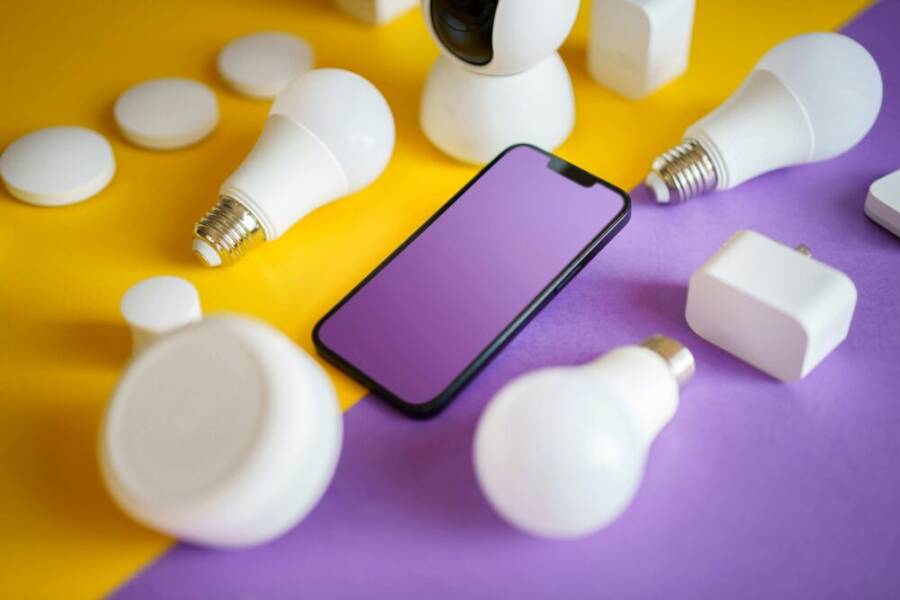
 Photo by Jakub Zerdzicki
Real world triggers and action sequences
Smart automations hinge on triggers that fit your daily rhythm. Time of day, location, and device state are the most dependable anchors. Combine these to craft smooth flows that feel almost prescient.
- Time of day: A morning routine that wakes the lights, starts a news briefing, and preps coffee output right as your alarm ends. Add a calendar readout to surface the day’s meetings.
- Location: Leave home triggers can switch devices to battery saving mode, turn off WiFi, and remind you of items you might have forgotten. Re-entering triggers can pull up your household’s preferred comfort settings.
- Device changes: When you connect to a car Bluetooth or step into your home WiFi, routines can kick in. For example, your playlist shifts to your driving or home mode automatically.
Now mix these triggers for a layered flow. A typical pattern is: time or location fires first, then a secondary trigger (like connectivity) confirms before actions run. This prevents misfires if you’re briefly passing by or the phone is in a pocket mode. Start with two related actions, then add one or two more as you confirm reliability. A well designed sequence feels natural and nearly invisible.
There Is a Frequency That the Wealthiest Families Have Used for Generations and Most People Will Never Know It Exists
>>> Open the Door <<<
For inspiration and templates you can adapt, explore official and practical guides:
- Official Android guidance for routines and Google Assistant: Automate daily routines and tasks with Google Assistant
- Practical guides and tips for Android daily routines
- Learn what Google Assistant can do
Linking routines to smart home devices
Connecting your routines to lights, thermostats, and speakers is where automation truly shines. It turns a simple command into a cohesive scene that enhances comfort and efficiency.
- Lights and shades: Create a “Movie Night” scene that dims lights, closes blinds, and lowers the thermostat. It requires only a single trigger, like a time or a voice cue, to set the mood.
- Thermostats: Tie your wake up routine to a gradual temperature ramp. Start warming the house a bit earlier in winter, or cool it down before the afternoon sun arrives.
- Speakers and media: Launch a playlist or podcast as part of a routine. Add a quick weather briefing or calendar glance so you know what to expect for the day.
Simple setup steps
- Ensure your smart devices are on the same ecosystem or bridged via a hub.
- In your automation app, create a new routine or scene.
- Add a trigger, such as a time or location.
- Add actions that control multiple devices in a single flow.
- Test the sequence and adjust timing for a natural cadence.
Common pitfalls to avoid
- Inconsistent device naming: Use clear, memorable names so actions target the right device every time.
- Conflicting routines: If two routines run at the same time, one may override the other. Prioritize or stagger them.
- Latency issues: Some devices respond slowly. Allow a brief delay between actions to keep the flow smooth.
For ready made templates and deeper dives, see these resources:
- Example scripted automations and scripts for smart home devices
- Google’s automation examples for routine actions
Privacy, permissions, and safety tips
Routines often access sensitive data or control device features. A careful setup keeps convenience from becoming a risk. Start with minimal permissions and expand only as you confirm necessity.
Why permissions matter
- Location access allows triggers to fire at the right place. Grant only what’s needed and limit precision if possible.
- Background activity consumes battery and data. Review which apps run in the background and adjust accordingly.
- App access governs what a routine can read or change. Permit only essential access and audit regularly.
Quick auditing steps
- Review triggers and actions. Remove steps that request unnecessary data.
- Check location settings. Prefer coarse location over precise when possible.
- Limit background access for apps used mainly inside routines.
- Regularly audit permissions after updates or new installs.
Practical steps you can apply today
- Android: Review location settings in the Google app and limit precise location where not needed.
- iPhone: Examine Shortcuts permissions for apps and data. Revoke unnecessary access if a shortcut uses sensitive info.
Balancing speed and privacy is a continual practice. Start with the basics, then tighten controls as you gain confidence.
External resources you can consult for in depth guidance
- Android routine setup guidance from Google
- Guides to daily Android routines with Google Assistant
- Learn more about Google Assistant capabilities
A practical takeaway: document your setup. Keep notes on what each trigger does and what changed after updates. This keeps you calm when a routine behaves oddly.
References and further reading
- Android routine setup guidance
- Guides to daily Android routines
- Learn what Google Assistant can do
By starting small and building thoughtfully, you create a reliable backbone for your daily smartphone use. Your routines become dependable helpers, not sources of surprises.
Images and visuals can reinforce the concepts in this section. If you’d like, I can add additional photo selections to match specific subsections.
Ready-to-use templates and ideas
Templates make automation feel accessible. In this section you’ll find practical, ready-to-use patterns you can implement today on Android and iPhone. Each template includes a brief layout of triggers and actions, plus quick tips to adapt it to your weekday rhythm or weekend freedom. Think of these as starter kits you can customize, experiment with, and scale up over time.
Morning routine template
A reliable morning routine sets the tone for the day. Start with a simple sequence you can test at 7:00 AM or the moment your alarm stops. Typical actions include weather readout, calendar glance, and starting a preferred playlist or news briefing. You can layer in smart device actions like turning on lights or preheating a smart coffee maker if you have them.
How to adapt for weekdays vs weekends:
- Weekdays: Keep the routine tight and time-bound. Include a quick calendar glance and a work-focused briefing to prime your schedule.
- Weekends: Expand with lighter touches, like a relaxing playlist, a longer weather overview, or a fresh coffee routine. Consider delaying nonessential notifications so you have a slower morning.
Implementation tips:
- On Android, a simple Good Morning routine can read the day’s weather, show appointments, and start music. Use the Google Home app to build it and test each step.
- On iPhone, a Shortcuts automation works best when you trigger at a set time or when you arrive in the morning zone. Add actions such as brightness adjustment, music playback, and a calendar readout.
For further ideas and templates, see official guidance on routines and practical examples from Google Assistant, which walk you through adding triggers and actions. If you want a quick starter, begin with a single morning action and expand after you confirm reliability. Learn more here:
- Automate daily routines & tasks with Google Assistant
- How to set up daily routines with Google Assistant
- Learn what Google Assistant can do
Leaving home template
This template helps you step out with a calm, consistent exit, while keeping your smartphone organized and secure. Core actions include silencing nonessential alerts, enabling a security mindset, turning off features you don’t need while away, and sending a quick status update to a family member or trusted contact.
Adaptation tips:
- Weekdays: Keep a compact set of actions, such as silencing notifications, enabling a privacy mode, and notifying a partner or roommate that you’re leaving.
- Weekends: You can add a reminder to grab keys or a bag, and shift some actions to trigger when you depart a certain geofence rather than a fixed time.
Practical steps:
- Create a routine that fires when your phone detects you leave home, then automatically mute alerts, disable hotspot sharing, and message a family member. If you own smart home devices, consider turning off lights or adjusting climate to save energy.
Helpful resources and templates can guide you through building leaving-home flows. Look into official Android and iPhone automation resources to see how others structure these sequences. For direct reference, these links provide actionable setup steps:
- Automate daily routines & tasks with Google Assistant
- Guides to daily Android routines with Google Assistant
- Learn what Google Assistant can do
Night mode and focus template
A strong night mode helps you unwind while protecting sleep quality. A practical template uses Do Not Disturb, screen dimming, a bedtime reminder, and a quick one-tap switch to a focused mode when needed.
Adaptation ideas:
- Weeknights: Set a fixed Do Not Disturb window, dim the screen, and queue a calm playlist or meditation app.
- Weekend nights: Extend the time window slightly and add a one-tap switch to enable focus modes for reading or offline activities.
Implementation notes:
- On Android, combine Do Not Disturb with a bedtime reminder and a dimmed display. If you use smart lighting, you can include a quick scene switch to a low brightness across rooms.
- On iPhone, use Shortcuts to automate Do Not Disturb, screen brightness, and a quick focus mode toggle. You can place this automation on the Home Screen for fast access.
Tips for reliability:
- Keep the bedtime reminder time aligned with your actual sleep schedule to avoid early wakeups.
- Test the quick one-tap mode switch to ensure it toggles cleanly without extra prompts.
If you want ready templates and further examples, refer to practical Android routine guides and Google Assistant templates. These resources offer templates you can adapt to your nightly wind-down:
- Android routine setup guidance
- Guides to daily Android routines
- Learn more about Google Assistant capabilities
In addition, consider documenting your night routine once you’ve tested it. A simple note helps you adjust timing and actions as you observe how your evenings unfold.
External links for quick setup inspiration are included above to help you tailor the template to your lifestyle. They provide concrete steps you can follow, from initial creation to testing and refinement.
Notes about privacy and safety when using these templates:
- Keep Do Not Disturb enabled during the night window to minimize disruptions.
- Review which apps are allowed to break the quiet mode, and adjust permissions if needed.
- Regularly audit your automation settings to ensure they still reflect your privacy preferences.
If you’d like more ready-to-use templates, you can explore additional examples that fit real-life schedules and devices. The goal is to make these routines feel natural, not forced, and to preserve control as updates roll in.
Conclusion
Automation on your phone starts with a clear plan, small steps, and patient testing. Summarize your goals, pick one or two routines, and verify each action works reliably before expanding. Prioritize safety and privacy by reviewing permissions and keeping settings lean; this keeps your smartphone helpful without surprises. If you have a favorite automation, share it in the comments and tell us how it changed your daily routine.
What If the Only Thing Between You and the Life You Deserve Is a Hidden Wealth Code Waiting to Be Activated
>>> Open the Door <<<
