He Was Drowning in Bills and Burnout Until a Simple Daily Ritual Rewired His Brain for Wealth in Less Than a Week
>>> Start Your Shift Today <<<

If your on screen keyboard keeps hiding input fields, you’re not alone. This happens on both Android and iPhone, and it can derail a quick task into a frustrating delay. In this guide, you’ll see quick fixes first and then deeper adjustments, all explained in plain language.
We’ll start with practical, step by step actions you can try today. You’ll learn why the keyboard overlaps text boxes, how to test if the issue is app specific, and what settings to tweak on your smartphone to stop the problem for good.
By the end, you’ll have a dependable checklist that helps you navigate future keyboard quirks. It’s all about giving you control back over your smartphone workflow, with clear, actionable steps you can follow without technical fuss.
Why the keyboard covers input fields
When you tap a text field, the keyboard seems to slide in fast and push part of the screen out of view. This can make typing feel clumsy and slow you down. The way your device handles on screen input varies by platform and by app. Understanding the common triggers helps you predict when and why the keyboard may cover an input field, and it makes fixing the issue feel less random. Below you’ll find practical explanations for both Android and iPhone, plus other factors that can cause the problem.
He Was Drowning in Bills and Burnout Until a Simple Daily Ritual Rewired His Brain for Wealth in Less Than a Week
>>> Start Your Shift Today <<<
Common triggers on Android
Android handles the keyboard and screen space differently across devices and apps, which is why you’ll sometimes see the keyboard cover a field. Here are the main mechanisms at work and how they influence what you see on screen.
- Window resize behavior and windowSoftInputMode
- Android decides how the app window should adjust when the keyboard appears through the windowSoftInputMode setting. Two common modes are adjustResize and adjustPan. In adjustResize, the app’s content area shrinks to make space for the keyboard, so the visible portion of the layout changes. In adjustPan, the system simply pans the whole window so the focused input remains visible, without resizing the content area.
- When a app uses a full screen mode or a navigation setup with immersive UI, the system has fewer places to push content up. That can leave some fields still hidden behind the keyboard if the layout isn’t prepared to move or shrink in those conditions.
- If an app relies on a third party keyboard, behavior can vary further. Some keyboards render within the same window and push the view differently than the system keyboard would, which may result in the text field being obscured.
- Example: You open a form in a chat app and the keyboard slides up; if the app is set to adjustPan, the text field may stay in view while the rest of the form seems to move, or vice versa, depending on the exact layout and focus handling.
- When the keyboard covers a field
- If the app’s layout uses fixed positions or overlays without responsive adjustments, the keyboard can obscure the field you’re trying to reach.
- In a scrolling form, the focused field might sit just at the edge of the visible area and never get scrolled into view if the system doesn’t trigger the right resize or pan behavior.
- In landscape mode on some devices, the keyboard height is larger, increasing the chance a field sits behind the keyboard.
- Third party keyboards and input methods
- Some keyboards add extra UI elements or change the way input fields are highlighted, which can affect how the app calculates visible space.
- When a manufacturer skin or a custom keyboard is active, the default adjustResize behavior may not align with the new keyboard’s overlay, causing occasional overlaps.
- How it looks in real life
- You type a name in a form and notice the keyboard takes up the bottom portion of the screen, with the text field still visible only if the app has moved the view up enough.
- You touch a password field and the keyboard slides in; the lower part of the form remains visible but the field you want to edit sits just out of reach, requiring you to scroll manually.
Helpful resources that dive into these settings and how to choose between adjustResize and adjustPan include practical explanations and code samples. See guides like the discussion on how to understand these modes and when to use them in Android projects: Difference between adjustResize and adjustPan in android? and a broader explainer of the two modes: Understanding adjustPan, adjustResize, and Friends. For developers working with cross platform flows, there are also examples of moving content and avoiding overlaps in React Native contexts: Avoid Keyboard in React Native Like a Pro.
- Practical tip: if you’re consistently seeing a field hidden when the keyboard appears, check the app’s layout and try forcing adjustResize in the manifest for that screen. If that isn’t possible, ensure the layout uses a scroll view so focused fields can be brought into view automatically.
- Quick reference link: Android layout behavior and keyboard management basics are often covered in Stack Overflow threads that compare adjustResize and adjustPan for the same activity. See: android- Use adjustResize and adjustPan on same Activity.
- Real world cue: some apps simply don’t handle keyboard avoidance well, especially if they reuse a single screen for multiple steps. When that happens, you’ll notice the bottom controls remain visible but text fields vanish behind the keyboard. This is more common in forms with fixed footers or overlays that aren’t scrolled.
- Quick example: if you’re filling out a long form in a messaging app, and the bottom button bar covers the last input field in landscape, switch to portrait where the keyboard height is generally less aggressive, or switch to a browser or app with better built in scrolling support.
Common triggers on iPhone (iOS)
iOS adopts system wide rules for safe areas and automatic content shifting, but quirks still appear. Here’s what to know so you can predict and fix the keyboard behavior on iPhone.
- Safe areas and automatic content shifting
- iOS uses safe areas to keep content away from notches and home indicators. When the keyboard appears, iOS can adjust the view so the focused input remains visible, but this behavior isn’t perfect across all apps.
- In many apps, the focused text field is automatically scrolled into view. The system may move the content up or resize the scrollable area so you can see what you’re typing.
- Some apps don’t opt into automatic keyboard avoidance, especially if a developer uses custom views or unusual layout constraints. In those cases, you might have to manually scroll or adjust the view.
- Keyboard height and auto scroll
- The keyboard height on iPhone can vary with device size and orientation. When the keyboard grows taller, it can cover more of the screen and push content up further.
- Auto scroll helps a lot, but there are times where a TextView or a custom input field sits on a scroll view that doesn’t automatically adjust. If auto scroll fails, you might need to tap the field again or use a scroll gesture to bring it into view.
- Quirks with certain apps
- Some apps use custom keyboards or specialized input panels that don’t cooperate perfectly with iOS’s automatic adjustments.
- In a few apps, you’ll notice that the keyboard pushes up part of the UI but leaves certain fields hidden or partially obscured. A quick workaround is to tap into a different field or rotate the device to trigger a layout refresh.
- Practical tips you can apply now
- If you see a field vanish behind the keyboard, try scrolling the form slightly or switching to a different app layout that uses a scroll view.
- In some apps, turning off a custom font size or accessibility setting helps. Larger text can require more vertical space and change how the content is laid out when the keyboard appears.
- Handy references for iOS behavior
- SwiftUI keyboard avoidance and safe area management provide a good overview of how views react to the keyboard: SwiftUI keyboard avoidance – FIVE STARS. This guide covers how automatic keyboard handling has evolved, especially after iOS 14.
- If you’re building with SwiftUI, you may also want to know how to move views when the keyboard shows up: Keyboard Avoidance for SwiftUI Views.
- Practical example
- You’re entering a new contact in a messaging app. The field you need is near the bottom. The keyboard appears, and you realize the last field is just above the keyboard edge. You can solve it by using a quick scroll to bring the field into view or by tapping a slightly different field to trigger a layout refresh.
- Quick reference link: If you’re curious about how to stop SwiftUI from moving a text field when the keyboard is opened, check out: How to stop SwiftUI from moving TextField up when the keyboard is opened?.
- Additional resource: For more hands on examples with SwiftUI and keyboard overlap, see a practical project like GitHub – russell-archer/SwiftUI-KeyboardOverlapDemo.
Other factors that can contribute
Beyond the platform-specific behavior, several other factors can cause the keyboard to cover input fields. Some are bugs, others are design choices, and a few are accessibility or customization features that inadvertently hide what you need to see.
- App or OS updates causing new quirks
- Occasionally an app update changes the way layouts are measured or how scrolling interacts with the keyboard. Users may suddenly see a field hidden behind the keyboard after an update.
- System updates can also adjust safe areas, keyboard height, or the way auto scrolling works, leading to new overlaps in apps that didn’t previously have issues.
- Accessibility features and zoom
- Accessibility features like zoom or larger font sizes can change layout spacing. When the system increases text size, form fields may require more space and become easier to hide behind the keyboard.
- If you enable display zoom or bold text, it can shift how much area is available for the form and push the keyboard into a position that obscures fields.
- Custom keyboards and input methods
- A custom keyboard or a third party input method might not align perfectly with an app’s layout. This can affect where the keyboard sits on screen and how much of the input field remains visible.
- Some keyboards offer extra features or modes that modify height or margins, indirectly influencing whether a field is covered.
- Layout quirks and fixed elements
- Forms with fixed footers or floating action buttons can prevent the content from moving as expected when the keyboard appears.
- In apps that use overlay panels or modal sheets for inputs, the keyboard may push or shrink the underlying content in unpredictable ways.
- How to diagnose quickly
- Try a different app with a simple form. If the problem disappears, the issue is likely app-specific.
- Toggle accessibility or font size settings to see if the layout shifts stop the overlap.
- Switch to a different keyboard temporarily to determine if the keyboard itself is the culprit.
- Practical takeaway
- When you encounter this issue, look for a layout that supports scrolling within the form. If a scroll view isn’t present, the app may not properly reveal focused fields when the keyboard shows up.
- Supporting links
- For background on avoiding keyboard overlaps in cross platform contexts, see resources about keyboard avoidance patterns in SwiftUI and general practices for mobile forms: Keyboard Avoidance for SwiftUI Views and a broader guide on keyboard overlap patterns in SwiftUI projects: GitHub – russell-archer/SwiftUI-KeyboardOverlapDemo.
- Final note
- If you rely on a specific accessibility setting or a non standard input method, give yourself a moment to test with the setting toggled. It can reveal whether the overlap is due to a global setting or a particular app’s layout.
Linking strategy throughout this section aims to provide practical context for readers who want to dig deeper into how keyboards interact with on screen content. You’ll find a mix of developer oriented guides and user focused tips to help you troubleshoot both Android and iPhone experiences. For quick, real world checks, read through the referenced materials and try the suggested adjustments in the apps you use most.
Quick fixes you can try now
If you’re dusing your phone and the keyboard keeps covering input fields, you don’t need to jump straight to deep settings. These quick fixes aim to restore normal behavior fast, so you can finish your task or start over with less friction. Try each step in order, and test after each one to see if the problem is resolved. This approach works on both Android and iPhone, and it helps you decide whether the issue is app specific or device wide.
Restart the app and device
A simple restart often clears minor glitches that cause the keyboard to behave oddly. It resets temporary memory and reinitializes the UI, which can restore proper focus handling.
- On Android:
- Open the recent apps or overview screen, find the app, and swipe it away to force close. Reopen the app to test.
- If the issue persists, power off the device, wait 10–15 seconds, then turn it back on and test again.
- On iPhone:
- Swipe up from the bottom (or double click the side button on older models) to reveal the app switcher. Swipe the problematic app off the screen, then reopen it.
- If needed, perform a full device restart by turning it off, waiting briefly, and turning it back on.
If you want a quick reference on how to quit and reopen apps on iPhone and iPad, Apple’s official guide is a reliable source. See: Quit and reopen an app on iPhone. You can also check how to Find, open and close apps on Android for rapid cycling between tasks.
Update OS and apps
Updates fix known bugs and improve keyboard behavior. Running the latest OS and app versions reduces the chance of overlaps between the keyboard and input fields.
- Why updates matter:
- System updates often include improvements to safe areas, keyboard height handling, and scroll behavior.
- App updates fix layout issues that can cause fields to hide behind the keyboard or misalign with input panels.
- How to check for updates:
- Android: Open Settings, select About phone or About device, and look for Android version and security updates. You can also use the Google Play System update path to ensure apps are current. Then open Google Play to update individual apps.
- iPhone: Open Settings, choose General, then Software Update. For apps, open the App Store and update all pending apps.
If you’d like official guidance, you can review how to Check & update your Android version and How to update apps on Android on Google’s support pages and Apple’s support site for iPhone. Links: Check & update your Android version; How to update apps on Android.
Clear cache or data for the problem app (Android)
Clearing an app’s cache or data can remove corrupted files that interfere with normal keyboard rendering. Be aware that clearing data may reset in-app preferences.
- Clearing cache:
- Go to Settings > Apps & notifications > See all apps > [Your App] > Storage & cache > Clear cache.
- Clearing data (only if cache doesn’t help):
- Go to Settings > Apps & notifications > See all apps > [Your App] > Storage & cache > Clear data.
- After clearing:
- Reopen the app and sign in again if required. Check if the issue with the keyboard has been resolved.
- Warnings and prep:
- You may lose in-app settings or progress tied to that app. If this matters, back up any important data first, such as chat histories or form templates.
If you want more context on Android keyboard management, you can review related guidance on Android Help and Pixel Phone Help about updating and configuring devices. These sources also outline how to keep apps current so layout behavior stays predictable.
Switch keyboard or the app you are using
Sometimes the problem sits with the keyboard itself or with a particular app. Testing a different keyboard or input method helps you isolate the cause.
- Try another keyboard:
- Install Gboard or SwiftKey from the Google Play Store or Apple App Store. Set the new keyboard as the active input method and test in the same field.
- Try a different input app:
- Some apps include their own built-in text input panels. If you switch to a broader app with standard text fields, you can see whether the issue is keyboard-wide or app-specific.
- What this reveals:
- If the issue disappears with a different keyboard, the problem is keyboard-related. If it persists, the app or its layout is likely at fault.
For iOS users, you can toggle between built-in iOS keyboards and third-party keyboards in Settings > General > Keyboard. For Android, you’ll find keyboard options under Settings > System > Language & input > Virtual keyboard.
Toggle keyboard features and display options
Adjusting keyboard features can stop overlap issues, especially on Android where you can fine tune how the keyboard interacts with content.
- Android display options:
- Predictive text: Turning it off can reduce real estate needs if the keyboard grows taller when predictions appear.
- Keyboard size: If your keyboard is large, reducing its height can help keep input fields in view.
- Floating keyboard: Enable or disable the floating option to see if it changes how content shifts when typing.
- iOS adjustments:
- Predictive text: Briefly disable to see if the field becomes visible without the extra suggestions blocking the bottom part of the screen.
- High-level steps:
- Android: Open Settings > System > Language & input > Virtual keyboard > [Your Keyboard] and explore the relevant toggles.
- iOS: Open Settings > Keyboard and toggle Predictive or other keyboard settings as needed.
If you want deeper context on SwiftUI and keyboard avoidance, you can explore resources like SwiftUI keyboard avoidance guides or examples that show how views respond to the on-screen keyboard. These can help you understand behavior beyond simple toggles and empower you to adapt layouts for smoother input experiences.
Additional guidance and examples
- When the keyboard overlaps, a quick test with a different app around a simple form can quickly indicate if the issue is app-specific or device-wide. If the problem only appears in a single app, report the behavior to the developer and check for app-specific updates.
- If you often work with long forms, consider enabling automatic scrolling within the form’s container. This small change can ensure the focused field always comes into view when the keyboard appears.
- If the issue persists across multiple apps and devices, there may be a broader setting affecting keyboard avoidance. In that case, reviewing accessibility or display settings could uncover the root cause.
For further reading on related topics, you can refer to the Android and iPhone support guides linked earlier. These resources offer more detailed steps and screenshots to help you navigate each fix confidently.
Section: System level fixes for Android and iOS
When you want to prevent the on screen keyboard from covering input fields, the right system level settings can save you hours of frustration. These fixes focus on how the OS manages the visible layout when the keyboard appears, not just tweaks inside a single app. Below you’ll find practical guidance for Android and iOS, followed by cross platform tips that help you avoid the problem in future projects or regular smartphone use.
Android: use the right window resize mode
Android provides two common modes in the manifest that determine how the app layout adapts when the keyboard shows up: adjustResize and adjustPan. Choosing the correct mode depends on your layout and how you want the user to move content into view.
- adjustResize: This mode reduces the app’s usable content area by the height of the keyboard. The system shrinks the visible window, which usually causes scrollable content to slide upward so the focused field remains in view. It works well for forms wrapped in a ScrollView or when you have flexible layouts that can reflow without compromising other elements. If your screen has fixed overlays or non scrollable sections, adjustResize helps avoid hiding inputs behind the keyboard.
- adjustPan: Here the system does not resize the content. Instead it pans the whole window to ensure the focused field stays visible. This can be preferable when you have a complex layout with fixed elements like headers or footers that you don’t want to reposition. However, if there is not enough room, some fields may still sit behind the keyboard.
Practical guidance:
- In most forms, set windowSoftInputMode to adjustResize for reliable automatic scrolling of the focused field into view.
- If your screen uses immersive UI or fixed overlays, adjustPan can prevent layout jumps but may require additional scrolling to reach the field.
- Test both modes on real devices and in different orientations. If a field disappears behind the keyboard, switching modes often solves the issue.
Useful references for deeper context and code samples:
- Difference between adjustResize and adjustPan in android? https://stackoverflow.com/questions/17410499/difference-between-adjustresize-and-adjustpan-in-android
- Understanding adjustPan, adjustResize, and Friends https://medium.com/@mushahidhusain0803/stop-fighting-the-android-keyboard-understanding-adjustpan-adjustresize-and-friends-9f904c78d562
- Android keyboard management basics and related patterns https://stackoverflow.com/questions/28170373/android-use-adjustresize-and-adjustpan-on-same-activity
Takeaway: For most forms, use adjustResize to ensure content can scroll and reveal the input field as the keyboard appears. If you hit hidden fields, recheck your manifest entry and consider wrapping content in a scrollable container.
iOS: keyboard and display options
On iOS devices, the system handles a lot of keyboard avoidance automatically through safe areas and scrolling behavior. Still, you’ll encounter apps that don’t cooperate perfectly, especially when developers use custom layouts. Here are practical steps to improve the experience.
- Enable or disable predictive text and other keyboard features
- Predictive text can change keyboard height slightly and push content up more than you expect. Temporarily turning it off helps you see if the field remains visible when the keyboard is present.
- Rely on automatic scroll when possible
- Many apps scroll the focused field into view automatically. If you notice the field is still hidden, you can manually scroll the form or rotate the device to trigger a layout refresh.
- SwiftUI and UIKit approaches
- SwiftUI users can implement keyboard avoidance using system notifications to move views when the keyboard shows up. If you’re working with UIKit, ensure your scroll views adjust content insets so the active field stays visible.
- Real world fix examples
- If a field sits just above the keyboard in a long form, a quick scroll or tapping another field can prompt the layout to reflow and reveal the target field.
Helpful references for iOS behavior:
- Keyboard avoidance for SwiftUI Views https://www.fivestars.blog/articles/swiftui-keyboard
- How to move SwiftUI views when the keyboard covers a text field https://www.vadimbulavin.com/how-to-move-swiftui-view-when-keyboard-covers-text-field/
- Move TextField up when the keyboard has appeared in SwiftUI https://stackoverflow.com/questions/56491881/move-textfield-up-when-the-keyboard-has-appeared-in-swiftui
Practical example:
- When entering a contact in a messaging app, if the last input sits behind the keyboard, a quick scroll or tapping a nearby field can push the layout into a usable state. In many cases, the default iOS behavior will handle this, but a non standard design may require manual adjustment.
Takeaway: Favor views that automatically adjust with the keyboard, but be ready to add a small amount of manual scrolling or a layout refresh if the app uses custom constraints.
General tips for app permissions and screen layout
Beyond platform specific settings, a few cross cutting factors can influence whether a keyboard covers an input field. These checks help you stay ahead, especially if you’re building or testing apps on a regular basis.
What If the Only Thing Between You and the Life You Deserve Is a Hidden Wealth Code Waiting to Be Activated
>>> Open the Door <<<

- Check app permissions that affect display
- Some permissions can influence overlays or how the app draws its UI. If an app requests screen reading or accessibility features, the layout may shift in ways that affect keyboard avoidance.
- Ensure the app is not forcing a fixed viewport
- A fixed viewport prevents the app from adjusting to the keyboard height. Prefer flexible layouts that can reflow or scroll when the keyboard appears.
- Consider screen size and text scaling
- Larger text or wider layouts push content up higher. When accessibility settings are active, you may see more fields obscured by the keyboard.
- Design for landscape as well as portrait
- In landscape, the keyboard is taller and space is tighter. Ensure your forms stay usable by wrapping content in scroll views and testing both orientations.
Practical steps you can take now:
- Build forms with a ScrollView or equivalent so focused inputs can be brought into view automatically.
- Use dynamic layout constraints that adapt to content size, not fixed positions.
- Test on devices with different screen sizes and text scaling enabled.
Helpful resources for broader context:
- SwiftUI keyboard avoidance and safe area management guidance (SwiftUI can automatically adjust in newer iOS versions) https://www.fivestars.blog/articles/swiftui-keyboard
- Moving SwiftUI views when the keyboard covers a text field https://www.vadimbulavin.com/how-to-move-swiftui-view-when-keyboard-covers-text-field/
Final note
- If you rely on a specific accessibility setting or a non standard input method, take time to test with the setting toggled. The overlap can reveal whether the issue comes from global settings or a particular app’s layout.
In short, system level controls matter a lot. By using the right window resize or pan mode on Android and relying on iOS safe areas plus smart scrolling for SwiftUI or UIKit, you can keep input fields visible and make typing smooth again. For deeper testing and hands on tweaks, follow the linked guides and apply the changes to your most used apps or your own projects.
Thousands of People Were Struggling With Money Until They Discovered This One Ancient Secret Hidden in Sound
>>> Unlock It Now <<<

App specific troubleshooting and workarounds
When the keyboard covers input fields, it isn’t always a system wide problem. Sometimes the culprit sits inside a single app. In those cases, the fastest path to a reliable fix is to try app focused workarounds first. Below are practical, app centric steps you can take to regain control over how the keyboard behaves in everyday tasks on your smartphone.
Reinstall the problem app
Reinstalling an app can clear corrupted data that interferes with how the keyboard and the UI calculate visible space. Think of it as giving the app a fresh slate to redraw its forms and input fields.
- Before you reinstall, back up any important data the app stores locally or in the cloud. This ensures you don’t lose messages, templates, or form progress.
- Uninstall the app, then reinstall from the Google Play Store or Apple App Store.
- After reinstall, sign back in and test a simple form first. If the issue persists, the problem is less likely to be the app’s internal data and more likely tied to the system or keyboard.
Notes and context:
- Reinstalling can clear local caches and reset any layout quirks caused by corrupted app data. This approach is often effective for both Android and iPhone users who notice a field hiding behind the keyboard after updates or repeated use.
- If you want to understand what reinstalling does on Android or iOS, TechWiser discusses what happens when you reinstall an app and how data is handled on both platforms, which can help set expectations as you troubleshoot: https://techwiser.com/what-happens-when-you-reinstall-an-app-on-android-or-ios/
What to watch for:
- After reinstall, if the keyboard still overlaps in the same form, the issue might be with the OS, a specific system setting, or an app with a non standard layout. In these cases, move to the next subsections for deeper checks.
Try a different input method or app
Is the problem tied to one app or to the keyboard itself? Testing a different input method or a different app helps you isolate the cause.
- Install an alternate keyboard from the official store and switch to it temporarily. Use the new keyboard in the same fields to see if the problem persists.
- Open a different app that uses standard text fields, such as a messaging app or a mobile browser, and try typing there. If the issue does not appear, the culprit is likely the original app’s layout or its interaction with the keyboard.
- If the issue occurs across multiple apps with the same keyboard, the problem leans toward the keyboard or system level settings rather than a single app.
Tips for quick checks:
- On iOS, you can toggle between the built in keyboard and third party options in Settings > General > Keyboard. On Android, go to Settings > System > Language & input > Virtual keyboard to switch keyboards.
- If switching keyboards resolves the issue in one app but not others, consider reporting the bug to the app developer with a concrete reproduction path.
For deeper context on when reinstalling and trying alternate inputs helps, see these resources:
- An overview of what happens when you reinstall an app on Android or iOS: https://techwiser.com/what-happens-when-you-reinstall-an-app-on-android-or-ios/
- A practical guide to switching keyboards on iPhone: https://support.apple.com/en-qa/111789
- A practical walkthrough for Android keyboard switching: https://stackoverflow.com/questions/28170373/android-use-adjustresize-and-adjustpan-on-same-activity
Use floating or external keyboard options
A floating keyboard or an external Bluetooth keyboard can keep the input field visible while you type, especially on devices with small screens or long forms.
- Floating keyboard on tablets and larger phones reduces the chance of the field being blocked by the keyboard. You can resize or move it to keep the cursor in view.
- An external Bluetooth keyboard lets you type without the on screen keyboard occupying the bottom space. This is especially helpful for long forms or when you’re on the move.
Practical steps:
- On iPad and many tablets, enable the floating keyboard so you can keep the form accessible while typing. Apple Support outlines how to use and reposition the floating keyboard: https://support.apple.com/en-qa/111789
- For iPhone and Android smartphones, pairing a Bluetooth keyboard can provide a distraction free typing experience. If you’re new to Bluetooth keyboards, ensure you follow the device pairing steps in your OS settings.
Real world tip:
- If you often work with long forms, a Bluetooth keyboard can be a real productivity booster. It gives you full width typing without covering input fields, especially in landscape mode where the on screen keyboard is taller.
Useful references:
- Use the floating keyboard on your iPad to keep the typing area accessible: https://support.apple.com/en-qa/111789
- Quick guidance on managing Bluetooth keyboards with iOS devices: Apple’s help articles offer straightforward pairing steps and usage tips.
What this fix means in practice:
- If the on screen keyboard continues to obscure fields after trying a floating keyboard or an external keyboard, you likely need to adjust the app or OS settings rather than the input method alone. This approach is a smart backup when you still need to complete a task on the go.
Putting it all together
- When a single app behaves badly, start with a reinstall to clear corrupted data. If the issue remains, test another input method or app to confirm the root cause. If you still need smoother typing, a floating or Bluetooth keyboard can offer an immediate improvement while you work on a longer term fix.
External resources and references were chosen to provide practical context for users who want to investigate keyboard behavior across Android and iPhone. Check the linked guides for deeper instructions and up to date steps on each platform. For smartphone users who want a reliable workflow, combining app level fixes with OS level adjustments often yields the best results.
Prevention and long term best practices
Keeping your smartphone typing experience smooth boils down to good habits and forward thinking. In this section, you’ll find long term strategies that prevent keyboard overlaps, plus practical routines to keep Android and iOS apps behaving reliably. Think of it as building a resilient workflow for everyday use, not just quick fixes. The goal is to reduce surprises when the keyboard comes up and to make forms and text fields easy to reach on a smartphone.
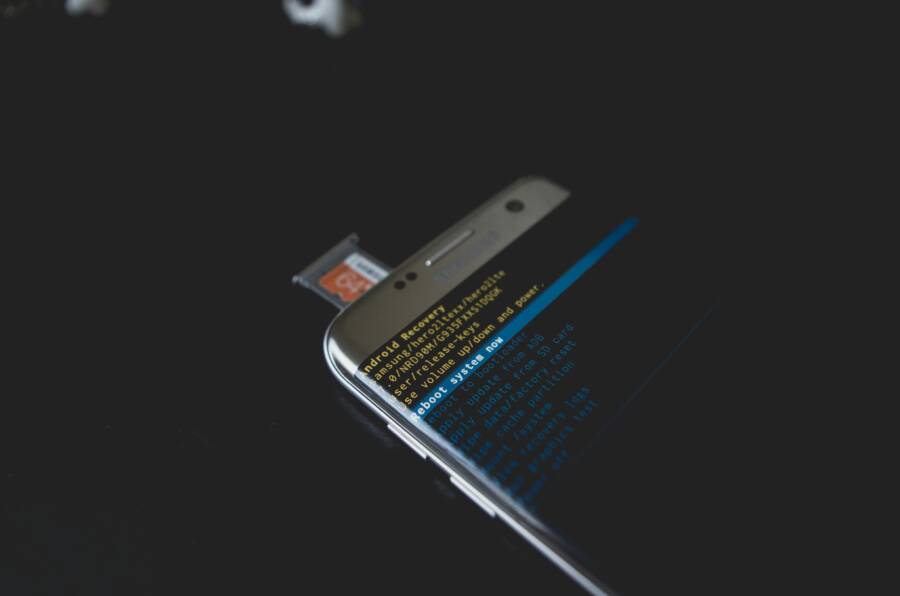
 Photo by Kelvin Valerio
Keep OS and apps up to date
Regular updates matter because they fix bugs that cause keyboards to misjudge space or misalign input fields. Updates also improve compatibility between the keyboard and app layouts, reducing the chance of overlaps. Make updating part of your routine, not a one-off action after a problem appears.
- Why updates matter
- System updates adjust safe areas, keyboard height handling, and scroll behavior, which directly affect whether a field stays visible when the keyboard appears.
- App updates fix layout issues that can push a text field behind the keyboard or misplace input panels.
- How to stay current
- On Android, check Settings > About phone for OS updates, then update apps from Google Play. On iPhone, go to Settings > General > Software Update and update apps in the App Store.
- Enable automatic updates where possible and schedule periodic check-ins to ensure you’re not missing important fixes.
- Quick win for developers and power users
- If you’re testing forms or a new app, run the latest OS and app versions in both portrait and landscape. This helps catch edge cases where the keyboard overlaps in one orientation but not the other.
Additional reading and official guidance can help you understand why updates matter and how to apply them smoothly:
- Update your iPhone or iPad: Apple Support guidance on keeping iOS up to date.
- How to update apps on iPhone and iPad: Apple’s App Store update process.
Design and layout discipline for developers
For long term reliability, forms should be designed to adapt to the keyboard rather than fight it. This means responsive layouts, scrollable containers, and explicit handling of resize events. If you’re building or maintaining apps, apply these high level practices to prevent future overlaps.
- Use scrollable containers
- Wrap long forms in a scroll view so the focused field can be brought into view automatically when the keyboard appears.
- Favor flexible layouts over fixed positioning
- Avoid absolute positioning for input fields near the bottom of the screen. Let constraints reflow so content can move as the keyboard comes in.
- Handle keyboard events gracefully
- Listen for keyboard show and hide events and adjust content insets or padding accordingly. Keep focus intact so users don’t lose their place.
- Test across devices and orientations
- Test on devices with different screen sizes and aspect ratios. Include landscape checks since keyboards are taller in that mode.
- Cross platform consistency
- If you work with cross platform tools, implement consistent keyboard avoidance patterns so users see the same behavior on Android and iOS.
Practical outcome: a form that scrolls smoothly, keeps the active field in view, and avoids “jumpy” UI that distracts users. For deeper context on SwiftUI and keyboard avoidance patterns, explore resources such as SwiftUI keyboard handling guides and real world examples from the community.
Accessibility and display settings you should know
Accessibility settings like larger text and zoom can shift layout enough to change how a keyboard interacts with your screen. When text sizes grow, input fields may require more vertical space, which increases the chance of overlap. It’s worth testing forms with different accessibility configurations to ensure readability remains intact.
- Larger text and zoom considerations
- Bigger text pushes content up, which can help visibility but may also cause fields to move or be obscured when the keyboard appears.
- Zoom or bold styling alters spacing and line height, potentially affecting how a form reflows.
- What to check
- Test with a range of text sizes and display settings. Ensure scroll views still reveal the focused field when the keyboard shows up.
- Verify the safe area insets and any custom constraints. If a field disappears behind the keyboard with larger text, adjust the layout to reflow gracefully.
- Quick wins
- Build forms with scalable components and avoid fixed padding near input areas. This makes it easier to accommodate accessibility changes without breaking visibility.
Helpful references you can explore for deeper understanding:
- SwiftUI keyboard avoidance and safe area management guidance
- How to move SwiftUI views when the keyboard covers a text field
Cross platform considerations for consistency
If your app or workflow spans both Android and iOS, aim for consistency in how the keyboard behaves. Users switch between devices, and a predictable pattern reduces confusion. Share a vetted approach across teams so that forms and input panels work similarly, regardless of platform.
- Align pattern choices
- Prefer adjustResize style on Android when possible for reliable automatic scrolling, and lean on automatic safe area adjustments on iOS when feasible.
- Shared testing checklist
- Verify keyboard behavior in portrait and landscape, across several screen sizes, with diverse accessibility settings enabled.
- Documentation and handoffs
- Create a lightweight design brief for keyboard avoidance that developers and QA teams can reference. It helps minimize platform drift over time.
Practical tips readers can apply now
- Ensure your most frequently used forms are wrapped in scroll views so the active field can be revealed easily when the keyboard shows up.
- Try a simple layout audit: remove fixed bottom bars or overlays that obstruct motion. Replace with floating or context-sensitive elements that can adapt as the keyboard appears.
- If you’re often in landscape, test how your forms behave there first. It’s common for landscape to expose hidden fields due to the keyboard height.
In practice, these long term practices reduce the number of times you reach for the quick fixes. They also lay a solid foundation for future updates and feature additions, keeping your smartphone workflow clean and efficient.
- Practical resource: a collection of keyboard avoidance guides for SwiftUI and UIKit helps you stay aligned across projects. Link examples include guides focused on safe area management and moving views when the keyboard shows up.
External links for deeper context and official guidance:
- Update your iPhone or iPad: Apple Support
- SwiftUI keyboard avoidance guides and practical examples: Five Stars and related resources
Images
- If you’re detailing layout tips, a simple diagram showing a form inside a scroll view can help readers visualize the concept. A caption might read: Diagram of a scrollable form adjusting when the keyboard appears. Photo by Kelvin Valerio
Conclusion
Fixing a phone keyboard that covers input fields is usually straightforward. Most users can solve it with a few targeted steps and small layout tweaks on their smartphone. Key fixes include adjusting the app’s window mode on Android, relying on safe areas and automatic scrolling on iOS, and ensuring forms are wrapped in scrollable containers. If the problem persists across several apps, seek help to rule out a broader setting or a device-wide issue.
If you’ve found a solution that worked for you, share your experience in the comments. Your approach might help others troubleshoot faster. And if you still see the issue after trying the common fixes, don’t hesitate to ask for support from the app developer or your device maker.
Thousands of People Were Struggling With Money Until They Discovered This One Ancient Secret Hidden in Sound
>>> Unlock It Now <<<