Thousands of People Were Struggling With Money Until They Discovered This One Ancient Secret Hidden in Sound
>>> Unlock It Now <<<

Tired of blurry Zoom calls because your built in webcam just isn’t cutting it? A spare option sits in your pocket ready to shine. Using your phone as a high quality webcam can deliver crisper details, brighter colors, and a steadier picture without buying new gear.
This guide shows you how to make the switch easily. You’ll see why many people prefer using a phone camera for video meetings and how it stacks up against built in webcams. Expect clear, smooth video that makes you look more professional on camera.
We’ll cover two solid routes: Mac or iPhone setups and Windows or Android options. Along the way, you’ll pick up practical tips for framing, lighting, and optimizing audio, so your Zoom meetings feel natural and confident. A quick, step by step approach keeps the process simple, with practical checks to ensure you’re ready fast. Use this approach to upgrade your video setup with minimal expense and effort.
smartphone video can be a real upgrade, and you’ll see the difference in minutes.
What If the Only Thing Between You and the Life You Deserve Is a Hidden Wealth Code Waiting to Be Activated
>>> Open the Door <<<

Why Use Your Phone as a Zoom Webcam
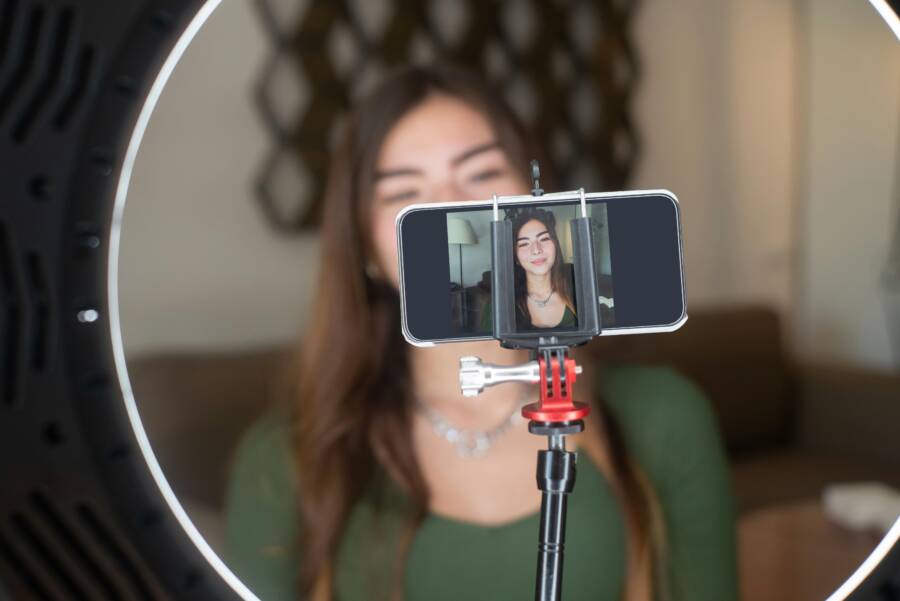
Your phone already has a powerful camera, fast processors, and reliable auto exposure. When used as a Zoom webcam, it can deliver crisper video, richer color, and smoother focus. This section outlines why a phone is a smart choice for your video meetings and what you gain by making the switch.
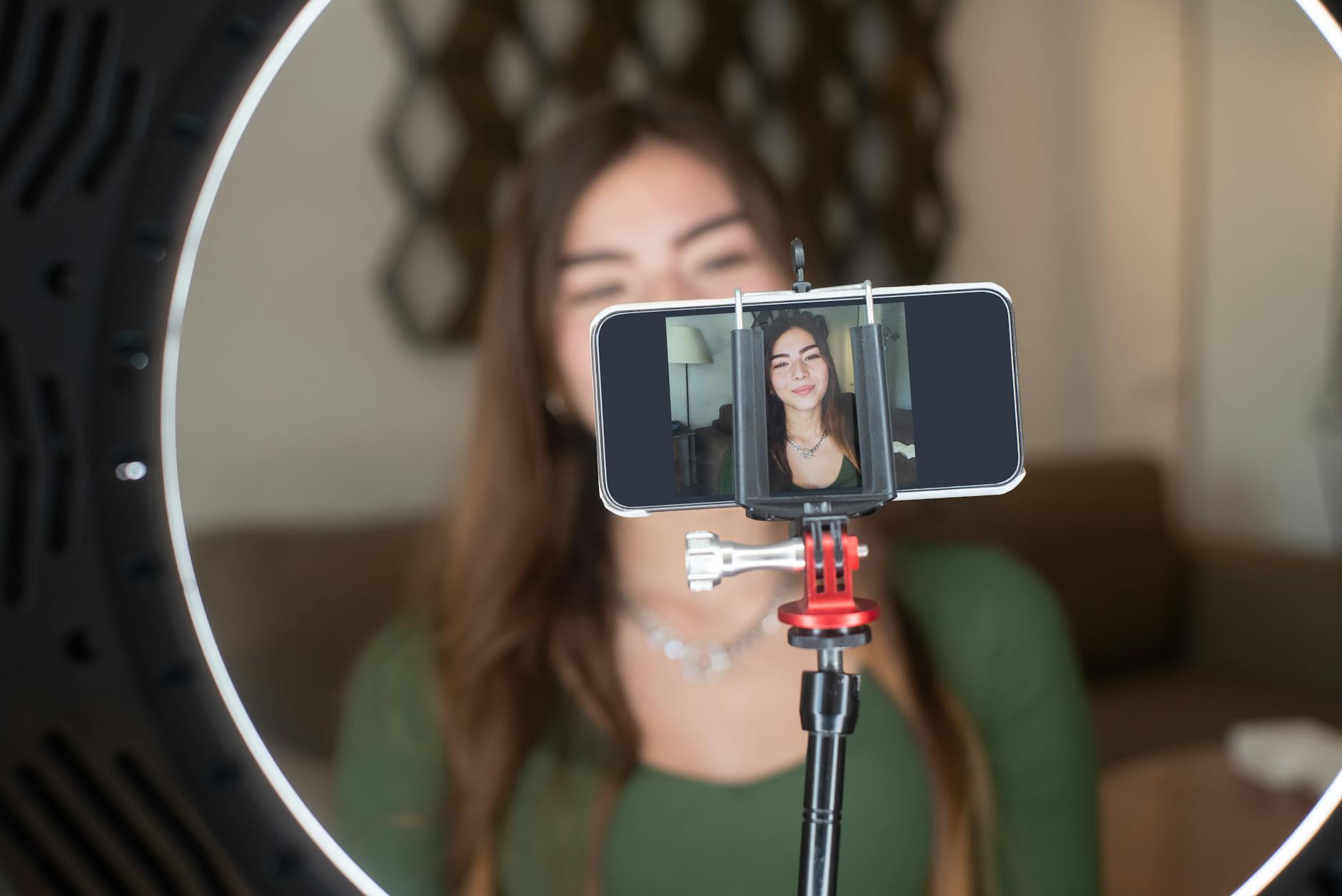 Photo by Kampus Production
Better Video Quality and Features
Smartphones bring 1080p and often 4K capture, which translates to sharper detail on Zoom calls. Beyond resolution, you get features like portrait mode blur and quick auto-focus that keep you looking polished even as you move. Your phone’s image sensor and dynamic range can outperform many built-in laptop cams, producing truer skin tones and better color in mixed lighting. Zoom handles these advantages smoothly when you connect the device as a webcam, allowing you to enjoy consistent framing and reliable exposure without fiddling with settings mid-call. For a quick read on practical gains, see guides like “The Simple Guide to Using Your Phone as a Webcam” for real-world tips.
Link: https://www.heymarvelous.com/blog/phone-as-a-webcam
Save Money and Hassle
Replacing a built-in webcam with a phone eliminates the need to buy new peripherals. If you already own a smartphone, you can repurpose it as a high-quality camera without spending a dime on a dedicated webcam. The setup is straightforward: install a trusted app, connect your phone to your computer, and choose the phone as your video source in Zoom. This approach can save hundreds of dollars and spare you the trouble of extra cables and compatibility checks. It’s a fast way to upgrade your video presence for important meetings, without adding clutter or cost. For a broader setup overview, Riverside’s step-by-step guide offers practical instructions for iPhone and Android users.
Link: https://riverside.com/blog/how-to-use-iphone-as-webcam
What You Need Before You Start
Before you begin turning your phone into a Zoom webcam, gather a few essentials. This quick prep step saves time and prevents mid setup hiccups. You’ll ensure your phone, computer, and network are all ready to deliver a smooth, dependable video feed. Think of this as laying a solid foundation for a cleaner, more confident video presence.
Check Your Devices and Connections
- Compatibility first. Confirm your phone and computer can support the chosen method. For iPhone users on Mac, Continuity Camera is a built in option; Windows users often rely on third party apps or wireless streaming solutions. For Android, look for apps that pair with Windows or Mac software.
- Minimum specs you should expect. A modern smartphone with at least 2–3 GB of available RAM, a recent OS version, and a stable USB or WiFi connection typically handles video tasks well. Your computer should have a recent OS, a respectable USB port or stable network adapter, and enough processing headroom to run Zoom alongside the webcam app.
- Network basics. If you plan to connect over WiFi, a steady 5 GHz network is ideal. A wired Ethernet connection on your computer can further reduce latency and keep video steady. If you must use WiFi, place devices closer to the router and minimize interference from other gadgets.
- Power and cooling. Streaming video drains battery fast. Keep your phone plugged in during calls and ensure the device doesn’t overheat. A small stand with a gentle cooling fan helps in longer sessions.
- Cable strategy. USB connections tend to be more stable than wireless in many setups. Have a short, quality USB cable on hand for a reliable backup if wireless performance wobbles.
Photo: A close look at a phone placed on a desk with a tripod, ready to be used as a webcam. Photo by Anna Shvets
If you want a deeper look at how these setups translate in real life, check Riverside’s guide on using an iPhone as a webcam for Mac and Windows, which covers practical steps and common pitfalls. https://riverside.com/blog/how-to-use-iphone-as-webcam
Download Required Apps
- Platform specifics. iPhone users often start with apps that support Continuity Camera or third party options like Camo or EpocCam. Android users typically rely on apps such as DroidCam or similar utilities, paired with a desktop client. Windows users may have different connectivity needs than Mac users, so choose a workflow that matches your OS.
- App safety and credibility. Download from official stores or the developer’s site. Read reviews and verify permissions before installing. Avoid apps that request unusual access to personal data or system controls.
- Setup flow. Most apps require you to install a companion desktop client, pair the phone with the computer, and select the phone as the video source in Zoom. Keep the app updated to benefit from bug fixes and improved compatibility.
- Quick tips. If you run into audio sync issues, check the app’s settings for audio routing and ensure Zoom is using the correct microphone input. Disable any other camera apps during your call to prevent conflicts.
- Optional enhancements. Some apps offer features like adjustable focal length, exposure control, and color profiles. These can help you look more natural on camera, especially in mixed lighting.
Photo: A smartphone mounted on a desk mount next to a laptop, displaying a video call setup. Photo by Kampus Production
For a practical comparison of top iPhone webcam apps, including Continuity Camera versus Camo versus EpocCam, see this overview. https://riverside.com/blog/how-to-use-iphone-as-webcam
Note: If you’re using Android with Windows, you’ll find tutorials that show wireless or USB connections. The DroidCam app is a popular free option with a desktop client, and many guides explain how to link the phone to the PC for a stable feed. https://play.google.com/store/apps/details?id=com.dev47apps.droidcam&hl=en_US
Photo: A clean desk setup with a phone, stand, and laptop ready for a Zoom call. Photo by Anna Shvets
Set Up iPhone as Webcam on Mac for Zoom
Ready to upgrade your Zoom quality without buying new hardware? This section walk you through using your iPhone as a webcam on a Mac. We’ll focus on Continuity Camera, a seamless option that taps into your iPhone’s camera and lets Zoom treat it like a real webcam. You’ll learn how to enable it, switch to the iPhone in Zoom, and run quick tests to ensure smooth video and audio. Follow these steps, and you’ll see sharper detail, better color, and steadier framing in minutes.
Enable Continuity Camera
Enabling Continuity Camera is quick, but a few permissions and setup steps are essential for a smooth experience. On your iPhone, go to Settings > General > AirPlay & Handoff and make sure Continuity Camera is enabled. On your Mac, open System Settings > General > AirDrop & Handoff and enable Continuity Camera as well. Both devices should be signed in to the same Apple ID, with Wi‑Fi and Bluetooth turned on. If you run into issues, a quick toggle of Bluetooth or a restart can resolve minor connectivity quirks. In practice, this setup feels almost invisible once configured, letting your iPhone quietly feed Zoom with high‑quality video. For a practical walkthrough and tips on optimizing lighting and framing, Descript’s guide on Continuity Camera is a solid resource to consult. https://www.descript.com/blog/article/how-to-use-apple-continuity-camera-for-professional-looking-video
- Quick checks after setup: ensure your iPhone is unlocked, the camera is not in use by another app, and Zoom is allowed to access your camera in macOS permissions.
- Power and placement matter: keep the phone charged and use a stable stand so the shot remains steady.
Select iPhone Camera in Zoom
Once Continuity Camera is active, you need to tell Zoom to use the iPhone as the video source. In Zoom, open Settings and select the Video tab. From the camera dropdown, choose your iPhone as the primary webcam. If you don’t see it, verify that both devices are on the same network and that the iPhone is unlocked. A quick tip: for better continuity, place the phone at eye level and use a stable mount. You can switch between the iPhone and your Mac’s built‑in webcam during a meeting by using Zoom’s camera switcher icon, which makes it easy to compare quality in real time. For readers wanting deeper context, Engadget covers the practical steps of using an iPhone as a Mac webcam, including setup nuances and common pitfalls. https://www.engadget.com/mobile/smartphones/how-to-use-your-iphone-as-a-webcam-with-your-mac-164248242.html
Test and Adjust
With the iPhone selected, run a quick test meeting to confirm video looks natural and audio stays in sync. Start a test Zoom meeting or use another device to join and preview your feed. Check lighting: natural light is best, but avoid harsh backlight that can wash out features. If colors look off, adjust the iPhone’s exposure and focus by tapping on the screen in the Zoom preview; small tweaks can prevent overexposed highlights. If you notice jitter, ensure the phone is on a stable mount and that your Wi‑Fi or wired connection is steady. For further guidance on testing and refining your setup, take a look at Riverside’s practical walkthroughs on using an iPhone as a webcam, which include real‑world tips and troubleshooting steps. https://riverside.com/blog/how-to-use-iphone-as-webcam
- Quick checks: confirm Zoom uses the correct microphone input if you route audio through the phone, and disable other camera apps to prevent conflicts.
- Final polish: adjust framing so you appear centered, with a clean, uncluttered background that reduces distractions.
- Pro tips: if you’ll move during calls, keep your movements gentle to maintain a stable image, and consider a soft light source to improve facial definition.
Use Android Phone as Webcam for Windows and Zoom
Upgrading your Zoom setup can be quick and affordable. Using your Android phone as a webcam on Windows gives you a sharper picture, better focus, and more reliable performance than many built‑in laptop cams. This section explores two proven methods and a quick switch to the best webcam view during a meeting. You’ll learn how to get started, what to expect, and how to troubleshoot common pitfalls so your next call looks crisp and professional.
Option 1: Windows Phone Link Setup
If you want a seamless option that uses Windows built in features, Phone Link can turn your Android device into a high quality webcam. Start by installing the Phone Link app on your Windows PC and the companion app on your Android phone. Pair the devices over Bluetooth or WiFi and grant the necessary permissions on both ends. In practice, you’ll enable camera access, allow microphone permissions, and trust the connection between your devices. Once paired, open Zoom, go to Settings > Video, and select the phone as your camera source. A quick test will confirm that audio and video stay in sync during calls. If you run into issues, verify that both devices are on the same network and that the phone isn’t busy with another app. For deeper guidance, see how Windows users are leveraging Phone Link to turn Android devices into webcams. https://www.sebertech.com/use-android-phone-as-webcam-in-windows-phone-link/
What you gain with this approach is a reliable, cable free setup that works well for short meetings and longer sessions alike. Keep the phone charged during use and position it on a sturdy stand to minimize shakiness. If you want more context on this route, Tom’s Hardware provides practical steps for using Android phones as Windows webcams with general setup notes. https://www.tomshardware.com/software/windows/how-to-use-your-android-phone-as-a-webcam-in-windows-11
He Was Drowning in Bills and Burnout Until a Simple Daily Ritual Rewired His Brain for Wealth in Less Than a Week
>>> Start Your Shift Today <<<

Option 2: DroidCam App Method
DroidCam is one of the most popular choices for turning an Android phone into a webcam. Start by downloading the DroidCam app on your phone and the corresponding desktop client on your Windows PC. Connect the devices via WiFi or USB. Once connected, open Zoom, choose DroidCam as the video source in Settings > Video, and you’re ready to go. The setup is straightforward, and the app also supports audio capture if you need a single solution for both video and sound. If you encounter latency, try a wired USB connection for a more stable feed. Remember to disable other camera apps to prevent conflicts during calls. For additional context, explore DroidCam’s official resources and a simple guide on linking DroidCam to Zoom. https://droidcam.app/
Android users can grab the DroidCam Webcam (Classic) app from Google Play and pair it with the Windows client for a reliable, flexible workflow. This combination supports WiFi and USB connections with respectable video quality. https://play.google.com/store/apps/details?id=com.dev47apps.droidcam&hl=en_US
She Pressed Play on a Strange Audio Track and Within Days Her Financial Reality Started Shifting in Ways She Could Not Explain
>>> See How It Works <<<

If you want a practical walkthrough that specifically covers Zoom integration, check the DroidCam blog’s step by step guide. https://www.droidcam.net/blog/how-to-connect-droidcam-to-zoom.html
Switch Cameras in Zoom
Once you have a webcam source active, switching between devices is simple. In Zoom, open Settings > Video and choose the camera you want to use. If you’re testing during a meeting, use the camera switcher icon to toggle between the built in webcam and your phone camera. This makes it easy to compare quality in real time and pick the best shot for your meeting. A quick check before calls ensures the microphone input is correct if you route audio through the phone. For a broader how to, see guides that compare iPhone and Android webcam options and their Zoom compatibility. https://www.engadget.com/mobile/smartphones/how-to-use-your-iphone-as-a-webcam-with-your-mac-164248242.html
Key takeaways
- Cable vs wireless: USB connections tend to be steadier, but wireless setups offer more flexibility.
- Lighting and framing: Position your phone at eye level and use soft, even lighting for the best result.
- Audio considerations: If you’re using the phone’s mic, test for echo and latency and adjust Zoom’s input accordingly.
If you want to explore a broader range of Android webcam options beyond DroidCam, you can read more about Windows compatibility and setup tips from technology guides and official app pages. https://droidcam.app/droidcam.app#client
Top Tips for Great Video and Quick Fixes
Turning your phone into a Zoom webcam can dramatically improve how you look on camera. The key is a few practical tweaks that boost picture quality, keep you connected, and extend run time without fuss. In these quick sections, you’ll get actionable ideas you can apply today, from lighting and mounts to reliable connections and smart power management. Think of this as your fast lane to crisp, confident video.
Improve Picture Quality
Great video starts with solid lighting and a stable frame. Start with a simple lighting setup: place a soft, diffused light about 45 degrees to your face and slightly above eye level. Avoid harsh overhead lights that cast unflattering shadows. If you don’t have a dedicated light, a bright desk lamp with a warm color temperature can be enough to lift your image. A well-mounted stand keeps the phone steady and at the right height, reducing the need to adjust mid-call. For the smoothest look, use an app that allows you to fine tune exposure and white balance, so skin tones stay natural even as the room changes. If you want a practical walkthrough on optimizing lighting and framing, check out the lighting guide from Digital Camera World and the practical iPhone webcam tips from Riverside. https://www.digitalcameraworld.com/buying-guides/best-lights-for-zoom-calls https://riverside.com/blog/how-to-use-iphone-as-webcam
When you’re ready to test, treat your phone like a tiny studio camera. Keep it on a stable tripod or a dedicated phone mount so you don’t wobble during movement. If you’re using the iPhone option, you’ll gain from the device’s color accuracy and dynamic range, which helps you avoid washed-out or overexposed moments. If you’d like real-world setup details, Descript’s Continuity Camera guide offers practical lighting and framing tips that translate well to any phone webcam workflow. https://www.descript.com/blog/article/how-to-use-apple-continuity-camera-for-professional-looking-video
A quick reminder: the term smartphone can appear as you compare features, but the focus should stay on the image quality you’re achieving in Zoom. If you’re experimenting with different apps, keep one consistent test scene so you can judge changes clearly. For setup sanity, ensure your background is clean and uncluttered to keep attention on you, not on the surroundings.
Solve Connection Problems
A reliable connection is the backbone of a smooth video call. Start by confirming your firewall and security software aren’t blocking the webcam feed. Some corporate networks block unfamiliar devices or streaming ports, which can cause a frozen image or audio lag. If you see frequent disconnects or latency, verify that you have the latest version of Zoom and the webcam app you’re using. Updating both ends helps close compatibility gaps that crop up with newer OS versions. For common Zoom issues and fixes, Driver Support lays out practical steps you can take right away. https://www.driversupport.com/knowledge-article/fixing-common-zoom-video-conferencing-app-problems/
If you’re on a wired network, use Ethernet for the computer and keep the phone on a stable WiFi channel. On wireless, a 5 GHz network with the router in the same room reduces interference and latency. If you must rely on WiFi, place devices away from microwaves and large metal objects. For a broader view of typical Zoom network problems and fixes, Obkio’s guide is a solid reference. https://obkio.com/blog/zoom-network-issues/
If you’re troubleshooting from a Windows or Mac perspective, Zoom’s own network and firewall guidance can help you confirm the correct settings are in place. It’s a quick check that saves you time during calls. https://support.zoom.com/hc/en/article?id=zm_kb&sysparm_article=KB0060548
When things are humming again, run a quick test with audio and video to confirm both sides stay in sync. If you’re routing audio through the phone, double check Zoom’s input selection to avoid echo or double audio sources. A brief pre-meeting test saves you from scrambling later.
Battery and Stability Hacks
Long calls demand steady power and steady hands. Start with power: keep the phone plugged in during calls and use a cable that doesn’t pull on the port. If you expect longer sessions, consider a compact power bank clipped to the stand or a USB-C hub with pass-through charging. This keeps the phone from dropping to a low battery while you’re mid-sentence. For mounting, choose a stable, non-slip desk stand or a clamp that holds the phone securely without blocking the camera. A good mount reduces micro-movements that can distract viewers and degrade video stability. If you want guidance on the best mounts for phone webcams, check out Reincubate’s mounting guide. https://reincubate.com/support/how-to/iphone-webcam-mount-guide/
If you’re using battery-intensive features like 4K capture or high dynamic range, these drains matter more. Consider using a lightweight, low-profile stand that keeps the phone close to eye level without taking up much desk space. A solid mount not only stabilizes the image but also frees you to adjust lighting without fighting the camera angle. For practical mounting ideas and quick tips, you can explore a quick roundup of common phone holders from Z-grade guides and hardware reviews. https://www.zoomon.camera/camera-phone-holder
A couple of quick habits to end on: keep your screen brightness at a comfortable level to avoid overheating and battery drain, and close unused apps to reduce background activity. A few deliberate tweaks now prevent surprises later in a busy day of calls.
Conclusion
Transforming your phone into a Zoom webcam is a practical upgrade that pays off fast. You can expect crisper detail, richer colors, and steadier framing without buying new gear. The path is simple: pick a setup that matches your device, install trusted apps, and keep the phone charged and mounted securely.
Key steps lead to reliable results. Prepare your devices and network, choose the right camera source in Zoom, and run a quick test before calls. Good lighting and a clean background make a noticeable difference in how you look on screen. If you run into issues, a wired connection often smooths things out, and testing with audio helps prevent delays or echo.
The biggest gains come from consistent framing and stable power. Use a sturdy mount, eye level positioning, and gentle movement during calls. Small adjustments to exposure and white balance can prevent washed out or muddy tones as lighting shifts. With these tweaks, your Zoom presence feels more confident and professional.
Now it’s your turn. Try the method that fits your setup and see the improvement for yourself. If you’re curious about mic setup or other audio tweaks, explore related guides and keep testing until you find your best balance. Share your experience in the comments and tell us which method worked best for you.
There Is a Frequency That the Wealthiest Families Have Used for Generations and Most People Will Never Know It Exists
>>> Open the Door <<<
