She Pressed Play on a Strange Audio Track and Within Days Her Financial Reality Started Shifting in Ways She Could Not Explain
>>> See How It Works <<<

Have you noticed your battery fading faster after you added home screen widgets? You’re not imagining it. Widgets wake the screen and fetch data in the background, pulling power from the CPU, network, and display.
This post shows you how to cut that drain without losing the convenience widgets provide. You’ll learn simple, practical steps that fit both Android and iPhone users. In the end, you can expect real savings, often around 10 to 50 percent, depending on how you use widgets.
First, we’ll unpack why widgets sip power. Then you’ll find a clear, step by step guide for Android devices and for iPhones. You’ll see what to disable, what to limit, and how to test the impact with your own battery stats. The goal is a smoother, longer day between charges while keeping the information you want right on the home screen.
Tired of charging twice a day? Start with the easiest fixes and work from there. A quick tidy up now can mean more reliable battery life later. If you’re new to this, the tips are straightforward and easy to follow, so you can get meaningful gains without sacrificing the widgets you rely on.
There Is a Frequency That the Wealthiest Families Have Used for Generations and Most People Will Never Know It Exists
>>> Open the Door <<<

We’ll close with a quick checklist you can reference any time. It helps you keep widget impact in check as you install new ones. Whether you’re using an Android device or an iPhone, these tweaks keep you in control of your battery and your time.
Why Widgets Cause Battery Drain on Your Phone
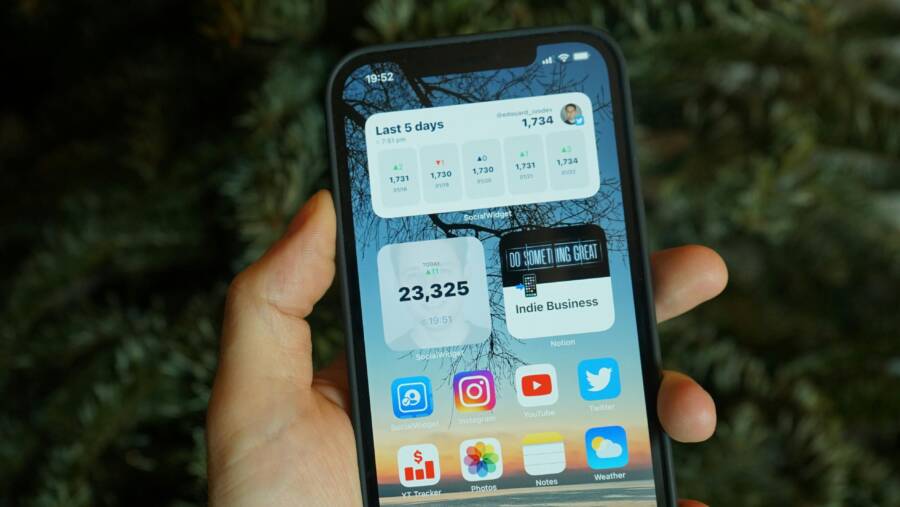
Widgets are handy shortcuts that bring your favorite information to a glance. They can save time, but they also pull power from your device by waking the screen, pinging the network, or running background tasks. Understanding why this happens helps you keep the benefits of widgets without paying a steep battery tax. Below is a clear, practical look at how widgets use energy and what you can do to keep your device running longer between charges.
How widgets drain power
Widgets consume power in several ways, and the amount depends on the widget type and how often it refreshes. Here are the main culprits:
- Data updates and network calls: Many widgets pull fresh data from the internet — weather, stock prices, news, or social feeds. Each update can trigger a network request and data processing, which uses CPU power and radio energy. The more frequent the updates, the more battery you burn. For a quick reference, see how developers describe excessive battery usage and app widget patterns on Android. https://developer.android.com/topic/performance/vitals/excessive-battery-usage
- Background activity: Dynamic widgets often keep parts of their apps awake to prepare the next update. This keeps services running in the background, consuming CPU and system resources even when you aren’t actively using the widget. Android developers discuss advanced widget design and how to manage background work here: https://developer.android.com/develop/ui/views/appwidgets/advanced
- Display wake and UI load: Widgets on the home or lock screen can cause the system UI to refresh more often or keep the display active longer. The display is one of the biggest power drains on any smartphone.
- Sensor and location usage: Some widgets rely on sensors or location data to provide timely information. Frequent location checks can drain power quickly, especially if location services are left on for widgets. Apple’s community discussions touch on how widget behavior interacts with battery health and location usage. https://discussions.apple.com/thread/252023492
- Poorly optimized widgets: Not all widgets are optimized for every OS version. Bugs or inefficiencies can cause a widget to run longer than needed, pulling power in background processes. Checking community discussions and developer guidance can help identify problematic widgets. https://forums.androidcentral.com/threads/widgets-equal-major-battery-drain.1041515/
In short, static widgets that simply sit on a page do very little. Dynamic widgets that fetch data, animate, or wake the screen are the ones that noticeably affect battery life. For many users, the difference between a handful of well-chosen widgets and a cluttered, data-hungry setup is the line between all-day endurance and a mid-day recharge.
Thousands of People Were Struggling With Money Until They Discovered This One Ancient Secret Hidden in Sound
>>> Unlock It Now <<<

What drives the variability between widgets
Not all widgets are created equal. Several factors determine how much energy a widget consumes:
- Refresh frequency: A widget updating every minute will always use more power than one that refreshes hourly or only when you open the app. The Android developer guidance around widget performance emphasizes reducing unnecessary updates.
- Data complexity: A weather widget that downloads high-resolution images or heavy data uses more power than a simple icon or text widget.
- UI complexity: Animations, smooth transitions, and live charts require more GPU and CPU cycles than static displays.
- Background permissions: Some apps granted widgets more permissions can access data in the background more aggressively, increasing energy use. It helps to review app permissions and what each widget is allowed to do.
- Platform differences: iPhone and Android handle widgets differently, so the same concept may use energy in distinct ways on each platform. For a broad view of how iOS approaches widgets and energy usage, Apple discussions cover practical tips and user experiences: https://discussions.apple.com/thread/252023492
- Widget age and updates: Older widgets or those not updated for the latest OS can be less efficient, sometimes running longer or leaking resources.
Steps you can take to reduce widget battery drain
You can enjoy widgets without sacrificing battery life by making targeted changes. Start with the simplest fixes and work up to more involved adjustments.
- Prune the widget lineup
- Remove widgets you rarely use. Fewer active widgets mean fewer background tasks and less data fetching. If you’re unsure which to keep, test one or two at a time and measure the impact on your battery.
- Tweak refresh settings
- Where available, set widgets to refresh less often. For example, switch from updates every 5 minutes to every 30 minutes or hourly. Simpler widgets cost less energy and still provide useful information. If your widget app doesn’t offer fine-grained controls, consider replacing it with a static alternative.
- Favor static over dynamic when possible
- Static widgets display information without ongoing updates. They’re typically a low-risk way to keep quick access without the energy cost of live data. If you want a balance, use dynamic widgets only for essential information.
- Limit data sources and permissions
- Turn off location tracking for widgets that don’t need it, and disable background activity for apps that provide widgets if you don’t rely on their real-time features. You can still get core functionality without the extra background work.
- Monitor power usage
- Use built-in battery stats to identify heavy hitters. Look for apps and widgets that consistently show high battery drain and adjust or remove them. For Android developers and power users, the Android performance vitals guide explains how to interpret battery usage data: https://developer.android.com/topic/performance/vitals/excessive-battery-usage
- Replace resource-hungry widgets with lighter options
- Swap out complex widgets for simple shortcuts or icons that link to the app. This reduces background activity while keeping quick access to your most-used features.
- Update widgets and apps regularly
- App and OS updates often include efficiency improvements. Keeping everything up to date helps ensure you’re benefiting from the latest energy-saving optimizations. You can see practical tips from technology outlets on saving battery by adjusting settings, including widget usage: https://www.cnet.com/tech/mobile/you-probably-dont-need-these-3-ios-features-turn-them-off-to-save-battery/
- Consider a Smart Stack or widget grouping
- On iOS, Smart Stacks let you combine widgets and cycle through them without keeping all of them active at once, reducing background loads. It’s a neat way to retain usefulness while trimming energy use. For Android, look for widget groups or widgets designed to be efficient in update patterns: https://developer.android.com/develop/ui/views/appwidgets/advanced
Quick testing approach to measure impact
Try this simple, repeatable test to quantify how changes affect your battery life:
- Baseline: Note your screen-on time and battery percentage at the end of a regular day with your current widget setup.
- Change: Remove or simplify one widget at a time and monitor the next 24 hours.
- Compare: Look at screen-on time, CPU wakeups, and battery drain. If you notice a meaningful improvement, keep the change. If not, revert or try the next adjustment.
If you want a practical, human-friendly read on how to balance battery life with the usefulness of widgets, you can also check out consumer-focused guidance that examines common iOS and Android tips for reducing background activity. https://www.zdnet.com/article/iphone-battery-saving-settings-to-change/
Real-world takeaways
- Widgets themselves aren’t always the problem. Live data, frequent updates, and wake events drive most of the drain.
- Static widgets are your friends for staying informed without a big energy footprint.
- A lean widget setup offers the best of both worlds: quick info and longer battery life.
For further reading on how to keep your smartphone performing well, including widget-related energy considerations, you can explore expert perspectives and community discussions. https://discussions.apple.com/thread/252023492
If you want a quick, practical checklist you can refer to while you adjust your home screen, keep this nearby: prune unused widgets, lower update frequency, prefer static widgets where possible, and monitor battery impact after each change. The goal is a steady day between charges with the widgets you truly rely on.
External resources to help you dive deeper
- Android performance and battery usage basics: https://developer.android.com/topic/performance/vitals/excessive-battery-usage
- Advanced widget design and efficiency on Android: https://developer.android.com/develop/ui/views/appwidgets/advanced
- iOS widget behavior and battery considerations in community threads: https://discussions.apple.com/thread/252023492
- Practical battery saving tips for iOS devices: https://www.cnet.com/tech/mobile/you-probably-dont-need-these-3-ios-features-turn-them-off-to-save-battery/
- A broader look at how widgets impact energy use on mobile platforms: https://www.youtube.com/watch?v=8QhQE9yOP3c
By keeping a focused, tested approach, you can enjoy the convenience of widgets without paying with your battery life.
Quick Fixes to Slash Widget Battery Use Now
Widgets are convenient, but they can sip power if you’re not careful. This section gives fast, practical fixes you can implement today to cut widget drain while keeping essential info at your fingertips. Think of it as a toolbox you can dip into as you optimize your smartphone setup. You’ll find both Android and iPhone strategies that fit real daily use.
Start with a lean widget lineup
A smaller, smarter set of widgets already makes a big difference. Prioritize the ones you actually glance at several times a day. Remove the rest and reduce the number of background tasks your phone has to juggle.
- Remove unused widgets from your home screens.
- Group related widgets into a single, lightweight panel when possible.
- If a widget isn’t providing value, say goodbye for now and check back later.
Why it helps: fewer active widgets means fewer background fetches, less screen wake time, and lower CPU and radio activity. This is a quick win you can feel within a day.
Reduce refresh frequency where possible
Many widgets update in the background at regular intervals. Slowing or disabling these refreshes can dramatically cut battery use without making the widget useless.
- Set updates to hourly or less frequent intervals for weather, news, and social widgets.
- Prefer widgets that refresh only when you open the app or view the page.
- If a widget app has no refresh controls, consider a static alternative that links to the content.
How to spot the impact: you can often measure the change by monitoring screen-on time and battery use after adjusting refresh rates.
Favor static widgets over dynamic ones
Static widgets show information without ongoing data pulls. They offer quick access with minimal energy cost.
- Use static weather icons or simple text widgets rather than live data dashboards.
- For essential information, reserve dynamic widgets for items you truly rely on, such as a calendar glance or task list.
Analogy: static widgets are like a bookmark bar—fast, light, and reliable.
Tighten data sources and permissions
Every permission you grant a widget can translate to background activity. Review and trim these settings to reduce energy use.
- Disable location access for widgets that don’t need it.
- Turn off background activity for apps that just provide a widget without real-time needs.
- Revoke unnecessary permissions that invite constant data checks.
Where to look: permissions usually live in the device settings under Apps or Privacy. A quick audit can yield noticeable improvements.
Prioritize energy-efficient widget designs
Not all widgets are created equal in terms of efficiency. If a widget is slow to load or drains energy, swap it for a leaner option.
- Choose lightweight widgets from trusted developers.
- Favor those with clear refresh controls and minimal animation.
- Remove visually heavy widgets that require extra GPU work.
Tip: check developer notes or user discussions to spot common battery issues with certain widgets.
Learn to monitor and measure impact
The only way to know if a change helps is to measure before and after. Use built‑in battery stats to identify heavy hitters and track changes.
- Baseline: note screen-on time and battery level at the end of a typical day.
- Implement changes one by one and observe the next 24 hours.
- Compare screen-on time, CPU wakeups, and drain rate to decide what to keep.
Android users can dive into performance vitals for guidance on interpreting battery data, while iPhone users can watch how changes affect battery health metrics over short windows. For a practical read on iOS and Android tips, see guidance from CNET and related outlets. You can explore tips like turning off extra iOS features to save battery here: https://www.cnet.com/tech/mobile/you-probably-dont-need-these-3-ios-features-turn-them-off-to-save-battery/
Quick swaps to lighter options
If you crave utility with minimal energy, these substitutions often hit the mark.
- Replace resource-hungry widgets with simple shortcuts that launch the app.
- Use a single, consolidated widget that aggregates data rather than multiple separate widgets.
- Consider a Smart Stack or widget grouping on iOS to cycle through content without keeping all widgets active at once. Learn more about widget grouping on Android here: https://developer.android.com/develop/ui/views/appwidgets/advanced
Platform-specific pointers that move the needle
Different platforms handle widgets in distinct ways, so tailor your approach accordingly.
- Android: Leverage the Battery Optimization settings for individual apps to keep them from running in the background when not in use. A practical explainer video shows how to adjust these settings for various devices: https://www.youtube.com/watch?v=zCqOzQjQ97Q
- iPhone: Limit live updates and reduce motion to cut energy use. If you want a deeper dive, an iOS-focused guide covers common savings tactics and widget behavior: https://discussions.apple.com/thread/252023492
A pragmatic testing approach you can repeat
- Baseline: Record your typical day’s battery life with your current widget setup.
- Change: Remove or simplify one widget, then monitor for 24 hours.
- Compare: Assess screen-on time, wakeups, and drain rate to determine if the change made a meaningful difference.
If you want practical context on how real users balance widget usefulness with battery life, you can read consumer-focused tips that discuss common iOS and Android adjustments: https://www.zdnet.com/article/iphone-battery-saving-settings-to-change/
Quick takeaways you can apply now
- A lean widget setup wins on both Android and iPhone.
- Less frequent updates and static widgets save the most energy.
- Regularly review permissions and data sources to minimize background activity.
For further guidance on widget power use and broader battery efficiency, consider exploring expert perspectives and user discussions. A helpful discussion thread on widget behavior and battery impact can be found here: https://discussions.apple.com/thread/252023492
Thousands of People Were Struggling With Money Until They Discovered This One Ancient Secret Hidden in Sound
>>> Unlock It Now <<<
Use this crisp checklist as you adjust your home screen: prune unused widgets, lower update frequency, prefer static widgets where possible, and monitor battery impact after each change. The goal is steady day-long performance with the widgets you truly rely on.
External resources to help you dive deeper
- Android performance and battery usage basics: https://developer.android.com/topic/performance/vitals/excessive-battery-usage
- Advanced widget design and efficiency on Android: https://developer.android.com/develop/ui/views/appwidgets/advanced
- iOS widget behavior and battery considerations in community threads: https://discussions.apple.com/thread/252023492
- Practical battery saving tips for iOS devices: https://www.cnet.com/tech/mobile/you-probably-dont-need-these-3-ios-features-turn-them-off-to-save-battery/
- A broader look at how widgets impact energy use on mobile platforms: https://www.youtube.com/watch?v=8QhQE9yOP3c
By keeping your approach focused and test-driven, you can maintain the convenience of widgets without sacrificing battery life. Keep this section handy as you experiment with new widgets and updates.
Android Phone Tips: Save Battery on Samsung and Pixel
Widgets on your home screen are convenient, but they can quietly drain your battery if you don’t tune them. This section covers practical, proven steps for two popular ecosystems—Samsung Galaxy devices and Google Pixel phones—so you can keep essential info at a glance without sacrificing all‑day power. Think of it as a quick optimization playbook for your smartphone that you can apply in a few minutes and test over the next day.
Samsung Galaxy Steps to Cut Widget Drain
Samsung devices offer direct controls to trim widget impact without losing the widgets you rely on. Start by removing or combining dynamic widgets you rarely use; long-press a widget and delete it to reduce background activity. Next, tighten system background work with a few targeted settings: Settings > Battery > Background limits > Deep sleep can throttle idle apps and prevent wakeups from idle state, saving juice. If you’re comfortable in developer options, turning off Wi‑Fi and GPS or Bluetooth scanning when you don’t need them can cut hidden energy costs. For a broader remedy, switch to Force Dark Mode where supported and ensure your software is up to date. All these steps work together to minimize refreshes and wake events, helping your battery last longer.
Google Pixel Tricks for Longer Battery Life
Pixel phones offer smart ways to keep energy use in check without losing the At a Glance convenience. Limit the At a Glance widget to reduce updates by hiding weather or events, or replace it with a static alternative on days you need maximum stamina. In developer options, you can cap background processes to a reasonable limit, which helps prevent apps from waking too often. Reducing on‑screen motion with a 0.5x animation scale also lowers GPU workload and saves power over the day. If you prefer, edit widgets to static versions to cut data fetches while preserving quick access to essential info. These tweaks combine to extend a day of use while keeping important details within reach. For official guidance on managing At a Glance on Pixel devices, see Google’s support article.
iPhone Users: Simple Widget Tweaks for Better Battery
Widgets on the iPhone are a handy way to glance at key info. They save time, but they can pull power if they update too often or wake the display too frequently. This section walks you through straightforward tweaks that preserve widget convenience while extending your day between charges. You’ll learn practical steps you can take right away, with tips tailored for iPhone users and how to test the impact.
Why iPhone widgets can zap battery life
iPhone widgets refresh data in the background and can wake the screen more often. This combination uses CPU cycles, radios, and, at times, location services. A well-chosen, minimally updating set of widgets keeps information accessible without burning through power. Focus on the widgets that truly matter and limit the ones that pull data constantly.
- Live data and frequent refreshes drive most drain.
- Location and background activity amplify energy use.
- Animations and large UI elements tax the GPU and CPU.
For deeper context on how iOS widgets interact with battery health, see discussions and guides from the community and reputable outlets. These resources explore practical tactics for reducing background activity and trimming updates without losing value from your home screen setup: How iPhone widgets affect battery life and You probably dont need these 3 iOS features turn them off to save battery.
Quick, practical tweaks for iPhone users
These are bite sized changes you can implement today. They work across most recent iOS versions and help you keep essential info within reach.
- Prune your widget lineup
- Keep only the widgets you glance at daily. Fewer widgets mean fewer background updates and less screen wake time.
- If a widget rarely helps, remove it and reassess in a week.
- Tame refresh rates
- Choose widgets that update only when you open the app or when you view the page. If an app offers a refresh control, set it to less frequent updates.
- Consider static alternatives for weather or headlines when you need maximum endurance.
- Favor static or lean widgets
- Static widgets show information without ongoing data pulls. They’re lighter on energy and still offer fast access.
- Reserve dynamic widgets for must‑see items like a calendar glance or task list.
- Limit location and background activity
- Turn off location access for widgets that don’t need it.
- Disable background app refresh for widgets that don’t require real time data.
- Group and Smart Stack where useful
- Use Smart Stacks to rotate through a few widgets without keeping everyone actively updating at once. This reduces wake events and conserves energy.
- On iPhone, grouping can keep your home screen tidy and efficient, while still delivering timely info.
- Keep software up to date
- iOS updates often include energy optimizations for widgets and the system. Regular updates can provide meaningful gains in battery life.
- After any update, re-evaluate which widgets you actually rely on.
To get a broader sense of widget efficiency on iPhone, you can explore practical guidance from expert outlets and user discussions, such as How-To Geek’s tips for better iPhone widget use and iPhone battery life guidance from iOS focused resources.
How to test the impact of tweaks on your battery
Testing helps you see what actually matters for your usage pattern. Use a simple, repeatable approach to track changes over a day.
- Baseline
- Note your typical screen time and battery percentage at the end of a regular day with your current widget setup.
- Implement a change
- Remove or simplify a widget, then monitor for 24 hours.
- Compare outcomes
- Look at screen on time, battery drain, and wake events. If you see a clear improvement, keep the change.
If you want a broader read on balancing widget usefulness with battery life, see practical tips from technology outlets that cover iPhone and Android strategies, such as CNET’s battery saving suggestions and related guides.
Real world takeaways for iPhone widget use
- Live data and frequent updates drive most of the drain.
- Static widgets offer quick information with minimal energy cost.
- A lean, well‑curated widget setup provides the best balance of utility and battery life.
Keep this section handy as you tune your home screen. It’s easy to adjust, and the gains can be meaningful over a typical day.
A quick reference checklist
- Remove unused widgets from the home screen.
- Switch to update when opened or reduce refresh frequency.
- Prefer static or lean widgets where possible.
- Disable unnecessary background activity and location access for widgets.
- Use Smart Stacks or widget grouping to minimize active updates.
- Update iOS and widget apps regularly to benefit from efficiency improvements.
For a deeper dive into iPhone widget efficiency, consider reading more from trusted sources that discuss widget behavior and battery considerations. See iOS widget guidance and battery considerations for user perspectives and practical tips.
External resources to help you dive deeper
- You probably dont need these 3 iOS features turn them off to save battery: https://www.cnet.com/tech/mobile/you-probably-dont-need-these-3-ios-features-turn-them-off-to-save-battery/
- How to Save Your iPad and iPhone Battery Life If Widgets Are Draining It Too Fast: https://iphonelife.com/content/do-widgets-use-battery-life-how-to-save-ipad-iphone-battery-life-when-widgets-are-to-blame
- 8 Tips for Better Use of iPhone Home and Lock Screen Widgets: https://www.howtogeek.com/things-i-wish-i-knew-before-i-started-using-iphone-widgets/
- Battery Drain on iOS 26 and iOS 26.0.1: https://discussions.apple.com/thread/256153355
By applying these focused tweaks, you can preserve the convenience of widgets while extending your phone’s battery life.
Handle Weather, Calendar, and News Widgets Smartly
Widgets are a double-edged sword. They put timely information at your fingertips, but they can wake the screen and pull data in the background. The goal here is to keep the convenience while trimming the energy cost. Below, you’ll find practical, platform-aware guidance for weather, calendar, and news widgets so you can stay informed without draining your battery.
Weather widgets: stay accurate without starving the battery
Weather widgets are among the most data hungry on many phones because they regularly fetch forecasts, alerts, and sometimes imagery. The trick is to reduce updates and limit location usage without losing essential accuracy.
- Use lightweight weather widgets: opt for icons or simple text that refresh less often. If a widget offers an update control, set it to a longer interval or to update only when opened.
- Limit location tracking: disable continuous location checks for weather widgets if you don’t need hyperlocal accuracy. When you do need it, switch to a coarse location and let the widget refresh on demand.
- Rely on official sources with efficient updates: many weather apps provide optimized update patterns that balance freshness with power use. For quick guidance on iPhone weather widgets, see Apple’s guidance on using weather widgets: https://support.apple.com/guide/iphone/use-weather-widgets-iph8bf15cb61/ios
Real-world payoff: you can keep showing current conditions and alerts while cutting back background activity. If you find a weather widget that feels sluggish, substitute a leaner option or a static shortcut that links to the forecast instead.
Calendar widgets: quick access without constant syncing
Calendar widgets are a staple for staying on top of your day. The energy cost comes from frequent event syncing and the potential for live updates. A lean approach keeps your schedule visible without pulling extra juice.
- Favor glanceable views: choose compact calendar widgets that show day or week views with minimal animation. For higher battery efficiency, use a static calendar widget that links to the app when you need details.
- Update on demand rather than continuously: whenever possible, configure calendar widgets to refresh only when you open the app or view the page. If you’re using an ecosystem that supports it, enable “update on open” or similar options.
- Group related timing data: if you manage multiple calendars, consolidate them into a single, lightweight widget. Fewer data sources mean fewer background checks.
If you want to dive deeper into iPhone widget behavior and energy use, you can explore community discussions around widget design and battery health. For example, guidelines and user experiences on how iOS widgets impact battery life are documented in discussions here: https://discussions.apple.com/thread/252023492
News widgets: balance real-time updates with power efficiency
News widgets deliver headlines and snippets that can help you stay informed. The energy cost comes from constant refreshes and content processing. The trick is to keep essential headlines without overloading the system.
- Limit refresh frequency: set news widgets to refresh less often, or only when you open the app. If a widget app lacks refresh controls, consider a static shortcut that points to the latest stories.
- Curate sources carefully: pick a small set of trustworthy feeds rather than many trackers. Fewer sources reduce data fetching and processing without sacrificing relevance.
- Prefer non-animated displays: dynamic feeds with animations draw more GPU power. Static text or simple icons are typically enough for a quick scan.
To see practical tips on battery saving with iOS and Android widgets, you can reference guidance from major outlets that cover how to trim background activity or curb frequent updates. For example, CNET’s battery tips for iPhone users offer straightforward adjustments you can apply to your widget setup: https://www.cnet.com/tech/mobile/you-probably-dont-need-these-3-ios-features-turn-them-off-to-save-battery/
Quick testing approach: measure the impact of each tweak
The most reliable way to know what helps is to test in your own routine. Use a simple, repeatable method to compare before and after.
- Baseline: record your typical screen-on time and battery level at the end of a normal day with your current widget mix.
- Change: adjust one widget type at a time (weather, calendar, or news) and monitor for 24 hours.
- Compare: review screen-on time, wakeups, and drain rate. If you see a meaningful improvement, keep the change. If not, try the next adjustment.
For those who want a broader view on widget efficiency and battery life, practical guides from technology outlets offer context on iOS and Android strategies. One helpful read discusses general battery-savings settings that affect widgets: https://www.cnet.com/tech/mobile/you-probably-dont-need-these-3-ios-features-turn-them-off-to-save-battery/
Real-world takeaways
- Live data and frequent updates drive most of the drain. Static or on-demand widgets are your friends.
- Weather, calendar, and news widgets can co-exist with long days between charges when you tune refresh rates and permissions.
- A focused widget setup gives you quick access to essentials while preserving battery life.
As you experiment, keep a simple checklist handy: prune unused widgets, lower refresh frequency, prefer static or lean widgets, and test the battery impact after each change. Your goal is steady day-long performance with the widgets you truly rely on.
External resources to help you dive deeper
- Use Weather widgets on iPhone: https://support.apple.com/guide/iphone/use-weather-widgets-iph8bf15cb61/ios
- You Probably Don’t Need These 3 iOS Features. Turn Them Off to Save Battery: https://www.cnet.com/tech/mobile/you-probably-dont-need-these-3-ios-features-turn-them-off-to-save-battery/
- How to Make Your Android Battery Last Longer: https://time.com/3665427/android-battery-longer
- Practical battery saving tips for iOS devices: https://www.cnet.com/tech/mobile/you-probably-dont-need-these-3-ios-features-turn-them-off-to-save-battery/
By keeping your approach focused and testing changes, you can maintain the convenience of weather, calendar, and news widgets without sacrificing battery life. Use this section as a quick reference when you adjust your home screen.
Conclusion
Smartphone users don’t have to choose between quick access and long battery life. A lean, well‑tuned widget setup can deliver the data you want without draining power. Start by pruning the lineup, then dial in refresh frequencies and switch to static or lean widgets where possible. These moves cut wake events, data fetches, and GPU load, delivering meaningful gains.
Across platforms the core ideas stay the same: fewer, smaller widgets reduce background activity; on demand updates beat constant refreshes; and tight permissions keep energy use in check. Grouping widgets or using smart stacks on iOS, or limiting background activity and location access on Android, makes a noticeable difference in daily endurance. Keep an eye on battery usage in settings to identify the frequent culprits and remove or adjust them.
A practical approach works best. Test changes one at a time, compare the next 24 hours, and keep what boosts your day without forcing more charging. Static widgets can be surprisingly powerful for staying informed with less energy cost, while dynamic ones should be reserved for essentials only. When you hit a clear improvement, you’ll feel the benefit in real time.
If you have a moment, try one targeted tweak today and monitor the impact. Share your results or your favorite tip in the comments to help others optimize their smartphone setups and trust the process. Your small tweak could unlock a noticeably longer day.
He Was Drowning in Bills and Burnout Until a Simple Daily Ritual Rewired His Brain for Wealth in Less Than a Week
>>> Start Your Shift Today <<<
