He Was Drowning in Bills and Burnout Until a Simple Daily Ritual Rewired His Brain for Wealth in Less Than a Week
>>> Start Your Shift Today <<<

Fix Calendar Widget Not Showing Events on Your Phone (Android & iPhone)
Ever opened your calendar and found a blank widget just when you needed it most? It happens to many smartphone users on both Android and iPhone, and it can turn busy days into a guessing game. You want your events visible at a glance, not buried in an app you rarely open. This guide cuts through the confusion with simple, reliable fixes.
First, you’ll see the most common causes. Sync glitches, hidden calendars, and brief refresh delays top the list, along with account problems that block calendars from loading correctly. All-day events or secondary calendars may not appear right away, especially after an update or when you switch accounts. With these insights, you can pinpoint what’s going wrong without digging through confusing settings.
Next, we walk through practical steps for Android users. Start by checking your internet connection and updating the calendar app. Make sure the right calendars are visible in the app and confirm the correct account is syncing. If the widget still won’t show events, removing and re-adding the account or re-adding the widget often fixes the issue.
For iPhone users, the path is similar but with iOS specifics. Ensure iCloud Calendar is enabled, then give the system time after updates to finish background syncing. If needed, remove and re-add the Calendar widget and restart your device. We also cover how to troubleshoot Google Calendar on iPhone when you rely on a non Apple calendar.
He Was Drowning in Bills and Burnout Until a Simple Daily Ritual Rewired His Brain for Wealth in Less Than a Week
>>> Start Your Shift Today <<<
These steps work for most cases and keep you in control. By following this guide, you’ll restore visibility to your calendar widget quickly and avoid missing important events again. Whether you’re juggling work, family, or travel plans, a reliable calendar view on your home screen makes life simpler.
Why Your Calendar Widget Stops Showing Events
A calendar widget should be a quick peek at what’s ahead, not a blank space on your home screen. When it stops showing events, it disrupts your day and creates unnecessary stress. The good news is most issues are fixable with a few practical checks. In this section, we break down the main reasons a calendar widget might stop displaying events and how to approach each cause with confidence.
Common causes you can fix quickly
Most widget problems boil down to a handful of familiar culprits. First, there can be a simple sync hiccup. If your device isn’t syncing the calendar app in the background, upcoming events won’t appear on the widget. Another frequent issue is a calendar being hidden from view within the app. Even when the calendar is loaded, if the toggle to show it on the widget is off, you’ll see empty space instead of events. Finally, updates can reset or reset partially the widget settings, leading to a momentary lag before events reappear.
On Android and iPhone, you’ll also encounter account-related snags. If you’re signed into the wrong Google, Microsoft, or iCloud account, your events won’t feed to the widget. All-day events or shared calendars sometimes lag behind, especially after a major OS update. These are the kinds of issues that feel specific but are usually easy to diagnose with a quick check of syncing, visibility, and account status. For a practical starting point, review your calendar’s sync status and ensure the correct calendars are enabled for display on the widget.
If you’re using a third party calendar app, the widget might be tied to that app’s specific settings. In some cases, the widget is fine, but the app that feeds it isn’t refreshing in the background. In short, a blank widget often hints at a quiet restart of the connection rather than a fundamental device problem. A targeted check of sync, visibility, and account alignment will likely restore your events swiftly. For more detail on common fixes, you can explore guides that address both Android and iPhone workflows, including how to re-add widgets or reset syncing.
Device-specific quirks you should know
Both Android and iPhone handle calendar data differently, which means some fixes are platform-specific. On Android, the widget may depend on the calendar provider you selected in the app. If you switch to a different calendar, the widget might not pick up events from the new source automatically. In some cases, the widget loads only past events for a set period, so you won’t see upcoming items if the range is misconfigured. This is particularly common after app updates or when you install a new calendar app.
iPhone users often run into the “no upcoming events” message despite having items in the calendar. This can happen if iCloud Calendar is not enabled for the widget, or if a recent iOS update altered widget background refresh permissions. Sometimes the lock screen or home screen widget needs a refresh cycle after a system update to resume proper syncing. In both ecosystems, giving the system time to complete background syncing after changes can make a big difference. If you rely on Google Calendar on an iPhone, the cross-app syncing behavior can also introduce delays or missing events on the native widget.
For reliable references on platform-specific fixes, consider reputable guides that walk through these checks for Android and iPhone. For example, you can find practical steps about how to reset or re-add widgets and verify calendar visibility in official support resources and trusted tech sites. When you’re navigating platform quirks, a short routine can prevent recurring blank widgets.
Step-by-step troubleshooting you can perform now
This is the heart of solving a blank calendar widget. The goal is to verify three pillars: syncing, visibility, and account alignment. Use the following sequence as a quick checklist.
- Check your internet connection and calendar app status
- Confirm you’re online. A weak connection can slow or halt background syncing.
- Open the calendar app and refresh manually if the option exists. A quick refresh often pulls fresh data into the widget.
- Verify calendar visibility in the app
- Ensure the calendars you expect to see are enabled for display. Some apps hide calendars behind toggles that aren’t obvious at first glance.
- If you use multiple calendars, check that the widget is configured to show the right one. A misconfigured view is a common source of blank widgets.
- Confirm the correct account is syncing
- Sign in with the account that holds your events. If you switch accounts, the widget will typically reflect the new data only after a full sync.
- If you use a work or school account, make sure it’s allowed to sync in the background. Some organizations restrict background activity, which can affect widget updates.
- Reinstall or reset widget if needed
- Remove the widget and add it back. In many cases, this simple action resets the connection to the data source.
- If you use a third-party calendar, try the native app temporarily to confirm whether the issue is widget-level or calendar-source level.
- Give the system time after changes
- Allow a few minutes after enabling iCloud, Google, or other accounts for background syncing to catch up. Rushing to a fix can lead to repeated misses.
If you want a quick, practical reference on how to re-add a calendar widget on different platforms, you can explore official instructions and troubleshooting discussions that cover both Android and iPhone workflows. These resources explain the typical steps to reconfigure the widget and restore visibility of events. External guidance on widget setup and refresh
When to consider deeper issues or external help
If you’ve tried the common fixes and your calendar still shows nothing, there may be a deeper problem. Look for these signs that warrant a deeper dive or professional help:
- Persistent misalignment between calendar data and widget after multiple restarts.
- Recurrent delays in syncing that affect more than one calendar account.
- Shared calendars that do not populate on the widget even after all typical resets.
- After OS updates, where both the widget and the calendar app behave unpredictably.
In such cases, it helps to consult platform-specific support communities or official help channels. For instance, if you’re troubleshooting on iPhone and see ongoing issues with the lock screen or home screen widgets, a targeted discussion thread or support article can point you toward a precise workaround. A widely cited set of tips covers a broad range of widget refresh problems and can guide you toward a solution that fits your setup. For a broad set of widget refresh ideas, see discussions and guides that address iPhone widget behavior and fixes. Helpful discussions and tips for iPhone widgets
Quick takeaways
- Most blank widgets come from syncing, visibility, or account mix-ups.
- Platform specifics matter; Android and iPhone have unique quirks and settings.
- A methodical approach—check sync, confirm visibility, verify the correct account, then re-add the widget—solves the majority of cases.
- If problems persist after trying these steps, seek targeted support for your device or calendar app. A few well-placed updates or resets can restore reliable event visibility.
In the next sections, we’ll walk through practical, platform-specific steps you can take on Android and iPhone. You’ll learn exact taps and menu paths to re-enable calendar data on your home screen, plus tips to keep your widget healthy after future updates. If you’re using Google Calendar on an iPhone, there are also considerations for cross-app syncing that can help you get back to a dependable glance at today’s schedule. For more on cross-platform issues and fixes, you can review guidance from Google’s support team. Google Calendar sync and troubleshooting
Remember, a reliable calendar widget is a small but powerful tool. When it’s working, you can move through your day with clear visuals of what’s ahead, instead of guessing what’s next.
How to Fix Calendar Widget on Android Phones
If your calendar widget isn’t showing events on an Android phone, you’re not alone. The fix is usually straightforward and involves checking visibility, syncing, and a quick widget reset. Below are concise, practical steps you can follow to get your events back on the home screen. A reliable calendar view helps you stay on top of meetings, deadlines, and family plans without opening the app.
Check If Calendars Are Set to Show in the App
Step-by-step: Open Google Calendar, tap the three-line menu, and choose “Calendars to display.” Verify that the calendars you rely on have checkmarks. Hidden calendars can cause a blank widget because the widget displays only the data the app is configured to show. If you have multiple calendars (work, personal, shared), ensure the right ones are enabled for display in the widget. This small visibility tweak often fixes the blank space and brings back your events at a glance. If you’re using Google Calendar and still see nothing, review the “Sync” status as well. For more on how syncing affects widget visibility, see Google’s support guidance on fixing sync problems with the Google Calendar app. https://support.google.com/calendar/answer/6261951?hl=en&co=GENIE.Platform%3DAndroid
Delete and Re-Add Your Calendar Widget
A quick reset can clear stubborn misconfigurations. Long-press the home screen widget, remove it, then add it back from your widgets list. Re-adding the widget re-establishes the connection to the data source and refreshes its display. This approach is especially effective on devices with OneUI and other manufacturer skins where background refresh can get stuck. After re-adding, check that the widget shows the correct calendars and events again. If the problem persists, try swapping back to the native calendar app briefly to determine whether the issue is widget-level or calendar-source level.
Clear Cache and Restart Your Phone
Clearing cache clears out stale data that can block the widget from loading events. On Android, go to Settings > Apps > Google Calendar > Storage > Clear cache. Do this for any calendar-related apps you use as well. After clearing, restart your device to reinitialize background processes. As you reboot, verify there’s enough free storage and a healthy battery level, since storage or power issues can impact background syncing. If you still see a blank widget, a full clear of calendar data (only for the calendar app, not your cloud data) can help, but keep in mind that event data will re-sync from the cloud. If you’re curious about other trusted sources that walk through similar cache-clearing steps, you can check Android Authority’s guide on Google Calendar not working and related fixes. https://www.androidauthority.com/google-calendar-not-working-999771/
Update Apps, Sync Accounts, and Check Connection
Keep the calendar app and your device software up to date. Update Google Calendar via the Play Store or Galaxy Store. Ensure that sync is enabled for the account holding your events, and toggle Wi-Fi or mobile data to force a fresh sync. After updates, give the system a few minutes to complete background syncing. If you use multiple accounts, confirm the correct one is active in the calendar app and that the widget is pulling data from that account. If you use a third-party calendar app, verify it’s not the source of the issue by testing with the stock calendar widget. For broader context on syncing and widget behavior, see guidance that covers Google Calendar sync and troubleshooting. https://support.google.com/calendar/answer/6261951?hl=en&co=GENIE.Platform%3DAndroid
External references for deeper dives and platform-specific tips:
- Samsung OneUI widget behavior and troubleshooting, including how to fix missing events on Galaxy devices. https://www.samsung.com/us/support/troubleshoot/TSG10001444/
- General widget troubleshooting for Galaxy devices, including steps to re-enable and re-add widgets. https://www.samsung.com/us/support/troubleshoot/TSG10003988/
- A practical guide with additional fixes that users have found effective across Android devices. https://www.guidingtech.com/fix-google-at-a-glance-widget-not-working-android/
Tip: if you’re using a smartphone with a custom skin, these steps can still apply. The core idea is the same: ensure visibility, confirm sync, and refresh the widget. If you hit a wall, it helps to test with another calendar widget or the native calendar app to isolate whether the issue is device-specific or calendar-source related.
External links you may find helpful as you troubleshoot:
- Apple’s discussions on widget behavior (for cross-platform context) can provide insight if you also use an iPhone. https://discussions.apple.com/thread/256037664
Key takeaways
- Blanks on the widget usually mean a visibility or sync hiccup.
- A quick re-add of the widget can reset connections and fix subtle bugs.
- Clearing cache and ensuring accounts stay in sync resolves most cases.
Quick Fixes for iPhone Calendar Widget Missing Events
When your iPhone calendar widget goes blank, it disrupts your day and adds unnecessary stress. A few targeted checks can bring back your events at a glance. In this section, you’ll find four concise, practical fixes that address the most common causes. Each subsection gives you a clear path to restore visibility to your calendar data on the home screen or lock screen.

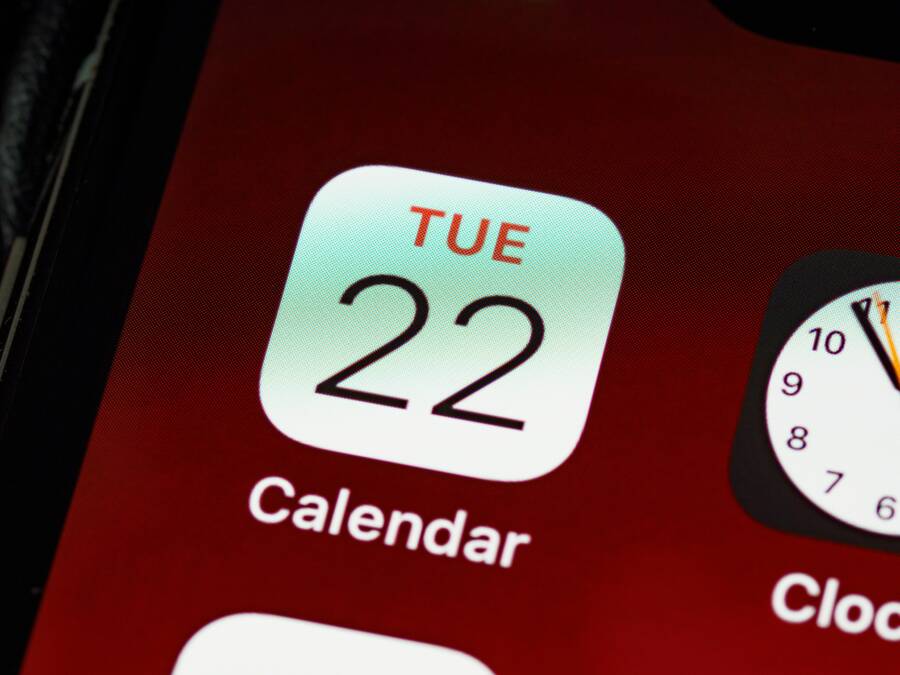
Photo by Brett Jordan
Turn On iCloud Calendar Sync
Settings > your name > iCloud > Calendars on. After enabling, give the system a bit of time to complete background syncing. Don’t rush this step. iCloud needs a moment to push your events to all connected devices, especially after updates or changes to account configurations. If you recently switched Apple IDs or added a new calendar, you may see a short delay before events appear on the widget. If syncing still fails, verify you’re signed into the same Apple ID on all devices and that iCloud Calendar is enabled for the widget on your iPhone. Apple Support notes the importance of keeping iCloud services in sync across devices to ensure calendar data flows smoothly. If you need official guidance on iCloud sync, see Apple’s support article.
There Is a Frequency That the Wealthiest Families Have Used for Generations and Most People Will Never Know It Exists
>>> Open the Door <<<

Key takeaway: a quick check of the iCloud toggle and a short wait can fix many missing-event issues.
Remove and Re-Add the Widget on Home or Lock Screen
This reset is simple and effective. Long-press the widget, choose Edit, then remove the calendar widget with the minus sign. Add it back from the widgets list with the plus sign. After re-adding, ensure the widget is configured to display the calendars you care about. This step often clears subtle glitches that occur after updates or when the widget’s data source changes. If you rely on a third-party calendar, test with the native Calendar widget to isolate whether the issue is widget-level or calendar-source level.
Tip: giving the system a moment after re-adding helps the widget refresh its data connection. This quick reset can save you from more involved troubleshooting later.
Verify Events Show in the Calendar App First
Open the Calendar app and confirm your events are visible there before the widget. Tap Calendars at the bottom and make sure the checkboxes align with the calendars you want shown on the widget. If an event is missing in the widget, the app might still hide that calendar from display. This is a common source of blank widget screens, particularly with multiple calendars or shared calendars. If the events appear in the app but not on the widget, re-check the widget configuration and ensure you’re viewing the same calendar source used by the app. For additional context, you can review how syncing and calendar visibility interact in official support notes. Apple guidance on syncing calendars and Reminders.
Key takeaway: if events aren’t showing in the Calendar app itself, the widget has nothing to display.
Restart iPhone or Reinstall Calendar App
If the widget still won’t show events, a restart or reinstall often resolves stubborn issues. Power off the iPhone, wait 30 seconds, then turn it back on. If problems persist, delete the Calendar app and reinstall it from the App Store. After reinstallation, grant the necessary permissions for calendar access and notifications. If you use a Google or other non-Apple calendar on your iPhone, check that cross-app syncing is functioning correctly after the reinstall. Keep in mind that removing the calendar data from the app will prompt a fresh data fetch from iCloud or your chosen calendar service, so events will re-sync automatically once the app reopens. If you’re unsure about permissions, revisit Settings > Privacy > Calendars to confirm the app has access. This approach is especially helpful after major iOS updates, when background refresh settings can shift. If you need further steps on this process, Apple’s support and third party guides provide clear workflows for reinstallation and permission checks. Apple support on iCloud syncing and permissions
Formal note: a clean reinstall or device restart often resolves the most persistent widget issues.
External guidance that complements these steps:
- If you’re troubleshooting cross platform needs, Apple discussions offer additional insights into widget behavior and refresh cycles. Apple Community thread on widget behavior
Key takeaways
- iCloud calendar syncing is foundational for the widget’s data.
- A quick widget reset often fixes subtle bugs.
- Verify calendar visibility in the app before adjusting the widget.
- When issues persist, a restart or reinstall can reset the data pipeline.
Extra Tips to Keep Your Phone’s Calendar Widget Reliable
A calendar widget should feel like a quick glance, not a maze of settings. These practical tips help you keep the widget dependable, so you always see today’s events at a glance. Think of it as fine tuning a smart companion on your smartphone that adapts to your schedule without fuss.
1) Establish a clear calendar display setup
Your widget will only show what the app is allowed to display. Start by confirming which calendars are enabled to show up on the widget. In Google Calendar for Android, open the side menu, choose “Calendars to display,” and verify the right checkboxes are on. If you use multiple calendars, make sure the widget is linked to the calendar you actually rely on. This small check often resolves blank widget issues quickly. For broader context on how display settings affect widget visibility, see Google’s guidance on calendar display and sync. https://support.google.com/calendar/answer/6261951?hl=en&co=GENIE.Platform%3DAndroid
On iPhone, the same principle applies to Apple’s Calendar and any third party apps. Ensure the calendars you want are enabled within the app and that the widget is set to pull from the correct source. A quick review here can prevent hours of guessing later. Apple Support provides clear steps on adding, editing, and removing widgets so you can tailor the view to your needs. https://support.apple.com/guide/iphone/add-edit-and-remove-widgets-iphb8f1bf206/ios
- Quick tip: if a single calendar disappears from the widget, re-check its visibility in the source app and re-add the widget if needed.
2) Keep syncing from the source calendar steady
Reliable syncing is the backbone of a reliable calendar widget. If the widget shows stale data or blank spaces, the issue is often a sync hiccup. On Android, check that background data is allowed for the calendar app and that the account used for events has permission to sync in the background. If you use Google Calendar, ensure the account is active and the widget is pulling from that account. After making changes, give the system a few minutes to complete the sync. For a refresher on syncing and widget behavior, see Google’s support articles. https://support.google.com/calendar/answer/6261951?hl=en&co=GENIE.Platform%3DAndroid
On iPhone, ensure iCloud Calendar syncing is enabled and that the device is connected to the internet. If you rely on Google or another calendar, confirm cross-app syncing is functioning after any changes. Apple’s official guidance covers iCloud syncing and widget behavior to help you diagnose where the data flow breaks. https://support.apple.com/en-us/102543
- Pro move: when you switch accounts or calendars, sign out and back in, then force a refresh in the calendar app. The widget often catches up within a few minutes.
3) Refresh the widget without a full reset
Sometimes a simple refresh is all you need. On Android, remove the widget and re-add it from the widgets list. This action re-establishes the data link and can clear subtle glitches. If you’re using a third party calendar, test with the stock calendar widget to determine if the issue is widget-level or calendar-source level. For broader widget reset ideas, official guides and reputable tech sites offer practical steps. External reference on widget setup and refresh can be found here. https://signaling.zendesk.com/hc/en-us/articles/37936958687769-Calendar-Widget
On iPhone, removing and re-adding the widget on the home or lock screen often resolves stubborn issues. After re-adding, verify that the widget is configured to display the calendars you care about. If problems persist, a restart can clear up stubborn data paths. Apple’s guidance on widget usage includes step-by-step reset ideas. https://support.apple.com/en-us/102543
- Quick win: keep a backup plan by using an alternate calendar widget briefly to confirm the data source behavior.
4) Manage storage, cache, and background activity
A cluttered cache or limited storage can block calendar data from loading in the widget. On Android, clearing the calendar app cache forces the system to fetch fresh data. Go to Settings > Apps > Google Calendar > Storage > Clear cache, and repeat for any other calendar apps you use. After clearing, restart the device to reinitialize background processes. If you still see issues, a full clear of calendar data in the app (not your cloud data) can help, though events will re-sync from the cloud. Android Authority covers similar cache-clearing steps for calendar issues. https://www.androidauthority.com/google-calendar-not-working-999771/
On iPhone, ensure there’s enough free storage and that background app refresh is allowed for calendar apps. If you reinstall the Calendar app, grant calendar access again. Reinstalling is often the fastest way to reset the data pipeline after a major iOS update. Apple’s guidance on iCloud syncing and permissions is a solid reference here. https://support.apple.com/en-us/102543
- Note: a quick device restart after cache clears can prevent lingering background-process glitches.
5) Consider device and skin-specific quirks
Manufacturers sometimes tweak how widgets work. On Android, the widget’s data source may be tied to the calendar provider you chose in the app. If you switch to a different provider, the widget might not pull new events automatically. After an update or a new calendar app, the widget can show past events if the range isn’t configured correctly. For Galaxy devices and other skins, re-adding the widget often resolves the issue. Samsung provides platform-specific troubleshooting for widgets and missing events. https://www.samsung.com/us/support/troubleshoot/TSG10001444/
On iPhone, the combination of iCloud and third-party calendars can create cross-app syncing delays. Allow a short grace period after updates for background syncing to finish. If you rely on Google Calendar on iPhone, verify cross-app syncing remains intact after changes. Apple Community discussions can offer practical perspectives from other users facing similar timing quirks. https://discussions.apple.com/thread/256037664
- Takeaway: small platform quirks usually have fast, targeted fixes.
6) When to seek targeted help
If you’ve tried the practical steps and the widget stays stubborn, look for patterns that suggest deeper issues. Signs include persistent misalignment across multiple calendars, recurring delays in syncing after OS updates, or widgets that never refresh after changes. In these cases, consult platform-specific help communities or official support. A focused thread or article can guide you to the precise workaround for your setup. For cross-platform widget conversations, Apple’s and Google’s communities often share workable tips. https://discussions.apple.com/thread/256037664
- Quick reminder: keep a note of the exact steps you tried. It speeds up support chats and helps you avoid repeating steps.
7) Practical quick-reference checklist
- Confirm calendars are visible in the source app.
- Verify the correct account is syncing and active in the widget.
- Re-add the widget if a connection seems stuck.
- Clear cache or data for the calendar app if needed.
- Allow a few minutes after changes for background syncing.
- Test with a different calendar app to isolate the issue.
- Real-world tip: a single, well-timed reset often fixes most issues without further steps.
External links sprinkled throughout the section provide deeper dives if you want to explore further. They offer official instructions and community-tested workarounds to complement these practical steps.
Key takeaways
- Visibility and sync are the two most common culprits behind missing events.
- A quick widget reset, plus a careful check of account and calendar visibility, resolves the majority of cases.
- Regular maintenance like cache clearing and occasional re-adds helps prevent future blank widgets.
- When issues linger, use platform-specific guidance to pinpoint the source and apply a precise fix.
In the next part, we’ll drill into a tight, platform-specific playbook for Android and iPhone. You’ll get exact taps and menu paths to re-enable calendar data on your home screen and keep the widget healthy after updates. If you rely on cross-platform calendars, we’ll highlight the key considerations for syncing between apps and your widget.
Conclusion
If your calendar widget still hides events, start with the simplest fixes and progress calmly. Check sync, then confirm calendar visibility, then verify the correct account, and finally re-add the widget. This order targets the most common culprits first.
A quick widget reset can clear stubborn glitches. Remove and re-add the calendar widget on your home screen, then confirm it points to the right calendars. After this step, give the system a few minutes to complete background syncing.
Keep an eye on your calendar app data. Clear cache if needed, and restart your phone to reinitialize background processes. These small steps prevent stale data from blocking the widget and help you see today’s events at a glance.
She Pressed Play on a Strange Audio Track and Within Days Her Financial Reality Started Shifting in Ways She Could Not Explain
>>> See How It Works <<<

If you use multiple calendars or a non native app, test with the stock widget or switch accounts briefly. This helps identify whether the issue is widget level or calendar source related. A targeted check of visibility and syncing often resolves most cases quickly.
Finally, lean on official guides for platform specific tweaks. If problems persist, seek help from support communities with a clear record of steps you tried. Sharing your experience in the comments helps others and builds trust.
Thanks for reading. Stay organized on your smartphone with a reliable calendar view, and keep momentum for the day ahead. If you found this guide useful, subscribe for more practical smartphone tips and share your results below.
Thousands of People Were Struggling With Money Until They Discovered This One Ancient Secret Hidden in Sound
>>> Unlock It Now <<<
