There Is a Frequency That the Wealthiest Families Have Used for Generations and Most People Will Never Know It Exists
>>> Open the Door <<<

If your phone can’t send SMS messages, you’re not alone. The problem often hides in plain sight—weak signal, a misconfigured setting, or a small SIM hiccup that stops texts from going out. This guide walks you through clear, step by step checks to get you back on track.
We’ll cover the core areas that commonly cause SMS issues for both Android and iPhone users: network and device basics, apps and message settings, SIM and carrier checks, software and storage, and quick troubleshooting steps. You’ll find practical actions you can take now, with checks that apply to either platform.
By the end, you’ll know what to try first, when to contact your carrier or device maker, and what to expect if the issue is on their end. This approach helps you fix an SMS not sending problem quickly, without guesswork, so you can stay connected in everyday life.
Check Network and Core Phone Settings to Fix SMS Sending
When messages won’t go out, the first suspects are usually network issues or core phone settings. This section walks you through practical checks you can perform quickly. Think of it as the foundation of SMS reliability: if the network and core settings are solid, you’ll be well on your way to clear texting in minutes. We’ll keep actions simple, but the guidance is thorough enough to cover most scenarios for both Android and iPhone users.
Thousands of People Were Struggling With Money Until They Discovered This One Ancient Secret Hidden in Sound
>>> Unlock It Now <<<

Verify Signal and Network Status
Your ability to send SMS hinges on a solid cellular signal or a stable data connection. Start with a quick signal sanity check:
- Look at the signal indicator on your phone. A single bar or no bars usually means trouble, but even a full bar can hide issues if the network is congested.
- If you’re indoors, try moving toward a window or stepping outside to open air. A few steps can make a big difference.
- Test SMS sending from a different device in the same area if possible. If others in your area can send messages, the problem is likely on your device rather than the network.
The most common reason people see SMS not sending is simply poor signal. If you notice intermittent bars or a shaky connection, give your device a moment and retry sending. If the signal is consistently weak, consider alternatives like a short message via data when available or waiting for the network to improve. For more on evaluating signal strength in real scenarios, you can explore third party guidance on measuring cellular strength and common misconceptions about signal bars.
If you’re using a carrier with known coverage quirks in your area, a quick check of coverage maps can help confirm whether the issue is local. In some cases, moving to a different location within your home or office can reveal a stronger signal and restore reliable SMS delivery. For context on how signal quality is measured and why bars aren’t always reliable, see expert explanations from signal specialists and carrier tech articles.
- Action steps:
- Check your status bar for presence of signal and data connectivity.
- Move to a more open area and retry sending a message.
- Ask a neighbor or friend with the same carrier if they can send an SMS from the same spot.
If you want a deeper dive on signal strength measurement, see resources that describe how signal strength is assessed in real environments and why bars can be misleading.
How to Check Cell Signal Strength
How strong is your cell phone signal really? Enter field test mode on your iPhone or Android phone to find out
If signals are consistently weak, moving toward higher ground or a window can help. If you’re on a travel plan or in an area with spotty service, it might be worth enabling Wi-Fi calling (if your carrier supports it) to maintain messaging reliability when cellular data is inconsistent. You can learn more about Wi-Fi calling behaviors on iPhone and Android support pages.
Toggle Airplane Mode and Refresh Network
Refresh the phone’s network connections with a quick toggle. This is a fast way to reset the device’s connection to the carrier and often resolves stubborn SMS issues.
- Turn on Airplane Mode: Swipe to open the quick settings shade and enable Airplane Mode. Wait 10–20 seconds.
- Turn it off: Disable Airplane Mode and let the phone reconnect to cellular networks. You should see the signal bar return and resume normal operation.
- If the signal remains weak after the refresh, a full restart can help. Power the device off, wait 10 seconds, then turn it back on.
Notes for cross-platform users:
- On iPhone, Airplane Mode briefly disables all radios and then re-enables them when turned off, which helps reset both cellular and Wi-Fi connections.
- On Android, the same approach works across most skins and manufacturer overlays, often with similarly reliable results.
If you need a quick reference for how to perform this reset on different devices, you can consult carrier and device support resources that describe practical steps to refresh connections after a toggle. This step often fixes underlying routing or registration issues that prevent SMS from sending.
- Practical tip: if you’re in a carrier’s service zone but messages still won’t send, try toggling Airplane Mode a second time after a minute. Sometimes the network needs a moment to re-register your device.
External reading on Airplane Mode refresh and related recovery steps can be helpful for users who must troubleshoot quickly across devices.
I can’t send or receive text messages (SMS/MMS) – iPhone & iPad
Confirm SMS and MMS Settings Are On
SMS and MMS must be enabled for cross-platform texting to work reliably. The exact path to verify these features varies slightly between iPhone and Android, but the objective is the same: ensure the messaging features are active, and confirm the correct default messaging app is in use.
- On iPhone:
- Go to Settings > Messages. Ensure that SMS is enabled if you rely on standard texting, and verify that MMS Messaging is turned on for multimedia messages.
- If you use iMessage, consider temporarily turning it off when sending to Android devices to ensure messages take the standard SMS route.
- On Android:
- Open your messaging app’s settings and verify that SMS and MMS are enabled.
- If your device supports Rich Communication Services (RCS), ensure it’s enabled and that chat features are activated if you expect enhanced features. If you switched from iPhone or have a cross-platform contact, using SMS may be the more reliable path unless both parties support RCS.
For iPhone users, enabling MMS is essential when you expect multimedia content to travel with messages. On Android, enabling RCS can improve message delivery and read receipts, but if you’re communicating with iPhone users, keeping SMS enabled remains critical. If you’ve recently changed default messaging apps, make sure the system knows which app handles SMS. Some devices let you select a specific app as the default for SMS and MMS messages.
- Quick reference:
- iPhone: Settings > Messages > ensure SMS and MMS Messaging are ON.
- Android: Messaging app > Settings > SMS/MMS and RCS options as applicable.
If you want to learn more about enabling MMS on iPhone and related settings, these guides provide practical steps and considerations:
How to Enable MMS on an iPhone
Apply Carrier Settings Update
Carrier settings updates are small, behind-the-scenes updates that improve network connectivity and messaging performance. They’re not as visible as a system update, but they can have a meaningful impact on SMS delivery.
- How to check for updates:
- On iPhone: Settings > General > About. If an update is available, you’ll see an option to install it. Carrier updates install automatically in many cases, but you can trigger a check manually here.
- On Android: Open Settings > About Phone > System Updates or Software Updates. If a carrier update is available, you’ll see a prompt to install it.
- Why it matters:
- Carrier settings updates can fix routing problems that prevent SMS from sending, improve SMS/MMS delivery, and enhance overall network stability.
- They often address issues with new network towers, roaming, or changes in how messages travel across the carrier’s infrastructure.
If you’ve recently moved to a new carrier, or you’ve experienced a change in SMS behavior after a network upgrade, applying the latest carrier settings can resolve many sending problems. It’s a quick check that often pays off.
- Additional context:
- Some devices may require a restart after updating carrier settings to ensure the changes take effect properly.
- If you don’t see a prompt to update, you can still check for updates manually and try a restart afterward.
For further guidance on carrier updates and related fixes, you can consult reputable device and carrier resources, which offer step-by-step instructions tailored to your device model.
How to Fix Can’t Text Android Phones on iOS 17/17.7
By following these steps, you address the core network and settings areas most likely to block SMS sending. If the problem persists after verifying signal, refreshing connections, enabling core messaging features, and applying carrier updates, the issue may be more complex. In that case, you’ll want to consider checking for software updates, testing with a different SIM card, or reaching out to your carrier for a deeper diagnosis.
External resources you may find helpful while you troubleshoot:
- iPhone won’t send texts to Android phones
- Text messages in airplane mode
If you’re curious about broader troubleshooting steps beyond core network settings, the next sections cover practical checks for software health and messaging app performance, which often complement the network-focused fixes above.
Triage Messaging Apps and SMS Features
When SMS not sending, it helps to triage first at the level of the built-in messaging experiences before diving into deeper fixes. This section focuses on confirming core SMS behavior, inspecting how RCS and iMessage might be affecting delivery, and ensuring the default paths for text messages are solid. Think of it as the quick, practical gatekeeping that prevents unnecessary tweaking of the wrong settings. You’ll move from testing the simplest route to understanding cross-platform messaging behaviors, all while keeping a smartphone in hand as your primary troubleshooting tool.
Test with the Default Messaging App and Check for App Updates
Start by using the phone’s built in messaging app to test sending a plain SMS. If it goes through here, the issue is likely tied to a third party app rather than the core SMS path. If the default app can send successfully, you’ll know you don’t have a network or SIM problem.
- For iPhone users, open the Messages app and send a short text to a contact. If it fails, switch to a different contact or try sending to a number that you know is active on your network.
- For Android users, open the default Messages app and send a simple SMS to a nearby contact.
If the test fails, you’ll want to check for app updates as a quick, often overlooked fix. App updates can fix bugs, improve compatibility with carrier networks, and restore reliable delivery paths. On both platforms, head to the app store and install any available updates for the default messaging app.
If the default app is working, but you still experience problems with third party apps, the next step is to ensure those third party apps are up to date. This step is essential because many third party apps implement their own messaging layers or overlays that can interfere with SMS routing. In many cases, updating the app resolves the issue without further changes.
For additional context on common troubleshooting steps for messaging apps and how to navigate cross platform messaging, you can review guides from reputable tech sites. For Android users, an authoritative walkthrough covers fixing problems with the native messaging experience and highlights the role of app updates in restoring reliability. See:
- https://www.androidauthority.com/how-to-fix-messaging-android-896807/
- https://www.androidauthority.com/text-messages-wont-send-on-android-3406118/
If you want a broader view on testing SMS delivery and when to consider switching messaging apps, the Google Messages official help page covers the basics of making sure you have the latest version and that SMS is set as the default. See:
- https://support.google.com/messages/answer/9077245?hl=en&co=GENIE.Platform%3DAndroid
Pro tip: if you’re testing with a smartphone that’s heavily customized by the OEM, you may see minor path differences in settings. The core idea remains the same — verify SMS works in the built in app first, then broaden the test to other apps if needed. A successful test with the default app is a good sign that your carrier and SIM are functioning correctly.
She Pressed Play on a Strange Audio Track and Within Days Her Financial Reality Started Shifting in Ways She Could Not Explain
>>> See How It Works <<<

External resources you might find helpful for this step include guides on testing signal, confirming default apps, and updating messaging software. For quick reference on testing different paths, see:
- https://discussions.apple.com/thread/255781529
- https://support.google.com/messages/answer/6080337
Clear Cache or Reinstall the Messaging App
Cache files and data remnants can silently block sending, especially after system updates or app changes. Clearing cache or reinstalling the messaging app gives you a clean slate without altering your personal messages.
- Android: Clearing cache can fix stale data that interferes with sending. Steps vary by device, but generally you go to Settings > Apps, find your messaging app, then choose Storage and select Clear Cache. If that doesn’t help, you can also try Clear Data to reset the app completely (note that this may remove locally saved messages, depending on how your device handles storage and backups). After clearing, reopen the app and test a new SMS.
- iPhone: iOS doesn’t offer a direct cache clear for Messages, but you can achieve a similar effect by reinstalling the Messages app if your device supports reinstalling system apps. Another approach is to reset the Messages app or reset network settings, then reattempt SMS. If you choose a reinstall, on iPhone this typically means removing the app if it’s a third party, then reinstalling from the App Store.
Why this helps: cached data can become corrupted or stale, leading to odd behaviors like failed sends or delayed delivery. A fresh install or a cleaned cache forces the app to reload its configuration and reestablish the connection to the carrier network. If the problem persists after a cache clear or reinstall, you’re often looking at deeper network or system-level issues that require carrier visibility or software updates.
If you’re curious about broad guidance on resolving text message failures and the role of caches, you can explore guides that explain the underlying text message flow and common culprits. Examples include:
- https://www.engagelab.com/blog/text-message-failed-to-send
- https://textdrip.com/blog/why-are-my-text-messages-not-sending
Practical takeaway: start with a cache clear for Android, then consider an app data reset. On iPhone, a Messages app reinstall or a system reset related to messaging can clear stubborn glitches. In most cases, you’ll see a quick improvement after a clean install, especially if the issue stemmed from a corrupted cache or misbehaving data. If you can confirm the default messaging app works after these steps, you’ll know the problem lies with a third party app or a more complex network configuration.
External references for further guidance on clearing cache and reinstalling messaging apps include actionable steps from Android and iPhone communities and support pages.
- https://www.androidauthority.com/how-to-fix-messaging-android-896807/
- https://support.google.com/messages/answer/9077245?hl=en&co=GENIE.Platform%3DAndroid
Check RCS and iMessage Settings
Cross platform messaging behaviors can quietly influence whether a text is delivered as SMS or remains an RCS chat. Understanding how these settings interact can help you pin down delivery quirks.
- On Android, Rich Communication Services (RCS) can enhance messaging with read receipts, typing indicators, and higher quality media. However, not all carriers support RCS for every device or contact. If SMS to a non RCS capable contact fails, temporarily disabling RCS can force the message to use the standard SMS route. After testing, re-enable RCS to see if the issue resolves.
- On iPhone, iMessage is the default for sending between iPhones. When communicating with Android devices, messages may travel as SMS if iMessage can’t reach the recipient. If you encounter delivery problems, turning off iMessage briefly and testing with SMS can reveal whether the problem lies with iMessage routing rather than the SMS path.
Guidance to test with RCS and iMessage adjustments:
- Android: Open Google Messages > Settings > RCS chats, and switch off RCS if messages fail to send. Then test with SMS. If successful, you can turn RCS back on and test again to see if it reestablishes proper delivery.
- iPhone: Go to Settings > Messages and toggle iMessage off, then send a few messages as SMS. If the messages go through, the issue may involve iMessage routing or a problem specific to iMessage with certain contacts. Turn iMessage back on and test again.
In some cases, switching to the SMS path temporarily helps you keep conversations moving while you troubleshoot longer term. If you need a deeper dive into RCS troubleshooting, reputable guides discuss the steps to disable and re-enable RCS, including potential effects on group chats and cross device behavior. See:
- https://messages.google.com/disable-chat
- https://discussions.apple.com/thread/255865634
- https://us.community.samsung.com/t5/Galaxy-S24/Google-messages-rcs-not-sending-to-iPhones/td-p/3342353
If you’re dealing with carriers that have limited RCS support, this approach often restores reliability for SMS, especially when texting between Android and iPhone users. After adjusting RCS or iMessage, test again with a simple SMS to confirm whether delivery has improved.
External resources you can consult for more context on RCS and iMessage behavior include official support pages and carrier discussions that illustrate common pitfalls and fixes.
- https://support.apple.com/en-us/118433
- https://messages.google.com/disable-chat
By following these triage steps, you’ll quickly determine whether the problem resides in the default path, a third party app, or cross platform messaging settings. If the issue persists after testing the default app, clearing cache, and adjusting RCS or iMessage, you’ll be ready to explore deeper system updates, SIM considerations, and carrier checks in the next sections. As always, keep track of any patterns, such as specific contacts or locations, because that often points to where the root cause hides. If you want a quick reference on common RCS and SMS pitfalls, these quick reads offer practical context:
- https://www.igeeksblog.com/fix-rcs-not-working-on-iphone/
- https://support.google.com/messages/answer/9077245?hl=en&co=GENIE.Platform%3DAndroid
This triage approach keeps you focused on the right layer of fixes, saves time, and minimizes changes that could ripple into other parts of your smartphone’s behavior.
Inspect SIM Card and Carrier Account
SMS reliability depends on more than just the phone. A worn or misconfigured SIM card and the carrier account status both play a key role in whether a text leaves your device. In this section, we’ll cover safe SIM handling, how to verify your SMS path through the carrier, and quick checks of your service status. This builds a solid foundation before you dive into deeper software or hardware fixes. Think of your SIM and account as the handshake that lets your messages travel from your device to the network and on to the recipient.
Reinsert or Replace the SIM Card
A loose or dirty SIM can disrupt SMS routing. Re seating the card is a simple, safe first step. Here’s a straightforward approach that works for most Android and iPhone models.
- Power off the device. This minimizes the risk of shorting contacts or data loss.
- Locate the SIM tray. Use the included tool or a small paper clip to eject the tray. Remove the SIM card gently and inspect the surface for scratches, cracks, or bent edges.
- Clean contacts lightly. If you see dust or lint, wipe the metal contacts with a microfiber cloth. Do not use liquids or abrasive materials.
- Reinsert the SIM. Place the card on the tray with the metal contacts facing down, slide the tray back into the phone until it sits flush.
- Power on and test. Send a plain SMS to a known working contact to confirm the path is restored.
Signs you may need a replacement include visible physical damage, repeated read errors by the phone, or persistent SIM not detected messages even after reinsertion. If the SIM shows wear or you’ve bumped the device and the SIM seems misaligned, consider requesting a replacement from your carrier or visiting a store to swap it for a new one. In many cases, a fresh SIM fixes routing glitches that block SMS.
If you’re unsure whether the SIM itself is the bottleneck, try the card in another phone. A quick test like this helps determine whether the issue is the card or the device. For more guidance on safely removing and reinserting SIM cards, see how-to guides from reputable sources:
- SIM card safety and reinsertion basics
- Step-by-step guide: How to safely remove your iPhone’s SIM card
- How to remove the SIM card on your Android device
External resources:
- https://support.apple.com/en-us/guide/iphone-setup/iphf4efab5e9/15.0/ios/17.0
- https://www.asurion.com/connect/tech-tips/how-to-remove-sim-card-from-android/
If the SIM appears damaged or won’t reinstall properly, visit a carrier store or contact support. A damaged SIM can cause sporadic SMS failures or complete message outages. In many cases a replacement is quick and inexpensive, and your carrier can activate the new SIM so you’re back in business fast.
Check SMS Center Number and SMS Plan
The SMS Center (SMSC) number is the address that handles your outgoing messages. If this setting is wrong or outdated, your texts may stall or fail to dispatch. Here’s how to verify the SMSC number and ensure your plan supports SMS.
There Is a Frequency That the Wealthiest Families Have Used for Generations and Most People Will Never Know It Exists
>>> Open the Door <<<
- Find the SMSC number:
- Android: Open the messaging app, go to Settings > SMS/MMS > SMSC. If you see a number, confirm it matches your carrier’s recommended value. If the field is blank or looks wrong, contact your carrier to obtain the correct number and update it.
- iPhone: Most settings are automatic under normal operation, but if you suspect SMS routing issues, you can contact your carrier for the proper SMSC or switch to a manual configuration only if advised by support.
- Confirm the SMS plan includes SMS:
- Verify you’re on a plan that supports standard SMS messages, not just data messaging. Some plans rely on data- or messaging-over-Internet alternatives, which can cause failures when you expect traditional SMS.
- If you’ve recently changed plans or carriers, double-check the included text allowances and any blocks on short codes or international texting.
Why this matters: a mismatched or outdated SMSC number can prevent messages from leaving your device. Likewise, an account that only bills data messages or has a restricted SMS allowance can block outbound texts. If you’re unsure about the correct SMSC value, your carrier’s support page or a quick call can get you the exact number for your model and network.
For additional context on SMSC basics and how to locate or change the number, see helpful guides:
- What is SMSC Number & How to Find SMSC Number On Android?
External reading:
- https://www.revesoft.com/blog/sms-platform/what-is-smsc-number/
If your carrier requires a specific SMS plan for outbound texts, confirm the plan is active and that there are no blocks in place for your line. This check can prevent misinterpretations of a simple connection issue as a device fault.
Apply Carrier Settings Update
Carrier settings updates are small, behind the scenes tweaks that improve how your phone talks to the network. They matter for reliable SMS delivery, especially after switching devices or carriers.
- How to check for updates:
- iPhone: Settings > General > About. If an update is available, install it. Carrier updates often install automatically, but you can prompt a check here.
- Android: Settings > About Phone > System Updates or Software Updates. If a carrier update is available, install it.
- Why it matters:
- These updates fix routing quirks, improve SMS/MMS delivery, and adapt to new towers or roaming rules.
- A restart after updates helps ensure the changes take hold.
If you recently moved to a new carrier or experienced a network upgrade, applying the latest carrier settings can resolve many sending problems. After updating, restart your device to ensure the changes take effect.
For additional guidance on carrier updates and related fixes, you can review device and carrier resources with step-by-step instructions tailored to your model:
- How to Fix Can’t Text Android Phones on iOS 17/17.7
External reading:
- https://www.macobserver.com/ios/text-android-phones-ios-update/
If you’re in an area with recent network changes, it’s worth checking the carrier’s official outage pages before assuming the worst about your device. A quick update often clears up confusion about whether the issue is on your end or with the network.
Look for Carrier Outages or Account Issues
Even when your device and SIM seem fine, a carrier-level outage or an account hold can stop SMS messages from routing. A quick check can save you hours of troubleshooting.
- Check carrier status pages:
- Visit your carrier’s outage or service status page to see if there are known SMS or network issues in your area.
- Inspect your account for blocks or suspensions:
- Log in to your account and review any blocks, limits, or suspend IDs that could affect SMS. If you see anything unusual, contact support to lift blocks.
- When in doubt, contact support:
- If you don’t see a clear outage but messages still won’t send, reach out to your carrier’s support line. They can look at your line provisioning, SIM status, and message routing on their end.
Current real-time check: there are no broad US carrier outages for SMS messaging on major networks at this moment. If you notice an issue that isn’t explained by outages, a support call can still uncover problems tied to your account or device configuration. If you want to explore the latest status yourself, use the carrier outage pages or status dashboards linked below:
- AT&T Outages
- T-Mobile Outages
- FCC outage reporting system (NORS)
External resources:
- https://www.att.com/support/article/wireless/KM1010401/
- https://outage.report/us/t-mobile
- https://www.fcc.gov/network-outage-reporting-system-nors
If you’re traveling or in a rural area, outages can be localized and temporary. Keep an eye on status pages for updates and consider enabling Wi-Fi calling if supported, which can help maintain SMS reliability when cellular service dips.
Check for Blocks or Recipient Issues
Sometimes the failure to send looks like a problem on your end, but the root cause sits with the recipient or their device. A full inbox, a blocked number, or a carrier-provided messaging restriction on the recipient side can prevent your messages from going through.
- Test with another contact:
- Send a short SMS to a different number. If that one goes through, the issue is specific to the original recipient.
- Consider recipient device status:
- If the recipient’s inbox is full, their carrier can queue messages temporarily, but delivery can fail if space isn’t managed.
- Check for blocks on your side:
- If your number is blocked by the recipient, your texts won’t deliver. Test with a known good contact who isn’t blocking you to confirm.
- Look for platform-specific quirks:
- Cross-platform messages can fail if the recipient uses a messaging path that’s blocked or incompatible with your default routing. RCS or iMessage settings can play a role here.
If you confirm the issue lies with the recipient, you can:
- Ask them to clear space in their inbox.
- Confirm they haven’t blocked your number.
- Try sending with a different contact to ensure your SMS function is working as intended.
Practical takeaway: don’t assume your device is at fault. A quick cross-check with a different contact often reveals whether the problem is on their end or a wider network issue. For quick guidance on recipient-related issues and how others troubleshoot, see articles focusing on delivery failures and recipient troubleshooting:
- 15 Reasons Some Messages Don’t Get Delivered
- Why Text Messages Failed to Send & How to Resolve
External resources:
- https://messente.com/blog/messente/stubborn-text-messages-why-some-messages-do-not-get-delivered
This section covers the essential checks tied to your SIM and carrier status. If the issue remains after verifying the SIM, SMSC, carrier updates, and service status, the next steps dive into deeper software and device-level checks. In many cases, a stubborn SMS not sending clears up after a clean SIM, a confirmed SMS path, and a refreshed carrier connection. If you’re ready, the following sections guide you through focused checks on the phone’s software health and the messaging stack.
Address Software, Storage, and Device Limits
When SMS problems crop up, the underlying cause often sits at the intersection of software health, available storage, and device capabilities. This section breaks down practical checks and fixes you can apply without wiping your phone. Think of it as tuning the engine before you rebuild the car. You’ll learn how OS versions, space constraints, and device limits shape message reliability and how to address them with clear, actionable steps.
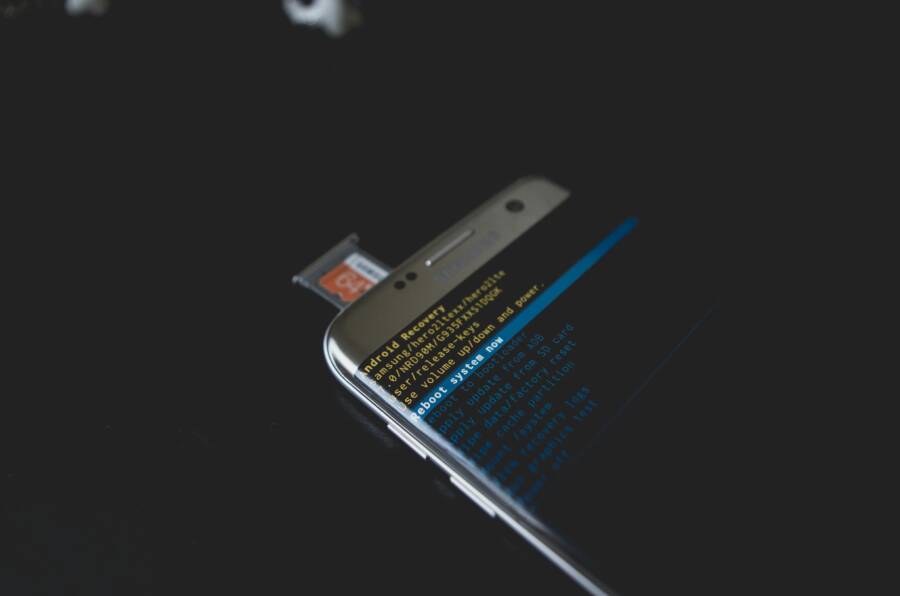
 Photo by Kelvin Valerio
Update Your Phone Software
Keeping your OS up to date is one of the most reliable ways to prevent SMS sending issues. Software updates fix bugs, improve network handling, and align messaging components with carrier requirements. Here’s a straightforward path to check and install updates on both Android and iPhone.
- On iPhone:
- Open Settings > General > Software Update. If an update is available, tap Download and Install. You may need to enter your passcode or connect to Wi-Fi. After installation, restart to ensure changes take hold.
- Why it helps: updates address known bugs that can block SMS, fix routing quirks, and improve compatibility with new feature sets like iMessage and MMS.
- Quick tip: enable automatic updates in Settings > App Store (iPhone) or Settings > General > Software Update (Android alternatives) to stay current with minimal effort.
- On Android:
- Open Settings > System > Advanced > System Update (path varies by manufacturer). Tap Check for updates and install any available items. A restart after updating is often beneficial.
- Why it helps: many carriers release fixes tied to network handoffs, SMS routing, and compatibility with recent messaging apps.
- Quick tip: if you rely on a custom ROM or vendor skin, the update path may differ; check the vendor’s support page for exact steps.
If you’re not sure how to locate updates for your specific model, explore official support pages: Apple’s guide to updating iOS and Google’s Android update resources help you confirm you’re on the latest version. For more details, see the official iPhone update guide and Android update resources linked in the side notes.
- External references:
- Update iOS on iPhone
- Check & update your Android version
- How to Check and Update the Operating System on Your Device
Check Storage and Free Space
A nearly full device can choke SMS delivery. When a phone has little free storage, it can’t create the temporary files needed to compose, queue, or send messages. It can also slow background tasks that handle network communication. Here’s how to assess and reclaim space without losing important data.
- Quick ways to free up space:
- Uninstall unused apps, especially large ones you rarely open.
- Remove old media you no longer need, including downloaded videos and stagnant chat attachments.
- Clear temporary files and app caches where practical. On Android, you can often clear cache per app; on iPhone, you may manage storage by offloading unused apps or reviewing large attachments in Messages.
- A practical cleanup checklist:
- Review apps with large on-device footprints and uninstall or offload those you don’t need.
- Delete or offload old photos and videos. Move irreplaceable media to cloud storage or a computer backup.
- Clear caches for frequently used apps, especially the messaging app and browser.
- After freeing space:
- Reboot the phone to refresh system processes.
- Open your messaging app and attempt a test SMS to confirm the improvement.
Why this matters: with more free space, the system can allocate the necessary buffers for sending messages, processing attachments, and refreshing network connections. If you’re unsure where to begin, start with the biggest space consumers first and work your way down.
- External guidance:
- How to clear app cache in iOS and free space
- How to free up storage space on your phone
- Not enough space on your phone what to delete
If you’d like a quick, device-agnostic reference on clearing space, these guides offer practical steps and conservative estimates of how much space you can reclaim without impacting your data.
Reset Network Settings or Factory Reset as Last Resort
If other steps fail, resetting network settings can clear stubborn routing issues without touching personal files. A factory reset should be the last resort and requires full data backups first. This approach restores default settings and can fix deep-seated glitches that block SMS.
- Reset network settings (no data loss):
- iPhone: Settings > General > Transfer or Reset iPhone > Reset > Reset Network Settings. Enter your passcode and confirm. The phone will reboot and restore network-related defaults.
- Android: Settings > System > Reset Options > Reset Wi-Fi, Mobile & Bluetooth. Confirm and restart if prompted.
- What changes: resets saved Wi-Fi networks, Bluetooth pairings, and cellular network settings. You’ll rejoin networks and re-enter passwords, but your photos and apps remain intact.
- Factory reset (last resort):
- Back up first. On iPhone, use iCloud or iTunes/Finder. On Android, use Google Backup or the device’s own backup service.
- Factory reset path:
- iPhone: Settings > General > Transfer or Reset iPhone > Erase All Content and Settings.
- Android: Settings > System > Reset Options > Erase All Data (Factory Reset).
- After the reset, set up the device as new or restore from backup and test SMS delivery to verify improvement.
- When to use:
- Use a network reset first; if SMS still won’t send after a clean slate, consider a factory reset only after you’ve saved all important data. A factory reset can fix stubborn issues that persist after other fixes.
Practical reminder: a reset will restore default settings and can fix stubborn issues. It’s essential to back up data before taking this step. If you’re unsure, contacting your carrier or device manufacturer support can help guide you through the decision.
- Useful resources:
- How to Reset Your Android Phone Without Losing Your Data
- How do I Reset my iPhone without losing everything?
- Reset your Android device to factory settings
Images and practical visuals can help you follow along. If you want a visual reference for the reset process, a smartphone in a calm setup often helps, showing the settings path clearly.
External links for deeper reading
- How to Update Your Phone — iPhone and Android
- Update iOS on iPhone
- Check & update your Android version
- How to check and update the operating system on your device
What to expect after applying these software and storage checks
- You should see improved message reliability once OS stability and free space are confirmed.
- If the issue lingers, it’s time to drill into SIM and carrier specifics in the next sections.
- Keep an eye on patterns, such as specific contacts or times of day, which can hint at network or routing quirks.
Tip: for smartphone users who travel or work in areas with spotty service, enabling Wi-Fi calling can help maintain SMS reliability when cellular data is unstable. If you want quick context, look up carrier support pages about Wi-Fi calling and device compatibility.
References and further reading
- How to fix can’t text Android phones on iOS 17/17.7
- How to reset an Android device without losing data
- How to reset an iPhone without losing everything
If you’re ready to move on, the next sections cover how to verify the SMS path, test messaging with the default app, and confirm that the core messaging stack is functioning as expected. These checks will help you pinpoint whether the issue lies with the device, the SIM, or the carrier network, setting you up for a targeted fix.
Fast Fixes and When to Seek Help
When SMS still won’t send after your quick checks, you need a plan that moves fast and stays practical. This section gives you clear, technician-approved steps to apply right away. You’ll learn when a fix is enough and when it’s time to escalate to the carrier or the device maker. Keep a simple log as you go so you can retrace every change later. And yes, your smartphone is still your most reliable diagnostic tool.
Quick 15 Minute Troubleshooting Checklist
Follow this tight sequence to rule out the most common blockers. Do each step in order and note what changes. Skipping steps hides the real culprit and slows you down.
- Check signal and network status. If the bars look weak or flaky, move to a brighter spot, try a different room, or step outside briefly. Test sending a text to a contact you know is active. If it fails across multiple recipients, the issue is likely with the phone or SIM, not the person you’re texting.
- Toggle airplane mode and refresh network. Turn on Airplane Mode for 10–20 seconds, then turn it off and let the device reattach to the network. If the problem persists, restart the phone.
- Test with another contact. A successful send to one person but not another points to recipient-side issues, not your network. If all contacts fail, you’re looking at a device or SIM problem.
- Reset network settings. This step resets Wi-Fi, Bluetooth, and cellular settings without touching your data. After the reset, test SMS again. If it fails, move to the next steps.
- Update software. Install any pending system updates. They fix bugs that can block SMS routing and improve compatibility with carriers.
- Test again. After completing updates, perform a fresh SMS test to confirm the change took effect.
- Log what you changed. Note signal levels, settings toggled, apps updated, and any SIM swaps. This log helps you spot patterns if the issue returns.
If you want a deeper dive into signal and network reset techniques, you can explore practical guidance from credible sources. For quick reference on refreshing connections after a toggle, see the iPhone and Android support articles linked in this checklist. A reliable reset often resolves stubborn routing or registration problems that block SMS delivery.
External reads for quick context:
- How to Check Cell Signal Strength and evaluate real-world reception
- iPhone support on refreshing connections after Airplane Mode
- Android guidance for reconnecting to networks after a toggle
What to Do If It Still Won’t Send
If the quick fix doesn’t solve the problem, take the next practical steps. These actions help you determine whether the issue lies with the SIM, the carrier, or deeper inside the device software. Stay methodical and stay logged.
- Try a different SIM card. If another SIM in your phone sends texts normally, the issue is most likely the original SIM or its carrier account. If the issue persists with a new SIM, the fault is likely inside the device or settings.
- Consider a clean OS reinstall if you’re comfortable. This is a more advanced step, but it can clear stubborn software glitches that block SMS paths. Back up first, then perform a reinstall and test SMS before restoring your data.
- Check for carrier outages or service issues. Even when the device is fine, a regional network issue can block SMS delivery. Confirm by visiting carrier status pages or calling support.
- Schedule a device diagnostic if needed. If the problem remains after the above steps, arrange a professional check. A technician can test the messaging stack, SIM reader, and radio hardware to pinpoint the root cause.
As you work through these steps, log your results. Note any changes in behavior after each action. If you see that a specific scenario consistently reproduces the problem, share that detail with support staff to speed up resolution.
Helpful reference for broader context on carrier outages and SMS routing:
- Overview of common SMS failures and practical remedies
- How to diagnose carrier outages and verify service status
If you’re ready to move beyond these checks, the next section helps you confirm the messaging path and validate core messaging services across different configurations. Consistency here will tell you exactly where to focus next.
External resources to learn more about cross-platform messaging behavior and SMS routing:
- How to fix iPhone text sending problems when messaging with Android
- Android messaging reliability tips and common fixes
By following these steps, you narrow the field quickly. The goal is to confirm whether the problem sits with the device, the SIM, or the carrier network. At that point you can pursue deeper software, SIM, or carrier-specific fixes with confidence. For readers who want a quick map of the latest status, the real-time data shows no broad SMS outages on major US networks at the moment, though some third-party services can experience occasional delays. If you’re using a third-party SMS service, check the provider’s status page for updates.
Conclusion
Most SMS sending problems have a quick, identifiable cause. In many cases a weak signal, a misconfigured setting, or a small SIM hiccup is all that stands between you and reliable texting again. The steps in this guide cover the core paths that typically block SMS delivery, from network and SIM checks to software health and cross platform messaging quirks. A quick pass through these checks often restores normal texting without major changes.
Reality check: right now there are no major SMS outages on the main U.S. carriers like AT&T, Verizon, or T-Mobile. Some delays or delivery issues can occur with third party SMS providers, but the big carriers are functioning normally. This makes the majority of problems fixable with the steps outlined here.
Keep this guide handy and bookmark it for future reference. Before any reset or major change, back up your data so you can recover quickly if needed. If you find a fix you like, save it to your notes so you can apply it fast next time. A short log of what you tried helps you and any support team you contact later.
Main fixes at a glance
- Verify signal and refresh the network by toggling Airplane Mode
- Confirm SMS and MMS settings are enabled and the default messaging path is correct
- Update carrier settings and check for device software updates
- Test with the built in messaging app, then check third party apps
- Check the SIM card, SMSC number, and plan status
- Look for carrier outages or recipient side blocks
- Clear app caches or reinstall the messaging app
- Reset network settings or perform a factory reset only as a last resort
If you have your own quick fixes, or if you ran into a scenario not covered here, share it in the comments. I’d love to hear what worked for you and help others troubleshoot faster.
There Is a Frequency That the Wealthiest Families Have Used for Generations and Most People Will Never Know It Exists
>>> Open the Door <<<