He Was Drowning in Bills and Burnout Until a Simple Daily Ritual Rewired His Brain for Wealth in Less Than a Week
>>> Start Your Shift Today <<<

A phone keeps restarting by itself can be more than a minor annoyance. It usually points to a software hiccup, a hardware issue, or a setting that needs a closer look. In this post you’ll find a practical, step by step guide to diagnose and fix the problem on both Android and iPhone.
We’ll keep the steps straightforward and actionable, so you can regain control without getting overwhelmed. Expect a clear path from quick resets to deeper checks, with safe backups along the way. By the end, you’ll know what to do to stop the restart loop and get back to use your phone with confidence.
This guide covers common causes and reliable fixes for both platforms, including how to isolate app or system problems and when to seek professional help. You’ll learn how to approach the issue in a calm, methodical way and protect your data throughout the process. If you’re facing an Android restart loop or an iPhone reboot, you’ll have a clear plan to move forward.
Why a Phone Keeps Restarting
A restart loop can feel like your smartphone is fighting you. Understanding the common causes helps you spot the real issue faster and decide whether you can fix it at home or should seek help. Below you’ll find concise, practical explanations of what might trigger a restart loop and how to interpret what you see on screen.
Thousands of People Were Struggling With Money Until They Discovered This One Ancient Secret Hidden in Sound
>>> Unlock It Now <<<

Common causes to watch for
Software glitches can trigger unexpected restarts. A bad update or corrupted cache often shows up as apps misbehaving or the device rebooting after you open certain features. Memory pressure can occur when many apps run in the background, leaving little RAM for essential tasks. Overheating is a signal that the phone is working too hard; you may notice warmer temps and slower performance just before a reboot. Low storage can prevent system processes from writing necessary data, causing a restart to occur. Faulty apps are a frequent culprit, especially after a new install or update; you might see the reboot happen after launching a specific app or after a software update. Signs to watch for include sudden reboots during idle moments or after app updates. If you notice any of these patterns, it’s time to investigate app behavior, storage status, and recent updates. For more on common causes, see Apple’s discussions on boot loops and related issues. https://discussions.apple.com/thread/254891668
Platform differences you should know
Android devices may offer auto restart options on certain models, which can mask a problem as the system reboots on its own schedule. iPhone behavior tends to isolate background tasks during reboot, so you might see a clean boot followed by limited background activity as the system reinitializes. Battery health affects both platforms: aging batteries can trip a restart when voltage dips under load, which is common after heavy use or during charging. In short, Android users should check for auto-restart settings and recent app activity, while iPhone users should monitor battery health and any signs of instability after iOS updates. For further context, see guidance on boot loops and iPhone recovery. https://www.avg.com/en/signal/why-does-my-phone-keep-restarting
What a restart loop looks like and what it means
A typical restart loop pattern is a phone powering on, then immediately rebooting, sometimes looping multiple times before it stabilizes or keeps restarting. You may also face a boot loop where the device never reaches the home screen. In other cases, the phone restarts after a system or app update. Each pattern usually points to software issues, a problematic update, or a failing battery rather than a single mysterious cause. Recognizing the pattern helps you decide whether to pursue a quick cache wipe, a safe boot, or a battery test. For a broader, step-by-step approach, see a comprehensive guide covering both iPhone and Android boot loops. https://reparationtech.ca/stop-phone-boot-loop-iphone-android/
Quick fixes you can try right now
Restart loops can feel stubborn, but some quick checks can break the cycle without losing data. These fixes work for most Android and iPhone models and are safe to try in sequence. If a step reveals a hint about what’s going wrong, you can tailor the next actions around that clue. Think of these as your first line of defense before diving into deeper troubleshooting.
Boot into Safe Mode to test for app problems
Safe Mode disables third party apps, letting you see if a problematic app is causing the restart. On Android, press and hold Power until the power menu appears, then long-press Power Off and choose Safe Mode. On iPhone, a direct Safe Mode option isn’t available, but you can achieve a similar result by temporarily restricting apps and testing without heavy background activity or by restarting into recovery to isolate issues. After boot, observe stability: does the phone stay on, or reboot again when you open a specific app or feature? If the device stays stable in Safe Mode, one of your apps is likely at fault; plan to uninstall suspects in the next step. For guidance on boot loops and Safe Mode steps, see Apple discussions and Android guides.
- Apple discussion on boot loops: https://discussions.apple.com/thread/254891668
- General Android boot loop guidance: https://www.honor.com/sa-en/blog/how-to-fix-boot-loop-of-android/
Uninstall recent or suspicious apps
If Safe Mode points to software, identify apps installed before the issue began. Create a short list of the newest or recently updated apps and remove them one by one, testing the device after each uninstall. Start with apps that handle background tasks, accessibility features, or system tools. After removing an app, restart the phone and use it normally for a day to observe stability. If the restart stops, you’ve likely found the culprit. If not, reinstall the app (if needed) and move to the next suspect. Quick checklist: last installed apps, updates just before the issue, apps with special permissions. Data loss caveats: uninstalling may delete app data stored locally, so back up any important info before removal. For context on boot loops, see related discussions.
- iPhone boot loop discussion: https://discussions.apple.com/thread/254891668
- Android boot loop guide: https://www.honor.com/sa-en/blog/how-to-fix-boot-loop-of-android/
Clear cache and free up storage space
Cached data and low storage can trigger restarts as the system struggles to write essential files. On Android, go to Settings > Storage > Cached data and clear it, then delete unused apps and files to reclaim space. You can also clear individual app caches from Settings > Apps. On iPhone, Offload Unused Apps and manage Photos and Messages to free space; a large, cluttered cache can still impact performance. After clearing space, reboot and monitor for stability over the next 24 hours. If the device remains steady, you’ve reduced memory pressure that could trigger a restart.
- For Android cache and storage tips: https://www.imobie.com/android-system-recovery/fix-android-boot-loop-issue.htm?srsltid=AfmBOopFhElLUyke4-ohFASbGbpffS6d-kCAKxRj9ElRskuPefY501Ss
Update software and apps to the latest version
Software updates fix bugs that cause restarts and improve system stability. Check for OS updates first: Android Settings > System > Software Update; iPhone: Settings > General > Software Update. If an update is pending, install it and then test the device for a day. After updating the OS, update apps from the official store; this can resolve issues caused by outdated code interacting with the system. If the restart continues after updates, you may need deeper checks, but most cases benefit from staying current.
- Official update guidance for Android and iPhone: follow device prompts and store listings for updates.
Check battery health and charging habits
A failing battery can cause restarts when voltage dips under load. Signs of wear include shorter battery life, unexpected drops, or the device feeling unusually warm while charging. On Android, inspect Battery Health in Settings (where available) or use a reputable battery diagnostic app. On iPhone, go to Settings > Battery > Battery Health to assess maximum capacity and peak performance capability. Test by charging with the original charger and cable, avoiding high heat and extreme temperatures. If the battery shows significant wear or the device restarts during charging, it may need replacement to restore reliability. For context on battery issues, see maintained guides and safety considerations.
Deeper troubleshooting for Android and iPhone
When the restart loop persists after the initial checks, it’s time to go deeper. Below you’ll find Android and iPhone specific steps, plus guidance on when a factory reset is appropriate and how to back up data before making changes. Each subsection stays practical and focused, so you can act quickly without risking data loss.
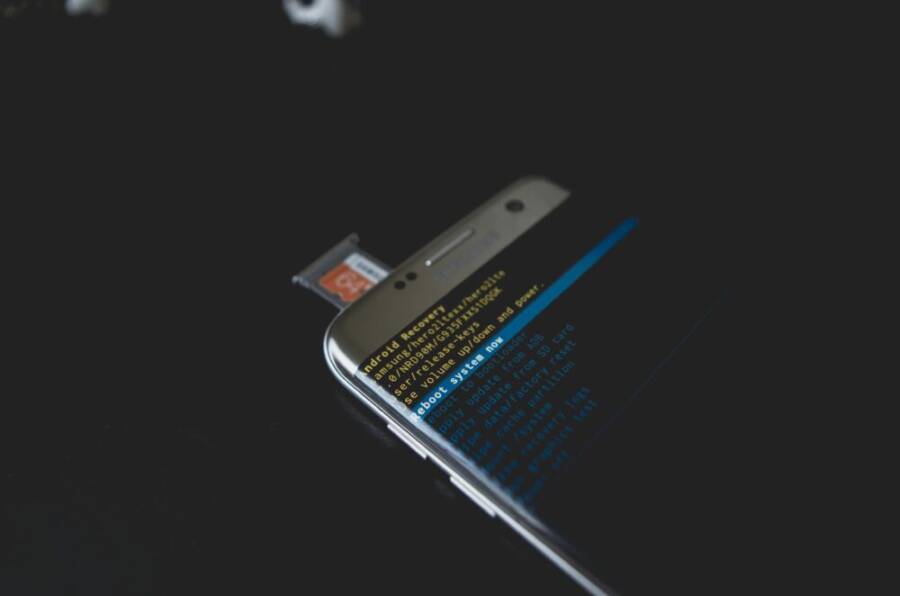
 Photo by Kelvin Valerio
Android specific steps you can take
For stubborn restart loops on Android, you want to reduce variables and isolate the culprit. Start by resetting network settings. This often clears issues tied to Wi Fi or Bluetooth that trigger abnormal behavior. Go to Settings > System > Reset options > Reset network settings, then reconnect to your preferred networks.
Next, clear cache and examine storage. A cluttered cache can push the system to write critical files in tight space. Clear cached data via Settings > Storage > Cached data. Delete unused apps or large files that drain space; remember to empty your trash in apps like Photos.
Watch for apps that trigger restarts. If you recently installed or updated an app, test by entering Safe Mode. In Safe Mode, third party apps are disabled, so you can see whether the device stabilizes. Uninstall recent or suspicious apps one by one, reboot, and test. If a particular app causes the reboot, remove it to restore stability.
If stability remains elusive, a factory reset becomes the next option. This wipe returns the device to factory conditions, so back up first. After reset, reinstall essential apps gradually and monitor for reboot triggers.
Practical backup tips for Android before deep fixes:
- Back up photos and videos to Google Photos or a local drive.
- Sync contacts with your Google account.
- Export messages if needed, using your preferred messaging app’s export feature.
For deeper reading on boot loops and Android, consider these resources:
What If the Only Thing Between You and the Life You Deserve Is a Hidden Wealth Code Waiting to Be Activated
>>> Open the Door <<<

- https://forum.xda-developers.com/t/phone-bootloops-when-turning-on-wifi.4605865/
- https://www.honor.com/sa-en/blog/how-to-fix-boot-loop-of-android/
iPhone specific steps you can take
iPhone owners should focus on clean software layers and battery health. Start with a software update if one is pending. Go to Settings > General > Software Update and install any available updates. Updates fix many restart issues tied to bugs.
If issues persist, reset your settings rather than a full wipe. This preserves data while returning system preferences to default. Go to Settings > General > Transfer or Reset iPhone > Reset > Reset All Settings. You’ll need to reconfigure Wi Fi and other preferences, but personal data stays intact.
Battery health matters on iPhone. Check Settings > Battery > Battery Health to see maximum capacity and peak performance capability. A deteriorating battery can cause voltage dips that restart the device. If health is poor, consider a battery replacement after confirming other fixes.
For more intensive cleanup, a DFU restore is a last resort. DFU mode reinstalls the firmware and OS from scratch, but it requires careful steps and a computer. If you go this route, back up first, then follow official Apple guidance or trusted tutorials. If the restart loop continues after a DFU restore, professional service is warranted.
To help you prepare, keep these backup tips in mind:
- Back up photos, videos, and messages to iCloud or a computer.
- Ensure app data and settings are saved in iCloud if supported.
- Note passwords for essential apps to re sign in after the reset.
Guides and discussions with deeper iPhone recovery context:
- https://discussions.apple.com/thread/251554395
- https://discussions.apple.com/thread/251118808
- https://discussions.apple.com/thread/252083073
When to consider a factory reset
A factory reset can fix stubborn software issues that survive other remedies. It wipes all data and restores the device to its original software state. This is often the decisive move after confirming that apps, settings, and caches are not the root cause.
What you should know before you reset:
- It wipes apps, app data, and personal settings.
- It leaves the operating system intact but returns it to stock configuration.
- You must back up everything you value before proceeding.
Preparation checklist:
- Back up everything essential first (photos, messages, contacts, app data).
- Remove any linked accounts to avoid activation or verification prompts post reset.
- Have any important passwords on hand for re signing in.
Expect a cleaner slate after the reset, followed by a gradual reintroduction of apps. If the restart problem reappears after a factory reset, the issue may be hardware related.
Back up your data before making changes
Backing up protects your information as you pursue deeper fixes. Both Android and iPhone offer solid options, and you can combine methods for extra safety.
Android backup ideas:
- Google account backup for contacts, app data, and settings.
- Local backups to a computer using a USB connection.
- Photos and videos saved to Google Photos.
iPhone backup ideas:
She Pressed Play on a Strange Audio Track and Within Days Her Financial Reality Started Shifting in Ways She Could Not Explain
>>> See How It Works <<<

- iCloud backup that captures settings, app data, photos, and messages.
- iTunes or Finder backup on a computer for a full copy.
- Regularly export important messages if supported by your messaging app.
A well protected backup makes it safe to try aggressive steps like factory resets or DFU restores. If you want to explore more about reliable backups, you can review official guidance and practical tips in reputable guides.
- https://discussions.apple.com/thread/254891668
- https://www.imobie.com/android-system-recovery/fix-android-boot-loop-issue.htm?srsltid=AfmBOopFhElLUyke4-ohFASbGbpffS6d-kCAKxRj9ElRskuPefY501Ss
End of this deeper troubleshooting section.
When to seek professional help and how to prevent future restarts
Hardware problems and stubborn restart loops can outpace DIY fixes. If you notice swelling, burning smells, or hot spots, stop using the device immediately and seek professional service. A swollen battery or damaged charging port can pose safety risks and need specialized tools to inspect and replace safely. In these cases, a pro visit is the fastest way to prevent further damage and restore reliability. For more on warning signs and immediate steps, see trusted guidance on swollen batteries and port damage. https://www.asurion.com/connect/tech-tips/swollen-battery-in-your-phone-or-laptop-how-to-detect-and-prevent/
Recognize hardware issues like a swollen battery or charging port problems
Warning signs point to hardware failure rather than a simple software hiccup. If the battery visibly swells, the device may no longer sit safely on a flat surface and could press internal components. A swollen battery can cause short circuits or puncture risks if left unattended. In addition, a charging port that feels loose, shows corrosion, or intermittently charges indicates a hardware fault that usually requires a port replacement. If you observe any swelling, heat, or unusual smells, power the device off and contact a professional right away. Early inspection can save data and prevent a fire risk. For more context on port issues, see expert discussions and guides. https://www.repairtech.ca/stop-phone-boot-loop-iphone-android/
Battery aging and replacement options
Batteries wear out over time, losing capacity and delivering unstable voltage under load. When you notice shortened hours, unexpected shutdowns, or charging inconsistencies, consider a replacement. You have several paths: official service from the manufacturer, reputable third party repairs, or user-initiated DIY kits with proper precautions. A trusted shop will verify compatibility, install a genuine or high-quality compatible battery, and test the device for stability. Look for certification, warranty on the new battery, and clear pricing. For guidance on replacement options and costs, explore reputable sources and official service details. https://www.consumerreports.org/smartphones/how-to-replace-the-battery-in-your-smartphone/
Warranty, service options, and safety considerations
If your device is under warranty, contact the manufacturer or carrier before paying out of pocket. Authorized repair usually preserves warranty coverage and uses OEM parts, reducing risk of additional damage. Safety comes first: avoid attempting battery replacement without proper tools, keep away from heat, and dispose of damaged cells at a safe facility. If you’re outside warranty and choose a third party, ask about parts quality, labor guarantees, and data privacy. For deeper reading on warranty and repair options, see official guidance and trusted reviews. https://www.reddit.com/r/S22Ultra/comments/11xpk62/stuck_in_a_bootloop_so_ive_tried_everything_from/
Proactive steps to prevent restarts from happening again
Prevention hinges on consistent software hygiene and safe charging habits. Keep the OS and apps up to date, clear unseen cache when storage gets tight, and monitor background activity that causes heat. Use quality chargers and cables, avoid charging on soft surfaces, and keep the device out of direct sun. Regular maintenance lowers the chance of a restart loop returning. Try a quick monthly check: confirm OS updates installed, review battery health, clear cache if storage is above a safe threshold, and scan for rogue apps. For ongoing tips on avoiding restarts, consult reliable guides and manufacturer notes. https://www.avg.com/en/signal/why-does-my-phone-keep-restarting
Conclusion
Fixing a restart loop is a step by step process, not a single magic fix. Start with safe checks, back up your data, and test after every action so you know what helped. If you still see restarts, seek help early to protect your information and avoid hardware risks. A calm, methodical approach keeps you in control, and a well cared for smartphone can recover its reliability with patience and the right guidance.
What If the Only Thing Between You and the Life You Deserve Is a Hidden Wealth Code Waiting to Be Activated
>>> Open the Door <<<