Thousands of People Were Struggling With Money Until They Discovered This One Ancient Secret Hidden in Sound
>>> Unlock It Now <<<

A phone that won’t respond to touch can disrupt your day in seconds. If the screen feels dead or skipy, you’re not imagining it — a few common causes could be at work, from software glitches to a dirty screen. This guide walks you through practical steps to fix a touchscreen not responding, with both simple at home fixes and when it’s time to seek help.
You’ll learn how to diagnose the issue quickly and restore responsiveness without expert tools. Most problems are fixable at home with basic steps like cleaning the screen, updating software, or checking for conflicting apps. If you own a smartphone and follow these steps, you’ll understand when the issue is likely hardware related and when a professional repair is needed.
Identify the main causes of an unresponsive touchscreen
When your touchscreen stops responding, it can be hard to know what’s wrong. The issue is usually one of a few common culprits, and many times you can fix it without a trip to a repair shop. Below are the main causes, with simple steps to verify and address them.
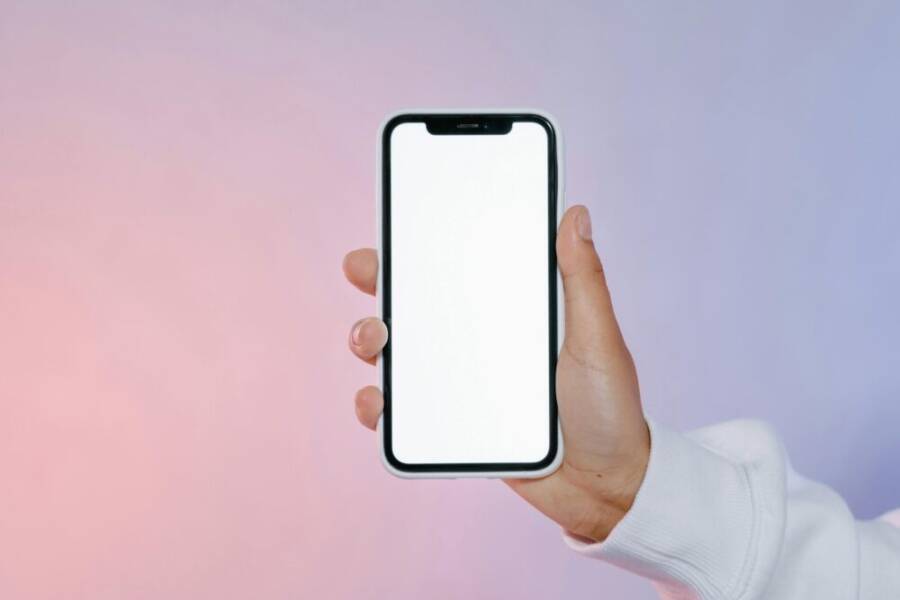
 Photo by MART PRODUCTION
What If the Only Thing Between You and the Life You Deserve Is a Hidden Wealth Code Waiting to Be Activated
>>> Open the Door <<<

Software glitches and software updates
Bugs or recent updates can interfere with touch input. A stuck touch sensor or delayed response can happen after an app update or a system patch. To troubleshoot:
- Check for updates on Android and iPhone and install any available updates. Updates often fix known input bugs and improve stability.
- Clear app caches where applicable and restart services if a simple refresh helps. On Android, you can clear a problematic app’s cache in Settings > Apps > [App] > Storage > Clear cache. On iPhone, there’s no global cache clear, but restarting the device can clear transient data.
- If the screen becomes responsive after an update, you’ve identified the likely cause. For persistent issues, a factory reset can be a last resort, but back up first.
For solid guidance on updating, see related discussions and tips from Apple and Android communities, which highlight timing and reboot strategies after updates. External resources: https://discussions.apple.com/thread/255765667
Dirt, moisture, and screen protectors
Dirt, oils, or moisture on the screen can create a barrier between your finger and the sensor, making touches feel ghosted or skipped. A poor or damaged screen protector can also interfere with accuracy. To restore responsiveness:
- Clean the display gently with a soft microfiber cloth. If needed, lightly dampen the cloth with water and wipe in a circular motion.
- Avoid sprays or liquids near ports. If stubborn residue remains, remove the protector briefly to test the screen directly.
- If you notice improved response after removing a protector, replace it with a high-quality, screen-safe option.
For trusted cleaning steps, see sources that advise gentle cleaning and avoiding liquid exposure on hardware ports. External resources: https://www.asus.com/us/support/faq/1037600/
Hardware damage and wear
Visible damage like cracks or a warped screen often means the touch layer or LCD has suffered physical harm. Pressure damage under the screen or a damaged panel can cause intermittent or permanent loss of touch response. What this means for you:
- If you dropped the phone and the screen shows cracks, discoloration, or dead zones, hardware repair is typically required.
- Repairs can range from screen replacement to, in severe cases, panel replacement. Costs vary by model and region, so get a quote before committing.
- A professional diagnosis will determine whether the issue is fixable and the best repair path.
When in doubt, trust a diagnostic from an authorized service provider to avoid voiding warranties or causing further damage.
App conflicts and third party software
Some apps or overlays can hijack touch input or cause input lag. If you notice the issue only after opening a specific app, the culprit could be the app itself or a conflicting service. To test:
- Boot into Safe Mode to disable third party apps temporarily. If the screen responds normally in Safe Mode, an installed app is likely the cause.
- Uninstall recently added apps one by one and retest touch responsiveness.
- Check overlays or accessibility tools that might intercept touch events and disable them if needed.
Safe Mode testing and selective removal help determine whether the problem sits in software or in the hardware itself. For further context, see guidance on troubleshooting touch issues with Android devices and Pixel tips. External resources: https://www.asurion.com/connect/tech-tips/google-pixel-not-responding-to-touch/
Home troubleshooting steps you can try now
If your phone screen won’t respond to touch, you’re not out of luck. Start with quick, safe steps you can do at home. These fixes are designed to clear common glitches and rule out simple causes before you dive into more involved options. Think of your smartphone as a small computer: a little cleanup can often restore smooth, accurate input. Work through the steps in order, testing the screen after each one.
Restart or soft reset
A quick restart can clear temporary glitches that cause touch input to stutter or stop registering. It’s the easiest, most effective first move. Here’s how:
- Android: press and hold the power button, then tap Restart. If that option isn’t visible, power off, wait a few seconds, then power back on.
- iPhone: press and hold the side button and either volume button until the power-off slider appears. Slide to power off, wait 15 seconds, then press and hold the side button again to restart.
After the reboot, test the screen by tapping a few icons or typing in a note. If the issue resurfaces, proceed to the next step.
Clean the screen and check the protector
Dirt, oils, or moisture can create a barrier between your finger and the sensor. A worn or misaligned screen protector can also affect responsiveness. Try this careful cleaning routine:
- Power off the device. Remove the screen protector if you suspect it’s the cause.
- Use a soft microfiber cloth. If needed, lightly dampen the cloth with water and wipe in a gentle, circular motion.
- Reapply a clean screen protector if you removed one, or test the screen bare to compare results.
Once dry, power the phone back on and test touch input. If the screen responds more accurately, you know the protector or debris was the culprit. For additional guidance on safe cleaning, you can review best practices from reliable tech resources. Force restart guidance
Check for software updates
Software bugs can affect touch sensitivity. Keeping the system current reduces the chance of known issues popping up. Do this:
- Android: Settings > System > Software Update (or Settings > About phone > System updates) and install any available updates.
- iPhone: Settings > General > Software Update and install any available updates.
After updating, restart the device and test the screen again. Updates fix bugs that can degrade touch performance and often boost overall stability. If you’re curious about update practices, see practical tips from user communities and official support pages.
Test in Safe Mode (Android) and note app conflicts
Safe Mode disables third party apps, letting you see if an app is at fault. If touch works in Safe Mode, an app is likely the cause. Use this quick checklist:
- Enter Safe Mode (varies by device; usually hold power, then long-press Power off until an option to restart in Safe Mode appears).
- Test touch input with a few stock actions (unlock, open Messages, use a browser).
- If the screen is responsive in Safe Mode, reboot to normal mode and start uninstalling recent apps one by one, retesting after each removal.
- If the screen remains unresponsive even in Safe Mode, the issue is more likely hardware related or a deeper software problem. For further steps, consult device-specific guidance from trusted sources. Helpful practical tips from Android troubleshooting guides can be found here: https://www.asurion.com/connect/tech-tips/google-pixel-not-responding-to-touch/
Force restart when the screen is frozen
If the screen is completely unresponsive, a force restart can recover control without erasing data. Here’s how to do it safely:
There Is a Frequency That the Wealthiest Families Have Used for Generations and Most People Will Never Know It Exists
>>> Open the Door <<<

- Android: press and hold the Power button and Volume Down button together for about 10 to 15 seconds until the device restarts.
- iPhone: quickly press and release the Volume Up button, then the Volume Down button, then press and hold the Side button until the Apple logo appears.
A force restart interrupts all current processes, but it does not erase your data. If the phone still won’t respond after a force restart, move to the next steps for deeper diagnosis or professional help.
Calibrate touch input on supported devices
Some devices offer calibration options within accessibility or display settings. Calibration aligns the digitizer with the display so touch inputs map more accurately. It’s worth trying if you notice skewed or off-target touches. Look for options labeled like “Touch calibration” or “Pointer speed” in Settings, usually under Accessibility or Display sections. If your device supports it, run the calibration once, then test again. This step is quick and can save a trip to a repair shop if it resolves the issue.
When to seek professional help and what to expect
If home fixes like restarts, cleaning, and Safe Mode tests fail, your smartphone likely needs a pro look. Signs point to hardware trouble: cracks on the screen, dead zones that don’t respond at all, or issues persisting after software checks. Don’t wait; a quick inspection can confirm if the digitizer or display failed. Technicians use tools to test touch layers and avoid guesswork. Expect a diagnosis in under an hour, plus clear next steps. This saves time and prevents worse damage.
Hardware inspection and repair options
Pros start with a close check of the touch digitizer, the layer that senses your finger taps. If it’s damaged but the display works, they might repair just that part. Often, though, you need a full screen replacement, which swaps the entire assembly for reliability.
Choose authorized centers for brand phones to keep warranties intact; they use OEM parts. Third-party shops offer faster service and lower prices but may use aftermarket screens. For example, iPhone repairs show big differences: Apple charges more for genuine parts, while independents cut costs with quality alternatives. Get a teardown inspection first to pick the right path.
DIY kits exist for handy users, but they risk further issues without experience.
Backup your data before repair
Protect your photos, contacts, and app data first; repairs sometimes wipe everything. Use built-in tools for peace of mind.
For Android, tap Settings > Google > Backup, then turn on options for photos via Google Photos and contacts. iPhone users go to Settings > [Your Name] > iCloud > iCloud Backup and hit Back Up Now.
Local transfers work too: connect to a computer with USB and drag files, or use apps like Nearby Share. Cloud options like Google’s Android backup guide store data safely off-device. Test restores after to confirm.
Costs, warranties, and insurance
Screen fixes range from $70 to $400 in the US, depending on your phone model and shop. Basic replacements hit $100-$200 at independents; premium brands like Apple or Samsung push $300+ for official work.
Check your warranty; many cover accidental damage for a fee. Device insurance from carriers or plans like AppleCare offsets costs by 50% or more. Always request a written quote upfront and compare two shops. Ask about part quality and turnaround time, usually 1-2 days. This keeps surprises low and value high.
Thousands of People Were Struggling With Money Until They Discovered This One Ancient Secret Hidden in Sound
>>> Unlock It Now <<<
Preventing future touch screen issues
Preventing future touch screen problems comes down to consistent care, smart protection, and proactive maintenance. By establishing simple daily habits and choosing gear wisely, you can keep your device responsive for longer and avoid costly repairs. The goal is to minimize moisture, grime, and wear while ensuring software and hardware stay in sync.
Screen care and cleaning habits
Tiny smudges and moisture can dull touch sensitivity over time. Build a quick routine that fits your day:
- Daily: wipe the screen with a clean, microfiber cloth to remove oils and fingerprints. Avoid spraying cleaners directly on the phone; apply cleaner to the cloth first.
- Weekly: inspect ports and the edges for dust build-up and gently remove it with a soft brush.
- Moisture matters: keep hands dry and avoid using the device in wet environments. If moisture gets near ports, power down and dry the device before reuse.
If you ever need a quick reference, reputable sources emphasize gentle cleaning and avoiding harsh liquids near the internals. See practical guidance here: https://www.asus.com/us/support/faq/1037600/ and additional tips from reliable tech resources. Regular cleaning helps prevent ghost touches and preserves screen clarity.
Protective accessories that help
The right case and screen protector can absorb shocks and reduce wear without dulling touch accuracy. Look for:
- A case with raised edges to guard the screen and a protector that sits flush with minimal gap.
- A protector that is specifically designed for touch sensitivity and remains responsive to finger input.
- Easy replacement options so you can swap in a clean protector if you notice any glare or calibration shifts.
When selecting, choose brands known for consistent touch performance and verify reviews about feel and responsiveness. For guidance on protectors and touch sensitivity, see discussions and shopping tips from trusted sources. External resource: https://www.bestbuy.com/site/shop/touch-sensitivity-iphone
Regular software maintenance
Software upkeep prevents bugs that affect touch input and keeps your system running smoothly. Make these habits:
- Install updates as soon as they’re available. Updates often fix input bugs and improve stability.
- Review app permissions and disable overlays that might intercept touches.
- If you notice a touch issue after an update, a reboot or a quick reset can restore normal behavior.
Keep software maintenance simple and consistent. For further context on how updates influence touch behavior, refer to support pages and user tips. External resource: https://www.samsung.com/us/support/troubleshoot/TSG10001974/
Know when to seek professional help early
If signs point to hardware damage, don’t wait to act. Early evaluation saves data and prevents further harm. Common red flags include persistent unresponsiveness after software checks, cracks that spread, or dead zones that don’t improve with resets.
Visiting an authorized service provider typically yields a clear diagnosis and preserves warranty conditions where applicable. In many cases you’ll be able to choose between a screen replacement or a more targeted repair. Quick professional input can save time and stress. External resource: https://thelabrepair.com/blog/top-5-signs-your-phone-needs-to-be-repaired/
Conclusion
A responsive touchscreen comes from a clean balance of software checks and careful testing. Start with quick at home steps like restarting, cleaning the screen and protector, updating software, and testing in Safe Mode to separate app issues from hardware faults. If these steps fail, seek professional help to diagnose the digitizer or display and avoid complicating damage. Remember to back up your data before any repair work and test gradually as you go, then bookmark this guide for future reference. touchscreen not responding and fix smartphone screen
She Pressed Play on a Strange Audio Track and Within Days Her Financial Reality Started Shifting in Ways She Could Not Explain
>>> See How It Works <<<
