He Was Drowning in Bills and Burnout Until a Simple Daily Ritual Rewired His Brain for Wealth in Less Than a Week
>>> Start Your Shift Today <<<

If you’ve ever plugged your phone into a computer or a car stereo and seen the message USB device not supported, you’re not alone. This hiccup happens to many users and can be caused by simple cable or port issues, setting mistakes, or outdated software. The good news is you can fix most cases with a quick, step by step approach.
This guide walks you through practical checks that work for both Android and iPhone. You’ll learn how to spot the root cause, from a loose cable to a software setting, and apply fixes that don’t require professional help. By the end, you’ll have a clear path to reconnect and transfer files, play media, or use CarPlay or Android Auto without frustration.
We’ll start with fast, everyday checks you can do in minutes, then move to platform specific steps if needed. Whether you’re troubleshooting a data cable, a port, or a phone setting, this guide aims to save time and restore a reliable connection for your everyday tasks.
What the error means and why it happens
When you see “USB device not supported” on your phone, it usually means the connection between your device and the other hardware (computer, car stereo, or accessory) isn’t compatible or isn’t being recognized correctly. The message can pop up for several reasons, from a simple cable issue to a software quirk. Understanding what’s going on helps you fix it quickly and get back to transferring files, playing media, or using CarPlay/Android Auto without hassle.
He Was Drowning in Bills and Burnout Until a Simple Daily Ritual Rewired His Brain for Wealth in Less Than a Week
>>> Start Your Shift Today <<<
Common causes of USB not supported on phones
- Worn or non data capable cable: A charger-only cable can power your phone but won’t transfer data. Quick check: try a different, known data cable and see if the error persists.
- Dust or lint in the port: Debris blocks the connection. Quick check: gently inspect the phone port and clean with a small brush or compressed air if you have it.
- Outdated software: Old OS versions or drivers can miss new USB protocols. Quick check: update the phone and, if applicable, the computer’s USB drivers.
- The wrong USB mode: Phones can be set to charging only or other modes that don’t support data transfer. Quick check: on Android, pull down the notification shade and choose a data transfer option; on iPhone, verify the car or accessory settings.
- Problematic accessories: Some adapters, hubs, or car interfaces simply don’t work with every phone. Quick check: unplug the accessory and test with a direct cable connection to rule it out.
This list helps pinpoint the simplest fixes and avoids chasing a problem that isn’t there. If you’re a smartphone user who relies on quick syncing or media streaming, these checks often resolve the issue in minutes.
Android vs iPhone behavior
Android and iPhone handle USB connections differently, which is why the error can look different depending on your device. Android devices usually offer visible USB modes you can select, such as File Transfer or MTP, right from the notification shade. This gives you a clear path to data transfer but can fail if a driver or a cable is wrong. iPhones tend to be stricter about what they accept through a port and may require specific cables or car interfaces for features like CarPlay. CarPlay in particular often acts more reliably with Apple cables and ports, while some third party adapters may block Android data transfer paths. Observing these cues helps you follow the right fix.
Practical cues to recognize the platform you’re troubleshooting:
- If you see a prompt asking to choose a USB mode on your phone, you’re likely dealing with an Android device.
- If CarPlay or a similar prompt appears in the car and the iPhone plays ready, you’re on an iPhone path.
- If the connection works when you swap cables or ports but not with a specific accessory, the issue is likely the accessory compatibility.
How to tell if the issue is cable, port, or software
A simple, step by step diagnostic helps you isolate the root cause.
- Start with a different cable. If the connection works, the original cable was the problem.
- Clean the port on both the phone and the other device or port. If cleaning fixes the issue, debris was the culprit.
- Test with another device. If the other device connects fine, the problem is likely with your phone or its software.
- Try a different USB port or car port. If another port works, the original port is faulty.
- Check the software. Update your phone to the latest version and ensure any relevant drivers on a connected computer are current.
- Confirm the USB mode. On Android, select a data transfer option when prompted; on iPhone, ensure you’re using a compatible cable and that the car or accessory supports Apple products.
- Consider hardware limits. If nothing works across multiple devices, you may be dealing with port damage or a failing accessory.
If these steps don’t restore the connection, the issue may be deeper hardware damage or a rare software fault. In that case, getting hands-on help or a repair may be the next best step. This approach keeps you focused on practical, quick wins and avoids wasted time chasing unlikely causes.
Fast fixes you can try today
When you see USB device not supported on your phone, quick, practical checks can save you time and frustration. These fast fixes work for both Android and iPhone and often resolve the problem in minutes. Try them in order, and you’ll likely get back to syncing files, charging, or using CarPlay/Android Auto without the hassle.
Check the cable and port
A worn or non data capable cable is a common culprit. A charger-only cable can power your device but won’t transfer data. Inspect the cable for signs of wear, such as fraying, kinks, or looseness at the connectors. If the connector feels loose or the cable shows visible damage, replace it with a known data transfer cable. Using a proper data cable matters because it carries both power and data signals reliably.
Next, examine the phone port. Debris like dust, lint, or pocket debris can block the connection and create a weak or intermittent link. Gently inspect the port with good lighting. If you see particles, turn the device off and use a soft brush, a wooden toothpick, or a can of compressed air to remove them carefully. Avoid sticking anything metal into the port and never tap hard against the connector.
If you’ve swapped cables and still see the error, test the same cable with another device or test another cable with your device. A loose feel at the connector or visible fraying on the cable is a strong signal to replace it. A well-made, data-capable cable is worth the few dollars for reliable data transfer and safer charging.
Try a different USB port or hub
Power and data paths can vary between ports and hubs. If you’re connecting to a computer or a car system, try a different USB port on the same device. Some computers have both USB-A and USB-C ports with different power profiles, and one port may deliver the needed data connection while another does not.
If you’re using a USB hub, bypass it for a moment and connect the cable directly to the computer or car port. Some hubs don’t provide enough power for certain devices or handle data poorly, which can trigger the not supported message. When possible, connect directly to a port that you know works with other devices to confirm whether the hub is the source of the problem.
For car integrations, test with a direct cable to rule out the interface between the car’s USB port and the accessory. If the connection works directly, the issue lies with the hub or the vehicle’s port, not your phone.
Restart your devices
Power cycling clears many temporary glitches and resets hardware detection. A simple restart can fix USB communication hiccups that software briefly creates.
- Restart your phone: Hold the power button, then choose restart. If your phone has a quick power off option, use it, wait a few seconds, and turn it back on.
- Restart the connected device: If you’re linking to a computer, car system, or another peripheral, perform a full restart of that device as well.
After both devices come back up, reconnect and see if the USB connection is recognized. If the issue persists, move to the next fixes. A quick reboot is often all that’s needed to reinitialize drivers and data streams.
Update software
Software updates frequently fix compatibility issues and improve USB handling. Check both sides of the connection for updates.
- On your phone: Go to Settings and look for System or Software Update. Install any available updates. If your phone prompts you to install USB or driver updates during the process, approve them.
- On the connected device: If you’re using a computer, ensure the operating system and any USB controller drivers are current. For car or accessory software, check the manufacturer’s app or firmware update options if available.
If updates are unavailable, verify that the current version supports the USB path you’re using. Sometimes manufacturers release follow-ups to address specific compatibility gaps, so keep an eye on updates over the next couple of weeks if you’re still experiencing trouble.
Thousands of People Were Struggling With Money Until They Discovered This One Ancient Secret Hidden in Sound
>>> Unlock It Now <<<

Why updates help: newer firmware and drivers include broader support for cables, hubs, and different USB modes. They also fix bugs that could prevent proper data negotiation or power delivery. Staying current reduces the chance of running into the same error again.
If you’ve tried these fast fixes and still see the message, the problem may be deeper. In that case, consider more targeted diagnostics or professional help to inspect hardware damage or more complex software conflicts.
Platform specific fixes for Android and iPhone
When USB connections act up, the fix is usually simpler than you think. This section lays out practical, device-specific steps for Android and iPhone users. Follow the steps in order, and you’ll likely restore a reliable data path for syncing files, charging, or using car integrations like CarPlay and Android Auto. The guidance here emphasizes safe, reversible changes you can undo at any time.
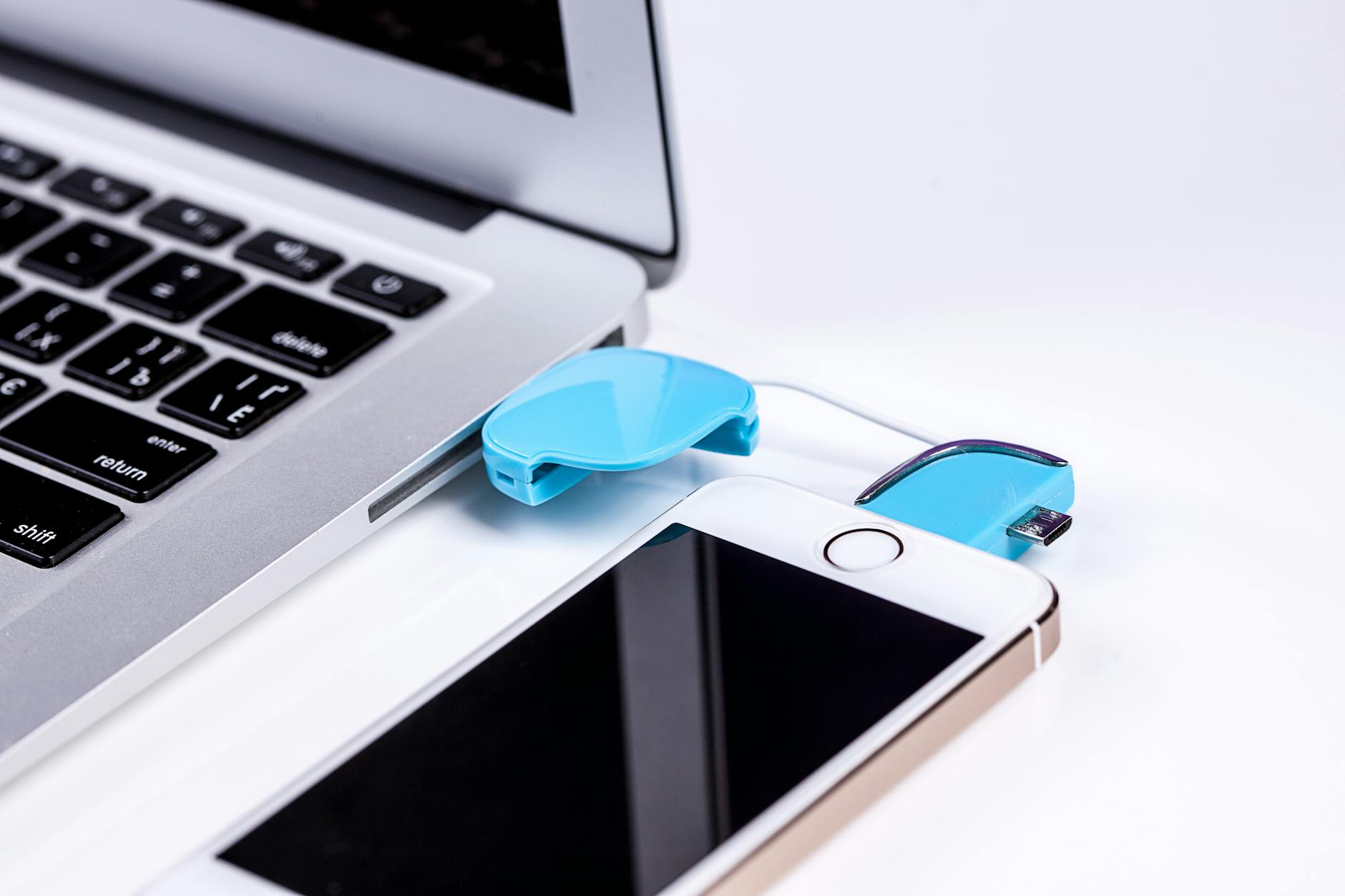 Photo by Pixabay
Android fixes
If your Android device shows USB not supported or a similar message, start with the basics and move to platform-specific adjustments. These steps are safe and reversible, and they work across most modern Android phones.
- Change USB connection mode to File Transfer (MTP)
- When you connect to a computer or car system, pull down the notification shade. Tap the USB or Charging this device notice and select “File Transfer” (also called MTP or PTP). This enables data transfer instead of charging only.
- If you don’t see the option, try reconnecting the cable or using a different USB port on your computer or car.
- Update Android system and apps
- Go to Settings > System > System update and install any available updates.
- Open the Google Play Store, go to My apps & games, and update all relevant USB or file management apps.
- Check USB preferences and developer options (if needed)
- Some devices hide USB preferences in newer menus. Ensure you’ve selected a data transfer mode in the USB settings.
- If you’ve enabled Developer options, verify that USB debugging is off unless you know you need it for a specific task.
- Disable VPNs or security apps temporarily
- VPNs and certain security apps can block USB connections or alter network routing. Temporarily disable them, then reconnect to see if the issue clears. If it does, re-enable with a configured exception for USB data.
- Consider USB OTG (On-The-Go)
- If you’re trying to access a USB drive or accessory directly, confirm your device supports OTG. You can use a USB OTG adapter to test. If OTG works, you’ve isolated the issue to the peripheral rather than the phone.
- Clean and recheck the port
- Dust and lint can block data lines. Inspect the Micro USB, USB-C, or USB-C port, and gently clear debris with a soft brush or compressed air. Avoid metal tools.
- Try a different cable and port
- A data cable is essential. If the problem persists, swap cables and test multiple USB ports on the computer or car. If one cable consistently works, the other is likely defective.
- Reboot and retry
- Power off the phone, disconnect all USB devices, wait a few seconds, then power back on and reconnect. A fresh boot reinitializes drivers and data streams.
If these Android-specific steps don’t fix the issue, the root cause might be a hardware fault in the port or a rare software conflict. In that case, you may want to seek professional help or check with the device manufacturer for known compatibility notes.
iPhone fixes
iPhone connections tend to be picky about cables and certified accessories. Use these steps to rule out the most common causes and restore reliable USB paths for data transfer, CarPlay, and other accessories.
- Update iOS
- Go to Settings > General > Software Update and install any available updates. iOS updates improve compatibility with cables, adapters, and car systems.
- Use an Apple certified cable
- Prefer genuine Apple cables or MFi-certified cables. These deliver consistent data transfer and power delivery, reducing the chance of not supported errors.
- Trust the computer when prompted
- When you connect to a new computer, you should see a prompt on the iPhone asking to “Trust This Computer.” Tap Trust and enter your passcode if prompted. Revisit this prompt if you switch computers.
- Ensure the computer has the latest Apple software
- On a Mac, ensure macOS is current and that you have the latest version of Finder or iTunes (depending on your macOS). On Windows, install the latest Apple Support or iTunes software, which includes the necessary drivers for iPhone connections.
- Windows users: check drivers
- Open Device Manager and look for your iPhone under “Portable Devices.” If it shows a warning icon, right-click and choose “Update driver” or “Uninstall device,” then reconnect to reinstall the drivers.
- Mac users: check software compatibility
- Ensure you’re using a current macOS version with the latest updates. If you rely on specific car interfaces or adapters, verify they support the iPhone model and iOS version you’re using.
- Test with a different cable and port
- If possible, try another Apple-certified cable. Also test the USB port on your computer or car system. If a direct connection works with one cable but not another, the failing cable is the likely culprit.
- Check for car or accessory compatibility
- Some third-party adapters or car systems require specific firmware versions or app updates. If you’re using CarPlay, confirm that your car’s infotainment system is compatible with your iPhone and iOS version.
- Restart and re-check
- Restart both your iPhone and the connected device (computer, car system, or accessory). Reconnect and verify if the USB path appears as a recognized device.
Following these iPhone-specific steps helps prevent common cable or permission issues that block data transfer. If you still see the not supported message, the problem may be an older USB interface in the car or a rare software quirk. In that case, consult the car manufacturer’s support resources or an authorized service center.
If you’d like, I can tailor these fixes further for your specific Android or iPhone model, or add a quick diagnostic flowchart to help readers choose the right path faster.
When to seek professional help
Most USB connection issues with Android and iPhone can be solved with a few quick checks. But there are times when the problem goes beyond a simple cable swap or software tweak. If you notice persistent, non-reproducible symptoms or obvious hardware damage, it’s wise to consult a professional. Below are two sub-sections that cover scenarios where expert help is usually the best route.
Hardware issues with the USB port or cable
Physical problems with the USB port or the cable are among the most common reasons readers hit a wall. These issues aren’t just inconvenient; they can cause intermittent connections, slow data transfer, or complete failure to recognize devices. Symptoms you should take seriously include a loose fit, visible wear, bent pins, or any other obvious damage.
- Loose fit or wobbly connection: If the plug doesn’t sit firmly, or the connector feels loose inside the port, the contact points may be worn or misaligned. This can prevent data signals from negotiating properly, even if other devices seem to work with the same cable.
- Bent or damaged pins: Inside the port, tiny metal pins can bend or break. A damaged pin reduces the port’s ability to establish a reliable data link or power delivery. If you see misalignment or visible damage, a port replacement or professional assessment is required.
- Visible port damage: Cracks, chipping, or a port that looks damaged or misaligned is a clear red flag. This kind of hardware fault often needs a technician to inspect and repair.
- Frequent disconnections under load: If the connection holds only when you’re not moving the cable or when the device isn’t drawing power, the issue could be a damaged port or weak internal traces. A professional check will confirm whether a repair or part replacement is needed.
- Water or corrosion exposure: Liquid exposure can corrode the contacts inside the port. Even if the device seems to work, corrosion can cause long-term reliability issues and safety hazards. A technician can assess the damage and advise on safe remediation.
How to approach a professional visit
- Gather evidence: Note when the issue occurs, which cables you’ve tested, and whether the problem appears with more than one device. Photos of the damage help technicians diagnose quickly.
- Check warranty coverage: If your device is still under warranty, contact the manufacturer or authorized service centers first. Some ports are covered for repair, while others require a paid diagnostic.
- Bring all relevant accessories: Include the original cable, any adapters, and a known good cable you tested. This helps the technician reproduce the problem and identify the exact failure point.
- Expect a device evaluation: A professional will typically inspect the port, test with multiple cables, and run diagnostics on the phone or computer. If the port is damaged, you’ll get a repair quote or replacement option.
If you’re dealing with a hardware fault, avoid DIY fixes that involve opening the device or applying force. Port repairs require precise handling and special tools. A proper inspection ensures you don’t cause further damage or void a warranty.
There Is a Frequency That the Wealthiest Families Have Used for Generations and Most People Will Never Know It Exists
>>> Open the Door <<<

Incompatible accessories or older hardware
As technology evolves, older accessories can fall out of step with newer phones. This mismatch often surfaces as not recognized devices, intermittent connectivity, or the not supported message. The root cause is usually a combination of aging hardware and tighter compatibility requirements from the latest USB standards.
- Older cables and adapters lose data capability: A charging-only cable or an adapter that only supports power may not carry data signals reliably. Even if a cable looks intact, it might not support the data modes your phone expects.
- Deprecated or non certified gear: Non-certified third party cables and hubs can work inconsistently or fail completely on newer phones. This is especially true for setups that rely on USB-A to USB-C adapters or multi-port hubs.
- Port type shifts and standard changes: Some phones have shifted to USB-C across the board, while others still rely on older connectors or require specific cable classes for data transfer. Using the wrong type can trigger not supported messages even when power delivery works.
- Car and accessory compatibility: In car infotainment systems, some interfaces respond differently to new phones. If the vehicle’s system hasn’t been updated or lacks proper firmware for newer devices, data transfer and features like CarPlay or Android Auto may stall.
What to look for when selecting gear
- Choose data-capable cables: Look for cables explicitly labeled as supporting data transfer (not just charging). A well-made data cable is worth the extra cost for reliability.
- Prefer certified or original accessories: Apple MFi certification or official manufacturer cables reduce the risk of compatibility problems. For Android, choose cables backed by reputable brands and read user reviews about data stability.
- Check for compatibility notes: When buying adapters or hubs, review the product page for explicit compatibility with your phone model and operating system version.
- Avoid very old accessories: If a cable or adapter predates your device by several years, it may not support the latest USB modes or power profiles. Upgrading is usually the safer path.
- Test before committing: If possible, test with a known good cable and a different accessory before purchasing new gear. This saves time and money.
If you suspect the issue is tied to older hardware, the simplest path forward is to upgrade to a certified cable and, if needed, replace dated adapters. This approach minimizes troubleshooting time and maximizes the chance of a stable connection across devices and environments.
Closing thought When symptoms point to hardware wear or outmoded accessories, seeking professional help or making targeted equipment upgrades is often the most efficient route. A technician can confirm the exact fault and recommend a precise fix, whether that means replacing a port or selecting compatible cables. For readers who rely on quick, reliable transfers or car integrations, prioritizing solid, data-capable gear will pay off in fewer connection hiccups down the line.
Conclusion
If you’re facing USB device not supported errors, run through this quick checklist and test after each step to isolate the problem.
- Try a data capable cable and inspect both ends for wear.
- Clean the phone port and the other device’s USB port to remove debris.
- Swap ports or unplug a hub to rule out peripheral issues.
- Update your phone and the connected device software, then retry.
- Confirm the USB mode is correct (File Transfer on Android, trusted connection on iPhone) and test with a different cable if needed.
These steps cover most scenarios, from cable faults to software quirks. If the issue persists, consider hardware wear or compatibility gaps and seek expert help. Have questions or tips from your own experience with a smartphone USB fix? Leave a comment below and share what worked for you.
He Was Drowning in Bills and Burnout Until a Simple Daily Ritual Rewired His Brain for Wealth in Less Than a Week
>>> Start Your Shift Today <<<