Thousands of People Were Struggling With Money Until They Discovered This One Ancient Secret Hidden in Sound
>>> Unlock It Now <<<

External storage on a phone includes SD cards, USB drives, and OTG devices that you connect directly to your device. When your phone can’t mount these drives, you might see prompts, error messages, or the storage simply remains unavailable. This guide helps you quickly spot the problem and walk through fixes that cover both simple and deeper causes.
Common symptoms show up as the phone not recognizing the card or drive at all, files failing to copy, or the system freezing during connection. These issues matter because you rely on extra space for photos, videos, and backups, and they can slow down daily tasks. A smartphone that won’t mount external storage can also point to power limits, faulty cables, or software glitches, so the fixes range from small tweaks to more careful checks.
We’ll start with quick, user friendly steps to confirm the device is set up correctly and the storage is healthy. If those don’t resolve the problem, we move into deeper checks such as cable quality, power requirements, and format compatibility. Along the way you’ll learn how to protect data with a backup before making major changes.
Safety note: back up important files before formatting or making major changes. If you’re unsure, test with a low risk drive first and avoid powering devices with questionable cables. This guide aims to give you clarity and confidence so you can get your phone back to handling external storage smoothly, whether you’re using an Android phone or an iPhone accessory.
What If the Only Thing Between You and the Life You Deserve Is a Hidden Wealth Code Waiting to Be Activated
>>> Open the Door <<<

Fast fixes that solve most mounting problems in minutes
When your phone can’t mount an SD card or USB drive, it’s usually one of a handful of quick wiring or software hiccups. These fast fixes aim to get you back to data transfer in minutes, not hours. Try them in order, and you’ll likely pinpoint the culprit without needing deep detective work. If you’re using a smartphone on the go, these steps work just as well in the field as at home.
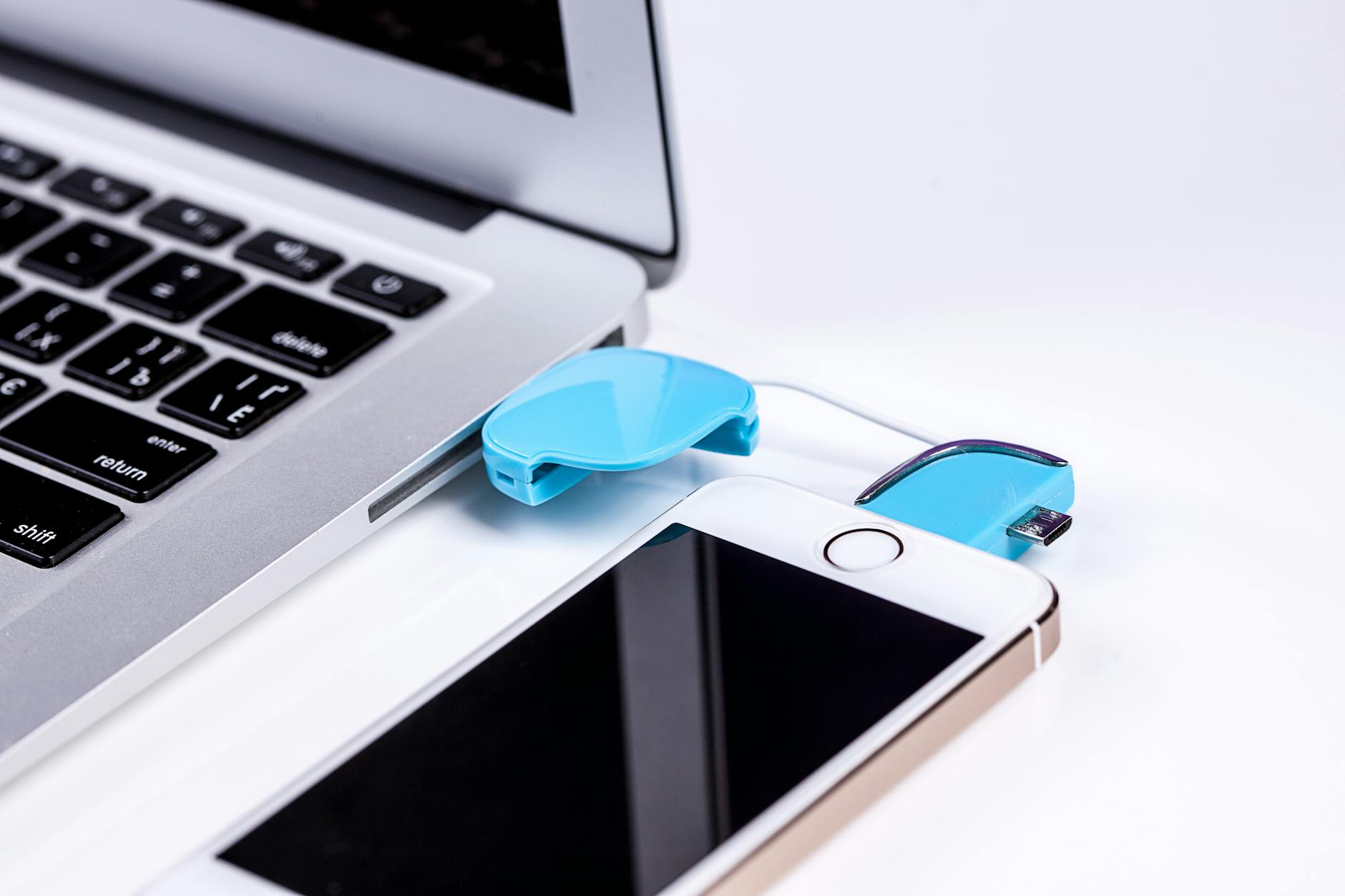 Photo by Pixabay: https://www.pexels.com/@pixabay
Check cables, adapters, and ports
A bad or non data carrying cable can block mounting right away. A USB cable that only charges, or one with a damaged connector, may prevent the device from recognizing the drive properly. Here’s what to do:
- Try a different USB cable. If you have a known good cable, test with that first.
- Connect directly to the phone or computer, avoiding a hub when possible. Hubs can introduce power or signal issues that keep the drive from mounting.
- If you’re using an older phone, consider a USB OTG adapter to ensure the connection is recognized. Not all adapters are created equal, so swap if you’re unsure.
- Inspect connectors for dirt, lint, or visible damage. Clean them gently with compressed air or a soft brush if needed, and re-test.
Tip: If you switch devices, you’ll sometimes notice the problem travels with the cable. A fresh cable and clean connectors often solve the issue quickly.
Test with a different storage device
Rule out a faulty card or drive by testing another one. Some drives need extra power, especially larger USB sticks or portable hard drives. Incompatibility with a phone model can also show up as not mounting.
- Use a known good SD card plus a known good USB drive when possible.
- If you only have one spare, test the card and then the drive on another device to confirm which component is faulty.
- If a drive requires more power, try a powered USB hub or a USB Y-cable that provides extra power.
This simple swap often reveals whether the issue is the storage itself or the phone’s mounting system. If the second device mounts normally, you can format or replace the original storage with data precautions in place.
Restart and reattach, then choose the right mode
A quick reboot can clear software glitches that block mounting. After reboot, reattach the storage to rule out a timing issue or a stuck permission request.
- On Android, after plugging in the card or drive, you may see a prompt asking you to choose File Transfer or MTP mode. Select the most appropriate option for file access.
- If you connect to a computer, allow access when prompted on the phone. This permission is essential for the computer to read the storage.
- On iPhone, use the Files app to access external storage when applicable. If the device shows up as storage but won’t mount, look for a separate prompt to “Trust” the device or grant access.
- If the device appears in the list of storage options but won’t mount, try removing the storage, restarting the phone again, and reattaching. Sometimes a fresh connection is all that’s needed.
Pro tip: If you’ve tried everything and still see the storage listed but not mounted, consider testing with a different phone. Sometimes the issue is specific to a phone model or OS version. This helps you decide whether you need a hardware fix or a software update.
Android specific troubleshooting for stubborn mounts
When you can’t mount external storage on Android, the problem is usually a mix of software prompts, permission settings, and sometimes power or formatting issues. This section focuses on Android-specific steps you can take to diagnose and fix stubborn mounts. Follow these subsections in order to isolate the cause quickly and keep your data safe.
Check USB and storage settings in Android
Accessing the correct USB preferences is the first line of defense. Start by plugging in your SD card or USB drive and look for a prompt in the notification shade. Most Android versions will ask you to choose a mode such as File Transfer (MTP) or USB Mass Storage. If you don’t see a prompt, open Settings and navigate to USB preferences or Connection preferences.
- Enable File Transfer or MTP: This lets the system expose the storage to your apps and file managers.
- Check permissions: Some recent Android updates require explicit permission to access storage. Open Settings > Apps > [Your File Manager] > Permissions and grant Storage if it isn’t already allowed.
- Grant prompts when asked: If a prompt appears asking for access, tap Allow or Always allow to prevent future interruptions.
- Look for the storage in Settings: Go to Settings > Storage and confirm the SD card or USB drive shows up. If it does, select it and ensure it’s mounted.
If mounting still fails, a quick reboot after reattaching the drive can clear lingering prompts. On some devices you may also see a “Charge this device” or “Transferring files” banner. Dismissing or using the prompt correctly helps the OS establish a stable connection.
Format and format options for external storage
Formatting can restore compatibility when a drive won’t mount. Always back up first because formatting erases all data. Choose the format that offers the broadest compatibility for your devices.
- FAT32: Widespread support, especially for smaller cards (up to 32GB). It reads on most Android devices, PCs, and cameras.
- exFAT: Suitable for larger cards and files bigger than 4GB. Works well with Android, Windows, and macOS, but some older devices may require updates or third party apps.
Formatting on the phone is convenient if the drive is detectable:
- Settings > Storage > SD Card/USB > Format > Portable storage
- For Samsung devices, you may find a dedicated path: Settings > Device Care > Storage > Advanced > SD Card > Format
Formatting on a computer can be safer for stubborn drives:
- Connect the drive to a PC or Mac.
- Windows: File Explorer > Right-click the drive > Format > FAT32 or exFAT > Quick Format.
- Mac: Disk Utility > Erase > MS-DOS (FAT) or exFAT.
- Eject safely and re-test on the phone.
After formatting, reattach the storage to your Android device and check for mounting prompts again. If the drive still won’t mount, consider trying a different card or USB drive to determine if the problem lies with the hardware.
Dealing with USB devices on newer Android versions
Newer Android versions have changes that affect how external storage is mounted. If you run into stubborn mounting issues on recent builds, these practical steps help you restore access.
- Test without a hub: Many issues come from powered hubs. Connect directly to the phone when possible.
- Use a powered hub if needed: If you must use a hub, a powered one can supply enough current to drive larger USB devices.
- Connect directly when possible: A direct USB-C connection reduces the number of potential points of failure.
- Check the OS state: On recent versions, external storage may be treated as portable storage by default. If it’s not mounting, revoke USB debugging (Settings > Developer options > Revoke USB debugging), toggle Airplane Mode, and then reconnect.
- Update the system: Settings > Software update > Download and install to ensure you have the latest fixes for mounting issues.
- Try a different device for testing: If another phone mounts the drive, the issue is likely with the original device’s hardware or software.
If you still can’t mount after these steps, the drive may be incompatible with your device or require a firmware fix. In that case, testing with a different card or drive can help you decide whether to replace the storage or wait for an OS update.
iPhone and iPad external storage troubleshooting
External storage on iPhone and iPad can expand what you can do with your device, from photo backups to portable media libraries. When a drive won’t mount, it’s easy to assume the worst. In reality, most issues come down to compatibility, power, or connection quality. This section breaks down the essentials and gives you a clear path to get the drive recognized again.
There Is a Frequency That the Wealthiest Families Have Used for Generations and Most People Will Never Know It Exists
>>> Open the Door <<<

Make sure the drive is compatible with iOS
iOS and iPadOS recognize external storage best when the drive is formatted in a widely supported format and presented as a single data partition. In practice, that means:
- Supported formats: exFAT and FAT32 are the most reliable options for iPhones and iPads. If your drive uses a different file system, you’ll likely see mounting failures.
- Powered adapters: Some drives need extra power to appear reliably. If you’re using a small thumb drive or a larger SSD, a powered adapter or a powered hub can make the difference.
- How to check in the Files app: Open the Files app, then look under Locations for the drive’s name. If it shows up there but won’t open, tap it to access the files. You can also try the drive in Photos for importing from SD cards.
Quick tip: If you’ve reformatted a drive, choose a single partition and the format that’s most compatible with your devices. When in doubt, start with exFAT for larger cards and files, or FAT32 for maximum cross‑device compatibility.
What If the Only Thing Between You and the Life You Deserve Is a Hidden Wealth Code Waiting to Be Activated
>>> Open the Door <<<
Using the right adapter and power
A quality connection and adequate power are often the root of mounting problems. The right adapter and careful setup can save a lot of frustration.
- Choose high quality adapters and cables: Apple‑certified accessories or those from trusted third parties that specify compatibility with iPhone and iPad reduce the risk of driver or recognition issues.
- Power considerations: Many drives work on bus power, but larger drives or SSDs may require external power. If your adapter has an extra port, use it to connect a charger or power supply.
- USB‑C versus Lightning setups:
- USB‑C: For iPad models and iPhone 15 and later, use a USB‑C cable or a USB‑C to SD reader. If you connect a drive that draws a lot of power, a powered USB hub can help.
- Lightning: For older iPhone models, you’ll likely need a Lightning to USB Camera Adapter or a Lightning to USB 3 Camera Adapter for USB drives, or a Lightning to SD Card Reader for cards. Powered adapters are often essential for larger drives.
- Keep cables tidy and short: Longer cables add resistance and can cause power or data issues. Use a direct connection whenever possible.
If you notice charging or connection prompts in the Files app, take a moment to confirm the device is receiving enough power. A powered setup often resolves issues that plague bus-powered drives.
If it still wont mount, try a different device
Testing the drive on another device helps you narrow down the cause. If another iPhone or iPad mounts the drive without issue, the problem likely lies with the original device, its OS version, or a cabling fault. If no device mounts the drive, the issue is with the drive itself.
- Test steps:
- Try the drive with another iPhone or iPad you own or a trusted friend’s device.
- If possible, test with a computer to confirm data accessibility.
- If the drive mounts on one device but not another, swap cables or adapters to identify a faulty component.
- Data safety: When testing, avoid making changes to the drive’s content on devices that aren’t yours unless you’ve backed up. If needed, copy important files to a secondary storage before proceeding with formatting or repartitioning.
If the drive fails on every device, consider contacting the manufacturer for firmware updates or warranty options. If it mounts on another device but not yours, the issue is most likely with your iPhone or iPad’s port, OS, or settings, and you can pursue targeted fixes like updating iOS, resetting USB settings, or trying a hardware refresh.
Deeper problems, long term fixes, and when to seek help
When simple tweaks don’t resolve mounting issues, it’s time to look at deeper causes and plan long term solutions. This section helps you recognize when the problem is more than a loose cable or a quirky prompt, and how to decide between fixes you can handle yourself and professional service. Think of it as the roadmap from quick wins to durable reliability for your external storage setup, whether you’re using an Android phone, an iPhone accessory, or a mix of devices.
Hardware or software issues you might encounter
A persistent mount problem usually sits at the intersection of hardware wear and software quirks. Use this checklist to separate the likely culprits and choose the right next step.
- Test the basics: If the issue repeats across multiple drives or cards, the fault leans toward software or the phone’s mounting system. If a single card or drive never mounts on any device, the storage itself is suspect.
- Inspect for physical wear: Worn card slots, bent connectors, or visible damage on a USB-C/Lightning adapter points toward hardware repair rather than a software tweak.
- Power and signal checks: Large USB drives or fast memory cards can draw more power. If you notice slow mounting or intermittent recognition, power issues may be in play.
- Software health: System updates can fix mounting bugs, but they can also introduce new quirks. If a recent update coincides with the problem, suspect a software regression or new permission behavior.
- File system sanity: If a card or drive carries a corrupted filesystem, mounting can fail even on healthy hardware. Think about whether the device was ejected improperly or if a power loss occurred during transfer.
What to do next
- Swap components logically: Use a known-good card and a different drive to confirm where the fault lies.
- Remove accessories sensitive to power: If you rely on a hub or long adapters, test with a direct cable to the phone.
- Clean connectors and slots carefully: Dirt can block the signal, even when the hardware seems fine.
- Consider a controlled environment test: Try mounting on a secondary device under the same conditions to isolate the variable.
When to perform a factory reset or seek service
If you’ve exhausted quick fixes and the problem persists, a factory reset or professional service may be necessary. This section clarifies when each route makes sense and what to protect before you act.
- Before anything, back up data: A reset wipes the phone and can also affect the card contents if you format during the process.
- Factory reset as a last resort: Use this route only after you have exhausted remounting, cleaning, and formatting attempts. It can repair stubborn software issues but will erase apps, settings, and personal data.
- Professional service when hardware is damaged: If the card slot shows physical damage, if the problem replicates across all storage types, or you hear unusual noises or see corrosion, a technician is the right call. They can diagnose internal circuits, replace damaged ports, and restore functionality without risking data loss.
How to prepare for a reset or service
- Create a full backup: Use cloud storage and a local computer if possible. Verify your data by restoring a sample file.
- Document symptoms: Note when the issue occurs, which file formats are affected, and whether power demands change the behavior.
- Gather hardware specifics: Model, OS version, and any accessories you use (hubs, adapters) help the technician reproduce the issue.
- Plan for downtime: A reset may take time to reinstall apps and reconfigure settings. Schedule accordingly.
When to seek professional help
- The drive or card won’t mount on any device, yet other devices recognize it.
- The card slot shows visible damage, or there is water, corrosion, or heat damage.
- You have tried multiple formatting attempts on different devices without success.
- Your phone continues to fail after a reset, or mounting triggers odd behavior like crashes or battery drain.
Professional service isn’t a sign of failure. It’s a prudent step to protect data and extend the life of your device. A trained technician can diagnose faulty ports, test boards, and replace components without risking further damage.
Engage a reputable service channel
- Use authorized repair centers or the manufacturer’s support. They have access to genuine parts and can preserve warranty coverage.
- If you’re unsure about the vendor, request a diagnostic report and read reviews. A clear estimate helps you compare options.
This deeper approach helps you move from quick remedies to durable reliability. By pairing thoughtful testing with smart backups and a plan for professional help, you’ll reduce the chance of future disruptions and keep your data safe, whether you’re troubleshooting on a long commute or at home with your smartphone.
Best practices to prevent future mounting issues
Preventing external storage problems starts with smart setup and ongoing checks. The goal is to keep devices compatible, cables solid, and software healthy so drives mount reliably every time. Below are practical, action‑or‑action steps you can apply now to reduce future headaches.
Format drives correctly and safely
Choosing the right file system and performing a careful format can prevent many mounting problems. The best approach is to pick a format that matches your devices and how you plan to use the storage, while always backing up first.
- Understand common formats:
- FAT32: Broad compatibility, good for smaller cards and older devices. Limit: individual files up to 4GB.
- exFAT: Handles large files and larger cards, widely supported across modern devices and operating systems.
- When to format:
- If a drive is new or has mounting glitches that other devices don’t share, reformat to a universal format.
- If you move between Android and iPhone ecosystems, exFAT often offers the best balance of compatibility and performance.
- Quick formatting steps:
- On a phone: Settings > Storage > [Card/Drive] > Format > Portable storage. Choose the appropriate format and confirm.
- On a computer:
- Windows: File Explorer > Right‑click the drive > Format > choose FAT32 or exFAT > Quick Format.
- Mac: Disk Utility > Erase > select MS‑DOS (FAT) or exFAT. Eject when complete.
- Important cautions:
- Always back up important files before formatting.
- Avoid formatting drives on devices that show signs of power instability or hardware wear.
- Quick best practice tip: If you’re unsure which format to pick, start with exFAT for larger cards and files. It minimizes the risk of compatibility issues across Android, iPhone, Windows, and macOS.
Keep software up to date and monitor storage health
Software updates often fix mounting bugs and improve compatibility with external storage. Regularly updating both the operating system and any relevant apps helps prevent recurring problems. In addition, simple health checks can catch issues before they derail your workflow.
- Stay current:
- Enable automatic OS updates when possible, or set a monthly reminder to check for new releases.
- After major updates, test the same drives you rely on to confirm they still mount reliably.
- Quick health checks:
- On Android: Review USB preferences after plugging in a drive to verify the correct mode is selected (File Transfer or MTP).
- On iPhone or iPad: Use the Files app to confirm the drive appears under Locations and check for any prompts asking for permission or power needs.
- Simple testing workflow:
- Test each drive after updates by mounting on the phone and a computer. If one device consistently shows issues, it may indicate a device‑specific setting or a hardware quirk.
- Power considerations:
- If a drive behaves oddly, try a powered USB hub or a shorter, high‑quality cable. Some drives need more power than the phone can supply on its own.
- What to log:
- Note the OS version, device model, cable and adapter used, and whether the issue occurs with all drives or just one. This helps when seeking help or reporting a bug.
- Quick takeaway: Regular maintenance is not optional. It reduces surprises and extends the time between failures.
This approach keeps your external storage ecosystem healthy over time. It also helps you quickly spot when something truly changes, like a new OS behavior or a hardware fault, so you can act fast.
Conclusion
Troubleshooting external storage on a phone usually comes down to a few solid checks: cables, power, and format compatibility. Most issues are fixable with a fresh cable, a clean port, and selecting the correct USB or MTP mode; after these steps, the drive should mount again. Always back up before making major changes, especially before formatting.
If problems persist, test with another card or drive to isolate the culprit, and consider hardware wear or a software hiccup on your smartphone. Share your experiences in the comments and tell us which step saved you time. This guidance helps keep your smartphone ready for travel, work, or daily use.
She Pressed Play on a Strange Audio Track and Within Days Her Financial Reality Started Shifting in Ways She Could Not Explain
>>> See How It Works <<<
