Thousands of People Were Struggling With Money Until They Discovered This One Ancient Secret Hidden in Sound
>>> Unlock It Now <<<

Calm bedtime routines start with a simple change you can make tonight. Many of us reach for our phones as the day ends, only to find our thoughts racing and sleep slipping away. A focused pre bed routine can lower stress, quiet the mind, and improve how quickly you fall asleep.
This post shares practical steps anyone can follow, even if you’re not tech savvy. You’ll learn how to reduce blue light exposure, turn on Do Not Disturb, and create a small ritual that signals your body it’s time to rest. The goal is better sleep, not a perfect perfect tech setup. Small shifts matter, and they add up over time.
You’ll discover a clear path to a calm bedtime routine. We’ll cover setting a curfew for phone use, moving the phone out of the bedroom, and choosing wind down activities that work for you. You’ll also get tips on apps and settings that support a smoother night, without turning your evenings into a tech maze. The plan is practical, not preachy, and designed for real life.
By trying these steps, you’ll feel calmer at night and wake up more refreshed. If you want to cut the noise from screens and reclaim restful sleep, you’re in the right place. Move step by step toward a healthier rhythm with your phone and your nights.
What If the Only Thing Between You and the Life You Deserve Is a Hidden Wealth Code Waiting to Be Activated
>>> Open the Door <<<

Why calming phone routines before bed improve sleep quality
Evening phone use can quietly steal the hours you need to rest. The goal of this section is to explain how simple habits around your smartphone help your brain settle, reduce arousal, and make it easier to drift off. You’ll learn why the combination of blue light, alerts, and constant access to information keeps you in a active state at a time when your body should wind down. You’ll also see how small, repeatable steps translate into better sleep night after night.
Blue light, notifications, and mental arousal
Our phones push a lot of signals at once. The blue light emitted by screens can trick your brain into thinking it has more daylight than it does. This little miscue delays the release of melatonin, the hormone that helps you feel sleepy. When melatonin is suppressed or delayed, you take longer to fall asleep and your sleep may feel lighter or more fragmented.
Constant notifications add another layer of alertness. A ping, buzz, or vibration can wake you just enough to interrupt a natural sleep cycle. Even if you return to sleep quickly, those micro-awakenings can reduce the overall quality of rest. Over time, the brain learns to stay prepared for incoming alerts, keeping you in a heightened state.
Simple fixes work well without requiring a complete tech overhaul. For many people, a few practical adjustments are enough:
- Enable a night shift or blue light filter on your devices. A warmer screen color reduces blue wavelengths, which helps your body wind down. If you’re on an iPhone, you can schedule Night Shift to turn on automatically; Android phones have similar options. See how this works in practice with tips from reliable sources on blue light and sleep. Learn more about how blue light affects sleep and why these changes matter. https://www.sleepfoundation.org/bedroom-environment/blue-light
- Use Do Not Disturb (DND) and quiet hours. DND silences calls and alerts during your chosen window, so your brain isn’t nudged awake by every notification. Many devices also offer a “schedule” or “bedtime” mode that limits interruptions.
- Keep the phone out of the bedroom or at least out of immediate reach. A simple rule is to leave the device charging in another room or in a designated spot away from your pillow. If you must have it nearby for alarms, use the quiet hours feature and a minimal notification profile.
- Consider a brief digital curfew. Decide on a fixed time each night to end phone use. Even 30 minutes of screen-free time before bed yields a clearer wind-down and an easier fall asleep.
- Replace one routine with a calmer alternative. Instead of scrolling, try light reading in print or a short, non-stimulating activity like a puzzle or journaling.
Why these fixes help is straightforward. You reduce the brain’s exposure to bright light and steady streams of new information. You cut the chances of a late-night interruption. And you create a predictable signal that tells your body it’s time to rest. The combination of lower arousal and lower blue light makes it easier to transition from wakefulness to sleep, improving your sleep depth and morning alertness. For more context on the science behind blue light and sleep, see reputable summaries from health sources. https://www.health.harvard.edu/staying-healthy/blue-light-has-a-dark-side
By adopting a calm phone routine, you also improve how quickly you fall asleep after lights go out and reduce the likelihood of waking during the night due to a notification or a screen glow. It’s not about removing technology from your life; it’s about creating a predictable boundary that signals rest. With a consistent approach, you’ll notice a smoother path from bedtime to slumber and a more restorative night overall. Contemporary research supports the idea that even short periods of reduced screen exposure before bed can yield meaningful improvements in sleep timing and quality. https://pmc.ncbi.nlm.nih.gov/articles/PMC9424753/
Practical takeaway: start with a 30-minute wind-down window. Dim the lights, enable a blue light filter, set DND, and place the phone out of reach. Then move to a simple, relaxing ritual. The next sub-section walks you through a practical, beginner-friendly wind-down you can repeat every night.
What a simple wind-down looks like
A straightforward wind-down is powerful because it doesn’t require a heavy tech setup or complex routines. It’s about small, repeatable actions that signal your mind and body to shift toward rest. Here’s a concrete, 20–30 minute sequence you can start tonight. It works even if you’re not a tech person and it scales up as you get comfortable.
- Step 1: Dim the lights and set a warm glow. Lower brightness on lamps or switch to warm bulbs. This creates a cue that the day is winding down and the environment is calming.
- Step 2: Take a warm shower or bath. The drop in body temperature afterward helps you feel sleepy and ready for bed.
- Step 3: Put away the phone. Enable Do Not Disturb and quiet hours, and leave the device in another room if possible. If you need an alarm, set it and keep the phone out of reach.
- Step 4: Read something light, preferably on paper. A real book, a magazine, or a newspaper slows the brain’s pace and reduces screen exposure.
- Step 5: Do a short stretch or breathing exercise. Try a 3-minute sequence to release tension in the neck, shoulders, and back. Pair it with a 1-minute slow, diaphragmatic breath to calm the nervous system.
- Step 6: Optional wind-down ritual. A small, familiar routine helps your brain know it’s time to sleep. This could be listening to a gentle playlist, sipping a non-caffeinated warm drink, or writing a quick gratitude note.
Consistency matters more than complexity. Start with this 20 to 30 minute plan and keep it simple. The goal is a predictable end to the day that your body can recognize and respond to. Over time, your sleep timing will stabilize, and you’ll likely notice you fall asleep more easily and enjoy deeper rest. For readers seeking a screen-free approach, these activities are ideal because they don’t require complex apps or gadgets. A well-structured wind-down reduces cognitive load and gives your mind a chance to settle.
If you want a quick reference, here’s a compact checklist you can print or save on your phone:
- Dim lights and set a warm tone
- Take a warm shower or bath
- Move phone to DND or far away from the bed
- Read a paper book or non-screen activity
- Do a short stretch and calm breathing
- End with a small, comforting ritual
This approach aligns with the practical, real-life guidance you’ll find on reputable sleep resources. It’s about building a routine you can maintain even on busy nights. If you’d like extra ideas for wind-down activities, you can explore options like light stretching routines or mindfulness practices that fit into a 5–10 minute window after the main wind-down. For more ideas on establishing a bedtime routine, check out expert recommendations on routines for adults. https://www.sleepfoundation.org/sleep-hygiene/bedtime-routine-for-adults
By keeping the wind-down light and consistent, you set yourself up for a smoother transition to sleep and a more restorative night. The key is to make the sequence easy to follow and repeatable, so it becomes a natural habit rather than a chore. If you’re curious about how a simple shift in routine can translate to better sleep, try implementing this 20–30 minute wind-down for a full week and note any changes in your sleep onset and morning energy. The payoff adds up over time.
She Pressed Play on a Strange Audio Track and Within Days Her Financial Reality Started Shifting in Ways She Could Not Explain
>>> See How It Works <<<

Set a firm phone curfew and optimize your bedroom setup
A reliable wind-down starts with a clear boundary for phone use and a bedroom that signals sleep. In this section, you’ll learn how to pick a realistic curfew, why moving the phone away from the bed helps, and how small tweaks to your room can support restful nights. The goal is practical, repeatable changes that fit real life.
Choosing a realistic curfew time
Pick a curfew that you can actually maintain, not one that sounds good on paper. A simple starting point is to stop screen use about 30 minutes before you plan to sleep. This window is short enough to be realistic, yet long enough to start winding your brain down. If you still struggle with sleep after a few nights, extend the wind-down gradually by 10 to 15 minutes until you notice less restlessness and faster sleep onset.
Consistency matters because your body clock thrives on predictability. When your routine stays the same most nights, melatonin production and core sleep rhythms can align more reliably. That alignment translates into easier sleep onset, fewer awakenings, and better morning energy. If you find sleep still elusive after a week, adjust in small steps rather than making large changes all at once. For some people, a full 60-minute buffer works, while others do well with 20 to 25 minutes. The key is to choose a window you can keep, then tune it as needed.
- Start with 30 minutes as your baseline.
- If sleep is still challenging, add 10 minutes every few days.
- Reassess after two weeks and adjust again if necessary.
- Keep the curfew the same on weekends to reinforce the rhythm.
Simple rationale: a steady curfew creates a cue that signals “time to rest.” Your body learns to slow down, the brain reduces processing of incoming information, and you slide into sleep more smoothly. For a deeper look at how blue light and circadian rhythms interact, see expert summaries on blue light and sleep. https://www.sleepfoundation.org/bedroom-environment/blue-light
If you want a broader view on curfews and sleep hygiene, a few reputable sources offer actionable guidance. A practical overview explains why ending device use early helps align with natural sleep signals. https://www.health.harvard.edu/staying-healthy/blue-light-has-a-dark-side
Practical takeaway: start with a 30-minute wind-down, then adjust gradually. The aim is a curfew you can keep, night after night.
Move your phone away from the bed
Placing the phone out of arm’s reach reduces impulse checking and late-night scrolling. A simple rule is to charge the device in another room or in a designated spot away from the bed. If you must have an alarm, set it and use a traditional clock or a dedicated alarm device instead. A small physical separation makes it easier to resist reaching for the screen when sleep feels close but not quite there.
Below are practical placement ideas that work in many living situations:
- Charge in the living room or kitchen, away from the bedroom door.
- Put the phone in a drawer or a laundry basket near the doorway so it’s not in sight.
- Use a dedicated alarm clock and keep the bedroom a phone-free zone.
If you rely on your phone for emergencies, consider a two-step approach: keep the phone in another room for most of the night, but keep a basic, low-disruption method for urgent calls, such as a landline on certain nights or a secondary device with strict notification settings. For many people, moving the phone away is the single biggest productivity sleep saver.
Even small steps help. A widely shared tip is that removing the phone from the bedroom can dramatically improve sleep quality and morning alertness. If you want more perspectives on why this works, see practical discussions from wellness and home experts. https://www.headspace.com/articles/5-reasons-to-kick-your-phone-out-of-the-bedroom
For a read on real experiences, some sleepers report that keeping the phone out of the bedroom prevents late-night doomscrolling and reduces sleep fragmentation. This approach aligns with simple, actionable advice you can adopt tonight. If you’d like a broader view on bedrooms and sleep, explore how people optimize their sleep spaces. https://www.apartmenttherapy.com/sleeping-without-phone-week-37022648
Remember, your goal is a calmer space and a calmer mind. The more you separate notification signals from when you try to sleep, the easier it is to drift off and stay asleep.
Create a sleep friendly room environment
A room that feels calm sends a clear signal to your brain: you are winding down. Tiny adjustments add up to a big difference over time. Focus on light, temperature, noise, and darkness, then build a routine that reinforces rest.
Key tweaks you can implement now:
- Lower lighting and keep it warm. Dim lamps and avoid bright overhead lights in the hour before bed.
- Maintain a comfortable temperature. Aim for a cool room, typically around 60 to 67 degrees Fahrenheit (15 to 19 degrees Celsius). A slight chill often helps you fall asleep faster.
- Reduce noise or control it with a white-noise source. A fan or a white-noise machine can mask sporadic sounds that might wake you.
- Make the room dark. Blackout curtains or an eye mask block stray light and improve melatonin production.
Consistency beats perfection here. If you can’t fully reach the ideal all the time, aim for the same general conditions most nights. Your body learns to expect a familiar, soothing environment, which helps you settle faster.
Quick setup ideas:
- Blackout curtains or a heavy drape over existing windows.
- A compact white-noise machine or a fan for steady ambience.
- A comfortable mattress and bedding that suit your climate and preferences.
- A simple routine that you perform each night: dim lights, set a cool temperature, and close the curtains.
To deepen your understanding of room setup and sleep, see authoritative guidance on bedroom environments and their impact on sleep quality. https://www.sleepfoundation.org/sleep-hygiene/bedtime-routine-for-adults
A calm room also supports the wind-down you practiced in the previous subsection. Together, these changes reduce cognitive load and give your brain a clearer path to sleep. If you’re curious about how room conditions influence sleep, researchers highlight the interplay of light, temperature, and noise in sleep quality. https://pmc.ncbi.nlm.nih.gov/articles/PMC9424753/
Practical takeaway: start by dimming lights, then adjust temperature and noise to your preference. With consistent practice, your body learns to respond to a quiet, dark, and cool environment as a cue for rest. For those who prefer quick, implementable checks, try this brief checklist:
- Dim lights to a warm level
- Set the room to a cooler temperature
- Use a white-noise source or fan
- Close curtains or blinds to block light
- Keep the bed area free of clutter for a calm, inviting feel
This approach supports the overall goal of easier sleep onset and more restorative nights. For additional ideas on wind-down activities suited to a screen-free bedroom, review practical recommendations from sleep resources. https://www.sleepfoundation.org/sleep-hygiene/bedtime-routine-for-adults
By combining a firm phone curfew with a sleep-friendly room, you create a powerful, repeatable routine. It’s not about flawless nights every time; it’s about steady progress and a clear signal that rest is a priority. Try implementing these steps this week, and notice how your body responds to the new rhythm. You’ll likely experience smoother transitions into sleep and brighter mornings as a result.
Create a relaxing wind-down routine that doesn’t rely on your phone
Wind down habits that don’t involve screens can be surprisingly powerful. A calm, predictable routine signals your body that sleep is near, reducing mental chatter and physiological arousal. This section lays out practical, non screen activities, a simple breathing and movement sequence, and offline audio ideas you can use tonight. It’s designed to fit different personalities and busy schedules, so you can pick what feels natural and scalable. If you’re curious, the goal is a gentle transition from wakefulness to rest that you can repeat every night without fatigue or fuss.
Thousands of People Were Struggling With Money Until They Discovered This One Ancient Secret Hidden in Sound
>>> Unlock It Now <<<
Non screen activities that relax the mind
A screen-free wind-down can feel like a reset button for the brain. Try a mix of activities and see what sticks. The key is consistency and a few low effort options you can rotate.
- Read a real book or magazine. Physical pages reduce cognitive load compared to scrolling and help you slow down the pace of thinking. If you like variety, keep a short stack by your bed for quick, calming reads.
- Journal or write a brief reflection. Jot down three things you’re grateful for or three tasks you want to carry into tomorrow. This clears mental clutter and transitions your mind from problem mode to processing mode.
- Light stretches or gentle yoga. Focus on the neck, shoulders, hips, and spine. Gentle movement releases tension stored in the day and primes relaxation.
- Take a warm bath or shower. The warmth helps widen blood vessels, then a quick cooldown can signal sleep onset. Aromatics like lavender or chamomile can enhance the effect.
- Do a quiet hobby. Puzzles, knitting, coloring, or a simple craft can occupy the hands and quiet the mind without stimulating content.
Choosing activities that fit different personalities and schedules matters. If you crave distraction, try light reading or puzzles to occupy your mind without triggering a surge of adrenaline. If you’re more reflective, journaling or a brief gratitude exercise can be especially soothing. For those pressed for time, a 10–15 minute stretch or a short bath can still deliver meaningful calm.
If you want deeper background on non screen wind-down strategies, consider resources that summarize practical approaches to bedtime routines and blue light reduction. For example, authoritative guidance explains how light exposure and routine timing influence melatonin production and sleep quality. https://www.sleepfoundation.org/bedroom-environment/blue-light For a broader view on how the body responds to light and circadian signals, you can explore accessible explanations from health experts. https://www.health.harvard.edu/staying-healthy/blue-light-has-a-dark-side
Practical takeaway: assemble a small set of 4–6 activities you enjoy and can do in under 20 minutes. Rotate them to keep things fresh, but keep the sequence consistent so your brain learns the cue that sleep is near.
Breathing and gentle movement
A simple, repeatable breathing exercise paired with light movement can calm the nervous system in minutes. Box breathing is widely recommended for its clarity and ease, but you can tailor it to your own rhythm.
- Box breathing basics: inhale for 4 counts, hold for 4, exhale for 4, hold for 4. Repeat for 4–6 rounds. This trains the nervous system to shift from sympathetic to parasympathetic dominance, reducing heart rate and tension.
- Short bed or floor stretch routine: focus on the neck, shoulders, hips, and back. A gentle sequence might be seated or lying down and includes shoulder rolls, seated forward folds, gentle spinal twists, and a light cat-cow flow.
A straightforward routine you can follow tonight:
- Step 1: Sit or lie comfortably. Close your eyes if you like and take a slow, natural inhale through the nose.
- Step 2: Box breathing: inhale 4 counts, hold 4, exhale 4, hold 4. Repeat 4–6 rounds.
- Step 3: Gentle neck stretches. Ear to shoulder, slow neck rolls, and chin tucks to relieve tension.
- Step 4: Shoulder and upper back release. Shrug, roll, and squeeze the shoulder blades together on an exhale.
- Step 5: Seated or supine twist. Lengthen the spine on the inhale, twist gently to release tension on the exhale.
- Step 6: Finish with a slow diaphragmatic breath. Breathe in through the nose to fill the belly, then exhale fully through the mouth.
These practices calm the nervous system by lowering sympathetic arousal and increasing parasympathetic activity. If you want a structured guide to box breathing and its sleep benefits, credible sources offer practical instructions and science-backed explanations. https://www.webmd.com/balance/what-is-box-breathing For a concise, sleep-focused guide to box breathing, Sleepopolis outlines steps you can use right away. https://sleepopolis.com/education/box-breathing-for-sleep/
If the word “breath” feels unfamiliar at first, think of it as a reset button. Slow, intentional breaths dampen racing thoughts and create a stable foundation before you drift off. A few minutes of movement after the breath work helps release residual tension and deepens the sense of calm.
Practical takeaway: devote 5–10 minutes to a box breathing sequence, then add 5–10 minutes of light stretching. This combination can become a reliable cue that the day is ending and sleep is near.
Calming audio options that don’t require screens
Offline audio can soothe without inviting screen time. You can curate a small, reliable playlist of instrumental music, nature sounds, or a short, guided calm script that you read aloud. Listening is perfectly fine and can be done with eyes closed or open, depending on your preference.
- Instrumental or classical music: choose tracks with slow tempo and minimal dynamics. Gentle piano, strings, or ambient soundscapes often work well for easing into sleep.
- Nature sounds: soft rain, ocean waves, or forest ambience provide a neutral sonic backdrop that masks extraneous noise without becoming stimulating.
- Reading a guided script aloud: if you’re alone, you can record a short, soothing script ahead of time and play it back in bed. If you share a space, you can read a calming script aloud yourself in a quiet voice.
- Gentle mindfulness or body-scan audio: a simple voice-guided practice can guide attention away from worries and toward bodily awareness.
Offline audio supports a screen-free wind-down while still offering structure. You can enjoy a cue that signals rest without looking at a screen. If you prefer ready-made resources, there are reputable guides and recommendations that discuss how music and ambient sounds influence sleep.
For a practical primer on calming audio and sleep, consider sources that highlight the benefits of listening to music or nature sounds before bed. https://nosleeplessnights.com/bedtime-routine-for-adults/ If you want a broader take on how to craft a screen-free wind-down that includes audio, this article offers useful ideas and examples. https://www.thefabulous.co/qa/what-activities-can-i-do-at-bedtime-to-relax-and-unwind-that-dont-involve-screens/
A quick tip: set a rule that audio will be used only after the wind-down activities. Keep the volume low and avoid lyrics if you’re easily teased by brighter tones. The aim is quieting, not engagement.
The key with calming audio is to keep it offline and predictable. If you’re worried about waking up in the night, store your audio in a simple speaker or a dedicated nightstand device that doesn’t require you to unlock your phone. A small, reliable setup reduces chances of late night disruption.
A few practical ideas to try tonight:
- Create a 20–30 minute instrumental playlist and queue it for bedtime.
- Download a nature sounds track and run it at a low volume.
- Prepare a short, 2–4 minute script you can read aloud in a calm tone, then record it in advance or read it live for a soothing, personal touch.
External perspectives on relaxing audio before bed can provide additional validation. For example, resources on calming practices and sleep routines discuss the role of audio in reducing arousal and guiding the body toward sleep. https://www.nosleeplessnights.com/bedtime-routine-for-adults/ And if you want practical questions and ideas about non screen wind-downs, you can explore community-curated guidance that includes audio-based routines. https://www.thefabulous.co/qa/what-activities-can-i-do-at-bedtime-to-relax-and-unwind-that-dont-involve-screens/
If you’re sharing a room with a partner, keep the audio in a personal speaker or a single-direction device to avoid disturbing them. A soft, shared wind-down ritual can still be engaging if you both agree on the routine.
Overall, the right combination of non screen activities, breathing and movement, and offline audio can create a robust, screen-free wind-down. The emphasis remains on consistency and simplicity so you can sustain these habits night after night. Try mixing and matching these ideas to find a routine you look forward to, not one you dread.
Links to further reading and practical examples:
- Reading on non screen wind-down routines: https://www.nosleeplessnights.com/bedtime-routine-for-adults/
- Practical guide to offline audio and sleep: https://www.thefabulous.co/qa/what-activities-can-i-do-at-bedtime-to-relax-and-unwind-that-dont-involve-screens/
- Background on how gentle audio supports sleep: https://www.sleepfoundation.org/sleep-hygiene/bedtime-routine-for-adults
By building a simple, screen-free wind-down, you give your body a reliable signal that rest is near. The goal is not perfection but a steady, repeatable routine that improves sleep onset and nighttime rest.
Apps and built in features that help wind down
Tuning your phone into a sleep ally starts with simple, effective tools. Below is a concise guide to 3–5 options that guide your brain toward calm. Use these exactly as described to create a reliable wind-down signal each night. The goal is to reduce arousal, shorten your path to sleep, and keep your sleep cycles intact.
- Sleep apps with guided wind-down content. Apps like Calm and Sleep Foundation’s recommended sleep apps offer short bedtime stories, soothing soundscapes, and gentle guided meditations. They create a soft transition from daytime thoughts to night time. How to use: open the app 20–30 minutes before bed, choose a 5–15 minute sleep story or meditation, then disengage and proceed to your offline wind-down. For quick validation on top options, see reputable roundups such as Best Sleep Apps of 2025. https://www.sleepfoundation.org/best-sleep-apps
- Image:
- Photo by cottonbro studio
- Image:
- Guided meditation and breathing sessions. If you prefer a calmer mental state without a full screen experience, select short, guided sessions focused on breathwork or progressive muscle relaxation. Quick tip: set a timer for 10–15 minutes and let the session finish before you put the device away. Insight Timer, Headspace, and Calm are frequently recommended for sleep focused content. For independent reviews, see The 3 Best Meditation Apps of 2025. https://nytimes.com/wirecutter/reviews/best-meditation-apps/
- Sleep stories and soundscapes. Sleep stories or ambient soundtracks can help quiet the mind and block out external distractions. Use them after you’ve completed your primary wind-down activities so they don’t become a distraction themselves. A well-known option is Calm, which curates a vast library of sleep stories and soundscapes. Learn more about Calm and its offerings here. https://www.calm.com/
- Offline wind-down content. If you want to avoid screens altogether, download an offline audio playlist or a short, pre-recorded script. You can read it aloud softly, or play it back from a small speaker. This guarantees a consistent cue to relax without tapping the phone again.
- Quick setup tip. Create a 4–6 item control deck for bedtime: (1) a 5–10 minute guided audio, (2) a 5–10 minute soft music track, (3) a 2–4 minute breathing exercise, (4) a 1–2 minute body scan. This gives you options while keeping the routine simple and repeatable.
External resources to support your choice:
- For a curated list of sleep apps and what to expect, see Sleep Foundation’s Best Sleep Apps. https://www.sleepfoundation.org/best-sleep-apps
- If you want trusted reviews of meditation apps, compare features with Wirecutter’s Sleep and meditation app coverage. https://nytimes.com/wirecutter/reviews/best-meditation-apps/
- Learn more about Calm and its sleep stories and scenes. https://www.calm.com/
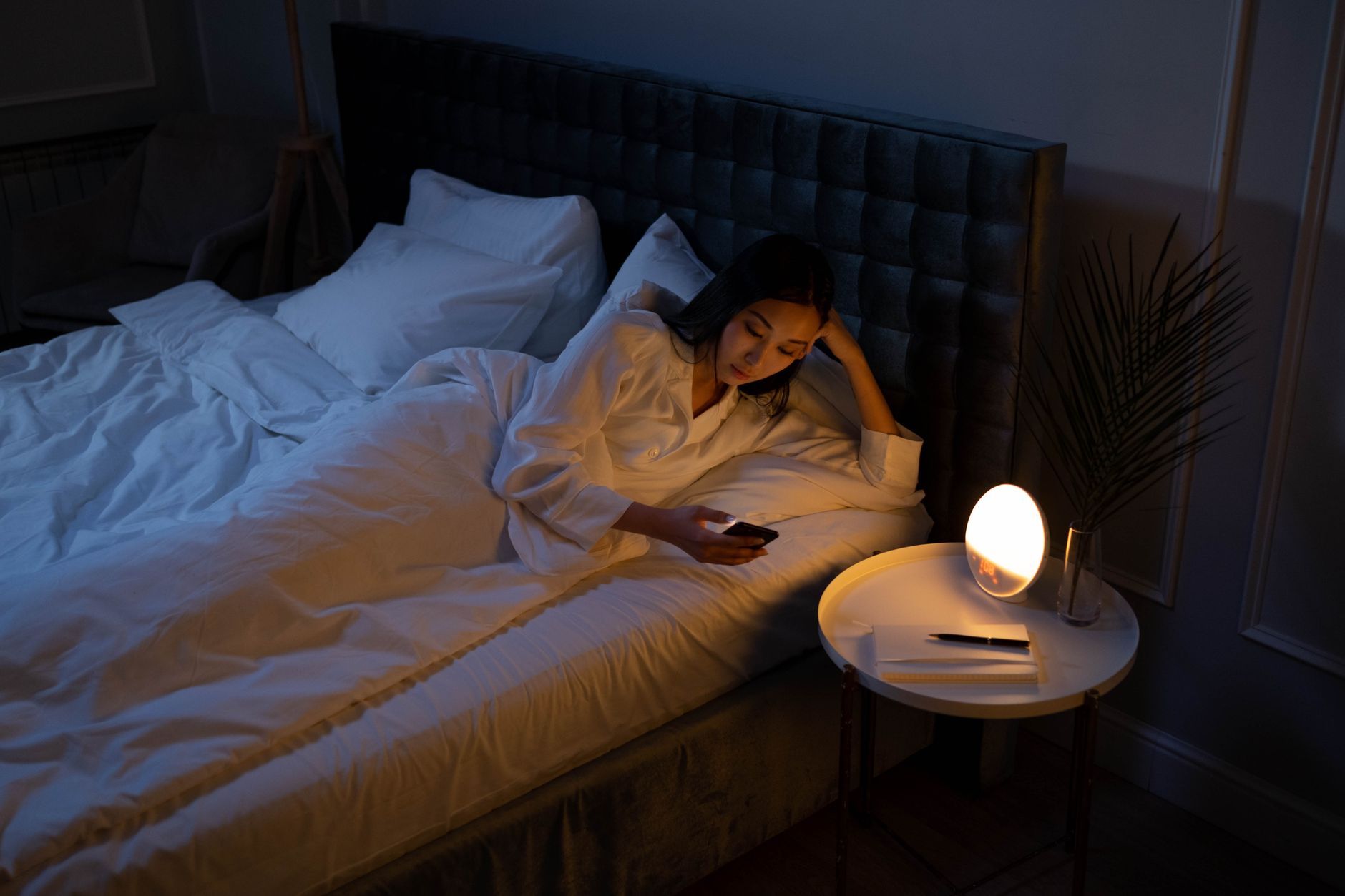
Image: Use a calm, non-distracting visual of a person winding down with a device at a low level, or a serene nightstand setup. Photo by cottonbro studio
How to choose and use apps without disrupting your wind down
- Focus on the final 5–15 minutes. Let the app guide your mind, but keep it short enough to avoid becoming a new ritual that keeps you engaged.
- Prefer content that is low arousal. Avoid intense narratives or fast tempos that spike heart rate or curiosity right before sleep.
- Set up a predictable end to use. Have a single “wind-down” session you start each night, then close the app and move to non-screen routines.
- Quick-start checklist:
- Pick one wind-down app or feature.
- Set a bedtime routine alert so you start at the same time each night.
- Turn off the app or mute at the end to avoid late interruptions.
Link references for adding apps into your routine:
- Best Sleep Apps of 2025 overview. https://www.sleepfoundation.org/best-sleep-apps
- Calm official site for Sleep Stories and guided meditations. https://www.calm.com/
How to set Do Not Disturb and notification controls
Interruptions are the number one sleep sabotager. The right DND setup removes the noise while still letting essential calls through. Here are practical steps to activate DND, silence non-essential alerts, and create safe exceptions for important people.
- Turn on Do Not Disturb on iPhone. Go to Settings > Focus > Do Not Disturb. Toggle on, set a schedule, and customize Allow Notifications from people you trust. This keeps you insulated from ordinary alerts while ensuring key contacts can reach you in emergencies. For official steps, see Apple’s guide. https://support.apple.com/en-us/105112
- Enable Do Not Disturb on Android. Open Settings > Notifications > Do Not Disturb. Create a rule for your bedtime window, and allow calls from favorites or repeated callers if you want an emergency lane. Google’s setup guide has the steps. https://support.google.com/android/answer/9069335?hl=en
- Create exceptions for essential calls. On iPhone, use the People tab in Focus to allow calls from Favorites or a specific contact group. On Android, use the “Favorites” or “Priority” list to ensure urgent alerts come through.
- Use duration and automation. Schedule your DND window to mirror your wind-down time. If you need a reminder to switch back, set a short automation to end DND at a fixed wake time.
Why this matters: DND reduces the cognitive load of checking your phone in the dark. Fewer interruptions means fewer micro awakenings and a smoother slide into deep sleep. See practical guidance on turning on DND and setting schedules here:
- Apple DND setup. https://support.apple.com/en-us/105112
- Android DND setup. https://support.google.com/android/answer/9069335?hl=en
Practical takeaway: set up a 7 p.m. to 7 a.m. Do Not Disturb window, allow calls from your partner or a single trusted contact, and silence non-urgent notifications.
Images to illustrate a calm phone setup:
- Photo by cottonbro studio
Why notification controls support deeper sleep
- Fewer signals reduce the brain’s readiness for wakefulness.
- Predictable quiet periods help melatonin rise naturally.
- Clear boundaries let you connect to rest without fighting your device.
Tips for busy nights:
- If you rely on your phone as an alarm, consider an independent alarm clock for the bedroom. It reduces the temptation to check your device during the night.
- Use Visual Do Not Disturb indicators like a steady red light on a bedside device so you don’t have to unlock the phone to confirm state.
- Quick reference links for DND setup:
- iPhone DND and Focus guide. https://support.apple.com/en-us/105112
- Android DND Mode guide. https://support.google.com/android/answer/9069335?hl=en
Blue light filters and display settings
Blue light from screens can delay melatonin and keep your brain wired when you want to wind down. Turning on a night shift, warm color temperature, or a blue light filter makes a big difference. Here’s how to enable these features on iPhone and Android and when to use them.
- iPhone Night Shift. Go to Settings > Display & Brightness > Night Shift. Schedule it to come on from sunset to sunrise or at a specific time. The warmer color reduces blue wavelengths and helps you wind down faster.
- Android blue light filter. On most devices, open Settings > Display > Blue light filter or Night light. You can schedule it for sunset to sunrise or set a custom time to match your wind-down window.
- When to use them. Turn on at least an hour before bed to avoid melatonin suppression. If you have late devices use after a long workday, enable it for the entire evening to keep your brain calm.
- External validation and guidance on blue light and sleep:
- Sleep Foundation overview of blue light and its impact. https://www.sleepfoundation.org/bedroom-environment/blue-light
- Harvard Health summaries on blue light and circadian rhythm. https://www.health.harvard.edu/staying-healthy/blue-light-has-a-dark-side
- Quick tip: use a warm white or soft amber screen when you need to read at night. It lowers visual stimulation while still letting you check essential information.
Image suggestion (optional): a calm bedroom with soft lighting to reflect a blue light reduced environment.
- Photo by cottonbro studio
Practical takeaway: enable a blue light filter or Night Shift 60–90 minutes before bed and keep the color temperature warm. This small change helps your brain transition from alert to ready for sleep.
If you want to keep a simple, unified approach, set a nightly routine where your phone goes to a low brightness, warm color temperature, and DND is active. This combination creates a predictable signal that rest is near and reduces the chance a late-night screen light disrupts your sleep.
Connecting to additional guidance:
- Night Shift and blue light guidance. https://support.apple.com/en-us/105112
- Night light and blue light filter explanation. https://support.google.com/android/answer/9360553?hl=en
End of section note: Blue light controls are a small but powerful part of a broader wind-down that includes non-screen activities and a consistent bedtime rhythm. Use them as a foundation, then layer in apps, DND, and offline rituals for a full, restful night.
Conclusion
Calming phone routines before bed come down to a few repeatable steps that fit real life. Set a firm curfew for phone use, move the device away from the bed, build a simple wind down that you can repeat every night, and use Do Not Disturb and blue light filters to support a quiet transition into sleep. When these pieces work together, your brain learns to associate the late evening with rest rather than stimulation, making it easier to fall asleep and stay asleep.
This week, try a quick start plan: 1) pick a 30 minute wind down window, 2) turn on DND and a warm screen filter, 3) place the smartphone out of reach in another room, 4) complete a 10 minute non screen activity such as reading or journaling, and 5) end with 5 minutes of box breathing or light stretching. If your schedule allows, gradually extend the wind down by 5 to 10 minutes over a few nights. You can keep a small checklist handy on your phone as a reminder.
Share your progress in the comments or with friends and challenge others to try one change at a time. Small shifts often add up to better sleep, clearer mornings, and more energy for the day ahead. Your calm, steady routine can become a powerful habit that lasts long after this week.
Thousands of People Were Struggling With Money Until They Discovered This One Ancient Secret Hidden in Sound
>>> Unlock It Now <<<