Thousands of People Were Struggling With Money Until They Discovered This One Ancient Secret Hidden in Sound
>>> Unlock It Now <<<

Finding the right mindset tools can feel overwhelming, but your smartphone can become a powerful ally. This post highlights the best affirmation apps for your phone and shows how short, positive messages can reshape daily thinking, cut stress, and sharpen focus. You’ll discover how these apps work, what makes them stand out in 2025, and a simple, practical way to try them today.
Short, timely reminders are central to each app. By nudging you toward positive thoughts at key moments, they help form steady habits without huge time commitments. We’ll break down how the features map to real results so you can choose with confidence.
Whether you want a library of ready-made affirmations or a tool to tailor messages to your mood, there’s an option that fits your routine. This guide also includes a clear choosing framework and practical tips to start seeing improvements in a matter of days.
How affirmation apps work to boost mindset and daily routines
Affirmation apps turn positive statements into small, repeatable habits you can do anywhere, at any time. They use simple design, smart reminders, and tailored prompts to keep your mind aligned with your goals. By delivering bite-sized messages at moments when you’re most receptive, these apps help you reframe your thoughts, reduce stress, and stay focused on daily tasks. If you’re curious how this translates into real life, think of your phone as your personal coach, nudging you toward the mindset you want to cultivate.
Thousands of People Were Struggling With Money Until They Discovered This One Ancient Secret Hidden in Sound
>>> Unlock It Now <<<
Key features that drive results
- Large affirmation libraries: A broad library ensures you never hit a wall. When you have thousands of affirmations across topics like confidence, focus, or resilience, you can rotate tones, choose favorites, and discover phrases that resonate. This variety reduces fatigue and keeps the practice fresh, increasing the odds you’ll return each day even during busy periods. A robust library supports long-term consistency by giving you options that match your evolving goals. For inspiration, see reviews highlighting how extensive libraries help users personalize their practice. https://blog.theiam.app/blogs/the-best-affirmations-apps
- Customizable categories: Group affirmations by mood, goal, or time of day. Custom categories make it easy to target specific habits, such as morning focus or after-work stress relief. When you can quickly switch contexts, you’re more likely to stick with the routine. This feature also helps you track progress by category, so you can see which areas improve fastest. Learn more about how apps segment content for better adherence. https://www.thevisionboard.app/top-affirmation-apps-iphone/
- Daily reminders and scheduling: Timely prompts cue you to practice without demanding long sessions. Short, well-timed reminders keep the habit front and center, especially on busy days. The right cadence avoids fatigue or spammy notifications, making each reminder feel like a gentle nudge rather than an interruption. A well-tuned reminder system is often the difference between sporadic usage and a daily ritual. See examples of reminder strategies in contemporary app roundups. https://mindliftapp.app/blog/daily-affirmation-apps-2025
- Voice recording or speech options: The ability to record your own affirmations or listen via text-to-speech adds a personal touch. Hearing your own voice or a preferred narrator can deepen belief in the statements and increase emotional resonance. This feature also makes it easy to create a custom library tailored to your life events, from job interviews to fitness milestones. For apps that emphasize personalization, this capability is frequently cited as a key driver of continued use. https://blog.innertune.com/top-affirmations-apps-2025/
- Quick access widgets and home screen shortcuts: Widgets put affirmations within thumb reach, enabling a fast check-in before meetings or during a break. A single glance can reset your mindset and set the tone for the next task. Widgets reduce the friction of starting a practice, making it nearly effortless to stay consistent throughout the day. Consider apps that offer one-tap play or lock-screen access for ultra-fast engagement. See discussions on top apps with easy access features. https://www.thevisionboard.app/top-affirmation-apps-iphone/
- Privacy controls and data security: Trust matters. When you know your reflections and preferences are private, you’re more likely to use the app regularly. Clear privacy options, local storage, and minimal data collection reassure users and support long-term commitment. Look for apps with transparent policies and straightforward permissions. Reader guides on privacy-focused features provide practical context. https://blog.innertune.com/top-affirmations-apps-2025/
- Progress tracking and insights: A simple dashboard that shows streaks, most-used affirmations, and mood associations helps you see results. This visibility reinforces habit formation by rewarding consistency and revealing patterns. Regular feedback keeps you motivated and guides you toward more effective prompts. Articles on how progress tracking supports behavior change offer useful perspectives. https://play.google.com/store/apps/details?id=com.daily.affirmations.motivation.positive.quotes.free&hl=en_US
- Mood-aware recommendations: Some apps tailor affirmations based on how you’re feeling. If you’re low on energy, you’ll get energizing messages; if you’re anxious, you’ll get calming prompts. This adaptability helps you stay engaged when motivation ebbs, making the practice feel relevant in the moment. Look for solutions that adjust content over time rather than sticking to a fixed set. A few top picks emphasize adaptive prompts and mood tracking. https://blog.theiam.app/blogs/the-best-affirmations-apps
- Offline accessibility and cross-device sync: Being able to access your affirmations offline is a big plus for travelers or light data users. Sync across devices ensures you pick up where you left off, whether you’re on a phone, tablet, or computer. This continuity reduces friction and supports a steady routine no matter where you are. See how various apps handle offline use and syncing. https://www.thevisionboard.app/top-affirmation-apps-iphone/
In the end, the best affirmation apps deliver more than quotes. They combine content variety, personalization, and seamless reminders to turn a quick dose of positivity into a reliable daily habit. If you’re exploring options, start with an app that offers a large library, clear categories, and a gentle reminder system. From there, you can add voice options or widgets to accelerate consistency and make the practice feel natural on your smartphone.
- For a quick starter, check out apps with extensive libraries and strong reminder controls. These features create a smooth onboarding path and reduce early drop-off. https://play.google.com/store/apps/details?id=com.daily.affirmations.motivation.positive.quotes.free&hl=en_US
Top affirmation apps to consider in 2025
A strong daily mindset habit starts with the right tool. In 2025, affirmation apps offer more than just quotes. They combine large libraries, personal voices, thoughtful reminders, and mood-aware prompts to help you stay motivated, reduce stress, and build confidence. Below, you’ll find concise, practical overviews of five standout options. Each section covers who it’s best for, core strengths, and how to make the most of it on your smartphone.
I am – Daily Affirmations
I am is built for people who want a broad, approachable library and reliable daily nudges. Its strength lies in scale and accessibility, making it easy to find messages that resonate even on busy days. The app shines when you need a steady stream of motivation, a quick mood lift, or a gentle reminder to reaffirm self-worth.
- Large library and diverse topics: With thousands of affirmations across confidence, resilience, and focus, you’ll discover phrases that click with your life stage and goals. The variety also helps you rotate tones—from calm and nurturing to energetic and bite-sized.
- Customizable categories: Group affirmations by mood, goal, or time of day. This makes it simple to tailor your practice for specific outcomes like morning focus, midday momentum, or evening reflection.
- Daily reminders and scheduling: Short, well-timed prompts keep the habit manageable. You can set times that align with your routine, so motivation arrives when you’re most receptive.
- Accessibility: The interface prioritizes clarity and ease of use, so you can practice even on the go. It’s particularly friendly for users who want quick access during a commute or a break.
Best for: Anyone seeking a broad, ready-made library with dependable daily prompts. Ideal for daily motivation, building self-esteem, and sustaining a simple ritual without overthinking the process.
If you want to explore similar ideas and compare approaches, see discussions about extensive libraries and reminder controls in popular roundups.
- Quick starter note: For users who want breadth plus a consistent reminder system, this app is a strong first step. It’s easy to test with a 2–3 week trial window to see if the practice sticks. https://play.google.com/store/apps/details?id=com.daily.affirmations.motivation.positive.quotes.free&hl=en_US
ThinkUp
ThinkUp centers the power of your own voice, offering a personal touch that can boost belief in the affirmations you hear. With a wide range of ready-made categories and the ability to record your own voice, ThinkUp makes affirmations feel more intimate and credible. The reminder features help keep you on track without nagging you, which is a big plus for long-term habit formation.
- Record your own voice: The ability to hear your affirmations in your own voice adds authenticity and emotional resonance. This small difference can strengthen belief and make the practice more persuasive.
- Wide range of categories: ThinkUp covers a broad set of areas, from confidence and productivity to self-compassion and resilience. It’s easy to explore new topics without leaving the app.
- Reminder features: Timely nudges help you maintain consistency, even on hectic days. You can customize how often you’re prompted and at what times you want to hear them.
- Personalization through voice: Your own recordings create a memorable cue that you can associate with specific goals or events, increasing the odds you’ll return.
Best for: People who respond well to voice-based motivation and want a high degree of personalization. Great for daily affirmation routines and for those who want to hear their own words spoken back to them.
If you’d like to compare ThinkUp with other voice-first options, consider looking at ThinkUp’s official pages and user reviews for broader context. ThinkUp’s own site and app stores show how users engage with voice recordings and categories. https://thinkup.me/
Innertune
Innertune emphasizes a robust audio library and a seamless user experience that makes daily practice feel effortless. The focus on motivation, stress relief, and focus makes it a natural pick for anyone juggling busy schedules who still wants a reliable mental reset in the day.
- Extensive audio affirmation library: A wide assortment of professionally produced affirmations supports diverse needs. Whether you’re aiming to boost motivation, calm stress, or sharpen focus, there’s content to fit.
- Ease of use: The app is built with a clean layout and intuitive controls, so you can start a session in seconds.
- Emphasis on mood-focused outcomes: The library and prompts align with common emotional states, helping you select affirmations that match how you feel in the moment.
- Focus on everyday performance: If your days tilt toward tasks, meetings, and deadlines, Innertune’s design encourages quick, productive resets.
Best for: Users who want a straightforward, high-quality audio experience with an emphasis on motivation and stress relief. Ideal for short, effective sessions during work breaks or commutes.
If you want a deeper look at how audio libraries shape user engagement, you can explore reviews that highlight the value of curated mood prompts and quick-access playback. https://blog.innertune.com/top-affirmations-apps-2025/
MindLift
MindLift blends AI-powered personalization with therapy-informed techniques to support a thoughtful, structured practice. It’s especially helpful for people who want guidance that evolves with them, rather than a static set of prompts.
- AI-powered personalization: The app adapts recommendations over time, tailoring affirmations to your progress, mood, and goals.
- Therapy-informed techniques: MindLift weaves evidence-based practices into its prompts, making the practice feel more like a guided program than a simple quote bank.
- Clear benefit for long-term users: People who want measurable changes in mindset may see the strongest gains as the system learns what works for them.
- Who benefits: Those open to technology-driven guidance and seeking a more tailored path to self-improvement will likely see the greatest value.
Best for: Individuals who want a guided, evolving program with insights drawn from therapeutic principles. Suitable for users who enjoy data-driven prompts and want a more personalized journey.
If you’d like to compare with other AI-assisted options, several reviews and official pages discuss how AI guidance complements traditional affirmation practice. https://blog.theiam.app/blogs/the-best-affirmations-apps
Mantra – Daily Affirmations
Mantra offers a minimalist design and a focus on simplicity. It’s ideal for quick, everyday use when you want just enough structure to support a daily habit without getting overwhelmed.
- Minimalist design: A clean, distraction-free interface helps you stay consistent. The simple layout means you can start a session in seconds.
- Simple interface: Intuitive controls reduce setup time, so you can dive in and finish fast.
- Standout features like backgrounds or themes: Visual elements add a touch of personalization, making the experience feel a little more engaging without complicating the core practice.
- Quick daily use: Best for people who want a no-fuss, repeatable routine that fits into small windows of time.
Best for: People who prefer a streamlined, no-frills approach. It’s perfect for quick affirmations on the go and those who want a consistent, lightweight routine.
If you’re curious about how minimalist apps compare to feature-rich options, look for reviews that highlight emphasis on speed and ease of use. You can also explore app listings for design cues and theme options. https://play.google.com/store/apps/details?id=com.daily.affirmations.motivation.positive.quotes.free&hl=en_US
Tips for choosing your affirmation app
- Start with a large library and easy reminders. A broad selection plus gentle nudges keeps your practice fresh and consistent.
- Try voice options. Recording your own affirmations or hearing a familiar voice can deepen belief in the statements.
- Check mood features. If an app adapts to how you feel, it’s easier to stay engaged on days when motivation is low.
- Look for offline access and cross-device sync. You want your practice to follow you whether you’re at home, at a cafe, or traveling.
- Prioritize privacy. You’ll be more honest with yourself when you know your reflections stay private.
One quick starter path is to pick an app with a large library and strong reminder controls. This creates a smooth onboarding and reduces early drop-off. If you’re unsure where to begin, you can test multiple apps and track which prompts feel most impactful.
What If the Only Thing Between You and the Life You Deserve Is a Hidden Wealth Code Waiting to Be Activated
>>> Open the Door <<<

Explore more about each approach and how real users describe their experiences with these apps. The conversations around library size, voice options, mood tracking, and cross-device use offer practical context for your choice. https://play.google.com/store/apps/details?id=com.think.up
Each of these options brings a distinct flavor to your daily mindset practice. If you want a deeper tutorial on setting up your first 21-day affirmation routine on a smartphone, I can lay out a simple, repeatable plan tailored to your schedule.
How to choose the right app for you
Picking an affirmation app shouldn’t be guesswork. The right tool fits your goals, fits your daily habits, and protects your privacy. This section helps you map your needs to concrete features, so you can test a few options quickly and find the one that sticks. Think of your smartphone as a personal coach that meets you where you are, not a burden you have to carry.
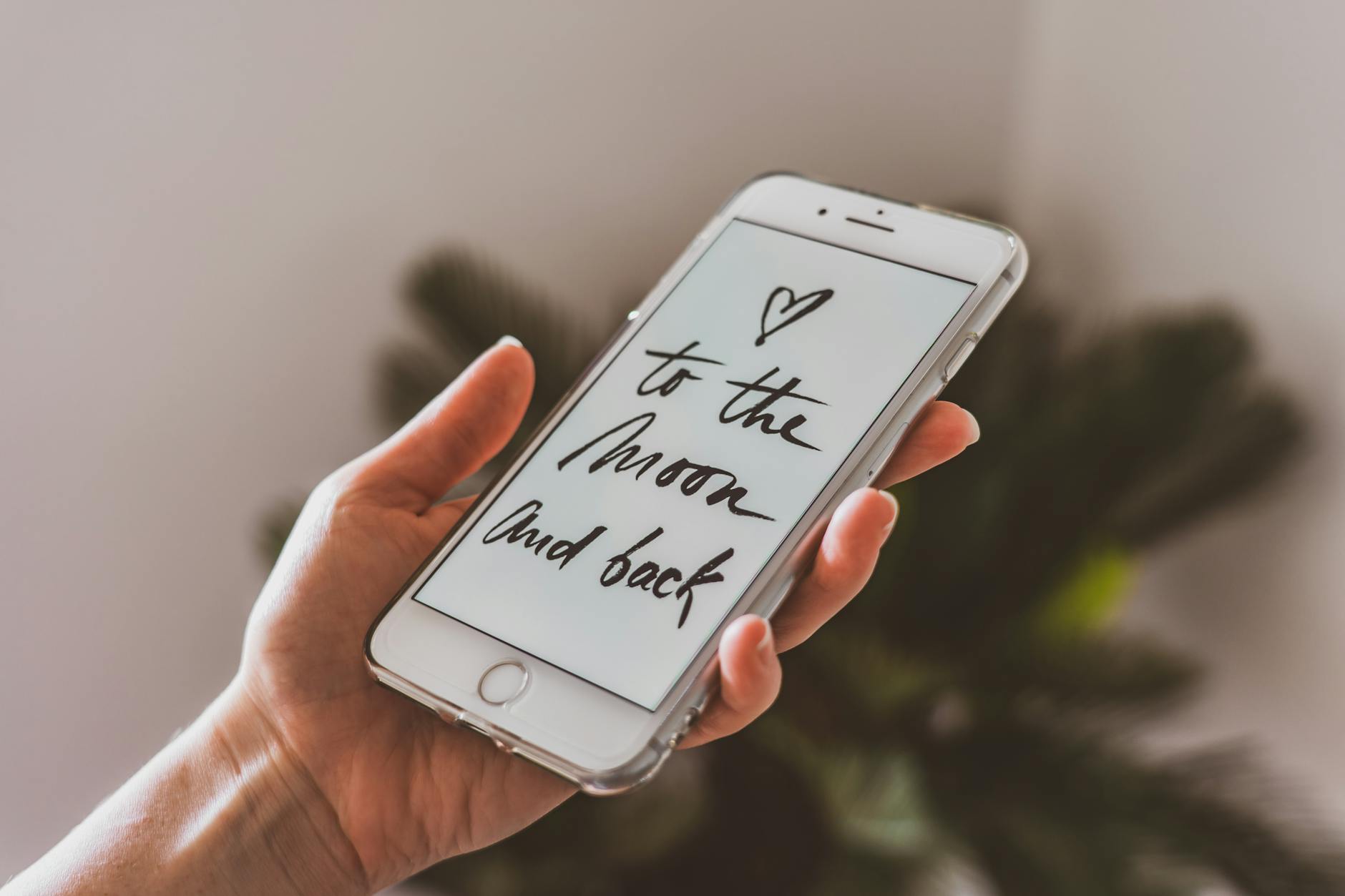 Photo by Castorly Stock
Define your goals and daily habits
Your goals shape the app you choose more than any other factor. Are you aiming to boost confidence, reduce stress, or improve focus? Each objective benefits from a slightly different setup, so start with a precise target.
- Confidence booster: Look for apps with a large variety of affirmations on self-worth, success mindset, and resilience. A broad library helps you rotate phrases so you don’t get bored and your mind stays curious about new prompts.
- Stress reduction: Prioritize calm, grounding phrases and mood-aware prompts. Some apps adjust suggestions based on how you feel, offering more soothing messages when anxiety spikes.
- Focus and productivity: Choose apps that emphasize concentration, discipline, and goal alignment. Features like time-block prompts and category tagging help you connect affirmations to specific tasks.
Once you’ve defined the goal, translate it into a daily habit. A realistic cadence matters more than a perfect plan. Try to position affirmations at moments when you’re most receptive, such as right after waking, during a break, or before bedtime. A simple rule of thumb: keep sessions brief and consistent. A few high-quality minutes daily beat long, sporadic sessions.
- Map a routine: Pick two or three anchor times, then add a flexible checkpoint for busier days.
- Use mood cues: If you know your mood tends to dip mid-morning, set a reminder that surfaces a tailored prompt at that window.
- Track progress by goal: Some apps categorize affirmations by objective. That makes it easier to see which topic moves the needle over weeks.
When exploring features, seek a robust library that you can filter by category or mood. A well-organized library helps you avoid reminder fatigue and keeps your practice engaging over the long term. For more on how libraries support ongoing engagement, see roundups that compare content breadth and personalization. https://blog.theiam.app/blogs/the-best-affirmations-apps
What If the Only Thing Between You and the Life You Deserve Is a Hidden Wealth Code Waiting to Be Activated
>>> Open the Door <<<
Budget, platform, and features to test
Budget matters, especially if you plan to use an affirmation app daily. Start by comparing free tiers with paid plans and note platform differences between iOS and Android. A short test plan can keep the process fast and objective.
- Free vs paid: Free tiers are great for a quick test, but paid plans often unlock features that improve consistency, such as offline access, voice options, and deeper mood tracking. Decide what you value most: cost vs control.
- Platform differences: Some features work differently on iOS and Android. Widgets and quick-access controls may appear on one platform before the other. If you rely on a specific feature, confirm its availability on your device.
- Quick test plan:
- Install two apps with strong libraries and reminders.
- Set up two reminder times per day for a week.
- Try at least one voice option and one mood-aware prompt.
- Check whether you can access content offline and sync across devices.
Testing helps you see what actually gets used. It also reveals friction points like notification fatigue or slow startup. If you want to compare options and see what others value in 2025, a few roundups highlight reminder controls, voice options, and widgets. https://www.thevisionboard.app/top-affirmation-apps-iphone/
- Quick starter note: For users who want breadth plus a consistent reminder system, this approach is a solid first step. You can test with a 2–3 week window and judge stickiness. https://play.google.com/store/apps/details?id=com.daily.affirmations.motivation.positive.quotes.free&hl=en_US
If you’re deciding between iOS and Android, look for cross-platform consistency. Some apps shine on one ecosystem but feel limited on the other. It’s worth testing both ecosystems if you have multiple devices in your daily flow.
Privacy and data safety
Privacy is a practical part of your daily routine. You’ll share thoughts and preferences within these apps, so it’s smart to review data practices before committing.
- Data collection and permissions: Check what data is collected and why. Apps that minimize data collection and avoid sensitive data are preferable for everyday use.
- Backups and storage: Prefer apps that back up data securely or allow local storage on your device. If you travel or switch devices, you want confidence that your history isn’t lost.
- Privacy policy in plain language: Seek providers that offer a clear, plain-language policy. You should be able to scan for what’s collected, who can access it, and how long it’s stored.
- Permissions management: Be mindful of permissions beyond necessary ones for the app to function. If an app asks for more access than it needs, reconsider installing it.
- Data protection practices: Look for encryption in transit and at rest, secure authentication options, and transparent data deletion processes.
To deepen your understanding of mobile privacy practices, you can explore guides on managing app permissions and privacy policies. https://www.cisa.gov/resources-tools/training/manage-application-permissions-privacy-and-security
- For a straightforward overview of data privacy in mobile apps, this resource explains core concepts in accessible terms. https://natively.dev/blog/understanding-data-privacy-in-mobile-apps
As you review privacy policies, ask yourself: Would you feel comfortable sharing your reflections with a therapist or coach? If the answer is yes, the app’s privacy approach is likely adequate for your needs. If not, keep searching for a provider with stronger privacy commitments. You can also compare best practices for protecting data in mobile apps. https://median.co/blog/best-practices-to-protecting-data-in-your-mobile-apps
In the end, the right app respects your goals, respects your time, and respects your privacy. It should feel like a helpful tool, not a source of worry. If privacy is a top concern, start with apps that publish clear data handling statements and provide straightforward controls to manage or delete data.
Practical takeaway: use a privacy policy as a first filter. If the policy is long and hard to understand, it’s a red flag. Aim for transparent, concise language and visible data controls.
Images often help readers grasp a concept quickly. A clean layout with calm visuals supports a mindful practice. If you want a visual example of a simple, distraction-free interface, consider viewing app layouts that emphasize clean design and quick access. Photo by Castorly Stock
Links for further reading and comparison
- For a roundup of top affirmation apps and feature comparisons, see an up-to-date guide. https://blog.theiam.app/blogs/the-best-affirmations-apps
- If you’re curious about how apps handle mood-aware prompts, this overview is helpful. https://www.thevisionboard.app/top-affirmation-apps-iphone/
- A practical look at goal tracking apps that complement daily affirmations. https://www.mindfulsuite.com/reviews/best-goal-tracker-apps
This framework will keep your search focused and efficient. Start with a broad library and strong reminder system, add voice options if you want more personalization, and always verify privacy protections before you commit. The right app becomes a trusted partner on your journey to a calmer, more focused day. If you’d like, I can tailor a 21-day trial plan to your exact schedule and goals.
Tips to maximize results with affirmation apps on your smartphone
Affirmation apps offer a practical way to shape daily thinking, reduce stress, and boost confidence right from your pocket. The magic happens when you pair a well-chosen tool with a simple, repeatable routine. Below you’ll find three focused strategies to get the most out of affirmation apps on your smartphone, backed by real-world practices and app design insights.
Create a simple daily routine
Consistency beats intensity. A tiny, fixed ritual removes guesswork and makes affirmation practice a natural habit. Try this 3-minute daily routine at the same time every day, so your brain learns to expect a short session and you follow through even on busy days.
- Start with a calm moment. Sit comfortably, breathe in for four counts, and exhale slowly. This settles the mind and primes receptivity for positive messages.
- Pick three affirmations. Choose phrases that address a current priority, such as focus, calm under pressure, or self-worth. If you’re new, rotating between a few ready-made options keeps things fresh.
- Record or listen in a fixed order. If your app supports voice playback, end with a quick self-check. Say, “I welcomed today with focus and calm,” then listen to the recording as a final cue for commitment.
- Schedule the reminder. Set a single, gentle notification for your 3-minute slot. Avoid multiple prompts that can create fatigue.
- Reflect for 60 seconds. After finishing, jot one quick thought about how the affirmation felt. This tiny note reinforces memory and helps you tweak future prompts.
Why this works: a short routine reduces friction and builds a predictable rhythm. When the session becomes a habit, you’ll reach for positive messages automatically, especially on rough days. Look for apps that support a steady cadence with simple controls and easy access to your preferred affirmations. Numerous reviews point to the power of reliable reminders and a broad library in sustaining long-term use. For a sense of how large libraries and clear organization support ongoing engagement, see discussions around library breadth and reminder controls. https://blog.theiam.app/blogs/the-best-affirmations-apps
Practical tip: if you pick a fixed 3-minute window, choose a time tied to a daily anchor—like right after you wake or during a mid-day break. This anchors the habit and makes it easier to maintain, even when your schedule shifts.
Personalize affirmations and voices
Personal relevance drives belief. When affirmations feel like they belong to you, they land more deeply. Your best results come from tailoring both the text and voice to your life.
- Record your own voice. Hearing your words in your own voice creates a powerful cue that strengthens belief. A familiar intonation makes the message feel truthful, not generic. If you’re camera-shy, start with a short, recurrent line and layer in more later.
- Use custom text. Write affirmations that reflect current goals and challenges. Update them as you progress. A personalized library keeps you engaged because the prompts stay meaningful.
- Mix in ready-made prompts. A large, well-organized library offers breadth when you’re unsure what to say. Rotate phrases to prevent stagnation while keeping the core intention intact.
- Experiment with voice options. Some apps let you choose a narrator or switch between male and female voices. This can help you find the tone that resonates best with you.
- Create context-specific prompts. Tailor affirmations to moods or moments, such as “before a big call,” “after a workout,” or “during a stressful commute.” Contextual prompts feel more relevant and actionable.
Why personalization matters: people respond differently to voice and content. For many, hearing their own words or a preferred voice strengthens emotional resonance and credibility. If you want to explore how voice personalization affects engagement, consider sources that discuss the impact of self-recorded affirmations and voice familiarity. Read more about why affirmations in your own voice are especially effective. https://www.selfspeak.com/the-power-of-listening-to-positive-affirmations-in-your-own-voice/
User-friendly examples: ThinkUp is designed around user-recorded affirmations and categories that help you tailor content to your needs. It emphasizes voice-based motivation and personalization, making it a strong option if you value a close connection to your own words. More about ThinkUp and its approach can be found here. https://thinkup.me/
A quick starter path: begin with a voice-first option and gradually add custom text. This layered approach lets you feel immediate benefits from the personal touch while expanding your library over time. For an overview of voice-first and audio-focused approaches, explore ThinkUp and related guides. https://www.google.com/search?q=ThinkUp+daily+affirmations
Track progress and adapt over time
A simple system for tracking progress helps you see the impact of affirmations and adjust as goals evolve. Use a lightweight journal or a digital note to capture mood, confidence, and stress shifts. Regular review makes it easier to refine your prompts and improve outcomes.
- Quick mood journaling. Jot a line or two about how you feel after each session. Note any changes in focus, energy, or calm. This creates a data trail you can examine weekly.
- Connect mood to prompts. If you notice mood shifts, adjust your affirmations to match current needs. For example, lean into resilience prompts during busy periods and switch to calming prompts during high-stress weeks.
- Track usage patterns. Record which times of day you engage most consistently and which affirmations you reach for most. This helps you optimize your routine and avoid topics that don’t move the needle.
- Set micro-goals. Use 2– to 3-week milestones to test new prompts or voice options. If results stall, pivot to a different category or schedule.
- Review and revise. Schedule a short weekly review to decide which prompts stay, which go, and what needs updating. The goal is steady improvement, not perfection.
Why monthly review matters: it shows you where your practice drives real change and where it needs a tune-up. If you want practical approaches to tracking and adapting, you’ll find value in journals and goal-tracking resources that discuss aligning daily prompts with evolving objectives. A concise guide to goal tracking that complements daily affirmations can be helpful. https://www.mindfulsuite.com/reviews/best-goal-tracker-apps
To support your practice, consider pairing a quick mood log with a clear affirmation map. This makes it easier to see how small shifts sum to bigger gains over weeks. If you’d like, I can outline a 21-day plan that includes a simple journaling routine to accompany your affirmation practice.
Additional notes on personalization: adding voice recordings and mood-based prompts can noticeably boost engagement. Apps that support offline access and cross-device sync also help you stay on track when life takes you away from your primary device. For a deeper look at mood-aware prompts and adaptive content, explore resource recommendations on top affirmation apps. https://www.thevisionboard.app/top-affirmation-apps-iphone/
Track progress and adapt over time (continued): practical prompts
- Start small. Record a 1–2 sentence affirmation you can repeat daily. Build from there.
- Use a simple log. A one-line mood note after each session is enough to begin spotting trends.
- Schedule a weekly reflection. Dedicate 5–10 minutes to review changes and adjust prompts accordingly.
- Align with goals. If you’re targeting confidence, keep a running tally of related prompts and observe which words spark consistency.
This approach helps you stay honest about what works and what doesn’t. It also makes the routine feel like a natural part of daily life, not a chore. For those who want a research-backed perspective on how self-affirmation can support behavior change, a few studies outline the neural basis of self-talk and the potential benefits of personalized prompts. If you’re curious, you can explore research summaries that discuss the impact of one’s own voice and adaptive prompts. https://pmc.ncbi.nlm.nih.gov/articles/PMC11274574/
Putting these ideas into practice creates a feedback loop: you try a prompt, observe how it shifts mood or focus, refine the prompt, and repeat. The result is a self-reinforcing pattern that leads to steadier thinking and better day-to-day performance.
If you want a concrete starting point, here is a simple three-step plan you can implement this week:
- Step 1: Choose one big goal (for example, improved focus during work).
- Step 2: Pick three affirmations tied to that goal and set up a fixed 3-minute routine.
- Step 3: Keep a short mood log at the end of each day to note changes and adjust prompts every few days.
As you test different approaches, you’ll discover the mix of voices, prompts, and timing that feels most natural. When you’re ready to compare options, you can draw on reviews and roundups that weigh libraries, voices, and mood-adaptive features. https://blog.theiam.app/blogs/the-best-affirmations-apps
If you’re curious about how to implement a simple 21-day affirmation routine on your smartphone, I can tailor a plan to fit your schedule and goals.
Conclusion
Choosing the right affirmation app can turn daily breathers into lasting habits on your smartphone. The real value comes from a large library, simple reminders, and the ability to tailor prompts to your mood and goals; with these, positive thinking becomes a reliable part of your day. Start small by trying one or two apps that offer a generous library and clear reminders, then add voice options or mood features as you go. Keep it simple and consistent, and you’ll feel the impact in a matter of days.
What If the Only Thing Between You and the Life You Deserve Is a Hidden Wealth Code Waiting to Be Activated
>>> Open the Door <<<