Thousands of People Were Struggling With Money Until They Discovered This One Ancient Secret Hidden in Sound
>>> Unlock It Now <<<

Are you choosing a phone that can truly perform when seconds count and conditions are harsh? For emergency responders, the right device matters as much as training and teamwork, delivering reliability when it can save lives.
This guide breaks down what to look for in a phone that must endure rugged environments, long shifts, and spotty signal areas. You’ll learn how to compare durability, battery life, GPS accuracy, and communication features so you can pick a device that keeps responders connected when it matters most.
We’ll spotlight top rugged models for 2025 and explain how to select one for different roles, from field patrols to remote incident scenes. Expect practical advice, real-world considerations, and tips for using these phones effectively in the line of duty.
What makes a phone good for emergency responders
Choosing a phone for emergency response means prioritizing reliability, clarity, and uninterrupted connectivity in harsh conditions. The right device stays in operation through long shifts, bad weather, and remote locations. Below, you’ll find focused guidance on the essential features that make a phone genuinely fit for the front lines, followed by practical considerations and quick-check prompts you can use when evaluating devices.
She Pressed Play on a Strange Audio Track and Within Days Her Financial Reality Started Shifting in Ways She Could Not Explain
>>> See How It Works <<<

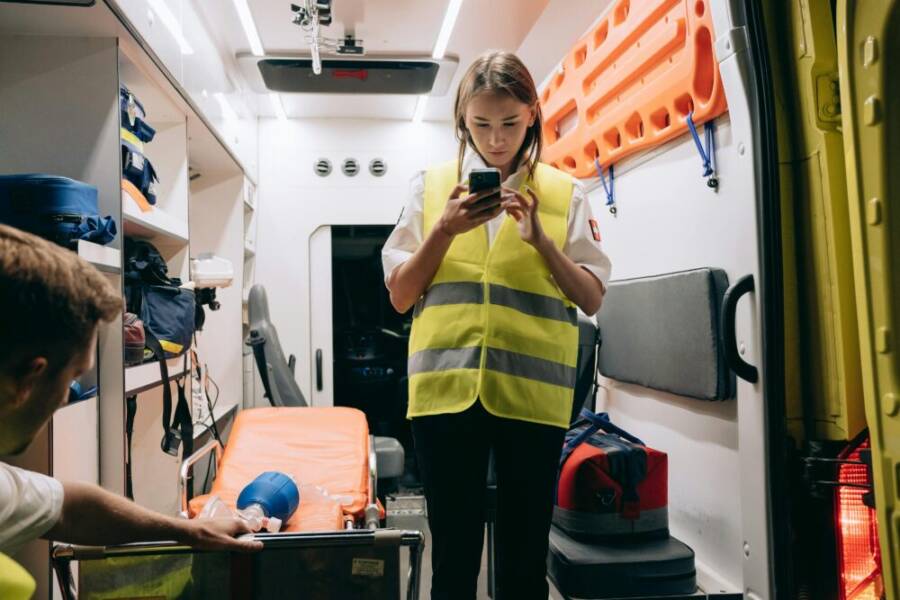
 Photo by Mikhail Nilov
Durability and rugged design
A phone that truly serves responders must stand up to the day’s worst conditions. Look for devices built to MIL-STD-810H or newer standards, which indicate testing for shocks, vibrations, extreme temperatures, and other harsh environments. At the very least, check for IP ratings that cover dust and water exposure.
- IP68 or IP69K protection means the phone resists dust and can survive immersion in water, with IP69K offering protection against high pressure water jets. This matters if you’re working in rain, mud, or near water sources.
- Drop resistance is more than a spec on a box. A phone that survives a fall onto concrete or pavement reduces downtime and replacement costs on the job.
- Glove-friendly screens help responders respond quickly when hands are dirty, wet, or wearing gloves. A screen that remains responsive with gloves on saves precious seconds.
- Real-world scenario: a responder drops a phone on concrete during a field transport; the device powers through the impact without screen cracks or sensor misbehavior, keeping GPS, comms, and data intact. In another incident, rain laps at the device during a critical call, yet the touchscreen remains responsive and readable.
For a quick screen of ruggedness, verify the combination of IP rating and MIL-STD-810H certification. Together they signal a practical, field-ready device rather than a consumer phone with a rugged case.
- Related reading: IP68, IP69K, MIL-STD-810H, and Beyond. https://www.agmmobile.com/blogs/agm-blogs/understanding-rugged-device-certifications-ip68-ip69k-mil-std-810h-and-beyond?srsltid=AfmBOopAcUe95Ff4_R-nqXdBTvQ5f3i8GtyokjmXquOXWkZiE9WSSFbA
- Military-grade durability overview: MIL-STD-810H certified devices. https://www.wonderfulpcb.com/blog/rugged-mobile-phone-standards-durability-ip68-mil-std-810h/
Battery life
Long shifts demand a phone that can last. Prioritize large, dependable capacity and practical charging options.
- Battery capacity: 5000mAh or more is a solid baseline for field work. More capacity extends usable time between charges during multi-site deployments.
- Swappable batteries provide a quick swap during a shift with limited charging opportunities. This is a straightforward way to keep devices alive on long operations.
- Fast charging helps reduce downtime between calls or during downtime in the field.
- Power saving modes can stretch a device through a full shift when charging is scarce.
Scenario: during a 12-hour patrol with two active incident calls and multiple navigation tasks, a 5000mAh+ battery with fast charging and a swappable option keeps the phone ready for crucial updates and push-to-talk sessions.
GPS and location services
In emergencies, precise location is not a luxury; it saves time and saves lives. Look for robust positioning features that work across environments.
- Dual‑frequency GPS enhances accuracy in urban canyons or heavily built areas where satellite signals struggle.
- Support for systems like GLONASS and Galileo provides additional satellite coverage, improving reliability when signal strength is compromised.
- Offline maps are invaluable in areas with weak or no cellular signal. A device with offline maps lets responders navigate and coordinate without a data connection.
- A practical note: accurate positioning helps dispatch and on-scene teams coordinate traffic control, establish perimeters, and guide responders through complex terrains.
Communication features
Clear, fast, and secure communications are the backbone of effective response.
- Push to talk (PTT) is essential for instant voice communication with teams on the ground.
- Satellite messaging fills gaps when cell service drops in remote areas or during large-scale incidents.
- FirstNet compatibility (where available) provides prioritized, reliable connectivity for public safety that keeps data and voice flowing during crises.
- Group communication reliability ensures multiple teams stay in sync, whether you’re coordinating a multi-agency response or a single unit operation.
These features together enable quick, confident decision making on the scene. When evaluating devices, confirm that PTT is fast, messages route clearly, and security is robust to protect sensitive information.
Top rugged phones for emergency responders in 2025
When seconds count and conditions are rough, the right rugged phone makes a real difference. Below are five standout models for responders in 2025. Each entry highlights durability, battery longevity, precise GPS, and reliable communications features that matter most in the field. Whether you’re on patrol, in a remote incident zone, or coordinating large multi-agency responses, these devices are built to perform when consumer phones fall short. And yes, a sturdy smartphone can still feel like an extension of your own gear.
Samsung Galaxy XCover7 Pro
Durability and design go hand in hand with the XCover7 Pro. This model is built to handle the inevitable bumps and wet conditions of field work without compromising usability.
- Durability and ruggedness: Mobile devices used by responders need to endure the rough every day. The Galaxy XCover7 Pro carries MIL-STD-810H certification and IP68 for dust and water resistance, ensuring it keeps functioning in rain, mud, and dusty environments.
- Removable battery option: In long shifts or disaster scenes with limited charging options, the ability to swap a battery on the fly keeps the device alive and responsive during critical moments.
- Knox security: Enterprise-grade security protects sensitive dispatch data, field notes, and location histories from compromise.
- PTT and glove-friendly screen: Push-to-Talk functionality paired with a responsive screen that works with gloves makes rapid coordination second nature, even in cold weather or after rain.
- FirstNet compatibility: When available, compatibility with FirstNet prioritizes public-safety communications, reducing call drops and latency in busy environments.
- Quick pros and ideal use case:
- Pros: Rugged build, removable battery, strong security, reliable PTT, glove-friendly touchscreen.
- Ideal use case: Day-to-day patrols and incident response where fast on-scene communication and dependable power are essential.
For more on rugged durability and certifications, see the FirstNet listing for the Galaxy XCover7 Pro and official Samsung specs. FirstNet users can expect prioritized connectivity to sustain voice and data during emergencies. https://www.firstnet.com/devices/phones/samsung-galaxy-xcover7-pro.html
CAT S75
The CAT S75 is a standout for teams that need enterprise-grade ruggedness and extended field work in remote areas. It blends a tough build with modern connectivity and satellite messaging capabilities.
- Tough build and protection: The S75 carries MIL-STD-810H level durability and IP68/IP69K ratings, meaning it can survive dust, water submersion, and high-pressure spray—common in rescue operations and muddy terrains.
- 5G readiness and satellite messaging: Fast data on the move helps responders pull up maps, relay updates, and coordinate teams. When cellular networks fail, satellite messaging can keep critical lines of communication open.
- Battery life: A robust 5000 mAh battery keeps you powered through long field days and multi-step missions.
- Robust GPS: Accurate positioning in remote or obstructed environments supports precise navigation and rapid scene assessment.
- Best for: Teams needing strong enterprise-grade ruggedness with reliable satellite connectivity for remote or disaster zones.
If you want more on how CAT S75 handles ruggedness and satellite features, you can review detailed specs and independent testing at sources like GSM Arena and the official CAT site. https://www.gsmarena.com/cat_s75-12140.php
Blackview BL9000 Pro 5G
The Blackview BL9000 Pro 5G balances rugged construction with practical field features. It’s a compelling option for units that require dependable push-to-talk and strong network readiness.
- Rugged design and 5G: Built to withstand tough environments, the BL9000 Pro 5G is ready for real-world field use with modern 5G capabilities that keep data flowing in fast-moving operations.
- Dual frequency GPS: Enhanced satellite reception helps maintain location accuracy in urban canyons or remote locations where signals can falter.
- Big battery: A sizable battery ensures long shifts without frequent recharging, a crucial factor during extended deployments or incident scenes.
- Field-friendly features: Push-to-Talk and other practical utilities make on-scene coordination smooth, even in demanding conditions.
- Policing and search and rescue suitability: The combination of ruggedness, connectivity, and GPS makes it a strong choice for police, fire, EMS, and search and rescue tasks.
For more on the BL9000 Pro’s rugged capabilities and field features, check trusted reviews and product pages. The device’s design and feature set align well with the needs of on-the-ground teams who rely on quick, clear comms in the line of duty.
She Pressed Play on a Strange Audio Track and Within Days Her Financial Reality Started Shifting in Ways She Could Not Explain
>>> See How It Works <<<
AGM Glory G1S
The AGM Glory G1S targets responders who work in night operations or hazardous settings. Its rugged chassis pairs with night vision or thermal imaging options to extend situational awareness after sundown or in smoke-filled environments.
- Ruggedness and certifications: The G1S is built to withstand demanding conditions with IP68/IP69K ratings and MIL-STD certifications, making it suitable for harsh sites and industrial environments.
- Night operation advantages: Optional night vision or thermal imaging tools give teams a crucial edge when visibility is limited, allowing faster scene assessment and safer navigation.
- Battery and endurance: A substantial battery supports long hours in the field, reducing downtime for charging.
- Ideal use case: This model shines for night patrols, search operations, or hazardous environments where enhanced vision tools and rugged reliability are essential.
If you’re evaluating devices for night operations or hazardous-site work, the AGM Glory G1S provides a compelling combination of rugged protection and advanced imaging options.
Conquest EX201
The Conquest EX201 targets industrial on-site use with a design that emphasizes safety and reliability in extreme conditions. It blends explosion proof design with field-ready capabilities.
- Explosion-proof design: ATEX and IECEx certifications indicate the device is built for hazardous environments, making it suitable for industrial sites and potentially explosive atmospheres.
- Long battery life and satellite messaging: The EX201 is designed to go long on a single charge while offering satellite messaging to maintain contact when networks are compromised.
- 5G and rugged protection: Modern connectivity pairs with rugged protection to support rapid data sharing, dispatch, and coordination across sites.
- Ideal use case: Best for on-site teams working in extreme conditions, such as large industrial plants, shipyards, or mining operations where safety and continuous comms are non-negotiable.
These features collectively help responders stay connected and capable in challenging environments, where both the device and the operator depend on reliable performance.
External resources to deepen understanding of each option:
- Galaxy XCover7 Pro on FirstNet and Samsung official pages: https://www.firstnet.com/devices/phones/samsung-galaxy-xcover7-pro.html
- CAT S75 official and reviews: https://www.clove-technology.com/products/cat-s75, https://thecatphones.com/
- CAT S75 Android Enterprise listing: https://androidenterprisepartners.withgoogle.com/device/#!/l3ZioUunSXQpsLbyivni
- CAT S75 review: https://www.techradar.com/reviews/cat-s75-rugged-phone-review
- BL9000 Pro 5G general coverage: official product pages and reputable reviews
- AGM Glory G1S specs and rugged credentials: official pages and review roundups
- Conquest EX201 industrial rugged phone details: official pages and safety certifications
If you want to compare these models side by side, I can assemble a quick-reference table with key specs such as IP rating, MIL-STD rating, battery capacity, PTT availability, satellite messaging options, and 5G bands. This makes it easy to align your team’s needs with the right device.
Tips for using and maintaining emergency responder phones in the field
In the field, your phone isn’t just a gadget—it’s a lifeline. These tips help ensure your device stays reliable during long shifts, in harsh weather, and across challenging terrain. The goal is simple: maximize uptime, protect sensitive data, and keep critical information flowing to dispatch and on-scene teams.
She Pressed Play on a Strange Audio Track and Within Days Her Financial Reality Started Shifting in Ways She Could Not Explain
>>> See How It Works <<<
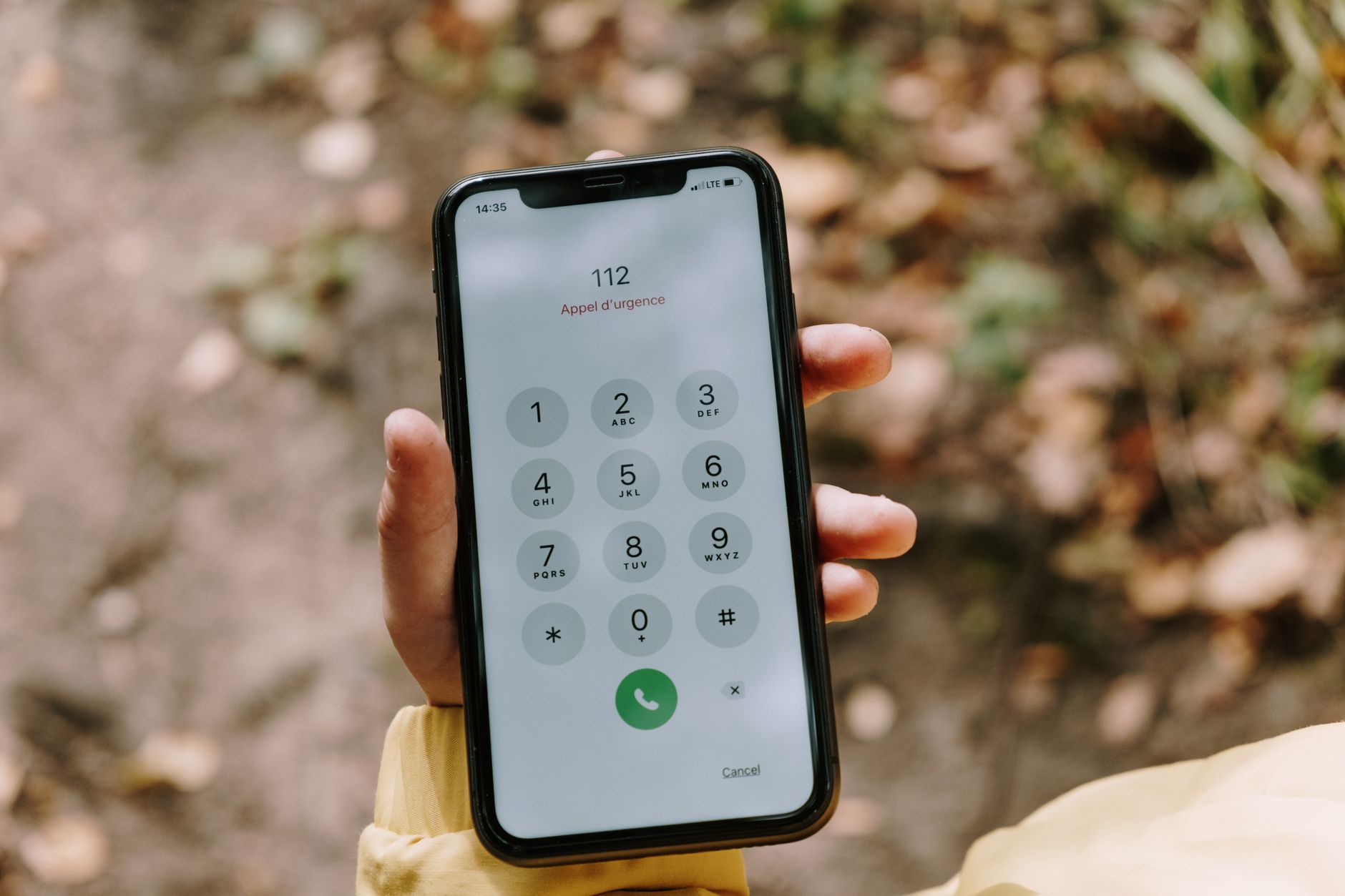 Photo by cottonbro studio
Battery management and charging
A dependable battery is non negotiable for responders. Build a charging routine that fits your shift pattern and backup plans.
- Set a daily charging cadence: Charge overnight whenever possible, then top off during lulls. A smartphone with a solid 5000 mAh or greater battery can cover a full 12-hour shift with moderate use.
- Spare batteries and swappable options: If your workflow includes long operations, have one or two spare batteries ready. Swappable batteries are a simple way to stay powered without hunting for a charger in the middle of a scene.
- Power saving modes and duty cycling: Enable a battery saver profile during low activity periods. Dim the display, turn off nonessential radios when appropriate, and limit background apps to reduce drain.
- Vehicle charging docks: Use docking stations in patrol vehicles and command trailers. A well-placed dock ensures chargers are available at handoff points, briefings, and incident command posts.
- Portable power banks: Have rugged, high-capacity power banks that can recharge a phone multiple times. Look for models with fast charge and pass-through capabilities so you can top up while using the device.
- Practical note: during a multi-site mission with back-to-back updates, a combination of a large-capacity battery and a swappable spare keeps you ready for PTT calls, mapping updates, and real-time messaging.
For further reading on keeping mobile devices charged in crises, see resources from energy and safety organizations. Keeping Mobile Devices Charged
- Quick tip: carry a small, rugged charging cable set and a weatherproof pouch to protect connections in rain or mud.
Apps and maps offline use
Offline capabilities are a must when service drops or goes intermittent. Plan ahead so critical data remains accessible anywhere.
- Download offline maps early: Before entering low-signal zones, pull down detailed maps and satellite imagery for your current area and planned routes. Apps with offline maps keep navigation, situational awareness, and route planning intact when you lose connectivity.
- Essential apps on standby: Install field-ready apps for dispatch, incident reporting, medical guidance, and asset tracking. Ensure they have offline data caches or quick sync when service returns.
- Map practice and label validation: Test offline routes with your team. Verify that waypoints, hazards, and restricted zones are properly labeled to prevent misdirection during critical moments.
- GPS reliability in urban canyons and forests: Dual-frequency GPS and support for multiple satellite constellations improve accuracy when skies are obstructed.
- Data access without service: Offline capabilities let you view critical documents or maps, coordinate with teammates, and maintain command continuity even in dead zones.
External resources to deepen understanding of offline mapping options:
- Offline Mobile Apps: Optimizing Emergency Response With Offline Maps and Workflows
- MAPS with offline capabilities and field readiness
- Field-ready offline mapping with Avenda maps and compatible devices
A practical tip is to validate offline map updates during a brief field drill. Use a test route to ensure you can navigate without cellular data, then confirm updates re-sync automatically when service returns.
Protection and security protocols
Field devices face more than weather and drops; they carry sensitive data. A robust protection plan reduces risk and speeds recovery after any incident.
- Rugged cases and screen protection: Choose cases that meet MIL-STD-810H standards and offer screen protection that resists scratches and impacts. A good combination of case and screen protector extends device life in rough environments.
- Device management and encryption: Use a centralized device management system to enforce encryption, lock screens, and remote wipe capabilities. Encryption protects dispatch data, location histories, and incident notes if a device is lost or stolen.
- Data backup plans: Regular backups to a secure server or cloud storage ensure you can recover important notes, maps, and communications after field operations.
- Privacy considerations: Limit data collection to what is essential for the mission. Use permissions and access controls to minimize exposure of sensitive information to unauthorized users.
- Disaster recovery and return protocols: Have a clear process for reporting damaged devices, requesting replacements, and securely transferring data from devices that cannot be recovered on-site.
Images and device accessories can visually reinforce these practices. If you’re curious about rugged protection standards and real-world testing, explore general resources on rugged certifications and safety guidelines.
For more on how to keep devices secure and prepared, you can review FirstNet compatible devices and enterprise security resources:
- FirstNet device pages for rugged phones, including secure connectivity and prioritization for public safety: https://www.firstnet.com/devices/phones/samsung-galaxy-xcover7-pro.html
- Enterprise-grade protection and review perspectives on rugged devices
By adopting a thoughtful charging routine, ensuring offline data availability, and enforcing solid protection protocols, your team can stay connected, informed, and ready when every second counts. If you want a quick side-by-side comparison of models with these features, I can assemble a compact table summarizing IP rating, MIL-STD, battery capacity, PTT support, satellite options, and 5G bands. This helps align your team’s needs with the right device.
Conclusion
Choosing the right rugged phone means matching durability, battery life, GPS accuracy, and secure comms to your team’s needs. The best choice fits your role, whether it’s patrols, remote incident work, or multi-agency responses, and stays reliable when networks falter. Compare models side by side to weigh IP and MIL standards, battery capacity, PTT options, and satellite messaging features against your mission demands. Start the selection process with a clear checklist, then test a few top options in real field conditions. Your team deserves a device that serves as a true extension of its gear, so choose smartly and keep the door open for future upgrades. If you have questions or want a quick side by side table of specs, drop a note and I’ll help you map the best fit for your unit.
There Is a Frequency That the Wealthiest Families Have Used for Generations and Most People Will Never Know It Exists
>>> Open the Door <<<
