Thousands of People Were Struggling With Money Until They Discovered This One Ancient Secret Hidden in Sound
>>> Unlock It Now <<<

Busy days pile up and time slips away when tasks stack faster than you can sort them. Your phone can be the ally you need, keeping reminders, calendars, and to-dos in one place so you stay on track. A good set of time management apps can curb distractions and help you reclaim chunk of focused work time.
This guide highlights top options for your smartphone, from simple lists to powerful trackers. We’ll look at why each one shines on a phone, how notifications can keep you moving, and where they fit in a busy day. Whether you juggle meetings, deadlines, or personal goals, there’s a solution that fits your style.
You’ll see popular picks like Todoist, TickTick, Forest, Toggl Track, and Any.do, along with quick notes on setup and everyday use. The goal is clarity, not clutter, so you can pick apps that actually boost productivity without adding friction. Do you want more control over your day? This introduction sets up the essentials and what to expect in the rest of the post.
Why Time Management Apps Improve Your Phone Routine
Time management apps transform how you interact with your phone. They turn scattered tasks into a clear rhythm, making it easier to stay on track without feeling overwhelmed. With the right app, your phone becomes a personal assistant that nudges you toward meaningful progress instead of pulling you into distractions. Here’s how these tools improve your everyday routine.
He Was Drowning in Bills and Burnout Until a Simple Daily Ritual Rewired His Brain for Wealth in Less Than a Week
>>> Start Your Shift Today <<<

Streamlined Task Capture
One of the biggest wins is capturing ideas, to-dos, and reminders the moment they pop up. Instead of jamming notes into multiple places, you create a single source of truth. This reduces cognitive load and prevents tasks from slipping through the cracks. When you can add items with a quick tap, you’re more likely to act on them later. Apps that sync across devices ensure you see the same list whether you’re at home or on the go, keeping your smartphone work in harmony with your day.
- Centralized lists keep priorities visible.
- Quick add features prevent idea loss.
- Cross-device syncing ensures consistency.
This simplicity directly boosts your efficiency. For many, the act of capturing a thought is the first step toward completing it.
Better Focus with Notifications
Notifications can be a double edged sword, but well configured, they become a powerful ally. Time management apps deliver gentle nudges for upcoming deadlines, focus sessions, or break times. The goal is to guide you without interrupting flow. By batching alerts and using quiet hours, you cut down on random interruptions that derail momentum. A focused pattern emerges: work, check, then return to tasks with renewed clarity.
- Timers and wake words keep you in the groove.
- Focus modes isolate distractions during deep work.
- Smart reminders align with your daily schedule.
If you’ve ever felt pulled in a dozen directions, a smart notification strategy can reclaim your minutes. It helps you act on tasks when they’re still fresh, rather than letting them linger in your mind.
Data-Driven Insights
Time management apps collect data that reveals how you actually spend your day. You’ll see which tasks eat the most time, when you’re most productive, and where procrastination sneaks in. This awareness is empowering because it moves you from guesswork to evidence. With simple charts and summaries, you can adjust your routine to protect your peak hours and reduce wasted time.
- Identify your most productive windows.
- Spot recurring time sinks and adjust.
- Use historical data to forecast future capacity.
These insights foster a more deliberate approach to your phone routine. Instead of chasing perfection, you optimize what already works and prune what doesn’t.
Habit Formation and Routine Confidence
A consistent routine is built in small, repeatable steps. Time management apps make that repetition easy by offering daily agendas, habit trackers, and streaks. When you complete a task at a regular time, your brain learns to expect a pattern, which strengthens habit formation. Over weeks, small wins accumulate into real momentum. The result is a reliable routine you trust, not one that relies on willpower alone.
- Daily checklists create predictable flow.
- Habit streaks reinforce positive behavior.
- Regular reviews keep your goals in sight.
As your routine strengthens, you’ll find yourself relying less on mental reminders and more on automatic, healthy habits.
Choosing the Right Clock: Features to Look For
Not every app fits every person. The best choice aligns with how you work, not just what sounds impressive. Here are features that consistently pay off:
- Quick capture and natural language input for tasks.
- Seamless calendar integration to link events with tasks.
- Flexible reminders and customizable focus modes.
- Cross-platform syncing so your data follows you everywhere.
- Simple reporting or dashboards that show progress at a glance.
If you’re unsure where to start, look for apps that offer a free tier or a trial period. This makes it easy to test whether features, notifications, and the user experience match your habits.
For readers seeking more perspective, reputable resources discuss how mobile time tracking and task management can boost productivity, including practical takeaways on how to structure your day with apps. For a broader view, you can explore guidance on how apps can supercharge productivity and how to reclaim your time through thoughtful scheduling. These sources provide context and real-world examples to help you pick the right tools. See for instance: How Apps Can Supercharge Your Productivity, How Mobile Time Tracking Apps Improve Focus, and 15 Ways Your Phone Can Improve Your Productivity.
Key Features That Make Time Management Apps Shine
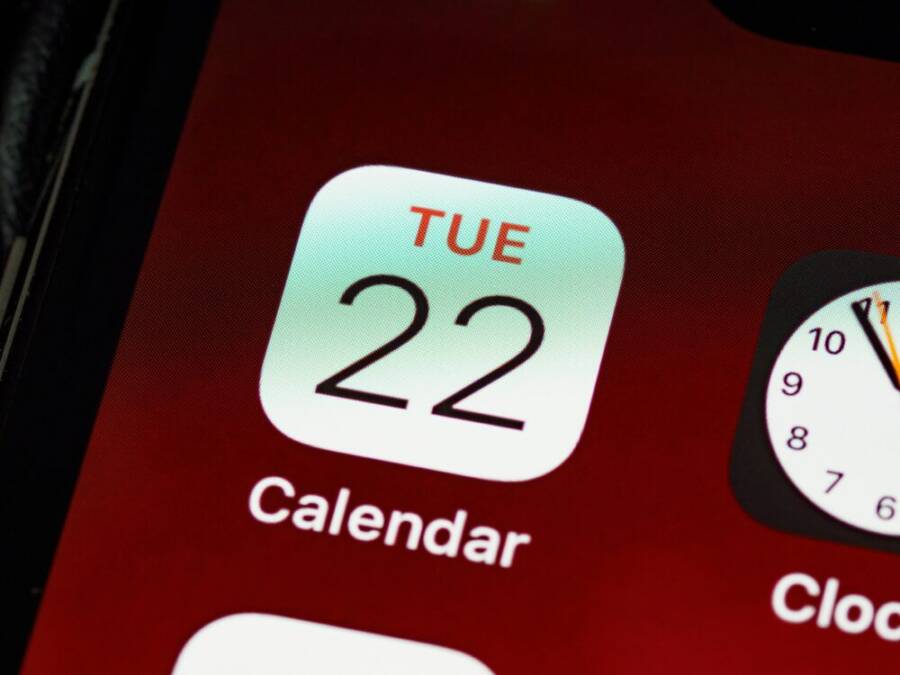
Smartphone time management apps can feel like a personal assistant in your pocket. They turn chaos into clarity with intuitive task capture, smart reminders, and data you can actually act on. In this section, we’ll zoom in on the standout features that make these apps particularly effective on a phone. Each feature is geared toward real-world use, so you can choose tools that fit your daily rhythm.
 Photo by Brett Jordan
Task Lists and Smart Reminders
A thoughtful task system starts with fast, reliable capture. Drag-and-drop lists on phones let you reorder priorities with a simple touch, so you can reflect what matters right now. When ideas strike, you add items in seconds and keep them in a single, synchronized place. That means your to-dos stay consistent across your devices, whether you’re at home or on the move.
- Drag-and-drop: Move tasks into priority positions without retyping.
- Location-based alerts: Remind you when you reach a place linked to a task, like picking up groceries when you’re near the store.
- Priority tags: Flag urgent items with color or label cues so you see what matters at a glance.
- Recurring tasks: Set daily, weekly, or custom recurrences to automate the boring parts of your routine.
Smart reminders extend beyond simple due dates. They align with your day, nudging you at the right moments. For example, a reminder to email a client can trigger just before your typical work window, not in the middle of a meeting. The goal is to reduce friction so you act, not remember to act later.
To get the most from reminders, look for apps with flexible timing options and calendar integration. When tasks appear in your calendar as well as in your to-do list, you gain a unified view of obligations and free time.
If you want a comparison of strong to-do list options, these references summarize how leading apps handle tasks, reminders, and priorities:
- Todoist and TickTick styles, with smart lists and tags
- Comprehensive reviews of top to-do apps
Pomodoro Timers for Deep Focus
The Pomodoro Technique divides work into focused sprints with short breaks. On a phone, that means a timer that starts with a single tap and a clean progress view. The best apps present both the timer and useful break options, plus stats you can scan between sessions.
- Deep focus sessions: Typically 25 minutes of work followed by a 5 minute break.
- Break variety: Short breaks refresh, long breaks reset with extended rests after several cycles.
- Progress stats: Session history shows streaks, total time spent on tasks, and productivity trends.
Phone-based Pomodoro timers shine because they stay with you wherever you work. Some apps lock the screen during a session to prevent accidental peeking at messages, which helps maintain flow. In practice, the visible timer creates a compelling tempo: you know when to push and when to pause.
Key settings to look for:
- configurable durations for work and break periods
- optional auto-start for the next session
- lock mode or app quarantine to minimize notifications during focus
If you’ve struggled with scattered focus, a Pomodoro timer can recreate a steady rhythm that mirrors your best work moments.
Time Tracking and Habit Insights
Time tracking on a phone should feel effortless, not like a chore. The strongest apps offer both manual tracking and automatic activity detection, so you can capture time without friction. When you review reports, you’ll see where your day actually goes and spot patterns you can fix.
- Manual tracking: Start and stop timers for tasks when you’re actively working.
- Auto-tracking: The app observes activity in the background and logs time by task category.
- Reports and dashboards: Quick visuals reveal time spent by project, client, or goal.
- Habit insights: Track routines you want to build and see how consistently you stick to them.
The practical payoff is simple: you learn where time leaks come from. Maybe emails take longer than you expect, or meetings expand beyond their agendas. With clear data, you can reallocate time to high-value work and cut back on low-value tasks.
When you review weekly summaries, look for trends like your most productive hours, days when interruptions spiked, and recurring time sinks. Use those insights to shape your calendar, swap tasks, or adjust focus blocks.
Visuals, Workflows, and Cross-Platform Sync
Every great time management app feels like it was designed for your life, not your laptop. A strong mobile experience folds in visuals and workflows that fit how you actually work.
- Simple dashboards: A glance should tell you what’s due, what’s in progress, and what’s next.
- Quick add with natural language input: Type a task as you think of it, and the app interprets it instantly.
- Calendar linking: Tasks and events share a single spine so you never double-book yourself.
- Cross-platform sync: Your data travels with you, whether you’re on iPhone, Android, or web.
These features matter because your phone is always with you. When the app feels intuitive, you use it more often, and small wins compound into real progress.
What to look for when choosing a feature set
- Natural language task entry for fast capture
- Strong calendar integration to connect events and tasks
- Flexible reminders and quiet hours to reduce noise
- Clear reports that confirm progress at a glance
Further reading for context and real-world usage can be found in reputable reviews that compare to-do apps and their ability to organize work effectively. See recommendations like the best to-do list apps for 2025 and professional reviews that compare Todoist, TickTick, and other leaders in this space. These sources provide practical guidance on feature sets and real-world usefulness.
External resources
Thousands of People Were Struggling With Money Until They Discovered This One Ancient Secret Hidden in Sound
>>> Unlock It Now <<<
- 7 best to do list apps of 2025
- The 3 Best To-Do List Apps of 2025
- Tasks: To Do List & Reminders on Google Play
- 12 Best Time Management Apps for 2026
Images and captions are included to illustrate how these features play out on a real phone, helping you picture how your day would feel with a well organized toolkit.
By focusing on these core features—task lists and smart reminders, Pomodoro timers for deep focus, time tracking with habit insights, and a streamlined visual workflow—you can pick a time management app that genuinely enhances your daily routine. The right combination of capture, focus, and insight turns your phone from a distraction into a productivity companion.
Top Time Management Apps for iPhone and Android
Stay organized on the go with time management apps that fit in your pocket. Each option below is tailored for mobile use, so you can capture tasks, schedule focus, and review progress anywhere. We’ll highlight what makes each app shine on a phone, plus practical notes on setup and daily use. If you want a quick read on why these tools work well on smartphones, keep scrolling to the specific sections.
Todoist: Organize Tasks with Ease
Todoist is a veteran in the task management space, built to capture ideas fast and organize them into clear projects and labels. On a smartphone, natural language input lets you add items like “Finish report by Friday @Office #Work” and have them parsed into the right project and date. The app centers on a clean, distraction-free interface that works well for solo use or team collaboration.
Pros include a polished, intuitive design and easy team sharing. You can assign tasks, comment for context, and attach files, all in one place. A strong plus is the menu of filters and labels that help you sort what matters now and what can wait. Cons to note: some advanced features require a Premium plan at about $4 per month, which is a buy-in if you need heavy collaboration or automation.
On the phone, Todoist shines with quick capture and voice notes. You can snap a quick thought, convert it into a task, and forget about it until it surfaces in your daily plan. For cross-device workflows, Todoist syncs across iPhone, Android, and the web, so your priorities stay aligned wherever you work. If you’re new to Todoist, start with a simple project like “Weekly Planning,” then layer in labels, due dates, and a basic filter view to see priorities at a glance. For more context on how Todoist compares and where it excels, see Todoist’s official site and a reputable review that highlights its collaboration strengths.
- Quick capture, natural language input, and cross-platform sync
- Projects and labels for clear organization
- Karma points and productivity features for motivation
- Premium at a small monthly fee for advanced needs
Useful links: Todoist official site, Todoist on the App Store, Todoist on Google Play, TechRadar review
He Was Drowning in Bills and Burnout Until a Simple Daily Ritual Rewired His Brain for Wealth in Less Than a Week
>>> Start Your Shift Today <<<
TickTick: All-in-One with Pomodoro Built In
TickTick positions itself as a compact, all-in-one planner with a built-in Pomodoro timer. The calendar view is handy for stepping back and seeing both tasks and upcoming events in one glance. The habit tracker and an Eisenhower matrix help you separate urgent from important work without juggling multiple apps.
Pros include a very affordable Premium option, priced at about $3 per year, and a robust Android widget that stays visible on your home screen. A potential drawback is a steeper initial learning curve as you unlock the full feature set. On iPhone or Android, TickTick supports offline mode, so you can add and view tasks even without a data connection, then sync when you’re back online.
In daily use, the Pomodoro timer is a standout for phone-powered focus sessions. You can start a timer directly from a task, then take guided breaks, with stats to track consistency. The calendar view integrates tasks with your schedule, reducing the chance of double-booking. If you want deeper focus without switching apps, TickTick offers a compact, reliable experience that scales with your needs.
- All-in-one planning with built-in Pomodoro
- Calendar view, habit tracking, Eisenhower matrix
- Affordable Premium, strong Android widgets
- Offline mode for uninterrupted work
Further reading and hands-on details can be found on TickTick’s site and reputable reviews that compare it to other to-do apps for feature depth and ease of use.
Forest: Grow Trees While You Focus
Forest turns focus into a game. Start a focus session, and a virtual tree grows as long as you resist using distracting apps. If you leave the app, the tree withers. The idea is simple but surprisingly motivating, especially for phone-heavy days when notifications pull you away from the task at hand.
Pros include high engagement and the ability to block other apps during focus sessions, which makes it a fun nudge toward deep work. The main con is that it does not present a full task list inside the app, so you’ll still rely on another app or a notebook for task management. The phone experience centers on Stay-Away mode, which aligns well with the goal of reducing interruptions.
Forest also supports a real planting option through partnerships, giving your focus time a tangible, positive impact beyond your screen. For many users, this gamified approach builds a reliable routine, turning focus blocks into a habit you actually look forward to.
- Gamified focus with virtual trees
- Real planting option through partnerships
- fun, distraction-blocking approach
- Limited task management inside the app
If you want to try a playful yet effective focus companion, Forest pairs nicely with a separate task manager to handle planning and execution.
Toggl Track: Track Time Like a Pro
Toggl Track is a lightweight time tracker that emphasizes quick data capture and clean reports. On a phone, you’ll appreciate the one-click timer that starts with a tap, so you can log time right as you work. The app’s reporting capabilities shine when you need to show clients or teammates how your day actually went.
Pros include a robust free tier and a Pomodoro add-on for deeper focus work. It’s strong on time tracking rather than task management, so you’ll want a separate system for to-dos if you need that level of organization. A phone-specific perk is GPS timelines, which can help you map where you worked on tasks, useful for consultants and field-based roles.
Keep in mind that Toggl’s strength lies in measuring time rather than listing tasks. If your goal is to understand how you spend hours, Toggl Track offers clear, actionable insights that you can export into reports or invoices. For best results, pair Toggl with a task app to align time spent with specific actions.
- One-click timer, robust reports
- Idle detection and activity reminders
- Free tier is solid; Pomodoro add-on available
- GPS timelines on mobile for location context
For more perspective, explore Toggl’s official site and independent reviews that compare tracking apps and their reporting capabilities.
Any.do: Simple Lists That Get Things Done
Any.do combines simple lists with practical extras like a moments widget and grocery lists. The WhatsApp reminders feature makes it easy to nudge teammates or family members when a task crosses a shared boundary. On phones, the experience is smooth and straightforward, with gesture-driven interactions that feel natural on touch screens.
Pros include voice entry for quick capture, and a solid free basics tier that covers the essentials. Cons in the free plan can include ads, which may distract light users. The mobile design emphasizes quick gestures and fast task entry, so you can capture ideas the moment they occur and keep your day moving.
In daily use, the moments widget offers a glanceable pass at tasks, while grocery lists keep shopping quick and organized. The WhatsApp reminders feel handy for coordinating with others who don’t use the same app. If you want a no-frills, effective approach to lists, Any.do provides enough depth to handle both personal and collaborative tasks.
- Moments widget and grocery lists
- WhatsApp reminders for easy sharing
- Voice entry and free basics
- Ads in the free version
External references to compare options and see user experiences can be found on Any.do’s official site and credible app reviews, which help you weigh the simple approach against more feature-rich competitors.
Pick the Right App and Start Winning Your Day
Choosing the right time management app isn’t about chasing the latest feature. It’s about finding a tool that fits your daily flow, respects your attention, and scales with your goals. On a smartphone, the best app feels invisible in use: it captures ideas, nudges you at the right moments, and never fights you for control. Below is a practical framework to help you test options and land on a setup that actually helps you win your day.
Evaluate Your Daily Rhythm
Before you download a dozen apps, map how you actually work. Do you rely on quick notes, or do you prefer a calendar-driven plan? Are you juggling several projects, or focusing on a few high‑impact tasks? A quick audit can save you time.
- If you thrive on a single inbox for tasks, look for a simple app with robust filtering and easy cross‑device syncing.
- If you need to plan around meetings, prioritize calendar integration and bidirectional syncing so tasks and events stay aligned.
- If focus is your bottleneck, consider apps with built‑in focus modes or Pomodoro timers.
Remember, the right app should feel like a natural extension of your routine, not a forceful change to your habits. For a broader view on how people compare top options, see credible roundups that weigh ease of use, pricing, and real‑world usability.
Hint: when testing, keep your smartphone in your pocket and observe how often you reach for the app. A tool that sits idle isn’t helping you. Look for one that you’ll open in the morning and again before bed to review priorities and progress.
Test Drive Shortlists: A 2‑App to 3‑App Approach
Start with two or three strong contenders. Don’t chase every shiny feature. Focus on capture, reminders, and the way the app shows you today’s priorities.
- Quick capture: Can you add a task in one tap, with natural language input if possible?
- Reminders and focus: Are there predictable, customizable nudges that don’t scream for attention?
- Visual clarity: Is the daily plan easy to scan in a glance, even on a small screen?
In practice, you’ll want to see how each app handles your typical day. For instance, one app may excel at rapid capture and simple lists, another at calendar‑driven planning, and a third at time tracking and reporting. A good approach is to pair a robust task manager with a lightweight time tracker. As you compare, note which design choices reduce friction and which create friction you don’t need.
If you’re unsure where to start, consult reputable reviews that compare major options. These sources help you see how leading apps behave in real life and what users value most.
Plan a 2‑Week Trial: Try, Tweak, Decide
Give each candidate a practical trial window. A fortnight is enough to test daily use and edge cases. Use a simple, repeatable setup to compare apples to apples.
- Week 1: Capture and plan. Add tasks with due dates, link to a calendar where possible, and test focus features like timers.
- Week 2: Reflect and adjust. Review time spent on tasks, check if reminders align with your schedule, and measure how often you act on planned work.
During the trial, keep notes on:
- How easy it is to capture ideas on the fly
- How the app handles your calendar and meetings
- Whether your focus sessions help you stay in flow
- The honesty of the reporting and insights you get
If a tool feels clunky after several days, it’s a sign to pivot. The goal is a setup you’ll keep using, not something that starts strong and fades.
Helpful reference: credible comparisons examine how to balance task management with time tracking, showing practical paths to better daily planning. You’ll find perspectives that help you decide when to pair a to‑do list with a calendar or a dedicated time tracker.
How to Switch Seamlessly: Minimal Friction Migration
Moving from one app to another should save time, not cost it. Plan a smooth transition so you maintain momentum.
- Map your essential data: tasks, due dates, and recurring items. Export or replicate them in your new app where possible.
- Start with the big rocks: migrate your top three to five high‑priority tasks first so you can see immediate benefits.
- Keep a fallback approach: use the new app for formal planning while keeping a lightweight notes app until you’re comfortable.
- Automate where you can: use simple automations to copy reminders or calendar events when applicable.
A well‑executed switch lets you preserve your existing routines while gaining a clearer, more actionable day plan. It’s not about abandoning your old system, but about choosing a tool that respects how you work.
Practical Setup Tips for Mobile Use
A phone should feel like a convenient companion, not a jailer of your time. Here are quick tips to optimize usability on everyday devices.
- Enable a calm notification profile: limit alerts to essential reminders and focus cues.
- Use calendar‑first views: prioritize tasks that map to real time and commitments.
- Add a simple daily ritual: spend 2 minutes each morning to review today’s plan and one task as the top priority.
- Keep the interface clean: hide or archive completed items to reduce cognitive load.
If you want a broader sense of how top apps compare, you can explore reviews that examine the balance between task lists, calendar integration, and time tracking. These insights help you see which apps excel in real life, not just in theory.
External references to guide your evaluation and provide real‑world context include credible roundups and in‑depth reviews of popular time management apps. They can help you understand what makes a good mobile experience and where certain tools shine. For broad context, see sources like best to‑do list app comparisons and expert reviews that contrast Todoist, TickTick, and similar options.
External resources
- 12 Best Time Management Apps for 2026
- The 3 Best To-Do List Apps of 2025 | Wirecutter
- I Tried the Top 5 Time Management Apps – The Electronic Pen
Smartphone use tip: the right app should feel natural on mobile. It should slot into your day without demanding more attention than you want to give.
By choosing the right app and following these steps, you turn your smartphone into a reliable productivity partner. You reduce friction, strengthen routines, and reclaim time for what matters most. If you’re ready for a practical starting point, begin with two solid options, test them for two weeks, and let clarity guide your choice.
Conclusion
If you want a calmer, more productive day, start with one strong time management app on your smartphone. Todoist, TickTick, Forest, Toggl Track, and Any.do each offer distinct strengths, from fast capture and clear reminders to deep focus and useful time tracking. The right choice is the one that fits your daily rhythm and reduces friction rather than adding it.
Recap of the benefits: quick capture keeps ideas from slipping away, smart reminders nudge you at the right moments, focus features cut distractions, and time reports reveal where your day actually goes. Pairing a task manager with a lightweight timer or habit tracker often delivers the best results. A clean visual plan on your phone makes progress visible and motivation steady.
Download one today to reclaim minutes and reclaim control. A simple experiment can show you what works best for you and your routine. Keep the setup minimal, test two options, and compare how they fit into your mornings and evenings.
What app will you try first? Share your choice in the comments and tell us how it changes your day. If you already use a favorite tool, tell us what you like most and what surprised you after a week of use. Your experience can help others choose wisely and stay on track.
What If the Only Thing Between You and the Life You Deserve Is a Hidden Wealth Code Waiting to Be Activated
>>> Open the Door <<<
