What If the Only Thing Between You and the Life You Deserve Is a Hidden Wealth Code Waiting to Be Activated
>>> Open the Door <<<

We all start the day with good intentions, then chaos slips in as notifications pile up and tasks drift away. Quick wins feel out of reach, and focus slips through our fingers. What if your smartphone could actually help you reclaim those lost minutes?
Recent studies show many adults waste up to two hours a day on distractions and scattered notes. That adds up to weeks each year spent chasing deadlines instead of crossing them off your list. The right tools can cut that drift, helping you stay on track with less stress.
In this guide you’ll see how productivity apps can boost focus, organize tasks, and speed up your routines. You’ll learn what to look for in an app, why certain features matter, and how to fit them into your day. We’ll cover categories like task managers, calendar helpers, note taking, and focus aids so you know exactly where to start.
These recommendations work on both iOS and Android smartphones, so you can build a simple system that travels with you. You’ll get a clear sense of which apps fit a busy lifestyle, and how they work together rather than competing for your attention. Ready to streamlining your day and reclaim time you’ve lost to chaos? Here are the top picks to try first.
He Was Drowning in Bills and Burnout Until a Simple Daily Ritual Rewired His Brain for Wealth in Less Than a Week
>>> Start Your Shift Today <<<

Key Features to Seek in Top Phone Productivity Apps
A great productivity app on your phone isn’t just about a clean interface. It should actively reduce friction, keep you focused, and fit into your daily routine. Below are the essential features to look for when evaluating top contenders. Each trait helps you get more done with less stress, no matter how busy your day gets.
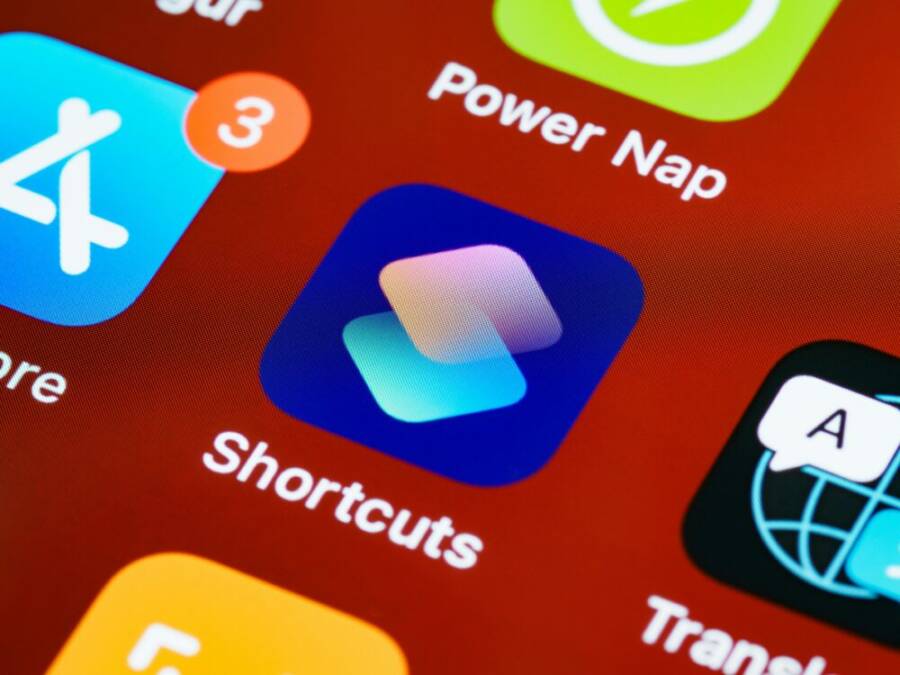
 Photo by Brett Jordan
Clear task management and prioritization
A strong productivity app makes it easy to capture tasks quickly and assign clear priorities. Look for:
- Quick add with natural language input to create tasks in seconds.
- Simple prioritization by due date, importance, and context.
- Subtasks and checklists that break big goals into actionable steps.
- Visual cues like color codes or badges to show what matters most today.
Effective task management reduces the mental load. You should feel a sense of progress with every completed item, not a cluttered backlog that never gets touched.
Real-time focus controls
Distractions derail momentum. The best apps offer built-in focus tools that are easy to deploy:
- Focus modes or Do Not Disturb options that silence non-essential alerts.
- Timers for deep work sessions and short sprints, plus flexible break reminders.
- Reachable distractions blockers, such as app-specific restrictions during focus blocks.
- Minimalist, distraction-free modes for quick bursts of work.
These features help you protect chunks of time so you can finish tasks faster and with higher quality.
Seamless calendar and reminder integration
Your schedule should feel like a single, cohesive system. Seek apps that blend calendars, reminders, and tasks smoothly:
- Two-way sync with major calendar services so events appear in one place.
- Smart reminders that adapt to your routine, nudging you when it’s time to act.
- Agenda views that show what’s due today and what’s coming up next.
- Travel and time-zone aware scheduling for when you move between places or across borders.
A well-integrated calendar keeps you from double-booking and helps you plan with confidence.
Notes and document capture that actually works
Notes are where ideas become action. The right app handles quick capture without friction:
- Rich text support, checklists, and the ability to attach photos or files.
- Tagging and search that let you locate notes in seconds.
- Handwriting or voice-to-text options for fast capture on the go.
- Cross-device syncing so you can pick up where you left off on another device.
Notes should feel effortless, almost invisible, so you don’t lose your train of thought.
Cross-device continuity
Phone productivity shines when your progress follows you. Look for:
- Sync across iOS, Android, and desktop platforms so your data stays current.
- A consistent interface that reduces the learning curve.
- Cloud backups and offline access for when you’re without a connection.
- Export options for your data in common formats.
If your system travels with you, you’ll stay in flow no matter where you are.
Robust data security and privacy controls
Trust matters. Prioritize apps with clear privacy practices and safeguards:
- Local-only or encrypted data storage for sensitive information.
- Optional two-factor authentication and biometric access.
- Transparent permissions that don’t request more data than necessary.
- Clear data export and deletion options so you can control your footprint.
Your productivity should empower you, not compromise your privacy.
Customization and automation
A powerful app adapts to your workflow, not the other way around:
- Customizable dashboards and widgets for fast access to your most-used functions.
- Shortcuts and automation that automate repetitive actions.
- Templates for recurring project types or routines, so you don’t start from scratch.
- Scripting or automation channels that don’t require coding experience.
Automation saves time and reduces repetitive, mind-numbing tasks.
Accessibility and inclusive design
An app that works for everyone makes your life easier over the long run:
- Adjustable font sizes, color contrast, and screen reader compatibility.
- Simple navigation with clear labels and logical flows.
- Voice input and haptic feedback that enhance usability.
- Localization options so you can use the app in your preferred language.
Accessible design broadens who can stay productive without added effort.
Performance, battery life, and offline reliability
A great app stays responsive without draining your phone:
- Smooth transitions, fast load times, and minimal lag during heavy use.
- Efficient background processes to save battery life.
- Offline mode for essential features when you’re without internet.
- Regular updates that fix bugs and improve stability.
Frustration-free performance keeps you in the zone.
Evidence-based recommendations and community input
Finally, the best productivity apps are supported by real-world experiences:
- Independent reviews that test for reliability and value.
- Community feedback that highlights practical strengths and weaknesses.
- Updated roundups that reflect evolving features and mobile trends.
If you want to hear experiences from other users, reputable sources can save you time during selection.
Practical roadmap for choosing your top app
To land on the right option, follow this simple process:
- List your must-have features (focus, calendar, notes, automation).
- Shortlist two to three apps that meet those needs.
- Try a two-week trial to test real-world fit.
- Check how well each app plays with your existing tools.
- Pick one to start and review after a month.
A deliberate approach avoids buyer’s remorse and ensures your tool becomes a natural ally in your daily routine.
Where to start: trusted sources for deeper dives
If you want deeper insights and current recommendations, these sources offer solid overviews and hands-on tests:
- The Best Productivity Apps We’ve Tested for 2025 from PCMag
- 12 Best Android Apps for Productivity in 2025 from Apploye
- A practical roundup of popular productivity picks on Android Authority
These guides are useful for validating your choice and discovering lesser-known options that fit your workflow. For a broader look at how people balance focus and task tracking on their smartphones, you can explore discussions and practical tips on reputable tech communities. And if you’re curious about how these tools integrate with broader routines, consider how a well-chosen app complements other habits you’re building, like a short daily planning ritual.
Extra reading and resources:
- Android Authority: best productivity apps for 2025
- PCMag: The Best Productivity Apps We’ve Tested for 2025
By focusing on these features, you can choose a top phone productivity app that truly fits your life. A great tool becomes a partner, not a task to manage. If you’re ready, one strong option to start with is a robust task manager that also handles calendar events and quick note capture. It can serve as the backbone of a simple, repeatable system you can rely on every day.
External links for deeper context:
- The best productivity apps roundup: https://www.pcmag.com/picks/best-productivity-apps
- Android Authority’s 2025 productivity app roundup: https://www.androidauthority.com/best-productivity-apps-2025-3581959/
Best Task Management Apps to Organize Your Day
When your day is packed with small tasks and big goals, a solid task management app can be a quiet productivity partner. These tools are designed to capture ideas, organize tasks, and keep you moving forward without getting in the way. Below are two standout options that work well on phones, offer practical features, and fit into a busy routine. Read on to see how each one can help you organize your day more effectively.
Todoist: Simple Lists That Get Things Done
Todoist is a clean, reliable task manager built for fast input and easy organization. It shines when you want to capture tasks quickly and convert them into a clear action plan. The app’s natural language input makes adding tasks effortless; you can type “Submit report by Friday” and Todoist will parse the due date automatically. That small touch reduces friction and helps your list stay current.
Key features that make Todoist practical for day-to-day use include labels, priorities, and reminders. Labels let you categorize tasks by context, such as @phone, @home, or @this-week, so you can filter quickly when you have a moment to focus. Priorities help you distinguish must-dos from nice-to-dos, which keeps your most important items visible. Reminders ensure nothing slips through the cracks, whether you’re at your desk or on the go.
Phone widgets and voice entry extend Todoist’s reach beyond the app. A glance at your home screen shows your most urgent tasks, while voice input lets you add items while you’re walking or cooking. The widget approach is especially handy when you need a quick scan of today’s commitments.
Pros:
- Clean design that’s easy to learn.
- Karma points system that adds a playful nudge to complete tasks and maintain momentum.
- Strong integration with other apps and services, so tasks stay synced across devices.
Cons:
- Some advanced filters and automation features require a premium plan.
- The learning curve can feel steeper if you want to master project templates or complex workflows.
Quick start guide:
- Capture tasks with natural language input, set due dates, and assign a label.
- Use the “Today” view to focus on what’s due now.
- Add a reminder for high-priority items so you won’t forget.
- Explore keyboard shortcuts and the quick-add bar to speed up entry.
Todoist works well for individuals and small teams who want a straightforward system that scales. If you prefer a framework that you can grow into, Todoist provides a reliable backbone for a simple, repeatable productivity process.
Further reading and validation:
- For a thorough review of Todoist’s interface and capabilities, see PCMag’s Todoist Review. It highlights the clean design, cross-platform availability, and collaboration tools that keep Todoist competitive in a crowded space. Read more at: Todoist Review by PCMag
- If you want a more skeptical take that tests mobile input and ongoing usability, The Business Dive’s Todoist review covers how the app performs in real-world scenarios. Check it here: Todoist review (2025): Is it worth it anymore?
Todoist is a solid starting point if you value a simple, fast path from capture to action. It helps you build a dependable routine with minimal friction, so you can stay focused on finishing tasks rather than organizing them.
TickTick: All-in-One Task Powerhouse
TickTick positions itself as an all-in-one solution, handling tasks, calendar events, and momentum-building habits in one place. The app’s breadth makes it appealing if you want a single tool that covers planning, execution, and time tracking without juggling multiple apps.
A standout feature is the built-in Pomodoro timer. You can set a work session, lock in a focus block, and watch your progress in real time. This tight feedback loop helps you stay in the zone and measure productive stretches. TickTick also includes habit tracking, so you can turn daily routines into measurable outcomes. When you’re ready to glance at your day from a broader lens, the calendar view aggregates tasks and events in one place, reducing the back-and-forth between apps.
What If the Only Thing Between You and the Life You Deserve Is a Hidden Wealth Code Waiting to Be Activated
>>> Open the Door <<<
On the phone, TickTick shines with home screen widgets and a dark mode that’s easy on the eyes during late-night planning. Widgets give you a quick glance at today’s tasks and upcoming deadlines, while dark mode helps reduce eye strain on long planning sessions.
Pros:
- Affordable premium with powerful features, including calendar sync and advanced filters.
- Calendar integration that keeps tasks aligned with events, deadlines, and reminders.
- Habit tracking adds a behavioral layer to productivity, encouraging consistency.
Cons:
- There is a learning curve as you explore all the features and how they fit together.
- Some users report that the interface can feel busy until you customize it to your workflow.
A practical daily workflow example:
- Start the day by reviewing the calendar view to identify due items and upcoming meetings.
- Block time for deep work using the Pomodoro timer to structure your sessions.
- Add a few habit tasks for the day, then enable reminders to keep momentum.
- Use the home screen widget to monitor your top tasks as you move through errands and meetings.
TickTick’s all-in-one approach makes it easy to build a compact, repeatable system. If you want one tool that handles tasks, timeboxing, and habit formation, TickTick is a strong choice.
Helpful resources and deeper dives:
- For a comprehensive overview of TickTick’s features, you can explore independent reviews that test how well it blends task management with calendar and habit tracking. (Examples include mainstream roundups and app-focused sites.)
- A practical comparison of popular task apps can help you see how TickTick stacks up against other options in real-world scenarios.
In short, TickTick serves those who want an all-in-one tool that keeps tasks, goals, and routines in one place. The combination of a Pomodoro timer, habit tracking, and calendar view supports a cohesive daily planning habit.
How to pick between Todoist and TickTick
- If you want a lightweight, fast-to-start system with strong task capture and a gamified motivation boost, Todoist fits naturally.
- If you prefer an integrated approach that combines tasks, focus sessions, and habit tracking in one app, TickTick is worth a closer look.
Both options play nicely with iOS and Android and can scale with your life as it changes. If you’re uncertain where to begin, start with one app for two weeks and observe how it shapes your daily routines. You can always adjust later as your needs evolve.
Find more context and user experiences from established tech outlets:
- The best productivity apps roundup provides a broad view of top options and how they fit different workflows. See: PCMag Best Productivity Apps Roundup
- Android Authority’s roundup offers insights tailored to smartphone users and highlights what’s new in mobile productivity for 2025. See: Android Authority Best Productivity Apps
Both Todoist and TickTick offer practical paths to a calmer, more organized day. Start with your must-have features, test for two weeks, and let your daily planning become a habit. If you want, I can help you map a two-week trial plan tailored to your typical day and existing tools.
She Pressed Play on a Strange Audio Track and Within Days Her Financial Reality Started Shifting in Ways She Could Not Explain
>>> See How It Works <<<

Top Note-Taking Apps for Quick Ideas Anywhere
Ideas strike anywhere, and the right note-taking app makes capturing them effortless. This section focuses on two powerhouse options that work seamlessly on a smartphone, helping you capture quick thoughts, meeting highlights, and snapshots of inspiration without friction. Whether you prefer a flexible, database-driven workspace or a straightforward, reliable notebook, these apps keep your ideas accessible and organized on the go.
 Photo by Ron Lach
Notion: Build Your Custom Workspace
Notion acts as a personal command center where you can capture ideas and then build a system around them. It shines when you want structure without losing flexibility. Use it to create databases, templates, and embeds that turn simple notes into a connected knowledge base. On mobile, it remains surprisingly capable, letting you edit pages, update checklists, and add quick reminders while you’re away from your desk.
- Databases and templates give you a repeatable pattern for recurring ideas, from daily journals to project briefs.
- Embeds let you pull in calendars, checklists, or even web content, keeping related material together.
- Mobile editing is straightforward; you can create and modify pages, add photos, and adjust the layout with relative ease.
- Pricing includes a solid free tier for basics, with paid plans unlocking more advanced features.
Pros: Free for basic use, highly versatile, great for turning scattered notes into a structured system.
Cons: Can feel heavy or overwhelming if you only need a simple notebook. The learning curve is real.
Tips for phone templates:
- Create a daily journal template with sections for ideas, tasks, and reflections.
- Use a lightweight “Idea Capture” page with a simple bullet list that you can expand later.
- Build a small database for quick notes with tags like #idea, #meeting, #reference to keep everything searchable.
For deeper context and user perspectives, see reviews and roundups from reputable outlets:
- Notion review and note-taking emphasis from Lifehacker
- Notion on the App Store for mobile capabilities
Further reading and validation:
- Notion note-taking and organization overview: Lifehacker Notion review
- Notion on the App Store: Notion: Notes, Tasks, AI
If you want a centralized place where ideas evolve into projects, Notion is worth trying. Start with a lightweight daily note template and one simple database to keep your ideas linked to outcomes.
Microsoft OneNote: Free and Reliable Capture
OneNote feels like a familiar digital notebook that travels with you. It’s especially strong for quick handwriting captures and neat section organization. The mobile app excels at letting you jot notes with a stylus, clip web pages, and keep everything in sync with your Microsoft account. If you live in the Outlook ecosystem, OneNote’s integration feels natural, making it easy to pull emails and meeting notes into a single place.
- Handwriting support shines on small screens and with a stylus, letting you write ideas as they come.
- Sections and notebooks mirror a physical binder, helping you keep ideas categorized and easy to browse.
- Web clipper captures content from the browser to your notes, saving ideas beyond text.
- Sync with Outlook helps you attach notes to events and emails, keeping context intact.
Pros: No cost, unlimited notebook size, reliable cross-platform sync.
Cons: Less flexible than Notion for building complex databases or automation.
Concrete example: capturing a meeting note
- Create a new page in the appropriate section.
- Jot down key points with headings for attendees, decisions, and follow-ups.
- Paste or attach the meeting agenda and attach the relevant files.
- Link the page to the calendar event so it’s easy to find again.
In practice, OneNote is a dependable option for fast capture and long-term storage. It’s particularly handy when you prefer a classic notebook structure with clear sections and pages. For more perspectives on OneNote’s strengths, you can explore reputable reviews and practical guides:
- Office-focused overview of OneNote’s features
- A practical review of OneNote’s handwriting support
If you’re already using Outlook or Windows, OneNote slots neatly into your existing workflow, letting you keep quick ideas, meeting notes, and reference materials in a familiar format. It’s a solid choice for those who value straightforward capture and robust cross-device syncing.
Focus and Habit Apps to Stay on Track
Staying on track in a busy day requires more than just a to-do list. You need small, reliable nudges that turn intention into action. This section highlights two powerful approaches: a focus app that makes time away from your phone for real work, and a habit-driven tool that turns daily routines into a playful, social quest. Use them to create a simple, repeatable system that keeps your energy directed toward meaningful tasks.
Forest: Grow Trees While You Focus
Forest turns focus into a tiny, rewarding game. When you want to work, you plant a virtual tree. If you leave the timer before it’s done, the tree withers and dies. The twist is that real trees get funded when you reach milestones, linking your concentration to a tangible impact. It’s a clever motivator for anyone who enjoys a visual, gamified representation of progress.
What makes Forest practical for daily use:
- Gamified motivation that feels light but effective. The idea of watching a forest grow is a constant, positive reminder to stay in flow.
- Site whitelisting lets you restrict browser access during focus blocks, reducing the pull of distracting sites.
- Phone stay-away rewards create a simple, satisfying incentive to resist checking your device mid-sprint.
- Real-world impact: some versions and partnerships fund actual tree planting, giving your focus a bigger purpose.
Pros:
- Fun and visually engaging, which helps sustain long focus sessions.
- Real trees are planted as you reach milestones, giving a tactile sense of accomplishment.
- Simple setup that works well with other productivity tools.
Cons:
- Some features and packs are paid.
- It may feel optional if you’re not drawn to game-like mechanics.
Tips for getting the most from Forest:
- Pair Forest with a task app so you can start a focus session tied to a clear task.
- Create short, repeatable focus blocks (25 minutes on, 5 minutes off) to build a steady rhythm.
- Use the whitelist feature to keep you on track during deep work, then switch to productive browsing during breaks.
User insights and context:
- Forest has earned a loyal following among people who need a gentle, visual cue to stay away from distractions. For an overview of how users experience it, see reviews and user discussions across major app stores and communities. Forest’s official site outlines how the plant-a-tree mechanic works and why it resonates with users seeking a calmer focus rhythm. You can explore details at the official Forest site: Forest – Stay focused, be present.
External references:
- https://www.forestapp.cc/
- https://play.google.com/store/apps/details?id=cc.forestapp&hl=en_US
- https://www.reddit.com/r/forestapp/comments/1gmy8dx/is_it_really_worth_it_convince_me_because_i/
How to implement Forest in your daily routine:
- Set a clear task or project you want to complete in the next focus block.
- Choose a duration that matches your energy level, starting with 25 minutes.
- Add a short, rewarding break after each block to maintain momentum.
- Review your forest map at day’s end to visualize your progress and plan tomorrow.
Forest works best as a companion app, not a stand-alone solution. Use it to enforce a simple rule: stay focused for the planned period, then reward yourself with a short, quality break. When paired with a solid task manager, Forest becomes a powerful bridge between intention and action, helping you maintain momentum across a busy day.
Habitica: RPG Style for Building Habits
Habitica takes habit formation seriously by turning your daily routines into a role-playing game. It prizes consistency, collaboration, and reward-based motivation. By framing habits, daily tasks, and to-dos as quests, you gain experience, gold, and loot as you stay on track. The social element—guilds, parties, and group tasks—adds accountability that many people find irresistible.
What makes Habitica effective for steady habit building:
- Quests and parties create a social layer that makes accountability feel natural rather than nagging.
- Rewards system translates your progress into tangible in-game benefits, reinforcing positive behavior.
- Notifications remind you to log your activities, keeping your routine in the foreground.
Pros:
- Strong social features that boost motivation through community support.
- Clear feedback loop with immediate rewards for completed tasks.
- Flexible for both personal development and team projects.
Cons:
- The game layer can feel overwhelming for some users if you over-index on gamification.
- It may require more setup to align with non-game workflows.
Example of a practical daily habit setup:
- Create a daily routine that includes milestones like “Healthy breakfast,” “15-minute planning,” and “Deep work block.”
- Pair each habit with a daily task that mirrors real work: “Finish outline for report” or “Email reply window closed for 30 minutes.”
- Use a party or guild to stay accountable by sharing progress at the end of the day.
Tips to maximize Habitica:
- Start with a modest set of habits and one daily task to build momentum.
- Use sub-tasks to break large goals into actionable steps, and reward yourself for consistency.
- Schedule a weekly review to prune outdated tasks and adjust goals based on your current workload.
Balancing focus and habit building: Habitica shines when you want a long-term, repeatable rhythm. It helps you see how daily actions compound into bigger outcomes. If you love the idea of leveling up your day, Habitica can be a natural anchor that keeps your routines aligned with longer-term goals.
Implementation ideas:
- Set three core habits you want to improve this month, each with a simple, repeatable action.
- Create a daily task that marks a critical work item for the day.
- Join a small group or guild to share progress weekly, which increases accountability without feeling invasive.
If you’re curious about how Habitica stacks up against other habit trackers, it’s worth trying for a couple of weeks. The combination of personal progress and social accountability often leads to a sustained habit loop that sticks long after the initial novelty wears off. While Habitica may not be the perfect fit for everyone, it offers a compelling pathway for those who respond to gamified structure and social motivation.
Further reading and context:
- Habitica’s official site for features and setup ideas
- User discussions and reviews that explore how the RPG elements feel in everyday use
In practical terms, Habitica can be the backbone of a daily system that blends small, repeatable actions with a goal-driven mindset. If you want a two-week trial plan designed around your typical day, I can map it out to help you see how the RPG framework changes your approach to focus and habits.
Calendar and Time Tracking Tools for Smart Scheduling
A solid scheduling system blends the precision of a calendar with the clarity of time tracking. When you can see your commitments at a glance and measure how you actually spend your day, you gain control over momentum rather than chasing it. In this section, we focus on two practical pairings that work beautifully on a smartphone: Google Calendar for effortless event planning, and Toggl Track for accurate time tracking and reporting. Both tools sync across devices, keep you in the loop, and reduce the friction that interrupts your flow.
Google Calendar: Effortless Event Planning
Google Calendar helps you organize your life with simple, reliable scheduling. The app feels familiar whether you’re juggling work meetings, personal reminders, or family events. Its strength lies in how quickly you can add details, set reminders, and color code layers for different parts of your life.
- Layers, goals, video meetings: Create separate calendars for work, personal, and side projects. Add goals to remind you to block time for growth or exercise. Attach video meeting links directly to events so everything you need is in one place.
- Natural language input: Add events by typing natural language like “Lunch with Sam at 1 pm Friday,” and Calendar will set the right time and offer a few options for you to confirm.
- Color codes and views: Use colors to distinguish types of events, and switch between day, week, and month views to keep your schedule legible at a glance.
- Pros: Free to use, strong cross-platform support, deep integration with Gmail and other Google services.
- Cons: Privacy concerns for some users, and the interface can feel dense if you manage many calendars.
When you’re planning a busy week, Google Calendar shines as the backbone of your day. It makes it easy to avoid double-booking and to see how meetings fit around deep work blocks. For teams, it’s simple to share calendars and coordinate availability without endless back-and-forth.
External context and practical tips:
- See Google Calendar in action on Android and iOS, plus how it integrates with other Google Workspace apps. For more details, check out the official listing: Google Calendar on Google Play and the App Store.
- To understand how calendars compare in real-world use, you can read independent reviews and user experiences: a practical overview at PCMag and other outlets.
In sum, Google Calendar is a reliable, no-fuss solution for effortless event planning on the go. It keeps your schedule organized so you can focus on what matters without losing time to guesswork.
Image: Detailed close-up of an iPhone home screen focused on the calendar app icon.
Photo by Brett Jordan
Toggl Track: See Where Time Goes
Toggl Track is a focused time tracking tool that reveals exactly how you spend your workday. Its lightweight design makes it easy to start, stop, and review hours, which helps you turn idle time into productive blocks. The standout feature is accurate, hourly reporting that can be sliced by project, client, or task.
- Auto-track and idle detection: Toggl can recognize when you’re actively working and when you’re not, reducing the guesswork on where time goes.
- Phone timeline view: A clear timeline helps you see your day at a glance, so you can spot idle gaps and reallocate them.
- Pros: Highly accurate time logs, strong project and team collaboration features.
- Cons: Sometimes requires manual starts for non-work activities; a quick habit of starting the timer helps keep totals honest.
- Weekly review tip: Schedule a 15-minute weekly review to categorize the week’s entries, tag them by project, and adjust estimates for the next week.
When you pair Toggl Track with Google Calendar, you get a powerful two-step workflow: schedule your day visually in Calendar, then log the time spent on each item in Toggl. This combination makes it easier to protect deep work blocks and to quantify your productivity over a pay period or sprint.
External context and practical tips:
- For a balanced view of Toggl Track, see independent reviews and hands-on tests that cover both offline tracking and cross-platform syncing.
- If you want a side-by-side comparison with calendar features, authoritative roundups discuss how Toggl Track stacks up against other time-tracking apps.
In practice, Toggl Track helps you answer a simple question every day: where did my time go? The answer shapes future scheduling decisions and makes your planning more scientific, not just aspirational.
[External references and deeper context]
- Toggl Track overview and review: https://connecteam.com/reviews/toggl-track/
- Toggl Track on the App Store: https://apps.apple.com/us/app/toggl-track-hours-time-log/id1291898086
- Time tracking roundup and guides: https://zapier.com/blog/best-time-tracking-apps/
In short, Toggl Track gives you honest visibility into your hours. When you know exactly how you spend your day, you can protect your focus and reclaim wasted minutes.
Optional image:
- If you’re using a single image for this pairing, you could show a smartphone displaying a calendar event and a time-tracking timer side by side, illustrating the complementary workflow. Use a clear visual that avoids clutter to keep readers focused on the concept.
Note: You can tailor the two apps to your personal workflow. Start with Google Calendar for scheduling, then integrate Toggl Track to measure time on your priorities. If you want, I can map a two-week trial plan that aligns with your typical day and existing tools.
Conclusion
Choosing the right mix of apps boils down to your priorities. For fast capture and clean task flow, start with Todoist or TickTick and pair one with a solid calendar like Google Calendar. Add a focus helper such as Forest or Habitica to turn intention into action. This 2 to 3 app stack keeps you organized without overwhelming your device.
Your top picks should map to your needs: task management, note taking, focus, and time tracking. A practical combo could be Todoist for capture, Google Calendar for scheduling, and Forest to guard deep work. If you want an all in one approach, TickTick covers tasks, focus, and calendar in one place. For notes, Notion or OneNote can sit alongside these tools as your thinking space.
Download and trial are essential. Try each pairing for a two week window, then tighten your setup around the combination that feels most natural. Turn off nonessential notifications during deep work to protect momentum. Use simple templates and keep a short daily review to reinforce what works.
Smartphone versatility matters. A lightweight trio that plays well with iOS and Android will stay with you on trips, commutes, and late nights. Your goal is to create a small, repeatable system you can trust.
What’s your favorite productivity trio right now? Share your pick in the comments and tell us how it reshapes your day.
What If the Only Thing Between You and the Life You Deserve Is a Hidden Wealth Code Waiting to Be Activated
>>> Open the Door <<<