There Is a Frequency That the Wealthiest Families Have Used for Generations and Most People Will Never Know It Exists
>>> Open the Door <<<

Are you trying to finish more work in less time without burning out? A good set of focus timer apps on your phone can help you build steady work sprints, cut distractions, and track progress with ease. This guide zeroes in on practical picks you can start using today.
What you’ll learn here is simple: which apps fit different focus styles, how to set them up quickly, and what to expect in real life use. You’ll see options for short bursts, long deep work sessions, and gentle reminders that keep you on task without nagging. We’ll also cover features that matter most on a phone, from simplicity to helpful reports.
If you want a fast start, look for apps that offer easy timers, clear progress visuals, and minimal setup. With the right tool in hand, you can turn a busy day into a series of focused blocks and get more done on your smartphone. The goal is to help you start today and build momentum quickly.
What to Look for in a Focus Timer App
Finding the right focus timer can feel like choosing a workout plan for your day. The best apps fit your style, stay out of the way, and help you build consistent habits. Below are the key areas to evaluate so you pick a timer that actually supports your productivity goals on your smartphone.
Thousands of People Were Struggling With Money Until They Discovered This One Ancient Secret Hidden in Sound
>>> Unlock It Now <<<

Key features to evaluate
A strong focus timer should cover the core elements of the Pomodoro method while offering practical extras that fit everyday use. Here are the essentials to look for, explained in plain language.
- Adjustable Pomodoro durations: Look for apps that let you set work intervals and short breaks to match your flow. Some people prefer 25 minutes of work with a 5 minute break; others do longer sprints like 45 minutes with a 10 minute break. The ability to tweak these timings lets you tailor the method to your tasks.
- Multiple timers: If you juggle several projects, you may want more than one timer running at once. This helps you allocate focus blocks to specific tasks without losing track of time.
- Break length options: Don’t settle for a fixed break. A good timer offers different break lengths and even long breaks after a series of pomodoros. This keeps momentum without burning out.
- Task integration: The timer should connect to your task list so you can assign a timer to each item. When you finish a task, you can mark it done right from the timer screen.
- Progress reports: Visual cues like daily tallies, weekly charts, or streaks show how consistent you are. Clear feedback helps you stay motivated and adjust your plan as needed.
- Reminders and alarms: Timely nudges prevent drift. Choose apps with gentle notifications, optional calm sounds, or silent mode for quiet environments.
- Cross-device sync: If you switch between phone and tablet, you’ll want your data to stay in sync. Consider whether the app saves progress in the cloud or stays on the device.
- Offline capability: A reliable timer should work without an internet connection. This is especially important when you have limited data or are traveling.
- Simple setup and onboarding: Quick start experience matters more than you might think. A clean setup with a short tutorial helps you get productive right away.
When evaluating options, test a few concrete tasks. Set one timer for a small task like drafting a paragraph, another for deep work, and a third for a quick break. See how easy it is to switch between timers and track progress. For reference, broad roundups discuss popular timer apps and their features, such as task management, built-in timers, and how well they automate breaks. For more ideas, you can explore resources like best Pomodoro app roundups from reputable sources.
External reading you may find helpful:
- The 6 best Pomodoro timer apps in 2025
- Top Pomodoro timer apps for 2026
Design and usability that boost focus
Great design reduces friction and helps you stay consistent. Here is what to look for when the user experience matters as much as the timer itself.
- Clean interfaces: A minimal layout with a prominent start button and clear timer display prevents second guessing. When the screen is busy, your brain has to work harder to focus, so a simple design wins.
- Dark mode and color cues: Dark themes reduce eye strain in low light. Color coding (green for work, blue for break) helps you glance and know what phase you’re in at a glance.
- Sound options and haptic feedback: Subtle sounds or gentle taps confirm transitions without startling you. If you work in a quiet environment, vibrations can provide useful feedback without noise.
- Quick start buttons: A one-tap start for a default session and fast access to adjust durations lowers the barrier to begin your focus sprint.
- Smart smartphone usage integration: The best timers respect your phone’s other duties. They minimize intrusive prompts and provide quick, clear controls so you don’t get pulled into other apps during a session.
- Offline-friendly interactions: The app should feel responsive even when the network isn’t reliable. Fast, local interactions keep you in the flow.
If the design feels fiddly or slow, you’ll end up delaying your focus blocks. A well designed timer becomes a small habit enabler, almost invisible in your daily routine.
Privacy and offline use
Trust is essential when you install any app that handles your personal data. Here’s what to watch for in focus timer apps.
- Data privacy practices: Look for apps that minimize data collection and clearly explain what, if anything, is saved. It’s fine to keep local data on your device if you value privacy.
- Permissions requested: Only grant necessary permissions. If an app asks for more than it needs, that’s a red flag.
- Cloud sync choices: Choose between local only or optional cloud sync. Cloud sync is convenient for multi-device use, but it should be opt in and transparent about what’s stored.
- Offline functionality: The timer should work without a connection. This ensures you can focus anywhere, from a flight to a quiet cafe, without interruption.
- Trustworthy developers: Prefer apps from reputable developers with clear privacy policies and regular updates.
A timer with strong offline capability and mindful data practices helps you focus with less worry about what gets collected or shared. If privacy is a top concern, start with apps that emphasize local data and offer explicit control over cloud syncing.
If you want to explore some established picks and their approach to focus timing, you can check out detailed roundups and reviews from trusted outlets. These resources discuss how different apps handle features like task management, timers, and reports, helping you compare quickly.
External reading you may find helpful:
- The Ultimate Guide to the Best Focus Timer Apps for 2025
Incorporate these ideas to choose a focus timer that fits your needs. The right app can become a reliable helper, turning sporadic bursts of effort into steady progress. For more ideas on how to structure focus sessions and keep momentum, consider trying a few of the popular timers mentioned in well known reviews. Remember, the best timer is the one you actually use day after day.
Top Focus Timer Apps for Your Phone Today
Finding the right focus timer can feel like a game of Goldilocks. You want something simple enough to start quickly, yet powerful enough to support real work habits. Below are four standout apps that fit different styles, from playful motivation to strict task-driven focus. Each option plays nicely on a smartphone, keeps you in control, and helps you measure progress as you build steady focus blocks.
Forest — focus with a game like twist
Forest makes staying on task feel rewarding by growing a virtual tree as you work. When you start a session, you plant a seed and watch it sprout into a tree if you resist your phone. If you leave the app, the tree withers. It’s a playful nudge that translates focus into a visible, tangible result. Forest isn’t just a novelty; it offers real behavior change by turning focus into something you can see and care for.
- Cross platform availability: The app works across iOS and Android, so you can pick up where you left off on any device. This is handy if you switch between a phone and a tablet or share progress with a friend who uses a different platform.
- Basic Pomodoro like timers: You can set work intervals and breaks, adapting the length to suit your flow. It doesn’t force a rigid schedule, which helps if you prefer flexible sprints.
- Social and shared aspects: You can join or create focus sessions with friends, families, or teammates. Seeing a shared forest grow can boost accountability and motivation.
For quick credibility and context, Forest has become a popular choice for people who want a gentle push toward better study or work sessions. It’s easy to start, easy to share progress, and surprisingly effective at reducing impulsive phone use during work time. If you want to see how it fits into a broader focus toolkit, you’ll also find strong roundups that compare it against other timer apps. Forest on Google Play and additional perspectives you might value include roundups from reputable outlets that cover Pomodoro style timers and productivity apps.
Be Focused — customizable timers for deep work
Be Focused shines with its straightforward approach to structure. It lets you tailor work and break blocks to match your preferred rhythm, which makes it ideal for students and professionals who want clear, repeatable patterns without clutter.
- Customizable work and break blocks: Adjust durations to fit your task and attention span. Whether you like a precise 25/5 split or longer sessions, Be Focused adapts to your needs.
- Task list integration: Attach each timer block to a task, so you can move from planning to execution in a single screen. Mark tasks complete as you finish work blocks.
- Simplicity and speed: The app stays out of your way, so you can start focus sprints with minimal setup. It’s approachable for first-time users yet flexible enough for power users.
Ideal audiences include students who want a reliable routine around study blocks and professionals who need predictable structure to manage projects. Be Focused helps you build a cadence that fits your day, reducing decision fatigue around when to work and when to rest. If you’re curious about how it stacks up against other timer apps, you’ll find thoughtful comparisons in modern review roundups that discuss task integration, timers, and reporting.
Focus To-Do — timer plus task manager
Focus To-Do merges two essential productivity tools into one: a timer and a task manager. This combo is great for anyone who wants to see tasks and time blocks side by side, making it easier to prioritize and track progress.
- Timers plus task lists: Create tasks, assign focus sessions to each item, and watch how much time you invest in every task. The visual link between time spent and task progress is motivating.
- Reminders and alerts: Gentle reminders keep you on track without nagging. You can set notifications for upcoming tasks or breaks to maintain momentum.
- Reports and insights: At a glance, you can review how you spent your day or week. Clear data helps you refine your workflow and identify bottlenecks.
This app is a solid fit for people who need rigorous task tracking with time blocks. It’s especially helpful for freelancers, project managers, or students juggling multiple assignments. If you want a broader sense of how Focus To-Do compares to other timer-task hybrids, explore contemporary reviews that highlight the balance between task management, timing, and reporting.
Focus Keeper — simple timer for iOS users
Focus Keeper offers a clean, no-fruss experience for iPhone users who want reliable timers without extra features getting in the way. It’s the kind of app you can rely on for quick sessions when you’re in a café or on a short break at the office.
- Straightforward design: A single-purpose timer with a concise interface helps you start quickly and stay focused.
- Reliability: It runs smoothly on iOS devices and handles quick starts, adjustments, and restarts without lag.
- Offline capability: You don’t need a constant internet connection to use Focus Keeper, which makes it a dependable option for travel or offline work environments.
If you’re new to focus timers, Focus Keeper can be a perfect entry point. It builds confidence through simple, consistent sessions, and it scales well as you gain experience. When you’re ready for more features, you can experiment with one of the other apps listed here, which add task management, richer reports, or social elements without sacrificing the core focus experience.
External resources you may find helpful:
Thousands of People Were Struggling With Money Until They Discovered This One Ancient Secret Hidden in Sound
>>> Unlock It Now <<<
- Forest: Focus for Productivity on Google Play
- The 6 best Pomodoro timer apps in 2025 on Zapier
- Forest – Apps on Google Play
To learn more about how these apps fit into a broader smartphone productivity routine, check out additional guides and reviews from trusted sources. They offer practical tips for pairing focus timers with to-do lists, calendars, and note-taking apps to build a well rounded workflow.
Platform Spotlight: iOS vs Android
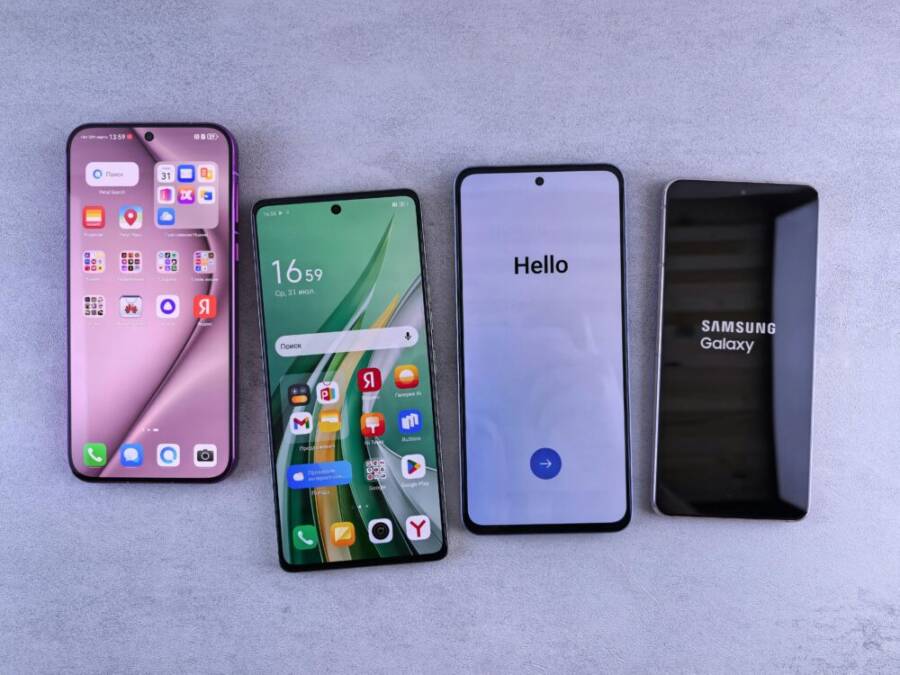
Choosing a focus timer app often feels like picking a toolbelt for two very similar, yet distinct, ecosystems. iOS and Android each bring strengths to the table, from how they handle widgets and shortcuts to how they integrate with deeper system features like Do Not Disturb. In this section, we break down the top picks for each platform and highlight what makes them shine on their native devices. You’ll also see cross platform options that bridge the gap for families or teams using mixed devices.
 Photo by Andrey Matveev
Best picks for iPhone users
iPhone users benefit from tight system integration, fast access to shortcuts, and well designed widgets. The best iOS options emphasize quick starts, powerful task linking, and seamless updates across devices. Widgets on the home screen make it easy to glance at a timer without opening an app, while Siri Shortcuts can automate start and stop actions with simple voice commands. Handoff can be a subtle but powerful advantage when you switch between iPhone and iPad.
- Forest — focus with a game like twist
- Why it shines on iPhone: The forest concept fits naturally with iOS widgets and iOS app icons on the home screen. The cross platform sync means you can pick up sessions on an iPad, keeping your focus momentum intact. The playful timer tied to a visible tree provides immediate feedback and motivation.
- Quick note on ecosystem benefits: Forest’s social features translate well to Family Sharing scenarios, helping households keep focus without nagging devices.
- Useful link: Forest on Google Play for reference, plus broad reviews comparing Pomodoro apps on iOS. Forest on Google Play
- Be Focused — customizable timers for deep work
- Why it shines on iPhone: Be Focused offers precise control over work and break blocks with a clean, native feel. It supports task linking within the timer, which makes it easy to transition from planning to execution on the same screen.
- iOS benefits: The app respects iOS haptics and system alerts, delivering a reliable, snappy experience that feels native to Apple devices.
- Useful link: App Store insights and comparisons with other timer apps.
- Focus To-Do — timer plus task manager
- Why it shines on iPhone: The combination of timer and task manager gives a holistic view of time spent per task. The iOS interface is polished, with smooth transitions and reliable notifications.
- iOS benefits: Works well with iOS reminders and calendar integration, making it simple to weave focus blocks into a daily plan.
- Useful link: Contemporary reviews highlighting task management and timing balance.
- Focus Keeper — simple timer for iOS users
- Why it shines on iPhone: Focus Keeper excels in offering a straightforward timer without extra clutter. It’s fast to start and easy to adjust, which makes it ideal for quick sessions in cafés or on short breaks at work.
- iOS benefits: Offline operation and small footprint suit mobile use where network reliability varies.
- Useful link: Quick-start guidance for new users and comparisons with more feature rich apps.
- Design and usability notes for iPhone users
- Widgets and quick actions: Look for apps that place a timer widget on the home screen for one tap starts.
- Siri shortcuts: If a timer supports Siri, you can start focus sessions without opening the app.
- Handoff and continuity: Apps that sync progress across iPhone and iPad save you from reentering data.
External reads to broaden your view:
There Is a Frequency That the Wealthiest Families Have Used for Generations and Most People Will Never Know It Exists
>>> Open the Door <<<
- The 6 best Pomodoro timer apps in 2025
- Pomodoro apps on the App Store and Android equivalents
Best picks for Android users
Android devices shine with deep widget support, flexible customization, and Do Not Disturb integration that can keep focus blocks clean from interruptions. The best Android options harness Material Design principles for a tactile, responsive feel, provide robust widget experiences, and offer easy DND integration to ensure your sessions stay intact.
- Forest — focus with a game like twist
- Why it shines on Android: Forest leverages strong widget support and cross device syncing. The app’s visual feedback and social features translate well into Android’s notification and quick access patterns.
- Do Not Disturb synergy: You can set up Forest to respect DND times so notifications stay out of sight during focus sprints.
- Useful link: Forest on Google Play
- Be Focused — customizable timers for deep work
- Why it shines on Android: Be Focused’s straightforward structure maps well to Material Design, with clear controls and task linkage that feel native on Android devices.
- Widget and quick actions: Android widgets let you start a session from the home screen and adjust durations on the fly.
- Useful link: App store equivalents and Android focused roundups
- Focus To-Do — timer plus task manager
- Why it shines on Android: This app blends task lists with timers in a way that suits larger screens and widgets. It becomes a compact workspace on Android devices, making it easy to see tasks and timing in one glance.
- Do Not Disturb integration: The app can be configured to minimize interruptions during focus blocks.
- Useful link: Reviews comparing task management and timing
- Focus Keeper — simple timer for Android users
- Why it shines on Android: A no-frills timer that respects Android’s notification system, allowing quick start and reset without extra friction.
- Android specific benefits: Lightweight and reliable in low connectivity scenarios, which helps during travel or commutes.
- Useful link: Recommended entry points in Android focus timer roundups
- Design and usability notes for Android users
- Material design cohesion: Expect clean, tactile controls that feel consistent with other Android apps.
- Widgets and home screen visibility: A good Android timer composes nicely with weather, calendar, or task widgets.
- Do Not Disturb integration: Aligns with your focus hours so alerts stay out of the way.
- External resources for Android picks:
- The 6 best Pomodoro timer apps in 2025
- Pomodoro apps across platforms in Android focused roundups
Cross platform options for mixed devices
If your family or team uses both iOS and Android, a cross platform timer can save you time and preserve consistency. The biggest wins come from apps that sync progress across ecosystems, support shared task lists, and offer uniform features on both platforms.
- Forest — cross platform consistency
- Why it helps: You and your partner or team can share sessions and track progress on a common forest, regardless of device. This is especially useful for households and study partners who want visible accountability.
- Practical note: Ensure cloud sync is enabled so sessions carry over between devices.
- Focus To-Do — cross platform task harmony
- Why it helps: The timer-task hybrid works the same on iOS and Android, so you can plan on one device and continue on another without losing context.
- Practical note: Use shared task lists for team projects or family plans to keep everyone in the loop.
- Be Focused and Focus Keeper — platform parity
- Why it helps: Both apps offer solid timer controls on each platform with quick setup, making it simple to switch devices without relearning the interface.
- Practical benefits for families and teams
- Consistent workflows: A shared timer and task approach helps teams coordinate sprints and deadlines.
- Unified reporting: Cross platform reports let you track time spent per task across devices.
External resources to explore cross platform usage:
- The 6 best Pomodoro timer apps in 2025
- App roundups comparing cross platform performance
Images and visuals
- Consider adding an image near the top showing a phone screen with timers in action to reinforce the topic of platform differences. Photo credit as appropriate.
Inside this section you’ll find practical picks that fit different workflows, whether you’re team focused on iPhone or you share a device with someone on Android. The goal is to help you choose a timer that feels natural on your device, respects your workflow, and nudges you toward steady focus blocks. For readers who juggle devices, the cross platform options offer a smoother path to consistent productivity across the devices you actually use every day.
Tips to Use Focus Timer Apps Effectively
A focus timer can be more than a simple countdown. When used with discipline and the right setup, it becomes a lightweight coach that nudges you toward steady, productive sprints. Below are practical tips to extract the most value from focus timer apps on your smartphone, without overhauling your workflow.
Start small and stay consistent
Begin with short, manageable blocks to build a reliable routine. Try 15 minute focus sessions followed by short breaks. The goal is consistency, not intensity. As you grow more comfortable, you can extend sessions gradually or adjust break lengths to fit your rhythm. This approach helps you avoid burnout and makes it easier to stick with the habit day after day.
- Set a minimal default: a 15 minute work block with a 3 minute break. This creates a low-friction entry point.
- Use a fixed daily cadence: three to five focus blocks per workday can deliver measurable progress without overwhelming your schedule.
- Treat consistency as momentum: even small wins compound over time, boosting confidence and reducing mental resistance to starting sessions.
If you want deeper motivation, visual progress features like streaks or daily tallies offer a simple way to see how you’re improving. A smartphone timer that rewards regular practice can feel like a tiny coach in your pocket.
Pair timers with task lists
Link each focus session to a concrete task. When a timer starts, it should correspond to a specific item on your to do list or backlog. This alignment turns time into progress and makes it easy to move from planning to execution in one screen.
- Quick entry ideas: add tasks with a single tap from your inbox or notes app. Use short, action-oriented titles like “draft email reply” or “outline report section.”
- One task, one block: assign one timer to a single task to maintain focus and avoid scope creep.
- Move tasks off the backlog as you progress: mark items complete directly from the timer screen to reinforce a sense of momentum.
By pairing timers with tasks, you’ll see the direct impact of your effort. It’s easier to stay on track when you can visualize the relationship between time spent and concrete outcomes. If you’re new to this setup, start with one or two tasks and expand as you gain comfort.
Use reminders, DND, and focus modes
Interruptions are the enemy of deep work. Use your phone’s built in features to reduce interruptions while you run a focus session.
- Enable Do Not Disturb during focus blocks: mute nonessential notifications while still allowing calls from favorites or emergencies if you need them.
- Schedule focus modes: create a dedicated focus profile for your typical work hours. This automates silencing distractions with a single tap.
- Choose smart reminders: opt for gentle alerts that nudge you to start or end a block without pulling you away from your task with loud alarms or pushy messages.
- Respect offline mode: pick timers that work without internet, so you can rely on the clock even when you’re traveling or in areas with spotty reception.
Smartphone settings can dramatically improve focus. By keeping notifications out of the way during a session, you preserve the flow and prevent context switching. If you’ve ever felt pulled into your notifications, a well configured focus mode can be a reliable ally.
Track progress to improve
Reviewing your data helps you turn practice into a plan. Check your stats weekly and adjust your approach based on concrete results.
- Look for patterns: identify which tasks take longer than expected and where you lose momentum.
- Set milestones: create short term goals like “two weeks of 5 days with at least three 15 minute blocks” to stay motivated.
- Adapt the plan: if you notice frequent breaks stretched too long, try shorter breaks or slightly longer work blocks to find your optimal balance.
- Celebrate consistency: small milestones, such as a full week with all blocks completed, reinforce the habit and build confidence.
Regular review makes focus timer use more than a habit; it becomes a system for continuous improvement. Use simple charts or summaries if available in your app, and keep a quick log of what worked and what didn’t. A little reflection goes a long way in turning scattered efforts into steady progress.
External references and further reading can offer practical ideas and real world experiences. For example, you’ll find thoughtful evaluations that compare how different apps handle timers, task integration, and reports on platforms like mobile devices. Some readers also share their experiences on forums, highlighting how they optimize Pomodoro timing for deep work. If you want quick inspiration from diverse user perspectives, explore articles that discuss actual results and adaptation strategies.
External resources you may find helpful:
- I Tried 5 Pomodoro Apps in 2025 — Here’s What Actually Helped Me Focus
- Can you help me identify the best use of Pomodoro system
- 5 Ways to Best Use the Pomodoro Time Management Method
In practice, the best focus timer plan is the one you actually use. Start with small, consistent blocks, pair each timer with a specific task, minimize interruptions with smart phone settings, and regularly review what you’re learning about your own productivity. If you’re juggling multiple devices, consider cross platform options that maintain your progress across smartphones and tablets. The result is a practical, repeatable routine you can depend on every workday.
Conclusion
Choosing the right focus timer comes down to matching your workflow with a simple, reliable tool. Forest, Be Focused, Focus To-Do, and Focus Keeper each suit different styles, from playful reminders to strict task and time tracking. When selecting, look for customizable work and break lengths, task integration, clear progress reports, and solid offline reliability. Try at least one app this week to see how a timer fits your day, then refine your setup as you go. A focused timer turns a busy smartphone day into steady progress, one block at a time.
There Is a Frequency That the Wealthiest Families Have Used for Generations and Most People Will Never Know It Exists
>>> Open the Door <<<