There Is a Frequency That the Wealthiest Families Have Used for Generations and Most People Will Never Know It Exists
>>> Open the Door <<<

Is your phone a constant distraction or a real focus tool you can rely on? If you’re like most people, notifications pull your attention away at exactly the moments you need it most. The good news is you can turn this around with simple, practical steps that fit into your daily routine.
This post shows you how to reclaim focus by turning your phone into an ally. You’ll learn quick setup habits, the best tools, and daily routines that cut distractions without sacrificing access to what matters. By the end, you’ll have a clear plan to stay in flow while still staying connected.
You’ll discover easy wins you can apply today, from tightening notification settings to scheduling focused work blocks. We’ll cover how to track progress so you can see results, and we’ll explain why a smartphone can support your goals instead of undermining them.
Turn Your Phone Into a Focus Tool
Turning your phone into a reliable focus tool means more than just muting sounds. It’s about smartly separating work from noise, so you can maintain flow without losing access to what matters. In this section, you’ll find practical, step-by-step guidance to set up Do Not Disturb, organize your home screen, and use built-in Focus features on both iPhone and Android. These tweaks help you reclaim time, reduce friction, and make your smartphone work for your priorities.
Thousands of People Were Struggling With Money Until They Discovered This One Ancient Secret Hidden in Sound
>>> Unlock It Now <<<

Reduce Distractions Fast: Do Not Disturb and Clear Notifications
Start with a clean slate by silencing nonessential alerts and keeping only the messages that truly matter. Here’s a practical quick-start approach:
- Enable Do Not Disturb or Focus mode during blocks of deep work or study. Schedule it to automatically turn on at your most productive times, so you don’t have to remember to switch it on. This prevents interruptions while you’re in the zone and reduces the impulse to check your phone mid-task. For iPhone users, you can set up and schedule a Focus in Settings > Focus; choose a Focus like Do Not Disturb, Personal, or Work and enable a schedule that aligns with your study blocks. Learn more from Apple’s guidance on setting up and scheduling Focus on iPhone. https://support.apple.com/guide/iphone/set-up-a-focus-iphd6288a67f/ios
- Tell your device which alerts are essential. In Focus settings, allow calls or messages from trusted contacts or specific apps. This keeps a lifeline for emergencies or urgent matters while filtering out the rest.
- Mute non-urgent alerts across apps. Go through the notification settings for messaging, social media, and nonessential apps. Turn off banners, sounds, and lock-screen alerts if they don’t serve your current task.
- Keep essential messages accessible. Use exceptions for trusted contacts, such as family or a supervisor, so you don’t miss important updates. If you’re coordinating with teammates, consider a dedicated contact or chat thread that remains active during your focus blocks.
- For Android users, manage interruptions via Digital Wellbeing. Enable Focus mode, pause distracting apps, and tailor which apps can interrupt you during your focus times. You can also review and customize a schedule that mirrors your study or work blocks. Learn more about how Digital Wellbeing and Focus mode work on Android devices. https://support.google.com/android/answer/9346420?hl=en
Tip: Build a simple ritual around the block. Before you start a focused session, enable Do Not Disturb and take a quick moment to write down your top 1–3 goals. This small step boosts accountability and reduces the chance you’ll reach for your phone out of habit.
Organize Your Home Screen For Focus
A clean, purposeful home screen reduces impulse taps and makes it easier to grab what you need without scrolling endlessly. Here’s how to set it up quickly:
- Move work and study apps to the first screen. Place the apps you use for writing, research, notes, and calendars where your thumb can reach without looking. This minimizes friction when you need to start a task.
- Create task-focused folders. Group related apps into folders like “Research,” “Writing,” and “Calendars.” A tidy structure helps you stay task-oriented rather than chasing notifications.
- Hide or remove social apps from the main area. Consider placing social or entertainment apps on a secondary page or in a hidden folder. This reduces the likelihood of impulse taps when you’re in a focus session.
- Use a minimal wallpaper and clear widget layout. A simple background lowers cognitive load and signals that the phone is a tool, not a distraction.
- Keep a quick-access folder for essential utilities. A small set of utilities like a timer, notes app, and a task manager on the home screen ensures you have what you need without rummaging through apps.
A well-organized home screen acts like a clean desk for your digital life. When your phone’s interface is aligned with your goals, you spend less time navigating and more time producing.
Use Focus Modes And App Limits
Built-in focus features on iOS and Android help you tailor your device to specific tasks. Here’s how to set them up and make them work for you:
- iOS Focus modes. You can create multiple Focus profiles, such as Work, Study, or Personal. Each Focus can have its own allowed notifications, home screen pages, and lock screen appearances. For example, a Study Focus could disable social apps, allow messages from a few trusted contacts, and show a dedicated Home Screen page with only work-related apps. Quick setup steps: go to Settings > Focus, tap the Focus you want to customize, then adjust allowed people, apps, and schedule. You can also Set a Schedule to turn Focus on automatically. Learn more about setting up and scheduling Focus on iPhone. https://support.apple.com/guide/iphone/turn-a-focus-on-or-off-iph5c3f5b77b/ios
- Android Focus mode and Digital Wellbeing. Create Focus modes that pause distracting apps during chosen times, set time blocks, and tailor profiles for different tasks. You can limit which apps are allowed to run or interrupt you during a Focus session. Quick setup steps: open Settings > Digital Wellbeing & parental controls > Focus mode, then choose apps to pause and set the schedule that fits your day. Learn more from Google’s Digital Wellbeing guide. https://support.google.com/android/answer/9346420?hl=en
- Per-app limits and time blocks. Both platforms support per-app limits or pauses during Focus times. If you’re writing, you might allow a timer app and a note-taking tool while pausing social media and games.
- Profiles for different tasks. Create separate Focus profiles for different tasks — one for deep work, one for research, and another for administrative tasks. Switch between them as needed to keep your brain in the right mode.
- Quick setup tips. Start with a one-click Focus activation, then add your most-used apps to the allowed list. Schedule your Focus modes to align with your day, and review the results weekly to refine which apps truly need access during work blocks.
Using these Focus features helps you protect your attention without losing the ability to reach people or access essential tools. It’s about having the right controls at your fingertips, not about restricting yourself indefinitely.
If you want to explore more about how these features work on different devices, Apple and Google provide in-depth guides that you can reference at any time. Here are direct resources to explore as you refine your setup:
- Set up a Focus on iPhone. https://support.apple.com/guide/iphone/set-up-a-focus-iphd6288a67f/ios
- Turn on or schedule a Focus on iPhone. https://support.apple.com/guide/iphone/turn-a-focus-on-or-off-iph5c3f5b77b/ios
- Manage how you spend time on your Android phone with Digital Wellbeing. https://support.google.com/android/answer/9346420?hl=en
A well-tuned Focus strategy is more than a feature set. It’s a disciplined routine that aligns your device with your priorities, making it easier to stay in flow when you need to produce results.
Choose Tools That Make Focus Easy
Turning distractions into a controlled environment starts with the right tools. The goal is to make focus effortless so you can do deep work without fighting your phone. Below are practical tool options and ways to use them effectively, plus quick tips to keep momentum.
Popular Focus Apps That Help
Using dedicated focus apps can reduce the pull of distractions while supporting productive habits. Here are four solid choices and how they help:
- Forest: Plant a tree and resist the urge to open distracting apps. Your tree grows while you stay off your phone, giving you a visual cue of progress. The longer you stay focused, the bigger your forest becomes. Pricing varies; there is a free version with core features and a paid option for cross-device sync. Learn more at Forest’s official site: https://www.forestapp.cc/ and check how it appears on Google Play: https://play.google.com/store/apps/details?id=cc.forestapp&hl=en_US
- Freedom: Blocks websites and apps across devices for set time blocks. You can schedule recurring sessions or trigger sessions on demand, making it easier to start a focused block without hesitation.
- Focus Keeper: A Pomodoro-based timer that helps you structure work into short sprints with short breaks. It’s simple, reliable, and fast to start, which is great when you’re resisting the urge to multitask.
- PomoToDo: Combines task management with Pomodoro timing. You get a clear view of what to work on and when to work on it, helping you stay aligned with your daily goals.
Tip: Start with one tool and a strict usage window. If you notice it helps, add another layer like a second app or a different timer to support your workflow.
Photo by freestocks.org on Pexels.
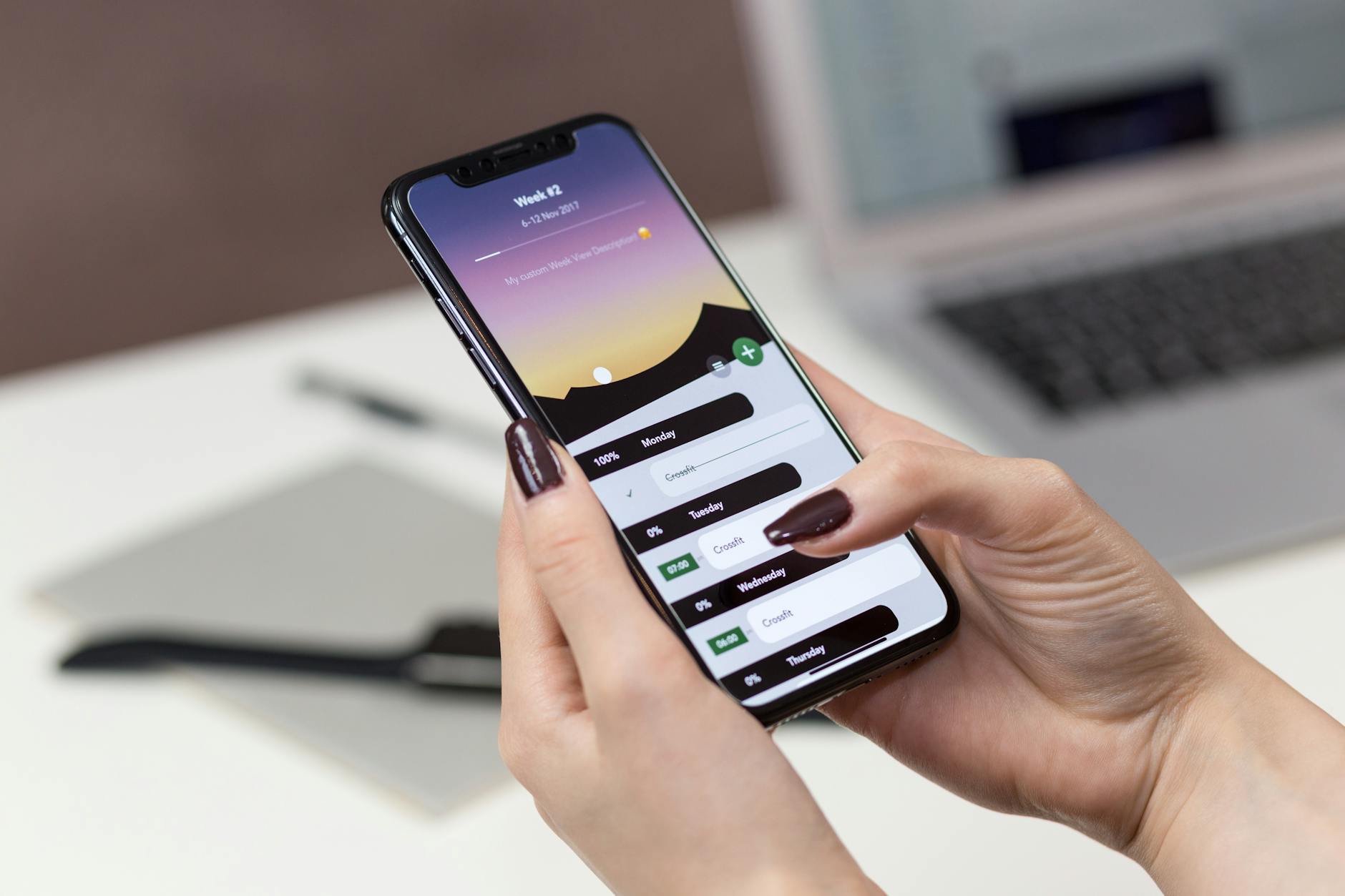
Photo by https://www.pexels.com/@freestocks
- Use a single focus tool for daily tasks to avoid tool fatigue.
- Set expectations with yourself about duration and outcomes.
- Revisit pricing and features every few weeks to ensure you’re getting value.
Use Screen Time Tracking and Limits
Monitoring how you spend time on your phone helps you spot patterns and take control. Here’s how to set it up and iterate:
- Track daily usage by app to identify which ones pull you off track. Most devices offer built-in dashboards that show time spent per app and per category.
- Set daily caps on distracting apps. For instance, limit social media to 45 minutes a day or cap entertainment apps after a certain hour.
- Schedule weekly reviews. Each week, review which apps exceeded limits, which tasks slipped, and adjust your caps accordingly. Small tweaks can prevent repeat slips and keep you on track.
- Use a recurring focus window. Pair time tracking with a regular block for deep work so you know when you’re in “flow” and when to pause for a break.
These practices create a feedback loop: you observe, you adjust, and your device becomes a better tool for your priorities.
The One Sec Method Or Similar Delays
A tiny pause can break the habit loop that fuels mindless checking. The One Sec Method is simple and works well for many people:
- When you feel the urge to open a distracting app, wait one second before tapping. Use that moment to ask whether you truly need to check it.
- If the answer is yes, proceed with intention. If not, close the app and return to your task.
- Over time, the brief pause trains your brain to question impulses instead of acting on them automatically.
This small delay reduces friction and makes your self-control feel automatic rather than forced. It’s a fast, practical step you can apply in any moment when a distraction arises.
- Use a timer set to one second as a reminder.
- Pair the pause with a quick reset: jot down the top goal for the next 25–30 minutes, then resume work.
By building this habit, you’ll find you check your phone less often and stay more productive during focused blocks.
Build Focus Habits Into Daily Life
Turning your smartphone into a reliable ally for focus is about small, repeatable routines. The goal is to create cadence in your day where deep work happens naturally and distractions fade into the background. In this section, you’ll learn two practical methods to build focus habits: a steady Pomodoro rhythm and protected focus blocks scheduled in your calendar. Both approaches work well with real life, and you can adapt the timing to fit your tasks and attention span.
Try The Pomodoro Rhythm
The classic Pomodoro technique breaks work into focused bursts, typically 25 minutes, followed by a 5 minute break. This rhythm helps you train concentration while giving your brain a chance to reset. You can tailor the lengths to suit how you work, but the basic pattern remains the same: short, intense sprints with brief respites that prevent burnout.
What If the Only Thing Between You and the Life You Deserve Is a Hidden Wealth Code Waiting to Be Activated
>>> Open the Door <<<

- Pick a task you want to complete or make measurable progress on. Set a timer for 25 minutes and start working with full effort.
- When the timer rings, take a 5 minute break. Stand up, stretch, grab water, or step away from screens.
- After four cycles, take a longer break of 15 to 30 minutes. This longer pause helps your brain consolidate what you’ve learned and reduces fatigue.
If your attention wanders sooner or your tasks are particularly challenging, adjust the timings. Some people thrive with 20-minute work periods and 3-minute breaks, while others push for 50 minutes of focus with a 10-minute break. The key is consistency: commit to a rhythm for at least a week and then fine tune. For quick setup, a timer app can handle the cadence and keep you honest. Learn more about implementing the Pomodoro technique and see how to apply it to daily tasks at Todoist’s guide: The Pomodoro Technique — Why it works and how to do it.
To make this approach smartphone friendly, keep a single timer visible on your home screen and consider using a dedicated Pomodoro app that can auto-switch between work and break modes. This reduces the mental load of switching tasks and helps you stay in flow. If you want a simple online option, Pomofocus is a popular choice to start with before moving to a mobile-specific tool. See the Pomodoro timer resources here: Pomodoro Timer and related apps.
You can also pair Pomodoro with task management. For example, list your top 1–3 goals for the session on a sticky note app or in your notes, so you stay aimed at outcomes rather than merely burning minutes. A consistent Pomodoro rhythm builds a reliable attention pattern. Your smartphone becomes a timing ally rather than a constant ring of interruptions.
Schedule Focus Time In Your Calendar
Blocking out focused time in your calendar treats deep work as non negotiable. When you schedule it like a meeting, you’re less likely to cancel or switch tasks at the last minute. Use this approach to create predictable windows for writing, research, or any task that benefits from quiet, uninterrupted attention.
- Choose optimal times based on your energy peaks. If you’re a morning person, reserve a 90–120 minute block right after sunrise. If you’re more alert in the afternoon, set a longer block then. The idea is to align focus time with when you naturally perform best.
- Create recurring blocks. A daily 90-minute writing block or three sessions per week for project work provides structure. Recurring blocks reduce decision fatigue and make it easier to protect the time.
- Treat blocks as sacred. Put a note in the calendar describing the objective and expected outcomes. Use a clear title like “Deep Work: Draft Chapter 4” and a short description to remind yourself what matters.
- Share the schedule with collaborators when appropriate. If you work with a team, invite colleagues to see your focus times or set a shared calendar where blockers show up. This prevents others from scheduling meetings during those periods.
Here are practical tips to make calendar focus time work smoothly:
- Use calendar focus features to automatically block time. For Google Calendar users, focus time events can be created and managed from the app or web interface, and you can enable headphones-style icons to indicate focus periods. Learn how to use focus time in Google Calendar on mobile: Use focus time in Google Calendar – iPhone & iPad. You can also explore how to sync calendar times across devices if you switch between Apple and Google ecosystems. For more, see the Google Calendar support article and related discussions.
- If you rely on Apple’s ecosystem, set up Focus automation to turn on automatically during your scheduled blocks. This makes protection hands-off and reliable. You can find guidance on syncing Focus with calendar times and automations in Apple’s support articles.
- Consider cross-device syncing. If you use both Android and iOS devices, ensure your focus blocks appear on all devices, so you’re not tempted to switch to a different device to complete a task. Resources on syncing calendars across platforms can help you maintain consistency.
In practice, you might block a daily 90-minute session for writing, another 60 minutes for research, and a separate block for administrative tasks. The calendar becomes your focus command center, and your phone simply supports it by keeping notifications at bay and letting you know when a block ends.
If you’re unsure where to start, aim for two focus blocks per day and adjust as you learn what times yield the best results. The goal is steady momentum, not rigidity. For more on scheduling focus time, you can explore how to set up and manage focus time within Google Calendar and Apple Calendar, as well as best practices for time blocking across platforms.
Links for quick setup and reference:
- Use focus time in Google Calendar – iPhone & iPad
- Sync focus with calendar times
- How to block time in Apple Calendar – A Step by Step Guide
By combining a reliable Pomodoro rhythm with scheduled focus time, you create a dual engine for productivity. The Pomodoro cadence trains your brain to stay in the zone, while calendar blocks lock in the time you need to produce real results. Your smartphone becomes a tool that supports your priorities instead of pulling you away from them. For a deeper dive on building consistent focus habits, consider pairing these methods with screen time tracking and per-app limits to keep your distractions in check.
Measure Progress And Stay Motivated
Tracking progress keeps your focus honest and your momentum steady. When you see small wins add up, motivation follows. This section lays out practical ways to measure what matters and stay inspired as you turn your smartphone into a focused tool rather than a constant distraction. You’ll learn how to log results, interpret the data, and use insights to adjust your approach.
 Photo by RDNE Stock project
Review And Adjust Your Settings
Revisit your alerts and modes regularly to ensure they still align with your goals. A quick weekly tune-up helps you stay in the driver’s seat.
- Schedule a short setup audit. Set aside 10 minutes every week to review what’s allowed during focus blocks and which apps still pull you away.
- Check Do Not Disturb, Focus, or Digital Wellbeing settings. Ensure only essential notifications get through and adjust exceptions as priorities shift.
- Reassess home screen layout. If you’ve moved beyond your initial plan, tweak app placement or add a dedicated focus page to reduce friction during work.
- Align with your goals. If a project changes, update which apps you permit during focus time and adjust your calendar blocks accordingly.
- Use a simple ritual. Before starting a focused session, re-check your top 1–3 goals for the block. This keeps momentum high and reduces the urge to check your phone unnecessarily.
Tip: If you’re on iPhone, you can refine Focus by tweaking allowed people and apps and scheduling it to auto-activate during your study blocks. For Android, Digital Wellbeing offers Focus mode with customizable interruption controls. These adjustments create a lean, task-first environment.
For deeper guidance on iPhone Focus and Android Focus mode, explore these resources:
- Set up a Focus on iPhone: https://support.apple.com/guide/iphone/set-up-a-focus-iphd6288a67f/ios
- Turn on or schedule a Focus on iPhone: https://support.apple.com/guide/iphone/turn-a-focus-on-or-off-iph5c3f5b77b/ios
- Manage how you spend time on your Android phone with Digital Wellbeing: https://support.google.com/android/answer/9346420?hl=en
Track Your Progress Weekly
A simple log goes a long way. Record time saved, tasks completed, and days with strong focus. Use this data to celebrate small wins and stay on track.
- Time saved and productive minutes. Note how many minutes you spent in deep work versus waver moments. This shows the impact of your focus adjustments.
- Tasks completed. List what you finished in the block, not just started. This builds a clear record of progress.
- Focus quality days. Mark days when you hit your focus targets and note what helped or hindered you.
How to implement the log:
- Create a one-page spreadsheet or a dedicated notes page. Include date, block length, tasks, and a quick reflection.
- Use a simple 5-point scale to rate focus quality. This quick metric makes it easy to see patterns over weeks.
- Set a small weekly goal. For example, aim to accumulate 180 minutes of focused work across two sessions, plus two days with strong focus.
Weekly review prompts:
- What worked well this week to limit distractions?
- Which app or setting had the biggest positive impact?
- What needs tweaking for the coming week?
Useful external resources you can reference for tracking focus on mobile devices:
- Get started with Screen Time on iPhone: https://support.apple.com/guide/iphone/get-started-with-screen-time-iphbfa595995/ios
- How to check Screen Time on iPhone: https://www.thejoltapp.com/how-to-check-screen-time-on-iphone
- How To Check Screen Time on iPhone: https://www.refocusapp.co/articles/how-to-check-screen-time-on-iphone
- Manage Android time with Digital Wellbeing: https://support.google.com/android/answer/9346420?hl=en
By keeping a steady log, you turn vague impressions into concrete data. The result is a reliable map of your focus journey, with clear milestones to celebrate.
Images and visuals can help you audit quickly. A simple weekly chart or a quick dashboard screenshot can serve as a visual reminder of progress and motivate you to protect focus blocks.
What If the Only Thing Between You and the Life You Deserve Is a Hidden Wealth Code Waiting to Be Activated
>>> Open the Door <<<
Remember, the goal is to build consistency. Small, steady gains compound over time and turn your smartphone into a reliable partner for focused work.
Conclusion
Turning your smartphone into a focus tool starts with limiting distractions, organizing the device, choosing the right focus tools, and building a daily routine. The phone should support your work, not pull you away, so tidy the home screen, set Focus modes, and apply per app limits. A steady rhythm like Pomodoro blocks paired with calendar focus times makes deep work natural to your day, while tracking progress keeps you honest. Consistency matters; small daily habits compound into real focus gains, and your smartphone becomes a reliable partner in producing real results.
There Is a Frequency That the Wealthiest Families Have Used for Generations and Most People Will Never Know It Exists
>>> Open the Door <<<