There Is a Frequency That the Wealthiest Families Have Used for Generations and Most People Will Never Know It Exists
>>> Open the Door <<<

Are constant Facebook notifications draining your focus and your battery life? You’re not alone. This guide walks you through practical fixes for both Android and iPhone users, plus simple tips to curb alert noise over time.
You’ll learn exactly where to tune settings on your phone and in the app, so alerts only ping when they matter. The steps are straightforward, starting with a quick audit of your notification preferences and moving to durable fixes that stick even after app updates.
To help you get started fast, here’s a quick reader checklist you can try right away.
- Review notification channels on Android and iPhone and mute nonessential alerts
- Turn off previews and banners for less distraction
- Set quiet hours or do not disturb for focused time
- Clear old notification patterns by resetting app permissions
- Periodically review which alerts you truly need to see
Why constant Facebook notifications happen on your phone
Facebook notifications can flood your lock screen and pull you away from what you’re doing. If you’re tired of the ping pong of alerts, this section breaks down why they show up and how to tame them. You’ll learn which notification types drive the most chatter and how your phone’s own settings interact with the app. The goal is simple: keep only the alerts that truly matter, without losing important updates.
What If the Only Thing Between You and the Life You Deserve Is a Hidden Wealth Code Waiting to Be Activated
>>> Open the Door <<<

What triggers a notification
Facebook sends several kinds of alerts, and each type can push a separate notification to your device. Here are the main categories readers typically see:
- General alerts: These are broad updates from friends or pages you follow. They show up as push notifications or banners when you’re not actively using the app.
- Groups: When activity happens in a group you’ve joined, you may get a ping if there are new posts, comments, or mentions. Group alerts can become noisy if you’re in many groups or have several members who post frequently.
- Pages: If a page you follow posts, you’ll receive updates. This can be useful for brands or creators, but it can flood your feed if you follow a large number of pages.
- Events: Reminders for events you’re invited to or following can trigger timely notifications, including updates about schedule changes or guest lists.
- Friend activity: Any new photos, comments, or status updates from close friends can generate push alerts, even if you’re not actively checking Facebook.
Each category can deliver its own alert to the lock screen or notification shade. The tricky part is that turning one category off inside the app doesn’t always silence the rest. If OS level settings aren’t adjusted, you might still see alerts from other categories. In practice, you’ll want to review both the in-app controls and the device’s notification settings to silence the noise effectively. For a quick overview of the different notification types, see Facebook’s help article on what notifications are and how to adjust them. You can read more here: What types of notifications does Facebook send?
If you want to tailor group level notices, Facebook also provides direct controls to mute or customize group alerts. This helps you avoid a deluge from groups you’ve joined but rarely engage with. Learn how to manage group notifications here: Turn notifications on or off for a Facebook group
For a broader look at how Facebook handles notifications and why certain prompts appear, you can explore the platform’s notification policies and explanations: Facebook Notifications
Noisy sources often creep in from feature tests or prompts. Some users see prompts tied to new features that you can mute or turn off in either the app or system settings. If you’re curious about typical prompts that spike in a rollout, this Mashable roundup highlights common annoyances and practical fixes: The 13 most annoying Facebook notifications, ranked
How the Facebook app and device settings interact
Two layers control alerts: the in-app settings within Facebook and the operating system (Android or iOS) settings on your device. They work like two gates, and both need attention.
- In-app settings control what Facebook itself sends you. You can switch on or off specific notification types such as friend activity, events, or marketplace alerts. This is a quick way to reduce the volume without turning off everything.
- OS settings decide how those alerts appear on the device. Android uses notification channels for different categories, while iPhone uses alert styles, banners, and lock screen permissions. If a notification is enabled in the app but blocked by the OS, you won’t see it, or it may appear in a less intrusive way.
A practical example helps: Suppose you enable “New friend activity” in the Facebook app. If Android’s Notification Channels are muted for that category, you won’t receive the alert at all, even though the app is allowed to send it. Conversely, if you disable alerts in the OS but leave the in-app option on, you’ll still be silent on the phone because the OS gate is closed. This is why it’s essential to adjust both layers.
To see how to configure what you get notified about on Facebook, follow the official guidance: Choose what you get notifications for on Facebook. This article explains where to toggle categories and how changes affect both on and off Facebook experiences.
If you’re using an Android device, you’ll encounter notification channels. They let you fine-tune how Facebook alerts appear for each category. On iPhone, you’ll adjust alert style, banners, and the lock screen permission. For a broad comparison of push versus in-app notifications and platform differences, this guide is helpful: What’s the difference between push notifications on iOS and Android?
Common sources of noise you might miss
Many readers assume the main culprits are obvious posts, but noise often comes from several habitual sources. Here are the big offenders and how to address them:
- Daily event reminders: These pop up for events you’ve shown interest in or RSVP’d to. If you’re not actively using events, mute reminders or adjust the notification timing so you only get essential updates.
- Friend activity alerts: Frequent posts, comments, or reactions from friends you follow can accumulate quickly. Consider turning off activity alerts from friends who post less relevant content.
- Live video notifications: Live streams can generate multiple alerts in a short window. If you don’t need every live event, mute these prompts or reduce how they appear on the lock screen.
- Marketplace deals: Deals and price drops can be timely, but they also flood your notices. You can limit these to alerts from selective categories or turn them off entirely if you don’t use Marketplace often.
- Feature tests and prompts: New features sometimes prompt users to engage. These prompts can be muted or turned off in either the app or OS settings, depending on how the test is rolled out.
To minimize noise while staying informed, start with the high-signal sources. For example, keep notifications for important events and close friends, but mute daily event reminders and marketplace alerts if they seldom matter to you. If you want a structured way to review sources, use the in-app notification settings as a first pass and then adjust the OS settings to enforce quiet across all apps.
If you want to see how other readers manage this balance, you can check the guidance on selecting what you get notified about in the Facebook Help Center: Choose what you get notifications for on Facebook. For Android specific tips on turning off or reducing Facebook notifications, Android Authority provides practical steps: How to manage or turn off Facebook notifications
Time sensitive vs non urgent alerts
Not all Facebook notifications carry the same urgency. Sorting them by time sensitivity helps you decide what needs your immediate attention and what can wait.
- Time sensitive alerts: Event changes, messages from people you’ve recently interacted with, or urgent security updates. These should interrupt only when truly necessary.
- Non urgent alerts: Marketplace deals, prompts from new features, or less active groups. These can wait until you check the app or set a daily review time.
A simple method to regain control is to set a dedicated time to check Facebook, rather than reacting to every ping. For many readers, designating two check-ins per day creates predictable windows for catching up without constant interruptions. If you want a quick read on identifying time sensitive notifications, Facebook’s own help content explains how you can tailor your alerts so you’re notified when it really matters: read more here: Facebook Notifications AI system
Tip: create a rule for yourself. Check Facebook in the morning and again in the late afternoon. If you miss something urgent, it will still surface in the app under a dedicated tab, but you won’t be driven to respond immediately to every ping. A focused cadence like this helps smartphone users stay productive while staying connected.
What to do next
- Audit each category in the Facebook app and disable those you don’t need.
- Review Android’s notification channels and iOS alert styles to ensure nothing is muted at the OS level.
- Schedule a couple of fixed check-ins each day to reduce daytime interruptions.
If you’d like a concise recap on how to distinguish time sensitive from non urgent alerts, start with the guidance here: How to customize push notifications on Facebook: A step-by-step guide
Your smartphone can be a powerful tool for staying connected without dominating your day. With the right mix of in-app and system level tweaks, you can keep the conversations you care about and silence the rest.
Quick checks to reduce notification noise now
Tired of Facebook alerts pulling you from your day? Start with these fast steps to cut the chatter right away. You’ll tweak settings in the app and on your smartphone to silence most pings without missing key updates. These changes take minutes and deliver instant calm.
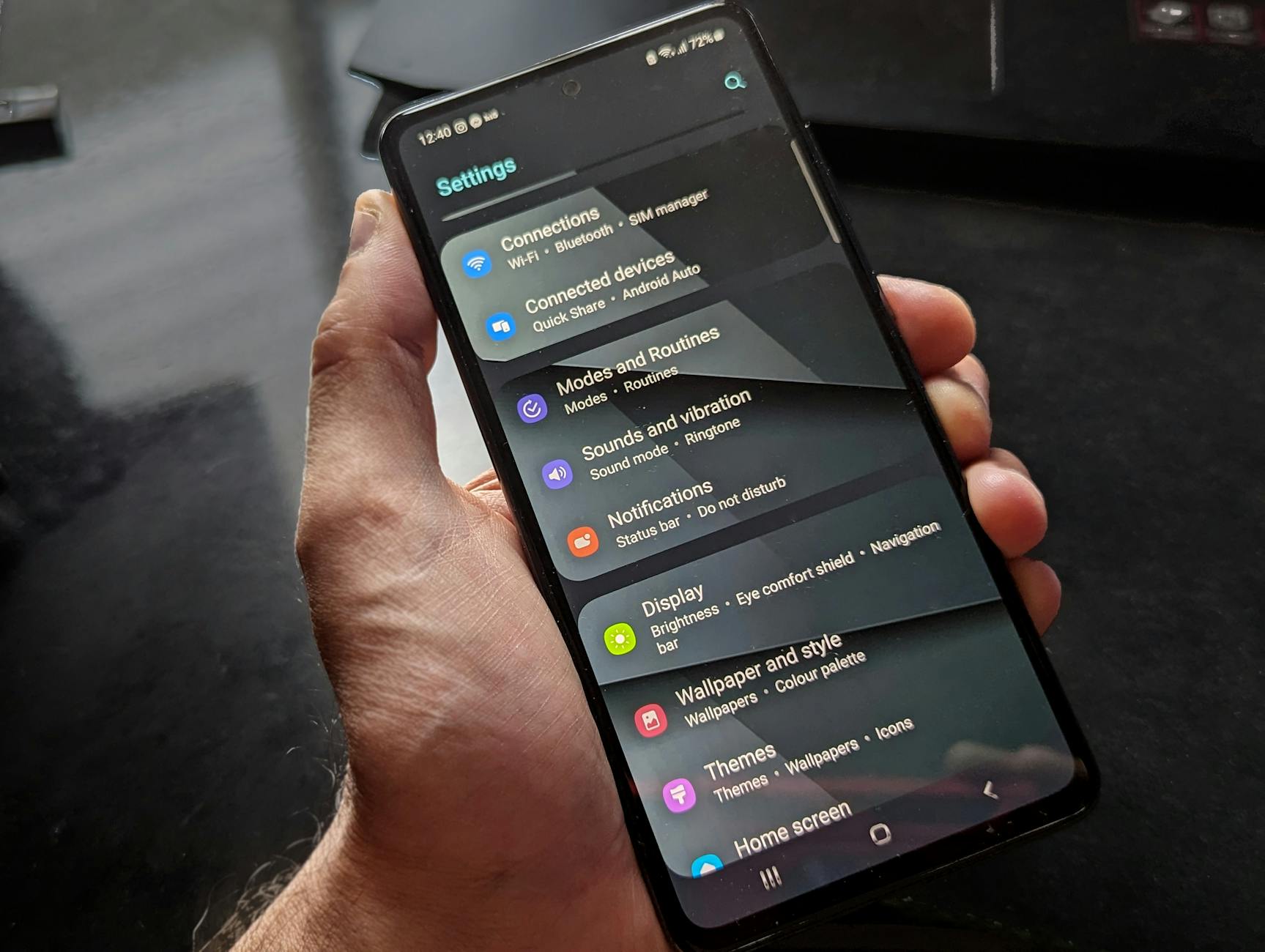
Photo by Watford London Media
Review in app notification types
Open the Facebook app on your phone. Tap your profile picture in the top right, then scroll to Settings & Privacy and select Settings. Under Preferences, choose Notifications.
Here, you control what the app sends. Toggle off categories like Groups, Events, or Suggestions that flood your screen. For groups, pick a specific one, tap its name, and select Notifications to mute all or digest mode for summaries.
Events work the same way; disable reminders unless you need them. Suggestions for friends or pages often annoy, so switch those off too. Some push notes might still arrive, but you’ll see far fewer alerts overall. Check Facebook’s guide for group tweaks: Turn notifications on or off for a Facebook group.
These in-app switches stop noise at the source. Your smartphone stays quiet as the app sends less.
Check system notification settings
Your phone’s OS adds another layer of control. On Android, swipe down twice for quick settings, tap the gear icon, then Apps > Facebook > Notifications. Here, channels let you mute sounds, banners, or lock screen previews for categories like comments or likes.
Hide lock screen alerts to keep your home screen clean. Turn off vibration and sounds for zero distraction. Changes apply phone-wide, so Facebook noise drops everywhere.
On iPhone, go to Settings > Notifications > Facebook. Pick Allow Notifications but set Banner Style to none or temporary. Disable Lock Screen, Sounds, and Badges to block previews and pings.
Your smartphone now filters Facebook alerts quietly. For Android details, see Control notifications on Android.
Focus modes and Do Not Disturb basics
Built-in phone features silence everything fast. On Android, swipe down for quick settings and tap Do Not Disturb or Focus mode. Set it to allow calls from favorites but block app alerts. Schedule for work hours or bedtime, or toggle manually.
iPhone users swipe down from top right (or up on older models) for Control Center. Tap the crescent moon for Do Not Disturb or a Focus like Work. Customize to silence Facebook while keeping texts or alarms active.
Quick toggle keeps essential pings but mutes Facebook during focus time. Try it for sleep; your smartphone rests too. Learn setup basics here: How to turn Do Not Disturb on or off on iPhone and Android.
Quick wins you can try right now
Small tweaks yield big results. Grab your phone and act on these today:
- Mute one noisy category: Open Facebook settings and disable groups or events in two minutes.
- Set quiet hours: Use Do Not Disturb for evenings; schedule it to auto-start.
- Pick a check time: Decide on morning and evening reviews only. No random pings needed.
- Hide previews: In phone settings, block lock screen details for Facebook.
These low-risk steps reclaim your focus fast. Test one now, and notice the difference by lunch. Your day flows better with less buzz.
Android specific fixes you can apply
If you’re an Android user, you have precise control over how Facebook notifications behave. This section lays out practical, device-friendly tweaks you can deploy quickly. The goal is to reduce noise while keeping the updates that truly matter within reach. We’ll walk through adjusting in-app categories, battery usage, data settings, and permissions so you stay informed without being interrupted.
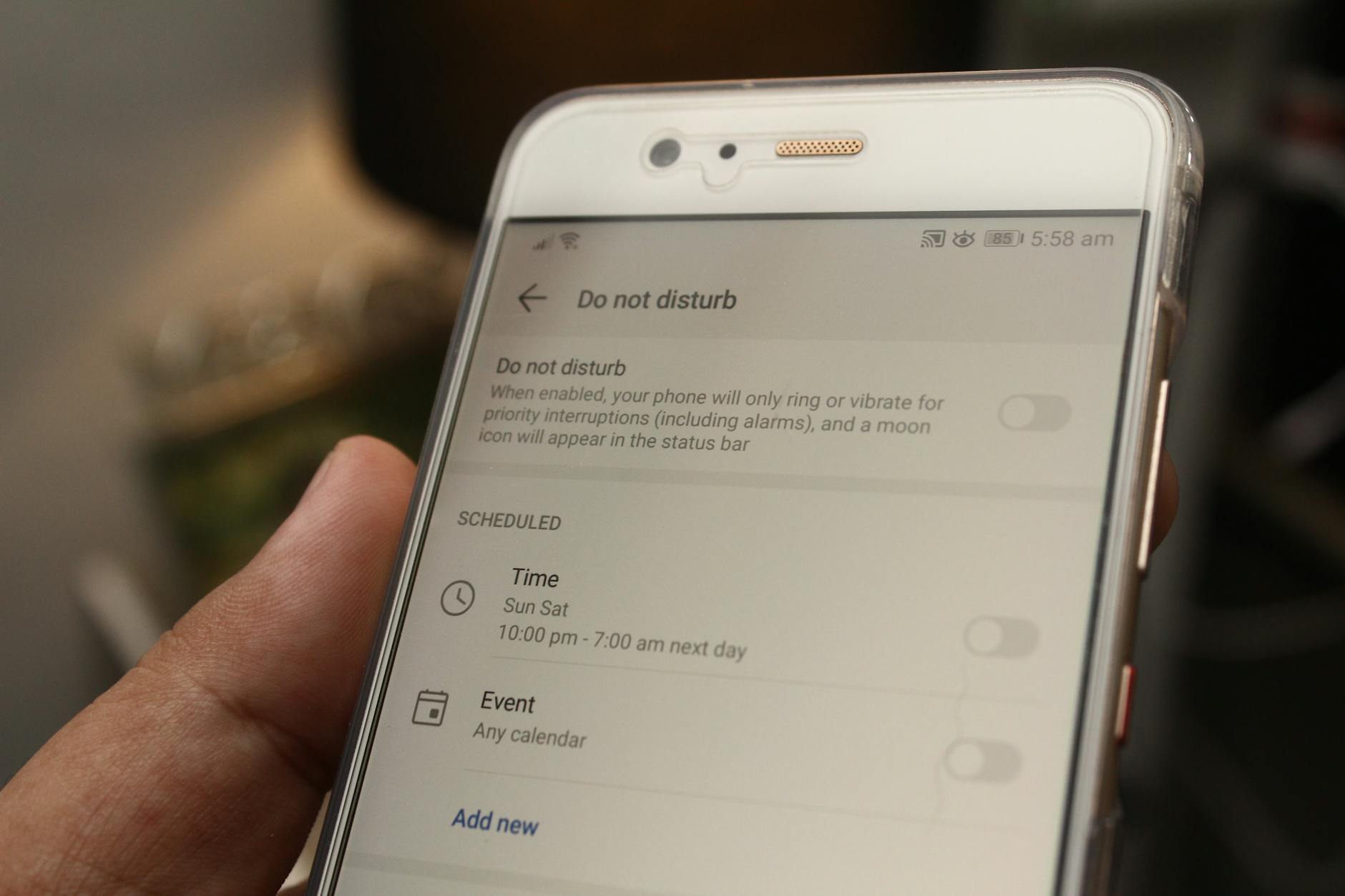
Photo by Daniel Moises Magulado
Open the Facebook notification channels and categories
On many Android devices, Facebook notifications are organized into channels. This setup lets you mute or tailor each category without turning everything off. Here’s how to dial things in:
- Go to Settings > Apps > Facebook > Notifications. You’ll see a list of channels such as Comments, Friend activity, Groups, Events, and more.
- Turn off a channel you don’t care about, or set it to “Silent.” Some devices show a master toggle plus several channels. If you disable the master toggle, all Facebook alerts stop, but you can still adjust individual channels to keep only the essentials.
- In the Facebook app itself, you can also fine-tune categories like Groups, Events, Pages, and Friend activity. This two-layer approach helps you silence noise at the source while preserving critical updates.
Tip: If you’re unsure which channels are most disruptive, start by muting Groups and Events. You can always re-enable them later if something important crops up. For broader guidance, see Facebook’s documentation on choosing what you get notified for: Choose what you get notifications for on Facebook
Thousands of People Were Struggling With Money Until They Discovered This One Ancient Secret Hidden in Sound
>>> Unlock It Now <<<

Disable background data and restrict background activity if needed
Background activity is a common culprit behind persistent pings. You can limit Facebook’s ability to run in the background without giving up timely alerts entirely.
- Navigate to Settings > Apps > Facebook > Battery > turn off Background activity.
- If your device supports it, use Battery optimization options to restrict the app without cutting essential alerts. This way, Facebook can still deliver critical messages, but everyday refreshes won’t drain battery or push every minor update.
Important note: test after making changes. Some users notice delays in messages or urgent alerts if background activity is too restricted. If this happens, adjust back to a less restrictive setting and assess which alerts you actually need in real time. For Android focused tips on stopping background activity, sample guidance is available here: How to stop background apps from killing your battery
Tweak battery optimization and data saver settings
Battery optimization and data saver settings can dramatically cut notification frequency. Here’s how to apply them effectively on Android:
- Add Facebook to the battery optimization whitelist or disable battery saver for Facebook, depending on your device’s options. This helps ensure you don’t miss important alerts while still saving power at other times.
- Review data saver settings. If data saver blocks background data for Facebook, you may miss some notifications until you open the app. If you rely on timely updates, consider a more permissive data setting for Facebook only.
If you need deeper background control, you can consult Android’s official guidance on notification channels, which complements these steps: Create and manage notification channels – Android Developers
He Was Drowning in Bills and Burnout Until a Simple Daily Ritual Rewired His Brain for Wealth in Less Than a Week
>>> Start Your Shift Today <<<

Review app permissions and data usage
Permissions aren’t just a setup checkbox; they shape what triggers Facebook to wake up and push alerts. A clean permissions profile helps you avoid unnecessary prompts while still receiving core notifications.
- Check that Facebook has permission to show notifications and access necessary data. If you revoke nonessential permissions, you may reduce triggers from features you don’t use, yet keep the core alerts intact.
- If you notice odd behavior after changing permissions, re-check that essential notifications remain allowed in both the app and the OS settings.
Useful context on how permissions interact with notifications can be found in Facebook’s official help articles and Android developer resources. For practical, reader-friendly guidance on limiting background activity and permissions, you can also review Android Authority’s coverage: How to manage or turn off Facebook notifications
Images and further reading
- For a quick in-app walkthrough of the notification category controls, see Android community discussions and how-to guides that illustrate channel-based management.
- If you want a broader look at in-app versus OS level controls, this Android-focused explainer can help you map the two layers and avoid missed alerts: What’s the difference between push notifications on iOS and Android?
What to do next
- Review each Facebook notification channel and disable those you rarely use.
- Confirm that Android’s notification channels aren’t muted at the system level in a way that blocks essential alerts.
- Test message delivery after each change to ensure you don’t miss urgent updates.
If you want a concise recap on Android notification channels and how to adjust them, you can refer to this step-by-step guide: How to customize push notifications on Facebook: A step-by-step guide
By combining thoughtful app-level controls with smart device settings, you can stay connected on Facebook without letting pings hijack your day. The trick is to keep the important conversations while quieting the rest.
iPhone fixes to stop constant Facebook alerts
Tewer down the noise from Facebook without missing the updates that matter. This section packs practical, battle-tested steps you can apply right away on your iPhone. You’ll learn how to balance in-app controls with iOS notification settings, so alerts stay relevant and quiet when you need them most. Along the way, you’ll see how Focus modes and careful background permissions influence what you actually get pinged about. Think of it as tuning a radio: you want clear signals without the static.
Check in app and iOS notification controls
Start by comparing what Facebook itself sends with what iOS allows. The two layers work like gates, so you must configure both to truly quiet the noise.
- In-app controls: Open Facebook, go to your profile picture > Settings & Privacy > Settings. Under Notifications, disable or limit categories that spawn busy alerts. For groups, events, or friend activity, mute or digest these updates so you only see what you care about. This is the quickest way to reduce the volume at the source. If you want more precision, mute individual groups or adjust event reminders so they don’t overwhelm your day. For a quick reference, see the Facebook guide on choosing what you get notified for: Choose what you get notifications for on Facebook.
- OS controls: iOS manages how those alerts appear. Go to Settings > Notifications > Facebook. Here you can customize how alerts arrive, including whether previews show up on the lock screen and whether sounds play. You can also hide previews for added privacy. For a deeper look at iPhone notification basics, Apple’s guidance is a solid resource: Allow or silence notifications for a Focus on iPhone.
- Quick privacy tip: turn off banner previews and sounds if you want minimal disruption. This keeps your lock screen tidy while you still receive important updates inside the app when you open it.
If you want a quick overview of how push notifications differ across platforms, this comparison provides useful context: What’s the difference between push notifications on iOS and Android?. And for a practical step by step on Facebook groups, check: Turn notifications on or off for a Facebook group.
Use Focus modes or Do Not Disturb to silence noise
Focus modes and Do Not Disturb are your quiet time tools. They let you keep essential communications while muting Facebook during work or sleep.
- Focus on iPhone: Open Control Center, select a Focus like Work or Sleep, or create a custom Focus. In the Focus settings, you can allow calls from favorites or essential apps, while silencing non essential alerts from Facebook. This way you stay reachable for important people while your social pinging pauses.
- Scheduling and automation: Set a daily window for Focus so your phone automatically quiets during high-concentration periods. You can still receive urgent alerts if you configure exceptions for certain apps or contacts.
- Handy setup reads: Apple’s guide on Focus helps you tailor these controls to your routines: Allow or silence notifications for a Focus on iPhone. For general guidance on using Focus to silence apps like Facebook, PCMag’s piece is a good practical companion: How to Silence iPhone Notifications With Focus in iOS 16.
If you’re juggling distractions, Focus can be the difference between a productive day and a perpetual ping storm. The trick is to allow essential lines of communication while neutralizing the rest.
Background App Refresh and permission checks
Background activity explains a lot of the unexpected pings. On iOS, Background App Refresh and app permissions control when Facebook can wake up and refresh.
- Background refresh: If Facebook is cranking in the background unnecessarily, you’ll get alerts even when you aren’t actively using the app. Consider enabling background refresh only for essentials, or turning it off for Facebook if you don’t need real time updates. To verify and adjust, go to Settings > General > Background App Refresh and manage Facebook there.
- Permissions check: Ensure Facebook has the right permissions to run in the background when needed, but avoid granting nonessential access that can trigger extra prompts. If something seems off after changing permissions, re-check both the app’s in-app settings and iOS settings to keep core alerts intact.
- Quick reference: Apple’s discussions on how Background App Refresh works can help you understand the tradeoffs: What does the iOS Background App Refresh switch do?. For a broader Android perspective on similar dynamics, here’s a practical read: How to stop background apps from killing your battery.
If you want a focused path, start by turning off background activity for Facebook and then test message delivery. If you notice delays, relax the setting slightly and test again.
Review iOS specific settings for Facebook
iPhone users should fine tune the exact appearance and visibility of Facebook alerts in Settings.
- Alert style and banners: Go to Settings > Notifications > Facebook. Choose how alerts appear. If you want to avoid lock screen clutter, disable Lock Screen previews and set Banner Style to none or temporary.
- Sounds and badges: Consider turning off Sounds and Badges to keep your home screen quiet.
- Privacy on alerts: If you share your device with others, you may want to hide sensitive content in notifications. This keeps you from exposing private updates when the screen lights up.
- Practical read: Apple’s notification guide provides step by step detail on these controls: Allow or silence notifications for a Focus on iPhone. For broader context on focusing your notifications, MacRumors explains how to silence specific apps in Focus mode: iOS 16: How to Silence Notifications From Specific Apps When in a Focus Mode.
With these adjustments, you’ll see Facebook alerts only when you expect them, not every time you glance at your phone. It’s about making notifications work for you, not the other way around.
External references provide in-depth guidance, but you can implement the essentials now and iterate. For example, if you want a quick video walkthrough of turning Facebook notifications on iPhone, you may find tutorials that cover the exact screens you’ll use: How to Turn On or Off Facebook Notifications on iPhone. And if you prefer a written how-to for iPhone notification settings, this wikiHow guide is straightforward: How to Disable Facebook Notifications on an iPhone.
What to do next
- Apply in-app and iOS controls in tandem. This is the surest way to cut noise without losing important updates.
- Use Focus or Do Not Disturb during focused blocks of time and maintain a safe exception list for essential alerts.
- Review Background App Refresh and permissions to ensure Facebook can wake up when necessary, but not every time you touch the screen.
If you want a quick recap of iPhone notification best practices, Apple’s support pages and reputable how-to guides provide a solid baseline. For further reading on notification management in iOS, you can explore: Allow or silence notifications for a Focus on iPhone and iPhone Focus modes silence Facebook notifications.
Smartphone users who tailor alerts with care will experience fewer interruptions and more control over when they respond. Your feeds stay accessible, while your day stays in focus.
Long term tips to prevent future notification overload
Stopping constant pings is not a one time fix. The goal is a sustainable routine that keeps alerts meaningful without nagging you day after day. Here are practical, long lasting habits you can adopt to maintain quiet, focused smartphones while still staying in the loop on what matters.
Schedule quiet hours and notification summaries
Setting predictable quiet periods helps your brain rest and your attention return where it belongs. Both Android and iOS offer ways to mute non essential alerts while still delivering important updates in digest form.
- Android: Use Do Not Disturb or Focus modes to block most notifications during defined windows. You can allow calls from favorites or important apps while blocking social alerts. Consider pairing quiet hours with a daily reminder to check notifications at a set time.
- iPhone: Use Focus modes to create a tailored quiet window for work or sleep. You can allow essential people or apps while silencing Facebook and other social apps. Banner previews can be disabled, and you can enable a scheduled Focus to auto activate.
- Notification summaries and digests: Many devices and apps support digest-style deliveries. Instead of pinging every time something happens, you receive a consolidated summary at a chosen time. This keeps you up to date without constant interruptions. It’s especially effective for groups, pages, and non urgent updates that accumulate through the day.
Why this works: it decouples urgency from available time. You still catch important items, but you decide when to engage. Try pairing a 2 times per day check schedule with a digest for high volume sources like groups or pages. For quick reference on how Focus and quiet hours are implemented on your platform, see Apple’s Focus guide and Android’s Do Not Disturb documentation.
Helpful reads:
- Allow or silence notifications for a Focus on iPhone
- Limit interruptions with Modes & Do Not Disturb on Android
- How to turn Do Not Disturb on or off on iPhone and Android
Mute or unfollow noisy sources
You don’t have to cut people off to cut noise. The goal is to reduce alerts from sources that flood your feed while keeping access to the posts and messages that matter.
- Review groups: If a group sends a flood of posts, you can mute group notifications or switch to a digest mode for that specific group. You’ll still see updates when you open the app, but your lock screen won’t be buzzing with every post.
- Muting pages: Pages you follow might post frequently. Mute their alerts or reduce the type of alerts you receive from that page. You can still visit the page for updates when you’re ready.
- Quietly unfollow without losing connections: Unfollowing or muting does not remove people from your friends list. It simply stops automatic updates from filling your feed with noise. This keeps important posts accessible when you check the app.
- Fine tune by source: Start with the sources that are most disruptive, then expand if needed. If you later realize you missed something, you can re enable alerts for a source with a quick flip.
Pro tip: use in app controls first, then reinforce with OS level settings if needed. This two layer approach ensures you aren’t surprised by alerts that slip through.
For reference on how to adjust group notifications and muting, see:
- Turn notifications on or off for a Facebook group
- How to mute or unsubscribe from groups and pages on Facebook
Keep apps and OS up to date
Software updates fix bugs and improve controls for notifications. Running the latest version ensures you have the best possible tools to manage alerts.
- Why updates matter: Updates often include improvements to notification management, new suppression options, and better battery usage. They help reduce random pings caused by old software quirks.
- Auto updates: Enable automatic updates for both apps and the OS where practical. This minimizes the chance you’ll miss a critical fix that affects how alerts are delivered.
- Look for new features: Each update can bring new alert controls. Take a moment to review what’s new in the notification settings after an update and adjust accordingly.
If you want extra guidance on updating and feature improvements, check these resources:
- Facebook notification settings guidance
- Android and iOS update and notification controls overviews
- General comparison of push notification behavior across platforms
Do a monthly quick audit
A light monthly audit helps you keep your system sane without turning notification management into a full time job.
- App level review: Open Facebook and skim through Notifications settings. Disable or digest categories that you rarely use. If a source still shows up, consider a longer suppression or a tighter digest rule.
- OS level review: Check Android notification channels and iPhone alert styles. Confirm nothing essential is blocked by mistake.
- Quick adjustments: Make one or two small changes rather than a full reset. It’s easier to maintain a simple routine than to chase constant tweaks.
A practical cadence keeps you in control. Use a calendar reminder to run a 5 minute pass, and you’ll stay ahead of alert overload.
To expand your knowledge on periodic audits, you can explore:
- How to customize push notifications on Facebook
- A quick security and notification audit for social profiles
External references offer deeper context, but the core habit is simple: commit to a monthly check and adjust as needed.
Facebook Notifications AI system provides background on how alerts are prioritized, which can inform your audit approach.
Quick checks to reduce notification noise now
If you want to cut the chatter today, start with these fast steps. They require minimal effort and deliver immediate relief.
- Review in app notification types: Open Facebook Settings and turn off or digest categories you don’t need. For groups, tune the device to mute or digest specific groups you rarely engage with.
- Check system notification settings: On Android, mute or silence categories in Facebook’s channels. On iPhone, disable previews and select minimal alert styles.
- Use Focus or Do Not Disturb: Schedule quiet blocks for work, sleep, or deep focus. Keep an allow list for essential alerts.
- Implement quick wins: Mute one noisy category, set quiet hours, pick a fixed check time, and hide previews.
These steps are small in scope but deliver noticeable relief. Try one now and observe how your day improves.
Illustrative examples and further guidance:
- How to find and edit Facebook notification settings
- Quiet mode and focus usage across platforms
If you want a concise recap of Android and iPhone best practices, you can consult platform specific guides listed above.
External links are included sparingly and purposefully to support practical steps, not to overwhelm. Each link offers an additional layer of guidance should you want a deeper dive.
External references and further reading
- Quick references on notifications and focus modes from trusted sources
- Platform specific help articles for in depth, step by step guidance
- Practical reviews and how tos for muting, unfollowing, and digest modes
For readers who want a snapshot of where to start, the quick in app and OS checks provide a clear path. The long term tips help you build a sustainable approach so future updates or new features don’t derail your progress.
Notes on practical workflow
- If you rely on a single device for most of your everyday tasks, harmonize the settings across the apps you use the most. A consistent approach makes it easier to stay in control.
- In this era of constant updates, a short, repeatable routine beats a big, once a year reset. Aim for 5 minutes a month and 5 minutes a week when needed.
In the end, your goal is a smartphone that serves you, not the other way around. A steady rhythm of focused times, thoughtful source management, and regular checks keeps you connected without constant interruption. If you want more detailed step by step screens or platform specific walkthroughs, you can explore the linked guides above for deeper, visual instruction.
Conclusion
Taming constant Facebook alerts comes down to two layers: the app controls and your device settings. By turning down noisy categories in Facebook itself and then tightening the OS notifications, you keep the signals that matter and mute the rest. Pair this with Focus or Do Not Disturb and a regular quick audit, and you regain real focus without sacrificing essential updates.
Small changes beat one big reset. A couple of targeted tweaks can cut the ping volume dramatically and restore calm to your smartphone routine.
- Audit in-app notification categories and mute what you don’t need
- Fine tune OS notification styles and disable previews where appropriate
- Use Focus or Do Not Disturb during work or downtime
- Schedule regular, brief checks instead of reacting to every ping
- Keep a light monthly review to adjust sources as priorities shift
If you have tips that worked for you, share them in the comments. Your practical tweaks can help others cut noise fast and make notifications serve you again. Remember, a few focused changes today can improve your day tomorrow.
She Pressed Play on a Strange Audio Track and Within Days Her Financial Reality Started Shifting in Ways She Could Not Explain
>>> See How It Works <<<
