There Is a Frequency That the Wealthiest Families Have Used for Generations and Most People Will Never Know It Exists
>>> Open the Door <<<

Busy days get noisy fast when pings from apps pile up. It only takes a few seconds of distraction to lose focus, miss an important message, or forget what you were doing. If your notifications feel like a constant pinging chorus, you’re not alone.
This post shows you a simple, practical fix: group notifications so they don’t crowd your screen. The result is a cleaner center stage for the alerts that truly matter, plus a faster route to the information you need. You’ll save time, reduce stress, and keep your attention on the task at hand.
We’ll break down the steps in an easy to follow way. You’ll see how to set up sensible groupings on Android and on iPhone, with quick tips that work for any day full of reminders. By the end you’ll have a reliable system that keeps noise out and clarity in. A few small changes can make a big difference for your daily routine, and you’ll notice the impact right away.
Why Group Notifications to Boost Your Phone Focus
Grouping notifications keeps your screen calm and your attention intact. When alerts arrive in orderly bundles, you can see what matters at a glance and avoid the constant ping of every app. This section explains why this approach works, how it affects your focus, and what to aim for when you set it up.
What If the Only Thing Between You and the Life You Deserve Is a Hidden Wealth Code Waiting to Be Activated
>>> Open the Door <<<

How grouping reduces cognitive load
When notifications come in one at a time, your brain has to decide what to do with each ping. That adds mental energy you don’t always notice. By bundling alerts into categories, you lower the number of decisions you face in the moment. You scan a single group header, then open only what truly needs your immediate action. The result is smoother focus and less stray attention.
- Less switch fatigue: Every disruption pulls you away from the task at hand. Bundled notifications limit those interruptions.
- Faster prioritization: Groups show you what’s urgent at a glance, so you respond quicker and stay on track.
- Calmer screen real estate: A cleaner notification shade helps you assess your day at a glance instead of chasing every ping.
If you want a deeper dive into how batching affects attention, see research that highlights the link between grouped alerts and well-being.
The impact on productivity and well-being
A tidy notification system isn’t just about aesthetics. It translates into real time saved and lower stress. When you aren’t reacting to every buzz, you reclaim minutes that compound into hours over a week. You’ll feel more in control and less frazzled during busy days.
- Better focus on important tasks: Grouped alerts keep you available for work moments that actually matter.
- Less context switching: You stay in the zone longer, which helps you finish tasks faster.
- Improved mood and motivation: Fewer interruptions create a steadier flow and a more positive mindset.
For a broader look at how batching notifications improves attention and well-being, explore a well-cited discussion from the research community.
Quick setup tips for Android and iPhone
Getting started is simpler than you think. Here are practical steps you can apply today.
- Create broad categories: Social, Work, Promotions, News. You can refine later, but start with these to cut clutter.
- Use do not disturb windows strategically: Schedule quiet hours, then allow priority groups to break through when needed.
- Set visual and sound cues that matter: For example, let high-priority groups use a unique sound or vibration pattern.
- Review weekly: Check which groups caused friction and adjust. A weekly tidy-up keeps the system useful.
If you want a deeper look at how engineers design batching features, you can read about practical approaches in related industry discussions.
Best practices to maintain an organized system
A group system works best when you keep it simple and review it regularly. Here are reliable guidelines.
- Start with a small number of groups and expand only if needed.
- Keep group names clear and consistent so you know what’s inside at a glance.
- Limit the number of notifications that can bypass your quiet hours. Too many exceptions defeat the purpose.
- Use visual cues consistently across apps to avoid confusion.
A well maintained setup reduces friction and helps you stay in control of your daily rhythm.
Common pitfalls and how to avoid them
Even the best plans falter if you don’t maintain them. Watch for these pitfalls and fix them quickly.
- Overloading groups with every single alert. This defeats the purpose. Curate what goes into each category.
- Forgetting to adjust after changes in routine. Reassess groups after a project shift or new role.
- Ignoring feedback from your own behavior. If you miss an important alert, reconfigure its priority or group.
If you’re curious about proven methods from researchers and practitioners, you can explore further reading that discusses batching notifications and its effects on attention and well-being.
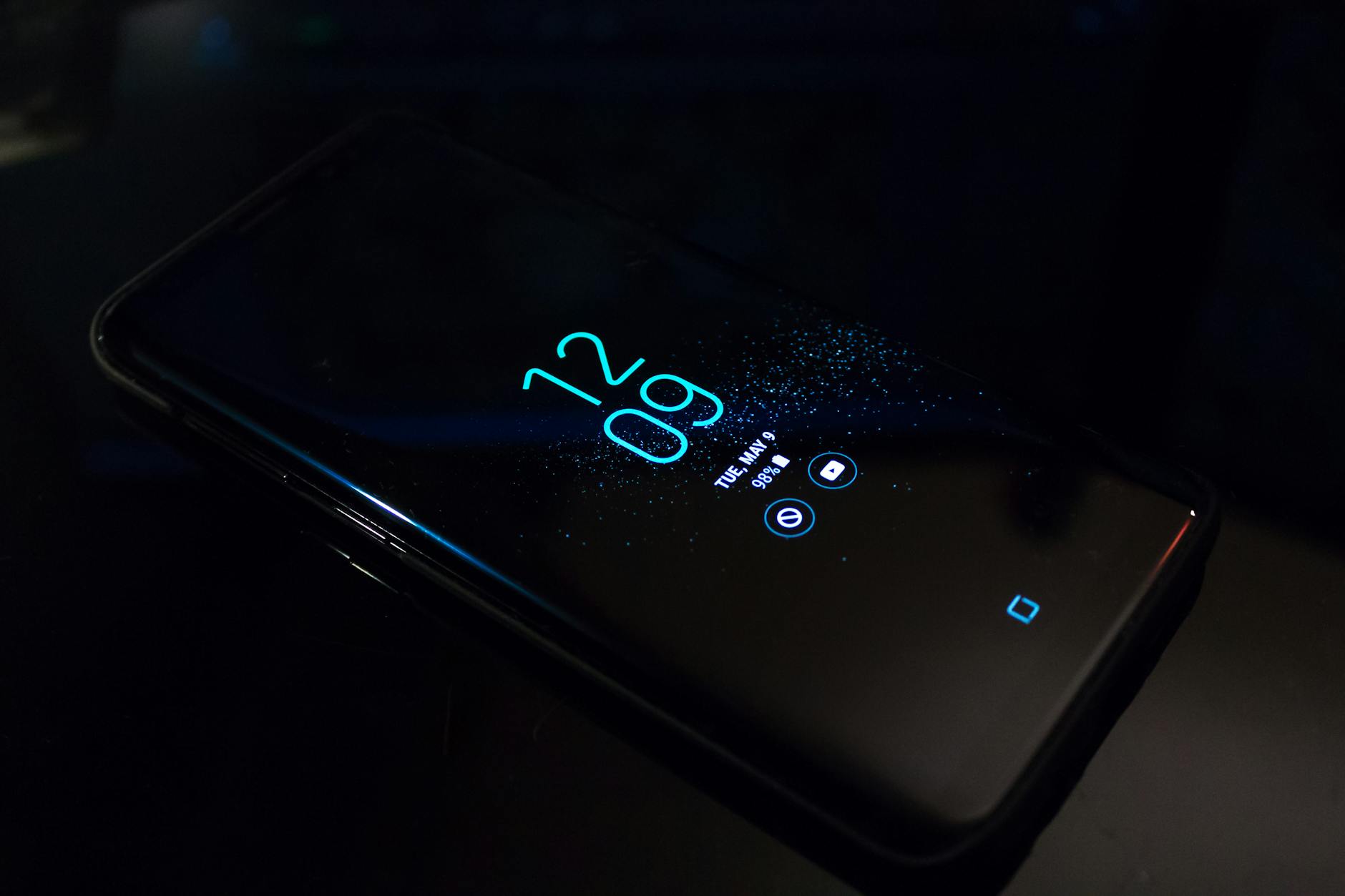 Photo by Noah Erickson
Step-by-Step: Group Notifications on Android Phones
Grouping notifications makes your phone feel calmer and more predictable. In this section, you’ll learn practical steps to create and manage notification groups on Android. We’ll walk through setting up channels per app, tuning priorities, and using concrete examples like email and social apps to illustrate the approach. By the end, you’ll have a clean system that surfaces what you need, when you need it.
Set Up Notification Channels for Apps
Creating notification channels lets you customize how each app’s alerts behave. Start by organizing channels so you can group related alerts under a single umbrella.
- For each app, create a few channels that reflect how you use it. Example channels for an email app: Inbox, Promotions, and Alerts. For a social app, use Messages, Mentions, and Live Events.
- Set a default sound and vibration pattern for low-priority channels. These channels can stay quiet, so they don’t disturb you unless something truly urgent arrives.
- Use higher priority for critical channels. If a channel is tied to urgent work or important messages, give it a distinctive sound or vibration to cut through the noise.
- Regularly review and refine. If you notice you’re always muting a channel, consider reclassifying it or changing its priority.
To get you started, follow the official guide on creating and managing notification channels. It covers how channels work, how to group alerts by category, and how users can customize their own settings later. For deeper details, see the official Android Developers resource on channels.
- Helpful reference: Create and manage notification channels – Android Developers: https://developer.android.com/develop/ui/views/notifications/channels
When you’re configuring channels, keep names simple and consistent across apps. That way, you can tell at a glance what’s inside each group. After you’ve set up the channels, test by sending a few mock notifications. If something feels too loud or too quiet, tweak the channel’s priority or sound again.
(Photo by Andrey Matveev on Pexels)
Photo by Andrey Matveev
Enable Auto-Grouping and Bubbles
Android supports automatic grouping of notifications and interactive chat bubbles. This makes conversations easier to follow and helps you stay in the flow.
There Is a Frequency That the Wealthiest Families Have Used for Generations and Most People Will Never Know It Exists
>>> Open the Door <<<
- Conversation grouping: Ensure the messaging apps you use most often are set to group chats. This bundles all messages from a single conversation together, so you see a single summary in your shade.
- Bubbles: Turn on chat bubbles for compatible messaging apps. Bubbles float above your current screen, letting you reply without leaving what you’re doing.
- Settings path: Open Settings > Apps & notifications > Notifications > Enable conversation grouping and Bubbles for the apps you care about.
- Practical benefits: With grouped chats, you reduce clutter and can respond quickly to urgent messages. Bubbles keep ongoing conversations visible, so you don’t miss replies or important updates.
A quick look at how to enable chat bubbles is available in Android’s official guidance on bubbles. Bubbles are a native feature that helps you participate in conversations without constantly switching apps.
- Useful link: Use bubbles to let users participate in conversations | Views: https://developer.android.com/develop/ui/views/notifications/bubbles
When you pair grouping with bubbles, you gain a more fluid notification experience. You can collapse a conversation and re-expand it with a tap, which keeps your notification shade tidy while preserving access to chats.
(Photo by [No Image Credit Provided] – optional if no relevant image available)
Use Do Not Disturb for Smart Schedules
Do Not Disturb (DND) can be a powerful ally when you want quiet moments while still receiving essential alerts. The trick is to connect DND with your grouping so you don’t miss critical messages during your focused times.
- Create smart schedules: Set DND to activate during meetings, drive times, or nighttime. Choose start and end times that align with your daily routine.
- Allow exceptions: Add exceptions for high-priority channels or specific people. For example, you might allow emails from your boss or messages from your key contact list to bypass DND.
- Customize exceptions: Decide which notification types can break through. You can permit alarms, calendar reminders, or important work messages while keeping everything else muted.
- Practical setup: In your DND settings, pick a schedule that fits your work week. Then add the channels you want to be exempt from quiet mode. This way, you stay in control without constant toggling.
- Benefits: You gain predictable focus periods without sacrificing access to essential updates. DND with exceptions reduces interruptions while keeping you informed.
If you want a deeper dive into scheduling and exceptions, check resources that explain how to tailor DND to different Android versions and device manufacturers. For example, you can explore guidance on configuring DND schedules for Galaxy devices and general Android setups.
- Related article: How to schedule Do Not Disturb mode on Android with automatic schedules: https://en.androidsis.com/How-to-schedule-do-not-disturb-mode-on-Android-with-automatic-schedules
- Do Not Disturb exceptions on Android: https://theintelligence.com/40215/android-do-not-disturb-exceptions/
With DND tuned to your day, you’ll notice fewer random interruptions. You’ll still receive the messages that matter, when you expect them.
There Is a Frequency That the Wealthiest Families Have Used for Generations and Most People Will Never Know It Exists
>>> Open the Door <<<
(Photo by [No Image Credit Provided] – optional if no relevant image available)
If you’d like, I can add more practical examples for specific apps you use, or tailor the section to reflect a particular Android version or device. You can also share any questions about tricky app behaviors, and I’ll help you fine tune your notification setup.
Easy Guide: Group Notifications on iPhone
Organizing notifications on an iPhone can feel like taming a noisy crowd. The goal is to keep alerts that matter visible while bundling less urgent ones into clean, digestible streams. This section covers practical steps you can take to summarize, stack, and filter notifications without losing important messages. You’ll learn how to enable summaries, tailor per-app grouping, and use Focus modes to keep distractions to a minimum. If you’re juggling multiple apps and a busy schedule, these tweaks will help your smartphone work for you, not against you.
Turn On Notification Summaries
Summary notifications gather less critical alerts into a single, easy to scan digest. This feature helps you catch up quickly without wading through dozens of individual pings. Start by turning on daily or hourly summaries and then choose which apps participate. When summaries are enabled, the system bundles related alerts into groups, so your screen shows a few concise entries instead of a long list.
- Pick apps to include based on how frequently they ping and how urgent the content feels.
- Choose the delivery cadence that fits your day. A morning or afternoon summary can replace constant checks.
- Decide which alerts still appear as individual notifications. High priority or time-sensitive messages may bypass the summary.
- Visual cues matter. Use distinct sounds or badges for high-priority groups so you recognize them at a glance.
Apple’s guidance explains how notification summaries work and how to tailor them to your needs. If you want to read more, see the official resource on summarizing notifications and reducing interruptions.
- Learn more: Summarize notifications and reduce interruptions with Apple Intelligence on iPhone
Customize Stacks and App Groups
Per-app grouping is the backbone of a calmer notification experience. By assigning apps to specific stacks, you can see at a glance which alerts belong together and act quickly when something truly matters.
- Create clear group names like Work, Social, and Promotions to keep expectations consistent.
- On the Lock Screen, stacked notifications appear as a single item you can expand, then view or dismiss. This keeps your surface tidy while preserving access to details.
- For each app, adjust how its alerts behave. Some apps perform best with separate stacks for messages, reminders, and alerts, while others fit neatly into existing groups.
- Lock screen behavior matters. If you often unlock to a flood of notifications, consider tightening which apps can push through during certain times.
Apple’s guidance covers how to view and respond to notifications and how to adjust settings for visibility and control. You’ll find step-by-step instructions to fine-tune stacks and the way alerts appear on the Lock Screen.
- See: View and respond to notifications on iPhone
- For deeper configuration, explore: Change notification settings on iPhone
Set Focus Modes to Filter Noise
Focus modes let you decide who and what can reach you when you need quiet time. A well-configured Focus acts like a smart filter that aligns with your daily routine and the groups you’ve created.
- Create a Focus that matches your day, such as Work, Personal, or Meetings. This Focus should allow alerts only from the groups you consider essential.
- Link Focus to your grouping. In your Focus settings, allow notifications from preferred apps or people, while suppressing everything else.
- Schedule Focus windows to match activities. Set automatic activation during meetings, commutes, or late evenings, so your phone stays respectful of your boundaries.
- Customize the notifications that bypass Focus. You might permit alarms, calendar reminders, and crucial messages from key contacts to break through.
- Use a practical approach to testing. Run a few trials, then adjust which apps and people are allowed, ensuring you don’t miss something important.
Apple provides clear steps for setting up and managing Focus on iPhone, including how to allow or silence notifications for a Focus and how it ties into your overall grouping strategy. For additional context, set up a Focus on iPhone and review how it affects your notifications across devices.
- Helpful reference: Allow or silence notifications for a Focus on iPhone
If you’re looking for real-world insight, you can also explore discussions from experienced users who share how they balance notifications with Focus modes. This helps you understand practical tweaks beyond the basics.
Pro Tips and Fixes for Tidy Notifications
A well-organized notification system keeps your day flowing smoothly. In this section, you’ll find practical tips and quick fixes to keep alerts focused and manageable. Whether you’re chasing fewer interruptions on a busy smartphone or aligning alerts with your work schedule, these pro tips help you stay in control without missing anything important.
Review and Trim App Permissions
Auditing app permissions is the foundation of a tidy notification setup. When apps have access to location, microphone, or contacts they don’t truly need, you invite unnecessary alerts and privacy risks. Start by listing the apps you use most and the data they request. Disable permissions that don’t serve a clear purpose. For many apps, background access is not essential for core functionality, so turning it off reduces noise and battery drain.
- Check each app’s permission slate and prune aggressively.
- Prefer time-limited or on-demand permissions over full access.
- Regularly revisit permissions after app updates or changes in routine.
After trimming, test how notifications behave. If you still see chatter from a now-limited app, consider creating a dedicated notification channel or adjust its priority. For Android, you can explore the official guidance on channels to group alerts by category and amplitude. For iPhone users, per-app tweaks and summaries can further reduce noise. If you want a deeper dive into privacy and permissions, see: https://blog.affinitycellular.com/2025/04/how-to-manage-app-permissions-to-protect-your-privacy/
| App | Permission Focus | Recommended Action |
|---|---|---|
| Inbox access, calendar | Keep, but limit background fetch | |
| Social | Messages, mentions | Limit to direct interactions, mute promos |
| News | Read articles, location | Disable location, keep alerts in a digest |
Photo by Andrey Matveev on Pexels Photo credit: Andrey Matveev
Handle Stubborn Notification Glitches
Glitches happen, but they don’t have to derail your day. When a notification misbehaves, start with a simple triage. A quick restart often clears temporary glitches, while more persistent issues may require a deeper reset of settings. If a particular app stubbornly misroutes alerts, disable its notification channel and re-enable it with fresh priorities.
- Restart your device to clear cached states that cause flakiness.
- Clear or reset the app’s notification settings to the default, then reconfigure.
- Check for system updates and app updates; compatibility issues often lie there.
- If a glitch persists, temporarily mute the app and reintroduce it later to test behavior.
On Android, you can locate and adjust channels to tame errant alerts. On iPhone, per-app settings and Focus modes offer targeted control. For a broader set of fixes, see resources like Android’s notification troubleshooting guides and general how-to articles on fixing notifications. If you’re curious about more hands-on fixes, consider these quick reads: https://www.androidpolice.com/android-notification-problems-fixes/ and https://www.wikihow.com/Why-Am-I-Not-Getting-Notifications
Photo by Noah Erickson on Pexels Photo credit: Noah Erickson
Images are a powerful aid in illustrating how to manage notifications, and a calm, focused smartphone experience makes a real difference in daily life. If you want, I can tailor these fixes to the apps you rely on most, ensuring your setup stays practical and easy to maintain.
External resources can complement your routine with concrete steps. For instance, Apple’s official guide on changing notification settings helps refine per-app behavior on iPhone, while Google’s privacy dashboard shows you which apps access what data and how to manage those permissions. Learn more here: https://support.apple.com/guide/iphone/change-notification-settings-iph7c3d96bab/ios and https://support.google.com/android/answer/13530434?hl=en
Note: When you apply these tips, keep your focus on what truly moves the needle. A few deliberate tweaks beat a dozen random changes every time.
Images
 Photo by Andrey Matveev
Use Do Not Disturb for Smart Schedules
Do Not Disturb (DND) is a simple tool with big payoff. When paired with a thoughtful grouping strategy, DND becomes a quiet anchor in your day. The trick is to align DND with your attention windows while letting through only what matters.
- Create smart schedules that match your routine—meetings, commutes, wind-down time.
- Add exceptions for high-priority channels or people so critical alerts slip through.
- Decide which notification types can bypass DND, such as alarms or calendar reminders.
- Test the schedules and adjust as needed to avoid both missed messages and constant interruptions.
For Android users, there are several approaches to configuring DND across versions and devices. You can also explore guidance on scheduling DND for Galaxy devices and general Android setups. For deeper dives, see: https://en.androidsis.com/How-to-schedule-do-not-disturb-mode-on-Android-with-automatic-schedules and https://theintelligence.com/40215/android-do-not-disturb-exceptions/
Photo by No Image Credit Provided
This section aligns with the article’s goal of helping you calm a noisy notification stream. The next section will continue with practical steps for iPhone users, focusing on how to summarize alerts and effectively group apps for stronger focus.
Conclusion
A tidy notification system pays off in time saved, less stress, and clearer focus. On Android, recap the essentials: set up app channels to group alerts by purpose, enable automatic grouping and bubbles for ongoing conversations, and pair Do Not Disturb with smart schedules so quiet moments stay quiet while urgent messages get through. On iPhone, use notification summaries to bundle low priority alerts, craft per app stacks for quick scanning, and attach Focus modes to filter noise during work or breaks. Start with one small change today, then expand as you grow more confident with the system. Try turning on a daily summary for your two or three most active apps and see how much faster you can skim your day.
A calm phone changes how you work and rest. When grouping is consistent, you can see the signal your phone sends more quickly and you respond with intention rather than impulse. This approach helps you keep momentum on tasks that matter while still staying informed about what truly requires attention. If you want to keep building momentum, schedule a weekly review to adjust priorities and fine tune which alerts bypass quiet times.
If you found this guide helpful, share your experience in the comments and tell us which tweak made the biggest difference for your routine. Your feedback helps readers learn from real world results and helps us tailor future tips to real life use.
He Was Drowning in Bills and Burnout Until a Simple Daily Ritual Rewired His Brain for Wealth in Less Than a Week
>>> Start Your Shift Today <<<
