She Pressed Play on a Strange Audio Track and Within Days Her Financial Reality Started Shifting in Ways She Could Not Explain
>>> See How It Works <<<

Can you plan a full week using just your phone and still keep things simple? This guide shows a repeatable system that fits busy lives, so you can see your entire week at a glance without lugging around a laptop. It all starts with one clear goal: make every day productive without draining your time.
You’ll learn how to pick the right apps, build a quick plan, and automate routine tasks. The idea is to move from scattered reminders to a single, smart workflow on your smartphone. With the right setup, your week becomes a natural rhythm rather than a constant reorganization.
Here’s what you’ll gain: a reliable method to map your week in minutes, practical tips for prioritizing tasks, and simple automations that save time. You’ll stay on track with lightweight check-ins and calendar views that keep you aligned with your priorities. This approach keeps your planning efficient, letting you focus on what matters most.
If you’re short on time, this smartphone based method is designed to be fast and repeatable. Expect to see your week become clearer, more controllable, and easier to manage. By the end, you’ll have a ready to use framework that fits into your pocket and your schedule.
There Is a Frequency That the Wealthiest Families Have Used for Generations and Most People Will Never Know It Exists
>>> Open the Door <<<

Choose the right phone apps to plan your week
A practical week plan starts with the right set of tools. Your phone should feel like a command center, not a distraction. The goal is to pick apps that fit your workflow, make planning almost effortless, and keep your week visible at a glance. Below are the essential app categories, with concrete tips on how to use them effectively and examples of good options.
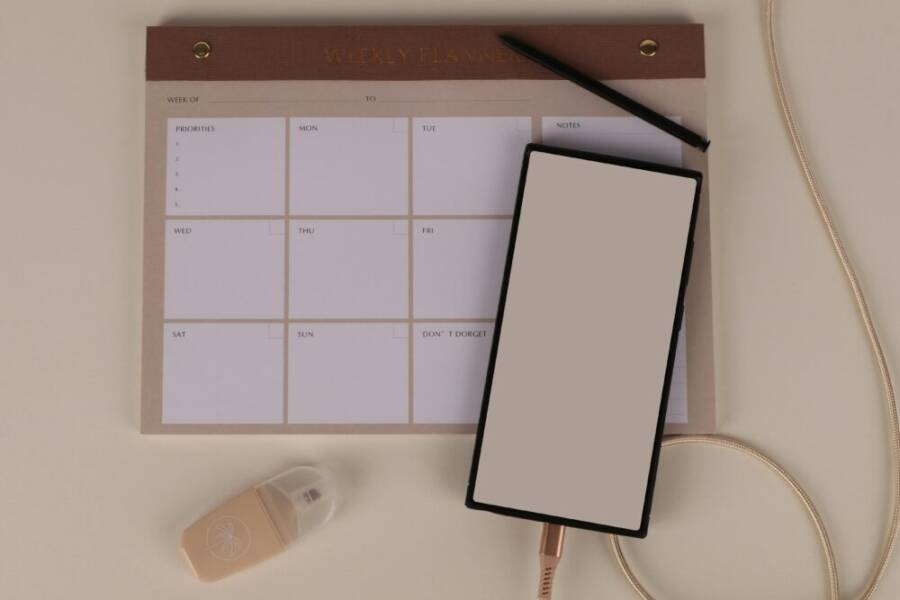
 Photo by Ann H
Calendar, reminders, and time blocking
Use calendar events as your backbone for time blocks. Create blocks for deep work, meetings, and personal routines, and color code them to see at a glance how your week is balanced. For example, blue blocks can represent focused work, yellow for meetings, and green for personal time. Color coding helps your brain register commitments without reading every label.
Set reminders for important tasks so nothing slips through the cracks. Use auto reminders for recurring duties like weekly reports, grocery runs, or exercise sessions. A reminder a day before and another 15 minutes before a task can cover both preparation and execution. When you set recurring blocks, you create a stable rhythm: Monday mornings for planning, midweek check-ins, and a Friday wrap-up.
Practical tips to optimize calendar usage:
- Create a weekly repeatable block for planning time. Schedule it for the same day and time each week.
- Use smart reminders that trigger with your location or activity. For example, remind you to prepare for a call when you’re near your calendar event.
- Color code days or blocks by priority. For high-priority days, reserve larger, uninterrupted blocks.
- Sync calendars across devices. A consistent view keeps you from double-booking.
For more on time blocking on smartphones, see reviews of top apps that support this workflow, such as those covered in time blocking roundups. External resources with actionable guidance include recent breakdowns of the best time blocking apps and how to pair them with your task list:
- I reviewed several options to find the best time blocking apps in 2024 and 2025. This overview helps you compare features like calendar integration, subtasks, and reminders. https://www.usemotion.com/blog/best-time-blocking-apps.html
- The best time blocking apps list on Zapier covers apps that let you block time directly from your tasks. https://zapier.com/blog/best-time-blocking-app/
If you want to see how these tools fit into a simple weekly system, try a test run: block your first two hours of focused work on Monday morning, then reflect on how much you accomplish in that window. Small, repeatable blocks add up quickly.
Task lists and recurring tasks
A solid weekly task list keeps priorities front and center. Start with a short, curated set of tasks for the week and add recurring tasks that you want to automate, so you don’t have to plan them every week. The key is a weekly overview that shows what must be done, what can wait, and what repeats.
Look for apps that support subtasks, labels, or checklists. Subtasks help break big tasks into actionable steps, while labels keep related tasks grouped by project or context. A clear structure makes it easier to review your progress in one glance at the end of the week.
When building your weekly plan, consider these approaches:
- Create recurring tasks for routine activities like weekly reviews, content planning, or bill payments.
- Use priorities to signal what must be done first. High-priority tasks can appear at the top of your list.
- Employ checklists for steps within a task. A single task with a built-in checklist often works better than several separate items.
Apps that excel at recurring tasks and advanced organization include Amplenote, Todoist, Things, TickTick, and other robust to-do solutions. When evaluating, focus on how well they handle weekly overviews and the ability to collapse completed tasks to keep the screen uncluttered. For a detailed look at recurring-task features in popular apps, check these sources:
What If the Only Thing Between You and the Life You Deserve Is a Hidden Wealth Code Waiting to Be Activated
>>> Open the Door <<<

- The 5 Best Todo List Apps for Recurring Tasks in 2024 discusses how apps like Amplenote and Todoist handle recurring work. https://www.amplenote.com/blog/five_best_todo_list_apps_for_recurring_tasks
- A broad roundup of top to-do list apps for various platforms in 2025. https://efficient.app/best/todo-list
A quick example workflow: create a single weekly task list that includes a high-priority project task, two recurring maintenance tasks, and three flexible tasks. Each item can have subtasks and a label for context, such as #Work, #Home, or #Errands. By keeping the weekly overview tight, you can shift focus without losing sight of your top priorities.
Notes and quick capture
Capture ideas, meeting notes, and reference materials the moment they appear. Quick capture lowers friction and reduces the chance you forget a great thought. Use a notes app or a Notion page to gather information fast, then link back to your calendar and task lists when you’re ready to act.
A fast capture flow could look like this:
- When an idea hits, jot it down in a dedicated capture inbox or Notion page.
- If the item needs action, tag it with a simple label like “Action” and assign it a deadline or priority.
- At your daily planning session, review capture notes and decide which belong on the weekly task list.
Notion is a popular choice for quick notes and reference material because you can combine notes with task blocks and databases. If you prefer a lighter approach, a dedicated notes app can be enough for quick minutes or ideas. A few tips to maximize quick capture:
- Create a keyboard shortcut for the capture tool so you can save notes with one tap.
- Use a consistent format for notes to simplify later search and retrieval.
- Link notes to related tasks or calendar events to create a connected workflow.
For those who want a robust all-in-one solution, consider notetaking and planning tools that support quick capture and retrieval. If you’re exploring a Notion-based setup, you can view example layouts online to tailor your workspace to your week. The goal is to keep ideas accessible and ready to convert into tasks or calendar items when planning time.
Visual planning options for a big picture
Sometimes a big picture view helps you grasp the week at a glance better than a long list. Board-style views can illuminate dependencies, priorities, and flow in a way a linear list cannot. Tools like Trello or Notion make this approach straightforward and scalable.
A weekly board can present:
- Columns for Days of the Week, with cards representing tasks or blocks.
- Color codes for priority or context, so you can instantly see where to focus.
- Quick drag-and-drop reassignment as plans shift.
A visual board shines when you’re coordinating multiple people, projects, or moving parts. If you’re solo, it still offers a clear snapshot of the week and helps you spot gaps before they happen. Use board views to answer questions like:
- What is my overall workload this week?
- Which days have the most flexible time?
- Are there any bottlenecks or overdue items?
Notion and Trello are common choices for weekly boards, but there are other capable options depending on your hardware and workflow. For readers who like a visual approach, the board method can reduce cognitive load and keep you aligned with your priorities.
When does a visual board outperform a list? In situations with multiple projects, interdependent tasks, or collaboration with teammates. If your week involves several moving parts, a board gives a practical map of how everything fits together.
Images can help here as well. A weekly board in Notion or Trello can be laid out to mirror your real week, making it easier to spot conflicts and plan ahead.
Images and diagrams that show a weekly board layout can be particularly helpful when you’re coaching others or sharing your method with teammates or clients. A visual overview can replace a long narrative with a quick scan for decision making.
If you want deeper coverage of visual planning tools, look for comparisons that highlight board features, templates, and how easy it is to switch from a calendar view to a board view midweek. A few reputable resources discuss how these tools work in practice, including how to set up a weekly board from scratch and tailor it to your workflow:
- A thorough guide to time blocking apps and their board views helps you decide which tool fits your style. https://www.usemotion.com/blog/best-time-blocking-apps.html
- A guide to the best time blocking apps in 2025 includes Trello and Notion integrations for similar workflows. https://zapier.com/blog/best-time-blocking-app/
Images that show a clean desk with a visible weekly board or calendar can reinforce the concept. After all, a clear surface supports a clear mind, especially when you’re mapping out a week on a small screen.
Tip: Keep your smartphone setup lean and fast. The fewer apps you juggle, the less friction you’ll feel when planning. Start with one calendar, one task manager, and one notes tool. You can layer in more features later as you grow comfortable with the core system. The goal is a simple, repeatable weekly rhythm you can carry in your pocket.
Create a simple weekly plan in minutes
Planning your week on a smartphone doesn’t have to feel like a production. With a repeatable system, you can pull together a clear, actionable plan in just a few minutes each week. This section breaks down a compact, practical approach you can implement today. You’ll gather your tasks, block time, add buffers, and save a reusable template so you never start from scratch again. The goal is a lean workflow you can follow on any weekday, in any setting, without extra tools or heavy setup.
Gather your tasks and goals
Start with a quick, comprehensive inventory of what matters this week. Include tasks from work, school, home, and personal goals. The idea is to pull key items fast, not to overthink. Use prompts to jog memory and surface the essentials:
- What must be completed this week to stay on track for major projects?
- Which appointments, deadlines, or exams are looming?
- What personal goals do you want to advance this week (health, learning, family time)?
- What routine tasks should recur (grocery shopping, bill payments, errands)?
A simple way to capture these items is to draft them into a single capture note on your smartphone. Then, transfer the top tier items to your weekly plan. If you rely on a task manager, create a concise weekly list that includes a high-priority project, a handful of recurring tasks, and a few flexible tasks that can shift if needed. For quick inspiration, review a few reliable sources on how people organize weekly planning with smart devices, which offer concrete templates and workflow ideas. For example, many planners favor a compact weekly list plus recurring tasks to keep momentum without clutter. See more on time blocking and app choices here: https://www.usemotion.com/blog/best-time-blocking-apps.html and https://zapier.com/blog/best-time-blocking-app/
When you finish this step, you should have:
- 3–5 high-priority tasks for the week
- 2–3 recurring tasks that repeat every week
- 1–2 flexible tasks that can be moved as needed
- A short set of personal goals that you want to protect time for
Keep the list lean. The aim is a quick read at a glance. If you have a larger backlog, choose the items that will push you forward most this week and park the rest for later.
Time block your days
Time blocking makes your week tangible. It turns intentions into a concrete schedule and helps you protect focus. Start with a rough outline, then refine as you go. Use a single calendar or a calendar set on your phone so everything remains visible in one place.
- Create blocks for deep work or high-concentration tasks. Reserve these in the morning if you’re most alert then.
- Schedule meetings and collaborative work in the mid part of the day. This reduces context switching.
- Carve out blocks for errands, workouts, meals, and downtime. Rest is a block too.
Begin with a rough skeleton. For example:
- Monday: 9:00–11:00 Deep work on Project X
- 11:30–12:15 Team sync
- 14:00–15:00 Admin tasks
- 18:00–19:00 Workout
Then adjust as you test. If a block consistently overruns, shorten the next block or move it to a later time. The goal is to avoid back-to-back fatigue and keep a realistic pace. Smartphone calendars support this approach with color coding and gentle reminders. You can set recurring blocks for planning and review so the system reinforces itself.
Practical tips to maximize time blocking:
- Start with one clear planning block each week and one review block midweek.
- Use color coding to differentiate work, personal time, and breaks.
- Enable smart reminders that adapt to your location or activity to nudge you when it’s time to switch tasks.
If you want more on time blocking, check out these resources. They compare how different apps handle board views, reminders, and calendars so you can choose the best fit for your smartphone workflow: https://thesweetsetup.com/the-ultimate-guide-to-time-blocking/ and https://thedigitalprojectmanager.com/tools/best-time-blocking-app/
Add buffers and priorities
Buffers act as a cushion between blocks, reducing stress when things take longer than expected. Priorities keep your week anchored around what matters most, even when plans shift.
- Place a 5–15 minute buffer between blocks for quick resets or unexpected tasks.
- Add a longer buffer after high-pressure days or before/after major milestones.
- Mark top priorities for each day at a glance. A simple star or color cue on your calendar can do the trick.
How to apply buffers and priorities in practice:
- If you have a big task on Monday, schedule a small buffer before it and another after. This prevents spillover that can derail the rest of the day.
- At the start of each day, identify 1–2 must-dinish items. Place those at the top of your schedule and give them prime time slots.
- Use a quick daily review to adjust buffers. If you finish early, you can reallocate the extra time to personal tasks or learning.
A well-buffered week reduces friction and keeps momentum. If you’re curious about how top planners handle buffers and scheduling, explore time blocking apps and templates that emphasize buffer times and daily priorities: https://www.usemotion.com/blog/best-time-blocking-apps.html and https://zapier.com/blog/best-time-blocking-app/
Save a reusable weekly template
The power of a simple week plan lies in repetition. Create a reusable template in your planner app so you can apply it again each week with a few clicks. A template saves time, reduces decision fatigue, and makes your planning feel natural.
- Start with a default weekly layout: planning block, deep-work blocks, meetings, admin/task time, personal time.
- Keep a standard run of recurring tasks and routines. These become the backbone of your week.
- Store the template where you can reach it quickly. Use a dedicated folder or a template library within your app.
How to implement the template quickly:
- In your planner app, create a weekly template that includes time-blocked days, a set of recurring tasks, and placeholders for notes.
- Save it in a central location within the app so you can apply it with one tap or a few clicks.
- When you apply the template, review the items and adjust for any new priorities. The goal is a frictionless start that still respects the week’s reality.
If you want to explore ready-made options, there are digital planner templates designed for rapid weekly setup. Look for templates that support quick duplication and easy editing across devices. For a broader look at digital templates, you can browse resources like the digital planner templates collection and related app guides available online: https://xtiles.app/en/templates/digital-planner/ and https://www.usemotion.com/blog/weekly-schedule-template.html
There Is a Frequency That the Wealthiest Families Have Used for Generations and Most People Will Never Know It Exists
>>> Open the Door <<<
Putting it all together, a simple weekly plan on your smartphone comes down to four steps: capture the essentials, block time thoughtfully, insert buffers and priorities, and deploy a reusable template. With a small initial setup, you gain a repeatable rhythm that travels with you. A clean, lightweight system reduces decision fatigue and helps you stay aligned with what matters most, even on the busiest weeks. If you want a quick sanity check, try planning your upcoming week in 10 minutes using the method described above and notice how much smoother your days feel. For visual planners who benefit from a board view, consider experimenting with weekly boards in Notion or Trello to mirror your calendar and tasks in a more visual format. These tools can be particularly helpful when coordinating with teammates or managing multiple projects. For a detailed look at board-based planning and templates, see: https://www.usemotion.com/blog/best-time-blocking-apps.html and https://zapier.com/blog/best-time-blocking-app/
In the next sections, you’ll see how to adapt this system to common life scenarios, including students balancing classes, professionals managing a hybrid schedule, and freelancers juggling client work with personal goals. The core idea remains the same: a repeatable, mobile-friendly process that keeps your week visible and actionable. If you want to explore more about integrating quick notes with your weekly plan, read about fast-capture methods and how to link notes to tasks and calendar events here: https://blog.planwiz.app/digital-planner-setup-with-free-templates/
Tip: Keep your smartphone setup lean and fast. The fewer apps you juggle, the less friction you’ll feel when planning. Start with one calendar, one task manager, and one notes tool. You can layer in more features later as you grow comfortable with the core system. The goal is a simple, repeatable weekly rhythm you can carry in your pocket.
Automate and sync to reduce work
A smart week plan on a smartphone relies on automation and seamless synchronization. When the right tasks pop up at the right moment, you waste less time and miss fewer details. This section shows how to automate routine steps, keep data consistent across devices, and use templates to speed up planning. Think of automation as friction removal: you set it up once, then your week runs itself with minimal manual input.
Recurring tasks and smart reminders
Recurring tasks are the backbone of a repeatable weekly system. Set them up so they fire automatically, freeing mental space for priorities. Combine this with smart reminders that trigger at times aligned with your flow and locations.
- Create a standing weekly task list that includes routine actions like weekly reviews, grocery runs, or paycheck reminders.
- Add reminders that fire at specific times or when you reach a location. For example, a reminder to prep for a call when you arrive at the meeting location or a check-in alert 15 minutes before deep work.
- Use calendar blocks for recurring needs. A consistent Monday planning block and a midweek check-in help you stay on track.
To maximize effectiveness, pair recurring tasks with a simple label system. For instance, tag items as #Work, #Home, or #Personal. This keeps your weekly overview clean while giving you rapid context when you review.
Helpful resources provide deeper dives into recurring tasks and smart reminders across popular apps. For example, best-todo-list-apps cover how Todoist, TickTick, and other tools handle recurring patterns, while time-blocking app roundups compare how reminders integrate with calendar views. See:
- https://www.amplenote.com/blog/five_best_todo_list_apps_for_recurring_tasks
- https://zapier.com/blog/best-time-blocking-apps/
Images help reinforce the idea of a steady rhythm. A clean desk with a visible weekly plan can anchor your routine visually. Photo by Karola G on Pexels.
Sync across devices and offline access
A reliable week plan travels with you. Synchronization across phone, tablet, and computer ensures everyone sees the same plan, no matter which device you pick up. The goal is a single source of truth that updates in real time or with minimal delay.
- Centralize your calendar and task apps. Use one master calendar and one primary task manager so changes reflect everywhere.
- Enable offline access. When your internet is down, you should still view your plan, add quick notes, and queue tasks to sync later.
- Test cross-device updates. Create a small change on one device and confirm it appears on the others within a few minutes.
If you want to explore the best options for syncing calendars and tasks across devices, these references offer practical comparisons:
- https://zapier.com/blog/best-android-calendar-apps/
- https://niftypm.com/blog/best-calendar-apps/
- https://www.reddit.com/r/androidapps/comments/qzqxq2/looking_for_an_app_to_replace_google_calendar/
Offline planning is especially valuable for travel, commutes, or areas with spotty connectivity. Plan while you’re online, then review and adjust plans offline. When you regain connectivity, your updates push to all devices automatically.
Images illustrating a multi-device setup can be helpful here. Photo by Karola G on Pexels can visually reinforce the concept of a synced smartphone workflow.
Templates and presets to speed up planning
Templates turn a thoughtful process into a repeatable rhythm. Create ready-to-use weekly templates that cover different life situations, then show readers how to tailor them for the week ahead.
- Start with a default weekly template: planning block, deep work, meetings, admin time, and personal time.
- Include a core set of recurring tasks and a few flexible placeholders. This keeps the week flexible without sacrificing structure.
- Store templates in a central, easy-to-reach place within your planning app so you can apply them in a tap or two.
Customizing templates is straightforward:
- Duplicate the template for a new week and adjust high-priority items.
- Swap in new recurring tasks or adjust time blocks as priorities shift.
- Save a few alternative templates for common scenarios, such as exam weeks, project sprints, or travel weeks.
If you’d like ready-made options, digital planner templates exist for rapid weekly setup. Look for templates that support quick duplication and cross-device editing:
- https://xtiles.app/en/templates/digital-planner/
- https://www.usemotion.com/blog/weekly-schedule-template.html
A simple example: create a template that includes a planning block, two deep-work blocks, one meeting block, and a personal time block each day. Save a second template focused on a project-heavy week. Switching between templates should take only a few taps, keeping planning fast and consistent.
Images can illustrate a template library or a quick-duplication workflow. If used, ensure they align with the idea of rapid templating and notetaking.
Quick automation ideas
Small automations save lots of time over a week. Start with simple rules that connect your master plan with your daily tasks and reminders.
- Auto-create a weekly task list from a master task pool. A single master list can feed a clean weekly subset, so you don’t rewrite tasks every week.
- Auto-copy events to reminders. When an event is added to your calendar, a corresponding reminder gets created with a sensible due date.
- Use a daily digest to surface top priorities. A short summary each morning helps you focus without reading through everything.
- Trigger time-block reminders based on location. If you’re near a meeting venue, a reminder nudges you to prepare.
These automations are widely supported across modern tools. For deeper guidance, check these sources:
- https://zapier.com/automation/time-automation/weekly-scheduling
- https://ifttt.com/connections/E3QtW4qw-automatically-create-todoist-task-for-monthly-recurring-events
- https://deliberatedirections.com/how-to-establish-schedules-for-repetitive-tasks/
If you want to learn more about integrating automation into weekly planning, explore time-blocking app reviews and board-style planning templates:
- https://www.usemotion.com/blog/best-time-blocking-apps.html
- https://zapier.com/blog/best-time-blocking-app/
Images that illustrate automation flows or a simple task feeder can help readers visualize the concept. Include them after this subsection if you have appropriate visuals.
Putting it all together, automate repetitive steps, keep data in sync, and reuse templates to shave minutes off every planning session. The aim is a lean, repeatable weekly rhythm that travels with you. A quick 10-minute planning sprint can yield a clear week plan and a reliable set of reminders. For readers who like a visual approach, a weekly board in Notion or Trello can mirror the calendar and tasks. See examples and templates in the linked resources above.
In the next sections, you’ll see how this system adapts to common life scenarios, from students balancing classes to professionals with hybrid schedules and freelancers juggling client work with personal goals. The core remains the same: a repeatable, mobile-friendly process that keeps your week visible and actionable. If you want more on linking quick notes with your weekly plan, you can explore fast-capture methods and how to tie notes to tasks and calendar events in related guides.
Keep the plan alive with daily and weekly habits
A repeatable planning system only works if you actually do it. The daily and weekly habits you build around your smartphone plan keep momentum going, even on busy or unpredictable weeks. Think of these routines as the rhythm that turns cluttered thoughts into clear, actionable steps. The goal is consistency, not perfection. Small, repeatable actions compound into real progress over time.
Morning quick check in
Spend 3 minutes reviewing today’s blocks and top tasks before starting.
A brief morning check sets the tone for the day. Open your calendar and task list, scan the day at a glance, and lock in the top two to three priorities. Keep it fast and focused.
- Start with today’s calendar view. Identify any time blocks already reserved for meetings, deep work, or personal time.
- Confirm the two or three must-get-dont-forget items. If a task doesn’t move you toward your weekly goals, park it for later.
- Visualize flow, not friction. If a block looks tight, consider shifting a lower-priority task to a later time or assigning it to a flexible window.
If you’re using a smartphone to manage this, a quick glance can be enough. The point is to anchor your day on the most important work first, then let everything else fill in around it. For readers who want to dive deeper into quick-start routines, many planners find value in a short morning sequence that blends calendar checks with moment-to-moment reminders. See practical ideas in sources that compare daily planning apps and how they support fast morning setups, such as time-blocking tools and reminders (examples below).
- https://www.usemotion.com/blog/best-time-blocking-apps.html
- https://zapier.com/blog/best-time-blocking-app/
To keep the habit sustainable, pair this with a consistent trigger. Do it right after you brew your coffee or after you’re done with your commute. The routine needs to be easy to repeat, not a chore you dread.
Tips to optimize the morning check in:
- Limit to three items. Fewer decisions in the morning reduce cognitive load.
- Use color cues. A blue block for deep work, a green for personal time, and a yellow for meetings can help your brain process the day faster.
- Keep it in one place. If you’re juggling several apps, consider a single portal or a simple template that you apply every morning.
A quick example: you start by scanning today’s calendar for two deep-work blocks, a 20-minute email window, and a fixed lunch break. Then you pull the top two tasks from your weekly plan that align with those blocks. The rest of the day falls into place around these anchors.
Recommended quick reads and apps to support morning checks include time-blocking roundups and daily planning apps. If you want a starting point, explore these curated resources for practical setups:
- Time-blocking app roundup: overview of how different apps handle calendar blocks and reminders. https://www.usemotion.com/blog/best-time-blocking-apps.html
- Daily planning app comparisons for quick, focused planning. https://zapier.com/blog/best-time-blocking-app/
Evening wrap up
End the day by noting what was completed and moving unfinished tasks to tomorrow.
Evening wraps are all about closing the loop. A five-minute ritual can dramatically improve clarity for the next day. You’ll capture what you accomplished, identify what slipped, and set the stage for a smoother morning.
What to do in your evening wrap up:
- Review today’s completed tasks. Mark them as done and celebrate small wins.
- Move unfinished items to tomorrow. If something remains open, re-evaluate its priority and slot it into the next day’s plan.
- Jot quick notes for tomorrow. Capture any new ideas or context that will help you pick up where you left off.
If you’re into quick digital notes, a short capture of what went well and what didn’t can be extremely valuable. A few lines in your notes app or a Notion page can become the seed for tomorrow’s planning session. For readers who want practical examples of how others structure their evening reviews, look at how people use simple checklists and notes to reset for the next day. External resources with real-world workflows can be helpful:
- A simple weekly review guide that includes an evening wrap up. https://impisimedia.com/weekly-review-productivity-habit-guide/
- The concept of a weekly review and how it supports forward momentum. https://www.supernormal.com/blog/the-power-of-a-weekly-review
A practical approach is to keep an ongoing “tomorrow” list. Each evening, move everything you didn’t finish today into tomorrow’s plan, then trim the load down to what truly matters. If a task has a looming deadline, consider breaking it into smaller subtasks to make progress visible and less intimidating.
Incorporating smartphone workflow here helps. The same device you used in the morning can quickly capture, reorganize, and push tasks forward. Keep a lean set of tools for wrap up as well—one calendar, one task manager, and one notes app to minimize friction.
Weekly review and adjust
Review the past week, adjust plans for the next week, and celebrate wins.
A weekly review is the compass that keeps your plan aligned with reality. It’s a short, focused session that re-centers priorities, acknowledges progress, and fixes what isn’t working. The ideal length is 20 to 30 minutes, but you can shorten or extend as your schedule allows.
Key elements of a strong weekly review:
- Reflect on what worked. Identify tasks or blocks that produced the best outcomes and consider how to repeat that pattern.
- Identify bottlenecks. Look for recurring friction, such as over-committing on certain days or underestimating time for routine tasks.
- Adjust priorities. Move high-impact tasks to more favorable days and reallocate energy where it’s strongest.
- Celebrate wins. Acknowledging progress fuels motivation and clarity for the week ahead.
A practical weekly review format:
- Quick wins: list tasks completed that week and the impact they had.
- Learning loop: note what didn’t go as planned and what you’ll try next time.
- Forward focus: lock in two or three top priorities for the coming week.
- Schedule guardrails: refine time blocks and buffers to prevent overload.
If you want to study proven weekly review methods, the following resources offer solid guidance and templates:
- The Simple Productivity Habit That Transforms Your Goals. https://impisimedia.com/weekly-review-productivity-habit-guide/
- The Power of a Weekly Review. https://www.supernormal.com/blog/the-power-of-a-weekly-review
- The Weekly Review: How top planners keep chaos in check. https://dansilvestre.com/weekly-review/
A concise weekly review can be done in under 30 minutes and should feel like a reset rather than a restructuring. It’s the moment to reconnect with your top goals, prune what’s no longer essential, and plan with intention for the week ahead. If you work with a team, this is also a good time to align on shared priorities and deadlines, ensuring everyone moves forward together.
Bringing it all together, your daily quick check in, your evening wrap up, and your weekly review form a simple, repeatable cadence. This cadence keeps your smartphone plan alive and effective, turning a potential source of distraction into a reliable command center. With consistent practice, you’ll see better focus, smoother execution, and more time for what matters most.
Conclusion
This week based planning method shows you can map an entire week with just your smartphone, using a simple, repeatable system. A lean combination of calendar blocks, task lists, buffers, and templates keeps focus clear and momentum steady. Embrace small, daily habits and smart automations to turn planning into a quick, reliable routine that travels with you.
Give the method a try this week and watch how your days feel more in control. If you’ve found a shortcut or want to ask a question, drop your tips or questions in the comments. Your real-world tweaks can help others stay on track with less friction, using only their phone.
Thousands of People Were Struggling With Money Until They Discovered This One Ancient Secret Hidden in Sound
>>> Unlock It Now <<<
