She Pressed Play on a Strange Audio Track and Within Days Her Financial Reality Started Shifting in Ways She Could Not Explain
>>> See How It Works <<<

Ever feel like your day runs you instead of you running your day? Keeping track of your to do list on your phone can change that. When you know what you’ll do and when you’ll do it, you stay focused, remember more, and save time.
In this post you’ll learn how to choose a tracking method that fits your routine, discover popular apps, and set up a simple system you can start tonight. We’ll also cover how to keep your data in sync across devices so you’re never left guessing what’s next.
Many people struggle with scattered notes and missed tasks. A clear, written plan on your phone turns vague priorities into concrete actions. That clarity reduces stress and helps you move from start to finish with confidence.
You’ll walk away with practical steps you can apply right away, plus quick tips to stay consistent even on busy days. The goal is a steady routine that feels natural, not another chore.
There Is a Frequency That the Wealthiest Families Have Used for Generations and Most People Will Never Know It Exists
>>> Open the Door <<<

By the end, you’ll know how to tailor a daily tasks workflow that fits your day, pick apps that suit your style, and keep everything up to date across your smartphone and other devices.
Choose the Right Method to Track Daily Tasks on Your Phone
Choosing a task tracking method that fits your routine makes your day easier, not more complicated. The right system helps you capture ideas on the go, remind you of deadlines, and keep everything in one place. Think of it as a personal assistant that travels with you. Below, you’ll see how built-in options compare with popular apps, and how to pick a setup that sticks.
Why tracking daily tasks on a phone matters
Tracking tasks on your phone keeps groceries, class projects, and work deadlines organized in real time. When you add items as soon as they come up, you avoid backlogs and last minute scrambles. Real-world example: you’re planning a weekly meal shop while commuting; a quick list secures ingredients and saves trips to the store. A clear digital plan also reduces stress, letting you focus on what matters most.
Built in tools vs third party apps
Most smartphones come with solid built-in options like reminders and simple to-do lists, which are great for quick captures. Popular third party apps such as Todoist, TickTick, Google Tasks, and Microsoft To Do offer deeper features like project boards, subtasks, labels, and calendar integrations. Built in tools tend to be simpler and faster to use; third party apps deliver more power for heavy task management. For a quick setup, start with built in reminders and try a single third party app if you need more structure.
Choosing a system that fits your routine
Start by mapping your typical day. Consider: how easy is it to add tasks on the fly, do you need reminders, and should tasks appear in your calendar? If you want minimal friction, choose a system that feels intuitive and integrates smoothly with your calendar. If you need automation and robust project views, pick a tool that supports subtasks and labels. Try a two-week trial with one built-in option plus a single app to test your flow. For more guidance, see Todoist and TickTick reviews.
Best Apps and Tools for Daily Task Tracking
Choosing the right task tracker can feel overwhelming. The goal is to find a tool that fits your daily rhythm, not one that adds friction. Below are concise profiles of popular options, focused on how they help you plan, capture, and complete tasks on a busy day. Each subsection highlights what makes the app stand out, practical use cases, and how it fits into a smartphone workflow.
Todoist for power users
Todoist shines for people who want depth without clutter. Projects organize tasks by goal, labels help you add context, and natural language input makes quick entries fast. You can structure daily plans with recurring tasks, priorities, and subtasks, then view everything from a clean dashboard. This app is especially strong when you juggle multiple projects and need reliable cross-device syncing, calendar integrations, and powerful filters to keep the day moving. For deeper dives, see Todoist reviews that compare its power with simpler tools.
Photo by Pixabay on Pexels: A desk setup with a planner, pens, and a smartphone displaying app icons.
Todoist Review: Pros, Cons, Features & Pricing
TickTick and Google Tasks for simple flows
TickTick and Google Tasks offer straightforward ways to capture tasks and see them in a calendar view. TickTick blends task lists with a built-in calendar, reminders, and habit tracking, making it a good mid-range option for daily planning. Google Tasks stays ultra-lightweight and integrates naturally with Gmail and Google Calendar, so adding tasks from email is seamless. Both work well on a phone for quick capture, quick edits, and quick refills of your day.
Photo by Pixabay on Pexels: A person organizing tasks on a phone with calendar visuals.
TickTick: A To-Do List and Calendar to keep you organized
Microsoft To Do and Any.do for collaboration
When tasks involve teammates, Microsoft To Do and Any.do excel. Microsoft To Do integrates with Microsoft 365, making it easy to share lists, assign tasks, and set reminders for group projects. Any.do emphasizes collaboration across channels, with shared tasks and real-time updates. Both offer cross-device syncing and straightforward interfaces that help teams stay aligned without extra steps. For hands-on comparisons, explore reviews that weigh collaboration features and ease of use.
Photo by Pixabay on Pexels: A collaborative workspace with shared task boards.
Microsoft To Do Task Management Software Review for 2025
AI powered planners like Sunsama, Motion, Akiflow
AI planners aim to turn your scattered tasks into a coherent day. Sunsama helps you plan a week and then convert it into daily blocks. Motion automates scheduling around priorities, while Akiflow pulls tasks, meetings, and reminders into a calendar-first view. The practical value is a daily plan that adapts as meetings shift, with calendar sync that keeps you accountable. Use cases include allocating time for deep work, buffer periods for interruptions, and automatic task re-prioritization when new items arrive.
Photo by Pixabay on Pexels: A clean desk with AI planning tools and a calendar on screen.
Akiflow vs Sunsama: Which Tool Is Better?
Set Up a Simple Daily Task System in 15 Minutes
Creating a lightweight, reliable daily task system takes little time but yields big payoff. In about 15 minutes you can set up a minimal template, learn quick entry methods, and establish a morning cadence that keeps you focused. The goal is a intuitive workflow you can maintain on your smartphone or computer without chaos. Start with a simple structure, then build in enhancements only if you truly need them.
Create a minimal daily template
Begin with three columns: Today, Priorities, and Done. In Today, list tasks you want to complete today. In Priorities, mark 2–3 items that must get done first. In Done, capture finished tasks to reinforce momentum. Keep this template visible during the day, and update it as priorities shift. A compact template reduces decision fatigue and helps you see progress at a glance. After a few days, you’ll instinctively know what to tackle first. For reference, see how Todoist handles dates and time to speed entry: https://www.todoist.com/help/articles/introduction-to-dates-and-time-q7VobO
She Pressed Play on a Strange Audio Track and Within Days Her Financial Reality Started Shifting in Ways She Could Not Explain
>>> See How It Works <<<
Add tasks with natural language and due times
Make entry fast by using natural phrasing. Type tasks like “buy groceries tomorrow at 5 pm” or “call mom today at 3 pm.” Many task apps parse dates and times from plain language, so you don’t need to chase the exact syntax. This approach cuts entry time and reduces friction. If you want to see how deadlines work, check Todoist’s guidance on deadlines and natural language input. https://www.todoist.com/help/articles/introduction-to-deadlines-uMqbSLM6U
Set reminders and due times
Reminders are your safety net, not a nuisance. Set them for high-priority tasks at times you’ll actually act on them. Avoid fatigue by spacing reminders—one in the morning for deep work, another an hour before a deadline, and a final nudge at day’s end to wrap up. If a reminder becomes noise, trim the number and adjust times. See how a balanced reminder system can help with daily planning here: https://ticktick.com/?language=en_us
Use a daily plan in the morning
Spend 5 minutes each morning scanning Today and Priorities. Move any carryover tasks to tomorrow and re-prioritize based on the day’s commitments. This quick review sets a clear path and prevents you from chasing distractions. A simple daily plan works best on a small screen; keep it short, concrete, and actionable. If you want a light framework for morning reviews, you can draw ideas from simple task templates here: https://www.reddit.com/r/ticktick/comments/rcna02/is_there_a_way_to_have_a_template_list_of_tasks_i/
Thousands of People Were Struggling With Money Until They Discovered This One Ancient Secret Hidden in Sound
>>> Unlock It Now <<<

Tips to Stay Consistent and Use Your Phone Efficiently
Staying consistent with daily task tracking takes a small, repeatable routine. The right habits ensure you capture tasks as they come, review them quickly, and act on them without burnout. Below are four focused practices you can adopt today. Each tip is practical, time-saving, and designed to fit into a busy life. You’ll find concrete steps and links to deepen your setup if you want to go further.
Turn on notifications at key times
Keep alerts purposeful by scheduling brief, well-timed notifications during work blocks and quiet moments. The goal is to prompt action without creating notification fatigue. For example, a short nudge at the start of a focused work window helps you capture new tasks, while a gentle reminder near the end of the day reinforces what’s left to finish. If a notification feels loud or intrusive, switch to a quieter delivery or Deliver Quietly style on iOS, or Silent Notifications on Android. This keeps your attention on the task at hand while still offering timely prompts. For more ideas on balancing alerts, see resources that cover notification strategies and focus modes.
- Example setting: a morning reminder to review Today’s priorities, a mid-day toggle for new tasks, and an evening wrap-up nudge.
- Handy read: 10 Settings to Turn Your Phone into a Productivity Powerhouse external resource link
Batch tasks and check ins
Batching tasks saves mental energy and reduces context switching. Do a quick daily or twice-daily review to add, edit, and check off items. In a brief session, you can move carryovers, re-prioritize, and plan the next batch. The aim is a steady rhythm: 5 minutes in the morning to set today’s plan, another 5 in the afternoon to adjust for any changes. This approach keeps your task list fresh and aligned with real priorities. To deepen your understanding of batching, explore practical guides on time batching and related techniques.
- Quick-start routine: 1) open your task app, 2) scan Today and Priorities, 3) move anything unfinished to tomorrow, 4) lock in 2–3 next actions.
- Learn more: Task Batching: How to Boost Your Productivity external resource link
Limit apps and avoid overload
A lean toolset reduces friction. Choose a small, trusted set of apps and simplify how you view tasks. Prefer a single clean inbox with optional calendar integration over multiple overlapping lists. If you use more than one app, consolidate by switching only when a feature gap exists, not out of habit. Dim the number of notifications from each app to a balanced level, so you’re not pulled in all directions. Regularly review which apps you actually touch and prune anything that ends up unused.
- Practical approach: keep one primary task manager, plus a calendar view for deadlines.
- External guidance: Time batching and app reduction strategies external resource link
Use widgets and quick add
Widgets on your home screen speed up both entry and review of tasks. A glance can show today’s priorities, while a tap opens the app to add or adjust items in seconds. On Android, you can place multiple widgets for different views; on iPhone, a few well-chosen widgets can replace hunting through apps. Use a simple, consistent widget layout so you know exactly where to look for inputs and status at a glance. If you’re new to widgets, start with the core Reminders or Tasks widget and expand as you get comfortable.
- Quick setup idea: add a “Today” widget for fast entry and a “Due Today” widget for a single-click view.
- How-to reads: How to add and edit widgets on your iPhone external resource link and Add apps, shortcuts & widgets to your Home screens external resource link
Make It Work Across Devices and Protect Your Data
Keeping daily tasks in sync and safe across your phone, tablet, and computer is what turns a good system into a reliable one. When your to-do list updates everywhere in real time and your data stays protected, you can plan with confidence and focus on getting things done. In this section, you’ll learn how to ensure seamless cross-device syncing, how to work offline without losing progress, and how to tighten privacy and permissions to guard your information.
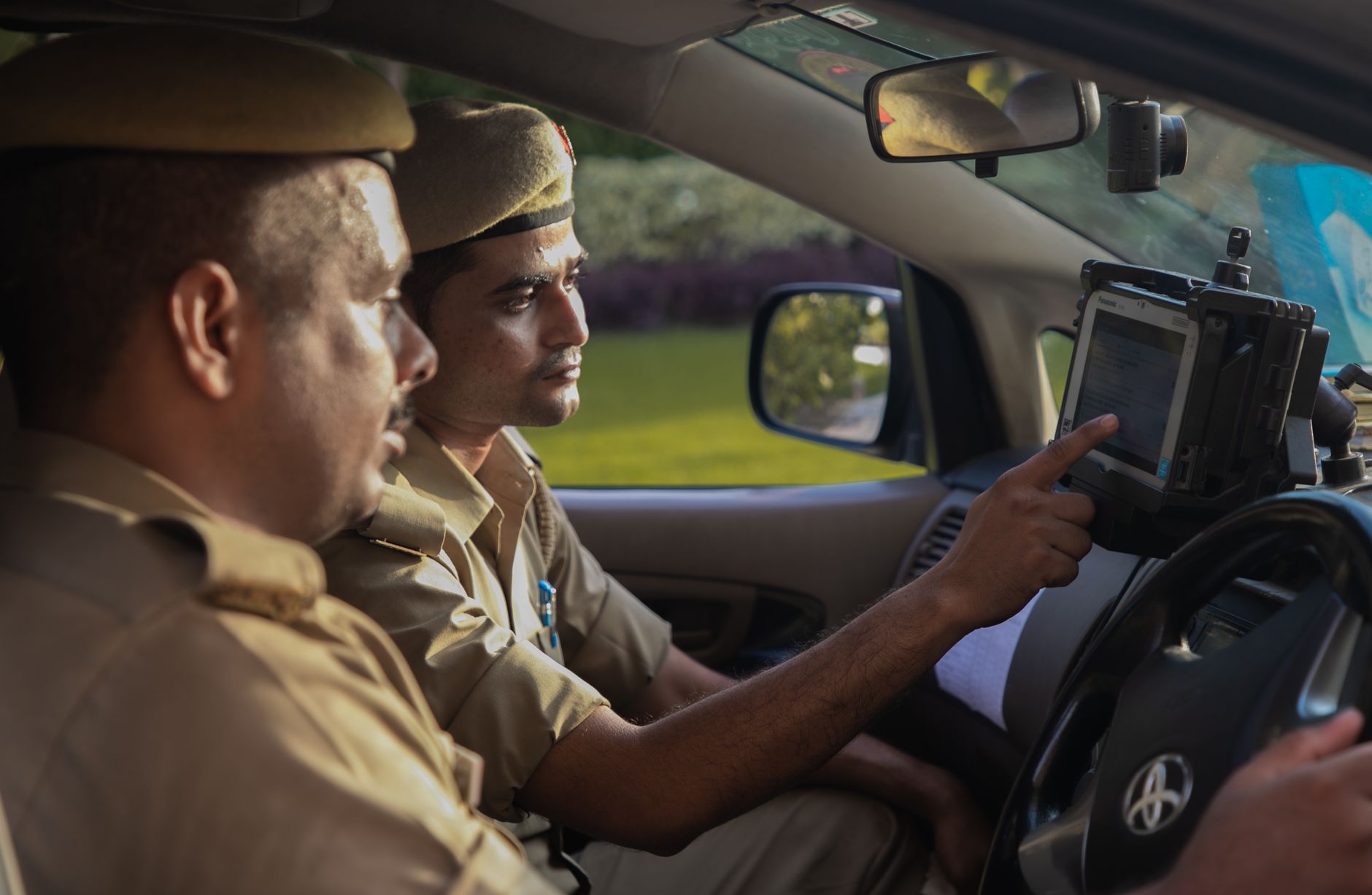 Photo by 112 Uttar Pradesh
Sync across phone, tablet, and computer
Automatic syncing keeps your tasks up to date no matter which device you use. When you add a task on your smartphone, it appears on your tablet and computer within moments, and any updates to due dates, priorities, or completion status reflect everywhere. To maximize reliability, pick a single ecosystem for syncing if possible and verify you’re logged into the same account on all devices. If you ever notice a delay, check your internet connection and confirm there are no separate accounts competing for data. For quick guidance on cross-device syncing, explore app-specific help pages like TickTick’s Cross-Platform Support. https://help.ticktick.com/articles/7055780388337090560
- Quick tip: enable calendar integration so due dates appear alongside calendar events.
- Real-world benefit: you can shift from a quick capture on your phone to a deeper planning view on a computer without re-entering details.
Offline access and backups
A solid task system works offline too. When you’re on a flight or in a patchy network area, you can create and edit tasks locally, and they will sync when you’re back online. Most major apps store local copies and offer automatic backups, but it’s smart to take an extra step. Use built-in backup options or export data periodically to a file you store in a secure location. If you want concrete offline backup steps, see TickTick’s Backup & Import feature, which explains how to generate and import backups. https://help.ticktick.com/articles/7055781405648748544
- Pro move: schedule a weekly backup ritual to an external drive or cloud storage.
- Quick sanity check: if you ever switch devices, verify that the most recent backup matches your latest changes.
Privacy tips and permissions
Data privacy starts with mindful permission management. Limit what the app can access on your device and review permissions often. For most task apps, you want notifications, storage for attachments, and access to your calendar, but you don’t need microphone or location unless you rely on those features. Regularly audit app permissions in your device settings, disable anything unnecessary, and use strong, unique passwords for your accounts. If you’re curious about practical privacy guidance, a balanced read on data handling and alerts can help you tune your setup without sacrificing usability. For a comparison of common productivity apps and their privacy practices, check reputable sources like Todoist reviews. https://www.todoist.com/help/articles/troubleshoot-syncing-issues-in-todoist-d6dDzzpF
- Takeaway: treat notifications as useful prompts, not background noise.
- Quick audit: confirm you’re using a single login across devices to prevent duplicate data.
Conclusion
Tracking daily tasks on your phone can turn busy days into a clear plan you can follow with confidence. A simple system works best: a lightweight template, fast entry, and quick reviews each day. By choosing one reliable app or built-in tool, you keep a single source of truth that travels with you across devices. When tasks stay in one place, you finish more and stress less.
Start today with a minimal setup: grab the Today, Priorities, and Done sections, add two to three must-dinish items, and schedule a short morning check-in. Use natural language to add entries and set smart reminders at times you actually act. Try widgets on the home screen for instant access and a quick glance at what’s due.
A small investment now pays off with bigger gains tomorrow. If you already have a favorite method, tell us how it fits your routine in the comments. Share your wins or ask for tweaks; your setup may inspire someone else to start simple and stay consistent.
What If the Only Thing Between You and the Life You Deserve Is a Hidden Wealth Code Waiting to Be Activated
>>> Open the Door <<<
