Thousands of People Were Struggling With Money Until They Discovered This One Ancient Secret Hidden in Sound
>>> Unlock It Now <<<

You can manage projects from your phone wherever you are, whether you’re commuting, traveling, or waiting between meetings. This introduces a flexible workflow that keeps momentum without tying you to a desk. In this guide you’ll see practical steps to stay organized on the go using your smartphone.
Think of this as a simple playbook for mobile project management. You’ll learn how to choose the right app, set up quick templates, and automate routine tasks so updates and approvals move smoothly. By focusing on core habits, you’ll keep teams aligned and deadlines in sight, even when you’re away from your computer.
If you’re new to this approach, you’ll discover how to pick the best mobile PM apps for your needs and how to tailor your views for quick decisions. The goal is to help you save time on admin, boost collaboration, and maintain clear visibility across projects. With the right setup, you can stay productive and in control from any place, at any time.
Why managing projects on a phone helps you stay productive
Managing projects from a smartphone isn’t a fallback option anymore. It’s a strategic choice that keeps momentum going, reduces delays, and makes you responsive to changes the moment they happen. In this section, you’ll see how on-the-go updates, real-time collaboration, client visibility, and mobile-friendly features come together to boost productivity all day, every day.
There Is a Frequency That the Wealthiest Families Have Used for Generations and Most People Will Never Know It Exists
>>> Open the Door <<<

Save time with on the go updates
Quick check-ins and real-time edits keep projects moving without waiting for a desk to free up. When you’re between meetings, you can swap in a status update, adjust a deadline, or reassign a task in seconds. On the commute, you can log hours, review blockers, and push decisions forward before you even reach the office.
Real world example helps right here. Imagine you’re waiting for a client call and spot a dependency that will push the next milestone. You update the task, attach a note, and ping the responsible teammate directly from your phone. By the time you reach the conference room, everyone already knows what changed and why. That kind of speed isn’t a perk; it’s a core capability of mobile project management.
Another practical scenario: you’re riding the subway or standing in line between appointments. You quickly approve a storyboard, add a comment for a designer, or mark a risk as resolved. These small, fast updates add up, eliminating bottlenecks that typically crop up from delayed check-ins. The end result is fewer status meetings and more hands-on progress.
To maximize this benefit, look for a mobile PM tool with intuitive task quick-create, offline mode for flaky networks, and reliable sync once you’re back online. The right setup makes every moment productive, not just during formal work hours.
Stay aligned with your team
Real time collaboration lives strongest on mobile when everyone can see the same board, receive instant notifications, and respond quickly. Shared boards let you track progress at a glance, no matter where you are. Comments and discussions stay where the work happens, so back-and-forth emails become the exception, not the rule.
With instant notifications, you don’t miss updates about blockers, approvals, or changes in scope. If a teammate adds a critical file, you’ll see it immediately and can respond with context. Discussion threads stay attached to the task, which reduces confusion and keeps conversations focused on next steps.
A mobile-first approach to collaboration means you can coordinate across time zones without missing beat. For example, a designer in one city can post a design review note, a product manager in another can weigh in, and decisions can be captured in the same place, visible to all stakeholders. That visibility matters for keeping momentum and maintaining trust with the team.
To support smooth collaboration, prioritize features like real-time editing, push notifications, shared boards, and in-app file sharing. These capabilities curtail email chains and keep everyone working with current information.
Keep clients in the loop
Clients value transparency and timely updates. Sharing status updates, timelines, and progress from a phone is straightforward and non-disruptive. When clients can access a live view of the project, questions drop and trust grows.
Exporting summaries or generating shareable links is a simple way to keep external stakeholders in the loop. You can provide a current snapshot of progress without exposing internal notes or sensitive details. Clients appreciate having a clear timeline that shows milestones met, upcoming tasks, and any risks with mitigation plans.
Mobile access also makes status meetings more efficient. Rather than walking through slides, you can send a live link or export a quick report that reflects the latest numbers. The result is a more focused conversation on decisions and next steps, not on data gathering.
To ensure clients stay informed without feeling overwhelmed, choose a tool that supports secure sharing, easy exporting, and viewable timelines. A well-structured mobile share adds credibility and strengthens the relationship.
For further guidance on what clients expect and how to present progress clearly, see resources like practical discussions on mobile sharing and collaboration (examples and perspectives are available here). https://activecollab.com/blog/project-management/advantages-of-mobile-project-management-apps
Key features to look for in mobile PM tools
Not all mobile project management tools are created equal. When you’re evaluating options, focus on features that directly impact daily productivity and reliability on a phone. Here are essentials that make mobile work practical and trustworthy.
- Offline support: You should be able to view tasks, edit details, and add updates even without a network. Later, changes sync automatically.
- Push notifications: Instant alerts for assignment changes, comments, and approaching deadlines keep you proactive.
- Task dependencies: Understanding what must happen before the next step helps prevent bottlenecks and misaligned handoffs.
- Calendar views: A clear, portable calendar helps you plan and adjust timelines on the fly.
- Quick task creation: A single-tap or two-tap task creation accelerates triage and prioritization.
- Strong security: Mobile data protection, access controls, and secure sharing are non-negotiable for client work and sensitive materials.
These features empower you to manage projects anywhere with the dependable performance of a well-designed smartphone experience. The right combination gives you rhythm: you respond quickly, keep work progressing, and maintain visibility across the project.
If you want a deeper dive into what mobile PM tools should offer, you can explore contemporary guides that outline the core capabilities and best practices for 2025 and beyond. For a detailed look at mobile app features and how they enhance productivity, see this guide. https://bubble.io/blog/project-management-app-features/
If you’re curious about how mobile access shapes management workflows and why teams rely on mobile-first tools, you’ll also find value in this authoritative overview. https://hive.com/blog/importance-of-mobile-access-for-management-tools/
In short, managing projects from your phone enables faster decisions, tighter team alignment, and clearer client communication. It turns a busy day into a sequence of purposeful actions rather than scattered tasks. As you adopt a mobile-first mindset, you’ll see consistency in progress and reliability in delivery, even when you’re away from your desk. For a practical look at how mobile devices boost productivity, this read offers helpful perspectives. https://www.alchemygts.com/blogs/how-mobile-devices-are-benefiting-productivity
If you’d like, I can tailor these sections to match your preferred tone or expand on any subsection with additional real-world examples and checklists.
How to Choose the Right Mobile Project Management Tools
Choosing the right mobile project management tool starts with your team’s needs and how you work on the go. This section breaks down what to look for, which apps are performing well in 2025, and how to match a tool to your team size. You’ll get practical guidance you can apply right away, along with quick tips to keep data secure on a smartphone.
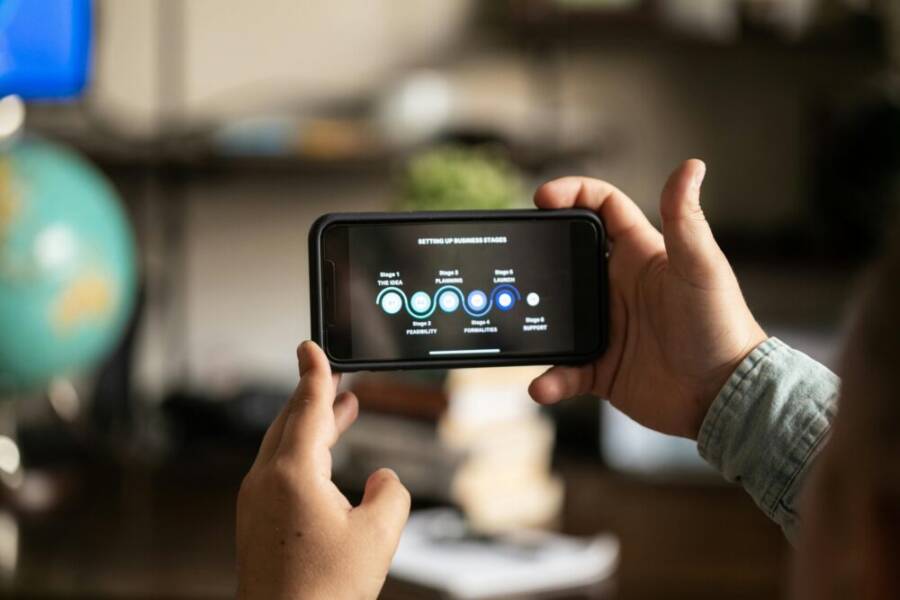
 Photo by RDNE Stock project | https://www.pexels.com/@rdne
What to look for in a mobile app
When you evaluate a mobile PM app, start with cross platform support. You need an app that works equally well on iOS and Android, so you don’t have to switch devices mid project. Offline work is essential for flights, commutes, or areas with spotty service. The app should let you view and edit tasks offline, then sync automatically once you’re online again.
Ease of use matters more on a phone than on a desktop. Look for a clean layout, quick task creation, and intuitive gestures to move work forward in seconds. Dashboards should present a clear picture of progress at a glance, not require you to dig through menus. Quick actions — like one-tap task creation or a single screen to update statuses — save precious minutes.
Integrations expand a mobile PM tool from a stand-alone app to a central hub. Your tool should connect with the apps you already use, such as email, chat, calendar, and cloud storage. Security basics cannot be ignored. Enable two-factor authentication (2FA), set up role-based permissions, and confirm how the app handles data on devices and in the cloud.
A practical example: while waiting for a client call, you update a dependency, add a note, and assign the task to a teammate. All of that happens without opening a laptop, keeping momentum intact. For best results, confirm offline support, robust syncing, and responsive mobile UX before you commit.
If you want to explore more about essential features and best practices for mobile PM tools, check out guides that map core capabilities and security requirements for 2025 and beyond. For a deep dive into mobile app features and productivity, see this guide. https://bubble.io/blog/project-management-app-features/
For an authoritative look at why mobile access matters in management tools, this overview is helpful. https://hive.com/blog/importance-of-mobile-access-for-management-tools/
Key takeaway: the right app blends a user-friendly mobile experience with strong offline capabilities, reliable syncing, meaningful dashboards, and secure sharing.
Top mobile PM apps for 2025
Smartphone friendly design matters, and several widely used tools perform well on phones. Here are the top options and what makes them strong for mobile work:
- monday.com: Visual boards, lists, and calendars adapt well to small screens. Great for quick status updates and automated reminders.
- Asana: Flexible views (list, board, calendar) and solid mobile notifications help you keep plans visible.
- Trello: Simple cards and boards shine on mobile, ideal for lightweight projects or solo work.
- ClickUp: All-in-one features — tasks, docs, goals, and chat — stay usable on mobile with powerful capabilities.
- Jira: Best for software teams; mobile access supports sprint planning, bug tracking, and updates on the go.
- Teamwork: Strong client-facing features; easy to share progress with external stakeholders.
- ProProfs Project: Straightforward planning and tracking, with a clean mobile interface.
For a quick comparison of how these apps perform on smartphones, you can review practical summaries that highlight mobile strengths such as offline access, ease of task creation, and real-time collaboration.
For a broader look at mobile-centric project management tools and why teams rely on them, see this overview. https://www.alchemygts.com/blogs/how-mobile-devices-are-benefiting-productivity
If you want deeper context on mobile sharing and client transparency, this article offers actionable insights. https://activecollab.com/blog/project-management/advantages-of-mobile-project-management-apps
What If the Only Thing Between You and the Life You Deserve Is a Hidden Wealth Code Waiting to Be Activated
>>> Open the Door <<<

Choosing the right app for your team size and needs
A quick way to narrow choices is by team size and work style:
- Small teams: Trello or Asana typically cover day-to-day tasks with minimal setup. They’re easy to adopt, with intuitive mobile experiences for quick triage and updates.
- Mid sized teams: ClickUp or monday.com strike a balance between depth and usability. They provide more automation, templates, and dashboards without overwhelming mobile users.
- Large or Agile teams: Jira or Monday combined with strong governance fit well. Jira supports sprints and issue tracking, while Monday scales with complex workflows and multiple boards.
- Client facing or cross-functional teams: Teamwork shines for client updates and external collaboration, keeping work streams and feedback in one place.
Quick tip: if external stakeholders frequently review progress, prioritize secure sharing and easy export options. A mobile tool that makes client updates painless reduces friction in every handoff.
Security and data privacy on mobile
Security on the move should be simple, not a hurdle. Enable 2FA for each account, enforce strong, unique passwords, and avoid auto-saving sensitive data in plain view. Use app-level permissions to control who can see what, especially for files and client information.
A practical approach to safety on a phone:
- Turn on two-factor authentication and keep recovery codes in a safe place.
- Limit permissions: give users access only to the boards and data they need.
- Follow your company’s data policies for mobile devices, including encryption and device management rules.
- Regularly review app access after new hires or role changes.
If you want a quick guide to how different mobile PM tools handle security and privacy, consider checking these resources for practical perspectives. https://hive.com/blog/importance-of-mobile-access-for-management-tools/
For an overview of how mobile devices boost productivity and what teams should know about security, this read is helpful. https://www.alchemygts.com/blogs/how-mobile-devices-are-benefiting-productivity
Final thought: the right balance of usability and security keeps your mobile PM setup productive without compromising data. When you enable 2FA, tighten permissions, and align with company policies, your team can focus on delivering value from anywhere.
Images for this section are optional if you’d like to illustrate points on app behavior, cross-platform use, or security on the go. If you want an additional visual, we can integrate a related photo with proper credits.
Set up a mobile workflow that works
A solid mobile workflow keeps projects moving when you’re away from a computer. It’s not about squeezing in tasks on a small screen; it’s about designing quick, reliable paths for the work that matters. In this section, you’ll learn practical steps to build templates, assign roles on the fly, automate routine moves, and protect progress with offline capability. The goal is to create a lean, repeatable rhythm you can trust from your phone.
Create simple project templates
Templates speed up setup and keep consistency across projects. Start with a few core templates you’ll reuse often, then tweak them for new contexts. For a marketing campaign, product launch, and client onboarding, here are practical starting points you can adapt on your mobile device.
- Marketing campaign template
- Phases: Discovery, Planning, Content, Launch, Review
- Key tasks: brief creation, asset collection, review cycles, approval gates, publish schedule
- Standard roles: Campaign Manager, Content Lead, Designer, Editor, QA
- Reusable checklists: asset specs, approval checklist, post-launch metrics
- Why it works on mobile: templates give you a single screen to start, with prefilled tasks you can adjust with a tap or two.
- Product launch template
- Milestones: concept, design freeze, beta, go live, post-launch refresh
- Tasks: requirement gather, risk log, stakeholder sign-off, release notes
- Roles: PM, UX Lead, Eng Lead, QA, Marketing
- Automations: automate due-date reminders aligned to each milestone
- Why it works on mobile: you maintain a clear timeline without hunting for documents or forms.
- Client onboarding template
- Stages: welcome, data collection, kickoff, setup, feedback loop
- Tasks: contract confirmation, access provisioning, welcome email, kickoff meeting notes
- Roles: Onboarding Specialist, Customer Success, Tech Lead
- Checklists: required documents, access credentials, success metrics
- Why it works on mobile: onboarding needs fast alignment and clean handoffs; templates reduce back-and-forth.
How to build and reuse templates on the go
- Start with a template library in your PM app. Use predefined sections like Tasks, Subtasks, Assignees, and Dates.
- When you create a new project from a template, skim the list quickly and remove anything not relevant for this instance.
- Keep templates lean. Add only the essential tasks and milestones; you can add more later as needed.
- Save time by tagging templates with standardized labels (for example, “marketing,” “launch,” “onboarding”) so you can filter and locate them fast.
- For extra efficiency, pair templates with auto-generated checklists for common approvals and reviews.
Useful resources for templates and mobile templating can help you tailor templates to real-world needs. See examples of how templates are used in popular tools and how they translate to a mobile workflow:
- Template basics and quick start guides: https://help.asana.com/s/article/project-templates
- Quick project setup with templates: https://help.asana.com/s/article/create-projects-quickly-with-templates
Define roles and tasks on your phone
Clear ownership is essential when you work from a mobile device. Assign responsibilities directly in the app, use checklists to confirm what’s done, and label tasks for fast filtering. A strong practice is to assign roles once and keep them stable across the project so updates stay consistent.
- Assigning responsibilities
- Create a primary owner for each task and a backup for critical steps.
- Use the assignee field to designate accountability, and add watchers for visibility without overloading people.
- Keep ownership visible on every task card so you can decide quickly who to ping.
- Using checklists to keep ownership crystal clear
- Break larger tasks into discrete subtasks with owners and due dates.
- Check off items as soon as they’re completed to demonstrate progress.
- Attach quick notes explaining the reason for decisions or changes.
- Tags and labels to speed up filtering
- Create a simple taxonomy like “marketing,” “design,” “client,” and “internal” to filter quickly.
- Apply labels for priority levels such as “high,” “medium,” or “low.”
- Use color coding if your app supports it to visualize priorities at a glance.
On a phone, speed matters. Keep the workflow tight by using one-tap actions for assignment changes and a single screen to update status. This minimizes taps and keeps your team moving without waiting for a laptop.
There Is a Frequency That the Wealthiest Families Have Used for Generations and Most People Will Never Know It Exists
>>> Open the Door <<<
Tip: emphasize ownership in daily standups by sharing who is responsible for each ongoing task and what the next action is. This reduces back-and-forth emails and keeps everyone aligned.
Helpful link for understanding role assignment and workflows on mobile:
- Best practices and tools overview, including how roles and templates fit together: https://asana.com/resources/best-project-management-software
Use automation and reminders
Automation brings consistency to mobile work. Set up reminders for due dates, status changes, and daily summaries so you stay in the loop without manual follow-ups. Automations reduce the mental overhead of keeping a project on track and free your attention for higher-impact work.
- Automations for due dates
- Create a rule that nudges assignees a day before a deadline.
- Tie reminders to calendar events so you see updates in your daily view.
- Use status-driven automations to move tasks to the next stage automatically when subtasks are complete.
- Automations for status changes
- When a task is marked complete, trigger a notification to stakeholders and unlock the next step.
- Change the project stage when a critical task reaches a predefined state.
- Generate a lightweight update note automatically to capture progress.
- Daily summaries
- Schedule a concise daily digest that lists overdue items, top priorities, and blockers.
- Deliver the digest to your preferred channel, whether email or in-app notifications.
- Keep summaries short and actionable to drive decisions rather than just inform.
How reminders help you stay on track
- They reduce the need for manual follow-ups.
- They ensure nothing slips through the cracks during travel or between meetings.
- They create a predictable cadence so the team knows when to expect updates.
If you want a deeper look at how automations play out in real projects, you can compare approaches across tools and see real-world use cases. See resources on automations and reminders in modern mobile PM tools:
- Alerts and reminders with automations: https://support.monday.com/hc/en-us/articles/360000227739-Alerts-and-Reminders-with-Automations
- Tool comparisons and automation capabilities: https://monday.com/blog/project-management/asana-vs-monday-com-which-to-choose/
Offline work and syncing
Reliable offline capability is the backbone of mobile PM. When networks falter, you still need to access tasks, make updates, and plan next steps. A strong offline mode ensures that work never stops, and syncing kicks in smoothly when you’re back online.
- Work offline, then sync
- Create, edit, and complete tasks while offline.
- Your changes queue up and push to the server automatically once connectivity returns.
- Check that all important fields (assignees, due dates, status) update correctly after syncing.
- Practical offline scenarios
- Commuting with unreliable service: add notes, reassign tasks, or adjust deadlines without waiting.
- Quiet moments on site visits: capture field data and decisions, then sync later.
- Travel days: review work without relying on a live connection, ensuring you stay productive.
- Why offline mode matters on the go
- It protects your momentum during transit, meetings, or in areas with spotty coverage.
- It reduces the risk of data loss when switching networks or devices.
- It helps maintain a single source of truth, since updates sync in one place once online.
If you want to see how different tools handle offline work, check these references for practical guidance and reliability notes:
- Offline mode basics and behavior: https://help.clickup.com/hc/en-us/articles/6308895791127-Offline-Mode
- General offline productivity insights: https://routine.co/blog/posts/offline-productivity-tools
Putting it all together
- Start with a lean template library that suits your most common projects.
- Define a small set of core roles and a simple labeling system to keep everyone aligned.
- Automate routine moves and reminders to reduce manual follow-ups.
- Ensure offline work is robust and syncing is reliable so you stay productive anywhere.
With these practices, your mobile workflow becomes a repeatable engine. You’re not just reacting to updates; you’re guiding progress with clarity and speed. If you’d like, I can tailor these sections to match your preferred voice or expand any subsection with concrete examples and ready-to-use checklists.
Best practices for communication and collaboration from a mobile device
Managing teams from a mobile device is not a luxury; it is a practical requirement for modern projects. The right approach keeps conversations crisp, decisions fast, and work visible to every stakeholder no matter where you are. In this section, you’ll learn how to choose the right channels, keep updates concise, run quick standups on the go, and coordinate across time zones with ease. We’ll also surface concrete tips and reliable resources to help you build a mobile-first collaboration rhythm.
Choose the right communication channel
On a phone, the path of least friction matters more than a perfect tool fit. Different channels serve different needs, and keeping discussions in one place reduces confusion and scattered updates. Here’s how to think about three common channels and when to use each.
- In-app chat: Use for quick questions, fast decisions, and real-time problem solving. It’s best for rapid replies and context-rich conversations tied to tasks. The advantage is that every message lives next to the work, so teammates stay aligned without hunting through emails.
- Task comments: Ideal for updates tied to a specific task. Comments stay attached to the work item, making it easy to review decisions, changes, and approvals in one thread. This reduces email back-and-forth and keeps accountability clear.
- Email: Reserve for formal updates, external stakeholders, or communications that require a longer record. When possible, route important project conversations through in-app chat or task comments first, then summarize in email if needed.
A practical approach is to consolidate related topics or teams into a single channel and avoid creating new threads for every small topic. This keeps information discoverable and reduces noise. For a quick guide on how to balance email and messaging in project work, see related perspectives here. https://futuramo.com/blog/email-vs-messaging-apps-which-is-more-effective-for-modern-communication/
In practice, you can keep a single “Project X” board with a dedicated chat thread for urgent blockers, a “Comments” section on each task for context, and a lightweight weekly email summary for clients. The goal is to minimize switching while maximizing speed and clarity. Check out how other teams structure their channels for efficient mobile collaboration (and how it differs from email-heavy workflows) in this overview. https://www.proofhub.com/articles/email-collaboration-vs-project-management-tools-collaboration
Tip: set a standard for response times and create a simple escalation path. For example, answer within 15 minutes for blockers, 60 minutes for general questions, and 24 hours for non-urgent updates. Clear expectations prevent delays and keep momentum high.
Keep updates clear and brief
Attention spans are short on mobile. The best updates convey essential information in a tight bundle. Use a consistent format and aim for skim-friendly updates that teammates can grasp in seconds.
- Start with the outcome: What happened or what will happen next.
- State the impact: What this means for the schedule, scope, or risk.
- List the next action: Who is responsible and what the due date is.
- Attach only what’s necessary: Link to documents or add a short note if context is essential.
Daily updates should be compact and scannable. A good rule of thumb is one paragraph for the day and one short bullet list for blockers or decisions. For example, a mobile update might read: “Milestone 2 design is 80% complete; no blocking issues. Next: finalize assets by 6 PM local time. Next step owner: Mia. Risk: potential vendor delay; mitigation: confirm timeline with supplier.” This approach keeps the flow predictable and reduces the need for lengthy follow-up.
To keep clients informed without overloading them, provide a lightweight summary that highlights progress, upcoming dates, and any risks with clear mitigation plans. A live view or exportable report adds credibility and cuts meeting time. For a structured look at client-friendly mobile sharing, see this guide. https://www.alchemygts.com/blogs/how-mobile-devices-are-benefiting-productivity
For internal use, consider a short “standup-ready” format: what was done yesterday, what’s happening today, and any blockers. This makes standups fast and relevant, especially when everyone is on the move.
Daily check-ins and quick standups
Short, consistent check-ins keep momentum without dragging people into long meetings. The aim is to capture progress, surface blockers, and align the team with minimal friction on a mobile device.
- Time-boxed updates: Keep each standup to 5 to 10 minutes of discussion or a 1–2 minute status post for asynchronous teams. Use a fixed cadence, such as every workday at the same time.
- Focus on action: Emphasize decisions made, next steps, and owners. Avoid rehashing entire histories.
- Use the right tool for the moment: If you need rapid input from several people, a quick in-app post works; for decisions that require documentation, follow up with a task comment or a brief summary in the project board.
- Be consistent: The more predictable the format, the easier it is for teammates to scan updates during a commute or between meetings.
If your team spans multiple time zones, consider staggering standups or rotating the meeting time so no group always sacrifices sleep. A practical approach to time zone management during daily standups is to choose a window that works reasonably well for all participants, even if it means some compromise. https://www.linkedin.com/pulse/daily-stand-ups-actually-work-tips-engagement-rg4sf
To keep the cadence tight, many teams adopt a 5-minute daily check-in that uses a fixed template and a countdown timer. This prevents overlong updates and respects everyone’s time. For additional tips on running efficient daily standups, review this checklist. https://geekbot.com/blog/daily-standup-tips/
Coordinate with teams in different time zones
Cross-border collaboration adds complexity, but mobile tools can simplify it when used thoughtfully. The key is to plan around time zones rather than fight against them.
- Time zone awareness: Always note the time zone when scheduling meetings and deadlines. A shared calendar with time zone labels helps prevent mix-ups.
- Rotating schedules: If possible, rotate standup times so no single team segment is consistently disadvantaged.
- Clear handoffs: End each work window with a concise handoff note that includes what’s done, what’s next, and who takes over.
- Asynchronous emphasis: When live overlap is limited, maximize asynchronous updates. Short status posts and task comments become the primary way to push information forward.
Smartphone cameras are not required for updates, but a quick voice memo or quick screenshot can capture context fast when typing isn’t convenient. For teams that rely on mobile collaboration, a transparent schedule and clear ownership reduce missed updates and late responses.
If you want practical tips on scheduling across time zones and keeping everyone in sync, this resource offers actionable guidance. https://www.resolution.de/post/how-to-run-effective-daily-stand-up-meetings/
A simple pattern works well: define a core overlap window for live sync, then rely on task comments and status posts for updates outside that window. This ensures continuity while respecting local working hours.
Also consider how to handle holidays or local events. A shared calendar with custom color codes can quickly show when teams are out, preventing miscommunication and last-minute rescheduling.
Closing note on this section: mobile communication thrives when you reduce friction, standardize updates, and honor people’s time across zones. The result is faster decisions, fewer meetings, and a clearer trail of progress.
External resources for time zone coordination and standups can help you refine your approach:
- How to run effective daily stand-up meetings: https://www.resolution.de/post/how-to-run-effective-daily-stand-up-meetings/
- Five-minute daily check-ins that keep projects on track: https://www.nimblework.com/blog/keeping-projects-on-track/
Starter plan for managing projects from your phone in 7 days
Launching a full mobile project management routine in seven days is completely doable. This starter plan gives you practical, repeatable steps to set up apps, templates, roles, automation, and stakeholder communication. By day seven, you’ll have a lean, reliable workflow you can reuse for any project, anywhere. The focus is on speed, clarity, and consistency so you stay in control even when you’re away from a desk.
Day 1: set up apps and accounts
Set up a solid foundation by installing the core apps you’ll rely on and securing your accounts. Here’s a concise, practical checklist.
- Pick your mobile PM tool and install the app on your phone. Make sure it’s available on both iOS and Android if you work across devices.
- Create user accounts for every teammate who will touch the project. Use your work email and enable single sign-on if available.
- Configure security settings
- Turn on two-factor authentication (2FA) for all accounts.
- Set up device-level security and auto-lock preferences.
- Define role-based permissions so sensitive data stays protected.
- Import basic data
- Create a starter project or two and bring in essential tasks, owners, and due dates.
- Import a small group of templates you’ll reuse, such as a standard kickoff or a design review template.
- Link a shared calendar to visualize deadlines across your team.
- Verify offline access and sync
- Confirm you can view and edit tasks offline and that updates sync when you’re back online.
- Do a quick test by making a change on mobile and ensuring it appears on your desktop when connected.
Tip: keep your first day simple. You want a clean, predictable environment you can trust. After setup, you’ll move quickly through the next steps without friction.
Day 2: build core templates and boards
Templates and boards are the backbone of a fast mobile workflow. Create a small set of starter templates that cover the most common project types in your work.
- Create three starter templates
- Marketing campaign
- Product launch
- Client onboarding
- Build boards that map to these templates
- Use standard columns or statuses that everyone understands (e.g., To Do, In Progress, Review, Done).
- Include prefilled tasks and assignments so you can start a project with one tap.
- Add reusable checklists for heavy tasks like approvals, reviews, and sign-offs.
- Keep templates lean and reusable
- Include only essential tasks and milestones.
- Use consistent naming and simple due-date logic to speed up setup.
- Tag templates with clear labels (e.g., “marketing,” “launch,” “onboarding”) for quick filtering.
- Quick-start example templates
- Marketing campaign: Discovery, Planning, Content, Launch, Review; roles like Campaign Manager, Content Lead, Designer, Editor, QA; checklists for asset specs and approval gates.
- Product launch: Concept, Design Freeze, Beta, Go Live, Post-launch; roles like PM, Eng Lead, UX Lead, QA, Marketing; automations for milestone reminders.
- Client onboarding: Welcome, Data Collection, Kickoff, Setup, Feedback; roles like Onboarding Specialist, Customer Success; checklists for required documents and access credentials.
How to build and reuse templates on the go
- Use a template library in your PM app; keep sections like Tasks, Subtasks, Assignees, and Dates ready.
- When you create a new project from a template, skim and remove anything irrelevant.
- Save time with standardized labels to filter quickly.
- Pair templates with auto-generated checklists for common approvals and reviews.
Useful resources for templates
- Template basics and quick start guides: https://help.asana.com/s/article/project-templates
- Quick project setup with templates: https://help.asana.com/s/article/create-projects-quickly-with-templates
Day 3: assign roles and workflows
Clear ownership and a simple workflow keep mobile work predictable. Set up roles, assign initial tasks, and establish a straightforward status flow.
- Define core roles
- Create a primary owner for each task and a backup for critical steps.
- Use the assignee field to designate accountability; add watchers for visibility.
- Keep ownership visible on every task card for quick ping decisions.
- Use checklists to maintain clarity
- Break large tasks into subtasks with owners and due dates.
- Check items off as they’re completed to show progress.
- Attach brief notes explaining decisions or changes.
- Apply tags and labels to speed filtering
- Create a simple taxonomy (e.g., marketing, design, client, internal).
- Use priority labels like high, medium, low.
- Use color coding if available to visualize priorities at a glance.
- Keep updates lean
- Favor one-tap actions for assignment changes.
- Use a single screen to update status when possible.
Pro tip: emphasize ownership in daily standups by naming who is responsible for each ongoing task and the next action. This minimizes back-and-forth and keeps momentum.
Helpful resource for roles and workflows on mobile:
- Best practices and tools overview, including how roles and templates fit together: https://asana.com/resources/best-project-management-software
Day 4: automate reminders and reports
Automation reduces busywork and keeps everyone aligned. Set up reminders, status updates, and a concise daily report for stakeholders.
- Automations for due dates
- Nudges a day before deadlines to assignees.
- Tie reminders to calendar events for daily views.
- Move tasks to the next stage automatically when subtasks finish.
- Automations for status changes
- Notify stakeholders when a task is complete and unlock the next step.
- Shift project stage when a critical task hits a threshold.
- Generate a lightweight progress note automatically.
- Daily summaries
- A short digest listing overdue items, top priorities, and blockers.
- Deliver the digest via email or in-app notifications.
- Keep summaries actionable to drive decisions.
Why reminders matter
- They reduce manual follow-ups.
- They protect momentum during travel or between meetings.
- They create a predictable cadence for updates.
External resources on automation and reminders
- Alerts and reminders with automations: https://support.monday.com/hc/en-us/articles/360000227739-Alerts-and-Reminders-with-Automations
- Tool comparisons and automation capabilities: https://monday.com/blog/project-management/asana-vs-monday-com-which-to-choose/
Day 5–7: test, refine, share with stakeholders
Finish the week with a quick pilot, gather input, fix issues, and share progress with clients or leaders. The aim is to validate your setup and surface any gaps before you scale.
- Run a short pilot
- Pick one project type and execute end-to-end on mobile.
- Note what works well and where the friction is.
- Gather feedback
- Ask for input from both internal teammates and a sample external stakeholder.
- Look for patterns in requested changes and recurring blockers.
- Fix issues
- Tweak templates, boards, and automations based on feedback.
- Simplify any processes that caused confusion during the pilot.
- Share progress
- Produce a lightweight update for clients or leaders that highlights milestones, upcoming work, and risks with mitigations.
- Use a live view or exportable report to provide a clear snapshot.
A practical approach to pilots is to document the plan, execution, and results in a small, shareable format. This makes it easy to loop in stakeholders and keeps momentum intact.
If you want a quick reference for starting a pilot and refining it, consider these sources on pilot project steps and best practices:
- Pilot project steps: https://deliberatedirections.com/pilot-project-steps/
- Pilot project excellence: https://www.teamwork.com/blog/pilot-project-example/
What to take away from days 1–7
- Start lean with templates you can reuse forever.
- Define a small set of roles and a simple labeling system.
- Automate routine moves and reminders to reduce manual follow-ups.
- Ensure offline work is robust and syncing is reliable so you stay productive anywhere.
With these steps in place, your mobile workflow becomes a repeatable engine. You’re guiding progress with clarity and speed, not just reacting to updates. If you’d like, I can tailor these sections to match your preferred voice or expand any subsection with concrete examples and ready-to-use checklists.
Conclusion
Managing projects from your smartphone gives you speed, clarity, and steady momentum, no matter where you are. You’ll see faster decisions, tighter team alignment, and clearer client updates when updates and approvals flow from a single device. By starting small with lean templates and a simple role map, you can build a reliable mobile workflow that scales with your projects. If you’re ready to try a proven path, test Asana on your phone today and track one project from start to finish to feel the shift. Your next milestone is within reach, one tap at a time.
He Was Drowning in Bills and Burnout Until a Simple Daily Ritual Rewired His Brain for Wealth in Less Than a Week
>>> Start Your Shift Today <<<
