He Was Drowning in Bills and Burnout Until a Simple Daily Ritual Rewired His Brain for Wealth in Less Than a Week
>>> Start Your Shift Today <<<

It’s easy to spend hours scrolling on social apps, even when you know you want more focus. The goal is simple: you can use your phone less without removing the apps you rely on.
This guide shows practical steps you can start today. You’ll learn how to use built in tools, reframe habits, and keep social apps useful rather than time sinks.
Small changes add up. By tweaking notifications, setting gentle boundaries, and building quick, purposeful routines, you can regain space for what matters while still staying connected on your smartphone.
Why you can cut screen time without deleting apps
You don’t have to throw away the apps you rely on to regain control of your day. Cutting screen time can mean adjusting how you use those apps, not removing them from your life. It’s about making space for focus, rest, and real-world tasks while staying connected where it matters. Below you’ll find practical ways to rethink usage, plus a clear view of the benefits you can expect.
Thousands of People Were Struggling With Money Until They Discovered This One Ancient Secret Hidden in Sound
>>> Unlock It Now <<<

Dispelling the delete myth
Worries about deleting apps are usually about losing connection or missing important updates. It’s true that social apps can feel essential for staying in the loop. But those fears often signal opportunities to redefine how you fit these tools into daily life rather than remove them altogether. For many, the goal isn’t to quit cold turkey; it’s to reduce friction and reclaim time.
- Connection can remain meaningful even with fewer notifications. You can choose specific moments to check in, such as after work or during a dedicated break.
- Updates will still arrive, but you can shift your rhythm from constant alerts to a predictable cadence. This makes updates feel intentional rather than interruptive.
- If you worry about missing something, set up a selective feed or use a summary view that captures highlights. You’ll stay informed without the ping pong of continuous scrolling.
The key idea is control rather than removal. By choosing when and how you engage, you keep value while cutting the noise. If you want a simple example, consider turning off push notifications for nonessential apps and relying on a daily review to catch posts that truly matter.
For further reading on the mindset around keeping apps while reducing time, see resources that explore healthy tech habits and the myths around deleting apps. Digital Detoxes Work. How Reduced Screen Time Will Help You and related studies discuss how structured changes can improve attention and well-being without giving up digital life entirely. You’ll find a balanced view that supports keeping apps while changing usage patterns.
What really changes when you cut time, not apps
When you cut time rather than delete apps, the benefits show up in everyday moments. You’ll notice more focus during work or study, more energy for hobbies, and less distraction overall. Small, deliberate adjustments add up to real shifts over a week and a month.
- Focus sharpens. Without constant notifications, you complete tasks faster and with fewer errors. The difference is noticeable after a few days of consistent practice.
- Time for hobbies returns. A weekend project, a book, or a walk outside becomes more feasible when you’re not multitasking against your own attention.
- Distractions shrink at key moments. You’ll experience calmer mornings, shorter social feeds during work blocks, and a more predictable evening routine.
Concrete scenarios help illustrate the value. Think of a typical workday: you start with a 25-minute deep work sprint, free of nonessential alerts, then take a 5-minute social break to check messages. By the end of the day, you’ve moved through tasks that usually spill into overtime. Or consider a study session that uses a timer and a strict “no nonessential apps” rule for the duration. The study time increases, while the urge to reach for your phone decreases.
Small daily wins compound. A week of deliberate changes adds up to meaningful progress. You might find you complete a project earlier, finish a workout plan more consistently, or enjoy longer dinner conversations with family because you’re not absorbed by your screen. Studies indicate that reducing screen time can support better sleep, mood, and attention, especially when paired with intentional use of devices rather than removal. If you want to dive into the science, you can explore findings on how reduced screen time relates to attention and well‑being. Blocking mobile internet on smartphones improves sustained attention, mental health, and subjective well-being provides a research perspective on attention benefits when you limit interruptions.
In everyday life, it helps to frame these changes as a loose schedule rather than a strict ban. For instance, designate a “no phones at the table” rule during meals, or set a 60-minute window each evening for social apps that you can use with intention. This approach mirrors how many people manage other routines, like reading a book after dinner or setting a limited time for gaming. The goal is to reclaim habitual spaces without losing the wires that keep you connected.
If you’re curious about how these shifts translate to real outcomes, check out experiences from others who have cut screen time while keeping apps. One practical example describes a 30 percent reduction without deleting Instagram, achieved by rethinking usage patterns and notifications. While every path is personal, the core principle remains: you control the rhythm, not the device. How I Cut My Screen Time 30% WITHOUT Deleting Instagram offers a concrete case of this approach.
And if you want a broader view on what reducing screen time can do, see research-backed summaries of mental health and attention outcomes. For example, studies on reduced screen time and attention point to improved focus and mood, reinforcing that the benefit comes from deliberate habits as much as from any single tool. Smartphone screen time reduction improves mental health provides a scientific lens on these effects.
Remember, the choice to cut time is about reclaiming control over your day. When you guide how you interact with apps, you keep the good parts while steering away from the parts that pull you away from what matters. Your smartphone becomes a tool again, not a trap.
Easy, built in tools that reduce phone use
You don’t need third party apps to reclaim your time. Modern smartphones come with powerful built in tools that help you stay connected without being pulled into a spiral of endless scrolling. In this section, you’ll discover practical ways to use Screen Time, Digital Wellbeing, Focus modes, and streamlined notification controls to cut down on phone use while still keeping the apps you rely on. Think of these tools as smart brakes for your day, not barriers to your digital life.
Use Screen Time or Digital Wellbeing
Both iPhone and Android devices offer built in ways to monitor and limit how you spend time on apps. Start by locating these features, then set clear limits and learn from the usage data.
- On iPhone: Screen Time shows you which apps you use most and how much time you spend on them. You can set daily limits for specific apps or categories and schedule a time away from the screen. To get started, open Settings, choose Screen Time, and turn on App Limits and Activity. You can also enable Downtime to block all but essential apps during defined hours. For a quick reference, Apple’s guidance walks you through turning on Screen Time and configuring limits. See the steps here: Set schedules with Screen Time on iPhone. If you prefer the official overview, Use Screen Time on your iPhone and iPad provides a broader picture of features and setup.
- On Android: Digital Wellbeing helps you track usage and set app timers. You can cap daily use for individual apps and view a dashboard of your activity. To begin, open Settings, search for Digital Wellbeing, and explore the App Timers option. You’ll find a simple plan below that shows how to apply a practical limit. For a practical walkthrough, check out How to Set App Time Limits on Android 15 and Set Time Limit on Specific Apps on Android guide to create predictable boundaries. For families, Google’s Family Link offers separate controls for children’s device limits.
Simple example plan you can apply today
- Social apps: 60 minutes per day
- Daily reset time: 9:00 PM
- Allowances: 15 minutes for a quick check after lunch, then a longer check after work
- Review: At 9:05 PM every evening, glance at a compact usage summary and adjust for tomorrow
Why this works
- It converts vague intentions into concrete numbers, making the behavior easier to manage.
- You still stay connected, but with intentional moments rather than constant exposure.
- You can adjust the limits week by week as you get comfortable.
Tips for best results
- Start with low limits and a clear reset time. You’ll learn where friction points show up and adjust accordingly.
- Pair with a soft nudge. When you hit the limit, a friendly message reminds you of your goal and invites you to resume later.
If you want a deeper dive on the philosophy behind these tools, you can read about how reduced screen time can support better focus and mood. For instance, studies on smartphone use and mental health offer scientific context for these practical steps. You’ll also find guidance on maintaining a healthy digital life without giving up connectivity.
Where to find the official instructions
- Apple: Set schedules with Screen Time on iPhone
- Apple: Use Screen Time on your iPhone and iPad
Helpful external resources
- A guidance video on Limits for iPhone apps provides a quick visual of how App Limits work and how to apply them.
- Android focused tutorials explain enabling app timers and adjusting the dashboard view in Digital Wellbeing.
Set up focus modes and do not disturb
Focus modes and Do Not Disturb (DND) are built to help you protect time for work, study, or family without silencing the world completely. You can tailor these modes so you only receive notifications that truly matter in each moment.
How to create focused profiles
- Work focus: Silence non essential apps, allow notifications from teammates or essential services, and display a clean home screen with only work tools.
- Study focus: Block social apps and games, permit reminders and essential messages, and set up a timer to keep you on track.
- Family time: Reduce distractions during meals or evenings, allow texts from family members, and keep notifications from work apps to a minimum.
Step by step setup
- Open Settings and find Focus (iPhone) or Do Not Disturb with Schedules (Android).
- Create a new Focus or DND profile labeled Work, Study, or Family Time.
- Choose who can notify you and which apps are allowed. For essential messages, add trusted contacts or apps.
- Customize lock screens and home screens so you see only the important stuff when a mode is active.
- Set a schedule or automatic switching. For example, Work runs during business hours, Study runs during class blocks, and Family Time activates in the evenings.
- Turn on auto replies for essential messages if you want to acknowledge inquiries while you focus.
- Test the profile for a day and adjust permissions as needed.
Automatic switching and smart use
- Auto switching can save you from manually toggling modes. The phone senses your location or time of day and shifts to the appropriate profile.
- When you’re in a Focus mode, non essential alerts fade or disappear, creating a calmer digital environment.
- You can still access needed apps quickly by double tapping or using a quick toggle; it’s about reducing friction, not removing usefulness.
Examples of practical Focus mode tips
- Set a Work focus that silences game and social apps but allows messaging from a team channel.
- Create a Study focus with a dedicated timer and notifications limited to calendar reminders and a single messaging app for emergencies.
- Use a Family Time focus to mute most alerts and only allow calls from a partner or immediate family.
Where to learn more
- Set up a Focus on iPhone provides a solid walkthrough for creating tailored modes on Apple devices.
- Getting Started With Focus Modes in iOS offers quick, actionable steps to begin using Focus across devices.
- Focus Mode on iPhone: The Complete Guide covers more advanced tweaks for even smoother automation.
Tips for making focus modes work
- Keep the rules simple at first. You can add nuance later as you get used to the system.
- Use auto replies sparingly. They save time but can feel impersonal if overused.
- If you work with a partner or team, synchronize Focus modes so you both stay in the loop without constant pings.
If you’re curious about how to implement Focus modes on Android, the steps below summarize practical approaches you can adopt right away.
- Schedule Do Not Disturb mode to turn on during meetings or study sessions
- Create a Galaxy specific Do Not Disturb profile with exceptions for calls from favorites
- Try a general Android Do Not Disturb pass that mutes non urgent alerts
Additional reading on Android Do Not Disturb and Focus
- How to schedule Do Not Disturb mode on Android with automatic schedules
- Use Do not disturb mode on your Galaxy phone
- How to set up Do Not Disturb modes on your Android phone
Tighten notifications
Notifications are the fuel that keeps you tethered to your phone. The fewer non urgent alerts you receive, the easier it is to stay in the moment. Start by pruning notifications to the essentials and setting quiet hours so you can focus when it matters most.
A practical approach to notifications
- Review each app’s notification settings and decide which ones matter.
- Mute non urgent alerts for social media, games, and streaming apps.
- Use quiet hours to create predictable windows where no sounds or banners appear.
A simple rule of thumb
- If it is not urgent, it can wait.
How to implement this on your device
- Android: Go to Settings > Notifications and turn off or mute notifications for non essential apps. Set quiet hours or Do Not Disturb as needed.
- iPhone: Open Settings > Notifications and customize per app. Enable Focus or Do Not Disturb to silence alerts during specific times.
Tips to maintain a calm notification experience
- Keep essential alerts on from family, work, and emergency apps.
- Turn off lock screen previews if you want to reduce the temptation to check every ping.
- Review trends weekly. If you notice a particular app still pulling you in, loosen or tighten its permission as needed.
Where to learn more
- How to Turn Off Notifications on Android: 4 Ways to Silence Notifications helps you tackle a range of notification scenarios.
- How to turn off notifications on your iPhone from Asurion provides practical, step by step guidance for quick wins.
Putting it all together
These built in tools give you a reliable way to cut phone time without giving up the apps you need. You can tune Screen Time or Digital Wellbeing to identify where your time goes, create focused modes for different parts of your day, and tighten notifications so only the truly important things break through. With a simple plan and steady practice, you can enjoy the benefits of a calmer digital life while staying connected where it matters.
External resources for quick reference
- Set schedules with Screen Time on iPhone
- Use Screen Time on your iPhone and iPad
- Set up a Focus on iPhone
- Getting Started With Focus Modes in iOS
- Focus Mode on iPhone: The Complete Guide
- How to schedule Do Not Disturb mode on Android with automatic schedules
- Use Do not disturb mode on your Galaxy phone
- How to set up Do Not Disturb modes on your Android phone
- How to Turn Off Notifications on Android: 4 Ways to Silence Notifications
- How to turn off notifications on your iPhone
If you’d like, I can tailor these sections further to match your voice and target keywords for iPro+ 知識酷, or add or remove links to align with your editorial guidelines.
Smart habits that actually stick
Smart habits don’t require a full overhaul of your life. They build small, repeatable steps that fit into real days. In this section, you’ll find practical approaches you can start this week to cut phone time without giving up the apps you rely on. Think of these as easy levers that move your day toward focus, energy, and intention.
Time blocking and batching checks
Schedule specific times for checking apps instead of scrolling at random moments. The idea is to replace aimless swipes with planned, purposeful checks. Two blocks per day often works well: a mid-morning block and a late afternoon block. Each block could be 10 to 15 minutes, enough to catch important messages and updates without pulling you into a scrolling loop.
How to set it up in practice
- Pick two daily windows, for example 10:30–10:45 AM and 3:45–4:00 PM.
- During each block, open only the apps you expect to need and ignore everything else.
- Use a simple worksheet to track the exchange:
- What will I check? (name of apps)
- How long will I spend? (minutes)
- What outcome will I look for? (a specific update, a message, a task)
- What gets carried over to the next block? (unfinished items)
- End each block with a quick summary: “Done, not urgent, moved to tomorrow.” This makes the next block more efficient.
The key benefit is turning scattered moments into deliberate moments. You still stay connected, but with a predictable rhythm that minimizes random scrolling. If you want a practical roadmap from others who use time blocking to regain focus, see how others compare different approaches and pick what fits your day best: https://www.usemotion.com/blog
Practical tip: pair time blocks with a visible reminder. A sticky note on your desk or a calendar color cue helps you remember to switch to planned checks instead of instinctive browsing.
Make it easy to do something else
The moment you feel the pull to check your phone, have a ready-made, brisk alternative at hand. The goal is to steal attention away from the screen with activities that require similar effort but deliver real momentum. Quick wins work best because they fit into any spare minute.
Concrete alternatives you can try today
Thousands of People Were Struggling With Money Until They Discovered This One Ancient Secret Hidden in Sound
>>> Unlock It Now <<<
- Take a 5-minute walk around the block. Fresh air resets attention and breaks the habit loop.
- Read a page or two of a book or article you’ve saved for later. A short, satisfying chunk beats a dopamine hit from scrolling.
- Tidy a small space or complete a simple chore like loading the dishwasher or folding laundry. Physical progress creates momentum that your phone can’t match.
Why these micro-actions matter
- They provide instant, tangible payoff without a big time commitment.
- They interrupt the automatic mindset that leads to mindless tapping.
- They keep your brain in a productive rhythm, making it easier to choose better options next time.
If you’re curious about broader ideas for substitutions, explore sources that outline practical alternatives to scrolling and quick ways to fill gaps in your day. For example, a guide on alternatives to scrolling and a roundup of quick, low-effort activities can help you expand your list beyond the few examples above: https://www.thegoodtrade.com/features/digital-detox-ideas/
Make the phone less appealing in the moments that count
Impulse checks tend to show up during meals, commute, or short breaks. Engineering these moments to be less inviting can dramatically reduce spillover into your day. A few simple tactics make a big difference.
Effective strategies you can adopt
- Leave the phone in another room during meals or study blocks. A small physical distance reduces the chance of a quick grab.
- Use a dull wallpaper reminder or a simple lock screen note that reinforces your goal. Visual nudges help you resist the urge to open apps unnecessarily.
- Place the device out of reach during high-focus tasks. Keep it in a designated spot, not on the table, so you don’t reach for it mid-task.
- Turn on a minimalistic home screen with fewer tempting icons. Fewer cues = fewer chances to slip into a scrolling loop.
How this translates to real life
- During meals with family, the phone sits in another room. Conversation improves, and the social reward is stronger than the instant payoff of a ping.
- In study sessions, critical apps are accessible only after a short delay, which trains your brain to wait for a purposeful reason to check.
- Quick checks become deliberate actions, not reflexes. Impulse buys and fast scrolling drop as you redesign the environment around the device.
For a practical read on reducing phone-driven impulses, you can check a summary of approaches to breaking free from constant alerts and the science behind why these changes work: https://www.opal.so/blog/15-tips-to-control-phone-addiction
External resources for further ideas
- A reference on screen time and mental well-being that explains why reducing interruptions helps mood and focus: https://www.vogue.com/article/phone-addiction-trick-to-reduce-screen-time
As you experiment with these habits, aim for consistency rather than perfection. The small, repeatable steps become your new normal, and the pattern sticks because it fits your everyday life. The goal is a calmer relationship with your phone that still keeps the tools you need within reach. If you’d like, I can tailor these subsections further to match your voice and the editorial guidelines of iPro+ 知識酷.
Social apps without feeling cut off
You don’t have to give up social apps to regain control of your time. The goal is to keep the benefits—connection, news, learning, and entertainment—while reducing the friction that leads to mindless scrolling. In this section, you’ll find practical strategies to keep apps useful instead of overwhelming, plus easy ways to stay connected without feeling tethered to your screen.
Curate feeds, mute, and unfollow
A cluttered feed is a fast path to endless scrolling. By refining who and what you see, you reclaim real estate on your attention. Start with a concrete plan you can repeat weekly.
- Unfollow low-value accounts. Ask yourself: does this creator consistently add to my day or just fill time? If the answer is the latter, hit unfollow. You’ll notice a calmer feed within days.
- Use mute for momentary clarity. Mute posts that spark idle scrolling or emotional responses you don’t want to feed. Muting is a shield, not a wall; you can still view posts when you want to, but you don’t have to.
- Save for later. When you come across content you find interesting but time is short, save it. A quick glance later can satisfy curiosity without derailing your plans.
- Create a short, reliable routine. For example, during your midday break, review a compact, prioritized set of accounts you actually care about and keep scrolling to a minimum.
To put this into practice, set aside 10 minutes on a calm day to audit your follows. Remove the obvious time sinks first, then identify 5–10 accounts that consistently deliver value. If you want a framework for refining feeds, explore perspectives on curating social spaces that support your wellbeing. See resources like tips on keeping feeds joyful and focused, which offer practical steps you can apply today.
For further reading on feed management and mindful scrolling, check out articles that unpack how to recalibrate feeds without losing connection. You’ll find actionable guidance that complements these steps.
- 6 easy ways to make your social media feeds more joyful
- Tips for curating a social media space that supports you
When you finish the audit, you’ll feel a lighter pull toward certain posts and creators. The result is a feed that reflects your goals rather than your worst impulses.
Use social apps to support your goals
Social apps can be more than time wasters. They can serve as accountability partners, learning hubs, or spaces for meaningful connection. The key is to set up the right structures so the apps work for you, not against you.
- Accountability nudges. Use apps that help you track progress toward a goal, and share updates with a trusted friend or group. You’ll get a gentle push to stay on track without a public performance.
- Purposeful groups. Join communities built around your real interests, whether a health goal, language practice, or a professional skill. Small, focused groups tend to be more supportive and less distracting.
- Notes and bookmarks for ideas. Instead of endless scrolling, capture ideas in a notes tool or bookmark important content. This turns accidental exposure into a repository you can revisit on your terms.
- Reminders, not reflexes. Set periodic reminders to reflect on your usage. A quick nudge to review saved content or to log a short learning session helps you stay intentional.
These strategies work best when you pair them with a simple tracking habit. For example, keep a tiny log of what you gained from each session: one takeaway, one task to try, and one idea to save for later. If you want ideas on how to stay accountable, a few solid resources outline different approaches to accountability apps and routines that help you stay on track.
- The Five Best Apps for Staying on Top of Your Goals
- 8 Goal-Tracking Apps to Keep You and Your Team on Track
- Habit tracking that goes social
If you’re curious about stitching accountability into your days, consider using a dedicated app or a light framework that fits your life. You can explore options like goal-tracking tools and accountability communities to find what resonates with you.
Smart arrangement of apps and home screens
A tidy home screen reduces friction and lowers the impulse to open every app you ever downloaded. Organize your apps so the ones you use most are easy to reach, while less used ones sit out of sight. A thoughtful layout makes it easier to choose purposeful actions rather than mindless browsing.
- Move social apps to folders. Group them by purpose—work, friends, news, or entertainment. A clean folder structure signals what you intend to do when you tap.
- Hide or move apps to a back page. A back page is a subtle cue that you don’t need constant access. You can still reach them when you want, but they aren’t the first thing you see.
- Use an app library or equivalent. Let the system categorize apps for you, so you don’t have to hunt through a long grid every time you need something.
Layout choices influence behavior in simple terms: the fewer cues you have, the fewer temptations you encounter. If you want step-by-step guidance, official setup guides show how to organize home screens, folders, and app libraries on your device. For iPhone users, learning how to organize apps in folders and using the App Library can help you maintain a calmer start screen. Android users can explore ways to arrange and hide apps or rely on a dedicated app drawer to separate distractions from essentials.
- Organize the Home Screen and App Library on your iPhone
- Organize your apps in folders on iPhone
- Organize Your Apps for a Distraction-Free Phone
If you prefer more hands-on organization ideas, a few practical guides describe how to reduce clutter and keep your most-used apps accessible. These resources offer concrete layouts you can apply in minutes.
A practical example: keep a small set of essential apps on the first screen, a focused work or study folder on the second, and a “Tools” folder for utilities. The remaining apps go on a back page. When you need a moment of purpose, you open the right window and stay aligned with your task.
External resources provide additional perspectives on arranging apps for minimal distraction, including guides that walk you through creating cleaner home screens and folders.
- Organize the Home Screen and App Library on your iPhone
- Organize Your Apps for a Distraction-Free Phone
- How to Organize Your Phone Apps
- How to organize your apps into folders for a cleaner home screen
In practice, this smart arrangement reduces the pull of social apps when you’re in the middle of a task. It also makes it easier to reclaim time without feeling cut off from the people you care about.
External links for quick reference
- Organize the Home Screen and App Library on your iPhone
- Organize your apps in folders on iPhone
- Organize Your Apps for a Distraction-Free Phone
Throughout these subsections, the aim is to keep your connections intact while trimming the noise. The next steps mix behavior with environment, so you can maintain meaningful use of social apps without letting them run your day. If you’d like, I can tailor these subsections further to match your voice and editorial guidelines.
Measure progress and adjust
Tracking how you use your phone helps you see real patterns, not just intentions. This section gives you a practical way to read your usage, notice trends, and adjust your plan as you go. You’ll learn to read simple graphs, keep a lightweight log, and run a straightforward four week plan that keeps you accountable without feeling heavy. A calm, data-driven approach lets you stay connected where it matters while reclaiming time for work, family, and rest.
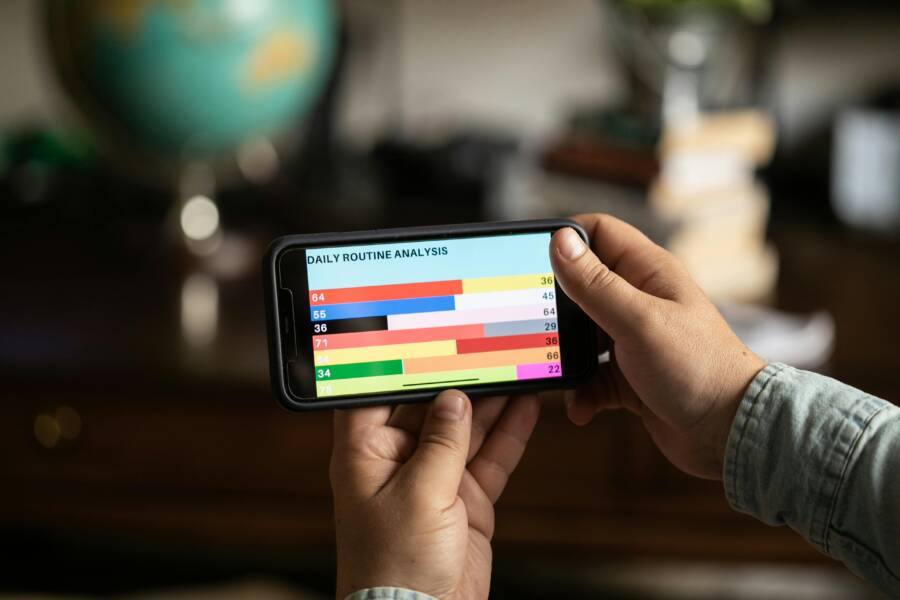
 Photo by RDNE Stock project
Track usage data over time
Reading your screen time data should feel useful, not overwhelming. Start with simple, consistent snapshots and look for patterns that repeat. The goal is to spot where you’re losing time and where you actually gain value from your phone.
What to read in simple graphs or summaries
- Daily totals: See how many minutes you spent on apps each day. A dip or rise flags a shift in habit.
- Top apps: Note which apps take the most time. This helps you decide where to intervene.
- Time blocks: Identify moments when you’re most likely to scroll. Is it right after lunch, during commutes, or late at night?
- Week over week: Compare this week to last to confirm whether changes are sticking.
How to keep it simple
- Log a couple of lines each day. Record the hours and a short note on what you did instead of scrolling.
- Track three questions: “What went well today?”, “What pulled me in?”, and “What will I do differently tomorrow?”
- Use a basic template to stay consistent. For example:
- Date:
- Total screen time:
- Most used app:
- One win:
- One temptation to adjust:
A lightweight log keeps you honest without turning into a full-blown diary. If you want a ready-made guide to interpreting usage reports, you can reference practical explanations of screen time metrics and how to read them. These resources show how to translate data into action, not just numbers. How to Check Screen Time on iPhone and Android offers a straightforward view of what the data looks like and why it matters.
When you do notice a trend, mark it on your calendar. A simple visual cue makes it easier to remember what influenced your day. For example, a yellow sticker for days with high social app time can prompt you to test a small boundary the next day. Over time, the patterns become clearer, and so does the plan you should follow.
There Is a Frequency That the Wealthiest Families Have Used for Generations and Most People Will Never Know It Exists
>>> Open the Door <<<

Reading data also helps you defend your choices. If a friend questions why you limit a certain app, you can point to the numbers and share your goals. You’re not guessing; you’re following a plan built on your own behavior. For a broader look at how research treats screen time data and attention, see summaries of studies on how reduced interruptions support focus and mood. Smartphone screen time reduction improves mental health provides a scientific lens on these changes.
Practical tip: pair data with context. If you notice a spike after a movie night or a big meeting, write a note about what happened. That context helps you adjust more accurately in the next week.
External resources for context and ideas
- A quick guide to understanding screen time reports and what to watch for. How to Check Screen Time on iPhone and Android
Set practical goals and review weekly
A four week plan gives you structure without overdoing it. You’ll set realistic targets, track progress, and refine your approach each week. The aim is steady improvement, not perfection.
Four week plan with realistic goals
- Week 1: Establish baseline and small boundary
- Goal: Reduce social app time by 20 percent.
- Boundary: No social apps during the first 60 minutes after waking.
- Daily check: Brief log entry of what happened and how it felt.
- Week 2: Increase awareness and deepen boundaries
- Goal: Add one predictable “check window” in the afternoon.
- Boundary: Turn off nonessential notifications during work blocks.
- Weekly review: Note the best and worst moments for sticking to the plan.
- Week 3: Build momentum with routine
- Goal: Keep total time under the week’s target while maintaining essential connectivity.
- Boundary: Use Focus modes to protect deep work periods.
- Progress note: Record tasks completed and any distractions avoided.
- Week 4: Consolidate gains and plan next steps
- Goal: Maintain reduced time with fewer resets to old habits.
- Boundary: Maintain a consistent bedtime wind down without screens.
- Reflection: What changed in energy or focus? What would you adjust next month?
Weekly review checklist
- Did I meet my daily time target for essential apps?
- Which moments tempted me most, and what helped me resist?
- What new routine can I try next week to improve consistency?
- What one improvement will I focus on in the coming week?
Space to note progress
- Week 1 notes:
- Week 2 notes:
- Week 3 notes:
- Week 4 notes:
Why this four week plan works
- It translates abstract goals into concrete, trackable steps.
- It creates small wins that build confidence and momentum.
- It adapts to your life. You can adjust targets after each weekly review based on what you learned.
If you want more depth on how to structure weekly reviews, you can check practical guides and examples of how people implement similar plans. For instance, a personal post about reducing screen time while keeping essential apps shows how weekly reflections reinforce behavior change. How I Cut My Screen Time 30% WITHOUT Deleting Instagram provides a concrete example of turning insights into action.
Making the weekly review a habit
- Schedule a fixed time for the review, like Sunday evening or Monday morning.
- Keep the review short and honest. If you miss a day, note what stopped you and restart without judgment.
- Use the results to adjust boundaries for the following week. Small tweaks matter.
External resources to inspire your weekly reviews
- A practical overview of setting up simple phone usage limits and keeping essential apps: Addicted to your smartphone? How to keep track of usage
Putting weekly reviews into practice
- Start with a single four week cycle. Don’t try to overhaul everything at once.
- Use a simple template for consistency. A few lines each week keep you focused.
- Celebrate small wins. Even a minor reduction in time can free up energy for more meaningful activities.
By measuring progress and reviewing weekly, you stay connected on your terms. You’ll see where you gain momentum, where you stall, and what adjustments push you forward. The result is a smoother, healthier relationship with your phone and more time for the things that matter.
Images and visuals to support this section
- A straightforward bar chart showing daily screen time can help readers visualize patterns. Photo credit: RDNE Stock project
External references for further reading on progress tracking
- A concise guide to reading screen time reports and trends on iPhone and Android: How to Check Screen Time on iPhone and Android
If you’d like, I can tailor these subsections further to match your voice and editorial guidelines, or add more real-world examples to illustrate how different routines affect outcomes.
Conclusion
You can cut your screen time without deleting social apps by making small, deliberate changes to how you use them on your smartphone. Focus on practical steps like trimming notifications, setting focused time blocks, and organizing your home screen so only essential apps are front and center. These tweaks keep the benefits of social apps while reducing the pull of endless scrolling. Pick one habit to try this week and see how it reshapes your day.
She Pressed Play on a Strange Audio Track and Within Days Her Financial Reality Started Shifting in Ways She Could Not Explain
>>> See How It Works <<<
