She Pressed Play on a Strange Audio Track and Within Days Her Financial Reality Started Shifting in Ways She Could Not Explain
>>> See How It Works <<<

What if your phone could help you get more done, not pull you away from the moment? This guide shows how to turn a constant companion into a real productivity tool by trimming distractions and sharpening purpose.
Many people feel pulled in a hundred directions by notifications, apps, and endless scroll. You’ll learn practical changes that fit into real life, so your phone becomes a helper for better balance rather than a constant interruption.
You’ll come away with clear steps you can apply today, from tightening notification controls to reorganizing apps and using simple routines that keep you in control. By the end, your smartphone will support your goals, helping you stay focused, organized, and calmer throughout the day.
Identify Your Biggest Distractions and The Real Why Behind Them
Distractions aren’t random mishaps. They’re signals about our needs, habits, and daily gaps. By identifying the biggest pull points and the real reasons behind them, you can design smarter habits that keep your phone useful instead of perpetually distracting. This section breaks down common patterns, how to uncover the why, and why turning your device into a practical tool pays off in focus, time, and peace of mind.
There Is a Frequency That the Wealthiest Families Have Used for Generations and Most People Will Never Know It Exists
>>> Open the Door <<<

Common Phone Habits That Distract
- Social scrolling: A quick scroll can stretch into minutes as you seek novelty, updates, or social validation. Quick tip: set a hard daily limit on social apps or use a screen time feature to cap use.
- Endless notifications: Every ping trains attention like a tiny tug. Quick tip: turn off nonessential alerts and keep only high-priority notifications visible.
- Gaming bursts: Short, satisfying wins keep you in the app longer than you planned. Quick tip: schedule gaming in fixed windows or use a timer to stop after a set duration.
- Multi-app multitasking: Jumping between apps creates a fragmented workflow and copy-paste friction. Quick tip: close unused apps and practice single-tasking for a set block of time.
- Instant messaging rabbit holes: Quick replies can lead to longer chats and fragmented focus. Quick tip: mute non-urgent conversations during work sessions and batch check-ins.
How to Find Your Personal Triggers
To map out what really pulls you in, try a simple, practical method. Keep a short journal for one week. Each time you pick up your phone, jot down what you were doing, what you felt beforehand, and what happened next. Over the days you’ll notice patterns that point to core triggers.
Examples of triggers you might uncover include boredom, a sense of urgency, a habit carried from yesterday, or the need for social validation. Once you spot a trigger, you can respond with a small, concrete adjustment.
One-line takeaway you can apply immediately: tweak your notification settings to reduce the triggers that cause you to reach for your phone.
Why Making Your Phone Useful Matters
Turning your phone into a tool that serves your goals changes how you work and rest. When you reduce distractions, you get more focused time, which frees up space for tasks and life outside work. The payoff is clear:
- More time for tasks: You complete work faster and with less mental fatigue.
- Easier decision making: Fewer interruptions mean you think things through before responding.
- Better sleep: Limiting evening use helps your brain wind down naturally.
- Lower stress: A calmer phone environment reduces the constant sense of being behind.
A few practical benefits to remember:
- Short, focused work blocks become easier when the phone stays out of the way.
- You gain control over your daily rhythm instead of letting apps dictate it.
- Small changes compound over days and weeks, delivering real momentum.
For further insights on how distractions affect attention, see research on mobile phone use and its impact on well-being and focus. You can read more from Frontiers in Psychology on how phones affect attention and distraction. https://www.frontiersin.org/journals/psychology/articles/10.3389/fpsyg.2021.612127/full
If you’d like a broader view on how social cues pull attention, this study explains how visual cues can influence distractibility and the role of social media in daily use. https://www.sciencedirect.com/science/article/pii/S0747563224001742
If you’re exploring the health angle, this resource discusses the impact of smartphone use on youth and daily habits. https://www.uvpediatrics.com/topics/how-smartphones-and-social-media-fuel-addiction-in-youth/
Set Up Your Phone for Focus
A focused phone is a tool, not a constant distraction. In this section, you’ll learn practical, quick-start methods to tune your device so it supports your tasks, not interrupts them. You’ll gain a clear path to quieter mornings, calmer evenings, and fewer midwork ping notifications. Think of your phone as a helpful sidekick that stays out of the way until it’s truly needed.
Tweak Notifications for Reducing Interruptions
Notifications should serve your priorities, not hijack your attention. Start by pruning non essential alerts and keeping only high priority ones visible. On iOS, go to Settings > Notifications and review each app. Disable banners and sounds for apps you rarely need in the moment, and consider delivering non urgent alerts quietly or only in the Notification Center. On Android, open Settings > Apps & notifications > Notifications and customize per app. Turn off persistent or lock screen alerts for social media, news, and games; reserve calls, messages, and work tools for immediate attention.
Set quiet hours to create predictable windows of focus. Use Do Not Disturb or Focus modes to silence notifications outside work times or study blocks. For iOS, Schedule a Focus with a clear label like “Work” or “Study” and specify who can reach you. For Android, use Do Not Disturb with exceptions for important contacts or events. After a day, test the setup by tracking interruptions and how you respond to them. If you notice anything still pulling you away, adjust—perhaps allow a few essential apps or tweak the times.
Quick checklist to follow:
- Remove non essential alerts from the home screen.
- Create a quiet hours window aligned with your schedule.
- Allow important contacts and a few critical apps during focus.
- Test for a day; record when you were interrupted and why.
- Revisit and adjust the rules as needed.
Where to find these controls:
- iOS: Settings > Focus (or Settings > Notifications for per-app controls)
- Android: Settings > Notifications (or Settings > Do Not Disturb)
Helpful reads on notifications and focus:
- How to Fully Customize Your iPhone Notifications
- 7 ways to customize Android notifications for a distraction free life
Organize Your Home Screen for Clarity
A clean home screen reduces decision fatigue and speeds up your daily routine. Start with a minimal approach: keep only the apps you use daily on the home screen and tuck everything else into folders. A simple dock with 3–5 essential tools keeps what you need most within reach, without adding visual noise.
Tips for a calm layout:
- Put only essential apps on the home screen. Everything else goes into labeled folders.
- Use folders to group by tasks: Productivity, Communication, Media, Utilities.
- Choose a neutral color palette and limit widget usage to one or two informative widgets to avoid clutter.
- Keep a small, unobtrusive dock for daily tools like calendar, notes, weather, and messages.
A quick 5 minute rearrangement plan:
- Clear the home screen of all non essentials.
- Move rarely used apps into clearly named folders.
- Position the most-used apps in the bottom dock.
- Add one simple widget that saves you time (e.g., calendar or weather).
- Review after a week and adjust as needed.
Inspiration and layout ideas:
- The Ultra Simple, Yet Productive iPhone Home Screen Setup
- 15 iOS home screen layout ideas to organize your iPhone
- How to Create a Minimalist Home Screen in 2025: A Step-by-Step Guide
Color and widget considerations matter. Softer icon colors and a limited number of widgets reduce visual noise and make it easier to spot what you need at a glance. If you prefer a more visual cue, use a single, rotating wallpaper that stays consistent and avoids busy patterns.
Use Focus Modes and Do Not Disturb Effectively
Focus modes and Do Not Disturb are built to help you separate work time from personal time. Create dedicated profiles for work, study, and personal time, then automate or manually switch as needed. A well-configured Focus profile can cut interruptions dramatically and keep your mind clear for the task at hand.
How to set up Focus modes and DND:
- Work: Allow notifications from work colleagues and calendar reminders only; silence social and non essential apps.
- Study: Silence everything except essential tools like calendar alerts and note apps.
- Personal time: Block work alerts but keep family and emergency contacts available.
Automation ideas:
- Schedule Focus modes to switch automatically at the start and end of your work day.
- Use location based triggers for study sessions at a library or cafe.
- Set exceptions for calendar events and urgent contacts to avoid missing important communications.
Testing and tweaking:
- Run each profile for a full day and note any missed alerts that should have gone through.
- Adjust the exception list and timing based on real-world needs.
- Periodically review whether certain apps still belong in a given profile.
Benefits of reduced interruptions:
- More consistent work blocks and deeper focus.
- Clear boundaries between work, study, and leisure.
- Less cognitive load from constant context switching.
Helpful resources:
- How to Schedule and Automate Focus Modes
- How to schedule Do Not Disturb mode on Android with automatic schedules
- 7 tasks you can automate on Android
Smart Daily Routines to Shape Habits
Small, consistent routines make a big difference over time. Build a simple framework that reduces phone use without feeling restrictive. A morning scan, a short phone free window after meals, and a wind down before bed create predictable patterns that support focus and well being.
A practical daily routine you can adopt:
- Morning scan (5 minutes): Review goals for the day, check only essential messages, and set a single top task.
- Post meal window (20–30 minutes): Step away from your phone after meals to give your digestive system and brain a reset; use this time for a quick walk or a stretch.
- Evening wind-down (30 minutes): Diminish screen time and prep for sleep with a calming routine. Consider dimming screen brightness, using a blue light filter, and avoiding high stimulation apps.
Key to success is consistency rather than perfection. Start with one change this week, then add another next week. The goal is gradual improvement you can keep up.
A few supporting ideas:
- Use a 1 or 2 minute daily check in to review how well you followed the routine.
- Keep a simple log or calendar note to track progress and mood.
- Personalize the routine to fit your life, not the other way around.
Practical tips to stay on track:
- Keep a dedicated space away from screens for morning and evening routines.
- Prepare a small reward for reaching weekly milestones.
- If a routine slips, reset the next day and keep going.
If you’re looking for broader ideas on mindful phone use and daily habits, explore these resources:
- Your Phone Habits Are Draining Your Time and Energy. Here’s How to Use Tech with Intention
- How to reclaim focus and build mindful computer and phone usage habits
- Effective Strategies for Overcoming Smartphone Dependency: Mindful Habits for Young Professionals Seeking Work-Life Balance
External references are provided to help you tailor these tactics to your own life and platform.
What If the Only Thing Between You and the Life You Deserve Is a Hidden Wealth Code Waiting to Be Activated
>>> Open the Door <<<

Make Your Phone More Useful
A well organized phone can save minutes every day and keep you focused on what matters. In this section, you’ll learn practical ways to turn your device into a reliable productivity tool. We’ll cover built in tools, automation, quick access tricks, and offline features that reduce friction and data usage. The goal is simple: fewer distractions, faster results, more time for your important work.
Leverage Built In Tools and Shortcuts
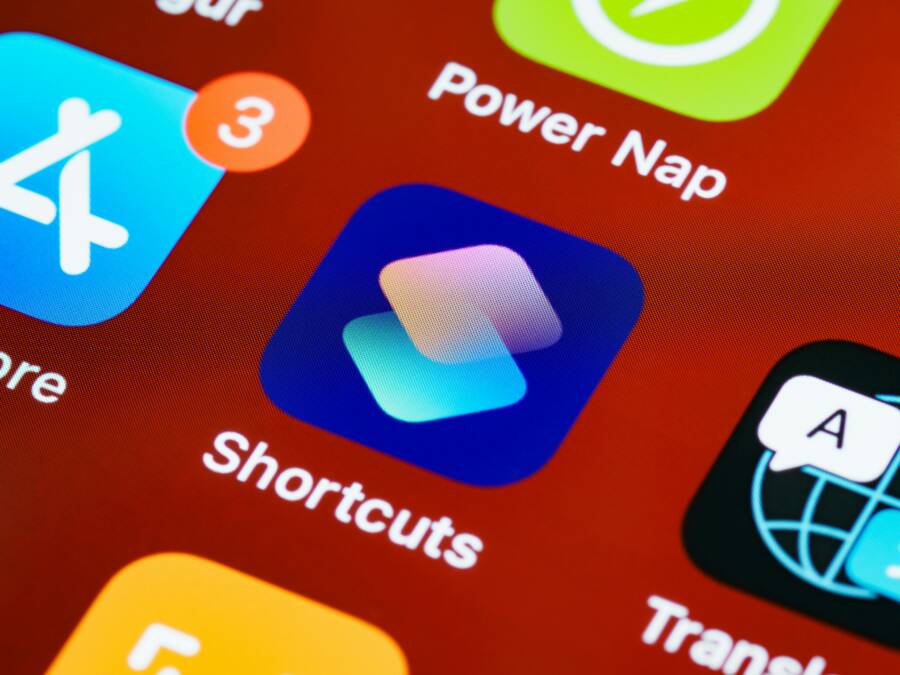
Shortcuts, widgets, and voice assistants can speed up common tasks without pulling you into apps. Start with small, 15 minute wins that compound over a week.
- Quick note to task: Create a shortcut that saves a spoken note to your task list. Say, “Hey assistant, add a note to tasks,” and have it appear in your to do app. This saves time and keeps you from hunting for the right app.
- Morning briefing widget: Add a single widget that shows today’s calendar events and weather at a glance. It reduces the number of taps needed to plan your day.
- One tap message template: Build a shortcut that opens a messaging app with a ready made reply. You can use it for status updates to teammates or standard check ins.
- Voice activated reminders: Set up a voice command to remind you about a recurring task at the same time every day. It keeps you on track without opening an app.
These tools save time by cutting the steps you take to start a task. With fewer taps, you stay focused on the work in front of you rather than managing your device.
External resources you can explore:
- Automate daily routines & tasks with Google Assistant – Android
- Top iOS Shortcuts you can set up in minutes
Photo by Brett Jordan on Pexels (if you want a visual sense of a streamlined home screen): 
Automate Repetitive Tasks
Automation reduces clicks and friction, turning small routines into automatic habits. You don’t need to be a coder to start.
- Send recurring reminders: Create a routine that sends a daily reminder to your team or yourself. It can pop up at a set time with a short message and a link to the next step.
- Convert notes to tasks: When you jot quick notes, a shortcut can push them into your task manager as new tasks. This avoids copying and pasting later.
- Turn recurring messages into templates: Save common replies as templates and trigger them with a tap or voice command. This speeds up check ins and follow ups.
- Simple automation plan for beginners:
- Pick 2 tasks you do every day.
- Create a single shortcut or routine for each task.
- Test for 3 days and adjust timing or wording.
- Expand to a third automation once the first two feel natural.
Beginner tools to start with:
- iOS Shortcuts for basic automations
- Android Assistant routines for simple workflows
- No coding needed automation apps for both platforms
A quick starter plan you can implement today:
- Create a “Morning Start” shortcut that shows today’s calendar, weather, and top task.
- Build a “Notes to Tasks” action that sends new notes to your task list.
- Set up a “Templates” shortcut for common replies in messaging apps.
External references to guide automation:
- How I transformed my Android phone into a project management system
- 22 must-have Android widgets for busy professionals
Turn Apps Into Quick Access Tools
Treat your most important apps as the tools they are. Prioritize quick access, hide or remove rarely used apps, and use folders or app actions to keep responses fast.
- iOS approach: Put your most used apps in the bottom dock and group others into clearly labeled folders. Consider one or two widgets that actually save time, like calendar or weather.
- Android approach: Create home screen folders by task type and place frequently used apps in the dock. Use app actions to jump directly to common tasks like composing an email or starting a map search.
One example per device type:
- iOS: A single home screen with the calendar, notes, email, and a weather widget. Everything you need for a quick check in one glance.
- Android: A home screen with folders for Work, Messages, and Quick Tools, plus a dedicated widget for reminders.
Small layout changes reduce friction and speed up daily responses. The goal is to have the right app ready the moment you need it, not to hunt for it.
Photo by Brett Jordan on Pexels (if you choose to include an image here):
Use Offline or Low Data Features
Offline and low data modes keep you productive when the internet is slow or unavailable. Planning ahead pays off.
- Offline maps and navigation: Download maps for the areas you frequent. You can navigate without streaming data and save battery.
- Offline reading: Save articles or documents for offline reading during commutes or travel.
- Offline playlists and podcasts: Download playlists or episodes to listen without data.
- Quick plan to test offline modes:
- Pick two apps you rely on for maps, reading, and music.
- Download offline content for each.
- Turn off data access and try completing a task using only offline features.
- Note any gaps and adjust downloads to cover those gaps.
Practical benefits of offline features:
- You stay productive even when networks are unstable.
- Data usage drops, and battery life improves.
- You can plan trips and commutes with confidence.
For further reading on offline functionality and accessibility, explore resources about offline maps and reading apps.
Images and related links are a natural fit when showing how a calm home screen or a quick access setup looks in practice. If you’d like to see examples of clean layouts or widget configurations, you can check these resources:
- 5 Built-In iPhone Widgets That Are More Useful Than You Think
- How I transformed my daily routine using just my phone
- 22 must-have Android widgets for busy professionals
External links are included to provide additional practical guidance without overloading the article. You can explore them for deeper steps or different viewpoints, then tailor the ideas to your own workflow.
Note: If you want to adjust the examples to fit your audience better, you can swap in your favorite apps or routines. The core idea remains the same: simplify, automate, and prioritize for focus.
Create Habits That Last
Building lasting habits around how you use your phone is the simplest way to reclaim time and energy. This section outlines a practical path to develop routines that stick, not fade away after a few days. You’ll get a clear 21 day plan and a straightforward way to track progress, adjust, and celebrate small wins along the way. The focus is on real life, minimal friction, and consistent action that compounds over time.
A Simple 21 Day Plan
A 21 day sequence gives you a concrete window to install new habits without overwhelming your routine. The plan relies on small, repeatable actions, weekly check-ins, and a final assessment that confirms what works best for you.
- Week 1: Define and constrain
- Day 1: Map your distractions. Note where they come from and what triggers them.
- Day 2–4: Trim the trigger list. Turn off or move nonessential apps from obvious spaces on your home screen.
- Day 5–7: Establish a single focus window each day. Choose a 25–45 minute block for deep work with a phone in another room or in Do Not Disturb mode.
- Week 2: Build execution momentum
- Day 8–10: Introduce one new control. For example, set a daily social media cap or a sunrise-to-sunset focus window.
- Day 11–13: Add a simple routine that anchors your day. A 5 minute morning planning ritual and a 15 minute evening wind-down help your brain settle.
- Day 14: Run a midweek check-in. Note what’s happened, what’s improved, and where you still slip.
- Week 3: Harden the routine
- Day 15–17: Increase consistency, not intensity. Keep your focus blocks steady; avoid expanding them too quickly.
- Day 18–20: Test a mini automation. A quick shortcut to log your wins or push important tasks to your list can save you minutes daily.
- Day 21: Final assessment. Review progress, celebrate small wins, and decide which changes to carry forward.
- Weekly review (every 7 days)
- What worked: identify the actions that reliably reduced distractions.
- What didn’t: note patterns that caused slips or two many interruptions.
- What to tweak: adjust notification settings, screen layout, or routine timing for better fit.
- Final assessment (end of day 21)
- Measure impact on focus minutes, task completion, and sleep quality.
- Decide on one to three core habits to keep indefinitely.
- Plan a 4 week follow-up to reinforce the best practices and prevent backsliding.
Key ideas to keep motivation high:
- Consistency beats perfection. Small daily wins accumulate into real momentum.
- Make the plan visible. A simple checklist or calendar note keeps you honest.
- Celebrate progress, not just results. Acknowledge every day you stay on track.
Helpful caution: don’t chase total elimination of distractions. Aim for a phone that serves you, not one that controls you. A well timed nap of stillness can be more valuable than a perfect day filled with rigid rules. For inspiration on how tiny routines build big changes, explore research on habit formation and how small actions create lasting behavior changes.
Examples of practical daily actions you can pull into your plan:
- 1 focused work block without phone usage, 1 hour total per day to start.
- 1 phone-free meal period each day to reset attention and digestion.
- 1 evening wind-down routine that reduces screen time and improves sleep quality.
If you want to see additional perspectives on building lasting routines, these resources can help you plan and execute with clarity:
- How to Build Good Habits That Actually Stick, Sunsama Blog
- 7 Ways to Build Positive Routines That Stick: The Psychology of Habits, Australasian Leadership Institute
- 21 Day Tech Detox: What I Learned from My Distraction-Free Adventure, Empowered Life Counseling
To support your planning, you can use a simple 21 day checklist like this:
- Day 1: Identify top 3 distractions
- Day 2: Remove nonessential apps from home screen
- Day 3: Set 1 daily focus window
- Day 4: Enable Do Not Disturb during work block
- Day 5: Create a morning planning ritual
- Day 6: Implement evening wind-down
- Day 7: Weekly review
- Day 8: Add one automation
- Day 9: Recheck notifications
- Day 10: Extend focus block slightly
- Day 11: Test new routine timing
- Day 12: Update home screen layout
- Day 13: Practice single-tasking
- Day 14: Second weekly review
- Day 15: Increase consistency
- Day 16: Log wins
- Day 17: Adjust timing
- Day 18: Test a new shortcut
- Day 19: Fine tune exceptions
- Day 20: Prepare for week 4
- Day 21: Final assessment and plan forward
What to celebrate along the way:
- Each day you reduce interruptions
- Each day you complete a focus block
- Each week you refine a habit into a steady pattern
External links:
- 7 Ways to Build Positive Routines That Stick: The Psychology of Habits
- How to Build Good Habits That Actually Stick
Tracking Progress and Adjusting
A simple tracking system helps you see how your plans translate into real results. The goal is clarity, not complexity. A weekly checklist or a small scorecard gives you a quick read on focus minutes, distractions avoided, and whether the routines are sticking. Use the data to tweak settings and adjust routines so the plan stays aligned with your life.
- Create a weekly focus scorecard
- Focus minutes achieved: 4–5 days per week, 25–60 minutes per block
- Distractions avoided: number of times you avoided a common trigger
- Consistency: number of days you followed the planned routine
- Sleep quality: a quick rating of how well you slept after reduced screen time
- Simple scorecard example
- Focus blocks completed this week: _____
- Distractions avoided (count): _____
- Routine adherence rating (1–5): _____
- Sleep quality impact (1–5): _____
- Overall progress (weighted): _____
- How to adjust based on results
- If focus minutes are low, trim the plan to smaller blocks and reduce the number of apps in reach.
- If distractions spike, rethink notification rules and home screen layout.
- If sleep worsens, pull back late-night screen time and add a stricter wind-down routine.
- If you’re hitting the plan consistently, gradually extend focus windows or add a new automation to save time.
- Quick tips for tweaking settings
- Reorder the home screen to put only essential apps on the bottom dock.
- Use Focus modes with clear labels for work, study, and rest.
- Turn on Do Not Disturb during key hours and allow only essential contacts.
- Add a single daily reminder that nudges you back to your top task if you drift.
- How to review effectively
- Do a 15 minute Friday reflection: what worked, what didn’t, what to change next week.
- Use a simple template: What I did this week, what improved, what still pulled me away.
- Share progress with a friend or colleague to build accountability.
Proven ideas to improve consistency
- Start with one change at a time. This reduces friction and makes it easier to sustain.
- Track both wins and slips. You’ll learn where you tend to drift and what keeps you on track.
- Keep the system lightweight. The less you have to manage, the more likely you are to maintain it.
External resources you might find helpful
She Pressed Play on a Strange Audio Track and Within Days Her Financial Reality Started Shifting in Ways She Could Not Explain
>>> See How It Works <<<
- 6 apps that help you monitor and reduce screen time
- How to Build Good Habits That Actually Stick
A practical note: a simple, human approach beats clever systems that are hard to maintain. If you miss a day, reset tomorrow. The goal is long-term improvement, not perfection in a single week. For many, a consistent 15–30 minute daily focus window is enough to deliver noticeable gains over a few weeks.
External links
- 6 apps that help you monitor and reduce screen time
- How to Build Good Habits That Actually Stick
If you’d like a quick reference for weekly progress, print or save a one-page checklist that includes your top three focus tasks, your daily focus window, and your weekly reflection prompts. Keep it where you can see it daily, and commit to filling it out every week.
Note: Keep the language simple and direct. The goal is to give readers a clear, actionable path to create habits that last, not a theoretical guide. The practical steps here are designed for real life, easy adoption, and steady progress. External resources are included to offer deeper dives if readers want them, while the core plan remains compact and actionable.
Conclusion
Small changes add up. Identify your top distractions, tighten notifications, and organize your home screen to speed up daily tasks on your smartphone. Use Focus modes, simple routines, and light automation to keep interruptions in check without losing essential functions. The result is a calmer, more productive day with less mental clutter and more time for what matters, all while keeping your smartphone a tool rather than a boss. Start with the 7 day quick start or commit to the 21 day plan to build lasting habits that make your phone work for you.
He Was Drowning in Bills and Burnout Until a Simple Daily Ritual Rewired His Brain for Wealth in Less Than a Week
>>> Start Your Shift Today <<<
