She Pressed Play on a Strange Audio Track and Within Days Her Financial Reality Started Shifting in Ways She Could Not Explain
>>> See How It Works <<<

How to Troubleshoot Accessibility Services Turning Off on Your Phone (Android & iOS)
Accessibility services can vanish in the middle of a task, turning off when you least expect it. If you rely on features like screen readers or magnifiers, that moment of silence can disrupt your day and make phone use frustrating. This guide walks you through why these services shut themselves off on both Android and iOS and what you can do about it.
First, you’ll see the common culprits. Battery optimization, security tools, or background restrictions often push accessibility services to stop to save power or protect the device. In some cases a conflicting app or a brief system protection can also pause these features. Understanding these triggers helps you target the fix fast.
Next, we’ll break down practical, step by step fixes for each operating system. On Android, you’ll learn how to exempt the service from power saves, disable shortcuts that auto toggle, and identify apps that might be interfering. On iOS, you’ll discover quick checks like the accessibility shortcut setup, Low Power Mode considerations, and when a restart helps. Each fix is designed to be easy to follow and effective.
By the end, you’ll have a simple playbook to prevent unexpected turnoffs and keep your smartphone accessible. We’ll also share prevention tips to reduce future interruptions and guidance on when it’s time to seek help. The goal is clear: recover reliable accessibility with minimal hassle, using steps that work as of late 2025.
There Is a Frequency That the Wealthiest Families Have Used for Generations and Most People Will Never Know It Exists
>>> Open the Door <<<

Why Do Accessibility Services Turn Off Automatically?
Accessibility features are designed to stay on when you need them, but several common issues can cause an unexpected shutdown. This section outlines the typical culprits on Android and iOS and offers practical, quick fixes you can try right away. Think of it as a targeted checklist you can run through during a break in your day and after each change test to see if the service stays on.
Top Causes on Android Phones
Android devices often turn off accessibility services due to power management, updates, or security apps that misread background activity. Here are the main culprits and straightforward fixes you can apply.
- Battery savers and background optimization: Adaptive battery, power saving modes, and sleep settings can pause accessibility services to conserve power.
Fix tip: In Settings > Battery, add the accessibility app to “Never sleeping apps” and disable adaptive battery. Set the app’s background usage to “Unrestricted” if available. - Software and app updates: System updates or updates to Google Play Services can reset permissions or toggle services off by default.
Fix tip: Re-enable the service in Settings > Accessibility > [Your App]. After re-enabling, check for updates and reboot the device. - Low resources and cleanup tools: When a device runs low on memory or storage, Android may restrict background tasks, turning off nonessential services.
Fix tip: Free up space, close unused apps, and temporarily disable cleanup tools. Reboot and test the service again. - Security, cleaners, and task managers: Antivirus apps, device cleaners, or task killers can block background work, sometimes as a precaution.
Fix tip: Add an exclusion for the accessibility app in the security tool, or disable/uninstall conflicting cleaners. On some brands, like Samsung or Xiaomi, you may need to enable autostart or grant extra permissions. - Other stability factors: Minor app crashes, brief permission resets after a reboot, or a stray shortcut can interrupt operation.
Fix tip: Turn off accessibility shortcuts, update all related apps, and reboot to confirm the service remains active.
When you re-enable and whitelist the accessibility service, test after each change. This approach helps pinpoint the exact trigger and makes the fix durable.
Common Triggers on iPhones
iPhone users report a handful of frequent scenarios where accessibility services momentarily turn off. Here are the key causes and practical remedies you can apply without a full reset.
- Accidental activation from Back Tap: The Back Tap feature can toggle AssistiveTouch or other accessibility tools if a shortcut is wired to the back of the device.
Fix tip: Go to Settings > Accessibility > Touch > Back Tap and set both options to “None” to prevent unintended toggles. - iOS updates or software quirks: Major iOS releases can introduce bugs that flip accessibility toggles, especially if other apps or settings aren’t fully aligned after an update.
Fix tip: Update to the latest iOS version, then restart. If the issue persists, reset all settings (Settings > General > Transfer or Reset iPhone > Reset > Reset All Settings) to clear risky configurations while keeping your data. - Low Power Mode interference: This mode reduces background activity, which can affect how accessibility services run in the background.
Fix tip: Disable Low Power Mode under Settings > Battery and check if the service stays on. - Battery health and power irregularities: Poor battery health or aging hardware can cause unexpected shutdowns that mimic service drops.
Fix tip: Check Battery Health in Settings > Battery > Battery Health. If health is degraded, consider a battery replacement and free up storage to reduce strain on the system. - App and hardware conflicts: Some third party apps or hardware quirks (like sensor glitches) can disrupt accessibility services.
Fix tip: Update all apps, remove recently added ones, and if needed, restore the device using Recovery mode as a last step.
Test after each fix to confirm stability. If the problem endures, it’s wise to contact Apple Support for a hardware check or deeper diagnostics.
By systematically checking these areas, you’ll regain reliable accessibility on your smartphone and reduce the chance of sudden turnoffs. Keep this quick-reference guide handy and return to it whenever you notice a change in behavior.
Step-by-Step Fixes for Android Users
If you rely on accessibility services on your Android phone, a quick sequence of checks can restore reliability. Start with two practical steps you can apply right away: re-enable the service and optimize battery settings to keep it alive in the background. Then move to data cleaning and conflict testing to catch hidden culprits. Use these fixes as a repeatable playbook you return to after each update or app install.
Re-Enable and Optimize Battery Settings
When accessibility services turn off unexpectedly, the first place to look is how the phone treats background tasks. The goal here is simple: keep the service on and prevent it from being culled by power management.
- Re-enable the service and set it to never sleep
- Path: Settings > Accessibility > Installed services (or Downloaded services)
- Tap your app, toggle it On, and confirm
- If it won’t stay on, Android may disable it overnight due to battery rules or security checks
- Repeat this check daily after updates if needed, and apply the following to lock it in
- Exempt the app from battery optimization
- Path: Settings > Apps > See all apps > [Your app] > Battery
- Choose Unrestricted or Don’t optimize (the exact label varies by device)
- For Samsung devices: Settings > Battery and device care > Battery > Background usage limits > Never sleeping apps, then Add [Your app]
- Quick verification
- Return to Settings > Accessibility, toggle the service off and on again
- Use the feature for a minute, then lock the screen and wait a few minutes
- If it stays on, you’re done; if it turns off, proceed to the next step
- Extra tips for stability
- Disable adaptive battery if you don’t need it
- Avoid aggressive task killers that monitor and shut down background work
- Keep the phone’s system and Google Play Services up to date
This approach minimizes the odds of the service being stopped by background rules and gives you a solid baseline to test after each change.
Clear Data and Test for Conflicts
If re-enabling and battery exemptions don’t fix the issue, a deeper clean can reveal hidden conflicts. Clearing cache and reviewing permissions helps ensure no old data or blocked settings are interfering. Also, testing in safe mode isolates the problem.
- Clear app cache and review data needs
- Path: Settings > Apps > [Your app] > Storage & cache > Clear cache
- Note: Do not clear data unless you must, as that resets preferences
- After clearing, reopen the app and enable the accessibility service again
- Update and verify permissions
- Path: Settings > Apps > [Your app] > Permissions
- Enable Accessibility, Battery optimization exemption, and any overlay or screen-related permissions listed
- On Pixel and stock Android, consider checking Privacy > Permission manager for a separate Accessibility entry
- Run updates and reboot
- Ensure the app, system, and Google Play Services are up to date
- Reboot the phone and test the service immediately after startup
- Enter Safe Mode to identify conflicts
- Why safe mode: it runs only stock apps, so you can see if a third-party app is the culprit
- Steps vary by device:
- Stock/Pixel: Hold the power button, long-press Power off, select Reboot to safe mode, then test
- Samsung: Hold power and volume down during boot until the menu appears, choose Safe mode, then test
- In safe mode, enable the accessibility service and use it for a short period
- If it stays on in safe mode, a third-party app is likely the culprit; exit safe mode, then uninstall recently installed apps one by one, testing after each removal
- Identify conflicting apps and address them
- Common offenders: battery savers, VPNs, cleaners, antivirus tools
- If a conflict is found, remove or disable the offending app, then re-test the accessibility service
- After each uninstall, re-enable the service and monitor performance for a while
- Final checks
- If the problem persists, consider a broader reset of settings (Settings > System > Reset options > Reset all settings) while keeping your data
- If you suspect a device-wide issue, consult the device’s support resources
Following these steps helps you pinpoint whether the problem is a simple setting, a caching hiccup, or a stubborn third-party app. With careful testing after each change, you can restore reliable accessibility without a full device reset. For most Android users, this two-pronged approach—re-enabling with careful battery handling, then clearing data and testing for conflicts—resolves the majority of turn-off scenarios.
Easy Troubleshooting Steps for iPhone Owners
When accessibility services on an iPhone misbehave, a calm, methodical approach helps you regain reliable use quickly. This section walks you through practical, user-friendly steps that apply to most iPhone models. You’ll learn how small settings and simple resets can restore features like VoiceOver, Zoom, or AssistiveTouch without reinstalling anything. Keep this as a quick-reference guide you can return to during a busy day, so you stay in control of your smartphone.
Toggle Settings and Update Software
Start with the smallest changes first. Often a quick toggle and a software update fix the issue without any complicated steps.
- Reboot the accessibility service
- Open Settings, go to Accessibility, and locate the feature you rely on (for example, VoiceOver or Zoom).
- Turn it off, wait a few seconds, then turn it back on. Test for a while to confirm it stays active.
- Check Back Tap and other shortcuts
- If you use the Back Tap feature, a misconfigured shortcut can turn off accessibility tools by mistake.
- Navigate to Settings > Accessibility > Touch > Back Tap and set the taps to None if you notice odd toggling.
- Review Shortcuts that may auto-toggle
- Some combos or shortcuts can disable accessibility services during a moment of pressure.
- Disable any shortcut that you don’t actively use and retest.
- Consider a quick iOS update
- Go to Settings > General > Software Update.
- If an update is available, install it. Updates often fix bugs that cause toggles to flip unexpectedly.
- After updating, restart your iPhone and test the service again.
- Verify battery-related behavior
- Check whether Low Power Mode or similar battery settings are affecting background activity.
- If you notice the service turning off when the battery gets low, disable Low Power Mode temporarily and observe whether the issue persists.
- Keep settings tidy during testing
- After each change, run a brief test with the accessibility feature active.
- If the service stays on for several minutes and doesn’t flip off, you’ve likely found the trigger.
This set of steps is fast and non-destructive. It helps you determine if the problem is a simple setting or something that needs deeper testing. A quick toggle and update can save you from more involved troubleshooting later, especially when you’re juggling tasks on a smartphone.
Reset Options and Test for Issues
If the quick fixes don’t hold, a targeted reset can clear stubborn conflicts without wiping your data. This approach resets configurations, not your content, and often reveals hidden clashes between apps or settings.
- Reset all settings
- Navigate to Settings > General > Transfer or Reset iPhone > Reset > Reset All Settings.
- This action resets system settings like network, display, and location preferences but leaves apps and data intact.
- After reset, re-enable your accessibility features and run a test to confirm stability.
- Test with Airplane Mode
- Turn on Airplane Mode for about 30 seconds, then turn it off.
- This quick test can show whether a network transition is impacting the service’s background activity.
- If the feature behaves differently after this test, explore any network-related permissions that might be interfering.
- Check iCloud and account syncing
- Sign out and back into iCloud if you suspect sync issues affecting settings across devices.
- Go to Settings > [Your Name] > Sign Out, then sign back in.
- After re-signing in, test the accessibility service on the iPhone to see if it stays active.
- Consider a broader reset if nothing else works
- If the problem persists, you may need to reset all content and settings as a last resort.
- This step erases apps and data, so back up your information first.
- Go to Settings > General > Transfer or Reset iPhone > Erase All Content and Settings.
- Restore from a backup afterward and test the accessibility service again.
- When to seek help
- If the issue continues after a full reset, contact Apple Support or visit an Apple Store for a hardware check. There could be a deeper software or hardware interaction at play.
These reset actions are your safety net. They’re designed to clear configuration conflicts and restore predictable behavior, while preserving your important data. Use them with care and always back up before a full reset.
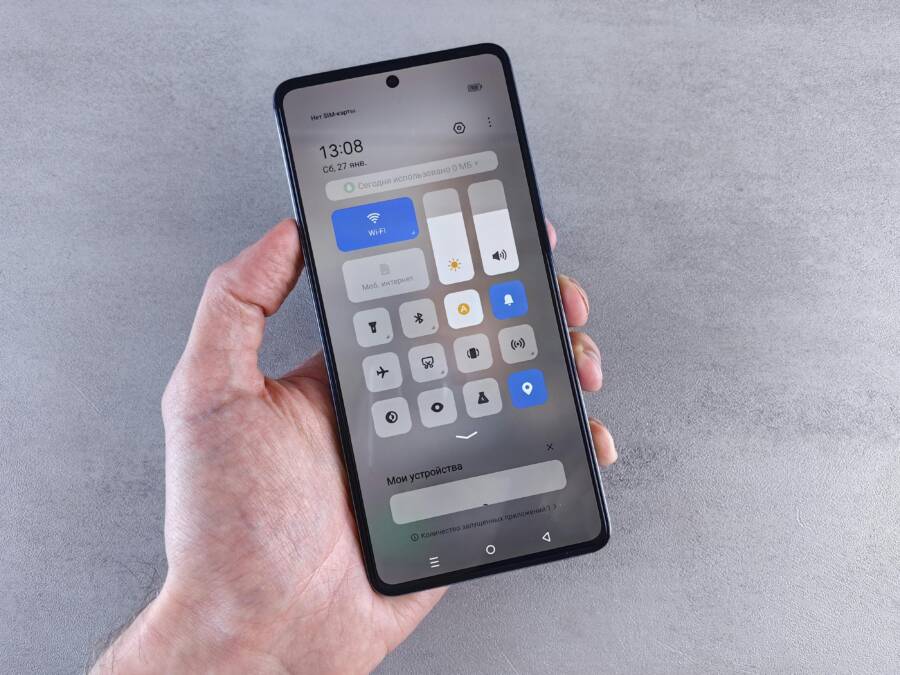
Images: If you want to add a visual cue for readers, consider a simple illustration showing an iPhone screen with accessibility settings highlighted, captioned “Guided steps to restore accessibility services on iPhone.” Photo by Eren Li, https://www.pexels.com/@eren-li.
What If the Only Thing Between You and the Life You Deserve Is a Hidden Wealth Code Waiting to Be Activated
>>> Open the Door <<<

Prevent Accessibility Services from Turning Off Again
Even with the right settings, accessibility services can still stumble. This section gives you practical, quick-to-deploy steps to stop unwanted turnoffs from happening again on both Android and iPhone. Think of it as a preventive playbook you can consult after every update or app install. By locking in robust configurations and keeping essential permissions quiet, you’ll reduce interruptions and keep your helpers reliably on when you need them most.
Android: Harden settings to keep services active
Android phones often shut down accessibility services due to power management, background restrictions, or third party apps. Use these proven tactics to minimize those risks.
- Lock the service in the background
- Path: Settings > Accessibility > Installed services (or Downloaded services)
- Turn the service On and ensure it remains enabled after reboots
- If the device still turns it off, check any battery or power rules that might override it
- Exclude from battery optimization
- Path: Settings > Apps > See all apps > [Your app] > Battery
- Select Unrestricted or Don’t optimize
- On Samsung devices: Settings > Battery and device care > Battery > Background usage limits > Never sleeping apps, then add your app
- Disable conflicting cleaners or task killers
- These tools often misread background activity and pause services
- Allowlist the accessibility app or remove the conflicting tool entirely
- Update, reboot, and test
- Keep the OS and Google Play Services up to date
- Reboot after changes and verify the service stays on for an extended period
- Use a minimal set of permissions
- Grant only the permissions the service needs
- Revoke optional permissions if they aren’t essential, then test stability
- Monitor recent changes
- After each app update or new install, recheck the accessibility service
- If you notice a problem, roll back the last change or reapply the whitelisting
iPhone: Stabilize behavior with careful management
iOS tends to be more stable, but a few misconfigurations can still cause brief toggles. Use these steps to keep things steady.
- Manage shortcuts and Back Tap carefully
- Path: Settings > Accessibility > Touch > Back Tap
- If Back Tap isn’t needed, set both options to None
- Reduce accidental toggles by cleaning up shortcuts you don’t use
- Keep iOS up to date
- Path: Settings > General > Software Update
- Install updates promptly and restart the device after
- If issues persist, reset all settings (without erasing data) to clear risky configurations
- Check Low Power Mode usage
- Low Power Mode can slow background tasks, affecting accessibility
- If you notice turnoffs at low battery, test with Low Power Mode off and observe results
- Battery health matters
- Path: Settings > Battery > Battery Health
- If health is degraded, consider a replacement to restore reliability
- Free up storage to reduce stress on the system
- Avoid conflicting apps and hardware
- Remove recently installed apps that could interfere
- If needed, re-create a clean device state by restoring from a known-good backup
Best practices that apply to both platforms
These universal tips help prevent turnoffs and keep accessibility tools consistently on.
- Create a simple testing routine
- After any change, use the feature for a few minutes, then lock the device and come back after a short delay to verify it stays on
- Keep shortcuts purposeful
- If you use shortcuts to toggle accessibility, ensure they’re intentional and easy to disable if needed
- Schedule periodic checks
- Set a monthly reminder to review permissions, background activity, and any new apps installed
- Document your fixes
- Maintain a short log of what you changed and the outcome
- It makes future troubleshooting faster and helps you spot patterns
- Consider a recurrent reboot habit
- A quick restart after updates can prevent lingering background issues
- Do this on a schedule or after major changes
Quick-check checklist
Use this concise reference whenever you suspect an issue or after you install new apps.
- Android
- Accessibility service enabled in Settings
- App exempt from battery optimization
- No aggressive cleaners or task killers active
- OS and Play Services updated
- Reboot and test stability
- iPhone
- Accessibility feature toggled correctly
- Back Tap and shortcuts disabled or cleaned
- iOS updated and device restarted
- Low Power Mode off during testing
- Battery health normal and storage available
By adopting these preventive steps, you reduce the chances of unexpected turnoffs and keep your accessibility helpers dependable. If you notice recurring issues after specific updates, you’ll have a clear path to diagnose and fix them quickly.

Photo by Andrey Matveev
When to Contact Support or Reset Your Phone
If accessibility services keep turning off, there are moments when a quick chat with support or a full device reset becomes the best path forward. This section helps you decide when to reach out and when a reset might be the right move. It also lays out a practical decision flow, so you can act confidently without guessing.
Recognize the signs that merit contacting support
Not all turnoffs mean you need a reset. Some issues are straightforward, while others require expert help. Consider reaching out when you notice:
- Recurrent turnoffs after multiple fixes: If you’ve reenabled the service, whitelisted the app, and updated software but the problem returns, support can check for deeper causes.
- Hardware-related suspicions: Battery health, sensor anomalies, or other hardware quirks can mimic software issues. A technician can diagnose these properly.
- Persistent settings conflicts across apps: If the toggle behavior changes after app installs or system updates and you can’t isolate the culprit, support can review logs and configurations you can’t access.
- Inconsistent behavior across profiles or accounts: If accessibility features behave differently on separate user profiles or devices tied to the same account, something beyond normal settings is at play.
In these cases, preparing a concise summary of what you tried helps. Note dates of changes, the specific accessibility feature involved, and any error messages. This makes the support path faster and more productive.
She Pressed Play on a Strange Audio Track and Within Days Her Financial Reality Started Shifting in Ways She Could Not Explain
>>> See How It Works <<<
When a reset is a prudent option
A reset should be considered when other fixes fail or when a device-wide misconfiguration blocks accessibility features consistently. Use a reset if you want a clean slate while preserving your data whenever possible. There are two main approaches:
- Reset all settings (soft reset of configurations): This approach clears system configurations like network, display, and accessibility shortcuts but keeps apps and content intact. It’s often enough to resolve stubborn toggling issues without erasing personal data.
- Factory reset (full wipe): This restores the device to its out‑of‑the‑box state. It removes apps and data, so back up first. A factory reset is typically a last resort when other troubleshooting steps fail or when the device shows signs of broader corruption.
Before you reset, back up important data. This includes contacts, photos, documents, and any app data you care about. Consider transferring essential items to a cloud service or computer. After a reset, you’ll need to restore from your backup and reconfigure accessibility features carefully.
How to prepare for a support call or chat
If you decide to contact support, having the right information ready speeds things up. Gather:
- Device model and current OS version (Android or iOS)
- Accessibility feature involved (VoiceOver, TalkBack, Zoom, etc.)
- A short timeline of when the issue started and what you changed recently
- Screenshots or short videos that show the behavior, if possible
- Any error messages or codes you’ve seen
Save this as a brief bullet list you can share with a support agent. For Android users, note any recent app installations or device optimizations. For iPhone users, document any shortcuts or Back Tap configurations you’ve changed.
How to contact support effectively
- Android
- Start with the device maker’s support site or the Google Help Center. Many brands offer live chat, email, or phone support.
- You can also reach Google’s support channels for Pixel devices through support.google.com/pixelphone.
- If you suspect a Google Play Services issue, include the version and whether the problem happens across apps that depend on accessibility services.
- iPhone
- Apple Support via the Apple Support app or support.apple.com. Use chat or scheduling options to connect with a specialist.
- If you’ve recently updated iOS, mention the update version and whether the issue began immediately after upgrading.
- For hardware concerns, plan a visit to an Apple Store or an authorized service provider.
What not to expect from a quick fix
Some glitches look simple but hide deeper causes. If a single restart fixes the problem only for a while, the root cause could be a background service conflict, a corrupted profile, or a hardware issue. In those cases, a support diagnosis or a reset may be necessary to restore reliable behavior.
Decision flow: quick reference
- If the issue occurs after a recent update or app install, try a targeted fix first (toggle off and on, review permissions, reboot).
- If multiple fixes fail, contact support with a concise report and your device details.
- If support confirms a broader configuration issue or the device shows hardware indicators, consider a reset after backing up data.
- If problems persist after a reset, consult hardware diagnostics or service options provided by the manufacturer.
A brief checklist you can follow
- Android
- Accessibility service reenabled and whitelisted
- Battery optimization exempted for the accessibility app
- No conflicting cleaners or task managers
- OS and Google services updated
- Support contacted if the issue persists after these steps
- iPhone
- Accessibility feature toggled correctly
- Shortcuts and Back Tap checked or disabled
- iOS updated and device restarted
- Backup prepared if a reset is likely needed
- Apple Support contacted if the problem remains
Quick visual cue
Images can help readers orient themselves. Consider an illustration showing a user opening the Settings app and navigating to Accessibility on Android, or a screenshot of the iOS Accessibility settings with a toggle highlighted. Caption: “Guided path to review accessibility settings on your device.”
This section gives you a clear, practical route for deciding whether to contact support or reset your phone. By staying organized and aware of your options, you keep accessibility reliable with minimal disruption.
Conclusion
If accessibility services turn off on your smartphone, a calm, methodical check is the fastest fix. Re‑enable the service and review battery and background rules first, then test after each change to confirm stability. Clearing data and identifying conflicting apps or shortcuts often reveals the culprit without a full reset. Repeat tests after every adjustment to build a durable solution.
Across both Android and iPhone, the core idea is simple: lock in the service, minimize background interference, and verify with quick tests. On Android, whitelisting the accessibility app from battery optimizers and disabling conflicting cleaners often does the job. On iPhone, reviewing shortcuts like Back Tap and keeping the latest software helps maintain consistent behavior. A quick restart after changes is a small but powerful habit.
If issues persist, consider a targeted reset or contact support with a concise fix history. Having clear notes about what you tried speeds up the process and protects your data. A reset should be a last resort, reserved for stubborn misconfigurations or hardware concerns.
Share your experience in the comments and subscribe for more practical guides. Accessibility improves life by making devices easier to use every day. Stay proactive and keep your smartphone reliable for work, learning, and daily tasks.
What If the Only Thing Between You and the Life You Deserve Is a Hidden Wealth Code Waiting to Be Activated
>>> Open the Door <<<