
Think of the moment a storm hits and the power goes out just when you need updates or to call for help. Your smartphone’s battery suddenly feels like the most valuable lifeline, and every percent matters. In this guide we’ll cover practical ways to stretch that power when you need it most.
First, we’ll walk through quick prep steps you can do before a blackout hits. You’ll learn which settings drain the most power and how to tweak them fast. We’ll also highlight simple backup options that can buy you precious minutes when the grid is out.
Next, we’ll break down how to manage apps and usage during an outage. Learn which apps to close, how to enable low power modes, and when to turn off non essential features. We’ll share safe habits for staying connected while using a fraction of your battery life, so you can reach loved ones or emergency services without fear of a dead phone.
Finally, we’ll explore real world choices when you need more than on device tweaks. Consider external power banks, solar chargers, or nearby resources for charging. By the end, you’ll have a clear, actionable plan to keep your phone alive when power is scarce and communication is critical, so you stay safe and informed.
Prepare Your Phone Before a Power Outage Strikes
When a blackout looms, your phone becomes your lifeline for alerts, directions, and calls for help. Preparing now means you’ll be ready to stretch every percent when the lights go out. This section breaks down two focused actions you can take before outages hit. You’ll learn how to verify and improve battery health, then how to charge strategically and form better habits that protect your device during a blackout. A well cared for battery plus smart charging can buy you valuable minutes when you need to stay connected.
 Photo by Rann Vijay
Check and Improve Battery Health
Keeping your battery healthy is the foundation of a reliable outage plan. A battery that holds less charge will drain faster when you need it most. Here are exact steps you can take to assess and address battery health on both major platforms, followed by a simple guideline for when to consider replacement.
- On iPhone
- Go to Settings > Battery > Battery Health.
- Check the maximum capacity percentage and peak performance capability.
- If the health reading is 80% or higher, you’re in a good range for outage survival.
- If health is below 80%, consider calibration steps or a replacement if performance is inconsistent.
- On Android
- Open the dialer and enter
*#*#4636#*#*to access testing menus (some devices may require third party apps like AccuBattery for detailed health data). - Review the battery health section for capacity and usage patterns.
- If health is substantially degraded and you notice quick drain, plan for a replacement or adjust usage to conserve power.
- Open the dialer and enter
- Quick takeaway
- 80%+ health means you can rely on a longer baseline of use during outages.
- If health is low, calibration can help briefly, but a battery replacement may be the best long term fix.
- Real-world tip (one you should apply now): If your health is under 80%, avoid letting the battery drop to extremely low levels daily. A mid-range charge helps preserve longevity and readiness for an outage.
For more on iPhone battery health, you can review Apple’s guidance on how battery aging affects performance and lifespan. Apple Support: iPhone battery and performance.
For Android users, check practical guidance on monitoring battery health and what to do when capacity fades. Android Police: How to check battery health on your Android phone.
Charge Fully and Optimize Habits Early
Charging to full before an outage begins buys you time, but it should be done with a plan. This section covers practical charging habits that protect the battery and extend usable life during a blackout. The goal is a full charge when you expect an outage while avoiding practices that wear the battery faster over time.
- Charge to 100% before a storm if you can, then use optimized charging where available.
- On iPhone, enable Optimized Battery Charging in Settings > Battery > Battery Health to reduce long term wear.
- On Android, enable any device specific features that slow aging during charging, or use trusted third party apps with caution.
- Avoid leaving a phone plugged in overnight at 100% on a regular basis if possible.
- Practical power-saving steps before outage
- Remove a thick case if the device heats up during charging; heat accelerates wear.
- Charge in a cooler spot to minimize heat buildup during the top-off.
- Real world tip (the one that matters most): Charge in a cooler spot and avoid charging overnight every night. A cooler, shorter charge cycle is gentler on the battery and leaves more power available when the outage starts.
- Quick actions you can take today
- Check and enable Optimized Charging on iPhone.
- Review any battery health indicators and plan replacements or calibrations if needed.
- Keep a secondary charger ready, just in case your primary charger becomes unavailable.
For more on charging habits and optimizing battery life, consider reliable overview guides from major outlets. Apple: About Charge Limit and Optimized Battery Charging on iPhone | CNET: Does Keeping Your Phone Plugged In All the Time Hurt the Battery?
Switch On Power-Saving Features Right Away
When a power outage hits, every minute of battery life matters. Turning on power-saving features at the first sign of trouble is a smart move. These settings reduce background activity, limit auto updates, and lower screen brightness. The result is a calmer drain rate, giving you more time to stay connected, check essential information, and reach out for help. Below are two quick actions you can enable immediately to stretch your battery during an outage.
Enable Low Power Mode or Battery Saver
Low Power Mode on iPhone and Battery Saver on Android are designed to shrink background work and conserve energy. Turning them on signals the device to pause nonessential tasks, dim certain visuals, and reduce the frequency of refreshes in the background. In practical terms, you’ll notice a quicker screen wake time, fewer notifications, and slower app activity that doesn’t impact core use.
To enable on iPhone, go to Settings > Battery > Low Power Mode. On most Android phones, open Settings > Battery > Battery Saver. You can also enable it from the Control Center or Quick Settings panel for faster access. Test it by using your phone as you normally would for an hour and see how the behavior changes. In outage scenarios, this feature buys you extra time to make important calls, send critical texts, or monitor weather alerts without watching the battery drain relentlessly.
Real-world benefits include longer standby time, reduced screen brightness, and minimized push notifications. On a lightly used iPhone, you may squeeze an additional 10–20% of life; on a device with heavier app use, the gain is still meaningful. If you’re unsure about how it will affect your day, try leaving a test run with a few essential apps open and observe power usage. For a quick reference, Apple provides clear guidance on how Low Power Mode helps extend battery life, which can be a good sanity check as you implement the feature. Apple Support: Use Low Power Mode to save battery life on your iPhone or iPad
On Android, Battery Saver reduces performance to extend battery life. Depending on the device, you may also find automatic scheduling options that trigger Battery Saver when the charge falls to a certain level. If you want extra control, third-party apps can offer detailed tuning, but use them cautiously to avoid conflicts with system power management. A practical tip is to keep Low Power Mode active for the duration of the outage and switch back when charging becomes available. For a quick overview of Android Battery Saver basics, see this guide. How to Turn On or Off The Battery Saver on Android Phone
Images that fit this section:
 Photo by Andrey Matveev
Activate Airplane Mode to Stop Signal Hunt
Airplane Mode is a simple but powerful tool when the grid is weak or unavailable. By disabling all radio signals, your device stops continuously scanning for a partner network. That search activity is a major drain on battery, especially when signals are spotty or bouncing between towers. When you don’t need incoming calls or emails, turning on Airplane Mode can dramatically extend the time you have to rely on your phone for essential information.
How to turn it on quickly: swipe down to access Control Center or Quick Settings, then tap the airplane icon. If you don’t need calls for a while, this is the most effective way to preserve power. You can check for urgent updates by turning on Airplane Mode briefly, then turning it off to fetch important alerts. For example, set a cadence to check the news every hour rather than every few minutes. This keeps you informed without constant radio use.
Turn Airplane Mode off when you expect an important call or message, and re-enable it afterward. It’s a trade-off, but during a power outage it can be the difference between a charged device and a dead one. External sources reinforce these best practices, noting that Airplane Mode can significantly extend battery life when connectivity is not essential. For a practical read on saving battery by using Airplane Mode, see Lifehacker’s tips for saving your phone battery during a power outage. The Best Ways to Save Your Phone Battery When the Power Goes Out
Images that fit this section: (If needed, you may include another relevant image here to illustrate Airplane Mode usage.)
Note: In all cases, test how these features affect your own device. Real-world results vary by model, OS version, and how you typically use your phone during a blackout. The aim is to keep essential functions available longer while you wait for power restoration or alternative charging options. For further reference, consider guides on reducing energy drain while offline and practical charging routines from trusted outlets. The Best Ways to Save Your Phone Battery When the Power Goes Out
Tweak Screen and Connection Settings for Big Savings
During a power outage, every watt counts. Small tweaks to your screen and wireless radios can add up to meaningful savings over hours or even days. This section covers two practical, easy-to-implement adjustments you can make right away. First, dim the display and tighten auto-lock to cut any unnecessary screen time. Then, turn off Wi-Fi, Bluetooth, and hotspot when they’re not needed to prevent constant background activity from draining your battery. Think of these as smart saving moves you can perform in minutes to keep essential functions alive longer.
Dim Your Screen and Speed Up Lock
Your screen is often the biggest battery hog on a modern smartphone. Lowering brightness, shortening auto-lock time, and clearing out nonessential display features can dramatically extend usage between charges. Here’s a straightforward routine you can apply now:
- Dimensions and brightness
- Swipe down from the top of the screen to reveal the brightness slider.
- Set brightness to a conservative level, typically between 20% and 30% for indoors, or use auto-brightness with a dim baseline.
- If you have an Always-On Display, disable or limit its visuals during an outage to reduce ongoing power draw.
- Lock and idle settings
- Set Auto-Lock to 30 seconds. This ensures the screen turns off quickly when idle.
- Consider enabling a short screen timeout for apps you actively use and a longer one for essential widgets only.
- Why it matters
- The display consumes a large portion of battery when bright or left on for long periods. A dim screen reduces power use without eliminating visibility, making it easier to read critical alerts in low light.
- Manual vs auto
- Manual adjustments let you tailor brightness to your surroundings.
- Auto-brightness can save energy, but during a blackout you may prefer a fixed, lower setting to avoid ramping up brightness in fluctuating lighting.
To visualize how these tweaks pay off, imagine a ghost town of energy use: every percent saved on the screen is a minute or two more of talking, texting, or checking emergency updates. For quick guidance, see how other users manage battery life with bright screens and short lock times in practical guides like Lifehacker’s battery-saving tips. How to Save Your Phone Battery When the Power Goes Out
Image
Photo by Andrey Matveev
Turn Off Wi-Fi, Bluetooth, and Hotspot
Wireless radios drain power even when you don’t actively use them. In a power outage, you often don’t need constant connectivity, so turning off these features can stretch every percent of battery.
- Quick steps
- From the quick settings panel, toggle off Wi-Fi, Bluetooth, and Personal Hotspot.
- If you don’t need updates from apps or cloud services, consider leaving radios off for extended periods.
- When to use each sparingly
- Wi-Fi: Useful for emergency alerts or critical messages if you have a reliable connection.
- Bluetooth: Keeps paired accessories from wasting energy when not in use.
- Hotspot: A hotspot is a major drain; use it only if you must share your connection with a trusted device.
- Real outage tip
- Scan for essential alerts, then switch radios off to minimize constant searching for networks.
- Recheck connectivity hourly or as needed instead of keeping radios on constantly.
- Why this helps
- Screen time aside, radios are constantly scanning for signals. Reducing that activity buys you more standby time and helps you stay reachable when it matters most.
For further reading on conserving battery through network management, you can check guidance from major outlets that discuss turning off radios and optimizing connection settings during outages. The Best Ways to Save Your Phone Battery When the Power Goes Out
Image
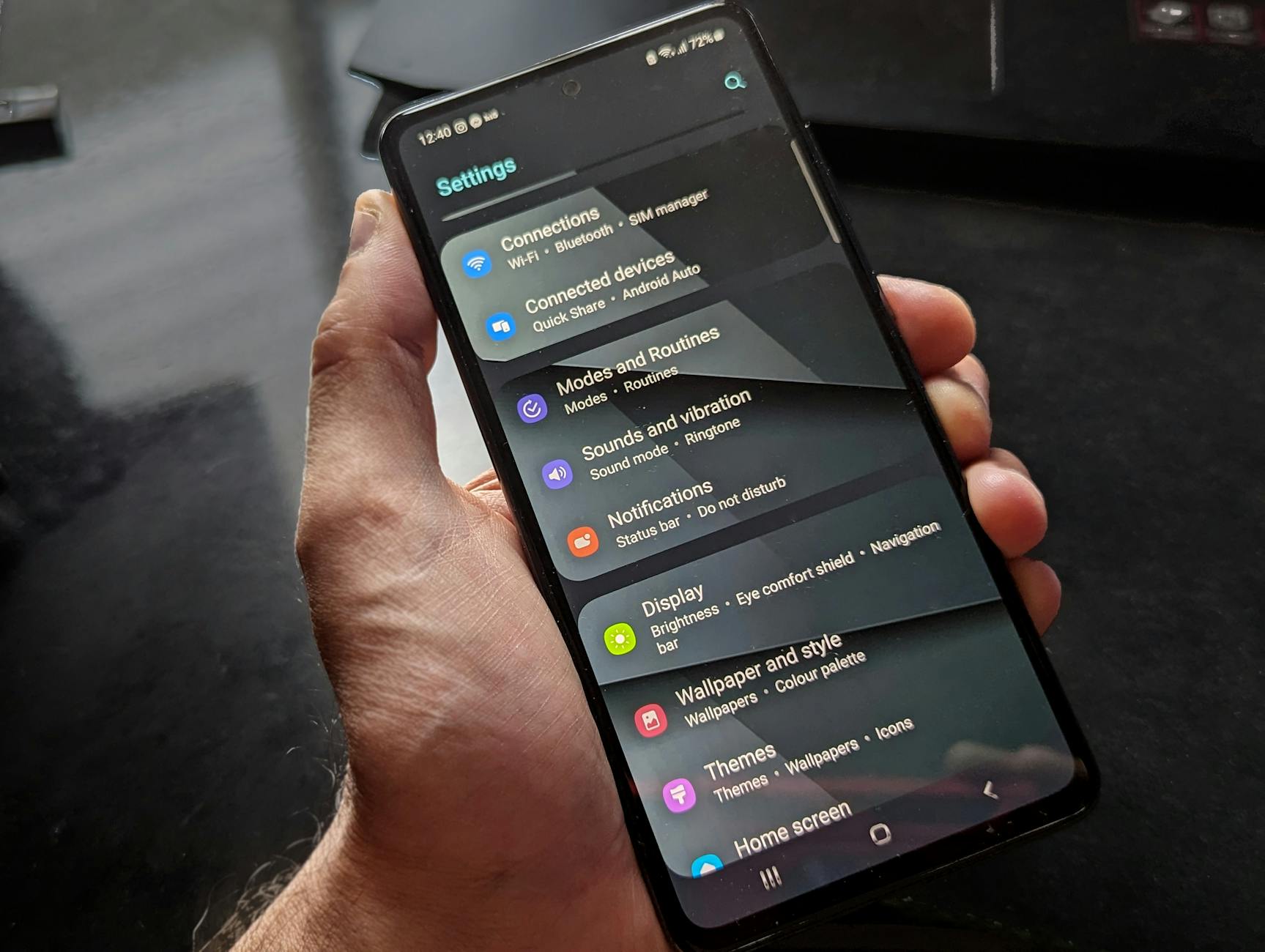 Photo by Watford London Media
Control Apps and Daily Habits to Stretch Further
When you’re relying on a power-limited phone during a outage, every inch of battery life counts. This section focuses on practical, bite-sized actions you can take throughout the day to keep essential features alive longer. You’ll learn how to manage apps that run in the background and adopt simple daily habits that minimize drain. These steps are quick to implement and work across iPhone and Android, so you can tailor them to what you own.
Close Background Apps and Limit Refresh
Background activity is a stealth battery killer. Apps can refresh content, track location, and push notifications even when you aren’t actively using them. The goal is to curb nonessential activity without sacrificing your ability to stay informed or connected.
- For iPhone users
- Quickly view recently used apps: double-click the home button on older iPhones or swipe up from the bottom on newer models with no home button to reveal your app switcher.
- Swipe away apps you don’t need right now to pause their background tasks.
- In Settings > Battery, check Battery Health and then disable Background App Refresh for apps that don’t need it. Location services can also be restricted to “While Using” for apps that don’t require constant tracking.
- Keep essential apps enabled, but occasionally refresh them by reopening when you need an update.
- For Android users
- Open the recent apps view and swipe away unused apps to stop background data and refresh.
- Visit Settings > Apps & notifications > See all apps, then restrict background data for nonessential programs.
- For location, set permissions to “Only while using the app” where possible to reduce constant GPS use.
- Quick takeaways
- Cutting background activity and limiting location use can extend standby time significantly.
- Do a quick audit now: identify two or three apps you rarely use but keep refreshing in the background and disable their background data.
- Want a deeper dive? See guides on turning off background refresh for iPhone and Android to maximize battery life:
- Apple: How to turn off background app refresh on your iPhone
- Asurion: How to turn off background apps on your iPhone and Android
- Lifehacker: The best ways to save your phone battery when the power goes out
Photo by DEBRAJ ROY
 Photo by DEBRAJ ROY
Adopt Low-Use Habits Like Less Checking
A calmer usage pattern can dramatically cut power waste. The goal is to stay informed without turning your phone into a constant drain. Simple changes can add up to meaningful benefits during an outage.
- Reduce notification load
- Disable nonessential alerts and vibration for every app that doesn’t require immediate attention.
- Consider using push notifications only for critical apps like weather alerts, emergency services, and family messages.
- Use voice instead of typing
- When possible, dictate texts or emails instead of typing. This reduces screen time and, on some devices, can lower processing load.
- Keep the device cool
- Heat accelerates battery wear. If you can, keep your phone out of direct sun and away from warm surfaces.
- Check less often
- Establish a cadence, for example checking essential updates every 30 minutes instead of every few minutes.
- Opt for wired audio when possible
- When listening to audio, prefer wired headphones or speakers to minimize power draw from Bluetooth and extra hardware.
- Practical note
- With fewer interruptions and smarter checks, you preserve minutes of usable time for calls, messages, and urgent alerts.
- Real-world tips you can apply now
- Turn off haptics and reduce vibrations for notifications.
- Use voice-to-text for quick replies instead of frequent screen taps.
- Place the device in a pocket or bag to keep it from constantly scanning for signals.
- For further reading on minimizing checks and reducing energy drain, see Lifehacker’s battery saving guide and related battery tips from major outlets:
- The Best Ways to Save Your Phone Battery When the Power Goes Out
- Simple Tips to Extend Your Phone Battery Life
Photo by Andrey Matveev
Photo by Andrey Matveev
Use Backup Power Sources as Last Resort
When the grid fails, your last resort is a reliable backup power source to keep essential communication alive. A well-chosen power bank can buy you crucial minutes, but it only helps if you know how to use it safely and store it properly. In this section, you’ll get a concise, practical path to selecting a solid 10,000 mAh+ option, connecting it safely, and maximizing its usefulness without compromising performance.
Pick and Use a Reliable Power Bank
A solid power bank is the backbone of outage preparedness. Look for models that offer at least 10,000 mAh and support fast charging to top up your smartphone quickly when time is tight. A compact, high-capacity bank can slip into a bag or glove compartment for ready access. When choosing, prioritize safety certifications, reputable brands, and clear safety guidance. A power bank with multiple output ports helps you charge more than one device at a time, which is handy if several family members need a charge during an outage.
- 10,000 mAh or more: Ensures multiple top-ups without taking up a lot of space.
- Fast charging: Aids rapid returns to usable power, especially during urgent moments.
- Safety features: Look for short circuit, overcharge, and temperature protections.
Connecting safely and maximizing lifespan are essential. Use the included cable and a clean, dry connector. Avoid charging on soft surfaces where heat can build up. When you’re done, store the bank at about 50% charge for long-term readiness; this helps preserve battery health and keeps the unit ready for the next blackout. If you’re charging multiple devices, distribute the load across ports to prevent overheating. For additional safety guidelines, check the safety how-to guides from reputable manufacturers and guides from major outlets: How to Ensure Charging Safe with Power Banks.
- Anker safety guide: How to Ensure Charging Safe with Power Banks
- PCMag portable chargers guide: The Best Portable Chargers and Power Banks for 2025
In practice, plan for one power bank per household or per critical device, with clear labeling. Keep one unit fully charged and a second unit at 50 percent as a backup in case you run out of time or outlets. A well maintained, properly stored power bank becomes a trustworthy lifeline for your smartphone, helping you stay connected when every minute counts. For more on choosing and using power banks safely, see reliable safety guides from major brands and tech publications.
- How to Ensure Charging Safe with Power Banks
- The Best Portable Chargers and Power Banks for 2025
Tips for daily handling: never leave a power bank in a hot car, avoid using damaged cables, and rotate chargers so one unit isn’t always the same model. This keeps your backup ready to go when a storm hits and you need to stay connected to family, weather alerts, and emergency services. For quick reference on safe charging practices, you can review expert guidance from trusted sources.
- How to Ensure Charging Safe with Power Banks
Remember, a backup power source is most effective when you practice safe use and proper storage. A thoughtful setup now means you’ll have dependable juice when a power outage lasts longer than expected. For broader context on safe handling and long-term care, see power bank maintenance guides from eco-friendly and tech outlets.
- Power Bank Maintenance Guide: Maximize Battery Life & Avoid Issues
Conclusion
Small changes add up when power is tight. Enable power saving features, turn on airplane mode when you don’t need calls, and dim the display to stretch every percent of battery in a real pinch. These moves cut background work and reduce drain without stopping essential use.
Keep radios in check. Turning off Wi Fi, Bluetooth, and hotspots when they aren’t needed can buy you meaningful minutes. Pair these tweaks with tighter screen time and smarter checks for alerts to stay informed without constant battery drain.
A quick test now proves the method works. Try a couple of scenarios: a short outage with essential updates, and a longer one that relies on a backup power source. You’ll see how the combination of settings and habits holds up in practice. A smartphone can stay usable longer when you practice the basics.
Share your outage stories in comments and bookmark this post for quick reference. It helps others see what actually works, and you may pick up a fresh tip from fellow readers. The key is simple: small, steady changes beat large, one off efforts.
Thank you for reading. By sticking to these straightforward steps you protect vital communication when power runs out. Stay safe, stay connected, and remember that practical tweaks multiply over time.