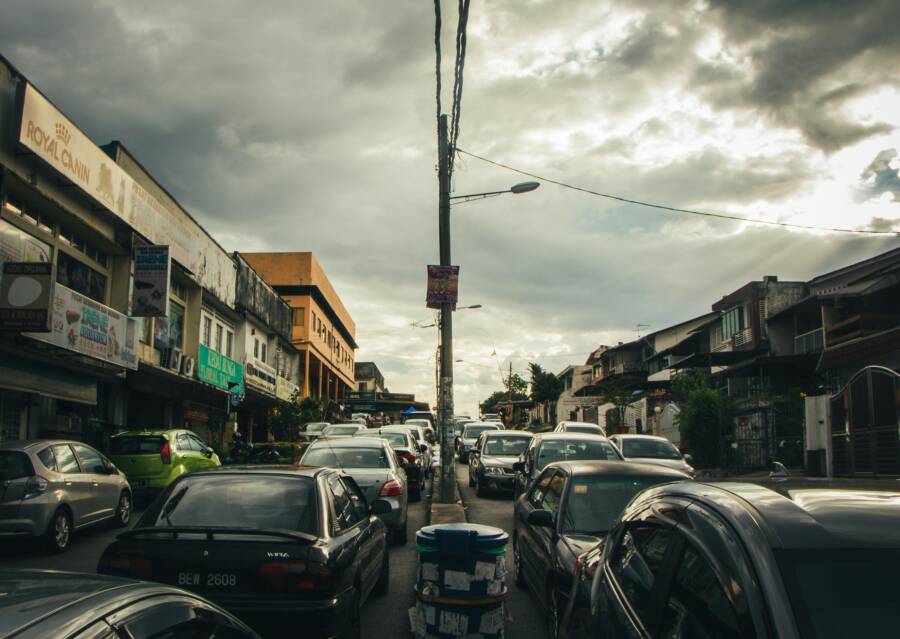
In the middle of a hurricane, a neighbor radioed for help and a simple thing kept her safe: a working phone. The wind roared, water rose, and she found a safe path to shelter by following step by step directions from the map on her device. Her phone wasn’t just a gadget; it was a lifeline she trusted to reach loved ones, receive alerts, and locate the nearest help.
During floods, earthquakes, and storms, a phone acts as a lifeline because it can deliver alerts, place calls, show family locations, and guide you around danger. When power is scarce and networks are unreliable, staying informed and connected matters more than ever. A single charged device can mean the difference between staying safe and getting stranded, especially when every minute counts.
This guide outlines the key steps you need to keep your phone reliable when disaster strikes. You’ll learn essential prep work that keeps you ready, simple protection measures that guard against damage, practical power tips to stretch battery life, connection tricks to maximize reach, and a clear plan for recovery after the worst has passed. Think of this as your quick, practical checklist to stay in touch.
By the end, you’ll know how to minimize downtime and stay connected when it matters most. You’ll have concrete actions you can take today to protect your data, maintain access to emergency services, and help others around you. When you prepare, a single smartphone can be your steady compass and a bridge to safety in chaos.
Prepare Your Phone Before a Disaster Hits
Being proactive with your phone can mean the difference between staying connected and getting cut off when seconds count. In a crisis, reliable access to alerts, maps, and loved ones hinges on one thing: a phone that’s ready to go. Use these focused, practical steps to harden your device now so you can move quickly when disaster strikes.
Back Up Your Data Right Now
Your photos, contacts, and important docs are worth protecting. Cloud backups keep your data safe even if your device is lost or damaged, while local backups give you quick access without an internet connection. Here’s how to set it up and why it matters.
- Cloud backups are convenient and automatic. Services like Google Drive for Android and iCloud for iPhone securely store your data in the cloud. Once enabled, your photos, app data, and settings can be restored to a new device with a few taps.
- Practical steps: turn on auto-backup, verify you’re signed in to your Google or Apple account, and ensure only essential data is being saved to avoid hitting storage limits. Tip: you’ll often be asked to choose what to back up. Prioritize photos, contacts, and essential documents.
- Local backups are a hands-on safety net. You can copy files to a computer or an external drive, giving you offline access if networks are down.
- Important caveat: without backups, you risk losing memories and critical contacts forever. A single misstep can mean permanent gaps in your phone’s data.
- Test restore to confirm everything is recoverable. Do a quick restore on a spare device or a different account to ensure you can recover what you need when disaster hits.
For concrete guidance, see how to back up your Android data to Google Drive and how to use iCloud on iPhone. If you want a balanced view on choosing between cloud options, a reputable overview can help you pick what fits your setup.
- Android backups: back up or restore data on your Android device (Google support) for up-to-date steps and caveats.
- iPhone backups: iCloud and iTunes/Finder backups provide options to protect your photos, messages, and app data.
- Practical backup ideas: a simple drive-based solution paired with a cloud plan often gives the best coverage.
External links:
- You need a backup plan for your phone — here’s how to pick between iCloud and Google Drive
- Back up or restore data on your Android device
- How to backup and keep your data safe
Update Software and Install Emergency Apps
Before disaster strikes, ensure your phone can receive alerts and function smoothly under stress. Keeping OS and apps current reduces glitches during critical moments and ensures you have the right tools at hand.
- Check for operating system updates. System updates fix bugs, patch security holes, and improve power efficiency. Set updates to install automatically if possible.
- Refresh essential apps. Apps you rely on during emergencies should be kept current so they run without surprises when you need them.
- Install trusted emergency tools. Free apps from reputable sources provide real-time alerts, shelter information, and offline maps.
- FEMA and the Red Cross apps deliver official emergency guidance, alerts, and resources you can rely on even when lines are congested.
- Offline maps apps can help you navigate when data connectivity is unreliable.
- Emergency and severe weather apps offer step-by-step guidance for different disaster scenarios.
What each type does in a crisis:
- OS updates keep your phone secure and responsive when networks are crowded.
- Emergency apps deliver alerts and location-based info, helping you find help or shelters quickly.
- Offline maps allow routing even when cellular data is unavailable.
- Red Cross and FEMA apps provide preparedness checklists, safety tips, and local safety resources.
External links:
- FEMA Mobile Products
- FEMA – Apps on Google Play
- Emergency: Severe Weather App – App Store
Get the Right Protective Gear
A phone is only as good as its ability to survive the first hours after a disaster. Protective gear helps your device withstand water, dust, drops, and rough handling.
- Waterproof cases and docks protect against water damage and exposure. Look for IP ratings (IP68 is a common benchmark) and reputable seals that keep dust and moisture out.
- Screen protectors guard against scratches from debris and grit that can accompany storms and quakes.
- Rugged covers provide impact resistance without bulk, giving you grip and drop protection.
- How to pick based on disaster type:
- For floods and water exposure, prioritize waterproof cases with reliable seals and IP68-level protection.
- For earthquakes and urban hazards, focus on rugged, shock-absorbent cases and scratch-resistant screens.
- Real-world examples and budget considerations:
- Cheap options may protect against light moisture or minor drops but often lack long-term durability.
- Quality cases from established brands tend to offer better seals, grip, and consistent performance in harsh conditions.
External links:
- The 5 Best Waterproof Phone Pouches of 2025, Tested
- Waterproof Phone Case
- Best iPhone Waterproof Cases 2025 – Expert Reviews
If you implement these three areas now, your phone becomes a reliable lifeline rather than a fragile gadget. Keep a small disaster kit with a spare charger and a power bank handy, and schedule a quarterly backup and update check to stay prepared. When the next emergency arrives, you’ll move with confidence, knowing your data is safe, your software is current, and your device is protected.
Shield Your Phone During the Chaos
When disaster hits, your phone becomes more than a gadget. It’s a lifeline for alerts, routes to safety, and a way to stay in touch with loved ones. Shielding your device from water, drops, and rough handling can mean the difference between quick, decisive action and scrambling in the chaos. In this section, you’ll get practical, straight-to-the-point guidance to keep your phone functioning when it matters most.
Keep It Dry and Sealed
Flooding and heavy rain can flood pockets of time with risk. The first rule is simple: keep your device dry and sealed as much as possible. For floods and downpours, use waterproof bags or dry pouches when you know you’ll be exposed to water. Elevate your phone off the ground and away from puddles, especially if you’re moving through standing water or near open doors where water can splash inside.
When it does get wet, there are better steps than the rice myth. Don’t rush to put your phone in rice; rice can leave dust behind and won’t reliably wick moisture away. Instead, power off the device, remove any case if it’s safe to do so, and dry the exterior with a soft cloth. If you can, place the phone in a dry, breathable container with silica gel packets to absorb moisture. For more guidance, see credible guidance that debunks rice as a quick fix and outlines safer drying steps.
- Practical tip: keep a small dry bag in your go-bag. If you must cross a flooded area, slip your phone inside before entering.
- Quick action plan if water exposure is imminent: power off, protect the ports with tape or a small, watertight cover, and move to higher ground before drying fully.
Photo by Sergey Meshkov
Photo by Sergey Meshkov
External links for further reading on water safety and quick recovery steps:
- Don’t put your wet phone in rice. Here’s what to do instead
- Don’t Put Your Device in Rice. Here’s Why
- Don’t dry your iPhone in a bag of rice, says Apple
Avoid Drops and Impacts
Strong winds, tremors, and rubble can fling your phone around. The key is to keep it secure without hindering quick access. Use pockets, belt clips, or a snug holster to minimize the risk of drops during shakes or when you’re navigating broken terrain. If you’re outdoors in gusty weather, a lanyard can be a simple safeguard so you don’t have to grip the phone tightly and risk a drop.
- Grip techniques: hold the phone in the palm with fingers lightly curved, keep your elbow tucked, and avoid dangling cords that can snag on debris.
- Lanyard ideas: lightweight, quick-release lanyards let you revert to a secure hold if you need to move fast. They also reduce the chance of losing the phone in rubble or crowded shelters.
- Pocket placement: prefer deep front pockets or secure zip pockets to prevent accidental dislodging when the ground shakes.
In practical terms, a secure attachment reduces the chance you’ll drop the phone when people crowd around to ask questions or when you’re stepping over debris. If you prefer a dedicated setup, consider a rugged case with built-in grip and a compatible lanyard so your device stays put during chaos.
External links for securing your device:
- Keep Your Smartphone Secure – WandeR Bundle
- WandeR Hands-Free Phone Lanyard
- Anti-Theft Phone Strap options
- Pulpo Anti Theft Phone Leash
Store It Safely in Your Go-Bag
Your go-bag should be ready to grab and go in minutes. A phone in this kit stays protected and accessible, so you can call for help, share your location, or receive critical alerts as you move. Start with a dedicated, weatherproof pocket for easy access. Layer in the essentials so you can grab everything in one motion.
What to pack for your phone:
- A spare protective case or a slim, rugged shell to switch to if the primary case gets damaged.
- Extra charging options such as a compact power bank or a small solar charger if you’ll have sun exposure.
- Cables and adapters kept organized in a small, pouch-style organizer so you aren’t digging through the bag in a pinch.
- A compact waterproof pouch for extra protection when you’re around water or heavy rain.
Organization matters. Create a grab-and-go checklist and keep it in a readily accessible pocket or sleeve. For example, a simple system might be:
- Front pouch: phone, spare case
- Middle pocket: charging cable, portable charger
- Small inner sleeve: emergency notes or a tiny power outlet adapter
A well-organized setup means you’ll reach for your phone in a hurry and still have it protected as you evacuate. For a broader go-bag blueprint, consider Ready.gov’s guidance on building a kit and trusted emergency resources that fit your local risks and household size.
External links for go-bag essentials:
- Build A Kit
- Ready.gov Build A Kit
- Create your own digital go-bag
- Hurricane go-bag essentials
Images and further reading can help you visualize the setup and stay on track during a crisis. If you’re building your own kit, start with the basics and add waterproof protection as you go.
In practice, these three areas create a reliable shield for your phone during chaos. Pair them with a small disaster kit that includes a spare charger and a power bank, and schedule a quarterly check of backups and updates to stay prepared. When the next emergency arrives, you’ll move with confidence, knowing your data is safe, your software is current, and your device is protected.
External links and reading resources:
- Don’t Put Your Wet Phone in Rice: A Practical Guide
- How to Rescue a Wet Phone
- Don’t Dry Your iPhone in a Bag of Rice, Says Apple
Images:
- A smartphone secured in a dry bag for flood readiness. Photo by Sergey Meshkov.
Note: All external links are included for reference and further reading. Use them to enhance readers’ understanding and provide practical, proven methods you can apply today.
Manage Battery Life Like a Pro
When disaster strikes, every percent of battery matters. You need a plan that stretches power without sacrificing essential functions like alerts, maps, and communications. Below are practical, field-tested strategies to manage battery life quickly and effectively. Each step is designed to be simple to execute, even under stress, so you can stay connected when it counts.
Turn On Power-Saving Modes Fast
Power-saving modes are your first line of defense. They reduce background activity, limit features, and push critical functions to the front line. Here’s how to use them quickly on both iPhone and Android, and what you can expect in terms of battery savings.
- iPhone: Enable Low Power Mode. This reduces background app refresh, mail fetch, automatic downloads, and some visual effects. You’ll notice brighter battery life during the day and a slower drain during heavy use. If you expect extended outage, you can also dim the display and disable unnecessary animations within Settings.
- Android: Use Battery Saver or Adaptive Battery. Short-term gains come from turning off nonessential syncing and limiting background processes. Automatic brightness and a shorter screen timeout help as well.
What you’ll gain from each adjustment:
- Reducing screen brightness typically saves 15–30% of daily draw, depending on usage and ambient light.
- Lowering screen timeout and disabling auto-refresh can add several extra hours of life when you aren’t actively using the device.
- Turning on airplane mode in areas with weak networks can stop the phone from constantly searching for signals, saving power and reducing heat buildup.
For devices that support more aggressive modes, use them sparingly. The key is to keep critical functions active like emergency alerts, calls to responders, and location sharing with trusted contacts. If you want a quick reference, see how to optimize battery life on iPhone and Android for fast results.
- External reference: Apple’s guidance on battery optimization and power modes provides practical steps for iPhone users.
- External reference: Android’s official tips cover settings that extend battery life across a range of devices.
Pack Portable Chargers and Solar Options
Having portable power ready to roll is essential. The right mix of power banks and solar chargers ensures you can recharge away from outlets, whether you’re sheltering in place or moving through a shelter line. Here’s how to choose and use them wisely, including value picks under $50.
- Power banks: For disaster scenarios, a compact, high-capacity bank that fits in a pocket or go-bag is ideal. Look for 10,000–20,000 mAh models that offer USB-C charging for faster top-ups. A smaller, lighter unit is convenient for day trips, while a larger bank is better for multiple devices or long outages.
- Solar chargers: Outdoors and in sunny conditions, solar chargers provide a clean, free energy source. For the best reliability, pick models with a foldable design and built-in battery storage so you can charge even when the sun isn’t directly shining.
- Charging times and budget picks: under $50 options can be surprisingly capable for light to moderate use. Expect 1–2 full phone charges from mid-range banks, and longer recharge times for solar panels depending on sunlight and panel size.
Practical tips to maximize value:
- Prioritize one fast charger (USB-C PD if possible) for quick top-ups when you’re near a power source.
- Keep cables organized in a dedicated pouch so you can grab and go without delay.
- Test each charger before a crisis so you know its performance and safety in real conditions.
For trusted recommendations, check out budget power banks under $50 and solar charging options that perform outdoors. These sources highlight reliable models and real-world performance so you can pick with confidence.
- External link: Affordable Power Banks Under $50: 2025 Budget Chargers
- External link: Best Power Banks for Emergencies
- External link: 10 Stylish And Durable Power Banks You Can Buy for Under $50
- External link: The Best Solar Chargers for Phones Under $50
Use Car or Generator Power Wisely
If you have access to a vehicle or a home backup, you can keep essential communications alive without overloading the system or creating hazardous conditions. The goal is safe, controlled power use that minimizes fumes, heat, and risk.
- Vehicle charging: In a parked vehicle, you can top up a phone with a car charger. Use a dedicated, short charging session rather than continuous top-ups to avoid overheating and battery wear.
- Home backup power: For longer outages, a small backup system or generator can run a charging station for critical devices. Use proper safety practices and ensure ventilation to prevent carbon monoxide buildup.
- Fumes and heat warnings: Generators must never be run indoors or in enclosed spaces. Always place them outside, at a safe distance from doors and windows, and use a carbon monoxide detector in the living area. Exhaust heat can be intense, so keep away from flammable materials and heat sources.
Best-practice planning:
- Create a priority list of devices to charge during outages. Phones, a whistle, a flashlight, and a radio rank high on the list.
- Use timers or smart plugs to manage charging sessions and prevent overloading circuits.
- Have a dedicated outdoor power kit ready, including extension cords, weatherproof outlets, and appropriate adapters.
For more on safe generator use and staying powered during outages, consult Red Cross guidance and consumer safety resources. These sources emphasize safe placement, proper ventilation, and best practices to prevent accidents.
- External link: Safe Generator Use
- External link: Generator Safety
- External link: Prepare Your Electronics for a Natural Disaster
Stay ready and stay safe. With a small, well-stocked setup, you can stretch every charge, keep critical alerts flowing, and reach help when you need it most. Regularly test backups and charging gear so you’re never surprised by a dead battery in a crisis. The more you practice now, the more confident you’ll be when the power goes out.
Stay Connected Even If Towers Go Down
Natural disasters can cripple networks, but you can still stay informed, in touch, and moving toward safety. This section breaks down practical, field-tested ways to keep your communication lines open when towers go quiet. You’ll find simple steps you can apply today, plus reliable options to reach help and check in with loved ones. The goal is clarity, not hype, so you can act fast and with confidence.
Texts Over Calls and Use WiFi Calling
During a crisis, texts often get through when calls fail. They use less bandwidth and don’t require two-way, real-time conversations, which frees up networks for urgent messages. If you’ve never enabled WiFi calling, now is the time to set it up so you can place calls using a steady WiFi connection when cellular signal is weak.
- Why texts win in a jam: messages use less data, tolerate poor networks better, and arrive in order even when lines are busy.
- Quick setup reminders: enable WiFi calling on your device, and keep a backup plan with a basic messaging app that works offline or with low data.
- Satellite options for new phones: for remote areas, some newer models support satellite messaging. These features require the right hardware and your device may need to be outdoors with a clear view of the sky.
Practical steps you can take now:
- On iPhone, turn on Wi‑Fi Calling in Settings > Phone > Wi‑Fi Calling.
- On Android, look for a similar option under Settings > Network & Internet > Wi‑Fi Calling.
- If your device supports satellite messaging, test the feature in a safe, open outdoor area so you know how it behaves when you’re off the grid.
For official guidance and step-by-step instructions, see the Make a call with Wi-Fi Calling article from Apple support and how to enable Wi-Fi calling on Android and iPhone. If you want a broader read, FEMA mobile products provide trusted tools for emergencies. Apple support: Make a call with Wi-Fi Calling FEMA Mobile Products
Download Offline Maps and Alerts
Offline maps and local alerts become your compass when data networks falter. Preloading maps of your area ensures you can navigate to safety even without a live connection. Combine offline maps with alert services to stay informed about nearby hazards and shelter options.
- Offline maps: save crucial routes, shelter locations, and landmarks before disaster strikes. Most map apps offer a one-tap offline area download.
- Alerts you can rely on: install reputable weather and safety apps that provide cached alerts or local warnings that don’t require constant data access.
- How to get emergency broadcasts: tune into local radio stations and use official alert apps that deliver push notifications when service returns.
Strategic tips:
- Pre-download maps for your regular routes and the areas where you’ll shelter or evacuate.
- Enable emergency alerts in your OS or in dedicated apps so you receive automatic warnings, even if your data is spotty.
- Keep a small, dedicated backup device, such as a basic phone with offline maps loaded, in your go-bag.
Recommended reading and tools for offline navigation and alerts include official emergency alert resources and downloadable map guides. Examples include Ready.gov alerts for official guidance and a trusted set of apps with offline capabilities. Ready.gov Alerts
Share Location and Check In Apps
When communication lines are stressed, location sharing and quick check-ins help families stay connected and coordinate a plan. Family locator apps offer real-time or periodic location updates, safety check-ins, and SOS features. Everyone should agree on a simple routine: who checks in, how often, and what to do if a member misses a check-in.
- Family locator apps: use apps that provide real-time location sharing, safe zones, and emergency buttons. These can be invaluable in crowded shelters or crowded streets after a quake.
- Safety check-ins: set up regular, short check-ins with your group. A simple, predictable cadence reduces anxiety and helps responders locate you faster.
- Privacy notes: location sharing is powerful but sensitive. Limit access to trusted family and friends, disable sharing when not needed, and review app permissions after any major OS update.
Implementation ideas:
- Create a shared group within your chosen app and set up automatic check-ins for each family member.
- Use geo-fenced alerts to notify when someone leaves or reaches a designated area.
- Consider combining a family locator app with an emergency contact list stored securely in a trusted app.
Useful references for locating and safety apps include Life360 and other family safety tools. They provide real‑time location sharing, emergency assistance features, and privacy controls. Life360 Emergency Alert & Assistance App Life360 | The #1 Family Tracking App
Optional reading on dependable family tracking options:
- 8 Best Family Tracking Apps for iPhone & Android (2025)
- Phone Tracker – Family Locator on the App Store
By combining these approaches, you can stay connected even when cell towers go quiet. Your phone becomes a bridge to safety, not a brick in the wall of chaos. For further reading on reliable emergency communications, you can explore Wireless Emergency Alerts (WEA) and official alert systems from Ready.gov and the FCC. FCC Wireless Emergency Alerts Ready.gov Alerts
References and suggested tools:
- WiFi Calling setup and guidance (Apple support)
- Satellite messaging options for emergencies
- Lifeline apps for family safety and privacy controls
This section gives you a practical toolkit to stay connected when towers go down. Pair these steps with your existing disaster plan, run a quick test weekly, and keep a small spare charger in your go-bag. The goal is simple: keep your lines open so you can reach help and check in with those you love.
Bounce Back After the Disaster
When a natural disaster hits, the struggle to stay connected can feel overwhelming. Yet your phone can be the difference between getting help quickly and missing vital updates. This section focuses on practical, real-world steps to recover and bounce back fast after damage or interruption. You’ll find clear actions, trustworthy guidance, and links to proven resources that help you protect data, restore service, and keep communication lines open when every minute counts.
Dry Out a Wet Phone Properly
Water damage is a common disaster risk, but you don’t have to surrender your device. The right drying method saves your data and reduces the chance of lasting harm. Start by powering the phone off and removing the case if it’s safe. Don’t rely on rice; it can leave dust and doesn’t wick moisture effectively. Instead, prioritize gentle air drying and moisture absorption using silica gel packets.
- Quick, practical approach: place the device in a breathable container with silica gel packets to draw out moisture. This method is safer and more effective than rice.
- Avoid common mistakes: do not turn the phone back on while damp, and avoid heated drying methods that can warp components.
- Signs of serious damage: if the screen stays unresponsive, you hear no startup chime, or the phone won’t charge, professional help may be necessary.
If water exposure is imminent, protect ports with a temporary seal and move the device to higher ground. For a step-by-step discussion and debunking rice myths, check credible guidance like the article that explains why rice isn’t the best fix and outlines safer drying steps. For quick reference, you can also review Asurion’s 8-step water damage guide.
- External reading you can trust: “Here’s the Truth About Putting Your iPhone or Android in Rice to Dry It Out” from CNET
- Practical guidance: “How to fix your water-damaged phone in 8 steps” from Asurion
External links:
- https://www.cnet.com/tech/mobile/wet-iphone-or-android-skip-the-rice-and-try-these-methods-to-dry-it-out/
- https://www.asurion.com/connect/tech-tips/8-steps-save-phone-water-damage/
Avoid Drops and Impacts
In the chaos of a disaster, your phone can take a beating. Keep it secured where it’s accessible but not flailing at every gust of wind. A snug holster, belt clip, or pocket can dramatically reduce the risk of damage during tremors, crowds, or crawling through rubble.
- Practical grip: hold the phone firmly in the palm with a relaxed grip; keep elbows tucked to stabilize your arm.
- Protective accessories: a rugged case with good grip and a lightweight lanyard helps you stay connected without fearing a drop.
- Safe handling in crowds: use a front pocket or secure zip pocket to prevent accidental slips in busy shelter lines.
Protective gear and careful handling make the difference between a functional device and one that needs repair. For context, look at budget options versus well-known brands to balance protection with cost.
External links:
- https://www.youtube.com/watch?v=HEjC0Ude8CA
- https://www.the5bestwaterproofphonepouches.example
- https://www.wanderbundle.example
Store It Safely in Your Go-Bag
Your go-bag is where readiness meets action. A dedicated, weatherproof pocket keeps your phone within reach as you move. Pack so you can grab everything in one motion and keep essential power accessories handy.
What to pack for your phone:
- Spare protective case or rugged shell for quick swap if the primary case is damaged.
- Extra charging options such as a compact power bank or a small solar charger if sun is available.
- Cables and adapters organized in a pouch so you aren’t digging in a pinch.
- A compact waterproof pouch for extra protection around water or heavy rain.
Organize with a simple grab-and-go system so you can evacuate quickly. For broader guidance on building a disaster-ready kit, refer to Ready.gov and other trusted resources.
External links:
- https://www.ready.gov/build-a-kit
- https://www.ready.gov/alerts
Images and practical reading can help you visualize a compact, accessible setup. Start with the basics and add protection as you go, keeping your go-bag light enough to carry.
Manage Battery Life Like a Pro
In a disaster, every percent counts. A clear battery plan keeps critical functions online, including alerts, maps, and messaging. Use these proven strategies to stretch power when it matters most.
- Turn on power-saving modes quickly: Low Power Mode on iPhone or Battery Saver on Android reduces background activity and preserves essential functions.
- Screen management: lower brightness, shorten screen timeout, and disable nonessential features to extend battery life.
- Airplane mode in weak networks: turning on airplane mode stops the phone from constantly searching for a signal, saving power and reducing heat.
Beyond modes, plan with portable power in mind. A mix of power banks and solar chargers gives you flexibility when outlets are scarce. For budget-conscious choices, look at under $50 options that still offer reliable performance.
- Quick checklist: keep USB-C charging, organize cables in a small pouch, and test chargers before a crisis.
External references:
- https://www.apple.com/support
- https://www.android.com/support
Use Car or Generator Power Wisely
If you have access to a vehicle or a home backup, you can keep essential communications alive without overloading systems. Power use should be controlled and safe.
- Vehicle charging: use a car charger in short, focused sessions to avoid overheating.
- Home backup power: a small generator or backup setup can sustain a charging station for critical devices. Ensure proper ventilation and outdoor placement to prevent carbon monoxide buildup.
- Planning and safety: create a priority list for charging, use timers to manage sessions, and keep outdoor power kits ready.
For further safety guidance, consult trusted sources that cover safe generator use and staying powered during outages.
External links:
- https://www.redcross.org/safety-preparedness/generator-safety
- https://www.ready.gov/energy-management
Stay ready. With a light yet reliable setup, you can stretch every charge, keep critical alerts flowing, and reach help when you need it most. Regular checks of backups and charging gear ensure you aren’t surprised by a dead battery in a crisis.
Stay Connected Even If Towers Go Down
When networks fail, you still have options to stay informed and connected. This section lays out practical, field-tested ways to keep communication open when the grid is quiet. You’ll find simple steps you can take now and dependable routes to reach help and check in.
Texts Over Calls and Use WiFi Calling
Text messages often break through when calls fail. They use less bandwidth and don’t require real-time conversation, reserving network capacity for urgent needs. If you haven’t enabled WiFi calling yet, set it up so you can place calls over a steady WiFi connection when cellular signals are weak.
- Why texts work: they tolerate poor networks, arrive in order, and don’t clog busy lines.
- Quick setup reminders: enable WiFi calling on your device and have a basic messaging app that works offline or with low data.
- Satellite options for remote areas: some newer models support satellite messaging, though you’ll need the right hardware and an unobstructed sky view.
Practical steps you can take now:
- iPhone: Settings > Phone > Wi‑Fi Calling
- Android: Settings > Network & Internet > Wi‑Fi Calling
- If satellite messaging is available, test it in a safe outdoor area
For official guidance, see Apple support and FEMA mobile products. External references:
- https://support.apple.com/en-us/108066
- https://www.fema.gov/mobile-products
Download Offline Maps and Alerts
Offline maps and local alerts become your compass when data networks disappear. Preload maps of your area so you can navigate to safety even without a live connection.
- Offline maps: save routes, shelter locations, and landmarks before disaster
- Alerts you can rely on: use trusted weather and safety apps with cached alerts
- Emergency broadcasts: tune into local radio and use official alert apps
Tips:
- Pre-download maps for common routes and shelters
- Enable emergency alerts in OS and apps
- Keep a backup device with offline maps in your go-bag
External reading:
- https://www.ready.gov/alerts
Share Location and Check In Apps
Location sharing and regular check-ins help families stay coordinated when lines are stressed. Agree on a simple routine: who checks in, how often, and what to do if someone misses a check-in.
- Family locator apps: real-time location sharing, safety zones, and emergency buttons
- Safety check-ins: short, predictable cadence reduces anxiety and aids responders
- Privacy: limit access to trusted people, review permissions after OS updates
Implementation ideas:
- Create a shared group in your chosen app and set automatic check-ins
- Use geo-fenced alerts to notify when someone leaves or reaches a designated area
- Combine family locator apps with a securely stored emergency contact list
External references:
- https://www.life360.com/emergency-assistance
Optional reading:
- https://www.life360.com/lp/?msclkid=cce3f571971a134a625d94dff71c2a77#section-3
By combining these approaches, you keep a lifeline open even when towers go quiet. Your phone becomes a bridge to safety, not a barrier in chaos. For broader reading on reliable emergency communications, explore Wireless Emergency Alerts (WEA) and official alert systems from Ready.gov and the FCC.
External links:
- https://www.fcc.gov/consumers/guides/wireless-emergency-alerts
- https://www.ready.gov/alerts
This section gives you a practical toolkit to stay connected when towers go down. Pair these steps with your existing disaster plan, run quick tests weekly, and keep a spare charger in your go-bag. The goal is simple: keep your lines open so you can reach help and check in with those you love.
Conclusion
In a crisis, a working phone stays by your side like a calm guide. Remember the opening scene from this guide: a neighbor, a storm, a reliable line to safety thanks to a prepared smartphone. The same ideas keep you connected when chaos peaks.
Main tips at a glance
- Back up data now and keep offline copies handy.
- Update software and install trusted emergency apps.
- Protect and dry your device if it gets wet, and pack spare protection in your go bag.
- Manage battery life with power saving, portable chargers, and selective use.
- Stay connected with texts, offline maps, and check in routines.
Act today with this practical checklist
- Back up photos, contacts, and critical files to cloud and locally.
- Enable low power mode and set up a basic offline map package.
- Pack a compact power bank, a spare case, and a waterproof pouch.
- Preload emergency alerts and offline navigation for your area.
- Set up a simple check-in plan with family or friends.
A prepared phone brings real safety. It lets you receive alerts, navigate to safety, and contact help when lines are crowded. By keeping data safe, software current, and power ready, you stay ready for whatever comes next. Your smartphone can be a steady compass in chaos.
If you’ve tried these steps, share your experience in the comments. How did a small prep payoff when you faced a real emergency? Your story can help others stay safe tomorrow.