Thousands of People Were Struggling With Money Until They Discovered This One Ancient Secret Hidden in Sound
>>> Unlock It Now <<<

You lie in bed with your smartphone, the screen glow pulling you into the night’s endless headlines and feeds. This pattern is called doomscrolling, the habit of consuming negative content late at night that cranks up stress and keeps your mind buzzing.
This post offers simple, fast steps you can try tonight to stop the loop. You’ll learn practical phone settings and a easy routine that helps you wind down, sleep better, and wake up clearer.
Why Doomscrolling Hits Hard at Night
Doomscrolling isn’t just about bad habits. It hijacks your brain at a time when your body should be winding down. By understanding how your phone pulls you in, you can design a plan to break the loop and reclaim a calmer evening routine.
How Blue Light and Notifications Steal Your Sleep
Blue light from screens interferes with your circadian rhythm by signaling your brain that it’s not time to rest. This can delay melatonin production, making it harder to fall asleep and stay asleep. The effect isn’t only about brightness; the wavelength of blue light tells your body to stay alert, nudging you toward wakefulness when it should be drifting to sleep. Add in constant notification pings, which act like mini alarms, and your brain stays conditioned to expect urgent information. To spot this in your routine, note how often you check your phone after the sun goes down and how quickly you respond to every ping. Consider dimming screen brightness, enabling a warm color setting, and scheduling a strict wind-down window. For background reading on blue light and sleep, see Sleep Foundation’s guide on blue light and its effects on melatonin and circadian rhythm: https://www.sleepfoundation.org/bedroom-environment/blue-light
He Was Drowning in Bills and Burnout Until a Simple Daily Ritual Rewired His Brain for Wealth in Less Than a Week
>>> Start Your Shift Today <<<

The Dopamine Trap That Keeps You Scrolling
Social media rewards you with quick bursts of dopamine each time you like, comment, or scroll to a new post. Those small wins create a loop: anticipation, brief pleasure, then a craving for the next hit. It’s like snacking on chips—each bite tastes great, but you end up eating more than you planned. Real-life feed algorithms feed this by prioritizing new, highly engaging content, keeping your attention glued to the screen. You can spot this pattern by noticing how your scroll length grows after a simple one-minute check. A concrete example helps: a late-night feed delivers a rapid stream of fresh posts, feeding the brain’s reward center and delaying sleep. For a deeper look at how social media algorithms can hijack attention, check out related analyses here: https://pmc.ncbi.nlm.nih.gov/articles/PMC11804976/
Set Phone Boundaries That Stick
Doomscrolling sabotages sleep because it blends your evening routine with constant noise from the outside world. By setting firm boundaries, you create a calmer wind-down and a stronger start to the next day. This section provides practical, easy-to-implement steps you can apply tonight. You’ll define a hard cut off, turn your bedroom into a sleep sanctuary, and start tracking how much time you actually spend on your phone. The goal is consistency, not perfection. Small, daily wins compound into a better night’s sleep and clearer mornings.
Pick a No-Phone Time and Zone
Choose a clear cutoff time, ideally around 8 to 9 PM, and treat it as non negotiable. This window gives your brain a chance to produce melatonin and shift toward rest. Start by removing the phone from your bedside and placing it in another room or in a designated charging station. A bedside table ban signals a shift from “in case of an emergency” to “rest mode.” You can replace doomscrolling with a quiet ritual like reading a light book, preparing for tomorrow, or a short stretch. If you struggle, set a reminder that nudges you to power down and switch to low light. Blue light has a real impact on sleep, so dimming screens or using a warm color setting during your wind-down helps your body prepare for sleep. For more on blue light and sleep, see this overview: https://www.sleepfoundation.org/bedroom-environment/blue-light
Track Your Screen Time to See the Problem
Understanding your baseline is the first step to change. Start by checking your daily reports, then review patterns at the end of the week. Look for days when you stay up later than planned or when you spend more time in apps that tend to pull you in. Set a realistic weekly limit that aligns with your bedtime goal, and gradually tighten it if you need more discipline. Use built-in tools like Screen Time on iPhone or Digital Wellbeing on Android to monitor usage and set alerts. These insights help you see where the temptations lie and how to adjust. If you want a quick start, follow the official guides to activate time limits and reports: https://support.apple.com/en-us/108806 and https://support.google.com/android/answer/9346420?hl=en. Another helpful resource on managing sleep and electronics is this overview: https://www.sleepfoundation.org/how-sleep-works/how-electronics-affect-sleep
Tweak Your Phone Settings to Block Temptation
Even small changes to your phone can cut the pull of doomscrolling. The goal is to make late-night use less inviting and easier to walk away from. Start with two practical tweaks you can implement tonight: change how your screen looks, and set smart limits that guard your time. These steps help your brain slip into rest mode sooner and reduce the lure of endless feeds.
Switch to Grayscale and Night Shift
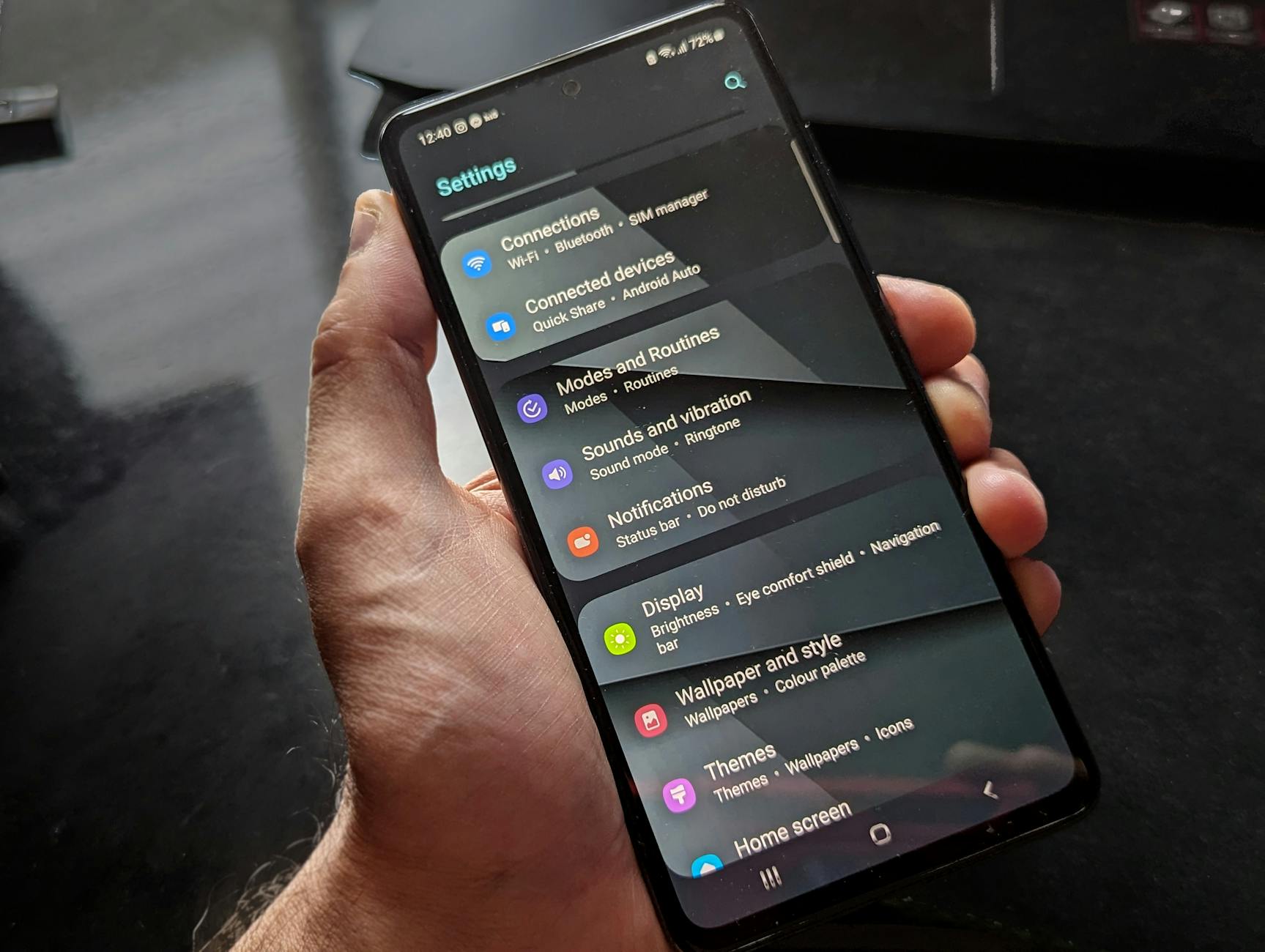
Photo by Watford London Media
Colors skyrocket dopamine hits and make apps feel alive. Grayscale reduces that appeal by stripping color from your screen, so doomscrolling loses its instant allure. Night Shift or Night Light softens the glow, nudging your brain toward winding down rather than ramping up. Here’s how to do it quickly.
- For iPhone: Turn on Grayscale in Settings > Accessibility > Display & Text Size > Color Filters, then choose Grayscale. Enable Night Shift in Settings > Display & Brightness > Night Shift, and schedule it from sunset to sunrise or a custom window. Quick tip: pair grayscale with a warm color temperature to minimize stimulation after dark. Learn more about the science behind blue light and sleep here: https://www.sleepfoundation.org/bedroom-environment/blue-light
- For Android: Open Settings > Accessibility > Color and Motion > Color Inversion or Grayscale, depending on your device. Then set Digital Wellbeing or a blue light filter such as Night Light, usually under Display or Quick Settings. If available, schedule the filter to run after 8 PM. For a broader look at reducing screen color, see guidance from practical sources here: https://www.outputtheory.com/p/how-to-set-up-your-phone-to-protect
Grayscale isn’t a punishment; it’s a tool. It makes scrolling feel less rewarding, so you’re more likely to choose a book, a stretch, or a short meditation instead. Night shifting your display reduces eye strain and helps your body release melatonin on a natural schedule. It’s a small switch with big payoff over the week.
Why colors fuel scrolling
Our brains light up when we see vibrant icons and new posts. The bold hues signal novelty and reward, nudging us to keep tapping. By turning off the color sprint, you reduce the compulsion to reach for the phone at every ping. Think of grayscale as a sensory brake that slows the chase for more content. When you combine this with a warmer screen, you create a calmer bedtime environment that supports sleep rather than disrupts it. For additional reading on how to set up color controls, explore articles like this practical guide: https://www.trykondo.com/blog/grayscale-phone-addiction
Quick setup recap
- Enable Grayscale and warm Night Shift or Night Light.
- Schedule these features to activate at your typical wind-down time.
- Keep a physical charger away from the bed to reinforce the boundary.
App Limits and Do Not Disturb Magic

Photo by Pexels
Setting firm boundaries helps you reclaim your evenings without a big fight. App limits and Do Not Disturb mode work together to reduce the pull of late-night doomscrolling. Here’s how to implement them quickly and effectively.
- Set a 15-minute limit after 8 PM for the apps that tend to pull you in the most. This creates a clear end to casual browsing and nudges you toward offline activities.
- Schedule Do Not Disturb from 9 PM to 7 AM, with exceptions only for alarms or essential contacts. This keeps notifications quiet while you sleep and during your wind-down.
- Keep alarms or urgent reminders outside this window to avoid missing important calls, then test the setup to ensure it doesn’t interrupt your rest.
On iPhone, use Screen Time to set app limits and Bedtime schedules. On Android, Digital Wellbeing offers App Timers and Focus modes to silence nonessential alerts during your wind-down. These built-in tools are reliable, easy to adjust, and private by design. For official step-by-step guidance, see Apple’s Screen Time setup: https://support.apple.com/guide/iphone/set-schedules-with-screen-time-iphb0c7313c9/ios and Google’s Digital Wellbeing guide: https://support.google.com/android/answer/9346420?hl=en
Why this matters: Do Not Disturb reduces the noise from social feeds, while timed app limits reduce the chance you’ll drift into a longer session. Consistency is key. Start with the 15-minute limit and the bedtime mode, then adjust as you notice patterns in your week. A lighter digital load at night supports faster, deeper sleep and a clearer morning. For broader context on digital wellbeing, see this guide: https://www.internetmatters.org/?generate_pdf=1&page=digital-wellbeing&post_id=14985
If you want a quick read on how grayscale can curb phone addiction, check out practical experiences here: https://jomo.so/blog/grayscale-mode-break-phone-addiction
Images and visual cues can reinforce healthy routines. Place your phone out of arm’s reach after your chosen cut-off and keep a simple, non-screen activity handy for wind-down. A calm ritual, not a harsh rule, makes the switch easier to sustain.
What If the Only Thing Between You and the Life You Deserve Is a Hidden Wealth Code Waiting to Be Activated
>>> Open the Door <<<

There Is a Frequency That the Wealthiest Families Have Used for Generations and Most People Will Never Know It Exists
>>> Open the Door <<<

Replace Scrolling with Bedtime Wins
Turning the last hours of your day into calm, restorative moments is easier than you think. This section helps you replace doomscrolling with small, enjoyable wins that signal to your body it’s time to rest. Below are practical activities that can be done in 10 to 25 minutes and still fit a busy schedule. Each option includes a quick sense of its benefits so you can pick what feels natural tonight.
Quick Bedtime Activities That Beat Your Phone
- Breathing exercises: Slow, deliberate breaths calm the nervous system and lower heart rate. A simple pattern like four counts in, six counts out can reduce tension quickly. Pros: easy to start, portable, no equipment needed. This practice helps you drift toward sleep without engaging the brain’s chase mode.
- Gratitude list: Jot down three things you’re grateful for from the day. Pros: shifts focus from stress to appreciation, takes only a few minutes, supports a positive mood at bedtime. It’s a small ritual that can quiet a racing mind after a busy day.
- Gentle yoga or stretching: A 5 to 10 minute stretch sequence targets the hips, shoulders, and back, releasing physical tension built up during the day. Pros: improves mobility, reduces stiffness, and helps you physically unwind.
- Journaling short form: Write a few lines about what went well or what you learned. Pros: externalizes racing thoughts, creates a calm mental space, and acts as a soft transition from activity to rest.
- Read a physical book or magazine: Choose light fiction or a short article to avoid stimulating topics. Pros: reduces screen time, aids winding down, and can become a comforting nightly routine.
- Mindful body scan: Progressively notice sensations from toes to head, releasing areas of tension as you go. Pros: teaches body awareness, promotes deep relaxation, and requires no tools besides your attention.
To get ideas that align with science on how to wind down, check out guidance on blue light and sleep and why a pre-bed routine matters. For a reliable overview, see Sleep Foundation’s blue light article: https://www.sleepfoundation.org/bedroom-environment/blue-light
Craft a Routine You’ll Love
A routine that sticks feels less like a rule and more like a friend saying, “It’s time to rest.” This plan guides you from the moment your day ends to the moment your head hits the pillow, in about 20 minutes. Think of it as a menu you can customize, not a rigid set of rules. The goal is consistency and a gentle transition away from your phone.
- Step 1: Wind-down cue (0–2 minutes) — Dim the lights and set a soft soundtrack or white noise. This signals your brain that sleep mode is near.
- Step 2: Light activity (3–8 minutes) — Choose one of the quick activities above, such as a brief breathing exercise or a gentle stretch.
- Step 3: Mindful reflection (9–14 minutes) — Do a short journaling entry or gratitude list. Keep it positive and concise.
- Step 4: Screen check and transition (15–18 minutes) — If you must use a device, switch to a grayscale display and limit the brightness to a warm setting.
- Step 5: Lights out routine (19–20 minutes) — Get into bed, practice a final 2 minute breath cycle, and close your eyes.
Customize tips to fit your life. If you have kids or early starts, adjust the window earlier or shorten each segment. A habit stacking idea can help: pair your wind-down with brushing teeth or setting out clothes for tomorrow. This creates a domino effect of routine cues that build momentum toward sleep. For broader ideas on easy wind-down activities, you can explore articles like “Doomscrolling Replacements to Get Your Sleep Back on Track” and “What to Do Before Bed Instead of Scrolling,” which offer practical substitutes that align with real evenings.
Stay Free from Doomscrolling Long Term
Doomscrolling can feel like a trickle that becomes a flood of late-night worry. The goal of this section is to map out sustainable habits that keep your evenings calm and your sleep solid for months, not just tonight. You’ll build a simple, repeatable routine, adjust your environment, and track progress so the changes stick. Think of it as training your brain to prefer rest over a perpetual news cycle, with your smartphone acting as a helpful tool rather than a dominant pull.
Understand the long-term impact and where you slip
When doomscrolling becomes a nightly ritual, it chips away at sleep quality, mood, and daytime focus. Over weeks and months, the cumulative toll shows up as grogginess, irritability, and reduced resilience to stress. The first step is recognizing your personal patterns: which apps pull you in, what time you start, and how long you stay. If you’re unsure, keep a simple log for a week. Note the time you last looked at your phone, the content you consumed, and how you felt afterward. This awareness is the seed for lasting change. For more on the effects of blue light and late-night screen time, see Sleep Foundation’s guide on blue light and its effects on melatonin and circadian rhythm: https://www.sleepfoundation.org/bedroom-environment/blue-light
Create a durable wind-down plan you can repeat
A repeatable wind-down routine reduces decision fatigue and makes a healthy pattern automatic. Build a short sequence you can perform every night, even on busy evenings. Start with a strict cut-off, followed by a light activity, then a screen check that keeps the glow low. The trick is consistency, not perfection. A routine that fits your life will be easier to maintain and more likely to become a habit. For a quick framework, try a 20-minute sequence you can customize with activities that feel soothing to you.
- 0–2 minutes: dim lights and set a gentle ambience.
- 3–8 minutes: pick one calming activity like breathing, stretching, or journaling.
- 9–14 minutes: jot a brief gratitude note or reflection.
- 15–18 minutes: if you must use a device, switch to grayscale and a warm color.
- 19–20 minutes: get under the covers and take a couple of deep breaths to drift off.
To support these steps, consider resources on pre-bed routines and the role of electronics in sleep. A reliable overview is Sleep Foundation’s blue light article: https://www.sleepfoundation.org/bedroom-environment/blue-light
Build a supportive environment that lasts
Your surroundings can either invite doomscrolling or invite rest. Keep your bedroom a sanctuary for sleep by removing tempting screens from the bedside, using a comfortable lamp for soft lighting, and maintaining a cooler, quiet room. If possible, charge your phone outside the bedroom or in a dedicated station away from your sleep space. These small changes reduce the pull of late-night checking and create a stronger cue that it’s time to rest. For further ideas on reducing screen-related sleep disruption, explore related guidance here: https://www.sleepfoundation.org/bedroom-environment/blue-light
Track progress and stay motivated over the long haul
Measuring progress helps you stay on track and adjust as needed. Use a simple weekly check-in: bedtime target met, wind-down adherence, and hours of sleep achieved on average. If you notice weekends derail your routine, set a gentle reset plan for Sundays, so you begin Monday with momentum. A subtle but powerful tactic is to celebrate small wins. Even a week with consistent wind-down and a smoother morning is worth noting. For practical tips on screen time management, you can review official guides and additional insights like those from NPR’s Life Kit on revenge bedtime procrastination: https://www.npr.org/2022/06/14/1105122521/stop-revenge-bedtime-procrastination-get-better-sleep
Replace doomscrolling with enduring bedtime wins
Long-term success comes from substituting the pull of the phone with rewarding, low-effort activities. The idea is to create a menu of reliable, pleasant options that you can turn to when the urge hits. Options include breathing exercises, a short stretch, a quick journaling burst, reading a physical book, or a brief mindfulness routine. The key is to pick activities you actually enjoy and can perform in 10 to 25 minutes. Real Simple has practical ideas for replacements that can help you reclaim your evening routine: https://www.realSimple.com/doomscrolling-replacements-11710755
Practical pitfalls and quick fixes
- Pitfall: You slip back into late-night scrolling after a busy day. Fix: Reaffirm your wind-down cue and reset the boundary at the next opportunity.
- Pitfall: Notifications keep pulling you back in. Fix: Rely on Do Not Disturb and a strict device-free zone during the wind-down window.
- Pitfall: You underestimate how long sleep takes to improve. Fix: Give the habit at least two weeks before judging results; small improvements compound over time.
- Quick fix: If you crave a quick distraction, switch to a quiet activity like a 5-minute stretch or a brief breath cycle before bed.
Real-world examples and trusted guidance
For readers who want a broader, ongoing conversation about building healthier digital habits, crisis support resources offer helpful perspective on managing screen time and stress. For instance, guidance on taking control of screen time and protecting mental health can be a useful companion as you implement changes: https://www.crisistextline.org/blog/2025/03/21/stopping-doomscrolling/ If you’d like more practical, bite-sized tips on doomscrolling replacements, Real Simple’s coverage provides concrete ideas you can try tonight: https://www.realsimple.com/doomscrolling-replacements-11710755
This section offers a clear path to a calmer evening routine that stands the test of time. By understanding the problem, designing a repeatable wind-down, shaping your environment, and tracking progress, you can stay free from doomscrolling long term. Remember, the goal is a sustainable habit that supports better sleep, steadier mornings, and a lighter mind when you wake. For a broader view on sleep and electronics, see Sleep Foundation’s essential guide to how electronics affect sleep: https://www.sleepfoundation.org/how-sleep-works/how-electronics-affect-sleep
If you’re seeking quick, practical guidance on long-term doomscrolling strategies and sleep, NPR’s Life Kit on revenge bedtime procrastination is a solid, reputable resource worth bookmarking: https://www.npr.org/2022/06/14/1105122521/stop-revenge-bedtime-procrastination-get-better-sleep
Remember, small, consistent changes beat big, one-off efforts. Stay patient, stay practical, and give your brain a clear path to rest every night. The payoff shows up in sharper mornings, steadier energy, and a calmer, more focused you.
Conclusion
A simple plan beats a long battle with doomscrolling. The three pillars you can rely on are clear boundaries, thoughtful settings, and a steady wind-down routine. Boundaries create the perimeter that protects your sleep and your mood. Smart routines reduce decision fatigue and make the change feel doable right away. And the right phone settings turn down the pull of late night feeds without turning your phone into a jailer.
Think of boundaries as the starting line. Pick a firm cut off time and keep the phone away from the bed after that moment. A quiet room, a soft lamp, and a short activity like a page of reading or a quick stretch set the tone for rest. The right settings reinforce that choice. Grayscale, warm color temperature, and Do Not Disturb block the most tempting cues and keep notifications from waking your mind. These tweaks shrink the appeal of scrolling without making your phone useless.
A simple routine makes the change stick. A 20 minute wind down that combines light activity and a brief reflection creates a smooth path from day to night. The payoff shows up as better sleep quality, steadier mornings, and more energy for your day.
Try one step tonight. Share your result in the comments to encourage others and stay accountable. You’ll wake to greater focus, sharper mood, and a more confident start tomorrow.
There Is a Frequency That the Wealthiest Families Have Used for Generations and Most People Will Never Know It Exists
>>> Open the Door <<<