
He Was Drowning in Bills and Burnout Until a Simple Daily Ritual Rewired His Brain for Wealth in Less Than a Week
>>> Start Your Shift Today <<<

Every ping pulls your attention away from what matters. If constant notifications feel like a second job, you’re not alone. This post helps you take back control without missing what truly matters on your smartphone.
We’ll start by clarifying the problem in simple terms. Addictive alerts flood your screen, break your focus, and drain energy. Turning them off isn’t about losing updates; it’s about reclaiming your time, reducing stress, and improving daily productivity. You’ll learn practical, step by step methods that fit real life, not a tech lab.
Next, you’ll see a straightforward plan. We’ll cover why Do Not Disturb and Focus mode matter, how to tailor app alerts, and when to use quiet hours. You’ll discover easy tweaks that reduce phone distractions while still letting essential notifications come through. The goal is digital wellbeing you can feel in your daily routine, not a rigid rule set.
By the end, you’ll have a clear checklist you can apply today. From scheduling regular notification reviews to testing different settings, these moves are designed for busy lives. Expect a calmer phone and a sharper ability to focus on tasks, conversations, and moments that deserve your attention. If you want a practical, affordable way to regain control, you’ve found it. Your phone should serve you, not the other way around.
She Pressed Play on a Strange Audio Track and Within Days Her Financial Reality Started Shifting in Ways She Could Not Explain
>>> See How It Works <<<

Why notifications pull you in and why it matters
Notifications grab your attention without asking. A quick ping promises something new, urgent, or helpful. Before you know it, you’re swapping focus tasks for a scrolling loop. This section explains why alerts feel so compelling and why dialing them back matters for your daily calm and productivity.
What makes notifications hard to ignore?
Apps push alerts to keep you engaged. Social updates, messages, and reminders light up your screen and demand action. Even a glance can spark a longer check, turning a few seconds into minutes. Over time, this builds a habit loop that your brain starts to expect. For many, this means constant interruptions throughout the day, not just occasional alerts on a busy smartphone.
The impact on focus and mood
Constant alerts fragment tasks and steal mental bandwidth. Each ping breaks your train of thought, forcing you to reorient. This can raise stress and make it harder to complete complex work. Small, practical steps help: turn off nonessential notifications, schedule dedicated check times, and use Do Not Disturb or Focus modes during deep work. When you regain control, you’ll notice better mood and steadier energy.
Benefits of a lighter notification setup
A lighter setup improves concentration, reduces morning chaos, and frees time for high-priority tasks. You can still receive essential updates, like urgent messages from close contacts or work alerts you must not miss. With fewer pings, mornings feel calmer, and you gain momentum to tackle tasks with clarity. A thoughtful approach keeps the right alerts while eliminating the rest. See how others describe the benefits of taking back control with fewer notifications. Relevant reading on how notifications affect mental health
A practical step by step plan to turn off addictive notifications
Cutting down on notification noise starts with a realistic plan you can stick to. This section outlines a straightforward, step by step approach to audit, adjust, and test your alerts so your smartphone serves you rather than pulls you away from what matters. You’ll move from broad changes to precise controls, with checks along the way to keep you on track. The goal is steady progress, not perfection, so you can reclaim focus without feeling deprived or disconnected.
Audit your apps and alert levels
Review each app’s notification settings and decide which alerts truly matter. Create a simple checklist you can reuse weekly:
- Identify notifications that disrupt deep work.
- Mark essential alerts (messages from family, work emergencies) as allowed.
- Turn off banners for nonessential apps.
- Disable sounds and badges where they aren’t needed.
- Note any apps that still feel pushy after initial changes. For guidance, see how to change notification settings on iPhone and Android. https://support.apple.com/guide/iphone/change-notification-settings-iph7c3d96bab/ios
Tweak banners, sounds, and alerts
Start with the basics: silence non essential apps. Turn off banners, sounds, and badges for apps that don’t require immediate action. Keep alerts for critical communications, like your calendar reminders or urgent messages. This reduces on screen distractions while keeping important updates within reach. If you’re unsure how to adjust per app, Apple and Android guides offer clear steps for customizing notifications. https://support.apple.com/en-us/120681 https://support.google.com/android/answer/9079661?hl=en
Set Do Not Disturb or Focus mode
Enable Do Not Disturb or Focus mode to create calm, work time. Configure rules so only trusted people or apps can reach you during focus periods. You can set exceptions for alarms and favorites, and schedule automatic activation. After a week, review which exceptions felt helpful and which muted essential updates. Learn more about Do Not Disturb on iPhone and Android. https://support.apple.com/en-us/105112 https://support.google.com/android/answer/9069335?hl=en
Schedule quiet hours and daily routines
Establish a daily window for phone free time. For many, this is a solid block in the morning or evening. Use quiet hours to minimize distractions during meals, workouts, or family time. Pair this with a morning routine that starts with real-world tasks rather than a screen. Want a quick reference? Galaxy and Android guides show how to use Do Not Disturb during scheduled hours. https://www.samsung.com/us/support/answer/ANS10002889/ https://support.google.com/android/answer/9069335?hl=en
Test and adjust your settings
After a week, assess how you feel. Are you calmer? Do you miss any critical updates? Tweak the balance between silence and accessibility. If certain apps still feel noisy, revisit their notification settings and prune further. A little experimentation yields sustainable gains in focus and peace of mind. For practical guidance, review per app notification controls on iPhone. https://support.apple.com/en-us/120681
Smart tweaks to keep focus after turning off notifications
Turning off notifications is only the first step. The real win comes from small, repeatable habits that keep your attention on the task at hand. Below are practical tweaks you can apply today. They blend simple routines with smart device settings, so your smartphone becomes a tool for focus, not a constant distraction.
Build a simple daily workflow
Create a brief 2-3 step routine to check messages and respond, at set times. Example: 1) In the morning, review messages for 5 minutes, filtering out non-urgent items. 2) Midday, check again for 5 minutes and respond to anything time-sensitive. 3) End of day, finalize replies and prep priorities for tomorrow. This predictable cycle reduces impulse checks and preserves deep work time. For additional structure, explore a focused routine guide here.
There Is a Frequency That the Wealthiest Families Have Used for Generations and Most People Will Never Know It Exists
>>> Open the Door <<<

 Photo by Mikhail Nilov
Use minimal defaults to reduce urges
Keep your default notification settings simple. Fewer apps sending alerts means fewer choices in the moment. Start with a clean slate: disable banners, sounds, and badges for nonessential apps, and leave only a small set of trusted alerts active. This makes checking your phone feel like a deliberate act, not a reflex. A lean setup reduces the brain’s dopamine hits and helps you stay on track during work sessions.
Limit screen time prompts and widgets
Widgets and on-screen prompts amp up temptation. Remove nonessential widgets and keep a clean home screen. If a widget reminds you of something important, replace it with a simple calendar or single note widget. This reduces visual clutter and gives you fewer reasons to pick up the device. If you’re unsure where to start, a quick widget purge-guided walkthrough can help you reclaim space on your homepage.
Make your home screen less tempting
Turn your home screen into a focused workspace. Move frequently used apps off the main page or into folders, so you don’t stumble onto them by habit. Turn off badges on apps that don’t require real-time updates. Consider a grayscale or monochrome color scheme to reduce visual appeal. A calm layout nudges you toward purposeful use rather than mindless scrolling.
Photo by Mikhail Nilov
Troubleshooting and common pitfalls
When you start toning down notifications, you’ll hit a few snags and tempting traps. This section calls out the common missteps and practical fixes to keep you moving forward. You’ll learn how to handle essential alerts, re enable trusted apps without chaos, tame stubborn pushers, and maintain momentum over time. The goal is steady progress, not perfection.
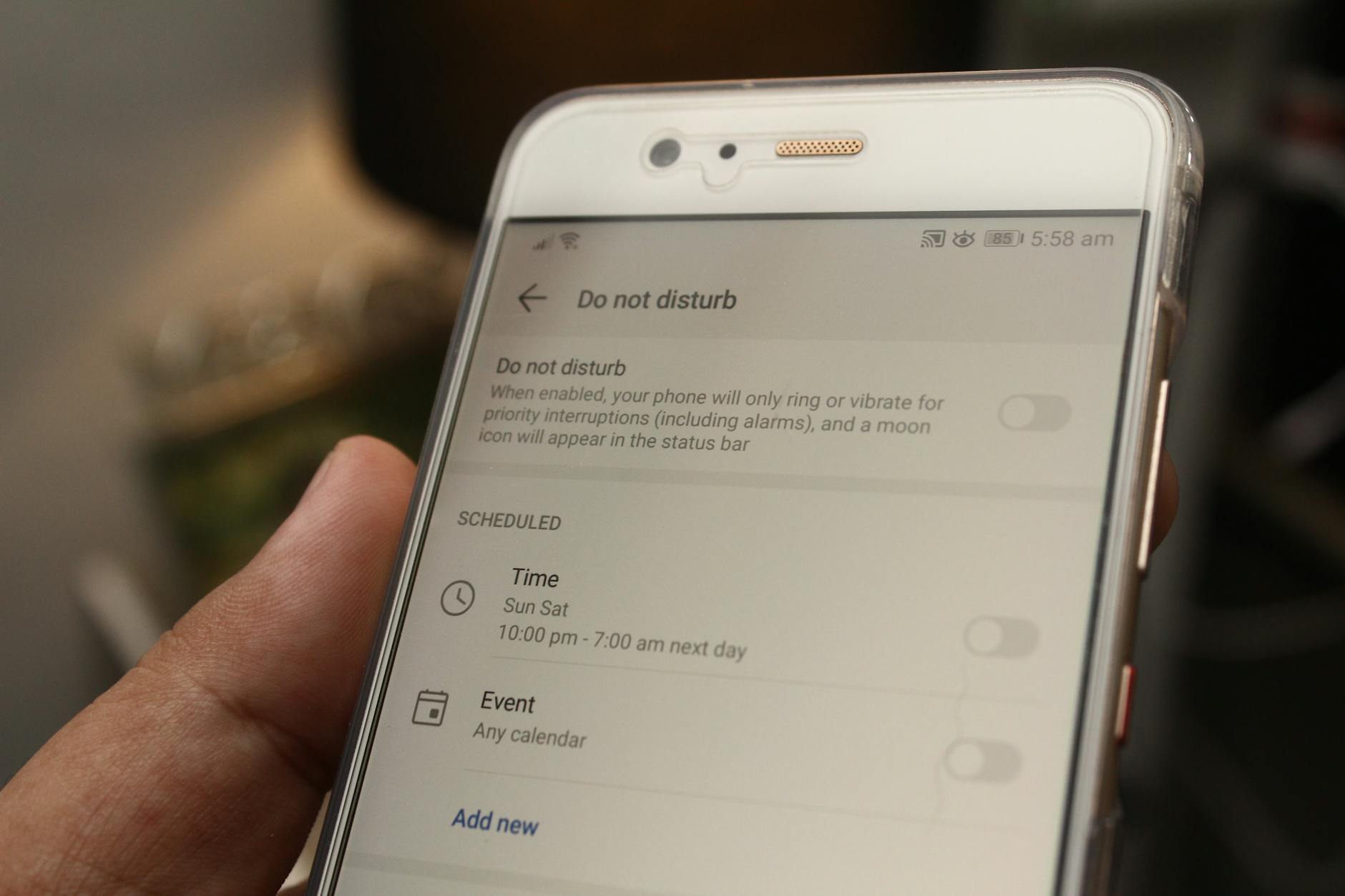 Photo by Daniel Moises Magulado
Missed important alerts and safety nets
Essential alerts must still reach you. Create a safety net by marking only high-priority apps as allowed during focus times, and keep alarm and calendar notifications active. Schedule periodic reviews to ensure you’re not missing something urgent, like a family message or work emergency. If you’re unsure about which alerts qualify, consult platform guides for Do Not Disturb and Focus modes to balance safety with quiet.
- Save critical contacts and apps as exceptions.
- Keep a recurring reminder to recheck your exceptions weekly.
- Use visual indicators for truly urgent items so they don’t slip through.
Selective re enabling without chaos
When you begin re enabling apps, do it in stages. Start with one or two trusted apps that you know are time sensitive, then observe the impact before adding more. Use per-app notification controls to separate categories (for example, messages vs promotions) and silence everything else. This approach prevents overwhelming yourself with suddenly restored pings and preserves the focus you fought to gain.
- Create a short list of must notify apps.
- Re enable categories rather than entire apps to keep noise low.
- Schedule a monthly audit to prune or adjust again if needed.
Dealing with apps that push hard to send notifications
Some apps push relentlessly and ignore standard settings. Tactics that help include turning off nonessential categories, using the Do Not Disturb exceptions for time-sensitive alerts, and considering force stopping or uninstalling if an app keeps prompting you. If a category still breaks through, revisit the app’s in-app notification options and disable promotional or non urgent updates. For stubborn cases, review platform guidance on handling persistent notifications.
- Silence non critical categories in Android or iOS.
- Use exceptions for direct messages or calendar events only.
- If a bad actor persists, disable the app’s notifications entirely and reassess its value.
Maintaining momentum over time
Momentum fades without a routine. Schedule regular reviews of your notification settings, ideally weekly at first, then monthly. Track how you feel during deep work, and adjust thresholds accordingly. Use a simple checklist to confirm you aren’t reintroducing old habits. Keeping a calm home screen and well defined focus windows helps you stay consistent, even on busy days.
- Set a recurring 20 minute weekly review.
- Note any apps that creep back into your attention drift.
- Refresh your rules as your needs change, such as new work projects or family routines.
Relevant reading:
- How to manage notifications and focus mode on Android and iPhone to stay in control.
- Practical guides on setting Do Not Disturb exceptions and app-specific alerts.
- Tips for keeping a calmer device interface over time.
Conclusion
Turning off addictive notifications is a practical path to better focus and calmer days. Start with a quick audit of every app, then silence nonessential banners, sounds, and badges. Set up Do Not Disturb or Focus modes with clear exceptions for critical alerts. Schedule quiet hours and build a simple daily routine that limits checking to fixed times.
Thousands of People Were Struggling With Money Until They Discovered This One Ancient Secret Hidden in Sound
>>> Unlock It Now <<<

The goal is reliable notification management that still keeps you connected to what matters. With fewer pings, your mornings feel smoother and your work flows more smoothly. A lean notification setup reduces distraction while preserving access to essential updates.
Stay steady by testing and refining your rules. Recheck your exceptions weekly, prune old alerts, and adjust as your life changes. This approach supports digital wellbeing without locking you out of important messages. A calm home screen and thoughtful defaults make it easier to choose when to engage with your smartphone.
Ready to start now? Try a 7 day challenge to reduce phone distractions and measure the difference in focus and mood. If you stick with it, you’ll finish the week with clearer priorities and more control over your day. Your progress will show in every task you complete and every moment you truly enjoy.
He Was Drowning in Bills and Burnout Until a Simple Daily Ritual Rewired His Brain for Wealth in Less Than a Week
>>> Start Your Shift Today <<<