He Was Drowning in Bills and Burnout Until a Simple Daily Ritual Rewired His Brain for Wealth in Less Than a Week
>>> Start Your Shift Today <<<

Imagine finishing a messy morning routine in just a few taps. One-tap actions on your phone let you run steps you do every day with a single press. From sending a quick message to launching your favorite favorite app, these shortcuts save time and reduce small annoyances.
What exactly is a one-tap action? It’s a preconfigured command that combines several steps into a single tap. You might set it to mute notifications, enable airplane mode, and open your calendar in one go before you head to work. Or you could create a tap that calls a loved one, shares your location, and starts your navigation to a regular spot. The idea is simple: fewer taps, faster results.
What If the Only Thing Between You and the Life You Deserve Is a Hidden Wealth Code Waiting to Be Activated
>>> Open the Door <<<

You’ll care because small time wins add up. A few seconds saved here and there compound over a day, a week, or a trip. And yes, your smartphone will feel faster when you can trigger routines with confidence rather than hunting through menus.
In a real world moment, you’re rushing to leave the house. With one-tap actions, you silence alerts, grab your keys, and start navigation to the office all at once. It’s a small shift, but it makes mornings calmer and errands a touch smoother.
He Was Drowning in Bills and Burnout Until a Simple Daily Ritual Rewired His Brain for Wealth in Less Than a Week
>>> Start Your Shift Today <<<
What are one-tap actions and why they matter
One-tap actions are preconfigured commands that perform a sequence of tasks with a single press. They replace several taps through menus with a single, reliable action. Think of turning off notifications, dimming your screen, and opening your daily calendar in one tap before you head out. Or sending a ready-made message, sharing your location, and launching navigation to your go-to coffee shop with a single tap. These shortcuts simplify routines and cut the friction of everyday phone use.
A one-tap action differs from a multi-step task in its predictability and speed. Multi-step tasks require you to remember each step, locate the right option, and execute them in order. One-tap actions bundle those steps into a single trigger. The result is consistency, fewer mistakes, and less mental load when you’re in a hurry. On a smartphone, that means fewer interruptions and more focus on what you actually want to accomplish.
To visualize the impact, imagine a simple scene: you’re leaving home during a rushed morning. A single tap silences notifications, activates Do Not Disturb, starts your preferred navigation route, and opens your calendar to confirm today’s meetings. Everything happens in one fluid moment, not a sequence of tiny decisions. That is the core idea behind one-tap actions.
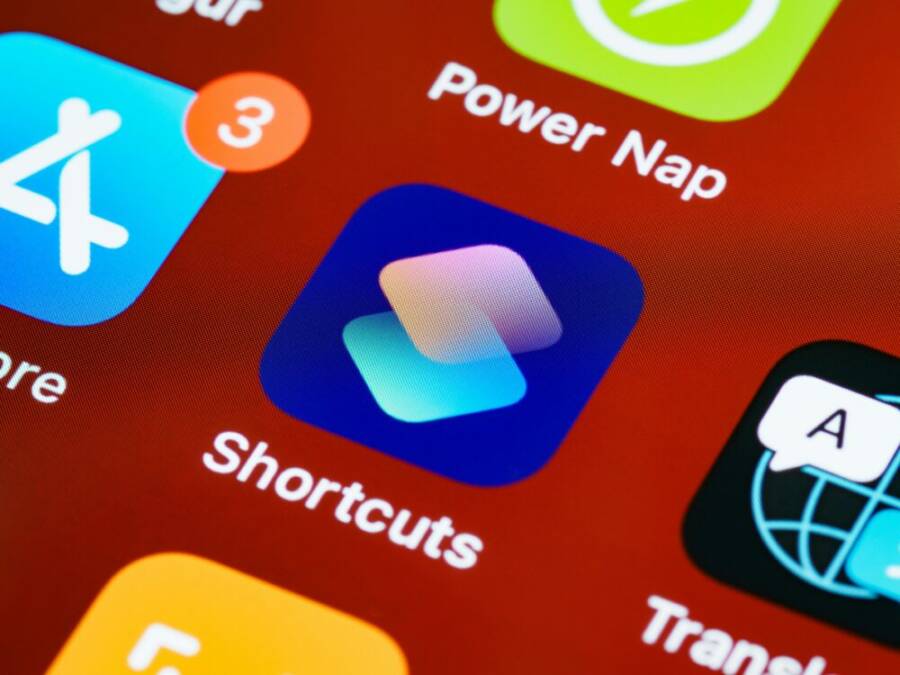
If you’re curious about how these work under the hood, you can explore official guidance on creating shortcuts and app actions. Apple’s Shortcuts app provides a robust framework for automating tasks on iPhone, while Android offers app shortcuts that surface key actions right from the launcher or home screen. For a deeper dive, see the official resources on Shortcuts and Android app shortcuts.

Photo by Brett Jordan
What is a one-tap action
A one-tap action is a single tap that triggers a preset sequence of steps. It’s designed to be simple to set up and easy to trigger. The key difference from multi-step tasks is that you don’t have to think through each action every time. A single tap delivers the end result you want.
Concrete examples you can picture:
- A tap that silences all notifications, opens your calendar, and starts navigation to your next meeting.
- A tap that sends your current location to a friend, messages a family member, and calls your ride-share driver.
- A tap that kicks off a preferred camera mode, starts recording, and enables grid guidance for shooting a grid-style photo.
Benefits you can expect
One-tap actions deliver practical gains that compound over a day. Expect:
- Time saved: fewer taps means faster completion of tasks.
- Fewer mistakes: fewer steps reduce the chance of missing a step or selecting the wrong option.
- Accessibility gains: fewer interactions help people with motor or cognitive challenges.
- Smoother routines: consistent behavior creates reliability in daily habits.
For broader context, you can explore how shortcuts and app actions are presented by platform developers. Apple’s Shortcuts guide explains how to automate tasks on iPhone, and Android’s app shortcuts overview describes how shortcuts surface key actions to users. This coverage helps you compare approaches and pick the one that fits your device.
Common real life examples
Here are 3–5 practical examples across different categories to spark ideas.
- Communication: A single tap drafts a quick message to a contact, shares your ETA, and opens your preferred messaging app ready to send.
- Navigation: A tap launches maps with your home as the destination, adjusts volume for driving, and starts live traffic updates.
- Camera: A tap opens the camera in portrait mode, enables grid lines, and starts recording or snapping a burst shot.
- Smart home: A tap turns off lights, lowers the thermostat, and arms the security system when you leave the house.
- Daily routine: A single tap silences notifications, launches your to-do list, and opens your calendar to review today’s events.
These examples show how one-tap actions weave together activities you already perform, turning them into a smooth, reliable routine. For readers who want to explore platform specifics, see official guidance on app shortcuts for Android and Shortcuts for iPhone.
Set up one-tap actions on iPhone
One-tap actions on iPhone let you bundle several tasks into a single press. This section shows you how to create simple shortcuts, place them on your Home Screen, and use Back Tap and Focus to trigger actions quickly. The idea is to turn routine steps into a smooth, reliable tap that gets you where you need to be faster. You’ll learn practical steps you can apply today, with clear examples and tested tips.
Create a simple shortcut with the Shortcuts app
You don’t need to be a power user to set up a basic shortcut. Start with a straightforward sequence and test it until it feels natural.
- Open the Shortcuts app and tap the plus sign (+) to create a new shortcut.
- Add a single action to begin: choose an app action like “Open App,” or a system action like “Set Do Not Disturb.”
- Add a second action if you want a tiny sequence, for example “Pause for 1 second” then “Open Calendar.”
- Tap Next, name the shortcut clearly, and choose an icon that fits the action (so you can recognize it at a glance).
- Guard your workflow with a quick test: tap the shortcut to confirm the sequence executes as you expect.
Tips to get the most from this workflow:
- Start simple. A two-step shortcut is easier to trust than a long chain.
- Use a descriptive name so you remember what it does at a glance.
- Try pairing common actions you perform daily, like silencing notifications and opening your calendar.
If you want to deepen your exploration, Apple’s Shortcuts guide provides a solid overview of building and testing shortcuts on iPhone. It’s a reliable reference as you add more powerful actions over time. For broader context, you can also look at Android’s app shortcuts to compare how different platforms surface quick actions. Apple Shortcuts guide
Add a one-tap action to your Home Screen
Placing a shortcut on the Home Screen or as a widget makes it easy to trigger with a single tap. Here’s how to do it without clutter:
- Create or select the shortcut you want to expose as a Home Screen icon.
- In Shortcuts, choose the “Add to Home Screen” option, then customize the display name and icon. A crisp icon and short name help you spot the right shortcut quickly.
- Consider a simple, memorable name like “Leave Home” or “Meetings Today” to reduce hesitation at the moment of action.
- For testing, tap the Home Screen icon and verify the sequence runs as expected. If something seems off, go back to the Shortcuts editor and adjust the actions or timing.
- If you use iOS widgets, you can place a shortcut in a widget stack for quick access without crowding the Home Screen.
Practical tips:
- Use consistent iconography across shortcuts to build quick recognition. A color cue or familiar glyph helps you pick the right action at a glance.
- Name your shortcuts with clarity. Short, action-oriented titles reduce decision fatigue during busy moments.
- Keep a couple of backup shortcuts on the screen for emergencies, like “Call 911” in a high-stress scenario (where legal and appropriate).
For extra guidance, Apple’s guide on back tap and focus modes shows how to arrange quick actions using system features. While the focus here is on Home Screen accessibility, these practices complement a fast, tidy setup. Tap the back of iPhone to perform actions
Use Back Tap and Focus for quick actions
Back Tap is a simple way to trigger a shortcut without opening an app. It’s a natural fit for actions you perform often, like sending your ETA, turning on Do Not Disturb, or launching a favorite camera mode.
- Enable Back Tap: go to Settings > Accessibility > Touch > Back Tap. Choose Double Tap or Triple Tap, then assign a shortcut or action.
- Pick a practical action: a double tap could start a shortcut that silences notifications, and launches your preferred navigation app to your home or work address.
- Test the sensitivity: practice a few taps to ensure the shortcut fires reliably, especially if you are in a hurry or need to avoid accidental activations.
Focus adds another layer of speed. Focus modes can tie a set of actions to a single tap or sequence. For example, a work Focus might mute notifications, start a calendar view, and open your task manager, while a personal Focus could launch a music playlist, dim the display, and enable a do-not-disturb state. Tie each Focus to a specific Back Tap combination for instant access.
Practical examples you can implement now:
- Back Tap to start a shortcut that sends your location to a trusted friend and opens your preferred ride-hailing app.
- Focus mode that activates a curated set of actions at the same time each morning, such as launching the Weather app, opening your to-do list, and starting a timer for a quick workout.
- A triple-tap that begins a camera routine for low-light photography, enabling grid lines and starting video recording.
If you want to explore the official guidance, check how Apple explains Back Tap and Focus in their support resources. They detail setup steps and where to assign the actions. Back Tap and Focus guidance
External resources
- Run shortcuts by tapping the back of your iPhone. This guide explains how to enable Back Tap and assign shortcuts for quick actions. Run shortcuts by tapping the back of your iPhone
- How to customize Back Tap with different shortcuts. This post offers practical setups and quick testing tips. Double or triple tap iPhone backside to trigger shortcut
- Tap the back of iPhone to perform actions or shortcuts. Simple setup that makes on-device actions fast. Tap the back of iPhone to perform actions or shortcuts
Notes and caveats
- Back Tap works best on iPhones with sufficient back surface area and stable case designs. If you frequently use a phone with car mounts or gripping accessories, test the taps to ensure you don’t trigger actions unintentionally.
- Focus modes are powerful, but they require a bit of initial setup. Start with two or three focused actions, then expand as you gain confidence.
- When placing shortcuts on the Home Screen or as widgets, keep the number of icons manageable. Too many options can negate the speed you’re aiming for. Consider grouping related shortcuts into a small set of icons or using a widget for a few essential actions.
If you’d like to see more real-world examples, a few quick case studies show how readers use these features during commutes, at work, and while traveling. They illustrate how a single tap can replace several manual steps and cut down on friction in busy moments.
Set up one-tap actions on Android
Android gives you flexible ways to trigger tasks with a single tap. Quick Settings tiles, app routines, and automation apps like Tasker unlock a faster, smoother smartphone experience. By lining up these actions, you’ll reduce friction in daily routines and boost your productivity on the go. This section walks you through practical setup steps and real-world examples you can apply today.

Photo by Andrey Matveev
Use Quick Settings tiles for fast actions
Quick Settings tiles sit in the notification shade and let you toggle common tasks with one tap. You don’t need to open apps or dive into menus every time.
How to set them up:
- Access the full Quick Settings panel by pulling down twice from the top of the screen.
- Tap the edit button (often a pencil icon) to customize your tiles.
- Drag frequently used tiles, like Flashlight, Do Not Disturb, or VPN, into your active row.
- Remove tiles you rarely use by dragging them out of the row.
One-tap tips:
He Was Drowning in Bills and Burnout Until a Simple Daily Ritual Rewired His Brain for Wealth in Less Than a Week
>>> Start Your Shift Today <<<
- Keep a small number of tiles in your primary row for speed. A cluttered panel slows you down.
- Some apps offer dynamic tiles, such as media controls or battery savers. Check your launcher’s customization options as well.
- For device-wide guidance, see the official Android Quick Settings help page and your manufacturer’s variant notes, since steps can vary by model.
Practical examples you can deploy now:
- Silence notifications and mute distractions with a single tap during focus time.
- Quickly toggle dark mode or data saver when you’re moving between indoor and outdoor light.
- Jump to the flashlight in a moment of need, without opening the camera or a flashlight app.
Related resources:
- Quick Settings overview and customization guidance from Google: https://support.google.com/android/answer/9079661
Create routines with Google apps and Tasker
Routines and automation save you time by bundling actions under one trigger. Google Assistant routines provide simple, voice or tap triggers, while Tasker handles more advanced sequences and conditions. Both reduce the steps you take to reach a result.
Getting started with Google Assistant routines:
- Open the Google Assistant app and navigate to Settings > Routines.
- Create a new routine with a starter like “Good morning” or a specific time.
- Add actions such as turning on lights, playing your morning news, or checking the weather.
- Save and place a quick launcher, like a home screen widget, for one-tap access.
Using Tasker for deeper automation:
- Install Tasker from the Play Store and grant necessary permissions, including accessibility if requested.
- Create a Profile (the trigger) and a Task (the sequence). For example, a profile like “Leaving home” can trigger a Task that mutes calls, opens Maps to your home address, and turns on Do Not Disturb.
- Export or create a home screen shortcut to fire the Task with a single tap.
Two simple, practical use cases:
- Morning routine: mute notifications, read the calendar aloud, and start your preferred news app.
- Commute shortcut: enable Bluetooth, start navigation, and silence non-urgent calls.
Permissions matter:
- Track what each app needs to do. Google Assistant routines require network access and may need some device controls.
- Tasker asks for broader background access. Start with small, testable profiles to build trust.
Useful references for deeper setup:
- Google Assistant routines guide: https://support.google.com/assistant/answer/7672030
- Tasker official guide: https://tasker.joaoapps.com/userguide/en/index.html
Smart home and notification control with one tap
One tap can control smart home scenes, silence interruptions, and launch the camera or maps. This keeps your day flowing without hunting through apps.
Smart home orchestration:
- Create a scene in Google Home or your preferred hub (for example, “Away mode” or “Evening ambiance”).
- Expose the scene to Quick Settings or a home screen shortcut for fast access.
- Use a single tap to apply the scene across lights, thermostat, and cameras, so you’re ready when you arrive home or head out.
Notification control:
- Do Not Disturb can be assigned to a Quick Settings tile for instant silence.
- Set exceptions for trusted contacts if you still want important alerts to come through.
Launch camera or maps with one tap:
- Long-press the camera or maps icons on your home screen to pin shortcuts, or use a tile in Quick Settings if your device supports it.
- You can also trigger maps with a routine or task that opens a route to a regular destination.
High-level steps to implement:
- Create a smart home scene or map routine in your hub or app.
- Add it to a Quick Settings tile or a home screen shortcut.
- Test the action in real conditions and adjust timing or order as needed.
For broader context on smart home controls, check official guides from Google Home and Google Nest:
- Google Home quick controls: https://support.google.com/googlenest/answer/7029905
- Nest device integration overview: https://support.google.com/googlenest/answer/7098193
Each of these approaches helps you cut down the number of taps you perform. With a little initial setup, one-tap actions become second nature, turning a busy day into a smoother, more predictable routine.
Ideas for practical one-tap actions and best practices
One-tap actions are about turning routine steps into a single, reliable press. They shrink friction, boost consistency, and let you reclaim time for the tasks that matter. In this section, you’ll find practical ideas you can implement today, plus best practices to keep your shortcuts fast, safe, and battery-friendly. Each idea is paired with setup tips and quick cautions to help you avoid common pitfalls.
Everyday tasks that save time
Small routines done with one tap add up to big time savings over a day. Start with high-frequency actions you perform in the morning, at work, or during breaks, then expand as you gain confidence.
- Quick communications: A single tap drafts a message to a trusted contact, shares your ETA, and opens your preferred messaging app ready to send. This is perfect for coordinating with family or teammates without fumbling through multiple apps.
- Location and navigation: One tap opens Maps with your home or office as the destination, adjusts volume for driving, and starts live traffic updates. This keeps you moving smoothly, even in unfamiliar traffic.
- Camera and photo workflows: A tap opens the camera in the right mode (portrait or gridlines enabled), starts recording or capturing a burst, and applies a preferred filter or exposure setting. If you’re into social sharing or memories, this reduces the number of taps needed to get a shot ready.
- Quick home control: A single tap turns on a favorite smart light scene, adjusts the thermostat, and opens a camera feed for a quick security check. Smart home actions become a safety and comfort routine rather than a chore.
- Morning or end-of-day routines: Silence notifications, open your calendar to review today’s events, and start a timer for a quick workout or meditation. By bundling focus, schedule, and wellness into one action, you set the tone for the day or sign off on it.
Setup tips to maximize reliability:
- Start with two steps. A two-step shortcut is easier to trust than a long chain.
- Use a clear name and icon so you recognize the action at a glance.
- Test in real conditions. Trigger the shortcut as you would in the moment and adjust timing or order as needed.
- Keep permissions lean. Grant only what you need for the action to run, and review them periodically.
A useful reference if you want to explore broader platform guidance is Apple’s Shortcuts guide. It explains how to automate common tasks on iPhone, which helps you start with solid foundations before adding more complexity. For a different flavor, Android users can look at app shortcuts to surface quick actions directly from the launcher. Apple Shortcuts guide
Real-world example you can try now: create a two-step shortcut that silences nonessential notifications and opens your calendar for a quick glance at today’s schedule. If you want a photo-friendly flow, add a step to launch the Camera app in your preferred mode right after opening the calendar.
For inspiration beyond Apple, check a roundup of practical shortcuts and automations that readers found useful. These real-world ideas can spark your own workflows. The 35 Best Shortcuts for iOS 2025
Travel on the go and in new places
Travel demands speed and reliability. One-tap actions should work even when you’re offline, roaming, or in unfamiliar time zones. Use these patterns to streamline navigation, translation, and local discovery.
- Navigation on the fly: A single tap opens Maps with your most frequent destinations preloaded, starts live traffic, and sets volume appropriate for driving. This is invaluable when you’re adjusting routes due to detours or weather.
- Offline data ready: Prepare an offline map pack or data snapshot before you depart. A one-tap action can switch to offline mode, ensuring you aren’t dependent on roaming data in a spotty area.
- Language support at a tap: A one-tap action triggers a quick translation of a phrase you’re about to use, saving you from fumbling with multiple apps in a foreign setting.
- Favorite spots saved: Save a frequently visited café or landmark with one tap, so you can quickly navigate back without hunting through maps or notes.
Practical roaming tips:
- Check roaming rates and data caps before traveling. Turn on data saver or offline maps to minimize costs.
- Save essential phrases and translations offline. This reduces data usage and speeds up responses in real time.
- Test translations and offline maps before you leave. A quick dry run prevents awkward moments abroad.
A strong reference for official guidance on iPhone shortcuts and Android app actions is the Apple Shortcuts guide mentioned above. On Android, use app shortcuts and routines to surface critical actions quickly. Apple Shortcuts guide
For practical implementation ideas, consider a few ready-to-try setups:
- A travel-ready shortcut that launches maps to your hotel with live traffic, translates a phrase, and saves a favorite spot for quick return.
- An offline data prep routine that downloads essential maps and saves a list of must-see places, ready to access with a single tap.
These patterns help you stay confident and independent when data is limited or roaming charges loom.
Safety, privacy, and battery tips
One-tap actions should simplify life, not complicate it. The safest, most reliable shortcuts respect privacy, minimize permissions, and stay battery-friendly. Here are best practices to keep you in control.
- Permissions with a purpose: Grant permissions only for actions you actually run. Review each shortcut’s needs regularly and remove any that aren’t essential. This keeps your device lean and less vulnerable to misuse.
- Avoid tap overload: A cluttered shortcut library creates decision fatigue. Limit your primary actions to a handful of high-value shortcuts, and keep backups separate for emergencies.
- Battery-friendly design: Build shortcuts that avoid heavy background tasks or long waits. Prefer actions that execute quickly and finish cleanly without draining power.
- Testing and backups: Test each action in real conditions, not just in theory. Maintain a few backup shortcuts for critical tasks, like sending your location to a trusted contact or triggering a timer for safety.
Illustrative setup tips:
- Test permissions in a controlled way. When you grant access, observe how long the action takes and whether it affects other apps.
- Keep a small set of essential actions on the Home Screen or Quick Settings. This reduces tapping and keeps the workflow crisp.
- Periodically review your shortcuts and prune those you no longer use. A lean library stays fast and reliable.
If you want to explore more, you can read Apple’s guidance on Back Tap and Focus, which helps you tailor quick actions to moments when you need them most. Back Tap and Focus guidance
In addition, Android users can benefit from official and community resources that describe quick settings and automation. These sources provide practical steps to keep actions fast and safe. Google Quick Settings overview
Key takeaways:
- Start with a small, vital set of one-tap actions you actually use daily.
- Regularly review permissions and backup options to stay secure and reliable.
- Test under real conditions and refine timing to avoid accidental triggers.
Links and references you can consult as you refine your setup:
- Apple Shortcuts guide for automating tasks on iPhone. Apple Shortcuts guide
- Google Quick Settings overview for Android. Google Quick Settings overview
By following these ideas and best practices, you can build a personal set of one-tap actions that feels almost second nature. The goal is a smoother day with fewer interruptions and a clear path from intention to action.
Conclusion
One-tap actions turn busy moments into smooth, reliable routines on your smartphone. Start with a simple two-step shortcut and see how it changes your day before adding more complexity. A well chosen action can trim seconds from routines and cut decision fatigue, especially when you rely on your smartphone for reminders, maps, and messages. Try one tap today and build from there as you gain confidence. Share your tips or a favorite one-tap setup in the comments so others can find quick wins too.
Thousands of People Were Struggling With Money Until They Discovered This One Ancient Secret Hidden in Sound
>>> Unlock It Now <<<
