What If the Only Thing Between You and the Life You Deserve Is a Hidden Wealth Code Waiting to Be Activated
>>> Open the Door <<<

Default apps for links control what happens when you tap a link in email, chat, or social apps. If a single app keeps opening every time, you waste time switching between browsers and apps. This post helps you reset and customize those choices so links behave the way you want.
First, you’ll learn what a default app is and why it matters for everyday tasks. When you tap a link, your phone looks for the app set to handle that type of link and opens it there if possible. Getting this right saves clicks, keeps your workflow smooth, and reduces interruptions on your smartphone.
Next, we’ll walk you through a quick check of your current defaults, then show how to change them on Android and iPhone. You’ll see where to adjust browser and app associations, and how to reset preferences if something goes off track after an update. By the end, you’ll have clear steps to set up predictable link handling and avoid surprises.
If you run into issues, you’ll find practical troubleshooting tips that cover common hiccups like apps not showing as options or links opening in the wrong place. This guide aims to give you a confident, practical path to tame link behavior on your smartphone.
He Was Drowning in Bills and Burnout Until a Simple Daily Ritual Rewired His Brain for Wealth in Less Than a Week
>>> Start Your Shift Today <<<

What reset defaults do for links and when you should use it
Resetting defaults for links clears the grown informal habits your phone has picked up about which app should open which kind of link. It’s a handy way to fix stubborn misrouting without uninstalling apps or changing many settings. Think of it as rebooting your link handling so your device asks again, instead of guessing for you. Below you’ll find a quick breakdown of how it works, when you should consider it, and how to do it on both Android and iPhone.

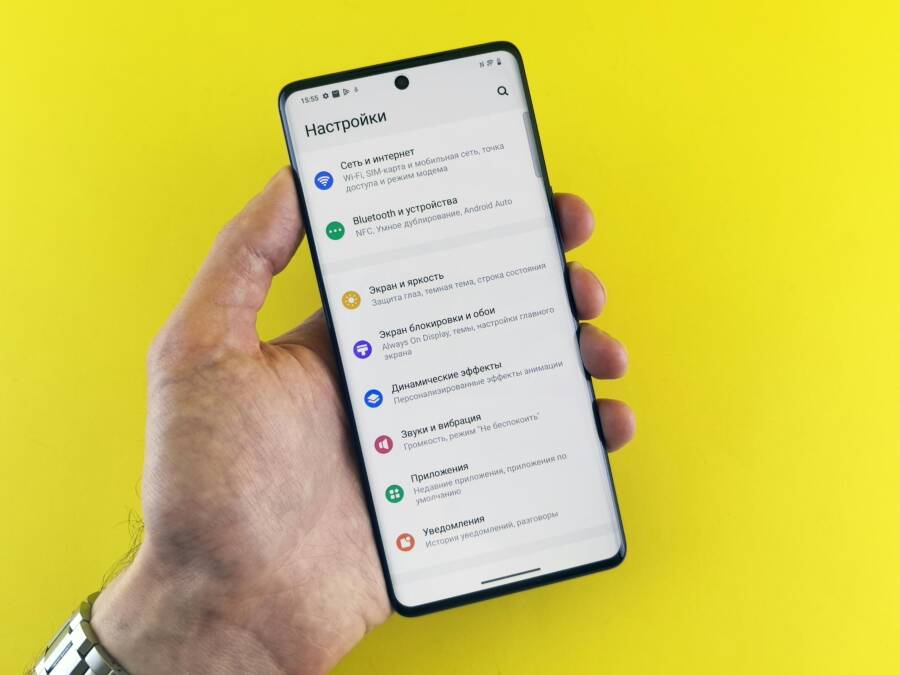
Photo by Andrey Matveev
Understanding how link handling works on Android and iPhone
When you tap a link, your device looks at the app that has been set to handle that type of link. On Android, you’ll often see an option like Open by default and you can clear these defaults anytime. This means the system will ask you which app to use the next time. On iPhone, the workflow is a bit more centralized. The system relies on the current Default Apps for features such as web browsing or mail. If you’ve chosen Chrome as your browser, it will be the go-to for web links unless you change it. The key difference is Android nudges you to decide per app, while iPhone uses a system-wide default that you adjust in Settings. For quick reference, Android defaults can be cleared and re-set; iPhone defaults are managed under the Default Apps section for each feature. This distinction helps you decide when to reset and how to approach the change without getting lost in menus.
Common signs that a link uses the wrong app
Misrouted links show up in small, telltale ways. You might notice a web link opens in Chrome every time, even if you prefer Firefox. Or a map link launches Google Maps when you want Apple Maps opened instead. Delays, extra prompts, or the wrong app consistently taking over are strong hints that a default has shifted or become stuck after an update. Another sign is when tapping email or browser links opens a different app every time, rather than your preferred choice. If you spot these patterns, it’s time to review and reset defaults so links behave predictably again.
Benefits of resetting defaults
Resetting defaults reduces friction in everyday tasks. It speeds up access to your chosen apps, so you don’t have to hunt for the right one each time. It also improves privacy and control by ensuring trusted apps handle links the way you want. Finally, it minimizes surprises when you tap a link in a chat or email. A clean slate means your smartphone follows your intent, not a past setting. After resetting, you’ll notice a smoother flow when opening web pages, maps, or email attachments, because your devices will ask you to pick the right app only when needed.
如果你需要参考更多官方指引来理解独立系统的默认应用设置,可以查看以下资源,帮助你把操作步骤拆解得更清晰。
- Android 的默认浏览器设置指南:Learn how to change your default browser
- Pixel 手机帮助中心:Set or clear default apps – Pixel Phone Help
- Apple 支持:Change your default apps for features on iPhone and iPad
更多阅读材料可以通过以下链接获取详细步骤和常见问题解答:
- Android 设备中更改默认浏览器的官方说明
- 如何在 iPhone 上更改默认应用的官方说明
和你在 iPhone 或 Android 上的体验类似,某些设备可能在不同版本的操作系统中显示稍有差异。你只需找到“默认应用”或“Open by default”的选项,按屏幕提示操作即可。如果你遇到困难,下面的快速步骤能帮你快速回到正确的流程。
- 在 Android 上逐步清除默认应用:打开系统设置 > 应用 > 默认应用 > 浏览器应用/地图/邮件等,清除后再次选择你想要的应用。
- 在 iPhone 上更改默认应用:设置 > 应用 > 默认应用,选中你希望用作浏览器、邮件等的应用,然后按照屏幕提示完成设置。
- 如果某些应用在更新后重新把自己设为默认,也可以再次进入默认应用设置手动覆盖。
通过上述方法,你可以让链接打开的总是你想要的应用,避免一再出现“自动跳转到错误的应用”的情况。
参考资料与进一步阅读
- Change your default apps for features on iPhone and iPad
- Change the default apps on iPhone
- Learn how to change your default browser
- How to Easily Change and Clear Default Apps on Android
- How to change default apps in Android
If you’d like, I can tailor the next section to include a quick-start checklist you can drop into the article.
Resetting default apps on Android — a practical guide
When you tap a link, your Android device decides which app should open it. If the wrong app keeps taking over, you waste time and disrupt your workflow. This section breaks down practical, step by step methods to reset and manage those defaults, so links behave the way you expect. You’ll learn quick checks, how to adjust per-app defaults, and how to start fresh if things get tangled after an update.
Step by step for most Android phones
On most Android devices you can reset or change the default for opening links with a simple sequence:
- Open Settings and go to Apps. Find the app you want to adjust.
- Tap Open by default or Set as default. If you see Clear defaults, tap that.
- If you prefer, you can turn off Open supported links to stop the app from auto-handling links.
- To confirm you’ve got it right, test a link. You’ll be prompted to choose Just once or Always.
This process helps you regain control over how links open. It’s especially helpful when you install a new browser or messaging app and want to compare choices quickly. If you want to explore official guidance, Google’s Pixel help and Android authority offer clear walkthroughs you can follow at your own pace. For a reliable reference, see Pixel Phone Help and Android Authority’s step-by-step guides.
- Pixel Phone Help: Set or clear default apps
- Android Authority: How to change default apps in Android
Testing tip: after clearing or changing a default, tap a link in any app. Choose Just once for a temporary test or Always to lock the choice in.
Check and manage defaults from Settings
Most Android devices centralize defaults in a single area you can visit anytime. Here’s how to locate and adjust them:
- Open Settings and look for Default Apps. This is where you control the type of app used for browsers, maps, email, and more.
- Tap a specific category, like Browser or Opening links, to see which app is currently the default.
- Select a different app from the list to switch. If you later decide to revert, just return to the same menu and pick the previous option.
- If you want a quick reset later, remember this path so you can reassign defaults with ease.
This method ensures you can quickly switch between preferred browsers or map apps without digging through menus. It’s a reliable way to keep your smartphone behavior aligned with your daily needs. If you want a deeper dive, reputable sources offer detailed steps and visuals you can follow.
Recommended references for this topic:
She Pressed Play on a Strange Audio Track and Within Days Her Financial Reality Started Shifting in Ways She Could Not Explain
>>> See How It Works <<<

- Reset or clear default apps on Pixel phones
- Change the default apps on Android devices
Reset all app defaults to start fresh
If you feel overwhelmed by a tangle of defaults, a clean slate helps. Android provides a non-destructive way to reset app preferences so your device asks again when you tap a link.
- Go to Settings > System > Reset options > Reset app preferences.
- Confirm the action. Your data stays intact, but all defaults reset to the system defaults.
- After the reset, you’ll be prompted again the next time you open a link, allowing you to reassign defaults cleanly.
Expect a short follow-up screen flow for reconfiguring your preferred apps. This approach is especially useful after a major OS update or if you’ve experimented with several apps and want a predictable baseline. If you’re looking for official steps, the shared references offer concise guidance on where to find the reset option and what happens after you reset.
Setting default links on iPhone — what you can and cannot do
When you tap a link on your iPhone, the system looks for a default app to handle that type of content. Apple allows you to set defaults for features like web browsing, email, and calling, but there isn’t a single global reset for all link defaults. You can adjust each feature individually, which keeps your workflow predictable. Below you’ll find what’s possible on iPhone, plus practical tips to stay on track as you fine-tune your preferences on a smartphone you rely on every day.
Set default browser and mail apps
To set a default browser on iPhone, go to Settings > Apps > Default Apps and choose your preferred browser under the Browser App section. If you want a different mail app, select it under Email (Mail). In iOS, these options appear only after you update to a version that supports them, so ensure you’re on the latest iOS or iPadOS. Apple’s official guide walks through the exact steps: changing default browser and default mail app. For quick reference, you can also review how to change default apps on iPhone and iPad. Apple Support: Change the default apps on iPhone Apple Support: Change the default apps on iPhone
Limitations of iOS defaults
iOS does not offer a global reset of all link defaults. Defaults are managed per feature, and in many cases you may need to reselect your preferred app after updates or app reinstalls. If a faster reset is needed, you can adjust defaults one by one or reinstall the offending app and reconfigure it as needed. This approach keeps your setup stable without affecting other settings. You’ll find reassurance in knowing you’re in control, not at the mercy of a single default. For a deeper look, explore the official iPhone default apps guide and related discussions about changing iPhone defaults. Apple Support: Change the default apps on iPhone How do I control where links open on iOS? (Ask Different)
How to reassign a link when needed
After you set a new default, tapping a link will prompt you to choose an app if the system can support multiple options. You’ll typically see choices like Open in [App] or an option to set Always for future taps. If you choose Just Once, the prompt will appear again the next time you open a link. This makes it simple to test new apps or compare performance between options without committing to a permanent change. For reference on typical prompts and behaviors, see Apple’s guidance on default apps and related discussions about adjusting per feature. Apple Support: Change the default apps on iPhone How to Change the default apps on iPhone and iPad (PCMag)
Testing, troubleshooting, and quick checks
After you reset or adjust default apps, quick validation helps you confirm everything works as intended. This section covers practical checks you can perform to ensure links open in the right app, plus fast troubleshooting steps if something seems off. Follow these bite-sized steps to keep your smartphone behavior predictable and reliable.
Photo by Andrey Matveev
There Is a Frequency That the Wealthiest Families Have Used for Generations and Most People Will Never Know It Exists
>>> Open the Door <<<

Test with common link types
Try three typical link types to verify the default apps are set correctly. First, tap a web link to confirm your chosen browser opens. Next, tap an email link to ensure your preferred mail app launches. Finally, open a map link to verify the map app you want is used. On Android, you’ll usually get prompts to choose Just Once or Always; on iPhone, you may see Open in [App] or Always, depending on the feature. Quick steps for testing:
- Android: open a browser, mail, and maps link from any app, select Always when you’re sure, or Just Once to test options.
- iPhone: tap a web, mail, and map link in any app, then pick the app you want to default for each category.
If a link opens in the wrong app during test, revisit the relevant default settings and reassign. For reference, see official guides like Change the default apps on iPhone and Set or clear default apps for Android devices.
Clear caches and update apps
Keeping your system and apps fresh can prevent stubborn defaults from sticking. Start by updating the OS and apps to the latest versions. On Android, clear cache or app data for misbehaving apps to remove stale settings. Quick refresher:
- Android: Settings > Apps > [App name] > Storage > Clear Cache (and Clear Data if needed). Then re-test the link to confirm the new default takes effect.
- iPhone: update iOS if available, then reboot if a misbehavior persists. Clear browser and app data only via specific in-app options or settings as needed. If you notice repeated defaults after updates, a fresh reconfiguration often fixes it. For extra guidance, see Pixel Help’s Set or Clear Default Apps and Android Authority’s change default apps guides.
What to do after updating apps
App updates can reset or alter how links are handled. After any update, recheck your defaults to avoid surprises. A simple post-update checklist helps you stay consistent:
- Test a web link, an email link, and a map link.
- Confirm the preferred browser, mail, and map apps are still selected.
- If anything flipped, reassign in Settings and run one more quick test. Remember, updates can introduce small changes in how prompts appear, so a quick verification keeps you in control.
外部资源若需参考,请查看以下官方与权威指南,帮助你快速定位设置位置并了解常见问题的解答。
- Change the default apps on iPhone
- Set or clear default apps – Pixel Phone Help
- How to change default apps in Android
- Change your default browser on Android devices (Google support)
If you run into persistent issues, revisit the exact steps in the official guides and try a clean reconfiguration. A brief reboot after changing defaults can also help your phone apply the new rules cleanly. For quick help, you can consult the linked resources to confirm the path on your specific device model and OS version.
Best practices and safety tips
Smartphone defaults influence how data moves between apps. Getting this right prevents privacy leaks, reduces friction, and keeps your workflow predictable. Use this section as a quick guide to stay secure while maintaining smooth link handling. Below are targeted practices you can adopt today, with practical reasons and simple steps you can follow.
Privacy implications with default apps
Default apps control where your links go and what data they share. Choose trusted apps, and review permissions regularly to avoid unintended data exposure. When in doubt, test how a link is handled and read the permission prompts during setup. Regular reviews help you stay in control and minimize surprises about data usage. For a deeper look, see resources on default app privacy considerations from reputable tech sources.
Keep default apps updated
Automatic updates matter because they fix bugs and tighten security around how links are processed. Keeping apps current reduces the risk of misrouting caused by outdated code. Turn on auto updates where available and perform a quick check for new versions every couple of weeks. Regular updates ensure your defaults stay aligned with the latest protections and features. For context on why updates matter, see official guidance from Android and security authorities.
When to reset app preferences completely
A full reset is worth doing when a stubborn setup resists per-app changes after an OS or app update. It clears accumulated quirks and returns you to a clean slate for reassigning defaults. Remember to back up important data before proceeding, so nothing valuable gets lost if settings revert unexpectedly. Use this as a last resort when normal adjustments fail to restore predictable behavior.
External resources for reference:
- Change the default apps on iPhone
- Set or clear default apps – Pixel Phone Help
- How to change default apps in Android
- Why Android updates matter: features, security & more
- Keeping devices and software up to date – NCSC.GOV.UK
If you’d like, I can tailor the next section to include a concise quick-start checklist you can drop into the article.
Conclusion
You now have a practical, repeatable path to control how links open on your phone. By checking your current defaults, resetting where needed, and adjusting per app on Android or iPhone, you can eliminate surprises and keep your workflow smooth. A quick test after any change confirms that the right browser, mail, or map app takes the lead every time.
Think of this as a small but powerful step toward a more efficient smartphone routine. With a clean slate, you decide which app handles each link type, and you can revisit those settings after updates without chaos. If you’ve been frustrated by misrouted links, a brief reset or per-app adjustment often restores predictable behavior in minutes.
Take action today: walk through the quick steps for your device, run a couple of test taps across web, email, and maps, and lock in the options you actually use. Your future self will thank you for the saved taps and fewer interruptions. If you run into any snag, revisit the official guides linked in this article and reconfigure with a fresh test. Your smartphone should work exactly the way you intend.
What If the Only Thing Between You and the Life You Deserve Is a Hidden Wealth Code Waiting to Be Activated
>>> Open the Door <<<