He Was Drowning in Bills and Burnout Until a Simple Daily Ritual Rewired His Brain for Wealth in Less Than a Week
>>> Start Your Shift Today <<<

Ever notice your phone battery acting oddly, like it dies at 40 percent or suddenly drops to zero without warning? That mismatch between what you see and what’s really left drives anxiety and can ruin a day of use. Recalibrating your battery helps the software read the charge more accurately without changing the battery’s actual capacity.
In simple terms, recalibration resets the software’s estimate of charge so the percentage lines up with the real battery level. It doesn’t add capacity or fix worn cells; it just anchors theon screen numbers to reality. This matters because inaccurate readings can trigger unexpected shutoffs, odd warnings, or quickly drained power.
The good news is that recalibration is a straightforward, at home fix that works for most smartphones, including iPhone and Android devices. You’ll follow a safe, step by step routine to anchor the full and empty points the system uses. The goal is clear: fewer surprises when you use your smartphone throughout the day.
If you’re unsure where to start, you’ll find simple cues that it’s time to recalibrate. Signs like sudden percentage jumps, a device shutting down before the display hits 0, or a long pause at 100 percent while the phone drains quickly point to a reading mismatch. With the right approach, you can restore trust in your battery indicator without risky hard resets.
Thousands of People Were Struggling With Money Until They Discovered This One Ancient Secret Hidden in Sound
>>> Unlock It Now <<<

This guide lays out a practical, no fuss plan you can follow tonight. It covers the common steps for iPhone and Android, plus quick checks to know if you should seek professional help. You’ll learn a safe, repeatable routine you can trust for your smartphone, helping you manage battery life more confidently.
Spot the Signs Your Phone Battery Needs Recalibration
Recalibration starts with noticing when the battery indicator isn’t lining up with real life. If your phone seems to die or jump percentages unpredictably, it’s a sign that the readout device inside isn’t anchoring to the actual charge properly. Here are the telltale signals to watch for, along with quick checks you can perform to confirm whether recalibration will help.
Sudden jumps in the percentage
When you see the battery percentage leap up or down in large increments, it’s a red flag. A healthy battery should show gradual changes as you use the device. Big swings often mean the system’s estimate is out of sync with the actual remaining power. If this happens, try observing how long your phone lasts on a full charge compared to the percentage shown. A mismatch here is a strong indicator that recalibration may be in order.
What to look for:
- The screen dimming quickly after a high percentage, then remaining on screen longer than expected.
- The battery indicator showing 100 percent but the phone still drains within an hour or two.
- Repeatedly hitting 0 percent and shutting down before the display hits zero.
If you notice these patterns, you’re not imagining it. A recalibration routine can help anchor the readings so the percentage reflects real capacity more accurately. For a deeper dive into how calibration works, you can explore related guidance at resources like Battery Calibration guides from iFixit.
Early shutdowns and false 0 percent readings
If your phone shuts down at 20 or 30 percent, or the display hits 0 percent while the device still has usable power, the readout is misaligned. These shutdowns aren’t caused by a dead battery alone; they reveal a misread that can be corrected with recalibration. The goal is to align the software’s “empty” point with the actual moment the device can no longer safely run.
What this means for you:
- You may be surprised by how much battery you actually have left.
- You can plan charging more reliably, avoiding last‑minute panic.
- Recalibration becomes a simple, repeatable routine you can perform at home.
If you want to see a practical walkthrough, there are several credible how‑to videos and guides that outline the steps for both iPhone and Android devices. For example, professional guides discuss how to calibrate the battery so the system’s estimates are more trustworthy.
Inconsistent performance after a full charge
A healthy device should finish charging surprisingly close to the true 100 percent mark and maintain that level for a while before it tapers off. If you repeatedly notice the battery drains quickly just after hitting 100 percent or recharges to full but then fades oddly fast, the indicator may need recalibration. This issue is especially noticeable when the device shows a long hold at 100 percent before dropping.
What to do next:
- Run through a standard recalibration cycle and observe if the readings tighten up over a couple of days.
- Use a supported guide that explains the full and empty points clearly. Some readers find battery‑health dashboards helpful to judge whether a recalibration is necessary.
Regular checks and quick sanity tests
Even if you don’t notice dramatic misreads, periodic checks help keep readings accurate. A simple approach is to monitor how long the phone lasts on a given percentage over several cycles. If you see gradual drift in performance or persistence of the misread, it’s a good moment to recalibrate.
Quick sanity steps you can perform now:
- Let the battery run to near empty, then fully charge to 100 percent without unplugging early.
- Use the device normally for a day or two and compare the actual uptime with the displayed percentage.
- Note any consistent discrepancies and decide if you want to proceed with recalibration.
Pro tips from seasoned users show that recalibration is most effective when paired with normal battery care. It’s not a magic fix for worn cells, but it aligns software estimates with reality, reducing surprises during busy days. If you’d like practical reference material, see the official guidance on Android device calibration from reputable sources, and consider focusing on devices you own for best alignment.
When to seek professional help
If recalibration doesn’t improve the readings or your device continues to shut down unexpectedly, the battery may be visibly worn or there could be a software issue. In those cases, consider a professional diagnostic. A component replacement or a factory reset with data backup can be the next steps, depending on the device and symptoms. For more on how to approach this, you can consult credible maintenance guides and manufacturer support pages.
External resources you may find useful:
- Battery Calibration: Step-by-step calibration guidance and background on what calibration actually does.
https://www.ifixit.com/Wiki/Battery_Calibration - Android battery calibration guide: How to recalibrate your Android smartphone battery to improve life estimates.
https://support.google.com/android/community-guide/260788479/how-to-calibrate-your-android-smartphone-battery-to-increase-its-life?hl=en - Video walkthrough: Visual demonstration of a typical calibration process for iPhone and Android.
https://www.youtube.com/watch?v=x-Pd48OukS4
What to expect after recalibration
Once you complete a calibration cycle now and again, you should see:
- A tighter alignment between the percentage and actual remaining time.
- Fewer abrupt drops in the battery meter.
- More predictable uptime across charge cycles.
Remember, recalibration does not repair worn cells. If the battery’s health has degraded, you’ll still need to consider a replacement to restore peak performance. Keep monitoring your device and repeat the process if the signposts return.
If you’re unsure which signs apply to your device, you can compare notes with others who use the same model. The live feedback you gather helps you decide whether to recalibrate now or book a quick diagnostic with a local technician or the device maker’s service center.
Take Safety Steps Before Recalibrating
Calibrating your battery is a safe at‑home process, but it should be done with a few simple safety steps. Think of it like tuning a car’s fuel gauge: you want the engine to run smoothly without risking data loss or device damage. Before you start the recalibration cycle, take these practical precautions so you can trust the results and protect your data.
Back up your data
Recalibration itself won’t delete files, but it’s smart to back up first. If something goes wrong during the process or you decide to pursue deeper battery work later, having a current restore point saves you time and stress. For iPhone users, back up to iCloud or your computer, then verify the backup completed successfully. Android users can back up to Google One or a local computer backup as a safety net. If you ever need step‑by‑step backup guidance, consult reputable sources before proceeding.
Where to start:
- iPhone: enable iCloud Backup or back up to a computer.
- Android: use your device’s built‑in backup option or a trusted computer backup method.
If you want a deeper look at preparing devices for service or repair, you can consult credible guidance that covers backing up and protecting personal information before any maintenance.
Update software and check for issues
Before recalibration, ensure the device runs the latest software. Software updates can fix known battery reporting quirks and improve the reliability of charge readings. On iPhone, update iOS if a newer version is available; on Android, apply the latest system update and any OEM–specific battery health patches. While updates aren’t a substitute for calibration, they reduce the chance that a software flaw skews the readings during the cycle.
What to verify:
- The device shows the latest available OS version.
- No ongoing software issues or known battery health bugs reported by the manufacturer.
- Your screens and apps run normally, with no unusual freezes or crashes.
For those curious about the rationale behind recalibration and how it interacts with system reporting, explore official guidance on battery health and performance from reputable sources. This helps anchor your expectations and ensures you’re not chasing a false problem.
Prepare a clean charging environment
Recalibration requires controlled charge and discharge periods. A clean charging environment reduces the risk of heat spikes or unexpected interruptions. Avoid charging on soft surfaces that trap heat, like blankets, and keep the device out of direct sunlight. A cool, well‑ventilated area helps the battery behave predictably during the full charge to 100 percent and the subsequent discharge.
Tips for a stable cycle:
- Charge in a room temperature environment (roughly 60–75°F / 15–24°C).
- Remove bulky cases that trap heat during charging, if you notice the phone gets hot.
- Unplug accessories that could draw power or cause interference during the test run.
If you’re performing the calibration after a service or repair, consult the service guide for any device‑specific cooling recommendations.
Clear the battery drain risks
During recalibration you will run the device from near empty to full. That process stresses the battery briefly as the system reanchors its readouts. To minimize risk, ensure you’re in a safe situation where the device won’t be needed for important calls or critical tasks during the cycle. If you rely on your phone for work, plan the calibration for a time when you can let it run undisturbed.
Practical approach:
- Schedule a window where you won’t need the phone for several hours.
- Keep the charger nearby in case you need to intervene, but avoid constant top‑ups during the cycle.
- Disable nonessential apps that might wake the device unnecessarily during the discharge phase.
Understand risks and limitations
Recalibration does not fix worn battery chemistry or restore lost capacity. If the battery health is degraded, you may still experience shorter runtimes after recalibration. The goal is to align the software’s readout with the actual charge more accurately, reducing surprises. If readings remain inconsistent after a full calibration cycle, that’s a sign to consider professional help or a battery replacement.
Where to look for more guidance:
- For Android devices, credible guides describe calibration steps and cautions to help you read the readings correctly. These sources emphasize that calibration is about readout accuracy, not restoring capacity.
- For iPhone users, official support articles explain how recalibration affects battery health reporting and when you might see changes after updates.
Backup and calibration safety resources
- If you want structural guidance on preparing a device for service and protecting data, start with general preparation steps from reputable repair resources. These materials cover backing up data, removing sensitive accounts, and safeguarding information during any maintenance process.
- For iPhone users, Apple’s guidance on preparing devices for service includes steps to protect data and secure accounts before repairs. This helps you handle any follow‑up work safely if calibration reveals deeper issues. You can review the official guidance here: Prepare your iPhone or iPad for service.
- For Android users, credible Android calibration guidance outlines how to perform the cycle and what to expect from readings, helping you avoid misinterpretation of results. See the Android calibration guide here: How to Calibrate Your Android Smartphone Battery.
External resources you may find useful:
- Battery Calibration: Step-by-step calibration guidance and background on what calibration actually does.
https://www.ifixit.com/Wiki/Battery_Calibration - Android battery calibration guide: How to recalibrate your Android smartphone battery to improve life estimates.
https://support.google.com/android/community-guide/260788479/how-to-calibrate-your-android-smartphone-battery-to-increase-its-life?hl=en - iPhone battery and performance: Understand how battery health affects performance and what recalibration can and cannot do.
https://support.apple.com/en-us/101575
By taking these precautions, you set the stage for a smoother recalibration. You’ll get a more trustworthy reading without risking data loss or needless wear on your device. When you’re ready, you can move into the actual recalibration steps with confidence, knowing you’ve prepared properly.
Recalibrate Your iPhone Battery Step by Step
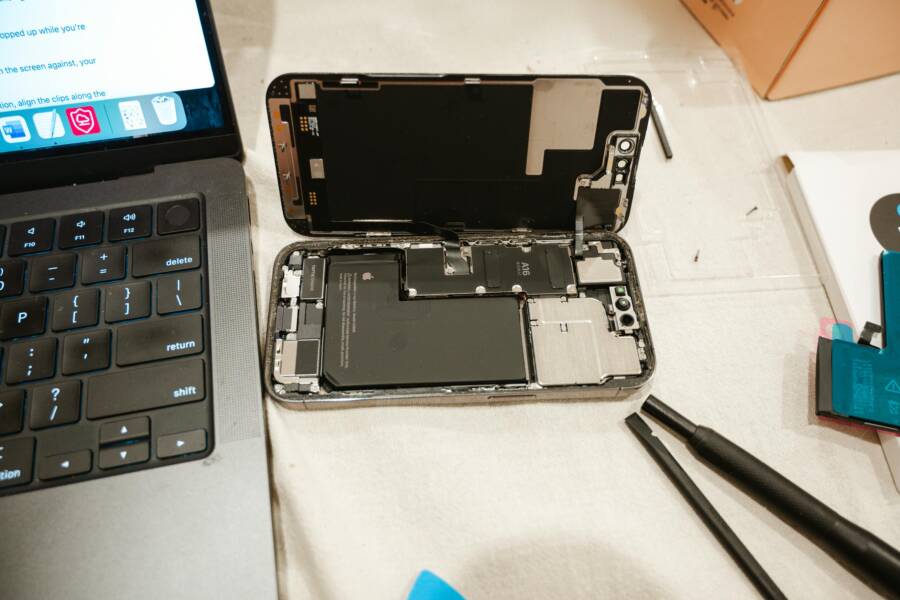
Recalibrating your battery helps the software read the actual charge more accurately. This section lays out a practical, safe routine you can follow at home to realign the battery’s full and empty points. It’s not about restoring capacity, but about making the displayed percentage reflect reality. A clear readout reduces surprises, helps you plan charging, and makes everyday usage smoother. Below you’ll find two essential subsections that guide you through a complete cycle: draining the battery safely and then charging fully with a restart. This approach works well for most smartphones, including iPhone and Android devices.
 Photo by Harry Tucker
She Pressed Play on a Strange Audio Track and Within Days Her Financial Reality Started Shifting in Ways She Could Not Explain
>>> See How It Works <<<

Drain Your iPhone Battery Completely
To begin, deliberately run the battery down in a controlled way. Dim the screen to reduce power draw, close nonessential apps, and play a video or game long enough to reach near 0 percent. This soft drain helps anchor the system’s idea of an “empty” point. The goal is to have a reliable low point that aligns with the actual battery chemistry, so the next full charge yields a true 100 percent. After the drain, let the device sit briefly to cool if it became warm. This step is about accuracy, not speed.
Why this matters: when the system believes the battery is truly empty, it can recalibrate how it counts remaining capacity. The result is a more trustworthy percentage readout day to day. For further reading on the process, check credible guides like Battery Calibration from iFixit and official resources from Apple that describe how battery health reporting interacts with software updates. See more in the linked sources to reinforce what you’re doing.
Charge Fully and Restart
Next, connect a reliable charger and let the iPhone charge uninterrupted to 100 percent. Use an original or certified charger and avoid fast charging during this cycle if you can, as a steady, slower fill reduces heat and ensures a clean full-charge reading. Leave the device on charge until it reaches 100 percent, then restart the phone to reinitialize the system’s charge map. After the restart, unplug and use the device normally for a day or two, monitoring whether the displayed percentage now tracks more closely with real usage time.
During this phase the phone’s software uses the completed full charge as the new reference point. A clean restart helps the system reapply the updated range to future usage, so you’re less likely to see abrupt drops or surprising shutdowns. If you want additional guidance, credible sources outline the steps for iPhone and Android calibration, including how to interpret readings after a full cycle. For deeper context, consider reviewing official battery guidance from Apple and practical walk-throughs from reputable calibration guides.
Recalibrate Your Android Phone Battery the Right Way
To keep your Android device reporting battery life accurately, you’ll want a practical, no‑nonsense approach. Recalibration helps the system map real charge levels to the on‑screen percentage without repairing worn hardware. This section covers two focused subsections: using built‑in Android tools, and finishing with a power cycle to lock in the changes. If you own a Samsung, Google Pixel, or another major brand, you’ll find clear steps you can follow tonight.
Find and Use Android Built-in Tools
Android devices ship with built‑in features that help you monitor and optimize battery behavior. Start by locating the built‑in tools that can guide you through a recalibration mindset or perform a diagnostic check. On many phones, you’ll find battery health or device care sections under Settings. For Samsung users, Battery and device care provides a quick readout of battery status and a health score, plus tips to extend life. Google Pixel devices often point you to the battery section in Settings where you can review usage by app and enable power saving modes.
If your model supports it, run a diagnostic test before recalibration. This helps confirm whether the readout mismatch is a software issue or something more serious. In many cases, the simplest path is to locate the battery or device care area, review the current health indicators, and note any anomalies. You can consult credible, device‑specific guides for exact paths on your model.
Helpful references you can check:
- Samsung Battery and device care guide
- Google Pixel battery calibration discussions
- General Android calibration walkthroughs
External resources you may find useful:
Thousands of People Were Struggling With Money Until They Discovered This One Ancient Secret Hidden in Sound
>>> Unlock It Now <<<
- Battery Calibration: Step-by-step calibration guidance and background on what calibration actually does.
https://www.ifixit.com/Wiki/Battery_Calibration - Android battery calibration guide: How to recalibrate your Android smartphone battery to increase its life?
https://support.google.com/android/community-guide/260788479/how-to-calibrate-your-android-smartphone-battery-to-increase-its-life?hl=en
Finish with a Power Cycle
After you complete the full charge to 100 percent, give the device a restart. A restart helps the system reinitialize the charge map and apply the new reference points for future use. This reboot is a simple, effective step that makes the recalibration feel concrete in daily life. Leave the phone unplugged and continue to use it normally for a day or two, watching how the percentage lines up with actual usage.
Why this matters: a clean restart activates the updated full and empty thresholds, so you’re less likely to see sudden drops or misreads during regular tasks. If you want extra reassurance, look for official guidance from your device maker on how recalibration interacts with software updates and battery health reporting. For deeper context, you can exploreBattery Cycle Reset guidance from trusted repair sources.
External resources you may find useful:
- How to perform a battery cycle reset (iFixit)
https://www.ifixit.com/Guide/How+to+Perform+a+Battery+Cycle+Reset/152044 - Pixel battery calibration discussions and tips
https://support.google.com/pixelphone/thread/214825106/how-to-calibrate-the-battery?hl=en
What to expect after the restart:
- The percentage should align more closely with real uptime over several cycles.
- Fewer abrupt changes in the battery indicator.
- More predictable behavior during long days of use.
If you still notice erratic readings after the power cycle, consider the next steps, such as deeper diagnostics or professional service. For many users, this two‑part approach—utilizing built‑in tools and a final power cycle—delivers a noticeable improvement in confidence around battery life.
Troubleshoot If Recalibration Fails
If the recalibration process doesn’t smooth out the battery readouts, don’t panic. A failed or incomplete recalibration is often a sign of software quirks, charging habits, or wear that calls for a few targeted checks. In this section you’ll find practical paths to diagnose why the readout isn’t lining up with real usage, plus concrete steps to get back on track. Think of it as tightening the gauge so your phone’s percentage matches the actual juice left.
Common culprits behind a failed recalibration
Recalibration hinges on software mapping the true full and empty points of the battery. When things go wrong, one or more of the following usually responsible:
- software drift after an update or a bug in the battery health reporting system
- heat during charging or discharging that skews readings
- worn battery chemistry that can’t be fully corrected by software
- inconsistent power draw from background apps that makes the cycle harder to anchor
- using nonstandard chargers or frequent fast charging that introduces heat spikes
If you’ve recently updated iOS or Android, a calibration mismatch can appear as a temporary quirk. In most cases, the bug is resolved with a fresh cycle or a software patch. For iPhone users, Apple has guidance about recalibration in iOS 14.5 and later that can explain why readings shift during updates. See more in official guidance on battery health reporting and recalibration.
For Android users, calibration steps are often model specific, but the underlying principle remains the same: a clean, full cycle helps anchor readings. If you’ve tried a few cycles and nothing improves, it’s time to dig deeper.
Quick checks to run before redoing the cycle
Sometimes a recalibration looks like it fails because a simple setup issue was overlooked. Do these quick checks to set the stage for a successful cycle:
- confirm you’re using a reliable charger and cable. A cheap or damaged charger can cause inconsistent charging, which skews the full point.
- ensure the device isn’t running heavy tasks in the background during the cycle. Close demanding apps to avoid unexpected drain.
- keep the phone in a cool, ventilated space. Heat during charging can distort readings.
- verify the battery health is still within acceptable range. If the battery is visibly swollen or the health % is very low, calibration won’t restore capacity.
If you want an in-depth reference, credible guides on calibration can provide model‑specific paths for Android devices and iPhone models.
Step-by-step approach to recover from a failed recalibration
If the initial attempt didn’t settle the readings, follow this focused, two‑phase approach. It combines device care with a clean, controlled cycle.
- Prepare the device
- back up your data to protect it during further maintenance
- disable nonessential background apps that might wake the device during discharge
- remove the case if it traps heat during charging
- Execute a controlled drain and full charge
- let the battery run down to near 0 percent in a controlled way
- charge uninterrupted to 100 percent using a reliable charger
- restart the device after the full charge to reinitialize the charge map
- Observe for a few cycles
- use the phone normally and monitor how closely the displayed percentage tracks actual usage
- if discrepancies persist, note the patterns and consider the next steps
If after several cycles the readouts still misbehave, it’s time to consider more targeted actions.
When to escalate: signs that require professional help
Not every recalibration issue is fixable with at‑home steps. Seek professional assistance if you notice any of the following:
- persistent misreads after multiple full calibration cycles
- sudden and unexplained battery drain that doesn’t align with usage
- device temperature rising abnormally during charging or normal use
- hardware symptoms like physical swelling, rapid heat buildup, or a battery that cannot reach full charge even after a long cycle
In these situations, a battery replacement or a deeper diagnostic is warranted. Manufacturers and repair shops can run advanced tests to determine whether the cell chemistry has degraded or if there is a broader software issue.
iPhone specific guidance when recalibration seems to fail
For iPhone users, recalibration can be influenced by how iOS reports battery health. If your device consistently misreads after a cycle, check Apple’s official guidance on recalibration and battery health reporting. In some cases, a software update or reset may temporarily affect readings, and a subsequent calibration can restore accuracy. If you suspect a broader software issue, seek support from Apple or an authorized service provider.
Helpful reference:
- About recalibration of battery health reporting in iOS 14.5 and later
You can also review messages from Apple support forums where other users share how they resolved similar issues after updates or resets. If you’re seeking a community perspective, credible user discussions can provide practical insights.
Android specific guidance when recalibration fails
Android devices vary by maker, but there are common threads. Start with the built‑in device care or battery health tools, then run a diagnostic if available. If problems persist, there are model‑specific instructions and discussions that can guide you through more advanced steps.
Key ideas to keep in mind:
- calibration focuses on readouts, not restoring battery capacity
- some models allow a diagnostic run to confirm readout accuracy
- a faulty readout may point to hardware wear rather than a calibration issue
External resources you may find useful:
- How to Calibrate Your Android Smartphone Battery to Increase Its Life
What to do if calibration still doesn’t fix the readouts
If recalibration fails on both phones and you’ve exhausted model‑specific guidance, consider a plan of action that balances cost and benefit:
- schedule a professional diagnostic to verify battery health and charging circuitry
- explore battery replacement options if the health reading is poor
- review whether any power‑draining apps or services are installed and update them or replace with lighter alternatives
In some cases, a factory reset may be recommended to rule out software issues. If you proceed, back up first and ensure accounts are secured before the reset.
External resources you may find useful:
- Battery Calibration: Step-by-step calibration guidance and background on what calibration actually does https://www.ifixit.com/Wiki/Battery_Calibration
- Android battery calibration guide: How to recalibrate your Android smartphone battery to increase its life https://support.google.com/android/community-guide/260788479/how-to-calibrate-your-android-smartphone-battery-to-increase-its-life?hl=en
Optional checks to support a successful outcome
When troubleshooting, keep these supplementary checks in mind. They help you build a complete picture of your device health and ensure you aren’t chasing a ghost problem.
- compare readings across cycles to identify drift
- log charging times and ambient temperatures during cycles
- use official or reputable guides to interpret battery health readouts
- consider a professional diagnostic if signs persist
External resources you may find useful:
- About recalibration of battery health reporting in iOS 14.5 and later https://support.apple.com/en-us/119954
By applying these targeted checks, you’ll determine whether recalibration can salvage the readouts or if the issue points to hardware wear. Either outcome helps you make smarter decisions about charging habits and when to seek service, keeping your smartphone reliability intact.
Conclusion
Recalibrating your phone battery helps the on screen percentage reflect real capacity, reducing surprises and making charging plans more reliable. A simple cycle of updating software, then a full charge after a near empty drain, often tightens the readout within a week or two. You don’t gain new capacity, but you gain trust in what the battery can deliver.
The key steps boil down to two parts: keep the system current and perform a controlled full cycle. Use built in battery care features when available, and only temporarily disable them if you plan a calibration. Avoid routine deep discharges, and let the device cool during long charges to prevent skewed readings. After you complete the cycle, use your device normally and monitor how closely the readings match actual uptime.
Adopt habits that protect long term health. Keep software up to date to improve battery management, avoid heat during charging, and use certified chargers. If you rely on optimized charging, re enable it after calibration so you still benefit from gradual charging without unnecessary wear. A lighter daily charging pattern can extend overall life while preserving accurate indicators.
If you notice persistent misreads after one calibration cycle, consider a deeper diagnostic or professional help. Your aim is accurate estimates, not perfect chemistry. Share your experience in the comments to help others decide when a recalibration is right for them.
Thousands of People Were Struggling With Money Until They Discovered This One Ancient Secret Hidden in Sound
>>> Unlock It Now <<<