What If the Only Thing Between You and the Life You Deserve Is a Hidden Wealth Code Waiting to Be Activated
>>> Open the Door <<<

Ever notice how your phone sometimes hops to the wrong Bluetooth device and leaves you stranded mid call or mid playlist? Prioritizing a specific Bluetooth device on your phone can fix that, giving you more stable connections, fewer dropouts, and reliable auto connect across calls and media.
This guide covers both Android and iPhone, plus common car kits and smart hubs. You’ll learn what it means to set a Bluetooth priority in practical terms, and how to apply it to everyday scenarios like in-car calls, headphones, or a home hub. By the end, you’ll know which settings to tweak to keep your chosen device at the front of the line.
On Android, you’ll see there isn’t a universal priority list in the OS itself, so the focus is on managing connections and using your car or hub’s interface to establish a preferred device order. On iPhone, you’ll find controls that influence audio routing and device focus during calls and media playback. The goal is to reduce interruptions and ensure you get consistent performance when you need it most.
From auto connect to device order in a car’s system, this post shows practical steps you can follow today. It’s a practical, hands-on approach designed to work with most Android vs iPhone Bluetooth settings and common Bluetooth hubs.
There Is a Frequency That the Wealthiest Families Have Used for Generations and Most People Will Never Know It Exists
>>> Open the Door <<<

Why prioritize a specific Bluetooth device on your phone
When you pair multiple Bluetooth devices, your phone can get picky about where audio and calls go. Prioritizing a specific device helps you stay in control. It reduces mystery switching, knocks down setup time, and keeps essential audio on the right path. Think of it as giving your phone a simple rule set: “Always use this headset for calls, this speaker for music, and this car system for in-car audio.” The payoff is steadier connections and fewer surprises during important moments.
Key benefits for calls, music, and car connections
Prioritizing a device makes calls land on the right headset or car system without you thinking twice. For example, you jump into the car, start a call, and the audio goes to the car speakers automatically. If you leave your home with Bluetooth speakers nearby, your phone won’t switch mid-call to another device. Music playback follows your chosen speaker, so playlists stay consistent. Car integrations also stay reliable, avoiding that jittery moment when audio suddenly hops to a phone. In short, prioritization reduces setup time and keeps critical audio on the right channel.
For practical guidance, you can see how other users manage persistent connections on Android and iPhone. These approaches emphasize using the car or hub interface to establish a preferred order and ensuring the chosen device remains at the front of the line. This strategy minimizes interruptions and provides a smoother everyday experience. Learn more about how car systems and smart hubs handle prioritization in real-world setups, such as when integrating with CarPlay or a wireless car stereo. Source: GadgetHacks article on AirPods and CarPlay synergy
Common real world scenarios when prioritization helps
Commuting with a car stereo is a classic case. You start a call or a podcast, and the car system keeps audio where you want it. Working out with Bluetooth headphones is another. The phone stays focused on your gym buds, not the kitchen speaker. A smartwatch alongside a phone benefits too; prioritization reduces the time spent toggling audio routes and prevents the wrong device from catching the sound. In each case, the setup costs are low, but the payoff is real: fewer interruptions and a more predictable listening experience. For Android users, prioritization often means managing connections through your car or hub app. For iPhone users, audio routing controls do much of the heavy lifting. If you’re curious about the broader tech context, you can explore discussions on sticky Bluetooth behaviors in real-world scenarios. Android Stack Exchange discussion on making Bluetooth connections sticky
How prioritization works on Android and iPhone in 2025
Bluetooth behavior on mobile devices remains inconsistent across brands and versions. In practice, you’ll notice Android devices lack a single universal priority toggle, while iPhone relies more on routing controls and device focus. Understanding these nuances helps you keep your headset or car system front and center, especially when you workflow across calls and media. A practical approach is to use hub or car interfaces to establish a preferred order on Android, and to adjust routing preferences on iPhone whenever possible. For real-world contexts, see how car systems and hubs manage prioritization in daily use, and how sticky connections are handled on Android.
Android behavior and limits
Android often lacks a universal one button priority. Many devices rely on per-device auto-connect rules, so the phone reconnects to the most recently used or preferred device rather than a global list. Car systems and smart hubs frequently offer their own priority settings, letting you pin a device for calls or media. You’ll find that some phones let you adjust priority or reorder paired devices, but results vary by vendor and Android version. To work around limits, try these practical steps: keep your primary device at the top of the car or hub’s priority list, disable auto-connect to secondary devices, and periodically refresh pairings after major OS updates. If you want deeper how-to, check guides that show configuring Bluetooth device priority on Android and sticky connections on the OS level. For more specifics, see this practical guide on setting Bluetooth priority on Android devices and the related Stack Exchange discussion. https://www.maketecheasier.com/set-network-bluetooth-priority-android/ https://android.stackexchange.com/questions/257036/is-there-a-way-to-prioritize-or-make-bluetooth-device-connections-sticky-on-an
iPhone behavior and limits
iPhone does not offer a simple global priority picker. Instead, you influence routing with controls that direct audio during calls and media playback. Known workarounds include forgetting and re-pairing devices to reset focus, and using call routing options that keep the preferred headset or car system in use. Recent iOS updates have introduced tweaks to audio routing and accessibility routing, which can help in edge cases where connections drift. In practice, you’ll adjust how calls are routed and rely on device focus to minimize interruptions. For more on how iPhone handles call and audio routing, see Apple’s support articles and recent notes on iOS 26 and routing changes. https://support.apple.com/guide/iphone/call-audio-routing-iph29145acf1/16.0 https://support.apple.com/guide/iphone/auto-answer-calls-iph29145acf1/ios
Android step-by-step: prioritize a Bluetooth device
When you juggle multiple Bluetooth devices, it can feel like your phone gets easily confused. This section provides practical, Android-focused steps to ensure your preferred device stays at the front of the line for calls and media. You’ll learn how to verify compatibility, enable auto-connect with the right device, manage in-car priorities, and reduce interference through multipoint strategies. Think of it as giving your smartphone a simple rule set: connect to your chosen headset for calls, your car system for audio, and a trusted speaker for media.
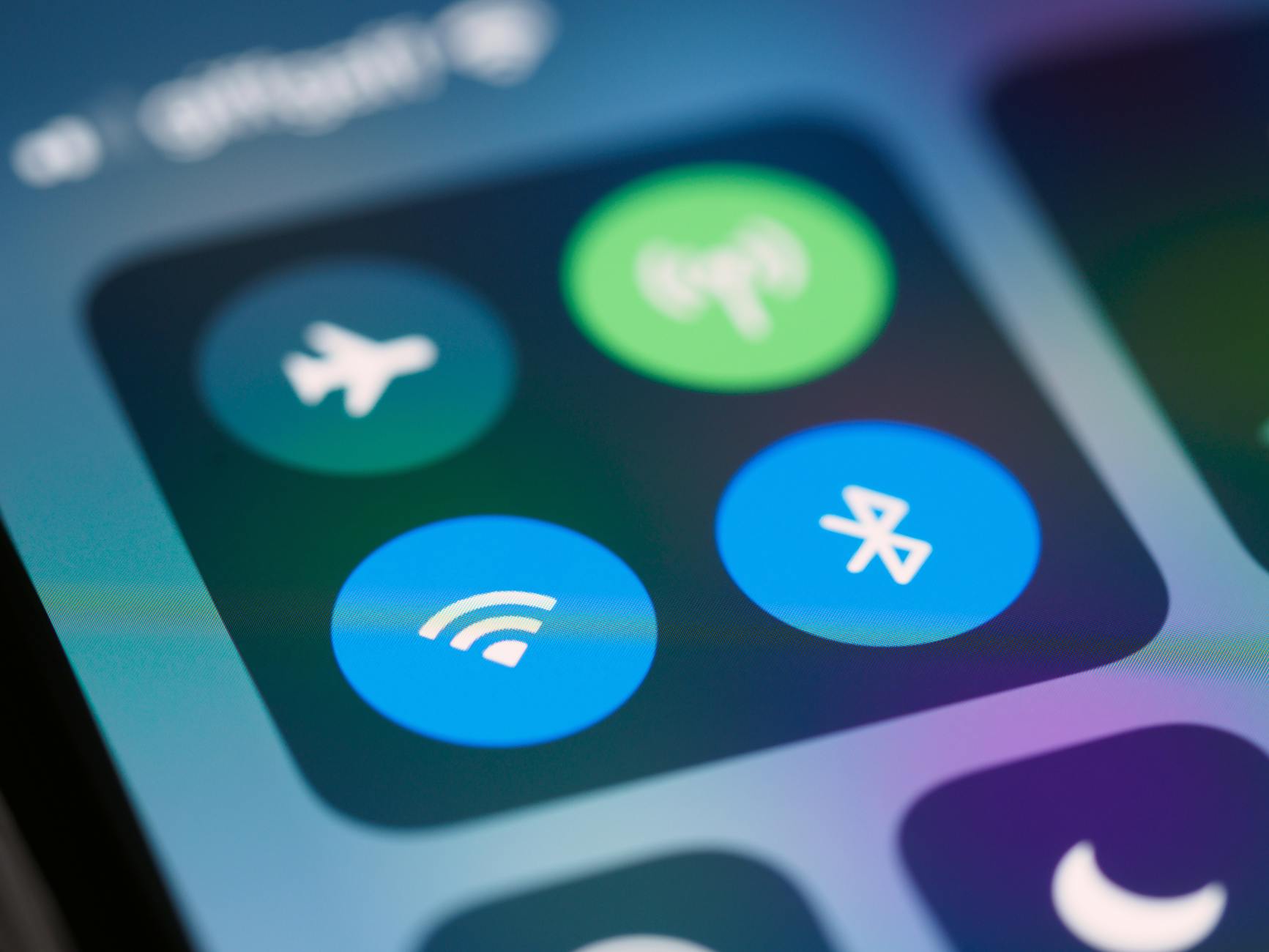 Photo by Brett Jordan
Prepare and verify device compatibility
Before you tweak settings, confirm the target device supports the right Bluetooth profiles. For media playback use A2DP, and for hands-free calls use HFP or HSP. Check that your phone runs a recent Android version to ensure the latest Bluetooth behavior. Do a quick test in a quiet area with all devices in range. This reduces surprises once you start prioritizing and improves the reliability of auto-connect in everyday scenarios.
Enable auto-connect and set priority for the device
On Android, there isn’t a universal OS-level priority toggle. Instead, rely on per-device rules and the car or hub interface to pin a device. Steps typically look like: Settings > Connected devices > Bluetooth, tap the target device, and enable Auto-connect or choose the needed profiles. Some manufacturers label options differently, so look for “auto-connect,” “connect automatically,” or per-profile toggles. If your car system supports it, reorder devices within the car interface so your preferred phone or headset stays top of the list.
Prioritize in a car or Bluetooth hub
Use your car’s infotainment system or your Bluetooth hub to designate the primary phone for calls and the main device for media. When the car recognizes a specific phone first, it tends to route calls and audio through that device even if other paired devices are nearby. If the car’s device list shows multiple phones, place your primary device at the top and remove or deprioritize others as needed. This approach minimizes last connection changes and helps you stay in control when driving.
Reduce interference and use multipoint
Interference can derail a solid Bluetooth connection. Minimize it by removing unused devices from the pairing list and ensuring your primary device is the strongest, closest option. If your headset or headphones support multipoint, enable it. Multipoint allows a single headset to stay paired with more than one device without constantly re-pairing, helping keep the chosen device as the main link for both calls and media. This approach is especially helpful in busy environments like offices or busy homes where many Bluetooth devices are active.
Links to additional practical guidance:
What If the Only Thing Between You and the Life You Deserve Is a Hidden Wealth Code Waiting to Be Activated
>>> Open the Door <<<
- Android Bluetooth priority and sticky connections: https://www.maketecheasier.com/set-network-bluetooth-priority-android/
- Setting priorities for Bluetooth headsets on Pixel devices: https://support.google.com/pixelphone/thread/207372025/setting-priorities-for-bluetooth-headsets?hl=en
- Is there a way to prioritize or make Bluetooth device connections sticky on Android: https://android.stackexchange.com/questions/257036/is-there-a-way-to-prioritize-or-make-bluetooth-device-connections-sticky-on-an
Note: For vehicle-specific guidance, you may also explore official tutorials from car brands that show how to prioritize paired phones in the infotainment system. These guides illustrate how to keep the driver’s phone at the top of the priority list while you focus on the road.
Images credit: If you found this helpful, you can also refer to car infotainment setups or headset pairing tips in related videos from popular automaker channels, which often demonstrate the exact steps used in your vehicle.
Include external links naturally as you author future sections:
- How to Prioritize Paired Phones on car infotainment systems: https://www.hondainfocenter.com/2021/Passport/How-To-Videos/Sport/Audio-and-Connectivity/How-to-Prioritize-Paired-Phones_Display-Audio-Models/
- Prioritizing phones in Hyundai infotainment: https://www.youtube.com/watch?v=JMz-_vvhgc0
Tips for readers
- If you rely on a single car system every day, set that system as the primary hub in the car interface.
- After a major OS update, re-check per-device priorities to confirm they still apply as expected.
- Regularly test a quick call or a music session to ensure the path stays correct in real life.
Explore practical scenarios and keep your setup aligned with daily use:
- Your phone should link calls to the car once you’re in the driver seat.
- Music should route to your preferred speaker or car system without manual toggling.
- Smartwatches or fitness bands should not steal the audio path during important moments.
iPhone step-by-step: prioritize a Bluetooth device
When you juggle multiple Bluetooth devices, audio and calls can drift between them. This section gives practical steps to keep your preferred iPhone Bluetooth device at the front of the line. You’ll learn quick ways to reset connections, route audio, and test your setup so everyday use stays reliable.
Basic device management
If a device keeps stealing audio, a simple forget and re-pair can reset focus. Go to Settings > Bluetooth, find the device, tap “Forget This Device,” and confirm. Then re-pair it as you normally would. This process clears stale pairing data and often stabilizes auto-connect behavior for both calls and media. After re-pairing, run a quick test by placing a call and playing music to confirm the chosen device remains the primary route. For deeper background on stabilizing Bluetooth on iPhone, see discussions on prioritization and re-pairing practices. https://discussions.apple.com/thread/251342441
Using Accessibility for call routing
Notes on iOS 26 features and workarounds
iOS 26 has not fully released to the public as of December 2025; the latest version is iOS 26.2, with iOS 26.3 beta 1 seeded to developers. Early notes show no definitive new Bluetooth handling or audio routing changes in public releases. Practical workarounds remain the same: re-pair devices to reset focus, and use Accessibility routing to guide audio during calls. If you’re seeking the latest guidance, Apple’s support articles and recent beta notes are the best source of updates. For broader context on headphone compatibility and prioritization, see discussions in Bluetooth forums. https://support.apple.com/guide/iphone/call-audio-routing-iph29145acf1/16.0
Advanced tips, troubleshooting, and best practices
Tuning Bluetooth on a smartphone can feel like a small but powerful win for daily use. In this section, you’ll find practical tips that go beyond basic pairing. From automation shortcuts to car and hub strategies, plus maintenance routines, these best practices help you stay in control of audio routing. You’ll learn how to keep the right device at the front of the queue, even when new gadgets enter the mix.
What If the Only Thing Between You and the Life You Deserve Is a Hidden Wealth Code Waiting to Be Activated
>>> Open the Door <<<
Automation and apps you can use
Automation apps can streamline how your Bluetooth connections behave, especially when you juggle multiple devices. Tasker and MacroDroid can trigger actions based on device state, location, or time, such as automatically connecting to a favorite headset when you arrive home or disarming auto-switching in the car. Caveats apply: OS security limits may block some automations, and frequent re-pairing can reset focus. Start simple with device-specific triggers and test in quiet environments. For practical setup ideas, see guides on Bluetooth automation and sticky connections.
- External resources: Tasker and MacroDroid triggers for Bluetooth state, plus ways to connect to a specific audio device.
- https://macrodroidforum.com/wiki/index.php/Action:_Bluetooth_Configure
- https://macrodroidforum.com/wiki/index.php/Trigger:_Bluetooth_Event
- https://www.maketecheasier.com/set-network-bluetooth-priority-android/
Smartphone automation can also help with routine plays, calls, and car connections. If you rely on a single car system daily, pair it as the default in the car interface and let automation handle the rest. Keep security in mind and avoid overly broad permissions. A quick test after each OS update ensures your automation keeps doing the right thing without surprises.
Car systems, hubs and multipoint strategies
A well tuned car system or Bluetooth hub reduces handoffs and keeps calls and music on the right device. Set driver device priority in the car’s infotainment menu so the driver’s phone always takes calls first and media routes to the preferred source. Multipoint strategies shine when you need two devices connected at once, like a phone and a tablet. Enable multipoint on compatible headphones or headsets and keep the two most important sources paired. This setup minimizes conflicts and keeps audio paths stable in busy environments. For in-depth guidance, explore multiplier guidance from major car brands and support articles on multipoint use.
- External resources: Multipoint Bluetooth basics and car integration tips.
- https://www.cnet.com/tech/mobile/stop-switching-devices-manually-your-guide-to-multipoint-bluetooth-audio/
- https://support.google.com/android/answer/12374042?hl=en
In practice, designate the primary phone for calls within the car system and the main device for media playback. If your hub supports device order, place the most important device at the top. Remove or deprioritize other paired devices to minimize automatic re-routing. Multipoint can reduce the need to constantly re-pair, which is especially helpful when you switch between home, work, and car environments.
Testing, updates and ongoing maintenance
Regular checks ensure all the moving parts stay in alignment. Test in different environments—quiet rooms, busy streets, and inside a car—to confirm audio paths stay fixed. Keep both OS and device firmware up to date, then recheck priorities after major updates. Re-pairing a device occasionally can reset stale routing data and prevent drift over time. Schedule a quick monthly test routine to verify calls go to your headset and music to your chosen speaker or system. For deeper insights, review official support guides and community discussions on updates and Bluetooth routing.
- External resources: Updates, testing, and maintenance guidance for Bluetooth routing.
- https://support.google.com/android/answer/12374042?hl=en
- https://discussions.apple.com/thread/251342441
By following these practical tips, you can keep your preferred devices front and center without constant tweaking. Remember, small, deliberate actions—like pinning a device in your car and validating multipoint settings—make a big difference in real life. For more on staying on a stable audio path, check discussions and guides from both Android and iPhone communities, which often surface valuable real-world tips from other users.
Conclusion
Prioritizing a Bluetooth device on your phone comes down to a few clear steps. Verify the device supports the right profiles for calls and media, enable auto connect for that device, and use your car system or Bluetooth hub to pin it at the top of the list. Keep multipoint options enabled on compatible gear to reduce the need for constant re-pairing.
In practice, the exact taps differ by phone and car brand, but the goal stays the same: route calls and music to your chosen device without manual switching. Regular checks after OS updates help keep the path solid, and quick test runs—a short call and a music track—confirm stability. Your smartphone becomes more predictable, and daily use feels smoother.
Try prioritizing a device you rely on most, like a headset for calls or your car system for audio, and note any drift. Share your results or ask for tweaks in the comments to help others stay in control.
He Was Drowning in Bills and Burnout Until a Simple Daily Ritual Rewired His Brain for Wealth in Less Than a Week
>>> Start Your Shift Today <<<
