What If the Only Thing Between You and the Life You Deserve Is a Hidden Wealth Code Waiting to Be Activated
>>> Open the Door <<<

Set up your goals where you already spend your day. Your phone can be a powerful ally for turning plans into progress, not just a place to store ideas. In this short guide, you’ll learn how to pick meaningful goals, format them for mobile tracking, and build a simple daily routine that sticks.
Think of your smartphone as a goal coach that’s always with you. We’ll cover the best built in tools and apps for setting and tracking progress, from habit builders to task managers. You’ll see how to break big ambitions into small, doable steps that fit into real life.
By the end, you’ll have a practical system that fits in your pocket. You’ll know how to stay motivated with quick check ins, reminders, and visible progress. This approach keeps you focused on meaningful outcomes without overwhelming you.
Why using your phone helps you reach goals
Your phone isn’t just a device for messages and memes. It can be a steady ally in turning intentions into action. When you set clear reminders, visualize progress, and protect your data, your daily habits align with your bigger goals. This section explains why phones work so well for goal pursuit and how to maximize their impact with practical, actionable steps.
He Was Drowning in Bills and Burnout Until a Simple Daily Ritual Rewired His Brain for Wealth in Less Than a Week
>>> Start Your Shift Today <<<

Reminders and calendars keep you on track
Reminders and calendar events anchor tasks in your day, turning abstract goals into concrete, time-bound actions. A reminder at the right moment nudges you when you’re already in motion, so you don’t rely on memory alone. Calendars create a reliable structure, showing you when you should work on a goal and when you can pause.
Here are practical ways to make reminders and calendars do the heavy lifting:
- Choose smart times. Schedule reminders for moments when you’re most likely to act. If you want to read for 20 minutes after lunch, set a reminder for 1:05 p.m. close to your post-lunch energy dip. Pair tasks with existing routines to reduce friction.
- Use recurring reminders. Daily or weekly reminders reinforce consistency. For example, set a 9:00 a.m. reminder to review your top three daily priorities, then again at 6:00 p.m. to reflect on progress.
- Link tasks to routines. Tie goals to what you already do. Morning routine tasks could include a quick goal review, a 5-minute planning session, and a commitment to one action you’ll take that day. During commutes, listen to a short coaching audio while you organize, and during lunch break, log progress or adjust your plan.
- Keep task wording simple. Use action-focused phrases like “Finish 15-minute workout,” “Draft 300-word section,” or “Update progress in tracker.” Clarity reduces resistance and speeds execution.
- Sync across devices. If you share devices with family or colleagues, ensure your reminders sync so you always see your next action, whether you’re on a tablet, computer, or phone.
For readers exploring practical examples, Apple Reminders can be a flexible baseline. It’s common to start with familiar tools and then expand to other apps as you settle into a routine. You can find perspectives on how people use reminders to support daily goals here: https://www.reddit.com/r/productivity/comments/1mf6dul/apple_reminders_to_track_daily_goals_advice_please/
To keep your method consistent, consider a simple setup: a daily three-goal plan in your calendar, a recurring morning review reminder, and a 5-minute evening reflection reminder. This creates a predictable rhythm that your brain comes to expect, which in turn reduces decision fatigue and boosts follow-through. If you want a deeper dive into practical reminder strategies, this guide offers useful ideas and examples: https://weekplan.net/features-of-goal-planner-app/
Practical tip: name reminders with a single verb and a measurable outcome. Instead of “work on project,” try “write 200 words for Chapter 3.” The specificity makes it easier to complete and to log results in your progress tracker.
Visual progress keeps you motivated
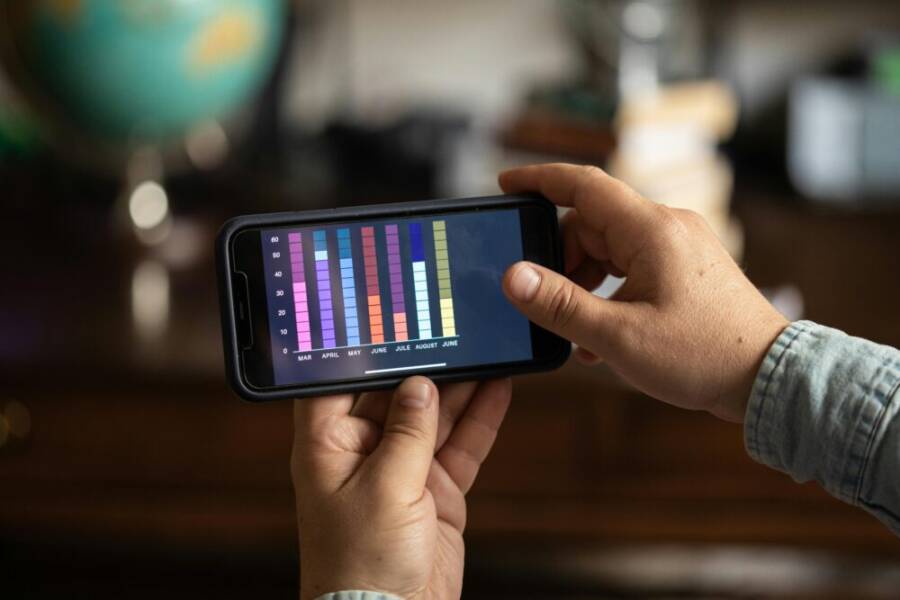
Seeing progress in a clear, immediate way fuels momentum. When your home screen or your favorite goal app shows progress bars, charts, or streaks, you get a constant, subtle cue that your efforts add up. Visual feedback makes it easy to recognize patterns, celebrate small wins, and stay focused on the next step.
What to set up for strong visual cues:
- Progress bars that match your milestones. A bar fills as you complete tasks or hit daily targets. If you’re learning a language, for example, a bar could track minutes studied or new words learned per day.
- Simple charts for trends. A weekly line chart or a monthly pie chart can reveal whether you’re on track or slipping. This helps you adjust tactics without losing motivation.
- Streaks that reward consistency. Even a modest streak, like “3 days in a row,” reinforces habit formation. The key is to keep the target reachable so you don’t break the streak by missing one day.
- Quick home screen widgets. Place a small, live progress widget on your home screen so you see results at a glance throughout the day.
- Clear finish indicators. When a milestone is reached, an obvious signal like a badge or a color change confirms your success and fuels the next push.
If you want a visually focused goal tracker, several apps emphasize progress bars and streaks. For example, recent reviews highlight apps that place visual progress front and center, making momentum easy to notice. You can explore an in-depth guide to the best goal tracker apps here: https://www.mindfulsuite.com/reviews/best-goal-tracker-apps
If a visual-only approach feels limiting, combine visuals with context. A chart showing weekly progress works best when paired with a short note on what changed your behavior that week. For instance, you might record that you exercised on Monday and Wednesday because you prepared by laying out clothes the night before. That small narrative adds meaning to the numbers and keeps you engaged.
Visual cues work best when they’re simple, consistent, and observable in everyday life. A phone is perfect for this because it sits in your pocket and updates in real time. If you want an alternative visual system, consider an app that emphasizes habit streaks and calendar integration; it can help you maintain a steady rhythm while keeping your goals visible.
Privacy and control over your data
Protecting privacy while pursuing goals is essential. You want to trust the tools you use and feel confident that personal information stays under your control. A few straightforward practices can keep your data secure without slowing you down.
Key privacy tips:
She Pressed Play on a Strange Audio Track and Within Days Her Financial Reality Started Shifting in Ways She Could Not Explain
>>> See How It Works <<<

- Limit data sharing. Review what each app asks for and disable any permissions not strictly necessary for your goal tracking. If you don’t need location data for a habit app, turn it off.
- Review app permissions regularly. Periodically audit what apps can see and do with your information. Revoke access that isn’t essential for the task you’re completing.
- Prefer local storage or opt-in cloud syncing. Local-only data means your information stays on your device unless you choose to back it up. If you use cloud syncing, pick services that offer explicit opt-in sharing and clear controls for data usage.
- Use strong authentication. Enable biometrics or a strong passcode to prevent unauthorized access to your goal data. Regularly update your device and app passwords.
- Back up important data securely. Use encrypted backups and store critical goals in a way that doesn’t rely on a single service. This protects your progress if you switch devices.
Safe handling of personal goals means choosing tools you trust and configuring them to fit your privacy comfort level. Look for apps that clearly explain their data practices and give you control over where your data lives and how it’s shared. When in doubt, start with a privacy-first app or a tool that focuses on local data storage.
If you’re curious about how others balance privacy with goal tracking, you can read practical explorations of habit and privacy management here: https://blog.ipro.cc/ as an example of how to approach this topic in everyday life.
Practical takeaway: privacy isn’t a secondary concern, it’s a foundation. The moment you’re confident your data is under your control, you’ll focus more on what you want to achieve and less on the fear of data leakage. Start with simple permissions audits and gradually tighten settings as you learn what each tool actually needs to function.
As you assemble your goal system, keep a simple principle in mind: your phone should make progress easier, not more complicated. Prioritize tools that respect your data and deliver clear, actionable feedback. With that foundation, you can build a reliable, scalable approach to setting and tracking goals that travels with you.
Further reading on privacy-friendly goal tools can be found in the guides that compare popular habit trackers and how they handle data: https://zapier.com/blog/best-habit-tracker-app/
By combining thoughtful reminders, meaningful visuals, and strong privacy practices, your phone becomes a compact coach that helps you move from intention to action every day. The next section dives into a practical setup you can implement this week, using no fancy gear beyond the apps already on your device.
Choose the right goals and format them for your phone
Your phone should simplify goal setting, not complicate it. The right goals, formatted for quick mobile tracking, turn intentions into visible progress you can act on today. In this section, you’ll learn how to craft SMART goals that fit a phone’s tracking mindset, break big ambitions into practical steps, and decide where to store everything so you can access it in a moment of need. Think of your smartphone as a compact coach that helps you stay consistent without overload.
Set SMART goals your phone can track
SMART goals are Specific, Measurable, Achievable, Relevant, and Time-bound. When you write a goal with these criteria, it becomes easier to track on a small screen and easier to act on without guesswork.
- Specific: Define exactly what you’ll do and what success looks like. Instead of “get fit,” write “walk 15 minutes after lunch on five days this week.”
- Measurable: Attach numbers or dates you can verify. For example, “save $50 each week” or “read 20 pages per day.”
- Achievable: Set goals that push you but remain doable within your routine. If you’re new to running, start with “walk 10 minutes, three times a week” before adding pace.
- Relevant: The goal should move you toward a bigger outcome you care about. If your focus is learning, a goal like “watch 2 instructional videos and summarize one idea daily” keeps you moving.
- Time-bound: Tie the goal to a clear deadline. A weekly or monthly frame creates momentum and makes progress obvious.
Here’s how you reflect each criterion in the goal title and the tracking method on a phone:
- Title example: “Walk 15 minutes after lunch, 5 days this week (Measurable: time logged).”
- Tracking method: Use a simple checklist item for each day, a timer to record minutes, and a quick note to capture what you learned or felt after the activity.
- Phone-friendly formats: Keep the goal title short but precise. Use action verbs and a clear metric. For fitness, you might title a goal “Walk 15 minutes daily after lunch; log duration.” For learning, “Watch 2 short videos daily; write one takeaway.” For budgeting, “Save $50 weekly; log deposits and remaining balance.”
Simple examples to illustrate:
- Fitness: “Complete 20-minute cardio session on 4 days this week; log minutes.”
- Learning: “Study 30 minutes of a language app daily; record one new word learned.”
- Budgeting: “Reduce eating-out by $40 this week; log every purchase.”
Why this works on a phone: SMART criteria give you a fixed target and a straightforward way to confirm you met it. You can pair the goal with a timer, a reminder, and a quick log entry all in one place. If you want a practical guide to SMART frameworks, you can check this overview: https://www.indeed.com/career-advice/career-development/how-to-write-smart-goals
Tip: keep reminders aligned with those five criteria. A reminder that says “Walk” is vague, while “Walk 15 minutes after lunch” aligns with the Specific and Time-bound aspects and makes logging easy.
Smartphone users often start with a familiar tool and expand later. For many, Apple Reminders or Google Tasks provide a crisp foundation before layering in more specialized apps. If you want a broader read on how people apply SMART goals in everyday life, this overview is helpful: https://www.ucop.edu/local-human-resources/_files/performance-appraisal/How+to+write+SMART+Goals+v2.pdf
Practical takeaway: your goal titles should sound like a task you can complete on a busy afternoon. The moment you phrase it clearly, your phone becomes a reliable record of what you did, when you did it, and what came next.
Break big goals into steps you can check off
Big ambitions feel overwhelming when you view them as one long to-do. Break them into 3–6 manageable steps that fit into your day, and you unlock a steady cadence of progress. The phone is ideal for this because you can create steps as checklists, assign due dates, and keep everything close at hand.
How to structure steps:
- Start with the end in mind. Write the final outcome first, then backfill the interim steps. For example, if your goal is “launch a personal blog,” steps could be: outline topics, draft first post, set up hosting, publish the post, promote on social.
- Create a 3–6 step ladder. Each step should be a concrete action that can be completed in a short session. This keeps momentum without overcommitting.
- Assign due dates that respect your schedule. Place each step on the calendar or in a reminders app so you see it at the right time.
- Use checklists and sub tasks. In reminders or notes apps, create a main goal and add sub tasks for each step. This provides a clear sense of progress as you tick items off.
- Tie steps to routines. If you want to build a reading habit, your steps could be: 1) choose a book, 2) read for 15 minutes, 3) write a one-sentence takeaway, 4) log minutes in your tracker.
A practical example: your big goal is “Learn 500 new English words in 2 months.” Break it into steps like:
- Pick 10 new words daily.
- Add each word to a flashcard deck.
- Review the deck for 10 minutes twice a week.
- Use 5 new words in sentences.
- Weekly summary of progress in notes app.
If you want a to-do style app to support this approach, see the To Do List – Todo Reminders app on the App Store. It’s designed to break tasks into daily goals and track progress (Apple). For Android users, the best to-do list apps often include Todoist and Google Tasks among others. Explore a roundup of top Android options here: https://zapier.com/blog/best-android-to-do-list-apps/
How to set due dates and keep momentum:
- Set realistic due dates. Don’t cram a month of work into a single week; distribute steps over days to avoid burnout.
- Add one-step daily actions. A daily checklist item can be as short as “15 min writing,” which keeps the routine intact.
- Review and adjust weekly. A quick Sunday review helps you tighten next week’s steps and shift dates if needed.
- Keep steps visible. Make the list accessible from your home screen or your notebook app so you see progress every time you unlock your phone.
If you’d like a deeper dive into how to break goals into actionable steps across different areas, this article provides useful strategies: https://www.reddit.com/r/productivity/comments/11bsp5i/any_suggestions_for_todo_list_apps_with/
Practical tip: label each step with a single verb and a clear outcome. For example, “Draft outline for Chapter 1” or “Record 5 practice sentences.” Clear wording reduces friction when you’re logging progress on a busy day.
Decide what to track and where to save it
Consistency matters more than the complexity of your system. Decide on a single place to store your goals so you can access them in a moment of need. Whether you use notes, tasks, or a dedicated goal app, keeping everything in one home base helps you stay consistent and reduces switching costs.
Guidelines for choosing a home base:
- Pick one primary storage location. Use either Notes, Tasks, or a dedicated goal app to keep all goals and steps in one place.
- Create a simple folder structure. In Notes, create a “Goals” folder with sub-notes for each goal. In Tasks, use project lists with a parallel set of subtasks. In dedicated apps, rely on folders or projects that mirror your goal categories.
- Use a consistent naming convention. Include the goal title, the target date, and a short descriptor. For example, “BLOG: Publish first post by June 30” or “LANG: Learn 50 new words by next Sunday.”
- Keep data portable. Choose tools that let you export or back up your data so you’re not locked in. Local storage options provide extra privacy and faster access.
- Align with your workflow. If you frequently switch between devices, a cloud-enabled option helps keep data in sync. If you value speed, local storage offers faster access.
A practical approach is to start with a daily three-goal plan in your calendar, complemented by a recurring morning review reminder. Then, log progress in a single notes section or task list. This creates a predictable rhythm that your brain learns to expect. If you want guidance on structuring a privacy-friendly storage system for goals, this article highlights practical considerations and comparisons: https://zapier.com/blog/best-habit-tracker-app/
Where to store different types of data:
- In Notes: quick goal ideas, reflective notes, weekly summaries.
- In Tasks: action items, due dates, checklists, subtasks.
- In a dedicated app: goals with dashboards, charts, and reminders all in one place.
If you prefer a visual approach, some apps emphasize a single home screen or widget that shows progress at a glance. A visual hub can be highly motivating, as long as it remains clean and easy to interpret.
Putting it all together: a streamlined, phone-friendly goals hub
- One place for goals and their steps, with clearly labeled due dates.
- A simple daily routine: morning review, 5 minutes of logging, and a quick end-of-day reflection.
- Visual cues that show progress without overwhelming you.
- Privacy controls you set and understand, with data backups you trust.
For more perspectives on organizing goal data across tools, consider these resources: https://www.mindfulsuite.com/reviews/best-goal-tracker-app/ and the general guidance on goal tracking apps linked above.
In the next section, you’ll see a concrete week-long setup you can implement now, using the apps you already have. It’s designed to feel natural, not heavy, and it’s built to stay with you on busy days.
External links used in this section provide practical examples and additional context:
- A primer on SMART goals and how to write them: https://www.indeed.com/career-advice/career-development/how-to-write-smart-goals
- A general guide with examples for quick reference: https://www.ucop.edu/local-human-resources/_files/performance-appraisal/How+to+write+SMART+Goals+v2.pdf
- An overview of to-do list apps for organizing tasks: https://apps.apple.com/us/app/to-do-list-todo-reminders/id1640609657
- A roundup of Android to-do list apps: https://zapier.com/blog/best-android-to-do-list-apps/
By focusing on clear SMART criteria, actionable steps, and a single, reliable home for your data, your phone becomes a powerful ally in turning plans into steady progress. The approach is simple, adaptable, and ready to scale as you grow.
Top phone tools to set and track goals
Your phone is more than a device for notifications. It can be a compact goal coach that fits in your pocket, helping you set clear targets, act on them, and see progress in real time. In this section, you’ll learn how to use built-in tools, the best apps available in 2025, and practical tips for choosing the right solution for you. You’ll find concrete setup ideas, quick-start steps, and links to deeper reads so you can customize a system that sticks.
 Photo by RDNE Stock project
Built in tools you already have
You don’t need extra software to start tracking goals. The built-in tools on iOS and Android cover reminders, calendars, notes, and health or fitness tracking in meaningful ways. With smart setup, these elements become a lightweight, reliable system for daily progress.
- Reminders and tasks: Create clear, action-oriented prompts. Use due dates, priority flags, and recurring reminders to keep momentum. On iOS, leverage Reminders with smart lists and Siri. On Android, Google Tasks or the assistant can fill the same role. Quick tip: break big goals into bite-sized subtasks so you can log small wins every day.
- Calendars: Schedule actions as calendar events tied to your goals. Use color coding to separate fitness, learning, and work tasks. A weekly review event helps you stay aligned with progress.
- Notes: Keep a single “Goals” notebook with entries for each objective. Use checklists for daily or weekly habits, and add quick reflections to capture what worked or what to adjust.
- Health and fitness: If a goal touches your health, connect iOS Health or Google Fit with your routine. Track steps, workouts, sleep, or hydration automatically, so progress shows up without extra logging.
- Quick setup tips for two popular ecosystems:
- iOS: Create a daily three-goal plan in Reminders, add a weekly review in Calendar, and keep a running Goals note. Use widgets to surface progress on the home screen.
- Android: Use Google Tasks for daily checks, a weekly review in Google Calendar, and a dedicated Goals note or a single Notes app folder. Consider a health app integration for a simple fitness target.
- Privacy and control: Start with minimal permissions. Turn off location sharing unless needed, and enable biometric protection for your goal data.
For a practical overview of how people use built-in tools for daily goal tracking, see practical tips on iOS Reminders and Android equivalents in guides and community posts. These resources offer real-world setups you can imitate and tailor to your routine.
- Apple Reminders as a baseline: practical, flexible, and widely familiar.
- Local storage and cloud syncing basics help you keep data safe across devices.
In addition to these built-in capabilities, a surprisingly effective path is to start with simple reminders, a calendar anchor, and a short notes log. This trio gives you structure without friction and scales as you grow more confident.
Best apps of 2025 for goal tracking
A growing set of apps helps you tailor tracking to your style, from simple habit builders to full project planners. Below is a snapshot of notable options, what they offer, and who they fit. Many provide free plans with optional upgrades, so you can test drive without a pricey commitment.
- Habitify: Clean visuals, deep analytics, habit and goal tracking, cross-device sync, and health app connections. Great for users who want insight-rich dashboards without clutter. Free plan available with paid upgrades.
- Streaks: Quick setup, up to 24 habits, strong Apple ecosystem integration, widgets, and a focus on simplicity. Best for iPhone users who want fast momentum and a visually satisfying streak system. One-time purchase; no ongoing subscription for most features.
- Habitica: Gamified habit building with RPG elements, social accountability, and rewards. Suits gamers and community-minded learners who enjoy earning badges while staying consistent. Free to start; optional subscription for extras.
- Coach.me: Habit tracking with optional coaching and community support. Works well for people who want guidance along with logging. Free habit tracking; coaching is a paid add-on.
- Strides: Flexible trackers, charts, reminders, and progress reports, especially on Apple devices. Great for users who want a combined habits and goals view. Free tier with limits; premium unlocks more trackers.
- ClickUp: A comprehensive productivity suite with goals, tasks, and dashboards. Ideal for people who want a single hub for personal and work projects. Robust free plan; paid tiers add power.
- Loop Habit Tracker: Android focused, open-source, private, and detailed graphs. Excellent for Android users who want a distraction-free, privacy-respecting option.
- HabitNow: Combines habit and task management with flexible reminders and data visuals. Good for Android users seeking a simple blend of habits and tasks.
If you want deeper context on each option, you can explore curated reviews and comparisons in these sources:
- The Ultimate Guide to the Best Goal Tracker Apps for 2025
- The 5 best habit tracker apps in 2025
- 11 Best Habit Tracker Apps for 2025
- 14 Best Goal Tracker Apps for 2026
Tip: many apps offer free plans with optional upgrades. Start with the basics, then add features as you grow more confident in your routine.
For readers seeking practical alternatives, Google Tasks and Apple Reminders remain reliable baseline tools. If you want a broader read on SMART goals applied to goal-tracking apps, check these guides:
Thousands of People Were Struggling With Money Until They Discovered This One Ancient Secret Hidden in Sound
>>> Unlock It Now <<<

- How to write SMART goals
- An accessible overview of SMART goal practices
Read more about SMART goals on Indeed and a comprehensive SMART guide from the University of California system How to write SMART Goals v2
Practical takeaway: start with one simple built-in tool or one lightweight app, then layer in more features as you observe what actually helps you stay consistent.
Tips to pick the best app for you
Choosing an app should feel like selecting a pair of jeans that fit your daily routine. Use a simple checklist to compare options and avoid overbuying features you won’t use.
- Ease of use: The interface should be inviting, not a labyrinth. If you resist opening the app, it won’t matter how many features exist.
- Reminders that actually help: Reminders should be specific and timely. Vague nudges cause skip days and wasted effort.
- Progress visuals: Look for clear indicators like bars, streaks, or charts. Visual cues should be easy to interpret at a glance.
- Cross-device syncing: If you switch between phone, tablet, and computer, choose a tool that keeps everything in sync.
- Privacy: Check what data is collected and how it’s stored. Prefer tools with clear privacy controls and strong authentication.
A good approach is to try 1–2 apps for a week each. Use the same goal format across both so you can compare apples to apples. Pay attention to how you log progress, how often you check in, and whether the tool feels like a drag or a help.
For additional guidance on choosing a goal tracking app, these resources offer practical perspectives:
- 8 Goal-Tracking Apps to Keep You and Your Team on Track
- Understanding goal trackers: A strategic approach to better results
- 14 Best Goal Tracker Apps for 2026
Finally, consider a privacy-first lens. If data handling matters as much as ease of use, read about private habits and how to balance data with privacy in practical guides. These resources can help you pick tools that respect your data while supporting your progress.
- A practical overview of privacy-first goal tools
- Guides comparing popular habit trackers and their data practices
Putting it all together, the right goal app should feel invisible in use yet obvious in progress. It should be a simple, dependable hub that lets you log actions, view momentum, and stay consistent across devices. The next section will walk you through a week-long setup you can try using only the apps already on your device, so you can test-drive this approach today.
Set up a goal tracking system on iOS and Android
Turn your phone into a reliable goal coach. A well-structured system on iOS or Android helps you log actions, view progress at a glance, and keep data safe across devices. This section breaks down how to create a daily template, how to surface progress with widgets and dashboards, and how to keep everything in sync with strong privacy controls. You’ll walk away with practical steps you can implement this week, using the tools you already have.
Create a simple daily tracking template
A small, repeatable template is the backbone of reliable progress. Use reminders, notes, or a purpose-built goal app to capture a daily snapshot: your tasks for the day, what you completed, and any notes that explain the results. A concrete template makes logging effortless and fast, even on busy days.
How to build the template
- Pick your home base. Use one primary place to store daily entries, such as a reminders list, a notes page, or a dedicated goal app. Consistency matters.
- Define a three-part daily entry.
- Today’s targets: 2–4 concrete actions you can finish in a short session.
- Progress log: mark each action as Done, Skipped, or In Progress.
- Quick notes: a sentence or two about what helped or what blocked you.
- Use a sample daily entry to guide you. Example:
- Today’s targets: 1) Walk 15 minutes after lunch, 2) Read 10 pages, 3) Log study minutes.
- Progress: 1) Done, 2) In Progress, 3) Done.
- Notes: “Walk happened after a prep routine; reading was hindered by a meeting, adjusted by reading before bed.”
- Keep wording tight. Use clear verbs and measurable outcomes, so it’s easy to reflect and log results later.
If you want a ready-made example you can adapt, you can study how people use reminders to track daily goals on Reddit. See a practical discussion here: https://www.reddit.com/r/productivity/comments/1mf6dul/apple_reminders_to_track_daily_goals_advice_please/
A simple, repeatable pattern works better than a perfect template. Start with a daily three-goal plan in your calendar, a recurring morning review, and a quick evening log. Then adjust as you learn what cadence fits your day. For a deeper dive into practical reminder strategies, check this guide: https://weekplan.net/features-of-goal-planner-app/
Practical tip: name each entry with a verb and concrete outcome. For example, “Log 200 words,” not “Work on chapter,” so you can count progress at a glance.
Sample daily entry you can copy
- Today’s targets:
- Write 250 words for the blog draft
- Walk 15 minutes after lunch
- Log 20 minutes of focused study
- Progress:
- Write 250 words – Done
- Walk 15 minutes – Done
- Study log – In Progress
- Notes:
- “Went to the gym after work; no distractions during the study block.”
If you’re exploring a quick start, Apple Reminders and Google Tasks offer solid foundations. A broader reading list on SMART goals and quick references can help you refine the format: https://www.indeed.com/career-advice/career-development/how-to-write-smart-goals
Use widgets and dashboards to see progress
Widgets and dashboards provide a fast visual read of how you’re doing today, this week, or this month. They turn numbers into a story you can act on in seconds, not minutes.
How to set up visual progress
- Add home screen widgets. Choose a widget that shows progress bars, streaks, or daily completions. A quick glance should reveal your momentum without opening the app.
- Use dashboards inside apps. Many goal and habit apps offer a dashboard view that aggregates today’s progress, recent activity, and upcoming steps.
- Pair visuals with context. A short note or tag next to the chart can remind you why a change happened in the previous day.
Where to find good options
- A strong goal tracking app often emphasizes visual progress on the home screen or a dedicated dashboard. Explore how dashboards surface today’s momentum in popular tools here: https://www.mindfulsuite.com/reviews/best-goal-tracker-apps
- For a broad look at goal tracking widgets and related feeds, you can explore this comprehensive roundup: https://blog.superhuman.com/apps-for-goal-tracking/
- If you’re curious about simple widgets for daily tracking, Reddit discussions on widgets can offer practical setups: https://www.reddit.com/r/productivity/comments/1cvrejl/any_habit_tracker_apps_with_a_simple_click_widget/
If you prefer a quick route to a visual hub, Habit Tracker on the App Store emphasizes a clean, daily planner vibe that fits well with home screen widgets: https://apps.apple.com/us/app/habit-tracker/id1438388363
Tip: keep widgets lightweight. A single, bright progress bar or a small weekly chart is often more motivating than a dense dashboard.
For Android users, several apps favor a dedicated widget approach. If you want a broader sense of what’s available, consider a roundup of 2025 options that highlight widget support and dashboards: https://www.mindfulsuite.com/reviews/best-goal-tracker-apps/
As you test widgets, pair them with a quick daily log. A clean, accessible summary on your home screen reduces the friction to act and helps you finish each day with clarity.
Sync across devices and keep data safe
A dependable goal system travels with you. Cloud sync and regular backups are essential so you can pick up where you left off on any device. This section covers enabling sync, protecting privacy, and reviewing devices connected to your account.
Enabling cloud sync and backups
- Turn on cloud sync in your primary app or OS settings. This keeps your goals, steps, and progress mirrored across your iPhone, iPad, and Android devices.
- Schedule regular backups. Use encrypted backups if your app supports them. Consider exporting key goals or summaries periodically to a secure location.
- Test the flow. After enabling sync, verify progress mirrored across devices by logging a small entry on one device and checking the other device within a few minutes.
Privacy and data controls you should use
- Review permissions regularly. Disable any access not essential to goal tracking, such as location unless it directly supports a habit tied to your environment.
- Use strong authentication. Enable biometric protection or a strong passcode for your goal data.
- Prefer local storage when possible. If you’re privacy-conscious, keep sensitive data on-device and opt-in cloud syncing only for non-sensitive information.
- Limit data sharing. Check what data is shared with the app’s servers and disable analytics if you don’t want it collected.
Reviewing connected devices
- Regularly check the list of devices tied to your account. Remove old devices you no longer use.
- Revoke access for apps and services you no longer rely on.
- Consider rotating passwords and enabling two-factor authentication where available.
If you want a practical read on privacy-friendly goal tools and how people balance privacy with tracking, this guide offers actionable perspectives: https://blog.ipro.cc/
A simple, privacy-minded approach works best. Start with a single, trusted app or tool, enable essential cloud syncing, and keep backups in a separate, secure location. That setup gives you confidence to track progress without worrying about data leaks or device loss.
Putting it all together, your goal system should feel invisible in use and obvious in progress. The next section shows a week-long setup you can try with apps you already own, designed for real life, not a classroom exercise.
External links used in this section provide practical examples and additional context:
- A primer on SMART goals and how to write them: https://www.indeed.com/career-advice/career-development/how-to-write-smart-goals
- A general SMART goals guide: https://www.ucop.edu/local-human-resources/_files/performance-appraisal/How+to+write+SMART+Goals+v2.pdf
- An overview of to-do list apps: https://apps.apple.com/us/app/to-do-list-todo-reminders/id1640609657
- A roundup of Android to-do list apps: https://zapier.com/blog/best-android-to-do-list-apps/
By focusing on a simple, consistent daily template, smart visibility through widgets, and strong privacy controls, your phone becomes a dependable hub for turning plans into progress. The next section will walk you through a week-long setup you can implement now using the tools you already have.
Keep momentum and fix common problems
Staying on track with goals is as much about momentum as it is about plans. This section helps you keep moving when life gets busy and shows practical fixes for the little slumps that derail progress. You’ll find quick micro-habits, a simple rhythm for monthly reviews, and fast ways to rebound from missed days. Think of your phone as a steady coach that nudges you back onto the path without nagging.
Photo by RDNE Stock project
Use micro habits and quick wins
Tiny actions add up fast when you’re using a phone to track progress. The goal is to make action almost automatic, so you can log it in a few seconds and move on. These 1–5 minute wins keep your momentum alive on days when you’re pressed for time.
- 2 minute workout sprints: Do a rapid set of bodyweight moves (10 air squats, 6 push-ups, 30-second plank). Repeat twice and log the effort.
- 5 minute reading sprint: Read a short article or a page, then summarize one takeaway in your notes.
- 3 minute planning burst: Open your goal app, review today’s top 3 priorities, and set one concrete action for each.
- 4 minute learning bites: Watch a quick tutorial or a micro-lesson and jot one new idea in your progress log.
- 5 minute reflection: Answer one question about what helped today and what to shift tomorrow.
How to implement these on your smartphone:
- Pair actions with existing routines. Attach a micro habit to a moment you already experience, like finishing lunch or commuting home.
- Use simple wording. “Walk 10 minutes after lunch” is clearer than “exercise this afternoon.”
- Log immediately. A quick tap to mark Done reduces friction and reinforces the habit.
If you want an easy starter, look at apps that support micro habits and quick wins, such as habit builders and simple trackers. These can be a great way to ease into a longer tracking system. For broader options, see reviews of goal trackers that emphasize quick wins and habit formation: https://blog.superhuman.com/apps-for-goal-tracking/
Practical example: your daily three-goal plan could include a 2 minute stretch, a 5 minute read, and a 1 minute log entry. These micro actions prevent overwhelm and keep your brain primed for bigger tasks later.
Review and adjust goals regularly
A monthly quick review helps you stay aligned with what matters. Regular checks prevent small misalignments from turning into big detours. Use a simple, consistent cadence so you don’t fall into analysis paralysis.
What to review:
- Timelines: Are your due dates realistic given your current pace?
- Tasks: Which tasks consistently take longer than expected? Can you rephrase or split them?
- Goals: Are you still excited by the goal, or has your priority shifted?
- Resources: Do you have what you need to succeed, or do you need to adjust the setup?
A practical monthly workflow:
- Block 20–30 minutes on the calendar for a goal review.
- Scan all active goals and note overdue items.
- Adjust timelines, replace stubborn goals, or reframe tasks to match your current reality.
- Log any changes in your tracker and set one action for the next 30 days.
- Create a brief reflection on what boosted momentum and what slowed you down.
How to edit on your phone:
- Update due dates by dragging on a calendar or editing the task in place.
- Reallocate tasks to different days to balance your weekly load.
- Replace a goal that isn’t resonating with something closer to your current priorities.
If you want a deeper dive into practical SMART goal formats and how they translate to a mobile workflow, you can explore resources like this overview on SMART goals: https://www.indeed.com/career-advice/career-development/how-to-write-smart-goals
For ideas on styling your review process and building a habit of monthly checks, this guide offers useful approaches: https://www.ucop.edu/local-human-resources/_files/performance-appraisal/How+to+write+SMART+Goals+v2.pdf
A simple takeaway: set a recurring monthly review on your calendar, treat it as a nonnegotiable appointment, and use the outcome to refine your plan rather than starting from scratch.
Troubleshoot missed days and stay motivated
Missed days happen to everyone. The key is to have fast, reliable fixes ready so you can bounce back quickly. Focus on resets that feel small and doable, not a punishment for slipping.
Common fixes:
- Reset reminders: Refresh your prompts to fit your current routine so you’re reminded at the right moments again.
- Reframe goals: If a goal feels out of reach, adjust the scope rather than abandoning it.
- Link to social support: Use app features that connect you with friends or groups for accountability.
Practical changes you can implement today:
- Reword a lagging goal to a more specific action, for example, change “read more” to “read 10 pages before bed.”
- Set a brief, social accountability anchor. Share progress with a buddy and schedule a quick check-in.
- Reassign missed actions to lighter days. If you skipped a long task, move it to a day with more time and pair it with a shorter opening action.
If you prefer a gamified approach, consider apps that reward consistency with streaks and social elements. These features are designed to help you stay engaged even after a day off. For a broader look at popular habit trackers and their approaches to motivation, explore this roundup: https://mooremomentum.com/blog/top-habit-tracker-apps/
When a day slips, your phone can guide you through a fast reset:
- Reopen today’s plan, log what happened, and mark what you’ll do differently.
- Add a micro action that fits your current energy level.
- Notify a friend or group about your plan to reengage, if you use social features in your apps.
A practical example: if you miss a 20 minute workout, log a 2–5 minute mobility routine instead and schedule a recalibrated 20 minute session later in the week. The point is to keep momentum visible and achievable.
Extra tip: centralize your momentum with a single, lightweight hub. A tiny, privacy-conscious app or a Notes folder can serve as your primary progress log, so you’re not chasing scattered data across several tools. For a solid overview of habit trackers that emphasize simplicity and momentum, see this guide: https://zapier.com/blog/best-habit-tracker-app/
Leverage the built-in tools on your device to reestablish your rhythm. A small, predictable pattern that you can repeat daily makes it easier to recover after a setback.
External links you can explore for ideas on rebuilding momentum:
- A quick guide on habit tracker basics and momentum: https://www.mindfulsuite.com/reviews/best-goal-tracker-app/
- Practical advice on goal tracking and recovery: https://blog.ipro.cc/
By keeping micro wins, a steady review rhythm, and fast reset options top of mind, you’ll maintain momentum even on busy days. The next section shows you how to set up a practical system that fits in your pocket and scales with your life.
Conclusion
Using your smartphone as a goal coach makes progress feel almost automatic. Pick clear, SMART goals and format them for quick mobile tracking so each day adds up. Set up a simple daily log, with reminders, widgets, and a single home base to keep data tidy and accessible. Stay consistent through micro wins and regular reviews, letting visible momentum do the heavy lifting. Start today, and share your progress to inspire others on the same path.
What If the Only Thing Between You and the Life You Deserve Is a Hidden Wealth Code Waiting to Be Activated
>>> Open the Door <<<