Thousands of People Were Struggling With Money Until They Discovered This One Ancient Secret Hidden in Sound
>>> Unlock It Now <<<

We’ve all had that moment when a phone call or family video chat dies just when it matters most. It happens at work, during a trip, or right when you need a quick answer. That frustration is real, but it doesn’t have to be permanent.
Most batteries can last all day again with a few simple changes. This guide cuts through the noise and shows you exactly where to start, what settings to tweak, and which apps to manage. You’ll learn practical steps that work on both iPhone and Android, so you can extend phone battery life without sacrificing the features you rely on.
First, you’ll spot the biggest drains hiding in plain sight. Then you’ll fine tune your device, manage background activity, and adjust charging habits to keep power reserve intact. Think of it as a practical checklist you can run through in minutes, not hours, so you stay productive and connected.
By the end, you’ll have a clear, actionable plan you can apply today. It’s about smarter usage, not sacrificing performance, and it includes simple habits you can keep long term. If you’re juggling work, family time, and digital obligations, this guide helps your smartphone keep up when you need it most.
What If the Only Thing Between You and the Life You Deserve Is a Hidden Wealth Code Waiting to Be Activated
>>> Open the Door <<<

Spot the Top Reasons Your Phone Battery Drains Fast
When your battery drops faster than you expect, it can feel like a mystery you must solve. The good news is that most drains are predictable and preventable. By understanding where power goes and adjusting a few common habits, you can reclaim a full day of use. Below are the top culprits and practical fixes you can apply today.

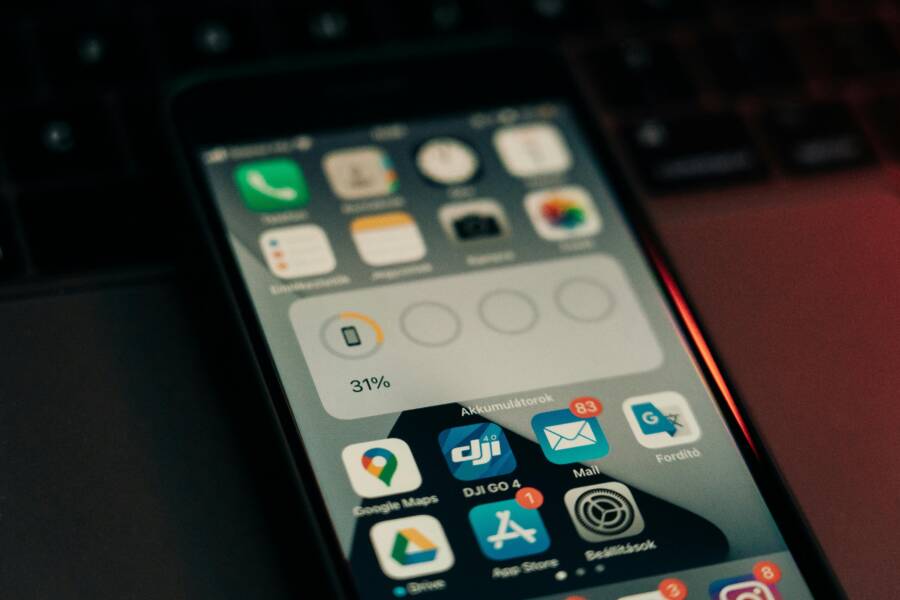
Photo by Szabó Viktor
Screen Brightness and Always-On Displays Eat Power
Your screen is the main power hog. Brightness levels and high refresh rates consume a lot of energy, especially when you’re outdoors or scrolling quickly through content. Here’s how to tame the glow without losing usability:
- Brightness management: Use auto brightness as a baseline, then set a reasonable floor. If you often use your phone in bright environments, consider keeping brightness at moderate levels instead of maxing it out.
- Refresh rate considerations: Many modern phones offer a high refresh rate. If you don’t notice a difference in everyday use, switch to a standard 60 Hz mode. The result is a noticeable drop in energy use with minimal perceived impact on smoothness.
- Dark mode and OLED advantages: On OLED displays, dark mode can save power because blacks render as pixels that are off. Enable dark mode system-wide and in apps where you spend a lot of time. Even small, persistent dark themes can add up over a day.
Practical tip: For mixed usage, keep a bright display for outdoor navigation or photos, but switch to a dimmer setting for reading and messaging. This targeted approach preserves battery while keeping essential features usable.
Location, Bluetooth, and Wi-Fi Running Non-Stop
Location services, Bluetooth, and constant Wi-Fi scanning quietly sip power in the background. Even when you’re not actively using them, they stay awake and chase signals. Consider these scenarios and adjustments:
- GPS and navigation apps: When you follow a route, GPS continually checks your position. If you’re not driving or walking, switch to trip or “while using the app” mode so location tracking pauses when the app isn’t in the foreground.
- Bluetooth in the background: If you don’t need constant device pairing, turn off Bluetooth or use it only when necessary. This is especially helpful if you keep a Bluetooth accessory connected but not in use.
- Wi-Fi constant scanning: Your phone may continuously scan for networks, even when you’re on mobile data. If you’re not near known networks, disable automatic network scanning or toggle Wi-Fi off when you don’t need it.
In real life, a typical drain scenario might be a navigation app guiding you to a meeting with the screen on for extended periods, GPS active, and a few background checks happening in the background. Turning off location after arrival, using power-saving modes, and limiting background activity can trim a surprising amount of drain.
Apps and Notifications Waking Your Phone Constantly
Notifications and background syncing keep your phone useful, but they can also become a steady power draw. The trick is to balance responsiveness with restraint.
- Push notifications and background syncs: Some apps frequently wake the CPU to fetch data. This is common with social media, messaging, and email clients. Review notification settings and disable nonessential alerts or set quiet hours.
- Power-hungry apps: Games, live-streaming apps, and media apps often remain active in the background. If you don’t need real-time updates, set those apps to a lower background activity level or restrict background data.
- Smart management steps: Use do not disturb during focus times, enable battery saver modes when you’re idle, and close apps that you’re not actively using. For apps that truly require background updates, grant the minimum necessary permissions and limit background refresh to Wi-Fi only if possible.
A practical approach is to audit your most-used apps. Start with the top 5 that you interact with daily and check how they behave in the background. You’ll often find one or two culprits responsible for a large portion of the drain. Then adjust their notification settings and background activity accordingly.
Images are a powerful way to illustrate the idea of battery health and usage patterns. If you’re sharing a visual in your article, a clean infographic showing how screen usage, location services, and background processes intersect can reinforce the message. For example, a simplified diagram that maps “Screen Time” to battery percentage and highlights the impact of enabling or disabling features can help readers grasp the concept quickly.
Quick Settings Fixes to Make Battery Last Longer
Small changes to how you use your phone can add hours of screen-on time. This section focuses on practical tweaks you can apply today, on both iPhone and Android, to squeeze more life from every charge. Think of these as a set of well‑proven habits you can mix and match depending on your day.
Dim Your Screen and Enable Auto-Brightness
Your display is the single biggest power draw. By dialing down brightness and letting your phone adjust automatically, you reduce energy use without sacrificing readability.
- Pull down the quick settings panel or open the Display settings to enable Auto-Brightness. This uses sensors to adjust brightness based on ambient light, so you get a comfortable view without manually tweaking sliders.
- Establish a sensible brightness floor. If you often work outside, you may still want moderate brightness outdoors, but indoors you can let the auto setting keep things lower.
- Consider refresh rate. If your device supports a high refresh rate, switch to 60 Hz for everyday use. The eye won’t miss most of the time, and the energy savings add up.
- On OLED screens, dark themes can save even more power. Activate dark mode system-wide and in apps you use most. Blacks render as off pixels, which reduces overall power draw.
Practical tip: Use a brighter setting only when you need it for navigation or photos. For reading and messaging, a dimmer display can dramatically extend battery life.
Switch to Dark Mode for Big Savings on OLED Screens
If your device has an OLED or AMOLED display, dark mode can translate into meaningful battery savings. It’s not a gimmick; it changes how pixels are powered, which reduces energy use when you show dark content.
- Turn on dark mode in Settings and enable it for as many apps as possible. Many apps honor the system theme, so you only need to switch once.
- Use dark wallpapers. Light backgrounds still require energy on non-OLED screens, but on OLED phones, dark backgrounds use fewer lit pixels.
- Consider mixed usage. Keep dark mode enabled while you’re indoors or in apps with dark UI, and switch to light mode when you need bright visuals or color accuracy for photos.
Evidence and guidance from reputable sources note that OLED devices benefit the most from dark mode. If you’re curious about how to apply this across devices, see the guidance from comprehensive tech coverage and official support resources.
For more context, you can explore how Android and iPhone users implement these settings in practice and what to expect in day-to-day use.
Activate Low Power or Battery Saver Mode
Battery saver modes provide a safety net when you’re low on juice or facing a busy day. They reduce background activity, slow down performance slightly, and restrict nonessential features to stretch your remaining power.
- Location, background activity, and syncs get a temporary throttle in Battery Saver or Low Power modes. This helps when you’re away from a charger or traveling.
- On iPhone, look for Low Power Mode in Settings > Battery. On Android, you’ll find similar options under Battery or Device care depending on the maker.
- Use it strategically. Turn it on when you’re approaching a low level or when you won’t have reliable charging for a while. Don’t leave it on all day if you rely on real-time updates or heavy app use.
If you want deeper reading on how these modes function and how they impact real-world usage, you can check external guides and support articles that compare Android and iPhone implementations. These resources explain what gets limited and what stays active, helping you decide when to enable Battery Saver mode.
Manage Apps and Background Activity Like a Pro
A smartphone works best when you tune it to run only what you need, when you need it. This section helps you reclaim idle power by trimming background activity and reducing wake-ups without compromising essential features. You’ll learn exact steps for both iPhone and Android, plus a quick checklist of apps to review. Think of it as a power hygiene routine you can run in minutes.
 Photo by Andrey Matveev
Turn Off Background App Refresh for Unused Apps
Background App Refresh lets apps update content even when you’re not using them. It sounds handy, but it’s often a hidden battery sink. Here’s how to disable it for apps you don’t need actively refreshing.
- Step-by-step for iPhone
- Open Settings > General > Background App Refresh.
- You can choose “Off” for all apps or customize per app. For most users, turning it off entirely for nonessential apps is simplest.
- Reconsider system and stock apps that you don’t rely on for real-time updates. If you don’t use them, switch off Background App Refresh for those too.
- If you must keep some apps woken up, select “Wi‑Fi” only to cut cellular drain.
- Check frequently used apps like social media, email, and weather. Keep Refresh on for those you truly need on the live side.
- Apps to check: social media apps (Facebook, Instagram, TikTok), messaging apps (iMessage, WhatsApp, Messenger), email clients, news apps, weather apps.
- Step-by-step for Android
- Open Settings > Apps & notifications > select an app.
- Tap Battery or Background restriction (labels vary by manufacturer).
- Turn on a background restriction or “Put to sleep” mode for apps you don’t need updating in the background.
- For broad control, go to System > Developer options (if enabled) and adjust background processes limit.
- Revisit high-drain apps like social feeds, video players, and live widgets to restrict background activity.
- Apps to check: social networks, messaging platforms, news readers, streaming apps.
Why this matters: many apps wake the CPU on a schedule, fetch data, or refresh content. Limiting these operations for unused apps trims wake-ups and saves juice across the day. If you want a quick reference on the topic, see guides from major providers that walk through disabling background activity on iPhone and Android.
- iPhone focus on background refresh controls: Apple’s guidance on Focus and battery modes can help you tailor updates around your day. See Apple’s overview for power modes and Focus setup to keep work time efficient and battery friendly.
- Android users can explore notification controls and background data management to curb unnecessary activity. Learn how to manage notifications and background tasks to reduce drain.
Tip: start with the top five apps you rarely use but that routinely refresh. You’ll notice a tangible lift after turning them off.
Cut Notifications to Reduce Wake-Ups
Every ping, badge, and alert wakes your device. Fewer notifications mean fewer wake-ups and longer screen-off stretches between charges. Here’s how to tighten per-app controls and use a focused approach on iPhone.
- Per-app management on iPhone
- Open Settings > Notifications.
- Review each app’s alert style, sounds, and badges. Turn off banners and sounds for nonessential apps.
- Use Focus modes to silence alerts during work, driving, or wind-down time. Create a Focus profile that only allows alerts from critical people or apps.
- For apps that must stay current, set them to deliver updates only during intervals you choose, not constantly.
- Frequently review notification permissions—some apps request access to alerts you don’t actually need.
- Per-app management on Android
- Open Settings > Apps & notifications > select an app.
- Tap Notifications and customize categories. Disable nonessential alert types and sounds.
- Use Do Not Disturb with a tailored rule for work hours or family time, allowing only priority notifications.
- Some devices offer “Foreground service” controls. If an app uses persistent foreground services, review whether it’s essential and adjust if possible.
- Consider message batching: let email and chat apps fetch at intervals rather than in real time.
Reference points you can consult for deeper steps include official guides on Focus on iPhone and notification controls on Android. These resources explain how to balance staying informed with preserving battery life.
- On iPhone, Focus modes can help you reduce disruption while keeping essential people and apps active. Apple’s Focus setup guide walks you through creating and scheduling Focus profiles that align with your day.
- Android offers robust notification settings and the option to limit background activity. You can find step-by-step instructions from Google Help and major Android outlets that outline how to control per-app notifications and reduce wake-ups.
Fast, practical takeaway: start by muting nonessential apps during work and family time, then progressively tighten notifications for everything else. The fewer pings your phone receives, the longer it lasts between charges.
Images can help illustrate the concept of how notification management and background activity relate to battery life. If you include visuals, a diagram showing “Notifications” feeding into wake-ups and “Background Activity” being throttled can help readers grasp the impact quickly.
Further reading and practical references
- Learn how Focus modes on iPhone can help you tailor alerts while staying productive.
- Explore Android’s notification controls to prevent constant waking and data syncing.
This section equips you to reclaim control over your device’s behavior. With these steps, your phone stays responsive where it matters, yet pauses when it doesn’t, giving you more reliable all-day performance.
Smart Charging Habits That Protect Your Battery Health
A healthy battery isn’t only about what you do during the day. It also hinges on how you charge your phone. Smart charging habits can extend the life of your battery and keep it reliable when you need it most. Below, you’ll find two focused sections that translate into real-world results. Think of these as practical guardrails you can apply today.
Stick to 30-80% Charge Levels Daily
Keeping your battery between 30 and 80 percent is a simple rule that pays off over time. Lithium-ion cells perform best when they avoid sitting at 100 percent for long stretches or dropping below 20 percent—both states add stress that can shorten lifespan. By making 30–80% your everyday range, you reduce the chemical strain inside the cell and preserve capacity for the long haul.
How to put this into practice:
- Set charging targets where possible. Some phones let you cap charging at 80 percent or schedule charging to finish before you wake up. If your device supports it, enable this feature so the phone stops charging at the target level automatically.
- Plan top-ups around your day. Don’t wait for your battery to hit zero. A quick midday top-off can keep you in the safe zone without pushing toward full charge.
- Use battery health insights. Many phones provide a Battery Health or Usage section that suggests optimal charging ranges. Rely on these cues to adjust habits over time.
Why this works: lithium-ion chemistry handles partial charging more gracefully than chronic full charges. It reduces heat generation, slows calendar aging, and preserves capacity cycles. If you want to dig deeper, resources from reputable sources explain how stopping at 80 percent can protect the battery’s structure over time. For a broader view on charging and battery health, see practical discussions like those from industry analyses and battery-focused guides. Batteries – Maximizing Performance
He Was Drowning in Bills and Burnout Until a Simple Daily Ritual Rewired His Brain for Wealth in Less Than a Week
>>> Start Your Shift Today <<<

She Pressed Play on a Strange Audio Track and Within Days Her Financial Reality Started Shifting in Ways She Could Not Explain
>>> See How It Works <<<

Practical tip: when you’re in a pinch and must charge to 100 percent, don’t stress. Try to avoid leaving the phone plugged in after it hits full. A short top-up that ends around 80–85 percent can still keep you in a healthy range for the next stretch.
Reader-friendly takeaway: adopting a 30–80% habit is a straightforward, high-impact change. It’s especially effective if you frequently charge overnight or rely on fast charging at the end of the day.
If you want a deeper read on how charging limits influence battery chemistry, a helpful perspective comes from battery health guides and practical charging studies. A recent explainer from EcoFlow breaks down the science behind charger behavior and battery longevity. Charge Phone to 80%: Battery Health Truth You Need …
Skip Overnight Charging and Watch for Heat
Overnight charging can be convenient, but it often means your phone stays near full for hours. That steady state isn’t ideal for battery longevity. Plus, heat is a major culprit in accelerating wear. If you want to protect battery health, consider these strategies and tips.
What to do:
- Avoid leaving the charger plugged in all night. If your device tends to stay at 100 percent for hours, unplug once you reach the target. If you rely on a time-based charge, use a charging schedule that ends before bedtime.
- Embrace daytime top-ups when possible. Short, frequent charges can keep you out of the extreme ends of the charging spectrum. A few minutes here and there can add up to a much more forgiving charging pattern.
- Keep your phone cool while charging. Remove it from a crowded case if it heats up, ensure it sits on a hard surface for airflow, and avoid charging on soft materials like a bed or pillow. If heat spikes happen regularly, consider charging in a cooler room or at a desk with airflow.
- Use original or reputable chargers. Cheap or third-party chargers can deliver unstable current that generates extra heat. Stick with certified options from trusted brands.
Why heat matters: high temperatures accelerate chemical reactions inside the battery, hastening capacity loss. Monitoring heat during charging and choosing cooler charging scenarios preserves battery health over time. If you’re curious about the heat factor, see guidance from reputable tech sources on why charging heat happens and how to minimize it. Why Does My Phone Get Hot When Charging
Smartphone users can also benefit from a quick check of official guidance on maximizing battery performance. Apple compiles practical tips on battery care, including how to handle charging and heat. Batteries – Maximizing Performance
Real-world note: daytime top-ups are often more practical for most people. If you work from an office or spend long periods away from a charger, plan a couple of short boosts mid-day rather than a long session late at night. A cool, controlled charge routine reduces heat spikes and helps maintain overall health.
Bonus tip: longer battery life isn’t only about charging. Keeping software up to date and using power-saving modes when you don’t need peak performance can further protect the battery while you stay connected. For more context on how various charging configurations affect long-term health, review trusted resources and manufacturer guidance. Batteries – Maximizing Performance
By applying these two focused habits, you’ll notice steadier battery life throughout the day and over the months. The goal is a practical balance: enough charge to get through your tasks, without pushing the battery to its harshest operating limits.
References and further reading
- Learn about how to optimize charging to extend battery life. Charge Phone to 80%: Battery Health Truth You Need …
- See official guidance on maximizing battery performance for iPhone. Batteries – Maximizing Performance
- Understand why heat during charging matters and how to reduce it. Why Does My Phone Get Hot When Charging
This section provides practical, ready-to-implement guidelines you can apply today. They blend straightforward actions with battery chemistry insight, giving you real, measurable improvements in daily phone use. For more on how to fine tune settings and explore deeper trade-offs, we’ll cover additional strategies in the next section.
iPhone and Android Features for All-Day Battery Power
Smartphones now come with built-in tools that help you push through a full day without hunting for a charger. This section covers the two essential capabilities you should turn on right away. You’ll learn what each feature does, where to find it, and how it can extend your daily power. By using these features together, you can keep your device responsive for work, travel, and streaming without constant charging.
Enable iPhone Optimized Charging and Low Power Mode
iPhones are designed to protect battery health while keeping you connected. Optimized Charging slows the full-charge process until you need the phone, reducing long-term wear. Low Power Mode cuts background activity and certain animations when you’re running low on juice, helping you squeeze out extra hours when a charger isn’t handy.
What to enable and where to find it:
- Optimized Charging: This feature learns your daily charging routine and uses on-device intelligence to delay the final portion of charging until you’re likely to unplug. It’s a subtle adjustment that protects battery health over months and years.
- Low Power Mode: A straightforward way to extend remaining battery time by reducing activity in the background and lowering system demands.
Exact paths: Settings > Battery.
Practical tips for best results:
- Enable Optimized Charging by default, but have it automatically finish charging to 100% just before your typical wake time. If your schedule varies, you can still rely on the feature to reduce wear without sacrificing readiness.
- Use Low Power Mode when you predict a long day away from a charger. It’s not a permanent setting; turn it off when you need peak performance for tasks that depend on real-time updates.
Why this matters: Optimized Charging and Low Power Mode work together to balance day-to-day usability with battery longevity. By reducing the time your battery spends at 100%, you slow aging and keep capacity healthier for the longer term. For a deeper dive on the official guidance, Apple’s resources explain how charge limit and optimization relate to long-term health and performance. You’ll find step-by-step details at Apple’s support pages, including how to optimize battery charging over time.
Bonus insight: pairing Optimized Charging with a disciplined charging routine—like avoiding charging to 100% all night when possible—offers a noticeable bump in daily reliability. If you want a broader explanation of how these approaches fit into overall battery care, Apple’s battery care guidance is a solid reference.
For a quick read on how iPhone users typically leverage these settings, you can explore official guides and practical summaries from Apple’s support sites.
Relevant links:
- https://support.apple.com/en-us/108055
- https://support.apple.com/guide/iphone/optimize-battery-charging-iph9202bbd07/ios
- https://www.apple.com/batteries/maximizing-performance/
Turn On Android Adaptive Battery and Saver Tools
Android devices take a data-driven approach to power management. Adaptive Battery learns your usage patterns to limit power for apps you don’t use often, while Battery Saver modes kick in when you need extra endurance. Turning these features on is one of the fastest ways to extend daily runtime without sacrificing essential tasks.
What to enable and where to find it:
- Adaptive Battery: Built into modern Android versions, it analyzes how you use apps and restricts energy for those you don’t frequently open.
- Battery Saver or Battery Optimization: These modes trim background activity, lower performance where acceptable, and reduce nonessential processes to stretch remaining charge.
Exact paths: Settings paths for Battery menu features.
Practical guidance:
- Keep Adaptive Battery on, especially if you install many apps or use a mix of social, productivity, and media apps. It’s designed to adapt as your habits change.
- Turn on Battery Saver when you anticipate a long day without a charger, or when you’re traveling. It’s a safety net that buys you time without monitoring every app individually.
- Review app-specific permissions and background activity. Some apps will still need updates or quick rechecks; restrict those that don’t, and keep the rest on a reasonable refresh schedule.
Why this matters: Android’s adaptive features make power savings feel automatic rather than manual. You’ll notice longer periods between charges, especially on days with heavy app usage or frequent notifications. If you want a broader understanding, Android-focused outlets and official Google guidance explain how Adaptive Battery and battery optimization work in practice.
Helpful resources and where to look:
- Google’s official support article on keeping Adaptive Battery and battery optimization on
- Android Authority and ZDNet explain practical steps and settings they’ve found effective on representative devices
- General guidance from major Android outlets on turning on these features and refining per-app controls
External references for deeper reading:
- https://support.google.com/pixelphone/answer/7015477?hl=en
- https://www.zdnet.com/article/own-an-android-phone-12-settings-i-changed-to-greatly-extend-its-battery-life/
- https://www.androidauthority.com/android-adaptive-battery-explained-3223097/
Putting it into practice: Start with Adaptive Battery enabled, then review Battery Saver timing. If you notice certain apps still drain aggressively, adjust their background activity or consider forcing them to sleep when you aren’t actively using them. This approach keeps your phone responsive for important tasks while trimming the energy hungry routines in the background.
A practical takeaway: enabling these Android tools is a near plug-and-play step that pays off over the course of a day. It’s especially effective when you combine them with thoughtful app management and occasional manual tweaks for high-drain activities like navigation or video streaming.
Real-world read: if you’re curious about how brands implement charging optimization and power-saving across Android devices, tech explainers and official support articles offer a useful overview. For a broad view of adaptive battery and app-level controls, the sources above provide solid, practical guidance.
In short, turn on Adaptive Battery and Battery Saver, then fine tune the settings for your daily routine. The result is longer all-day use with less fiddling and more reliability when you need it most.
Conclusion
Extending all-day battery life comes down to small, consistent changes you can rely on. Focus on smart charging, careful background management, and sensible display tweaks for real results you can feel day to day. When you pair Adaptive Battery or Low Power modes with thoughtful app use, you create a reliable rhythm that keeps your smartphone ready for work, travel, and life’s moments.
Quick actions to start now:
- Dim the screen and enable auto brightness
- Turn on battery saver or adaptive battery
- Disable background refresh for unused apps
- Manage notifications to reduce wake-ups
- Charge to a healthy range and avoid overnight full charges
Try one change today and notice how your phone behaves. A simple tweak can add hours of usable time without sacrificing essential features. This approach also benefits long-term health, helping your device stay responsive for longer.
Thanks for reading. If you’ve tried a tip or two, share your results in the comments and inspire others. Your experience can help someone else keep their all-day battery promise.
She Pressed Play on a Strange Audio Track and Within Days Her Financial Reality Started Shifting in Ways She Could Not Explain
>>> See How It Works <<<