She Pressed Play on a Strange Audio Track and Within Days Her Financial Reality Started Shifting in Ways She Could Not Explain
>>> See How It Works <<<

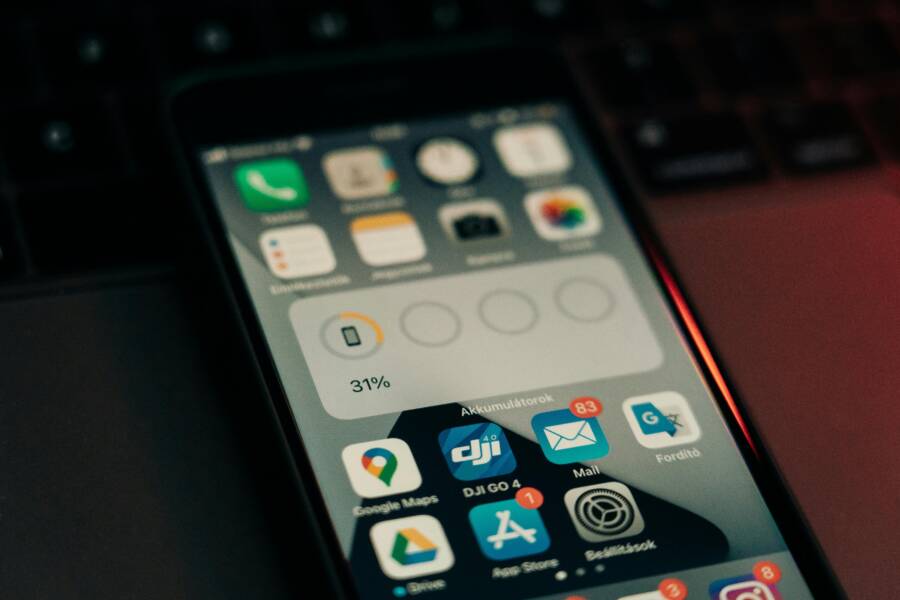
You notice your phone battery dropping from full to half in just a few hours, even though you’ve hardly changed how you use it. If this feels new and sudden, you’re not alone. A quick scan of the usual suspects can often fix the problem without buying a new battery.
Sudden battery drain often comes from simple, fixable causes. A recent software update can wake up background tasks that sip power all day. Apps that refresh in the background, especially those that use location or constant network activity, can pull power without you noticing. Bright screens, long screen timeouts, or weak signal where the phone fights to stay connected also speed up drain.
The good news is most fixes are straightforward. Start by checking for any new updates that address battery bugs. Then trim background activity by restricting app refresh and location access. Lower brightness and shorten screen timeout to cut idle power use. If your battery is old or swollen, replacement is the best path forward. In many cases, you’ll see a noticeable improvement after a few standard tweaks.
In this post you’ll learn a practical, step by step checklist to identify and fix the top causes of sudden battery drain. We’ll cover software, apps, display settings, and connectivity, with simple tests you can run today. By the end, you’ll have a clearer sense of what’s draining power and how to recover a full day of use from your smartphone. The goal is real, lasting improvement, not guesswork.
There Is a Frequency That the Wealthiest Families Have Used for Generations and Most People Will Never Know It Exists
>>> Open the Door <<<

Apps Running Wild in the Background
When your phone suddenly drains power, it often means apps keep doing work in the background. Some tasks run quietly, using data, GPS, or sensors long after you’ve finished with them. The goal of this section is to spot the main culprits and learn quick fixes so your day lasts longer between charges.

Spot the Worst Battery Hogs
Find out which apps are sipping power by checking battery stats screen by screen. On iPhone, go to Settings > Battery to see usage by app. Tap View All Battery Usage to view the percentage each app used over the last eight days. High percentages point to heavy drain, not just busy moments. On Android, open Settings > Battery > Usage to see a similar breakdown. Look for apps that stay active even when you’re not using them. If an app shows a big share of drain, try force stopping it or limiting its background activity. For example, an email app that checks every minute can be a surprising power hog. If you notice persistent high usage after a single fix, consider updating the app or replacing it with a lighter alternative. For deeper insights, you can review battery health and usage patterns via official support pages like Apple’s guide on battery usage. Learn more: Check battery usage on your iPhone, Understand your iPhone battery usage and health
Limit Background Activity Now
Tighten up background work to stop hidden drain. On iOS, disable Background App Refresh for apps that don’t need to stay updated while you’re not using them. Go to Settings > General > Background App Refresh, then switch off for individual apps or disable it entirely. On Android, enable Battery Optimization to limit app activity when the screen is off, but remember to whitelist essential apps like messaging or maps. You’ll find this under Settings > Apps > [Your App] > Battery > Background restrictions or Battery optimization. Always review location permissions; granting location access only while using the app can dramatically cut power use. Avoid killing system apps; they’re built to run essential tasks without draining power. A common example is a mail app that checks for new messages too often. See how to manage background activity for iPhone and Android here: How to turn off background apps on your iPhone and Android, Android: Check if my app is allowed to run background activities
Screen Brightness and Always-On Displays
Screen brightness and always-on displays are common culprits behind sudden battery drain. Getting these under control can restore a full day of use without heavy tweaks. Below is a focused, practical step-by-step approach you can implement today.
Tame Your Screen Settings
Step-by-step: enable auto-brightness, cap brightness at 50%, and turn off always-on. Auto-brightness uses the ambient light sensor to adjust the screen, so you’re not blasting power when it’s unnecessary. Set the maximum brightness to around half of what you typically use; this provides comfortable visibility while slashing power use. Turning off always-on display removes a continuous background draw that keeps parts of the screen active even when you’re not looking at it. In practice, these changes can translate to about a 20–30% improvement in daily battery life, depending on your environment and usage. After you adjust, test in real use: note how quickly the screen wakes and how bright it is in bright daylight. For reference, Apple explains how screen and battery features interact on iPhone, while Android provides clear steps to save battery with display settings. See: How to save battery life on Android displays and Always-on Display impact on battery life.
Weak Signals and Data Usage
When your phone is fighting a weak signal or constantly switching between networks, it ends up burning through power faster. Data hungry apps, background syncing, and constant tower searches keep the radio active long after you’ve stopped using the device. This section breaks down two practical tactics to reduce that drain: using Wi‑Fi whenever you can, and understanding when airplane mode actually helps.
Switch to Wi-Fi When Possible
Wi‑Fi uses less power than a cell connection, especially in areas with patchy coverage. The radio can stay in a steady state on Wi‑Fi, whereas weak cellular signals force it to repeatedly search for a stronger signal, draining the battery in the process. To make this a habit, prioritize Wi‑Fi at home, in the office, and in public spaces that offer trusted networks. Disable auto-switch to cellular for critical tasks when you’re near reliable Wi‑Fi to prevent unnecessary handoffs. If you use a VPN, connect over Wi‑Fi only when you’re on a trusted network to avoid extra encryption overhead on the move. As a quick comparison, streaming 2 hours over data tends to pull more power than streaming on a solid Wi‑Fi connection, especially if the video quality is high. For reference, Apple’s battery guidance explains how to optimize usage and features that affect life on iPhone and iPad, while Google’s Android battery tips offer device‑specific settings to extend uptime.
Thousands of People Were Struggling With Money Until They Discovered This One Ancient Secret Hidden in Sound
>>> Unlock It Now <<<

- Learn more: If the battery in your iPhone or iPad drains too quickly
- Learn more: Get the most life from your Android device’s battery
Airplane Mode for Signal Black Spots
Airplane mode can be a simple, effective tool in areas with no signal. When you’re in a meeting, on a plane, or traveling through dead zones, turning on airplane mode stops the device from scanning for a signal and wasting power on constant retries. Turn it off when you expect service to return, then re‑enable data once you’re connected again. This small switch can save a noticeable amount of battery during long conferences or flights. If you frequently encounter spots with poor reception, consider keeping airplane mode as a quick toggle in your control center for rapid energy relief. For background reading, see guides on how to manage battery life across platforms and learn how signal strength affects power usage.
- If you’re curious about practical tips, explore: Stop Weak Cell Signal from Draining Your Phone Battery
Software Updates and Hidden Threats
Software updates can be a double edged sword. While they bring security fixes and new features, they can also introduce temporary battery drain or unintentional background activity. This section helps you spot update related glitches and shield your device from hidden threats. Think of your smartphone as a small computer; after an update it recalibrates its routines, and a little fine tuning goes a long way. Below, you’ll find practical steps to verify update health and quick checks for malware risks that could be quietly sipping power.
Check for Update Glitches
When a fresh update lands, it can wake up background tasks that quietly run for a while. Give your device a grace period of 1 to 2 days to settle, then optimize with targeted tweaks. Start by confirming there are no pending updates that address battery bugs, and install any available follow ups. Clear app and browser caches to remove stale data that can cause misreads of battery life. Next, trim background activity by restricting refresh intervals for key apps and limiting location access to only while using the app. A quick restart after these changes helps the system reindex and settle into normal patterns. If you still notice rapid drain after a week, consider deeper checks like battery health and, if needed, a factory reset as a last resort. For reference, see guidance on battery usage and post update fixes from Apple and Android sources: Check battery usage on your iPhone, Get the most life from your Android device’s battery
Scan for Malware Risks
Malware can masquerade as legitimate background tasks, quietly consuming power and other resources. Start with your device’s built in protections or a reputable free scanner to get a quick read on infections. Avoid sideloading apps from untrusted sources; this is a common doorway for unwanted software. Look for signs like sudden battery drops with minimal use, unusual data spikes, unexpected ads, or unfamiliar device behavior. Run a quick malware scan and review app permissions, especially ones that request location, microphone, or continuous background activity. If you suspect an infection, consider a second opinion with a well regarded security app. Regularly update all security apps and your system to stay protected. For trusted guidance on malware checks and protection, see resources from Norton and PCMag: Troubleshooting suspected malware on your Android device, Could Your Phone Have Malware? Here’s What to Look For
Battery Age, Heat, and Hardware Checks
As your battery health changes, a few tangible checks can reveal whether the issue is aging hardware, heat stress, or software quirks. This section keeps you focused on practical tests and quick fixes that don’t require guesswork. You’ll learn how to assess battery capacity, spot overheating patterns, and confirm the physical state of your phone’s components. Think of it as a regular tune-up for your smartphone, designed to extend daily uptime and avoid unnecessary replacements.
Test Your Battery Health
Knowing the real health of your battery helps you decide what to fix first. On iPhone, Settings > Battery > Health shows the maximum capacity and peak performance capability. If Battery Health drops noticeably, you may notice shorter daily endurance and more frequent charging. On Android, third‑party apps like AccuBattery or the ##4636## code can reveal remaining capacity, wear level, and charge patterns. Interpreting the numbers matters: a healthy battery often keeps above 80% capacity for a few years, while anything below 70% means faster drain and more noticeable performance drops. If health is declining, plan for a replacement or a targeted battery calibration. In addition to device prompts, consulting official guides can provide context. For reference, see guides on battery usage and health from Apple and Android sources: Check battery usage on your iPhone, Understand your iPhone battery usage and health
Beyond device menus, you can test real-world endurance. Fully charge, then use the phone normally until you hit around 20–30% in a few hours. Note whether the drop is steady or suddenly steep. If your drain is abrupt, it could hint at background processes or a rogue app rather than a failing battery. Keep an eye on charging behavior too; a battery that won’t reach full capacity or heats up during charging can indicate a problem with the charger or port. If you want extra context, reputable sources offer practical battery checks and best practices for extending life: How to check battery capacity on your Android phone and Android: Check if my app is allowed to run background activities
What If the Only Thing Between You and the Life You Deserve Is a Hidden Wealth Code Waiting to Be Activated
>>> Open the Door <<<

Avoid Overheating Traps
Heat is a silent killer for battery longevity. A smartphone that runs hot often drains faster than one kept in a cool, shaded spot. Common traps include cases that trap heat, charging while gaming, and high ambient temperatures. Start by removing bulky or poorly ventilated cases during charging or heavy use, and keep the phone out of direct sun. If you notice your device gets hotter than usual while gaming or streaming, pause and switch to a cooler environment. Simple cooling habits—taking breaks during long sessions, avoiding charging on soft surfaces, and using a fan or air-conditioned room—can make a big difference. For everyday scenarios, ensure you’re not charging under a blanket or in a hot car. If you’re curious about the science behind heat and battery chemistry, practical guides explain how heat accelerates wear and how to mitigate it: Prevent Phone Overheating: 11 Tips to Keep Your Phone Cool and Steps You Can Take Right Now to Avoid an Overheated Phone.
Smartphone users should also consider software and firmware updates that optimize thermal management, as manufacturers often refine how power and heat are balanced after patches. For more on hot charging and safe practices, see: Why Does My Phone Get Hot When Charging: 9 Reasons
Conclusion
If your phone is dying faster than usual, start with the numbers on the battery screen. Check which apps use the most power, how bright you keep the display, and whether the device is struggling to maintain a connection. A quick glance at battery stats sets the tone for the fixes that actually matter.
Top fixes to try today are simple and effective. Trim background activity and limit location access for apps that don’t need to run constantly. Lower screen brightness and shorten the screen timeout. Keep Wi Fi and cellular use balanced by preferring reliable networks. If a recent software update is to blame, install any available follow ups and clear caches to reset your power profile. Finally, test the battery health and plan for a replacement if the capacity has dropped noticeably.
If you implement one change now, you’ll see how small tweaks add up. For many users, a quick calibration or a targeted app setting can restore a full day of use. A healthy battery makes your smartphone feel like a trusted tool again. Share your results in the comments and help others with similar drain issues. With these steps, most battery drains are easy to fix without buying a new device.
What If the Only Thing Between You and the Life You Deserve Is a Hidden Wealth Code Waiting to Be Activated
>>> Open the Door <<<