She Pressed Play on a Strange Audio Track and Within Days Her Financial Reality Started Shifting in Ways She Could Not Explain
>>> See How It Works <<<

Imagine you’re about to drift off and your phone lights up with a ringing call from a loved one you cannot ignore. Do Not Disturb can wake you up from that moment with anxiety or guilt, so you want a simple fix that keeps most alerts quiet while letting a few through. This guide shows how to let key contacts through without turning off DND entirely.
On both iPhone and Android, you can tailor Do Not Disturb so your phone stays quiet for most people but rings for who matters most. You’ll learn how to designate favorites or specific contacts, and how to adjust calls and messages so you don’t miss urgent moments. The steps are straightforward and work with the latest software on smartphones today, so you won’t have to juggle apps or settings.
In this short walkthrough, you’ll get clear, practical directions you can follow in minutes. By the end, you’ll know exactly how to set up exceptions for calls, texts, and conversations, so you stay connected when it counts. Use these tweaks to keep your smartphone functioning as a practical tool for everyday life, not a source of constant interruptions.
What Is Do Not Disturb and Why Allow Exceptions?
Do Not Disturb (DND) is a built-in control that quiets notifications so your phone stays quiet most of the time. It helps you focus, sleep, or simply take a break from constant pings. But a flat silence can be risky when someone truly needs to reach you. That’s where exceptions come in. By allowing a few contacts or types of alerts to come through, you preserve safety and connection without drowning in noise.
What If the Only Thing Between You and the Life You Deserve Is a Hidden Wealth Code Waiting to Be Activated
>>> Open the Door <<<

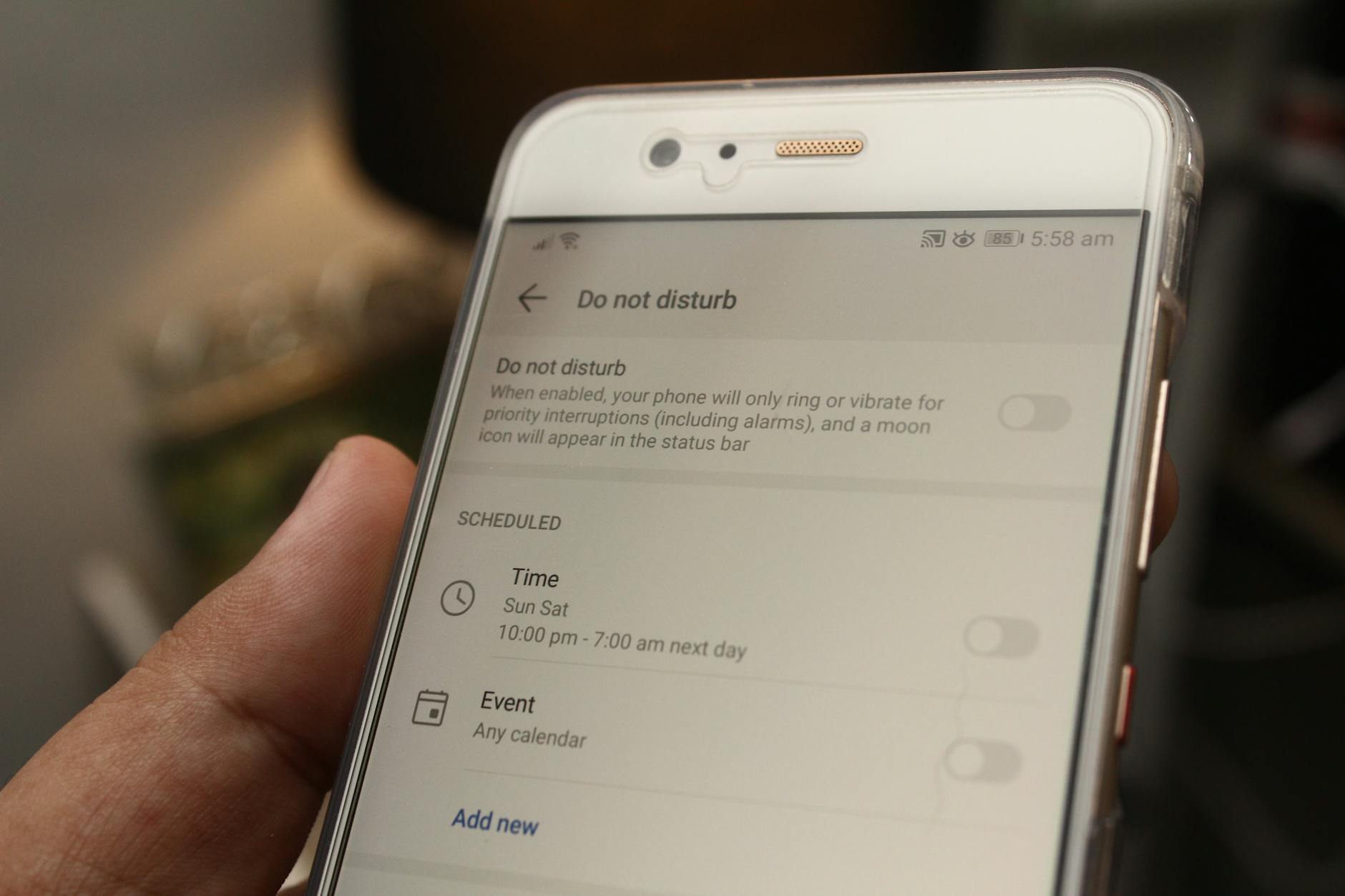 Photo by Daniel Moises Magulado
Why use Do Not Disturb in the first place
- Focus and productivity: DND minimizes interruptions during work or study, helping you maintain flow.
- Sleep and downtime: Silencing non-essential alerts creates a calmer night and healthier routines.
- Control and predictability: You decide when and how you’re alerted, reducing anxiety from unknown notifications.
- For many people, DND isn’t about hiding from the world. It’s about reclaiming control over attention.
The role of exceptions
- Urgent matters matter more: If a caregiver, boss, or partner needs to reach you during a crisis, an exception ensures you don’t miss that signal.
- Balance between silence and connection: Exceptions let you stay responsive to key people while still filtering out distractions.
- Customizable by context: You can tailor exceptions for different times of day, locations, or activities.
Who should you consider for exceptions
- Close family and emergency contacts: People who might need to contact you in a real emergency or time-sensitive situation.
- Key coworkers or clients: Those whose communications influence your immediate responsibilities.
- Trusted friends and neighbors: People who can help in everyday but time-critical moments.
Common types of exceptions you can set
- Calls from favorites or specific contacts: Allow important voices to ring through.
- Repeated calls: Some devices offer an option to allow a second call from the same number within a short window, signaling urgency.
- Text messages and app alerts from chosen contacts: Texts or messages from select people can interrupt DND.
- Alarms and timers: Your own devices’ alarms should always be audible.
Quick pointers for smartphones
- On iPhone, you can fine-tune Focus modes so Do Not Disturb lets through calls from favorites or groups you trust. Learn more from Apple’s support guide. https://support.apple.com/en-us/105112
- On Android, you’ll find DND alongside other Modes in Quick Settings. You can set exceptions for contacts, messages, and apps. https://support.google.com/android/answer/9069335?hl=en
Real-world example
Imagine you’re piloting a project with tight deadlines. You set DND to silence distractions, but you keep calls from your supervisor and messages from your lead developer open. If an urgent issue arises, you’ll hear it without sifting through a flood of nonessential alerts. This setup gives you quiet while guaranteeing access for critical moments.
How to approach setting up exceptions
- Start with a small list of trusted contacts. Test for a week and adjust as needed.
- Use a schedule or location-based rule if your phone supports it. For many people, evening downtime and weekend calm benefit most from stricter rules.
- Review your settings periodically. If your life changes, so should your DND exceptions.
- If you want deeper guidance, reputable sources and guides offer step-by-step help for both iPhone and Android users:
- Apple Support — How to turn Do Not Disturb on or off on your iPhone
- Android Help — Limit interruptions with Modes & Do Not Disturb on Android
- How to set up Do Not Disturb with exceptions for iOS and Android
By understanding what Do Not Disturb does and where to draw the line, you gain a practical tool. You keep your smartphone quiet when you need it, yet open the door to essential voices when it truly matters.
How to Let Specific Contacts Through on iPhone
If you rely on Do Not Disturb to stay focused or sleep, you still want to hear from the people who matter most. On iPhone, you can tailor who can break through your silence. This section walks you through two practical setups: letting calls come through from Favorites or groups, and giving one VIP contact an emergency bypass. Both approaches keep quiet on the rest while ensuring you don’t miss critical moments.
Allow Calls Only from Favorites or Groups
When you want a selective ring, start with the simplest approach: allow calls from Favorites, a defined group, or all contacts with a caution about the last option. Begin by adding people to Favorites so they can bypass the Do Not Disturb silence. In the Phone app, find a contact and tap “Add to Favorites” or use the contact’s details to mark them as favorite. If your device supports groups, you can place trusted contacts into a group and allow calls from that group instead of a long favorites list. This is especially handy for families or small teams who coordinate during busy days.
Benefits are clear. For family setups, you stay reachable during emergencies without inviting every family member to interrupt. For work, key teammates or a focused project lead remain within reach while nonessential alerts stay quiet. It’s a simple balance: quiet in the background with a direct line to the voices you rely on.
Implementation tips:
- In Focus or Do Not Disturb, choose “Allow Calls From” and select Favorites, a specific group, or All Contacts with a warning about the last option.
- If you are new to Focus, read through Apple’s guidance to confirm current steps, options, and version differences. For reference, see the official guidance on Allow or silence notifications for a Focus on iPhone. https://support.apple.com/guide/iphone/allow-or-silence-notifications-for-a-focus-iph21d43af5b/ios
- Test the setup during a typical day. Make small tweaks to who is included and when notifications should come through.
A practical example: you’re coordinating a family weekend. Set up a Favorites list with your partner, kids, and a grandparent. DND remains active for everyone else, but your family can ring through when it matters most.
Smartphone users who juggle many messages will appreciate the clarity this approach offers. The goal is a predictable rhythm: quiet majority, audible moments when you truly need them.
Set Up Emergency Bypass for One Key Person
If you have a single VIP contact who must reach you no matter what, use Emergency Bypass. This per-contact override lets that person’s calls and messages ring through even when Do Not Disturb or Focus is active. Open the Contacts app, select the person, tap Edit, then choose Ringtone or Text Tone and turn on Emergency Bypass. Do this for any other VIP you want to guarantee access to during quiet hours.
Why it works well: you protect critical channels without loosening the blanket rule for everyone else. It’s especially valuable for caregivers, executives, or family members who need instant visibility in urgent moments. After enabling Emergency Bypass, test the setup by placing a test call or message at a time you would normally be in DND mode. This confirms that the exception behaves as expected.
In practice, emergency bypass gives you reassurance. You retain control of notifications while ensuring vital voices cut through the noise when timing matters most.
To reinforce your confidence, remember to review and adjust per-contact bypass settings as your circumstances change. For a deeper understanding of how this feature works across iPhone versions, you can consult community discussions and official help resources, such as guidance on setting up Focus with Emergency Bypass. https://www.podfeet.com/blog/2024/03/emergency-bypass/
Keep in mind that these bypass options are designed for clarity and reliability. A well-chosen VIP list minimizes potential interruptions while preserving access to critical people. If you’re expanding your circle, add new contacts gradually and re-test your rules.
External resources provide step-by-step instructions and tips for optimizing Focus modes on iPhone. It’s worth reviewing the official Apple support articles to stay aligned with the latest updates and settings.
Step-by-Step for Android Phones
Smartphone users often juggle quiet hours with urgent needs. This section focuses on a simple, reliable method to keep key people reachable even when Do Not Disturb is on. You’ll learn how to mark contacts as starred and what that means for alerts, especially on Android devices. The goal is to reduce noise while preserving access to critical voices when timing matters.
What If the Only Thing Between You and the Life You Deserve Is a Hidden Wealth Code Waiting to Be Activated
>>> Open the Door <<<
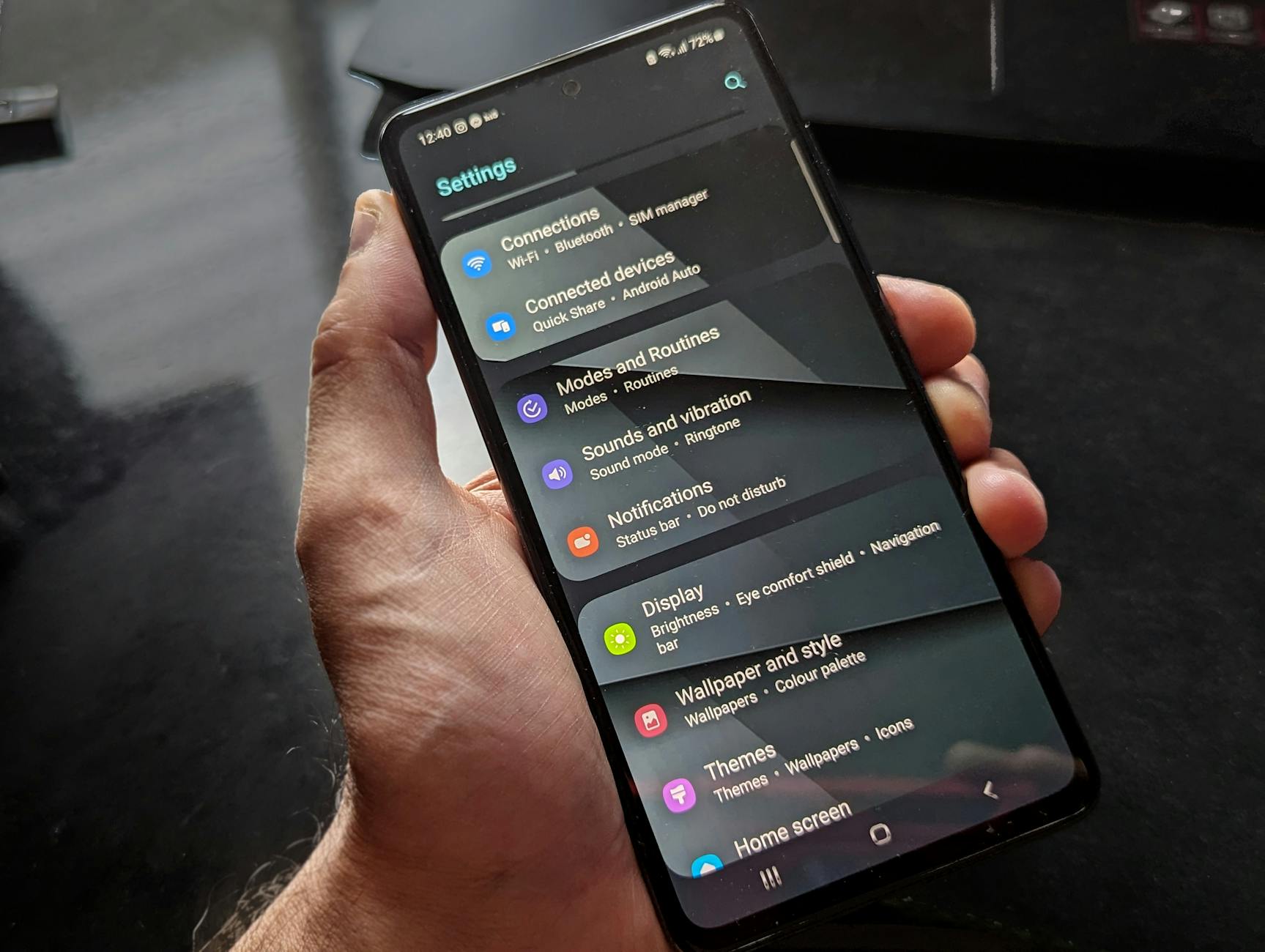 Photo by Watford London Media
Star Contacts for Quick Exceptions
Starring contacts is a fast way to create a small, trusted list that can bypass Do Not Disturb. Start by opening the Phone or Contacts app, and mark the people you rely on most as favorites or stars. On many Android models, you can designate these VIPs directly in the contact details or by using a dedicated “Favorites” or “Starred” tab. Once you’ve built your short list, head to DND or Modes settings and choose to allow calls and messages from Starred or Favorites. This approach keeps your phone quiet for everyone else while ensuring urgent voices can still get through.
Thousands of People Were Struggling With Money Until They Discovered This One Ancient Secret Hidden in Sound
>>> Unlock It Now <<<

Pros for small lists are clear: you reduce the chance of missing a critical call or message while keeping a calm notification environment. It’s ideal for families who need a quick lifeline or for professionals who must stay reachable during busy periods. If you test with a few trusted contacts, you’ll quickly gauge whether the setup meets real-life needs.
Implementation tips:
- In DND, select “Allow calls from” and pick Starred, Favorites, or a custom group.
- On some Android versions, you can create a dedicated “VIP” group and allow calls and messages from that group only.
- Test the setup during normal days and adjust as needed. If you’re unsure about the current steps, refer to official Android help guides for the latest options and wording.
- For a practical confidence check, simulate a real moment where you’d want an exception and confirm you hear the alert.
A real-world scenario: you’re coordinating a weekend trip with a small, trusted circle. Set up Starred contacts for your partner and a key family member. Do Not Disturb stays quiet for everyone else, but urgent calls or messages from these two break through when timing matters.
If you want extra assurance, pair Starred with a scheduled Do Not Disturb window. That way you preserve the quiet during most of the day, yet allow a brief, predictable window for important updates.
For further guidance, explore resources on how Android handles Do Not Disturb with exceptions and how starred contacts can influence that behavior. Here are some reputable references to review at your pace:
- How to add exceptions to Do Not Disturb on Android
- Do Not Disturb makes no noise for starred contacts
By using Starred contacts, you gain a straightforward, dependable method to keep essential communication open without losing control of your device’s overall quiet mode. This simple setup helps you stay present when you need it most while preserving the calm you built into your day.
Pro Tips and Common Fixes
Smartphones can be stubborn when Do Not Disturb or Focus modes misbehave. This section delivers practical, battle-tested tips to optimize exceptions, fix common hiccups, and keep your most important contacts reachable without firefighting your notifications every day. Think of it as a.quick playbook you can skim in minutes and implement in one sitting.
Quick checks that save you time
A few small adjustments often solve the majority of DND problems. Start with these to rule out the obvious blockers:
- Confirm the mode is actually on. It sounds simple, but a mis-tap can leave you thinking notifications are blocked when they aren’t.
- Double-check exceptions. The people who matter most should be in your allowed list or VIP group. If an important contact isn’t ringing through, revisit who’s included and the type of alert they trigger (calls, texts, app notifications).
- Review the schedule and location rules. If you rely on time or place to enable DND, a misconfigured window can block urgent alerts during off hours.
- Test with a real scenario. Have a trusted contact call or message during a controlled test window to confirm behavior.
If you’re curious for deeper guidance, Apple’s official support and Google’s Android help pages walk through Focus and DND setups in small, clear steps. For iPhone users, start with the official guide on Focus and notifications, then tailor it to your needs. https://support.apple.com/guide/iphone/allow-or-silence-notifications-for-a-focus-iph21d43af5b/ios
For Android, use the built-in Help Center to understand how Modes and DND interact with calls and messages. https://support.google.com/android/answer/9069335?hl=en
Common fixes that restore reliable exceptions
When exceptions stop working, it’s usually one of these issues. Address them in order to restore a smooth, predictable experience:
- Update your software. Outdated OS versions can cause misalignment between DND rules and the current UI. Install the latest system update to ensure you have the newest options and bug fixes.
- Rebuild your exceptions list. Remove outdated numbers or groups, then re-add the people who truly qualify as exceptions. This helps prevent forgotten entries from blocking important alerts.
- Verify contact permissions. Some apps require explicit permission to send notifications even when a mode is active. Check that the apps you rely on for urgent messages have the necessary permissions.
- Check for app conflicts. If you use third-party notification managers or automation tools, they can override DND rules. Temporarily disable them to see if behavior improves.
- Inspect repeated call settings. If you want second calls to come through, ensure that the “Repeated calls” option is enabled within your DND settings. This often signals urgency to your device.
Troubleshooting by platform: quick-path guidance
Because iPhone and Android handle DND differently, pinpointing the issue quickly saves time. Here’s a streamlined approach for each ecosystem.
- iPhone focus and DND: If calls aren’t breaking through, you may need to adjust “Allowed Notifications” within Focus. Start by ensuring Favorites or a specific group is chosen for call allowance. Then confirm that Emergency Bypass is enabled for VIP contacts if you need a per-contact override. See Apple’s Focus guidance for step-by-step instructions. https://support.apple.com/guide/iphone/allow-or-silence-notifications-for-a-focus-iph21d43af5b/ios
- Android DND: On many devices, the path is Settings > Sound & notification > Do Not Disturb. Verify that “Calls,” “Messages,” and “Conversations” are configured to pass from your Starred or VIP list. If you rely on a third-party app to quiet alerts, disable it temporarily to test whether it’s the source of the issue. If problems persist, consult Android community discussions for device-specific nuances. Do Not Disturb exceptions not working – Android Community. https://support.google.com/android/thread/235220397/do-not-disturb-exceptions-not-working?hl=en
Practical setup ideas you can copy
Beyond the basics, a few ready-to-use templates help you tailor DND without overthinking it. Pick the scenario that best matches your life, then tweak as needed.
- Family and home life: Create a Favorites list with your partner and a close family member. Allow calls and texts from this group while DND blocks others. This keeps emergencies or time-critical updates within reach without turning your phone into a ringing device for everyone.
- Work focus with external tempo: Allow calls from a project lead or key teammates during focused work hours. Schedule a short daily window for important updates to come through while keeping evenings quiet.
- Caregiver or on-call role: Enable Emergency Bypass for one or two VIP contacts. This ensures you don’t miss urgent calls during a crisis or when you’re away from the desk.
Real-world pitfalls and how to avoid them
Even well-planned rules can fail if you’re not paying attention to the details. Here are common missteps and simple fixes:
- Misunderstanding which notifications count. DND often controls calls, texts, and some app alerts, but not every app. If a crucial message comes through via a messaging app, verify that app’s own notification settings aren’t blocking alerts separately from the system.
- Overly broad exceptions. A large favorites list defeats the purpose of quiet hours. Keep the list tight and review it regularly.
- Time zone mismatches. If you travel across time zones, your scheduled quiet hours might not align with local time. Update rules to include time zone awareness if your device supports it.
Quick reference checklist
- Identify your top three to five contacts for exceptions.
- Decide whether to include a VIP for Emergency Bypass.
- Set up a test routine and run it weekly.
- Review app permissions that might block notifications.
- Keep your OS up to date to avoid quirks and bugs.
Where to learn more and get help
If you want deeper dives, consult reputable guides and community discussions that cover iPhone and Android nuances. For iPhone users, Apple’s official support articles provide the latest steps and terminology. https://support.apple.com/guide/iphone/allow-or-silence-notifications-for-a-focus-iph21d43af5b/ios
Android users can explore Do Not Disturb options and common fixes in Android help resources and credible tech sites. https://support.google.com/android/answer/9069335?hl=en
Android-focused guides also offer quick fixes for notification interruptions and tips on using starred or VIP contacts to keep essential messages flowing when DND is active. Android notification fixes and related topics are well covered by tech roundups and user forums, which can be helpful when you run into device-specific quirks. For a practical discussion, see resources about exceptions not working and tips on managing starred contacts.
By applying these pro tips and fixes, you keep the quiet you need while preserving access to the voices that matter most. A well-tuned Do Not Disturb setup isn’t about hiding from the world; it’s about choosing when to engage and who to hear first. Keep it simple, test often, and adjust as life changes.
Conclusion
A well tuned Do Not Disturb setup keeps life quiet when you need focus, and loud enough for the moments that truly matter. You’ve learned how to let key contacts slip through on both iPhone and Android, whether by using Favorites, VIP groups, or Emergency Bypass. With a smart smartphone setup, you can protect your downtime without losing essential connection.
Take a few minutes today to sketch your trusted list, test a real moment, and adjust as life changes. A tight, purposeful exception list reduces noise and raises the chance you’ll hear urgent voices when timing matters. This approach helps you stay present, productive, and safe, without feeling cut off from the people you care about.
If you found these tips useful, share them with friends and colleagues who juggle focus and accessibility. A quick setup now saves hours of interruptions later, especially for busy families, caregivers, and professionals. The goal is a calmer day that still keeps you connected when it counts.
Ready to optimize further? Check other notification guides on this site to tailor alerts for events, apps, and locations. You’ll build a smoother digital life with simple, practical tweaks that fit your everyday routines, starting now.
What If the Only Thing Between You and the Life You Deserve Is a Hidden Wealth Code Waiting to Be Activated
>>> Open the Door <<<