What If the Only Thing Between You and the Life You Deserve Is a Hidden Wealth Code Waiting to Be Activated
>>> Open the Door <<<

Ever tried to check your email or shop online only to hit a wall when a single website won’t load on your phone, while others run fine? You’re not alone. A glitch here or there can turn a routine check into a frustrating treasure hunt for answers.
In this guide you’ll learn quick, practical steps to fix a phone that cannot connect to a specific website. We’ll cover common culprits like DNS hiccups, browser caches, and network quirks, then walk through quick fixes you can apply on both Android and iPhone. By the end you’ll know how to get a stubborn site to load again without juggling multiple apps or tools.
He Was Drowning in Bills and Burnout Until a Simple Daily Ritual Rewired His Brain for Wealth in Less Than a Week
>>> Start Your Shift Today <<<

Think of this as your practical checklist. We’ll start with easy checks you can do in minutes, then move to phone specific solutions. If the site still won’t load after trying these steps, you’ll know the next moves, including when to test with a VPN or contact the site owner. This will help you get back to browsing smoothly on your smartphone.
Pinpoint Why Your Phone Blocks Just One Website
When a single site won’t load on your phone while others do, the trouble usually lives in a small pocket of your setup. The problem can be fleeting, tied to a momentary network hiccup or browser quirk. It can also be more persistent, rooted in DNS settings, app conflicts, or a misbehaving router. The goal of this section is to quickly identify whether the blocker is on your end or at the site, so you can apply the right fix without a lot of guesswork. Think of it as pinning down the exact door that’s preventing access, then choosing the simplest path forward. If you’re using a smartphone regularly for work or travel, you’ll want a reliable checklist you can pull up in seconds.
He Was Drowning in Bills and Burnout Until a Simple Daily Ritual Rewired His Brain for Wealth in Less Than a Week
>>> Start Your Shift Today <<<
Test Internet and Restart Basics
Start with the simplest checks before diving into deeper troubleshooting. Switch between Wi‑Fi and mobile data to see if the site loads on one network but not the other. If you’re on Wi‑Fi, try turning off the router by unplugging it for about 30 seconds, then plug it back in and wait for the devices to reconnect. If you’re on cellular data, toggle aircraft mode on for a few seconds and then turn it off to reset the connection. After any switch or reset, open the site again to test.
Restarting the phone is often the quickest fix for a stuck connection. To do this, press and hold the power button, then choose Restart. This clears temporary glitches in the network stack, background apps, and browser processes that can block a single website from loading. You’ll often see a noticeable improvement after a fresh start. Visualize the moment your screen goes dark and comes back with a clean slate for the browsing session. If the issue persists, move to the next checks, and consider testing on another device to confirm where the fault lies.
If the router is involved, a quick refresh is worth it. Unplug the router, wait 30 seconds, then plug it back in. Give it a minute to fully reboot and reconnect all devices. This can clear DNS caches and local routing quirks that sometimes spark selective site blocks. If you have a spare router or a mobile hotspot, testing with that device helps confirm whether your home network is the bottleneck. For further reading on similar DNS and connectivity headaches, check out resources like the guide on how to fix the “This Site Can’t Be Reached” error. https://kinsta.com/blog/this-site-cant-be-reached/
Spot Browser or App Conflicts
The browser or the app you use can cause a site to fail to load even when the connection itself is fine. Start by entering the full URL with the https prefix, for example, https://www.example.com, to rule out minor typos or redirection issues. If the site still doesn’t load, try using incognito mode. In Android, you can open Chrome in Incognito, and on iPhone you can use Safari’s Private Browsing or another browser to compare results. Incognito ignores most cached data and extensions, so it helps reveal whether the problem is tied to your local storage or a specific browser setting.
Ad blockers or privacy extensions are common culprits. If you have a content blocker installed, try disabling it temporarily and reload the page. Some blockers can prevent scripts or trackers from loading, which can stop legitimate sites from rendering properly. Even a well-meaning VPN or security add-on can interfere with certain websites, so test with those features disabled if needed. If the site loads in a different browser or in Incognito mode, you’ve pinpointed the issue to the browser or extension level, not the site itself. For more on browser-related connectivity issues, see resources like the Chrome help article on fixing connection and loading errors. https://support.google.com/chrome/answer/6098869?hl=en
If you’re using a typical smartphone, keep in mind that a few sites rely on specific scripts or third‑party services that may be blocked by default in some browsers. Switching to a different browser like Chrome on Android or Safari on iPhone can quickly reveal whether the problem is browser specific. This kind of cross‑checking saves you from changing network settings or reset steps that might not be needed. If you want to dive deeper into browser troubleshooting, you can explore guidance from reputable sources such as Google’s Chrome help pages. https://support.google.com/chrome/answer/6098869?hl=en
External resources can provide practical context, but your everyday workflow matters most. A failing site might originate from a temporary outage or a regional blocking rule, not your phone. If the site loads on another device but not on your phone, focus on the smartphone’s storage, caches, and permissions. Clearing browser data and reloading the site can often resolve the issue without affecting other apps. If you suspect a broader block, consult the site’s status page or contact the site owner for the most reliable update. For reference, consider the general guide to accessing a site that’s hard to reach. https://www.wikihow.com/Fix-if-You-Can%27t-Access-a-Particular-Website
By following these steps, you can quickly distinguish between a network problem, a browser quirk, and a site outage. This approach keeps you from spinning your wheels and helps you return to browsing with your smartphone in less time. If you still cannot access the site after these checks, you’re ready for the next phase, which covers DNS changes or more advanced networking tweaks.
Clear Browser Junk and Reset Cache Fast
Caching and cached data can slow you down or block a single site from loading. Clearing this data resets the browser’s memory and forces the site to fetch fresh content. The goal here is a quick reset that works across most phones and major browsers. Think of it as giving your browser a quick spring cleaning so it can start fresh. This section walks you through a straightforward, device-agnostic approach you can apply in minutes.
Step-by-Step Cache Clear for Most Phones
Before diving into OS specifics, perform a universal cache clear that applies to both Android and iOS devices. Start with the basics: open Settings, go to Apps or Apps & notifications, find your browser (Chrome, Safari, or another), tap Storage, then choose Clear cache. If you want to maximize the reset, also Clear data or Clear history and website data, understanding this will sign you out of sites. After you clear, restart the browser and try loading the site again. If you still encounter issues, replicate the steps on another browser to determine whether the problem is browser-specific or site-related. For deeper guidance on how browsers handle cached data, see Chrome’s official help article on clearing browsing data. https://support.google.com/chrome/answer/6098869?hl=en
Tweak Network Settings to Unblock the Site
When a single website won’t load on your phone, small network tweaks can clear the block without a full reset. This section covers two practical moves you can make quickly: turning off a VPN and adjusting DNS servers. These steps are device aware but stay simple enough to follow using your phone’s built-in menus. You’ll often see results right away, or you’ll quickly confirm whether the issue is tied to a VPN, DNS, or the site itself. If you stay methodical and test after each change, you’ll save time and avoid unnecessary restarts.
Disable VPN and Switch DNS Servers
First, turn off any active VPN to rule out a tunneling issue masking the site. On Android or iPhone, open the VPN app you use and select “Disconnect” or toggle the VPN off. If you don’t have a dedicated app, go to Settings > Network or VPN, and switch off the active profile. After disconnecting, try loading the site again. If it still won’t load, switch DNS servers to a public option. On Android, you can change DNS by going to Settings > Network & Internet > Wi‑Fi, long pressing your network, selecting Modify network, then set IP settings to Static. Enter DNS 1 and DNS 2 like 103.86.96.100 and 103.86.99.100, then reconnect. On iPhone, go to Settings > Wi‑Fi, tap the “i” next to your network, scroll to Configure DNS, switch to Manual, and add 1.1.1.1 and 9.9.9.9. Test the site after each change. If you need more guidance, see resources on turning off VPNs and changing DNS on Android and iPhone. https://nym.com/blog/disabling-vpn-on-android-and-iphone • https://support.nordvpn.com/hc/en-us/articles/20041353789585-Change-your-DNS-servers-on-Android
Test and Re-Test After Each Step
After you disable the VPN, open the site in a fresh tab. If it loads, the VPN was the culprit. If it does not load, switch DNS as described and test again. If you still can’t reach the site, revert to the original DNS settings to restore normal browsing for other sites while you troubleshoot further. For additional background on DNS changes and their impact on speed and privacy, see expert guidance on changing DNS servers for iOS and Android. https://www.bitdefender.com/consumer/support/answer/84759/
Android Fixes: Get That Website Loading Again
When a single website refuses to load on your Android phone, it can feel like a roadblock just as you’re ready to browse. This section covers practical, straight-to-the-point fixes you can apply on your Android device to get that stubborn site back online. You’ll learn to update apps, reset key network components, and verify that the problem isn’t on the site itself. Think of this as a quick tune-up for your smartphone that clears the usual culprits without overhauling your entire setup.
Update Apps and Reset Wi-Fi Mobile Bluetooth
Keeping your system and apps up to date is the simplest way to fix many connectivity quirks. Start with the basics: update Android system software and the browser you use, then ensure the Chrome browser (or your preferred browser) is current. Updates fix known bugs that can stop a site from loading or cause odd network behavior.
- Paths: Settings > System > System update; Play Store for Chrome. Check for and install any available updates.
- Full reset details: If updates don’t help, you can reset network settings to clear stubborn DNS or routing quirks. On Android, this typically means a single option like “Reset Wi‑Fi, mobile & Bluetooth” within the reset menu. This won’t erase your personal data but will remove saved networks and paired devices, so you will need to reconnect afterward.
After you perform updates or a reset, test the site again in a fresh tab. If it still won’t load, try loading the site in a different browser or in Incognito mode to determine whether the issue is browser specific. For a deeper dive into common Android network hiccups and how to resolve them, you can reference practical guides on Android network resets and browser troubleshooting.
- For reference on how to reset network settings on Android, see guidance from a trusted security-focused resource. https://help.nordlayer.com/docs/how-to-reset-network-settings-on-android
- If you’re troubleshooting a Pixel device, community discussions often reveal quick wins for Bluetooth and WiFi issues. https://support.google.com/pixelphone/thread/328313477/bluetooth-and-wifi-not-working?hl=en
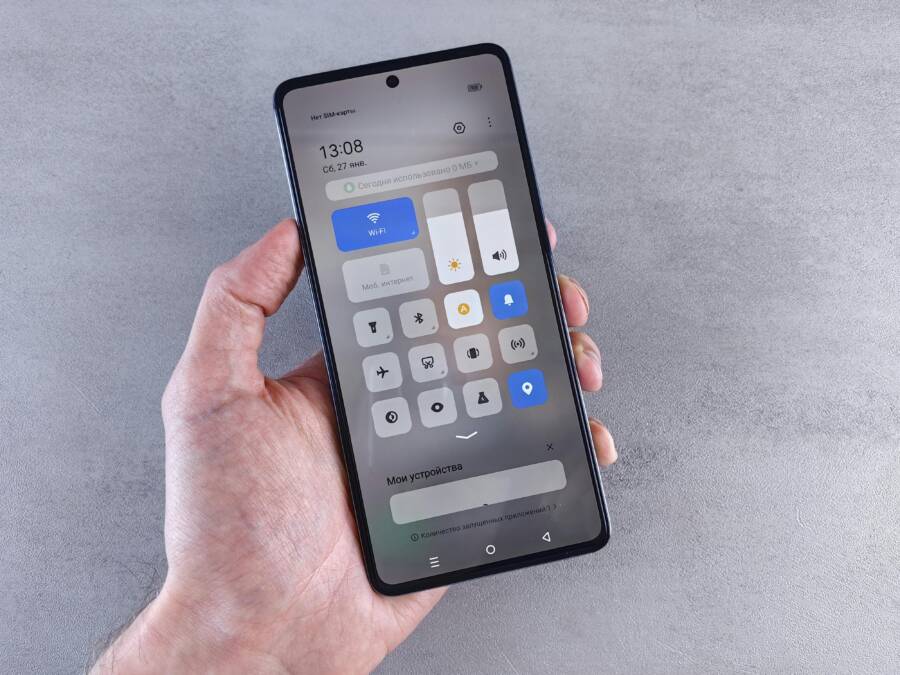
Images
 Photo by Andrey Matveev
iPhone Fixes: Simple Steps to Restore Access
When a single website won’t load on your iPhone, a quick reset can clear the block. This section walks you through a straightforward fix that often resolves issues tied to Safari data and device profiles. It’s a tidy, low-friction step you can run in a few minutes, with steps that apply whether you’re using iPhone or iPad.
Thousands of People Were Struggling With Money Until They Discovered This One Ancient Secret Hidden in Sound
>>> Unlock It Now <<<

Clear Safari Data and Check for Profiles
The first move is to clean out Safari’s cached data. This resets how the browser fetches site content and can fix odd loading quirks caused by expired cookies or stale scripts. On iPhone, go to Settings > Safari and select the option to delete your history and website data. After clearing, reopen Safari and try the site again. If the site still won’t load, the culprit might be a VPN or a managed profile on the device. Some corporate or school devices install profiles that enforce restrictions or redirect traffic. Check for these by navigating to Settings > General > VPN & Device Management. If you spot a VPN or profile you don’t recognize, review the details and consider removing it if you’re comfortable doing so. This step often reveals whether the block was browser-related or tied to a device-level policy.
If you want a deeper dive into Safari data management, Apple’s official guidance on clearing cache and cookies on iPhone is a reliable resource. It provides step-by-step instructions and context for when to keep or remove certain data. You can read more here: Delete your Safari history, cache, and cookies on iPhone. For a broader overview of Safari cache handling across iOS versions, see Clear your cache and cookies on iPhone. If you’re troubleshooting a policy or profile issue, Apple’s VPN and device management guidance can help you identify where restrictions come from: VPN/Security Software Causes Connectivity Issues. These resources reinforce that a clean browser state and cleared device profiles often restore access without extra steps.
Still Stuck? Advanced Steps and When to Get Help
You’ve done the basics, but one stubborn website still won’t load on your smartphone. When the standard fixes don’t work, it’s time to apply a few advanced checks. These steps are quick to run and help you identify whether the problem lies with your device, the network, or the site itself. If you follow these guides, you’ll either fix the issue or know exactly what information to share when you reach out for help.
Advanced DNS and Network Tweaks
If a site blocks only a single domain, the issue often traces back to DNS or routing quirks. A small change here can clear the block in minutes.
- Double check DNS settings. Switch to a public DNS service like Cloudflare or Quad9 on your smartphone. On Android, you can set this under the Wi‑Fi network’s DNS settings; on iPhone, configure DNS under the Wi‑Fi network details. Public DNS can speed up lookups and bypass local DNS caching quirks that might block a site.
- Revisit VPN usage. If you use a VPN, turn it off temporarily to test the site. Some networks route traffic through unusual paths that certain sites don’t like. If the site loads without the VPN, the issue is VPN related rather than site wide.
- Test with a different carrier or hotspot. If you have access to a spare SIM or a mobile hotspot, connect through that network and try again. If the site loads, the blocker was tied to your main network path, not the site itself.
Why this helps: DNS caching and VPN routing can create phantom blocks that disappear as soon as the routing or cache resets. A quick test across networks confirms where the fault lies, so you don’t chase ghosts.
Useful resources to explore when you want deeper guidance on DNS and network paths:
- How to fix the “This Site Can’t Be Reached” error
- Fix internet connection problems on Android devices
- Fix connection and loading errors in Chrome
(Links: See Kinsta and Google Chrome help for concrete steps)
When to Use a VPN to Bypass or Confirm Blocks
In some cases a site may be blocked regionally or by network policy. A VPN can help you verify whether the site is accessible from a different geography or blocked by the current network.
- If you’re comfortable using a VPN, connect to a trusted region where the site is known to load well. If it loads, the block is likely network or region specific.
- If you still can’t reach the site with a VPN, the problem may be with the site itself or with how your device handles the connection beyond VPN rules.
Tip: avoid long VPN runs for everyday browsing. Use a reputable service and disable it for sensitive tasks like banking.
For readers who want to compare options, consider reputable guides on bypassing site blocks with VPNs and reputable VPN apps. These resources can help you pick a method that balances access with privacy.
When to Factory Reset or Revisit Device Settings
If multiple sites fail to load on your phone, a deeper reset may be warranted. A full reset is rarely necessary for a single site issue, but there are safe, lower‑risk steps you can take first:
- Reset network settings. This clears saved Wi‑Fi networks, paired Bluetooth devices, and network configurations that may be causing stubborn routing issues. It does not erase your data, but you will reconnect networks and re‑enter passwords.
- Check for device management profiles. Some work or school devices enforce traffic rules through profiles. If you see unfamiliar profiles, verify whether they come from an organization and remove them if appropriate.
When to escalate: If a factory reset or removing profiles still doesn’t resolve the issue, it’s time to escalate. Collect precise details: the exact site URL, the network you used, the time of the issue, and any error messages. This data helps someone else reproduce the problem quickly.
Recommended next steps if you suspect a broader outage or a site problem: verify the site status with real‑time monitoring tools and compare results across other services. Downdetector and similar status trackers can reveal if the site is down for many users, not just you.
- Downdetector: real‑time problem and outage monitoring
- Verify site status across major services to rule out a global outage
(Links: Downdetector status pages and outage trackers)
When to Seek Help: Who to Contact and What to Share
If you exhaust the typical fixes and the site still won’t load, it’s time to ask for help. The right person depends on the root cause you’ve identified.
- If the issue seems to be your device or browser: contact the device manufacturer’s support team or visit official help pages for browser troubleshooting. Share your device model, OS version, and a brief description of the steps you’ve already tried.
- If the problem points to your network: reach out to your internet service provider or router maker. Note when the problem occurs, whether it happens on Wi‑Fi or cellular data, and any changes you recently made to DNS or VPN settings.
- If the site itself is at fault: use the site’s status or contact page to report the problem. Provide the exact URL, the time you attempted access, and the error message you saw.
In all cases, keep a record of what you tested and the results. A simple log helps you avoid repeating steps and speeds up the support process.
Quick Summary of Signals to Watch For
- Site loads on one network but not another — likely a network or DNS issue.
- Site loads in Incognito or a different browser — browser or extension conflict.
- Site loads on another device but not your primary smartphone — device data or app conflicts.
- Site never loads across networks or devices — likely a site outage or broad policy block.
Images
 Photo by Jep Gambardella
External resources and real‑world testing can often reveal the simplest cause. If you still face issues after these advanced steps, you’ll be armed with a clear path forward: isolate the problem, verify across networks, and know exactly when to call in help. Remember, a methodical approach saves time and reduces frustration for you and your smartphone users.
Conclusion
If a single website won’t load on your smartphone, a simple, repeatable plan beats guesswork. Start with the three fixes in order: restart the device, clear the browser cache, then reset network settings if needed. These steps fix the majority of blocked sites and prevent chasing exotic causes.
Restarting your phone clears the network stack and stops stuck processes that can block a page from loading. Clearing cache removes corrupt data that can mislead the browser into showing an error. A quick network reset removes flaky Wi Fi, Bluetooth, or cellular settings that sometimes block a specific site. If the site still won’t load, move to the more targeted tweaks like DNS changes or checking for browser extensions.
Keep these habits to minimize future hiccups. Update your phone and browser regularly so you have the latest fixes. Use reliable Wi Fi when possible and avoid unfamiliar networks that may inject blocks or redirects. If you must use a public or shared network, test the site there to confirm where the problem lies. A calm, methodical approach saves time and reduces frustration.
If you find a fix that works, tell others in the comments so readers can benefit from real world results. Consider subscribing for more practical guides that help you solve common phone issues quickly. Thanks for reading, and may your next browsing session be smooth and trouble free. If you want to explore related topics, we have more tips on optimizing mobile connections and protecting privacy while you browse.
Thousands of People Were Struggling With Money Until They Discovered This One Ancient Secret Hidden in Sound
>>> Unlock It Now <<<