What If the Only Thing Between You and the Life You Deserve Is a Hidden Wealth Code Waiting to Be Activated
>>> Open the Door <<<

Weak home cell signal is a common frustration that interrupts calls, data streaming, and daily planning. If you’ve ever missed a message or dropped a call right at your doorstep, you’re not alone. This guide checks the common causes and lays out clear steps to boost your indoor reception.
You’ll learn what affects signal inside a home, from building materials to distance from towers. We’ll cover practical options that work for most homes and apartments, including small improvements you can make right away and longer term solutions when needed. By the end, you’ll know how to get better phone signal inside your home with confidence.
A quick overview of proven approaches: improve indoor cell signal with better placement of devices, reduce interference, and consider a booster or alternative that fits your space. Wi-Fi calling can help you keep conversations clear even when cellular bars are low, and a well chosen cell signal booster can extend reliable coverage to every room. You’ll also get simple tests to verify results so you don’t guess about what works.
This guide speaks directly to real families and live-in tenants who rely on their smartphone for everything from calls to streaming. It stays practical and approachable, using everyday language so you can act today. And if you’re weighing options, you’ll find clear guidance on choosing the right booster or alternative without the guesswork.
He Was Drowning in Bills and Burnout Until a Simple Daily Ritual Rewired His Brain for Wealth in Less Than a Week
>>> Start Your Shift Today <<<

What affects phone signal inside your home
Strong outdoor signal often hides a weak indoor reality. You can stand near a window with four bars outside, then step inside and suddenly drop to one bar or no signal at all. That gap isn’t a mystery of your carrier alone; it comes from walls, windows, metal, and the materials used in your home. Understanding these factors helps you pinpoint where to focus improvements. Below, you’ll find practical, easy-to-try guidance you can put into action this week.
Outdoor signal vs indoor coverage
Outdoor strength does not always translate to solid indoor reception. A phone can show full bars outside yet struggle indoors due to how indoor spaces block or reflect signals. Thick walls, metal studs, and window coatings can all weaken what reaches your phone. In basements or far ends of a house, the signal may have to pass through multiple obstructions before it gets inside. A quick indoor scan helps you spot gaps: note areas where calls drop, data slows, or you hear echoes or garbled audio. Look for these common trouble spots:
- Basements or lower floors with minimal exterior exposure
- Central rooms shielded by thick walls or a long hallway
- Rooms at the far end of the house farthest from windows or exterior walls
For a straightforward check, run a mini-audit: walk through the home with your phone, test calls and data in each room, and mark where reception clearly improves or worsens. If you want a deeper read on why certain spaces block signals, this overview explains how external obstructions and interior layout contribute to indoor gaps. You can explore practical explanations and solutions here: https://nextivityinc.com/blog/why-cant-i-get-a-cell-signal-indoors/
Building materials and layout
The way a home is built can make or break signal strength. Concrete or brick walls, metal roofs, and thick interior partitions act like barriers that reflect or absorb radio waves. Even materials that seem mundane, such as drywall with metal mesh or foil-backed insulation, can weaken reception. On the flip side, layouts that favor line of sight to the outside tend to perform better. Here are practical tips you can try this week:
- Position near windows or in rooms with direct exterior exposure, preferably on upper floors when possible
- Choose spaces with a clear line of sight to the outside, avoiding dense interior corridors
- Use a living area or bedroom that sits along an exterior wall for quick signal access
- If you’re moving furniture, test reception after each change to see what repositioning does
If you’re curious about how different materials impact signal, a quick read from industry sources provides helpful context on common blockers and what you can do to mitigate them. See additional information about materials and their effect on signals here: https://www.signalbooster.com/blogs/news/how-much-which-building-materials-block-cellular-wifi-signals
Beyond materials, consider how the layout affects coverage. An open floor plan might let signals roam more freely, while a tightly enclosed space can trap weak signals. Simple tests this week include placing a mobile device on a table near a window and checking whether moving it a few feet toward the exterior wall improves performance. For a broader perspective on why these choices matter, this guide covers building-related signal attenuation and practical fixes: https://nist.gov/publications/electromagnetic-signal-attenuation-construction-materials
Identifying weak spots in your home
Mapping weak areas is the first practical step toward meaningful improvement. A simple method works well for most households: walk the home with your phone and note where calls ring clear versus where they drop or stall. Build a quick baseline using your phone’s signal indicators or a basic data test, then use that map to prioritize fixes. Here’s a quick approach you can follow:
- Baseline: Record the best and worst spots in a small map of your home
- Test: In each room, note whether calls stay clear and data speeds feel fast
- Prioritize: Start with the worst areas first, then move to medium trouble spots
- Validate: After trying a fix, re-test in the same spots to confirm improvements
A practical way to benchmark weak spots is to use counts of bars or a simple signal meter app as a baseline. This makes it easier to compare before and after results as you implement changes, whether you swap furniture, relocate devices, or try a booster. If you want a well-rounded view of common weak spots and how to address them, this resource offers actionable steps and recommendations: https://www.weboost.com/blog/building-materials-that-kill-your-cell-signal
Pro tip: keep notes on what changes you make and the improvements you observe. A small, methodical approach yields clearer results and helps you decide when a booster or alternative solution is right for your space. For additional context on how to identify and address indoor weak spots, you can review practical guidance here: https://www.hiboost.com/blogs/news/why-is-my-phone-signal-so-weak-indoors-5-causes-fixes-2025-guide
If you’d like to see how these ideas translate to real-world homes, readers across the country have shared experiences about what works best for them, including placement strategies and when to consider a dedicated booster. These perspectives help you tailor the plan to your own space, whether you rent or own.
Proven ways to boost indoor signal
If you’re dealing with dropped calls, slow data, or apps that stall indoors, you’re in the right place. This section breaks down practical, proven methods to improve your indoor cell signal. You’ll get simple explanations, quick setup tips, and real-world guidance you can act on today.
Use a home cell signal booster
A cell signal booster works by capturing weak outside signals, amplifying them, and rebroadcasting them inside your home. Think of it as a two-step amplifier: the outdoor antenna collects the signal, the amplifier boosts it, and the indoor antenna spreads it to rooms that previously had trouble. For most homes, you’ll find boosters that fit three scenarios:
- Small homes or apartments: compact kits that cover up to about 2,000 sq ft
- Medium homes: multi-room packages that extend coverage through several floors
- Large homes or cabins: higher-gain kits that reach wide areas
Common models to reference include options from reputable brands that support multiple carriers and 5G. If you have a usable outdoor signal, a booster can be a reliable upgrade that makes conversations clearer in every room. For a quick read on compatible configurations and what to expect, check these resources:
Thousands of People Were Struggling With Money Until They Discovered This One Ancient Secret Hidden in Sound
>>> Unlock It Now <<<

- Cell signal boosters for homes
When you’re choosing a booster, remember it does not create signal. It amplifies what’s already there. Boosters work best when outdoors still offer some signal to feed the system. Most modern boosters support all major US carriers (AT&T, Verizon, T-Mobile) and 5G bands, so you won’t be locked into one network.
Helpful real-world considerations:
- Outdoor antenna placement is crucial. Place it where the outside signal is strongest, typically on an exterior wall or roof line with minimal obstruction.
- Indoor antennas should be positioned to maximize coverage in the rooms you use most. Follow the installation guide closely for optimal performance.
- If you’re renting, confirm the booster’s mounting options and any building rules before installation.
Learn more about how to pick and use a booster effectively here:
- The Best Cell Phone Boosters for Home Use
Practical note: keep an eye on the total cost and installation options. Some boosters come as DIY kits, while others offer professional installation as an upgrade.
Choose the right booster size for your home
Sizing a booster comes down to your space and how many devices will rely on it. A practical rule of thumb:
- Small spaces (studio to ~1,200 sq ft): a single-room or small-apartment kit is usually enough
- Mid-size homes (1,200–7,500 sq ft): a multi-room kit with a modest antenna system works well
- Large homes or multi-story layouts (7,500+ sq ft): a high-gain system with stronger outdoor and indoor antennas helps cover multiple floors
Decision points to guide your choice:
- Square footage and number of floors
- How many devices and people will use it simultaneously
- The locations that need the most coverage (living room, bedrooms, home office)
Outdoor and indoor antenna placements matter. The outdoor antenna should face the direction of the nearest tower, while indoor antennas should be placed to minimize dead zones. Always follow the manufacturer’s installation instructions for best performance.
If you want a quick comparison of sizes and how they map to homes, reference guides from trusted booster makers and reviewers:
- How to Choose the Best Signal Booster for Home and Office?
A few quick implications for decision making:
- If your home is under 2,000 sq ft, a small to mid-range booster is often enough.
- For multi-story homes, you’ll typically need a kit designed for larger coverage and possibly more than one indoor antenna.
- If you’re unsure, many vendors offer a guidance page or chat help to map your space to the right model.
For additional guidance on sizing, see these practical resources:
- How do I choose the right size of a GSM signal booster for my space?
Finally, confirm compatibility with your carriers and devices. Most modern boosters support multiple carriers and 5G, but it’s worth checking the specifics for your region and network needs.
Try Wi-Fi calling and carrier features
Wi-Fi calling is a powerful, no-hardware-needed option when cellular signal is weak. With Wi-Fi calling, your phone uses your home internet connection to place calls and send texts, often delivering clearer voice quality and more reliable messaging in areas with spotty cellular coverage.
Simple steps to enable Wi-Fi calling:
- iPhone: Settings > Cellular > Wi-Fi Calling, then toggle on. If you have multiple SIMs, choose a line and enable Wi-Fi calling. You’ll see “Wi-Fi” in the status bar when active.
- Android: Settings > Network & Internet > Wi-Fi Calling, then turn it on. The exact path can vary by device, but you’ll usually find it under connections or calls settings.
Why enable Wi-Fi calling:
- It can dramatically improve voice quality when the cellular signal is weak.
- You don’t need extra hardware if your internet connection is stable.
- Texts and some apps can benefit from the same internet path.
Additional resources to help you enable Wi-Fi calling across devices and carriers:
- Complete How-To Guide for Wi-Fi Calling on iOS and Android
- What is Wi-Fi Calling and how it works
If you’re evaluating carrier features, check with your provider for any caveats, such as emergency call routing or service areas. And if your home internet is reliable, you’ll likely notice a tangible improvement in everyday calls and messages.
Reduce interference and optimize device layout
Interference and layout can sabotage even the best booster setup. Tiny changes can yield big gains. Here are practical steps to minimize interference and improve how your devices connect:
- Move microwave ovens and other high-frequency appliances away from phone usage zones. Microwaves can distort nearby signals and temporarily degrade performance.
- Reposition your router and other Wi-Fi devices. A central, elevated spot reduces interference with the booster’s signals.
- Avoid placing your phone near large metal objects, which can reflect signals away from you.
- Keep a direct line of sight to the outdoor antenna when possible. Obstructions between the booster and the exterior wall can degrade performance.
A quick before/after mindset helps you gauge progress:
- Before: note call quality and data speeds in your typical usage spots.
- After: reassess in the same spots after the booster or layout changes.
- Compare results to decide if you need to adjust antenna placements or consider a higher-gain booster.
If you want practical reading on reducing indoor interference and optimizing booster setups, see these guides:
She Pressed Play on a Strange Audio Track and Within Days Her Financial Reality Started Shifting in Ways She Could Not Explain
>>> See How It Works <<<

- Tips to reduce cell phone interference indoors
For a broader understanding of how to measure improvements, a simple test map with marked rooms where you tested can help you track progress over a few days. If you’re curious about materials and their effect on signals, this overview provides helpful context:
- Building materials that kill your cell signal
Real-world experiences can also guide you. Many homeowners and renters share placements and results across different homes, helping you tailor a plan to your space.
Key takeaways from this section:
- A booster is most effective when there is some outdoor signal to amplify.
- Choose a size that matches your home footprint, floors, and how many people use it at once.
- Wi-Fi calling offers a no-hardware path to better voice quality when the internet is solid.
- Reducing interference and optimizing device layout yields noticeable improvements without extra gear.
Links to helpful resources:
- The Best Cell Phone Boosters for Home Use
- Complete How-To Guide for Wi-Fi Calling on iOS and Android
- Tips to reduce cell phone interference indoors
If you’d like to explore model options in depth, you can review current recommendations by home size:
- The Best Cell Phone Boosters We’ve Tested for 2025
Remember, the goal is steady, reliable signal across your home. A well-chosen booster combined with Wi-Fi calling is often the simplest, most dependable path to fewer dropped calls and faster data. And you can start testing today with small moves, then scale up if you need broader coverage. For a quick reference, you’ll find additional guidance and reviews linked above to help you pick the right setup for your space.
Smart placement and daily optimization
Small fixes to where you place devices and how you maintain them can produce big gains in indoor signal. This section covers practical placement ideas, how to layout routers and electronics to minimize interference, and simple daily habits that keep your signal solid. You’ll find quick tests to verify improvements as you go, so you’re not guessing about results.
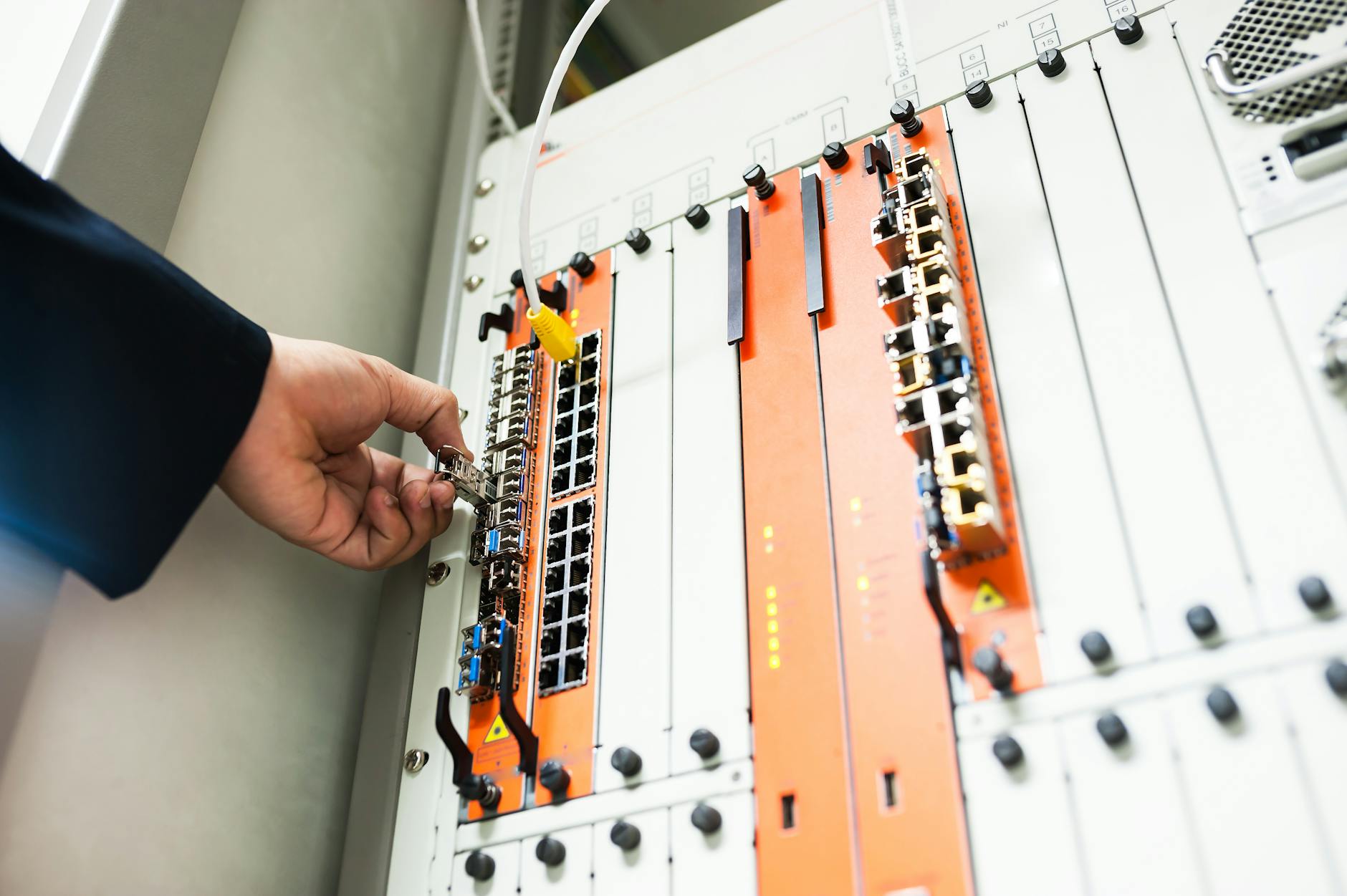 Photo by panumas nikhomkhai
Best spots for your phone during calls
Where you hold or place your phone during calls matters almost as much as the booster itself. Practical spots to try first:
- Near windows facing the tower. Being able to “see” the outside world helps, especially if the window line has a direct line to the nearest cell tower.
- Higher shelves or countertops away from dense furniture. Elevation reduces floor-level obstructions and can improve line of sight to outdoor signals.
- Rooms with fewer walls between you and outside. An open or semi-open layout often yields steadier performance than tight, enclosed spaces.
A simple test to compare call clarity in each spot:
- Start a call in the room you’re testing.
- Move to the next spot and keep the line active.
- Note which location yields crisper audio and fewer drops over 2–3 minutes of conversation.
- Choose the best spot based on the overall steadiness of the call and data consistency.
If you want a deeper explanation of why some spots perform better, this overview explains how exterior obstructions and interior layout affect indoor reception: https://nextivityinc.com/blog/why-cant-i-get-a-cell-signal-indoors/
Placement of routers and electronics to avoid interference
Interference is often a bigger problem than you expect. The right layout reduces conflicts and gives your booster a clear path to every room. Keep these ideas in mind:
- Keep routers away from the main phone area. A central location is best, but avoid positions that put the router, cordless phones, or the microwave in the same vicinity as your booster’s antennas.
- Separate high-frequency devices from the booster zone. Microwaves, cordless phones, and other appliances can send out signals that interfere with cellular paths.
- Favor a layout with fewer barriers between the outdoor antenna and the general living space. If your booster’s outdoor antenna can be mounted on an exterior wall with a direct line to the outside, that usually helps.
Recommended room layouts to minimize barriers:
- Place the booster unit in a central, elevated area, with the outdoor antenna toward the window or exterior wall that has the strongest outside signal.
- Position indoor antennas to cover high-usage rooms (living room, kitchen, main bedrooms) without creating overlapping dead zones.
- Keep electronic clutter to a minimum around the booster area to reduce stray interference.
For a practical read on locating antennas and avoiding interference, see this guide: https://www.weboost.com/blog/where-should-you-place-your-home-cell-phone-signal-booster
Daily habits to maintain good signal
Consistency is the secret sauce. Small daily habits keep your signal stable without fuss:
- Reboot devices regularly. A quick restart of the booster, router, or modem can clear minor glitches that degrade reception.
- Check for firmware updates. Keeping firmware current on the booster and router ensures you have the latest performance tweaks and bug fixes.
- Recheck signal after heavy weather or renovations. New insulation, furniture, or leaks in the building can shift signal paths. A quick test after changes confirms you’re still optimized.
- Keep a simple maintenance routine. A weekly or biweekly check of placement, cable connections, and antenna angles helps prevent slow drift into weak zones.
A practical path to accountability:
- Create a 4-week checklist with one action for each week (test spots, test speeds, test after weather, test after layout changes).
- Record results in a simple log so you can spot patterns and know when it’s time to upgrade or adjust.
If you’re seeking further guidance on sustaining booster performance, this resource offers practical tips on optimization and maintenance: https://www.wilsonconnectivity.com/blog/optimizing-your-cell-phone-signal-booster
Key takeaways you can apply today:
- Start with a strong, unobstructed outdoor signal path and an elevated, central indoor placement.
- Keep essential devices out of the booster area to minimize interference.
- Establish a light maintenance routine to preserve gains over time.
If you’d like to explore model options in depth, you can review current recommendations by home size: https://www.weboost.com/blog/find-the-best-location-for-your-cell-phone-signal-booster-antennas
Additional context and reading:
- Find the strongest outdoor signal and place the outdoor antenna toward that direction for best results.
- After any major layout changes, re-test in the rooms you care about most to confirm improvements.
Images help illustrate layout ideas. For more visuals on optimal booster placement, check out resources linked above.
Choosing, installing, and testing your solution
When you’re ready to improve indoor cell signal, the right approach combines a clear plan, careful installation, and a simple testing routine. This section walks you through how to pick a path, set it up, and verify real improvements. Think of it as a short playbook you can follow step by step, with practical checkpoints you can rely on.
How to test signal strength after setup
Testing after setup is where you separate guesswork from proof. Start with a baseline and then compare against the new results in the same spots.
- Baseline by room
- Take your smartphone to each major room: living room, kitchen, bedrooms, home office, and any basement or attic spaces.
- In each spot, note the strongest signal indicator you see (bars, or a quick data test if you use a measurement app). Record your results in a simple grid. Add a quick note about call quality and data speed if you can.
- Repeat measurements after setup
- After installing the booster or enabling Wi-Fi calling, repeat the same room-by-room checks. Use the same devices and test at roughly the same times of day to avoid network congestion skew.
- If you’ve installed an external antenna or reconfigured router placement, test again in the same spots.
- Compare and interpret
- Look for clearer calls and steadier data. Practical indicators include more reliable calls, fewer drops, higher upload/download speeds, and more consistent video streaming.
- If you’re using a signal meter app, compare the before and after readings in each room. Even small gains add up across a home.
- Keep a short log of results. A 2–4 week trail helps you spot when changes drift, so you know when it’s time to adjust antenna angles or consider a different booster.
Helpful resources for testing and field measurements:
- How to Test Cell Phone Signal Strength on Your Phone
- Field Test Mode for iPhones and Android
If you’re testing with a multi-user smartphone in a busy household, you’ll often notice improvements most in the spaces where you spend the most time. A smartphone should feel more confident in calls, and data should respond more quickly in those rooms.
Cost, installation steps, and choosing the right solution
Choosing the right path comes down to space, usage, and how much you’re willing to invest. Use this simple decision tree to compare options and map them to your home.
- Start with Wi-Fi calling if your internet is solid
- Pros: No extra hardware, no complex installation.
- Cons: Quality depends on your internet connection and carrier support.
- Rough costs: basically zero to a few dollars per month if your plan supports it; you may need a reliable home network.
- Installation: none. Enable the feature on your phone and confirm it works across the devices you use most.
- Consider a home signal booster if outdoor signal exists
- Pros: Extends cellular coverage to dead zones, works across multiple devices.
- Cons: Requires outdoor signal to feed the system; placement matters.
- Rough costs: small kits start around $300–$500, mid-range kits $500–$1,000, high-gain systems for large homes can exceed $1,000.
- Installation: follow the manufacturer’s guide; many kits are DIY but larger homes or installations near property lines might benefit from professional help.
- Safety: outdoor antennas should be mounted according to the guide, away from power lines and in locations that minimize risk of damage.
- Bridge with a carrier option if you’re underserved
- Pros: Carrier-provided solutions may offer better support and guaranteed coverage areas.
- Cons: Availability varies by region; long-term contracts can apply.
- Rough costs: varies by carrier and plan, often bundled with other services.
- Installation: usually coordinated by the carrier; may involve on-site assessment and professional mounting.
- Create a quick sizing check to map your home
- Small spaces under 2,000 sq ft: a compact booster or a well-placed Wi-Fi calling setup may suffice.
- Medium homes 2,000–7,500 sq ft: consider a multi-room booster or a robust Wi-Fi-first approach with carrier features.
- Large homes over 7,500 sq ft: high-gain boosters plus multiple indoor antennas, plus a solid home network to back up calling.
- Always verify compatibility with your carriers and devices before buying. Most modern boosters support several carriers and 5G, but confirm specifics for your area.
A few practical references to guide your selection:
- How to Choose the Best Cell Phone Booster for Home
- The Pros and Cons of WiFi Calling
- Field test and installation guides from reputable booster manufacturers
- Permits, safety, and landlord considerations
- In most cases, you do not need a permit for a low-profile booster indoors, but outdoor antennas and roof-mounted hardware may require homeowner association approvals or landlord consent.
- Always follow local regulations and the manufacturer’s safety instructions. When in doubt, consult a professional installer.
If you’re weighing options, these guides help you compare quickly:
- Pros and Cons of Wifi Calling
- How to Choose the Best Cell Phone Booster for Home
Smartphone users benefit most when you pair a solid indoor solution with Wi-Fi calling for peak clarity, especially in rooms that stay shadowed by walls or furniture.
Maintenance, safety, and long term use
A good setup stays good with light upkeep. A simple maintenance plan helps you keep the gains you’ve earned and avoid subtle drift in performance.
- Periodic checks
- Schedule a monthly quick test of a few key spots in your home to confirm the boost is still delivering. Use the same spots you tested during setup.
- Revisit your baseline after any major renovations, weather changes, or new furniture layouts.
- Firmware updates and device health
- Keep the booster’s firmware up to date. Check the manufacturer’s app or website for updates and guidance.
- Reboot the booster and router if you notice unusual slowdowns or dropped calls. A quick restart can clear glitches.
- Safety and placement
- If you place an outdoor antenna, ensure it is fixed securely and away from areas where people frequently pass or touch it.
- Avoid mounting antennas near metal surfaces or devices that can cause interference. Route cables neatly to prevent kinks and physical damage.
- Follow the product instructions for all mounting and grounding steps. Grounding helps protect equipment during lightning or surge events.
- Long-term use and performance tracking
- Keep a simple log of changes you make and the results you observe. Over time you’ll spot patterns that suggest when it’s time to upgrade or tweak angles.
- If you move, test again. A new layout or furniture repositioning can create new dead zones.
Key takeaway for maintenance:
- A small, regular routine prevents performance loss and ensures you keep the benefits you gained from your initial setup.
Safety and best practices for ongoing use:
- Always follow manufacturer guidelines for outdoor antennas and power connections.
- If you’re unsure about the electrical setup or grounding, consult a professional installer.
Helpful references for ongoing maintenance and safety:
- Signal Booster Antenna Grounding and Safety
- Field test guides and installation manuals from manufacturers
As you implement these steps, your home should feel more like a connected space rather than a battleground for signals. A well-chosen booster, when paired with Wi-Fi calling and a clean, low-interference layout, gives you reliable calls and faster data across the rooms you actually use. For more insights on testing and setup, you can explore practical guides linked throughout this section. And if you want to compare specific models or get tailored recommendations, the manufacturer guides and review articles cited above offer clear, actionable detail.
Conclusion
Many homes can see solid gains from a few simple moves like using a well chosen booster, enabling Wi-Fi calling, and placing devices smartly. A steady, practical approach builds reliable coverage room by room, and your smartphone will reflect the improvement in clearer calls and faster data. Start with a quick home audit, then attack the most impactful steps first, keeping notes as you go.
If you test results and share what works for your space, you help others tailor their setup too. Check back for updates on new signal tech as it becomes available, and post your findings so the community can learn from your experience with smartphones in real-world layouts.
What If the Only Thing Between You and the Life You Deserve Is a Hidden Wealth Code Waiting to Be Activated
>>> Open the Door <<<