What If the Only Thing Between You and the Life You Deserve Is a Hidden Wealth Code Waiting to Be Activated
>>> Open the Door <<<

Waking up to a TikTok that won’t open can be frustrating, especially when you just want to catch up on your feed. This guide breaks down practical steps you can take right away to get TikTok running again on your phone. You’ll learn quick checks that fix most issues and faster workarounds when you’re in a rush.
Common problems like weak internet, full storage, and outdated apps are usually to blame. We’ll start with simple, quick fixes and move to a few longer solutions if needed, all in plain language that anyone can follow. By the end, you’ll have a clear, repeatable process to get TikTok back up and running.
Before you start, grab your phone, charger, and login details so you can test each step without interruptions. This approach keeps things straightforward and avoids guesswork, helping you save time and frustration.
Quick fixes you can try right now to get TikTok opening on your phone
When TikTok won’t open, a few fast, practical steps can often get you back to scrolling in minutes. This section lays out simple, repeatable checks you can perform on any smartphone. Start with the easiest fix and move down the list if the problem persists. You’ll learn how to confirm your connection, reset the app, free up space, and update TikTok to a stable version.
There Is a Frequency That the Wealthiest Families Have Used for Generations and Most People Will Never Know It Exists
>>> Open the Door <<<

Check your internet connection and speed
A stable connection is essential for TikTok to launch and run smoothly. To test your current connection, use a speed test app or the built-in network status on your phone. Look for download and upload speeds that meet basic browsing needs; if speeds are consistently low, TikTok may struggle to open.
- Run a quick speed test: compare results on both mobile data and Wi Fi.
- If the app only opens on one network, the issue may be tied to that network rather than TikTok itself.
If your speeds are slow or inconsistent, try these quick fixes:
- Pause heavy downloads or streaming tasks that could be hogging bandwidth.
- Disconnect and reconnect to the same network, or switch to a different Wi Fi network.
- Toggle airplane mode on and off to refresh the radio.
For many users, a stable connection is the missing link. If you’re unsure whether the problem is network related, try opening a different app or loading a web page. If other apps work normally but TikTok still won’t open, proceed to the next fixes. For deeper guidance on network troubleshooting, see TikTok’s First steps guide.
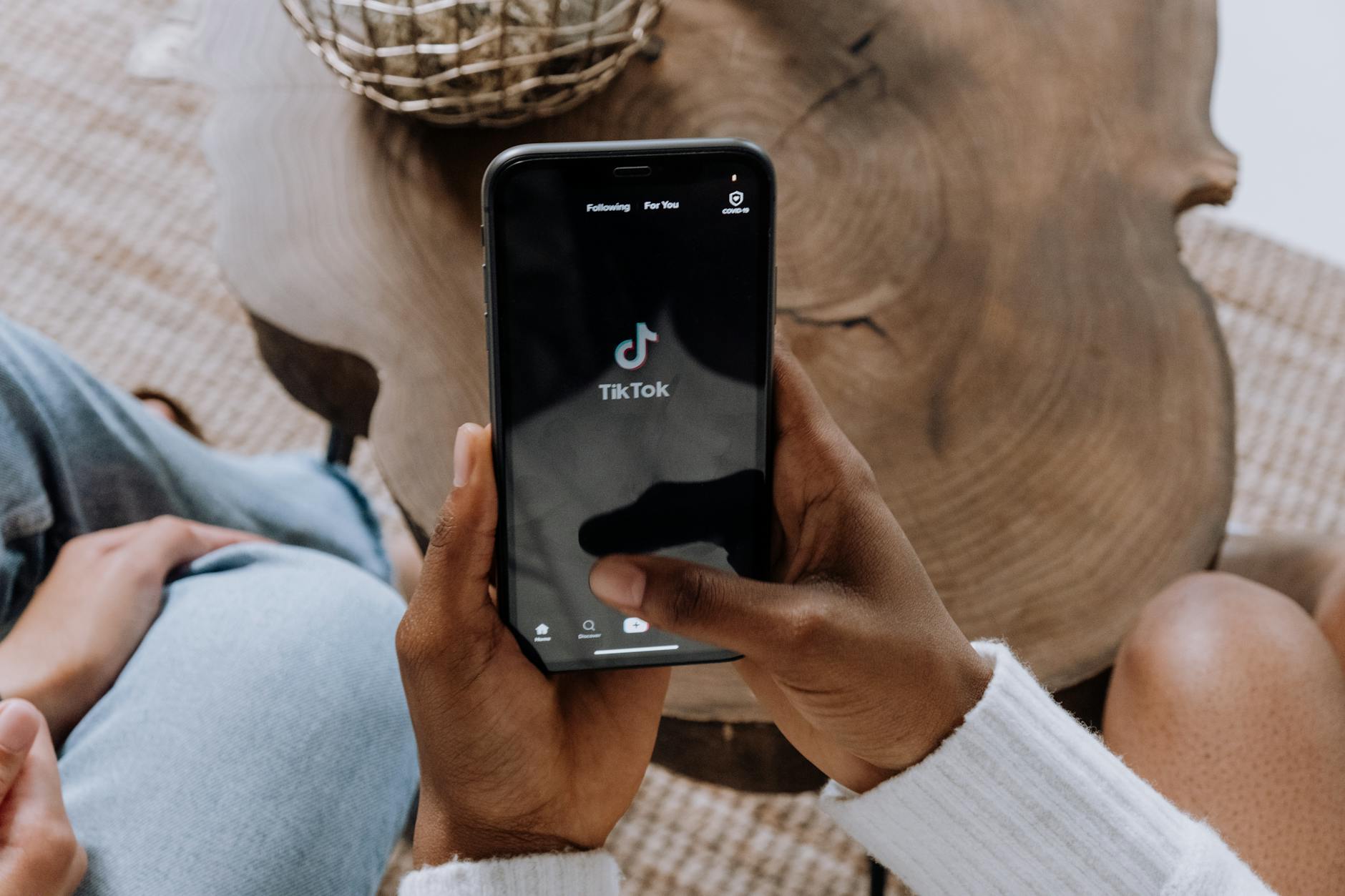 Photo by cottonbro studio
Close and reopen the TikTok app or restart your phone
Sometimes all TikTok needs is a fresh start. Here’s how to fully close the app on iOS and Android, then reopen it. If that doesn’t fix the issue, restart your phone to clear temporary glitches.
- iOS: Double tap the Home button (or swipe up from the bottom and pause) to reveal recent apps. Swipe TikTok up to close. Reopen from the Home screen.
- Android: Open Settings > Apps > TikTok > Force Stop, then reopen from the app drawer or home screen.
- If TikTok still won’t open, restart your device: power off, wait a few seconds, and turn it back on.
A full close and restart gives the system a clean slate and can clear minor software hiccups that block launching. If you’re still stuck after this, move to the next step.
Free up storage space and restart the app
Low storage can prevent apps from launching or operating correctly. Check how much space you have and delete or move unused files and apps to free up room.
- On iPhone: Settings > General > iPhone Storage to review space usage and offload unused apps.
- On Android: Settings > Storage to see what’s taking space; consider moving photos and videos to cloud or a computer, and uninstall rarely used apps.
After you free up space, reopen TikTok to see if it launches. If not, a quick app restart plus space clearance often resolves the issue. If the problem persists, you may need a longer session of troubleshooting or consider updating the app.
Update TikTok to the latest version
Running an outdated TikTok app can cause launch issues. Check for updates in the App Store on iOS or Google Play Store on Android, and install the latest version if available. Enabling auto updates helps keep apps current.
- iOS: Open the App Store > tap your profile picture > Available Updates, then tap Update next to TikTok. Consider turning on Auto Update for future updates.
- Android: Open Google Play Store > Menu > My apps & games > TikTok > Update. If TikTok isn’t listed, use the search to find it and update.
Be cautious about beta versions. They can introduce instability that affects launching. Stick with the stable release unless you specifically want early access and are comfortable handling potential bugs. If you still can’t open TikTok after updating, you might be dealing with a device-specific issue or a temporary service outage. For additional guidance, you can consult trusted troubleshooting resources such as Android Authority’s quick fixes guide.
- Android Authority: TikTok not working? Here’s how to fix it
Would you like to see how these steps align with official guidance from TikTok Support? The First steps article from TikTok Support provides a concise checklist to confirm updates, restart the app, and check connectivity as a baseline.
- TikTok First steps: https://support.tiktok.com/en/log-in-troubleshoot/troubleshooting/first-steps
Additional hands-on tips and alternatives can be found in other expert guides if the problem persists. For example, AndroidGuías offers a comprehensive breakdown of common TikTok issues and practical fixes you can perform on your phone.
- How to Fix All TikTok Problems on Mobile: A Comprehensive Guide: https://en.androidguias.com/How-to-fix-when-TikTok-doesn%27t-work-on-your-phone/
If you want a broader view on connectivity related to TikTok, a focused article on TikTok no internet connection issues covers common network-related root causes and quick wins.
- TikTok No Internet Connection: Troubleshooting and Quick Fixes: https://arlevent.ime.calpoly.edu/tiktok-saying-no-internet-connection
In short, start with your network, then reset the app, free up space, and finally update. These steps cover the vast majority of opening issues and help you move on with your day.
Images are a great way to visualize the process. If you’re sharing this section in a guide, a photo of a person holding a smartphone can help readers see the exact steps.
Photo by cottonbro studio
Clear TikTok cache
Clearing the cache can free up space and nudge TikTok back to a healthy launch. It wipes temporary files that may have become corrupted, without touching your account or photos. Think of it as cleaning the junk drawer in your phone so the app can start fresh.
To clear TikTok cache from the app settings, follow these steps carefully. The exact path may vary slightly by device and app version, but the core steps stay the same on iPhone and Android.
- Open TikTok and go to your profile by tapping your profile picture.
- Tap the menu icon (three lines) in the top-right corner, then choose Settings and privacy.
- Scroll to the Cache & cell data section. Look for an option labeled Clear cache or Clear cache and data. Tap it.
- Confirm the action when prompted. You don’t need to sign in again; your account stays intact.
- Restart TikTok to confirm the change. If you still see issues, try clearing cache again and move to the next step.
If you’re on Android and the app feels sluggish, clearing the cache from the system settings can also help. However, use caution not to clear app data unintentionally. The cache wipe removes temporary files but keeps your videos, likes, and followers intact.
For a quick sanity check, you can also test a fresh start by clearing the cache on a per-device basis if you use multiple smartphones. If you want official guidance on this step, TikTok’s First steps article offers a reliable baseline for checking updates, restarting the app, and confirming connectivity. You can read it here: https://support.tiktok.com/en/log-in-troubleshoot/troubleshooting/first-steps
Additional reading on cache basics and why clearing it helps can be useful if you’re curious about the underlying mechanics. A practical guide like this can give you a broader sense of when to clear cache and what to expect after the reset.
- How to clear TikTok cache on multiple platforms: https://imyfone.com/ios-data-recovery/how-to-clear-tiktok-cache
- TikTok cache and performance overview: https://androidpolice.com/tiktok-delete-cache-tutorial
Key takeaway: Clearing the cache is a safe, low-effort first step. It frees space and can remove corrupted temporary files that block launching, all without touching your posts or login.
Sign out and sign back in
Signing out and then signing back in can refresh your account tokens and fix launch hiccups tied to session data. It’s a simple step that often resolves problems without any data loss. Have your TikTok login credentials handy so you can re-enter them quickly.
How to sign out:
- Go to your profile and open the settings menu (three lines or gear icon).
- Tap on your account settings and look for Log out or Sign out. Confirm the action.
What to do next:
- Wait 30 seconds to a minute. A short pause allows the session to reset completely.
- Sign back in with your username and password. If you use two-factor authentication, enter the code as prompted.
- Open TikTok again to test whether the app launches normally.
If you manage multiple accounts, sign out from the one you’re having trouble with and try signing back in with the same credentials or switch to another account to test if the issue is account-specific. Sometimes a quick sign-out refresh resolves issues tied to token invalidation or temporary server hiccups. For official troubleshooting steps, see TikTok’s First steps guide: https://support.tiktok.com/en/log-in-troubleshoot/troubleshooting/first-steps
In some cases, signing out and back in can reveal a change in behavior that indicates broader connectivity or device issues. If the problem persists, proceed to a clean reinstall to ensure you’re working with a fresh app instance.
Reinstall TikTok
A clean reinstall gives you a fresh start with the latest app files. This step is more involved, but it resolves a range of issues caused by corrupted data or stubborn software glitches. Before you uninstall, consider backing up any saved videos or data that you want to keep, if possible.
Steps to uninstall:
- iPhone: Tap and hold the TikTok app icon, then choose Remove App and confirm Delete App. Then go to the App Store to reinstall.
- Android: Go to Settings > Apps > TikTok, then select Uninstall. After that, visit Google Play Store to reinstall.
After reinstall:
- Open TikTok and sign in again. If you use saved videos or drafts, check whether they reappear or require re-syncing.
- Update TikTok to the latest version if an update prompt appears.
- Test opening the app to verify the issue is resolved.
What to expect after a reinstall:
- A clean cache and fresh data help the app boot quickly and without lingering errors.
- You may need to reconfigure some preferences, such as notification settings or privacy controls.
If you’re curious about preventing issues after a reinstall, consider keeping auto updates enabled for TikTok and your device. This helps ensure you’re always running a stable build.
- How to reinstall TikTok: https://www.youtube.com/watch?v=Y_dvlPKb3OA
- Android and iOS reinstall guidance: https://discussions.apple.com/thread/255935515
By following these steps, you give the app the cleanest slate possible. A successful reinstall often clears the path to normal operation, especially when other fixes fall short. If you still encounter problems after reinstalling, the issue might lie with device compatibility, system software, or a temporary TikTok server outage. In that case, checking official status pages or reputable tech guides can provide quick updates and further direction.
Images can help readers visualize these steps. A photo showing a smartphone screen with TikTok open, along with numbered step indicators, can boost comprehension.
Photo example: a person holding a smartphone displaying the TikTok app interface
Remember to pace your testing. After each step, open TikTok to confirm whether the issue is resolved. If not, move on to the next remedy so you can finish the process with confidence.
Check device health and permissions
This section helps you verify that your device itself isn’t blocking TikTok from opening. A healthy system and correct app permissions ensure the app can start and function properly. We’ll walk through OS health, app permissions, battery considerations, and time settings. Each sub-step is quick to complete and can save you a lot of time.
Update your phone OS to the latest version
Keeping the operating system current matters because app developers test against the latest platform features and security fixes. An outdated OS can cause compatibility problems, delayed security patches, and odd app behavior that blocks TikTok from launching. Think of the OS as the foundation of a house—without a solid base, nothing built on it stays stable.
- Quick check on iPhone (iOS): Open Settings > General > Software Update. If an update is available, tap Download and Install.
- Quick check on Android: Open Settings > System > Software Update (path can vary by manufacturer). If an update is available, follow the prompts to install.
Tips for a smoother update experience:
- Back up essential data before updating.
- Ensure your device has enough battery or plug in during the update.
- Enable automatic updates where possible to reduce future friction.
Why it matters for TikTok: new OS versions include bug fixes and performance improvements that prevent apps from misbehaving during startup. If you’re unsure about the exact steps for your model, you can reference official guidance from device makers or trusted sources like Android Authority or Apple Support.
For a baseline on official steps, see TikTok’s guidance on getting started and troubleshooting basics. https://support.tiktok.com/en/log-in-troubleshoot/troubleshooting/first-steps
If you want a broader view on OS updates and smartphone health, this guide covers common upgrade pitfalls and best practices: https://en.androidguias.com/How-to-fix-when-TikTok-doesn%27t-work-on-your-phone/
Key takeaway: a fresh OS keeps TikTok and other apps compatible, secure, and responsive.
Check TikTok permissions (camera, microphone, storage)
TikTok needs a handful of permissions to launch and work correctly. If these are blocked, the app may fail to start or behave oddly. Ensuring permissions are enabled reduces the chance of startup errors.
Essential permissions TikTok typically requests:
- Camera access to record and upload videos
- Microphone access for voiceovers and live features
- Storage access to read and write videos, cache, and saved data
- Location access in some features, though not always required
How to review and enable permissions
- iOS:
- Open the Settings app and scroll to TikTok.
- Tap TikTok and enable Camera, Microphone, and Photos/Files and Folders as needed.
- If you see a prompt while using the app, grant access immediately.
- Android:
- Open Settings > Apps > TikTok > Permissions.
- Toggle on Camera, Microphone, and Storage (and any others listed).
- If the app asks to access permissions during use, approve the prompts.
Pro tips:
- If you’ve denied permissions in the past, you may need to open TikTok and trigger one of the feature prompts to see the permission request again.
- Revoking and re-granting permissions can sometimes reset how the app interacts with device services.
For official guidance and quick steps, see TikTok’s support page on basics and permissions. https://support.tiktok.com/en/log-in-troubleshoot/troubleshooting/first-steps
If you’re looking for a practical overview of permissions across platforms, these resources offer clear comparisons:
- AndroidGuías: How to manage permissions on TikTok for Android
- Apple Support: Manage app permissions on iPhone
Key takeaway: correct permissions ensure TikTok can access the tools it needs without blocking startup.
Turn off battery saver or adjust battery optimization
Battery saver modes help extend life but can throttle background tasks and restrict app activity. TikTok may struggle to launch if background processes are paused, especially on older devices or in crowded battery-saving states.
What to do
- On iOS:
- Check Low Power Mode in Settings > Battery. If enabled, consider turning it off while testing TikTok.
- On Android:
- Go to Settings > Battery > Battery Optimization. Tap TikTok, and select Not optimized or All apps and set it to allow background activity.
- Some devices have a separate “Power saving mode” switch. Disable it or set TikTok to unrestricted background use.
Why this helps: TikTok may need continuous background access to initialize resources during startup. If your device aggressively limits background tasks, the app can stall at launch.
If you’d like to dig deeper, you can review Android and iOS battery best practices from reputable guides and support pages. For a quick reference, see the general guidance from TikTok’s support team on first steps. https://support.tiktok.com/en/log-in-troubleshoot/troubleshooting/first-steps
Key takeaway: allow TikTok to run in the background during startup to prevent freezes or delays caused by battery optimization.
Ensure correct date and time settings
Incorrect date and time can affect how apps verify credentials, test server connections, and manage tokens. A mismatch can lead to login timeouts or services failing to respond, which can make TikTok feel like it won’t open.
How to set correctly
- iOS:
- Open Settings > General > Date & Time.
- Enable Set Automatically.
- Android:
- Open Settings > System > Date & time.
- Turn on Automatic date & time or set the time zone correctly if you prefer manual control.
What to check if you’re offline
He Was Drowning in Bills and Burnout Until a Simple Daily Ritual Rewired His Brain for Wealth in Less Than a Week
>>> Start Your Shift Today <<<

- Confirm your device clock matches the network time. A large deviation often triggers authentication failures.
- If you recently traveled across time zones, re-syncing via automatic date and time helps avoid issues.
Official guidance on general troubleshooting often includes date and time checks, as part of baseline steps. You can reference TikTok’s First steps page for a concise checklist. https://support.tiktok.com/en/log-in-troubleshoot/troubleshooting/first-steps
For additional context on why time settings matter for app services, this practical article can help you understand the impact of time drift on mobile apps: https://www.androidpolice.com/tiktok-cache-and-performance-overview
Key takeaway: ensure date and time are correct or set to automatic to keep services synchronized. This small check can resolve what seems like a bigger issue.
What If the Only Thing Between You and the Life You Deserve Is a Hidden Wealth Code Waiting to Be Activated
>>> Open the Door <<<
If you want to keep the article tightly aligned with reader needs, you can weave in a quick checklist at the end of this section:
- Update your phone OS to the latest version
- Review TikTok permissions (Camera, Microphone, Storage)
- Disable or optimize battery saver settings for TikTok
- Confirm date and time are correct or set to automatic
These steps cover the most common blockers when a smartphone won’t open TikTok. If problems persist, subsequent sections cover deeper fixes like cache clearing and reinstalling the app.
External resources you can consult for broader context and official steps:
- TikTok First steps: https://support.tiktok.com/en/log-in-troubleshoot/troubleshooting/first-steps
- AndroidGuías guide on TikTok issues: https://en.androidguias.com/How-to-fix-when-TikTok-doesn%27t-work-on-your-phone/
- Apple support on date and time settings: see your device-specific guidance in Settings
For additional practical insights on device health and app performance, you can refer to reputable troubleshooting guides that keep to practical, step-by-step language.
Tackle network, account, and region factors
If TikTok still won’t open after your initial checks, the issue may lie beyond the app itself. You might be dealing with a VPN or proxy, parental controls, account status, or regional restrictions. This section guides you through targeted steps to rule out these factors quickly. It helps you confirm whether the problem is on your device, in your account, or in a broader region.
Disable VPNs or proxies
VPNs or proxies can mask or alter your network path in ways that stop TikTok from establishing a reliable connection. Some networks route traffic in a manner that TikTok’s servers don’t recognize, or security checks block access when an IP appears unusual. If you use a VPN or proxy, disable it temporarily to test launching TikTok again.
How to test and disable
- iPhone and iPad:
- Open your VPN app and disconnect, or remove the VPN profile in Settings > General > VPN & Device Management.
- Reopen TikTok to see if it loads normally.
- Android:
- Go to Settings > Network & internet > VPN, then disconnect any active VPNs or delete the profile.
- Try launching TikTok without the VPN.
If TikTok opens after disabling, the VPN or proxy was the bottleneck. You can test a different server or a trusted VPN with a known stable track record, but only after confirming the app works without a VPN. For official guidance on connectivity basics, consult TikTok’s First steps article: https://support.tiktok.com/en/log-in-troubleshoot/troubleshooting/first-steps
External context on VPN and TikTok interaction can help you decide whether you want to continue using a VPN for regional access, while keeping in mind potential blocks.
- Additional reading on VPNs and TikTok issues: https://vpncentral.com/tiktok-not-working-vpn/
- Quick fixes for VPN related TikTok problems: https://www.purevpn.com/blog/tiktok-proxy-error/
Key takeaway: if a VPN or proxy is active, and TikTok won’t open, the simplest test is to disable it and retry.
Check parental controls or screen time limits
Parental controls or screen time restrictions can block TikTok from launching, especially if an app limit is set or content restrictions are in place. It’s easy to overlook these settings, but they often sit in the background and quietly block access.
What to check on iOS and Android
- iOS (iPhone or iPad):
- Open Settings > Screen Time > Content & Privacy Restrictions.
- Review App Limits and always allowed apps. If TikTok is restricted or under a time limit, remove or adjust it.
- In Content & Privacy Restrictions, ensure that TikTok isn’t blocked in any category.
- Android:
- Settings > Digital Wellbeing & parental controls (may vary by device).
- Check any app timers or Family Link settings that could block TikTok during the day or at certain times.
- If TikTok is blocked, remove the block or extend the allowed window.
Quick test steps
- Temporarily disable Screen Time or parental controls entirely, then reboot the device and try TikTok again.
- If TikTok opens, re-enable controls with a higher tolerance or adjust the specific app limits.
If you want more guidance from official sources, TikTok’s First steps page covers baseline checks you should perform before deeper troubleshooting: https://support.tiktok.com/en/log-in-troubleshoot/troubleshooting/first-steps
For a broader view on how parental controls can impact app access, these resources provide practical comparisons:
- Parents Guide to Blocking TikTok on a Child’s devices: https://www.techlockdown.com/guides/block-tiktok-parents-guide
- How To Block TikTok App on iOS/Android/PC (In Easy Steps 2025): https://www.canopy.us/blog/how-to-block-tiktok-on-phone-iphone-android/
Key takeaway: if Screen Time or parental controls are active, TikTok may not launch. Adjust or temporarily disable them to confirm whether they’re the cause.
Verify account status and login recovery
Sometimes the blocker isn’t the device at all but the account itself. TikTok may restrict access if the account is locked, under review, or flagged for security reasons. Verifying your account status and using recovery options can restore normal behavior.
What to check and do
- Check for account warnings:
- If you see a banner or message when opening TikTok, note the reason and follow the on-screen steps to recover.
- Password and recovery:
- Use the login screen to reset your password if you suspect credential issues. Look for “Forgot password” and follow the prompts.
- Security checks:
- If you’ve recently logged in from a new device or location, you may need to verify your identity. Have your email or phone handy for verification codes.
- Contact support when needed:
- If you can’t regain access after password resets or if you see a suspension notice, reach out to TikTok Support through the official help center to request a review or appeal.
If you share multiple accounts, test whether the issue is tied to a specific account by signing in with a different username. A locked or under-review account can prevent launches, even if the app otherwise works on your device. For direct steps and support routes, consult TikTok’s account safety and recovery resources: https://support.tiktok.com/en/safety-hc/account-and-user-safety/account-safety
If you want to explore how others handle account issues, you can read about common remedies and appeals on official TikTok pages: https://www.tiktok.com/discover/how-to-recover-a-suspended-account?lang=en and https://www.tiktok.com/discover/how-to-submit-an-appeal-account-warning?lang=en
Key takeaway: account status can block opening TikTok. Use password recovery, identity verification prompts, and official support when needed.
Check regional restrictions and server status
Regional blocks or TikTok server issues can prevent the app from opening, even when your device is fine. It helps to confirm whether the problem is localized to your area or part of a wider outage.
What to do
- Check official status pages:
- Look for any posted TikTok server status or regional restrictions on the company’s status pages or trusted outlets.
- Verify regional blocks:
- If you’re traveling or using a region-restricted network, you may encounter blocks. Changing to a different region (where allowed) or testing on another network can help.
- Test during a different time:
- Server issues can be temporary. If you suspect a regional problem, wait a bit and retry.
- Use outage trackers:
- Downdetector and similar services show user-reported issues and can indicate a TikTok-wide outage.
If you want a quick reference, you can review TikTok’s status discussions or official updates on the platform. For a broader sense of service health, see outage tracking resources like Downdetector: https://downdetector.com/status/tiktok/
Additionally, you can check real-time server status information from third-party tools to gauge if the issue is widespread: https://statusgator.com/services/tiktok
Key takeaway: regional blocks and server outages are common reasons TikTok won’t open. Check status pages and wait it out if needed.
Checklist you can use right away
- Disable any active VPN or proxy and test TikTok again.
- Review Screen Time or parental controls for app limits and content restrictions.
- Verify account status and try password recovery or contact support if needed.
- Check regional restrictions and server status before digging deeper.
If problems persist, the next steps cover deeper fixes like clearing cache or reinstalling the app, which can address more stubborn issues. For official guidance on initial checks, see TikTok’s First steps article: https://support.tiktok.com/en/log-in-troubleshoot/troubleshooting/first-steps
External resources referenced in this section provide practical, device-specific guidance and broader context:
- TikTok First steps: https://support.tiktok.com/en/log-in-troubleshoot/troubleshooting/first-steps
- TikTok account safety and recovery: https://support.tiktok.com/en/safety-hc/account-and-user-safety/account-safety
- Regional status and outages: https://downdetector.com/status/tiktok/
Advanced steps and last resorts
If the basics didn’t fix TikTok not opening, it’s time to push a bit deeper. These advanced steps are designed to clear stubborn data, force a fresh start, and rule out highly specific causes like corrupted files, hidden permissions, or system-level quirks. Each step is practical and low risk, but proceed methodically and test TikTok after every action. A calm, smartphone in hand approach helps you stay focused and avoid repeating steps.
Uninstall and reinstall TikTok with a clean install
A clean reinstall is often the strongest fix when everything else fails. It wipes lingering data that might be causing a cold start failure and gives you a brand-new app instance. Before you remove TikTok, back up anything important if possible, such as drafts or saved videos. Think of it as restoring the app to factory conditions.
Follow these steps for a clean reinstall:
- iPhone:
- Press and hold the TikTok icon, choose “Remove App,” then confirm “Delete App.”
- Open the App Store, search for TikTok, and install it again.
- Sign in and test opening the app.
- Android:
- Settings > Apps > TikTok > Uninstall.
- Open Google Play Store, search for TikTok, and reinstall.
- Sign back in and verify the issue is resolved.
Why this is effective: a clean install clears corrupted cache, misconfigured data, and stubborn profile glitches. You get a fresh copy of the app ready to connect to TikTok servers without the baggage from previous sessions.
After reinstall, run through the basic checks again. If TikTok still won’t open, the issue may be outside the app, such as device health, regional blocks, or server outages. You can broaden your search with official support and trusted guides to pinpoint the root cause.
Images can help readers visualize this step. Photo by Helena Lopes adds a relatable touch to the reinstall workflow.
 Photo by Helena Lopes
Try TikTok Lite or alternative access methods
If the main TikTok app still won’t launch, a lighter variant can be a viable workaround. TikTok Lite uses less data and storage while delivering the core experience. It’s especially helpful on older devices or limited networks. You can also access TikTok via a mobile browser as a temporary measure, though some features may be restricted compared with the app.
What to consider with TikTok Lite:
- TikTok Lite is designed to run on devices with lower storage and slower networks.
- It preserves core features like viewing and posting while using less data.
- Some features may be missing or muted compared to the full app, and push notifications may differ.
How to proceed
- Download TikTok Lite from the official store (Android or iOS) and install.
- If you prefer not to install a second app, open TikTok in a mobile browser and log in to continue browsing, posting, and watching videos.
- If you switch back to the main app later, remember to test both apps to determine if the issue is app-specific or network/system-wide.
Keep in mind that not all regions support TikTok Lite, and features can vary by platform. If you decide to use the browser route, ensure you’re on a secure connection and avoid saving credentials on shared devices.
For official guidance on TikTok Lite and how it differs from the full app, see TikTok’s support pages. If you want a deeper comparison and user insights, you can review reputable guides that summarize Lite’s strengths and caveats. Example references include TikTok’s Lite overview and store pages.
- TikTok Lite official help: https://support.tiktok.com/en/using-tiktok/exploring-videos/tiktok-lite-app
- Download pointers for Lite on iPhone: https://www.tiktok.com/discover/how-to-download-tiktok-lite-on-your-iphone?lang=en
- Google Play listing for TikTok Lite (Android): https://play.google.com/store/apps/details?id=com.zhiliaoapp.musically.go&hl=en
Key takeaway: if the main app won’t open, a lightweight variant or browser access can keep you connected while you troubleshoot deeper causes.
Factory reset as a last resort
A factory reset is a last resort because it erases personal data and restores the device to its original state. It can fix deep-seated software issues that mild fixes can’t touch, including problems that block apps from launching. Before you proceed, back up photos, contacts, messages, and any important data. This is essential to avoid data loss.
What you should know before you start
- A factory reset wipes user data from the device. If you can, copy important files to cloud storage or a computer.
- After the reset, you’ll reinstall apps and restore data from backups. This can take time.
- If your goal is just a clean slate for TikTok, a full factory reset may be more than you need. Consider alternative reset options first, such as a device reset or a factory data reset without wiping media.
Steps to perform a factory reset
- iPhone (via Settings):
- Settings > General > Transfer or Reset iPhone > Erase All Content and Settings.
- Follow the on-screen instructions to complete the reset.
- Android:
- Settings > System > Reset > Factory data reset (the path can vary by manufacturer).
- Confirm and wait for the device to reboot.
After the reset, set up the device as new or restore from a backup. Then reinstall TikTok and test. If TikTok still won’t open after a factory reset, the problem likely lies with the app compatibility, a regional service issue, or a network problem outside the device. At that point, consult official status pages or trusted guides to confirm service health and compatibility.
Important note: consider trying a more contained reset first, such as a cache wipe or app data clearance on a single app, before committing to a full device reset. If you want a broader understanding of factory resets and their effects, this guide offers solid explanations and precautions.
- Factory reset guide for Android and iPhone: https://www.businesstechweekly.com/tech-insights/factory-reset/
- TikTok official guidance on initial steps and troubleshooting: https://support.tiktok.com/en/log-in-troubleshoot/troubleshooting/first-steps
Key takeaway: a factory reset is a definitive fix for deep system issues but should be reserved for when all other options are exhausted.
Images can illustrate the concept of a last resort. If you include a visual in this part, a calm, straightforward image helps readers stay grounded.
Photo credit: none
External resources you can consult for broader context and official steps
- TikTok First steps: https://support.tiktok.com/en/log-in-troubleshoot/troubleshooting/first-steps
- How to reinstall TikTok and related tips: https://www.tiktok.com/discover/what-happens-if-you-uninstall-and-reinstall-tiktok?lang=en
- TikTok Lite overview and download guidance: https://support.tiktok.com/en/using-tiktok/exploring-videos/tiktok-lite-app
- General factory reset guidance for devices: https://www.businesstechweekly.com/tech-insights/factory-reset/
Smartphone tip for readers
- If you use multiple devices, test TikTok on another smartphone to confirm whether the problem is device-specific. A quick cross-check can save hours of frustration.
Checklist for quick reference
- Uninstall and reinstall TikTok with a clean install
- Try TikTok Lite or access via a mobile browser if the main app won’t launch
- Consider a factory reset only if all other options fail
- Keep backing up important data before any major reset
This advanced section gives you a clear, action-oriented path to diagnose and fix TikTok not opening on your phone. If you need more targeted guidance, the next sections cover device health, permissions, and network considerations to ensure you don’t miss any potential pitfall.
Conclusion
Most TikTok launch issues come down to a few practical steps. Start with a quick check of your network, then try a soft reset of the app, free up space, and update to the latest version. If the app still won’t open, move through the deeper steps like clearing cache, signing out and back in, or reinstalling. A healthy smartphone and current OS make a big difference, but you can usually fix most problems with patience and method.
Quick checklist for fast reference
- Disable VPN or proxy and test TikTok again
- Review screen time or parental controls for app limits
- Verify account status and try password recovery if needed
- Check regional restrictions and server status
- Clear TikTok cache and restart the app
- Sign out, then sign back in
- Reinstall TikTok with a clean install
- Consider TikTok Lite or browser access if the main app still won’t launch
Save this guide for easy access on your smartphone when you need it. If you test a fix, share your results in the comments or ask a question so others can learn from your experience. Your feedback helps everyone solve launch issues faster.
What If the Only Thing Between You and the Life You Deserve Is a Hidden Wealth Code Waiting to Be Activated
>>> Open the Door <<<