Thousands of People Were Struggling With Money Until They Discovered This One Ancient Secret Hidden in Sound
>>> Unlock It Now <<<

You’ve deleted apps, photos, or files from your smartphone, but the storage available stays the same. This frustrates many users. It happens because your phone does not free up space right away.
Storage available shows the free space on your device. Phones track this in settings under storage or general info. After you delete files, they often linger in hidden spots.
Both Android and iPhone users face this issue. On iPhones, deleted items go to a Recently Deleted folder for 30 to 40 days. Android devices have similar trash areas or cache buildup that delays updates. Software scans take time too, or sync glitches hold files back.
Do not worry. This guide shares safe first steps like restarting your phone or emptying trash folders. You’ll free up space fast without risking data loss.
What If the Only Thing Between You and the Life You Deserve Is a Hidden Wealth Code Waiting to Be Activated
>>> Open the Door <<<

Follow these simple fixes, and your smartphone storage will update properly. Skip drastic options for now. Get your device running smooth again in minutes.
What storage available means and why updates can lag after deleting files
When you delete photos, apps, or files, your phone should show more free space. In reality, the number you see can bounce around for a bit. That’s because storage available is a snapshot of what the system has at that moment, and several factors can keep the count from updating right away. Understanding these factors helps you calm down and fix the issue faster.

Photo by Andrey Matveev
Cached data and system files can keep showing up as used
Deleted items often linger in places your eye can’t see. A simple way to picture it is a closet that takes time to reflect new space. When you press delete, the phone marks the space as free but doesn’t always empty it immediately. Apps store temporary files, or cache, so they run quickly next time you open them. If the cache isn’t cleared, the space still looks taken.
Another factor is System Data or hidden files. The system keeps essential information about apps and settings in these areas. Even after you delete something, the system may still account for that space until it finishes a background clean-up. The practical outcome is a temporary mismatch between what’s really free and what the dashboard shows.
What you can do:
- Restart your device to flush small caches and refresh the storage tally.
- Clear app caches for apps you use most (on Android) or review large app data in Settings.
- Check for any pending system updates that might tighten how space is calculated.
Difference between free space and system data
Free space is what you can immediately use for new files. System Data, cache, and hidden files sit outside that free bucket. They aren’t visible as files you can delete, but they count toward the total storage used. After you remove items, the free space can lag because:
- The system needs time to re-scan and re-calculate what’s really free.
- Cache from apps may still sit in memory even if the item is gone.
- Some devices count cloud backups or synced data under System Data, which can stay large until backups update.
This split makes the numbers look misleading after a delete. You might see a big jump in free space one moment, then a smaller change a few minutes later as the phone finishes its housekeeping. The key takeaway is that free space and System Data aren’t the same thing, and one can update faster than the other.
What you can do:
- Give it a few minutes and avoid repeatedly refreshing.
- Clear cache for high-usage apps after a restart.
- If space remains tight, review large apps or media folders and consider offloading or moving data to a cloud service.
How Android and iPhone can differ in reporting
Android and iPhone handle storage reporting in slightly different ways, but the core idea is the same: space is freed only after the system finishes certain background tasks.
Android tends to show cache and app data separately in storage stats. A deleted item might still appear to take space if the app cache hasn’t cleared or if the system is still updating its counts. Android users often notice the need to clear cache in individual apps or run a device restart to force an update in the storage view.
iPhone reports often include a System Data bucket that can stay sizable even after deletions. On iOS, recently deleted items for photos and other media live in a dedicated folder for a period, and the system may temporarily keep space reserved for those items. Even after removing them, the storage reading may lag until iOS completes its background cleanup and any iCloud sync tasks finish.
In both ecosystems, the underlying principle is the same: deleted data still drifts through the system’s housekeeping tasks. A short wait and a quick cache clear usually resolves the visible gap.
What you can do:
- If you’re on Android, try clearing cache for the apps you use most and reboot.
- If you’re on iPhone, empty the Recently Deleted folder for photos and review large attachments in Messages or apps that store data locally.
- Look for any cloud sync settings that might rehydrate data after a delete. Disabling or pausing sync can help you gauge what’s actually free.
Fast, practical fixes you can try right away
If you’ve deleted files and the storage available readout hasn’t budged, you’re not alone. This quick section lays out practical steps you can take now to refresh the storage tally and reclaim real space. These moves are safe and require little time, yet they cut through common reporting glitches across both Android and iPhone.
Restart your phone
A simple restart resets background processes and clears small caches that can keep space appearing used. It’s often the fastest way to refresh the storage readout on a smartphone.
- Android: Hold the power button until the power menu appears, then tap Restart. If the device is unresponsive, press and hold Power + Volume Down for 10 to 20 seconds to force a reboot.
- iPhone: Open Settings > General > Shut Down, slide to power off, wait about 30 seconds, then press and hold the side button to turn it back on. On some models you can quickly press Volume Up, Volume Down, then hold the side button to restart.
Why it helps: Restarting clears temporary files and resets system indexes. This forces the OS to re-scan storage, which often corrects the reported free space without any data loss. Think of it as rebooting a crowded desk to see what actually fits.
Free up space quickly with a few cleanups
A few targeted cleanups can unlock noticeable free space and speed up how storage is reported.
- Large apps or files: Identify space hogs in Settings > Storage (Android) or Settings > General > iPhone Storage (iOS). Remove or offload apps you rarely use and delete large files you don’t need.
- Move to the cloud: Back up photos and videos to cloud storage and delete local copies if you’re comfortable. This is especially useful for high-volume media libraries.
- Empty trash or recently deleted folders: Many apps keep deleted items in a trash or Recently Deleted folder for a grace period. Emptying these folders frees space immediately.
When to use this: If you’re short on space after deletions, these steps help you reclaim actual space fast and reduce the chance of misreporting due to hidden caches.
Clear caches for apps that store a lot
App caches are a frequent culprit behind stale storage readings. Clearing them can free up space and update the storage view.
- Android: Clear cache for high‑usage apps individually. Go to Settings > Apps > [App] > Storage & cache > Clear cache. Be mindful that clearing cache removes temporary data but not your personal files.
- iPhone: There isn’t a universal “clear cache” button like Android. You can close apps to flush their state, or offload the app (Settings > General > iPhone Storage > Offload Unused Apps) to free space while keeping documents. For Safari, you can clear history and website data (Settings > Safari > Clear History and Website Data).
Caution: Some apps rely on cached data for performance. If an app seems slower after clearing cache, give it a moment to rebuild caches or reopen the app to reinitialize its data.
Check for ongoing backups or transfers
Background backups and media syncs can hold onto deleted data or rehydrate it, masking the real free space.
- iPhone: Check iCloud backups under Settings > [Your Name] > iCloud > iCloud Backup. If Backing Up shows active status, pause or complete the current backup if needed. Also review Manage Storage for backup details.
- Android: Look at Settings > Google > Backup for the last backup and status. If a backup is running, pause or adjust settings. In the Drive app, go to Menu > Backups to see active uploads or syncs.
Why this matters: When a backup or sync is in progress, some space may still appear in use even after you delete items locally. Pausing these tasks gives you a clearer picture of actual free space and helps the storage reporting catch up.
If you follow these steps, you should see a more accurate reading of available storage within minutes. The combination of a quick restart, deliberate cleanups, cache management, and paused backups addresses the main reasons storage figures lag after deletions.
Android specific fixes that actually work
If you’ve deleted files and the storage available indicator isn’t updating, these Android specific fixes cut through the noise. They focus on what actually changes space on your device and how to verify the results quickly. You’ll learn practical, safe steps you can perform today without risking data loss. The goal is to see a clear, real bump in free space and a truer view of what’s using storage.
Storage management tips in Android settings
Android provides a clear, centralized way to identify space hogs and clean up with confidence. Start here to see what’s taking up room and decide what to remove or offload.
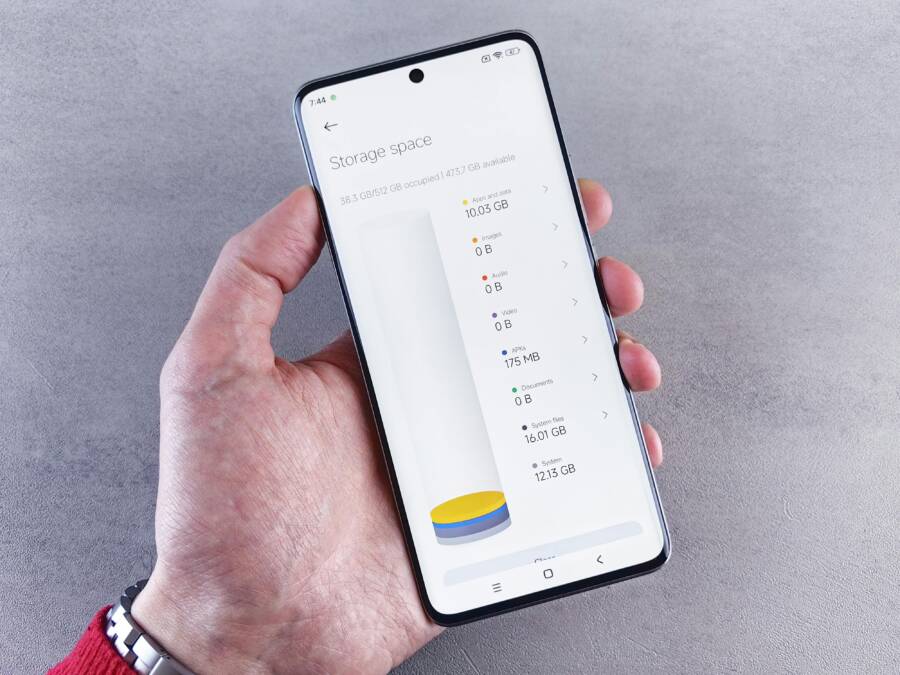
- Open Settings and tap Storage. You’ll get a visual breakdown of apps, media, and cache. Look for big offenders and decide whether to delete, offload, or move them.
- Use Explore or Clean up options. These features scan for large files, duplicate items, and apps that haven’t been used in a while. They guide you toward actionable cleanup steps.
- Review apps taking space. In the Storage section, you’ll see a list of apps by size. Tap an app to view its storage use and decide if you should clear data, clear cache, or uninstall.
- Consider offloading media. If you’re tight on space, move photos and videos to the cloud or a PC. Keeping only recent files on device can dramatically improve a storage readout.
- Quick wins to aim for: large video files, downloaded maps, and offline playlists. These are common space culprits that most users can trim without impacting daily use.
Photo tip: A screenshot of the Storage page can help you describe the exact steps to readers.
Photo by Kelvin Valerio
Clear cache and data for key apps
Cache and app data are frequent sources of phantom storage. Clearing these can reveal a truer free space number and often improve device performance.
- Clear cache for top space users. Go to Settings > Apps & notifications > [App name] > Storage > Clear cache. Do this for apps that cache aggressively, like Google Play Services, social media apps, and maps.
- Clear data when necessary. If an app stores a lot of local data, clearing data can reclaim space. Note that doing this may reset preferences and require you to sign back in.
- Re-signin may be necessary. Clearing data removes locally stored settings, progress, and offline content. Have your login credentials handy before you start.
- Don’t overdo it. Clearing cache is safe and refreshing. Clearing data should be reserved for apps that are consistently using huge amounts of storage or behaving oddly.
Tips for a smoother follow-through:
What If the Only Thing Between You and the Life You Deserve Is a Hidden Wealth Code Waiting to Be Activated
>>> Open the Door <<<
- After clearing cache, reopen the app to let it rebuild fresh cache gradually.
- If an app becomes slower at first, give it a minute to re-cache commonly used data.
Manage permissions and backups
Storage management isn’t just about what’s on the device. It also depends on how apps access, store, and back up data.
- Check storage permissions per app. Some apps request broad access that can cause unnecessary storage accounting. In Settings > Apps & notifications > [App name] > Permissions, review what the app can access and tighten if needed.
- Review backup settings. Automatic backups can rehydrate space after deletions if backups are in progress or set to run frequently.
- Turn off auto backups for space-heavy apps when needed. If a particular app creates large backups, pausing or adjusting backup frequency helps you gauge real free space.
- Pause cloud sync briefly. If your device backs up photos, messages, or app data to the cloud, temporarily pausing these tasks can clarify how much space is genuinely available.
Practical note: In some cases, permissions changes require you to re-open the app so it can apply the new rules. Plan to revisit apps after changes to confirm they behave as expected.
Keep your OS updated
System updates address bugs and reporting anomalies that affect how storage is shown.
- Why updates help. Some storage readouts lag due to bugs in how the OS tracks caches and system data. An update can fix the reporting logic so free space reflects reality faster.
- Enable automatic updates when convenient. If your device consistently prompts for updates, leaving automatic installs on reduces the chance of lingering storage discrepancies.
- Don’t skip critical patches. Even small, incremental fixes can improve overall storage management and the reliability of the storage screen.
Implementation tip: If you’re comfortable, set a regular maintenance window each month to review storage, permissions, and backups. A quick check can prevent weeks of confusing readouts.
Images and visuals
- If you include visuals, consider a clean screenshot of the Android Storage screen showing the largest apps and their sizes. A caption like “Identify space hogs quickly in Settings > Storage” with a credit line helps readers follow along.
Photo by Kelvin Valerio
iPhone specific fixes that help reclaim storage
When storage reporting acts up after you delete files, iPhone users can rely on a focused set of fixes tailored to iOS. These steps avoid drastic changes and aim to reflect the actual free space quickly. Below you’ll find practical, safe methods designed to reclaim storage and refresh the system’s readout. Start with quick wins and move to safer reset options if needed.
Photo by Brett Jordan
Force restart and quick checks
A force restart can refresh the storage reporting by clearing minor caches and reloading system indexes. Do this for iPhone models with and without a home button.
- iPhone models without a home button (iPhone 8 and later, including X, 11 to 17 series):
- Quickly press and release the Volume Up button.
- Quickly press and release the Volume Down button.
- Press and hold the Side button until the Apple logo appears, then release.
- If the logo doesn’t appear, charge for a while and try again.
- iPhone models with a home button (iPhone 7/7 Plus or older like 6s/SE 1st gen):
- iPhone 7/7 Plus: Press and hold Volume Down and the Side button until the Apple logo shows.
- iPhone 6s, SE (1st Gen), or older: Press and hold the Home button and the Top/Side button until the Apple logo appears.
Why this helps: a force restart clears small caches and resets certain background tasks without risking data. It’s a fast way to trigger a fresh storage scan.
Review iPhone Storage and offload unused apps
iOS gives a clear view of what’s using space and offers targeted cleanup options. Start here to offload apps you rarely use and delete large items when appropriate.
- Go to Settings > General > iPhone Storage.
- Review the list of apps by size. Offload unused apps to reclaim space without removing app data.
- Delete large media or apps you no longer need. If you rely on an app later, you can reinstall it without losing data.
- For photos and videos, consider enabling iCloud Photos or backing up to a computer and deleting local copies.
Why this matters: offloading frees space while preserving app data, helping you reclaim real storage without a full reset.
Date and time trick for suspected System Data bug
If the storage readout seems stuck, a simple time adjustment can trigger a refresh. This is a workaround, not a fix, and you should back up before trying.
- Change the date or time temporarily:
- Settings > General > Date & Time > Set Automatically to Off, pick a nearby date, then re-enable Set Automatically.
- After the change, restart the device and check Storage again.
- Return the date and time to their correct values.
Warnings: this approach may not fix the underlying issue and could disrupt time-based apps or services. Always back up before attempting.
Reset options and when to use them
If storage reporting remains unreliable after quick fixes, consider a safe reset option that does not erase your data.
- Reset All Settings: This resets system settings to defaults (wallpaper, Wi-Fi networks, and preferences) but keeps your data and apps. It can resolve misreporting caused by corrupted settings.
- How to do it: Settings > General > Transfer or Reset iPhone > Reset > Reset All Settings.
- Before you reset, back up your iPhone. A backup ensures you can restore preferences if needed.
Why this helps: it clears misconfigurations that might affect how storage is calculated while keeping your content intact.
Backup first, then restore if needed
Backing up before making changes is a wise precaution. If you still see odd storage behavior after trying the above, a restore can reinitialize how iOS handles storage data.
- Back up options:
- iCloud: Settings > [Your Name] > iCloud > iCloud Backup > Back Up Now.
- Computer: Use Finder on macOS or iTunes on Windows/macOS to create a local backup.
- Restore sequence (if needed):
- After backing up, you can restore from the backup or perform a fresh install and then restore.
- How this helps: a clean reconfiguration can shrink the System Data bucket after the reset and reindexing.
Why this matters: a full restore can resolve stubborn storage reporting issues when other steps fail, while keeping your data safe through a proper backup.
If you follow these steps, you should see a more accurate reading of available storage on iPhone. The combination of a quick restart, targeted offloading, and safe resets addresses the main reasons storage figures lag after deletions.
Prevention and long term care to avoid the issue
Keeping storage readings accurate requires a small, regular habit. This section lays out practical, repeatable steps you can follow every month to prevent misreads and maintain a healthy storage balance on your phone. We’ll cover a simple ritual, smart archiving practices, and when to seek help to keep your device running smoothly.
Photo by Andrey Matveev
SECTION 0: Set a monthly storage check and cleanup ritual
Create a quick, repeatable routine that takes about 15 minutes. Consistency beats big one-off cleanups.
- Step 1: Open storage overview. On Android, go to Settings > Storage; on iPhone, Settings > General > iPhone Storage. Note the largest categories.
- Step 2: Identify space hogs. Tackle the top three offenders first: big apps, large media files, and offline downloads.
- Step 3: Clear caches and temp data. Focus on apps that store a lot of temporary files, like browsers and social apps.
- Step 4: Remove or offload rarely used apps. If an app holds both data and cache, offload it or uninstall if it’s not essential.
- Step 5: Inspect trash and recently deleted folders. Empty them to reclaim space immediately.
- Step 6: Pause or review ongoing backups. If a backup is running, check whether it’s syncing new data or rehydrating deleted items.
A simple ping in your calendar each month keeps this habit intact. Think of it as a quick spring cleaning for your digital life. The goal is to stop misreads before they start and to keep free space truly free.
SECTION 1: Use cloud storage and archiving for older files
Moving older files off the device is the best way to keep your main storage lean. Archiving gives you peace of mind and a faster, more accurate storage readout.
- Photos and videos: Back up to a cloud service you trust, then delete local copies. For Android, consider Google Photos or Google Drive. For iPhone, iCloud Photos is a strong option.
- Documents and media: Upload older documents, PDFs, and videos to cloud storage or an external drive, then remove local copies.
- Archiving strategy: Use a dedicated archive folder in the cloud and a local “recent work” folder on the phone. This minimizes the chance of important files being lost while freeing space.
- Automation helps: Enable automatic backup for new media and set a rule to remove local copies after confirmation. This reduces manual steps and keeps space fresh.
Longer-term benefit: cloud archiving preserves your library while keeping the phone responsive. You’ll notice that storage readings update more quickly after deletions because the device isn’t carrying dozens of heavy files locally.
SECTION 2: Know when to reset or consult support
Some storage readouts remain unreliable despite your best efforts. Spotting the signs early helps you decide whether to pursue more drastic remedies or contact experts.
- Signs storage is faulty: If space stays stubbornly high or low after repeated cleanups, something else is at play. Apps may rehydrate data from the cloud, or caches could be piling up again.
- Symptoms that warrant help: Persistent misreads after a fresh restart, frequent app crashes, or storage readings that don’t match what you see in files and apps.
- When to contact support: If the device continues to misreport space after common troubleshooting, reach out to the device maker or a qualified technician. Provide details like when the issue started, model, OS version, and steps you’ve tried.
- What information to have on hand: A list of large apps, recent backups, and any patterns you notice (e.g., reads drifting after photo deletions). This helps the support team diagnose faster.
A measured approach keeps you from wasting time on low-yield fixes. If the issue persists, you can explore a firmware update or a supported reset option with guidance from the manufacturer.
Images and visuals
- A clean screenshot of the Android Storage page or iPhone Storage view can help readers follow along with the steps. If you include visuals, caption them with a short description and a credit line.
Photo by Andrey Matveev
By sticking to a monthly check, archiving older files, and knowing when to seek help, you reduce the chance of storage readings staying inaccurate. With these habits, your device stays responsive and your data stays safe, too.
Conclusion
You can fix the storage update lag yourself with a simple, repeatable approach. Start with a quick restart, clear app caches, and offload or remove large apps or media you don’t use. pausing backups or cloud sync briefly can also help you see the true free space on your smartphone.
What If the Only Thing Between You and the Life You Deserve Is a Hidden Wealth Code Waiting to Be Activated
>>> Open the Door <<<
Keep backups up to date and consider cloud archiving for older files. If you still see mismatches after these steps, jot down what you tried and share it here so others can chime in with tips or questions. Your storage health improves when you stay proactive and guard against hidden caches and system data creeping back.
He Was Drowning in Bills and Burnout Until a Simple Daily Ritual Rewired His Brain for Wealth in Less Than a Week
>>> Start Your Shift Today <<<
