She Pressed Play on a Strange Audio Track and Within Days Her Financial Reality Started Shifting in Ways She Could Not Explain
>>> See How It Works <<<

Does your phone still offer word suggestions while you type, or does predictive text feel stuck in place? When it works, it can speed up messages and emails, but a small hiccup can slow you down in minutes. This post breaks down why predictive text not working and how to fix it quickly.
Predictive text relies on smart guesses built into your keyboard. It learns from your words, your style, and even the apps you use most. If those suggestions vanish or feel off, you lose a handy shortcut that saves time.
Common causes show up fast here: settings turned off, software bugs, outdated apps, language mismatches, or a full cache. The good news is that most fixes are simple and apply to both Android and iPhone. We’ll walk you through quick wins first, then add a few advanced tips for stubborn problems.
If you’re asking does your phone still suggest words anymore, you’re not alone. With a few taps, you can usually restore smooth typing on your smartphone. Stick with me and you’ll have predictive text back in minutes.
Thousands of People Were Struggling With Money Until They Discovered This One Ancient Secret Hidden in Sound
>>> Unlock It Now <<<

Spot the Common Reasons Predictive Text Fails
Predictive text can vanish or misbehave for a few simple, fixable reasons. In this section, we walk through quick checks that apply to both Android and iPhone. The goal is to restore accurate word suggestions without diving into complicated troubleshooting. Start with the basics and progress to more involved steps if needed. If you keep seeing problems, you’ll have a clear path to tell whether the issue is settings, software, or storage related.
Check Your Keyboard Settings First
Most predictive text issues come from a settings toggle that got flipped off or a quick reset that helps re-learn your style. On nearly any smartphone, you can reach the keyboard section with a few taps:
- Android: Open Settings > System or General management > Language and input > On-screen keyboard > Gboard (or your keyboard) > Text correction. Toggle on Show Suggestions or Predictive Text, then try typing again. If it’s already on, turn it off, wait a moment, and turn it back on to refresh the learning process.
- iPhone: Open Settings > General > Keyboard. Ensure Predictive is turned on. If needed, enable Show Tips or Show Predictions Inline to see the suggestions strip as you type.
If you’re using Gboard on Android, the Help page covers getting word suggestions and fixing mistakes in detail. A quick toggle off then on often clears up misfired predictions. For iPhone users, Apple’s guide to predictive text covers setup and how to use auto-correction alongside predictions, which can help you spot if you’ve unintentionally nudged a setting. For more context, you can review the official resources here: https://support.google.com/gboard/answer/7068415?hl=en&co=GENIE.Platform%3DAndroid and https://support.apple.com/guide/iphone/use-predictive-text-iphd4ea90231/ios
If you notice the keyboard still isn’t learning your style after flipping these switches, consider a quick language check. Predictive text works best when the keyboard language matches the input language. Revisit the language settings in the same menu and ensure you’re typing in the intended language.
Rule Out Software Updates and Storage Problems
Outdated software or a nearly full device can stymie predictive text. Start with a quick check for updates, then clear space if needed. Updates often include fixes for keyboard and text prediction bugs, so keeping your OS current is a smart move.
- Check for updates:
- Android: Settings > System > Software update (or Settings > About phone > System updates). Install any available updates and restart your device.
- iPhone: Settings > General > Software Update. If an update is available, install it and restart the phone.
- Free up storage:
- Review apps you rarely use and delete or offload them.
- Remove large videos or old photos you can back up to the cloud.
- Clear app caches where possible, especially for your keyboard app. A fuller device can slow background learning and affect performance.
- Link to keyboard function: Many keyboards rely on local data and caches. If space is tight, the keyboard might not fetch fresh suggestions or remember new words, so freeing space can restore accuracy.
If you want a reference that covers the broader idea of updates and storage, see guidance on keeping devices current and clearing space: https://www.imei.info/news/how-fix-bad-autocorrect-suggestions-your-device/ and practical tips for iPhone tuning: https://support.apple.com/en-us/104995. If you’re troubleshooting based on a specific keyboard app, you can also check broader experiences and fixes here: https://support.google.com/pixelphone/thread/377891271/predictive-text-quit-working-standard-gboard?hl=en. These sources help you confirm that the fix is not a bug in the app itself but a setting or update you can apply quickly.
If after updating and freeing space predictive text still misbehaves, try a soft reset of the keyboard. On Android, you can clear the keyboard’s data or reset its dictionary from the keyboard settings, which forces it to relearn from your current habits. On iPhone, resetting the keyboard dictionary can remove stubborn mispredictions that came from old typing patterns. This reset should be used sparingly, as it erases learned habits and can improve accuracy over time.
By verifying settings, keeping software current, and ensuring enough storage, you cover the most common sources of predictive text problems. These steps are fast, low risk, and can restore smooth typing on your next message. If you’re still stuck, we’ll move into deeper diagnostics in the next section. For further reading and more in-depth steps, explore the predictive text resources available on official support pages.
Easy Fixes for Any Phone: Restart and Reset Basics
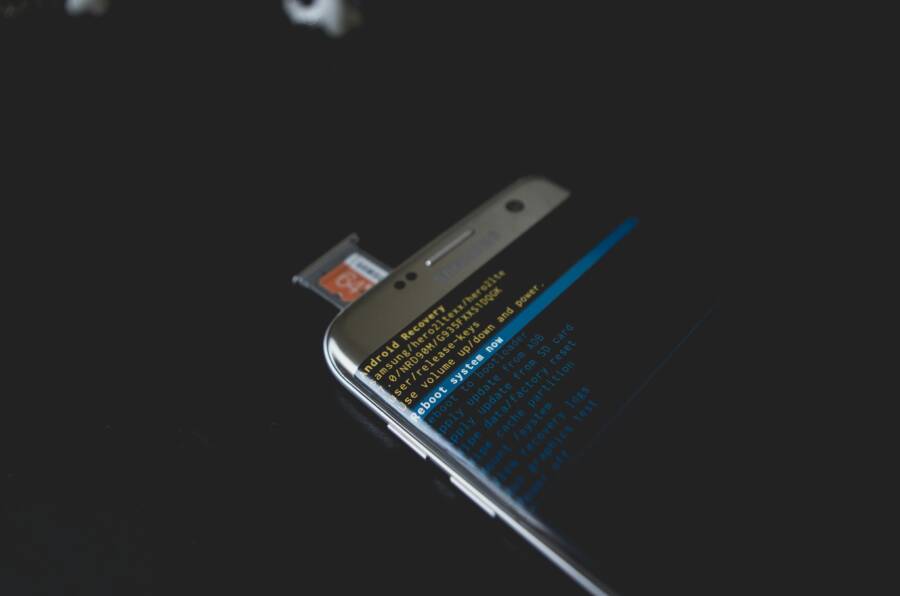
When your predictive text starts acting up, a simple restart or a reset of the keyboard can work wonders. These low-risk, high-reward steps clear temporary glitches, refresh learning data, and set you back on track quickly. Below are two focused subsections that cover practical restart methods and how to switch or update your keyboard app for better performance. Think of these as your first-aid kit for typing mishaps.
 Photo by Kelvin Valerio
Restart Your Phone the Right Way
A soft restart or a hard restart resets the system in a safe way, clearing minor temp glitches that can throw off predictive text. Here’s how to do it without drama.
- Soft restart (gentle reboot)
- Android: Press and hold the Power button, then tap Restart. If your device is unresponsive, hold Power for about 10 seconds to force a reboot, then release.
- iPhone: For models with a Home button, press and hold the Power button until the slider appears, then slide to power off. Turn the phone back on after a few seconds. For newer models, press and hold Volume Up and Side button together until the slider appears, then restart.
- Hard restart (used when the device is completely frozen)
- Android: If available, use the combination for a forced restart (often Power + Volume Down) held for about 7 seconds. This is device dependent, so check your model if needed.
- iPhone: Force restart steps vary by model; typically a sequence of button presses will trigger a reboot without erasing data.
Why this helps: a restart clears temporary caches that can clog the keyboard’s learning process. It also reloads the OS components that manage predictive text, giving the keyboard a fresh chance to function correctly.
If you want a quick reference, official guides cover force restarts and soft reboots for iPhone. For a deeper dive on restarting you can review these resources:
- Force restart iPhone: https://support.apple.com/guide/iphone/force-restart-iphone-iph8903c3ee6/ios
- Restarting your smartphone: a comprehensive guide to reset modes on iPhone and Android: https://www.archyde.com/restarting-your-smartphone-a-comprehensive-guide-to-reset-modes-on-iphone-and-android/
Switch or Update Your Keyboard App
Your keyboard is the brain behind predictive text. If it isn’t learning or predicting well, switching or updating can bring back accuracy, speed, and a more intuitive experience.
- Set a default keyboard on Android
- Go to Settings > System > Language and input > On-screen keyboard. Choose your preferred keyboard (Gboard, SwiftKey, or another option) and set it as default.
- If you’re using Gboard, you can customize typing settings and ensure Predictive Text is enabled in Text correction.
- Use Gboard or SwiftKey on Android
- Gboard is a solid all-around choice with reliable word suggestions and multilingual support. If you encounter issues, you can restore Gboard from the keyboard switcher or update it in the Google Play Store.
- SwiftKey offers strong predictions and a learning curve that adapts to your style. It’s a popular alternative if you want different features or themes.
- iPhone built-in keyboard
- The built-in iOS keyboard handles predictive text well when enabled. Go to Settings > General > Keyboard and ensure Predictive is toggled on. If you use third-party keyboards, you can keep them as defaults by adjusting their order in Settings > General > Keyboard > Keyboards.
- Update and install
- Android: Open Google Play Store, search for your keyboard app (Gboard, SwiftKey), and tap Update if available.
- iPhone: Open the App Store, update any keyboard apps you’ve installed, or re-install if problems persist. If you rely on the built-in keyboard, ensure your device OS is current.
- Quick learning reset
- If a keyboard is misbehaving, a soft reset of the learned data often helps. On Android, you can clear the keyboard data or reset its dictionary from the keyboard’s settings. On iPhone, you can reset the keyboard dictionary via Settings > General > Transfer or Reset Keyboard Dictionary.
Sometimes a keyboard isn’t the issue at all, but the learning data it relies on. Updating or switching to a different keyboard can restore accuracy without invasive changes to your device.
For more guidance on keyboard tweaks and troubleshooting, check out:
- Fix problems with Gboard on Android: https://support.google.com/gboard/answer/9058584?hl=en&co=GENIE.Platform%3DAndroid
- How to set a third-party keyboard as default on iPhone: https://idownloadblog.com/2023/02/03/how-to-change-default-iphone-keyboard/
These steps are quick to implement and can dramatically improve predictive text performance. If you still see issues after a restart and a keyboard switch or update, we’ll move to deeper diagnostics in the next section.
Android Users: Turn On Predictive Text Step by Step
Predictive text can be a huge time saver on Android devices. When it’s on the right track, you type faster and with fewer corrections. If it’s missing, acting quickly with a few targeted tweaks can bring back the helpful suggestions. In this section, we focus on practical steps you can take to turn on and fine tune predictive text on Android, with emphasis on Gboard and other common keyboards. You’ll learn how small adjustments and personalization help your device learn your style, so your phone actually predicts the words you’re likely to type. Think of your keyboard as a learning partner that gets better the more you type on it, especially on the go with your smartphone.
Gboard and Google Keyboard Fixes
Gboard is the default keyboard for many Android phones and a frequent source of predictive text issues when learning data stalls or toggles get flipped off. Start by confirming the core settings are enabled and then tailor them to your usage. Turn on or refresh predictive text, and give the app a moment to relearn your vocabulary after any change. Personalization matters here: the more you type in your style, the smarter the suggestions become.
Key steps to follow:
- Enable Predictive Text in Settings > System > Language and input > On-screen keyboard > Gboard > Text correction. If it’s already on, toggle off, wait a moment, then toggle back on to refresh the learning data.
- Review language settings. If you type in multiple languages, ensure the keyboard language matches what you’re typing to avoid odd predictions.
- Personalize suggestions by typing in your normal style across your most-used apps, then give Gboard a day or two to collect enough data.
For a solid reference on how Gboard builds word suggestions and fixes mistakes, check the official guidance here: https://support.google.com/gboard/answer/7068415?hl=en&co=GENIE.Platform%3DAndroid. If you want more context on iPhone equivalents, Apple’s predictive text guide can help you compare approaches, though the focus here remains on Android behavior and learning. Also consider reviewing the broader guidance on keeping keyboards current and optimizing learning data here: https://www.imei.info/news/how-fix-bad-autocorrect-suggestions-your-device/.
If the learning still feels off after you reset and re-enable, a quick check of the keyboard’s dictionary can help. Clearing or resetting learned data forces the keyboard to relearn from your current habits, which often fixes stubborn mispredictions. Use this sparingly, as it erases past corrections but can restore accuracy over time. In practice, you’ll often see faster and more relevant predictions within a few typing sessions.
Samsung and Other Android Brand Tips
Device-specific menus shape how predictive text behaves. Some brands add their own twists to the standard Android keyboard experience, so it pays to know where to look for quick fixes and tweaks. This is especially true if you rely on Samsung’s keyboard or other preinstalled options. A few targeted adjustments can significantly improve accuracy and speed.
Practical steps you can take:
Thousands of People Were Struggling With Money Until They Discovered This One Ancient Secret Hidden in Sound
>>> Unlock It Now <<<
- Access keyboard settings through your device’s quick path: Settings > General management > Language and input > On-screen keyboard. From there, choose your keyboard and verify that Predictive Text is enabled.
- If you’re using Samsung’s keyboard, you can personalize predictive text on and off, and adjust how suggestions appear as you type. This can be a big help if autocorrect has started to feel overbearing or too timid.
- Consider trying an alternative keyboard like Google’s Gboard or Microsoft SwiftKey. Switching can resolve persistent quirks and may offer stronger multilingual support or better learning curves.
For a detailed Samsung guide on turning predictive text on and off, you can review: https://www.samsung.com/uk/support/mobile-devices/how-can-i-personalise-and-turn-predictive-text-on-and-off-on-my-samsung-galaxy-device/. If you want another official Samsung resource that walks through predictive text on Galaxy phones, see https://www.samsung.com/latin_en/support/mobile-devices/how-to-turn-the-predictive-text-feature-on-and-off-on-a-galaxy-phone/. These can help you confirm you’re using the best settings for your specific device.
In many cases, the issue isn’t the keyboard itself but how learning data is stored and used. If space on the device is tight or caches are piling up, predictive text can stall. Freeing space and ensuring the keyboard has room to cache new words will often restore accuracy without heavy tinkering. If problems persist after a reset or switch, the next section covers deeper checks that apply to both Android and iPhone.
iPhone Owners: Enable Predictive Text in iOS Settings
Predictive text on iPhone helps you type faster by offering word suggestions as you go. If you’ve turned off predictive text by mistake or a language mismatch is throwing off suggestions, a quick adjustment can bring it back. This section covers two focused actions you can take to ensure predictive text is active and learning properly on iPhone.
Toggle and Reset Keyboard Dictionary
If predictive text isn’t behaving, start with a quick toggle and a gentle reset of the learning data. This step is safe and does not delete your messages or apps.
- How to toggle:
- Open Settings > General > Keyboard.
- Ensure Predictive is turned on. If it’s already on, toggle it off for a few seconds and then back on to refresh the learning process.
- Reset the keyboard dictionary:
- Open Settings > General > Transfer or Reset [Your iPhone] > Reset > Reset Keyboard Dictionary.
- This action removes the keyboard’s learned words and corrections. It does not erase your data or apps; it simply resets the memory the keyboard uses to predict text.
- What this accomplishes:
- It clears stale predictions and nudges the keyboard to relearn your style from scratch.
- Expect better suggestions after you type a few messages; the dictionary rebuilds as you go.
If you want deeper context, Apple’s guide on predictive text and auto-correction helps you compare how these features work with your language choices and input. You can review it here: https://support.apple.com/guide/iphone/use-predictive-text-iphd4ea90231/ios
Update iOS and Check Languages
Keeping iOS up to date and matching the keyboard language to your input is essential for accurate predictions. Here’s how to stay current and aligned.
- Update iOS:
- Open Settings > General > Software Update. If an update is available, tap Download and Install, then follow the on-screen prompts. Restart if prompted.
- Add or switch keyboards:
- Go to Settings > General > Keyboard > Keyboards.
- Tap Add New Keyboard and select the language you need. You can also reorder keyboards to set your preferred input method.
- Ensure language consistency:
- In the same Keyboard settings, confirm the primary language matches what you’re typing. If you switch between languages, keep the corresponding keyboard active to avoid odd predictions.
- Quick checks after update:
- Reopen a messaging app and test Predictive. If needed, re-enable Show Predictions Inline or Show Tips to verify the suggestions strip appears as you type.
If you’d like a broader reference on predictive text after updating iPhone OS, Apple’s official guide on predictive text and auto-correction offers detailed steps and examples: https://support.apple.com/en-us/104995. For additional context on how to use predictive text across iPhone features, you can explore Apple’s guide here: https://support.apple.com/guide/iphone/use-predictive-text-iphd4ea90231/ios
This two-pronged approach—refreshing the keyboard dictionary and keeping iOS current with properly configured languages—covers the most common causes of prediction misfires. If you still see issues after these steps, the next sections will walk you through more in-depth checks and troubleshooting.
Advanced Steps and Ways to Avoid Issues Later
Even after you restore predictive text to working order, the best move is prevention. This section lays out deeper, proactive steps to help your keyboard continue learning your style and to minimize future hiccups. Think of it as a maintenance plan for your smartphone typing experience.
Fine-tune learning for lasting accuracy
Predictive text gets smarter the more you type in familiar contexts. A few targeted habits can speed up this learning curve and keep suggestions relevant.
- Type in your go-to apps and messages consistently. The more you use certain words, the quicker the keyboard adapts.
- Keep a small vocabulary clean. Periodically remove outdated slang or long-forgotten phrases so the suggestions don’t get cluttered.
- Avoid heavy switching between languages in short bursts. If you type in multiple languages, switch languages deliberately and give the keyboard a little time to adjust.
If you notice a drift in accuracy, a quick reset of learning data can help without wiping your entire keyboard history. For Android, a soft reset of the dictionary may be enough; on iPhone, resetting the keyboard dictionary can jumpstart fresh predictions. See Apple’s and Google’s guidance for managing predictive text data and dictionaries here: https://support.apple.com/guide/iphone/use-predictive-text-iphd4ea90231/ios and https://support.google.com/gboard/answer/7068415?hl=en&co=GENIE.Platform%3DAndroid.
Manage language packs and input stability
Language settings are more than a convenience; they directly affect accuracy. Mismatched language packs can produce odd predictions or loss of learning.
- Confirm the active keyboard language matches what you’re typing.
- If you routinely switch languages, pin the primary language during most typing sessions and add secondary languages only when needed.
- Consider a single, well-supported keyboard for multi-language users. Gboard and SwiftKey are popular options with strong multilingual capabilities.
For guidance on language handling and predictive text behavior, Apple’s and Google’s official resources offer clear steps. See Apple’s predictive text overview and iOS language tips here: https://support.apple.com/en-us/104995 and Google’s Gboard language and typing settings here: https://support.google.com/gboard/answer/7068415?hl=en&co=GENIE.Platform%3DAndroid.
Cache, storage, and background processes
A cluttered device can slow learning as the keyboard tries to fetch or store word data. Regular maintenance helps keep predictive text snappy.
- Keep several hundred megabytes free for app data and caches. Delete or offload unused apps if your storage is tight.
- Review app caches periodically, especially for your keyboard app. A clean cache helps the keyboard fetch fresh suggestions.
- Restart on a schedule if you notice gradual slowdown. A quick reboot clears background processes that might hold onto old data.
If you want a broader take on keeping devices current and improving performance, see tips on device maintenance and app caches here: https://www.imei.info/news/how-fix-bad-autocorrect-suggestions-your-device/.
He Was Drowning in Bills and Burnout Until a Simple Daily Ritual Rewired His Brain for Wealth in Less Than a Week
>>> Start Your Shift Today <<<

Privacy and data handling when learning
Predictive text learns from your typing, which means it stores data locally. Understanding how this works helps you balance convenience with privacy.
- Review app permissions for your keyboard. Prefer keyboards that clearly explain what data is stored and how it’s used.
- If you share devices or have guest profiles, consider enabling separate dictionaries or guest keyboards to avoid cross-user learning.
- Use built-in privacy controls to limit data collection where possible. Both Android and iPhone offer options to manage keyboard data and usage.
For deeper context on how predictive text handles data and what to watch for, you can refer to official guidance from Apple and Google linked earlier.
Regular backups and easy recovery
Create a simple rhythm for backing up your settings. A quick restore should bring back your preferred keyboard layout and predictions if you ever need to switch devices.
- On Android, keep your keyboard data aligned with your Google account when possible. This makes restoring across devices smoother.
- On iPhone, ensure iCloud backup is active for general device data, then reinstalling a keyboard from the App Store can preserve or restore preferences after a reset.
For official guidance on iPhone predictive text behavior and backups, Apple’s support pages are a solid reference: https://support.apple.com/guide/iphone/use-predictive-text-iphd4ea90231/ios.
When to escalate to deeper diagnostics
Most users will fix issues with the basics. If you still experience erratic predictions after advanced tweaks, it’s time to look at deeper causes.
- Test with a different keyboard. Switching to Gboard or SwiftKey can reveal whether the problem is with the default keyboard or the system learning data.
- Check for known bugs tied to your device model or OS version. Some issues surface after major updates and may require a patch from the maker.
- Consider a full reset as a last resort. If problems persist across apps and keyboards, a device reset can clear stubborn conflicts. Backup first and follow manufacturer steps carefully.
If you want a deeper dive into diagnosing persistent predictive text issues, start with official troubleshooting resources from Apple and Google and use those paths to guide next steps. Apple’s predictive text guide and Google’s Gboard help pages are reliable anchors during these checks: https://support.apple.com/guide/iphone/use-predictive-text-iphd4ea90231/ios and https://support.google.com/gboard/answer/7068415?hl=en&co=GENIE.Platform%3DAndroid.
Quick-reference maintenance checklist
Keep this short checklist handy to prevent future issues and maintain a smooth typing experience.
- Verify predictive text is enabled in the keyboard settings.
- Confirm language matches your input.
- Free up storage and clear keyboard caches if needed.
- Update the keyboard app and the OS when available.
- Reset the keyboard dictionary only if predictions become stubborn.
- Try an alternate keyboard if predictions feel biased or outdated.
- Back up keyboard data or settings to ease future recoveries.
By following these advanced steps, you reduce the chance of future predictive text problems. You’ll keep your typing fast and accurate across your everyday smartphone use, whether you’re composing messages, emails, or notes on the go. If you still run into trouble after these measures, the next sections will guide you through device-specific checks and actionable paths to a reliable, long-lasting solution.
Conclusion
If predictive text isn’t playing nice, a few quick checks can fix most issues. Start by confirming predictive text is on, the keyboard language matches your input, and there is enough storage for learning data. Restart the keyboard or the whole smartphone to refresh learning. If needed, switch or update your keyboard app, and reset the keyboard dictionary carefully to re learn your style.
These steps are fast and low risk. They cover the common culprits and usually bring back accurate word suggestions in minutes. Keeping the OS and keyboard updated helps prevent future hiccups. Regularly freeing space and clearing caches keeps the learning data fresh and responsive.
Try these fixes today and you’ll likely see a smoother typing experience on your smartphone. The boost from good predictive text speeds up messages, emails, and notes, making daily use feel more effortless. When predictions align with your style, you type with confidence and fewer corrections.
If you solved the issue or found a tip that helped, share your experience in the comments. Your note could help someone else fix predictive text faster. A tighter, more responsive keyboard makes everyday tasks easier and more enjoyable.
Bookmark this guide for later use. Predictive text can stay reliable with a simple maintenance habit. Thanks for reading, and enjoy faster, smarter typing on your smartphone.
Thousands of People Were Struggling With Money Until They Discovered This One Ancient Secret Hidden in Sound
>>> Unlock It Now <<<