What If the Only Thing Between You and the Life You Deserve Is a Hidden Wealth Code Waiting to Be Activated
>>> Open the Door <<<

Have you missed an important email because Gmail notifications didn’t show up on your phone? It happens to the best of us and it can throw off your day, especially when time is tight. This guide shows you simple, practical fixes that get you back on track fast.
First, we’ll review the core settings inside the Gmail app and your device. You’ll learn how to verify that notifications are enabled, choose the right alert style, and set quiet hours without missing critical messages. We’ll cover both Android and iPhone so you have a clear path no matter what you use.
Next, we’ll tackle permissions and background activity. Sometimes apps lose essential permissions, or battery optimizers cut notifications short. You’ll see exactly what to adjust so Gmail can wake up and alert you reliably.
We’ll also look at common culprits outside the app, like sync issues, incorrect account settings, and storage limits. These small obstacles can block notifications even when everything seems fine. You’ll get a straightforward checklist to rule them out quickly.
Thousands of People Were Struggling With Money Until They Discovered This One Ancient Secret Hidden in Sound
>>> Unlock It Now <<<

Finally, we’ll share quick win tips to keep alerts healthy over time. From testing notifications after each change to keeping your software up to date, these habits protect your productivity on the go. If you want to stay on top of every message, this guide will show you how.
Start with Gmail App Notification Settings
Small tweaks to Gmail’s notification settings can make a big difference in catching every important message. This section focuses on ensuring your Gmail app is aligned with real-time alerts and that your phone is primed to push or fetch notifications reliably. We’ll cover how to check sync settings, choose the right notification method, and consider the differences between IMAP and POP. The goal is a clean, responsive system so you don’t miss critical emails on your smartphone.
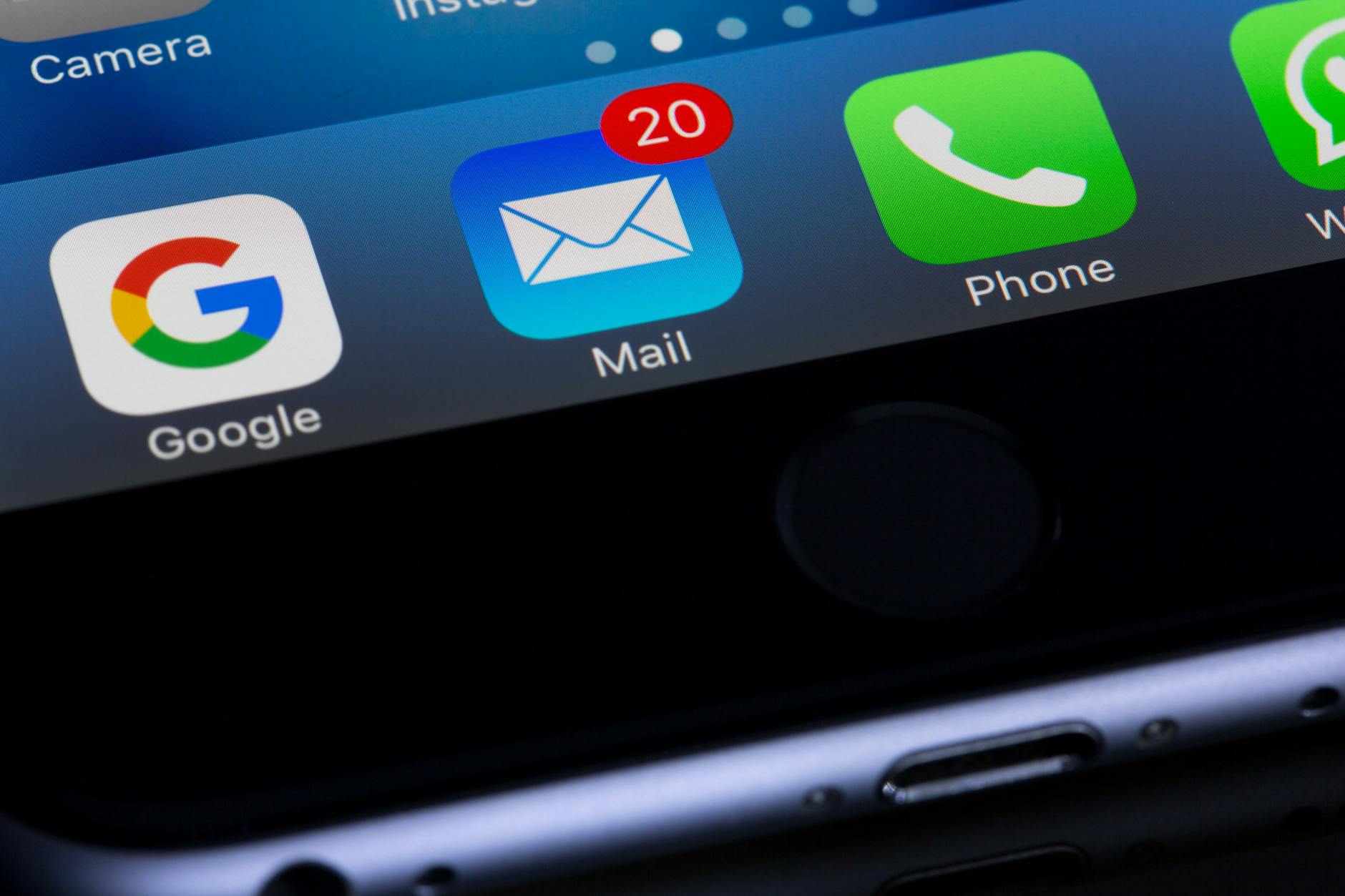 Photo by Torsten Dettlaff
Enable Account Sync for Real-Time Alerts
To get real-time alerts, start with the Gmail app’s account sync settings. First, verify how many days of mail Gmail should sync. If you see a setting like “Days of mail to sync,” set it to No limit if possible. This prevents older messages from blocking new notifications or causing delays. Next, switch the notification delivery method to Push if your device supports it. Push delivers new mail as soon as it arrives, which is faster than regular fetch. If Push isn’t available, opt for the highest fetch frequency your device allows. This keeps Gmail checking more often without draining your battery.
Understand the difference between IMAP and POP, because it affects how notifications behave across devices. IMAP syncs messages on the server, so read status and new mail are consistent across devices. POP downloads mail to a single device and may not reflect changes elsewhere, which can lead to missed notifications on other devices. If you use multiple accounts in Gmail, repeat these steps for each account to ensure consistent alerts across the board.
For more detailed steps on configuring notifications on Android and iPhone, see Android’s Gmail notification guide and Apple’s support article. These resources walk you through turning notifications on, choosing alert styles, and testing alerts after changes.
- Android: Change Gmail notifications on Android
- iPhone: Change Gmail notifications on iPhone
By aligning sync settings with how you check mail, you’ll minimize gaps between incoming emails and your alerts, making your smartphone a reliable notifier rather than a silent companion.
Fix Phone Notification Permissions for Gmail
If Gmail alerts are still staying quiet on your phone, the culprit is often the permissions or how the app communicates with your device. This section walks through practical steps to ensure Gmail can push notifications reliably on both Android and iPhone. You’ll learn how to grant the right permissions, adjust notification categories, and keep adaptive notifications in check. The goal is to have Gmail wake up your screen when new messages arrive and deliver timely alerts across devices.
Step-by-Step for Android Phones
Android users have several layers where permission and notification settings can block Gmail alerts. Start by confirming Gmail is allowed to post notifications and that the right categories are enabled. On many phones, you may also need to disable adaptive notifications if they’re suppressing alerts during busy times.
- Open the Gmail app and go to Menu > Settings > General settings.
- Tap Manage notifications and ensure All Gmail notifications are on.
- If your device supports notification channels, enable the relevant categories for Gmail (for example, “New mail” or similar) and test with a new message.
- Check app permissions by heading to Settings > Apps > Gmail > Permissions and confirm notification permission is allowed. If a permission prompt appeared earlier, grant it now.
- If you use battery optimization, add Gmail to the allowed list to prevent background restrictions.
- Finally, if you notice delayed alerts, turn off adaptive notifications (if available) to prioritize immediate delivery.
Photo by Watford London Media: Hand holding smartphone displaying settings screen with various options evident.
Photo credit: Photo by Watford London Media
For more precise steps, you can review the official Android guidance on Gmail notifications and app permissions:
- Change Gmail notifications – Android: https://support.google.com/mail/answer/1075549?hl=en-GB&co=GENIE.Platform=Android
- Change app permissions on your Android phone: https://support.google.com/android/answer/9431959?hl=en&ref_topic=7311596
After completing these checks, test by sending a test email to your account and watching for a prompt alert. If it still misses, repeat the check for each Gmail account you use on that device.
Easy Steps for iPhone Users
iPhone users should focus on the Gmail notification settings within iOS as well as the system-level alerts. The goal is to ensure Gmail appears in the right notification channels and sounds when a new message lands.
- Open Settings on your iPhone, then tap Gmail > Notifications.
- Select the options you want: Lock Screen, Notification Center, and Banners. Make sure Sounds are turned on.
- If you use Focus or Do Not Disturb, confirm Gmail is allowed to break through those settings.
- Within the Gmail app itself, ensure notifications are enabled. You may also see categories like “New mail” that you can adjust for alerts.
- Finally, test by sending a new email to yourself and verify the alert appears with the chosen style and sound.
For deeper guidance, refer to Apple’s official guidance on changing notification settings and managing alerts:
- Set email notifications on iPhone: https://support.apple.com/guide/iphone/set-email-notifications-iphc13a970c8/ios
- Change notification settings on iPhone: https://support.apple.com/en-am/guide/iphone/iph7c3d96bab/18.0/ios/18.0
- Use notifications on your iPhone or iPad: https://support.apple.com/en-us/108781
If you still don’t see alerts, recheck that Gmail is allowed to deliver notifications in the iPhone’s main settings and in the Gmail app. A quick test email will confirm whether the changes took effect. Remember, iPhone notification behavior can differ from Android, so a small adjustment here can make a big difference in reliable alerts.
Stop Battery Optimization from Silencing Gmail
Battery optimization is meant to save power, but it can mute Gmail notifications just when you need them most. If your messages aren’t popping up as they should, the culprit might be a background restriction hiding in your device settings. The goal of this section is practical, actionable steps you can take to ensure Gmail stays awake long enough to deliver alerts. Think of it as tuning the signal so your smartphone reliably tells you when new mail arrives. You’ll learn how to disable or bypass aggressive power saving, and how to keep Gmail allowed to run in the background without draining your battery excessively. By applying these adjustments, you’ll reduce missed messages and regain timely visibility into your inbox.
Turn Off Android Battery Restrictions
On Android devices, aggressive battery optimization can suspend Gmail’s background activity, causing delayed or missing notifications. Start by locating Gmail in the battery optimization settings and marking it as “Don’t optimize” or “Unrestricted.” This prevents the system from closing Gmail’s background tasks when the screen is off. Next, check the advanced options and set Gmail to unrestricted data if your phone offers that control. Finally, verify Gmail’s battery and data usage under App battery usage to confirm the app isn’t throttled by any other rule. This small change makes a big difference on busy days when every second matters.
- Open Settings > Battery > App optimization > Gmail > Don’t optimize. Also Unrestricted in advanced.
- Check App battery usage to confirm Gmail isn’t limited by other rules.
- If you’re using a Samsung or Xiaomi device, ensure you’ve added Gmail to the Never sleeping apps list when available.
For deeper Android guidance, review official resources on turning off battery optimization for apps and managing permissions:
- Turn off battery optimization for an app
- How to turn off battery optimization for Android devices
After adjusting, test by sending a test email and watching for a prompt alert. If needed, repeat for each Gmail account on the device to ensure consistent delivery. For further reading, see resources that outline how Android handles notifications and background activity, which can help you tailor the settings to your device model.
Handle iOS Low Power Mode
Low Power Mode on iPhone can quietly throttle background tasks, including Gmail notifications. Turning this mode off ensures Gmail has the room it needs to push alerts in real time. Start by disabling Low Power Mode in Settings > Battery. Then confirm that Background App Refresh is enabled for Gmail so the app can wake up and fetch new mail even when the device screen is off. This combination keeps alerts timely without requiring you to manually check for new messages.
In practice, you want to ensure Gmail is allowed to refresh in the background and that the app has permission to run when the screen is locked. If you notice delays, recheck that Background App Refresh is on for Gmail and that automatic fetch intervals are set to a reasonable frequency. You can also review Apple’s guidance on notifications and background activity to verify you’re aligned with current best practices.
- Settings > Battery, toggle off Low Power Mode to maximize background activity for Gmail.
- Ensure Background App Refresh > Gmail is set to On.
- Keep notifications enabled for Gmail in Settings > Notifications and within the Gmail app.
If you still experience missed alerts, a quick test email will confirm whether the changes took effect. As with Android, the combination of correct background behavior and proper notification channels is key to reliable Gmail alerts on iPhone. For additional context, you can explore Apple’s official guidance on notification settings and background app activity.
Clear Do Not Disturb and Other Blocks
If Gmail notifications still stay quiet after you’ve checked the basics, the culprit is often a Do Not Disturb (DND) mode or a similar blocking feature. These modes silence alerts on purpose, but they shouldn’t silence your Gmail alerts for long. This section walks you through clearing DND and other common blocks on both Android and iPhone, so you can restore reliable email alerts without sacrificing your peace and focus.
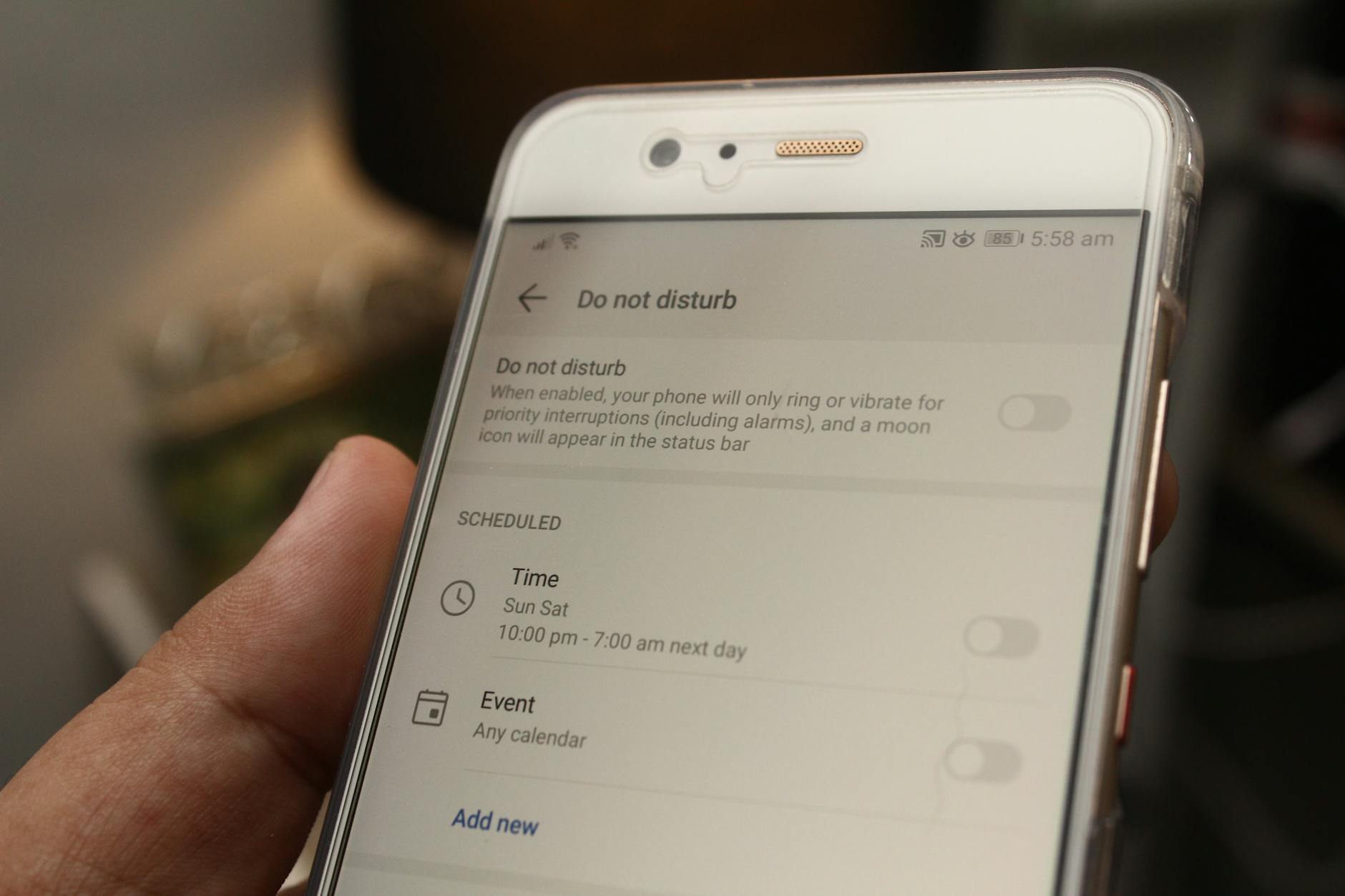 Photo by Daniel Moises Magulado
Android: Turn off Do Not Disturb and adjust blocking rules
On Android devices, Do Not Disturb can silence notifications in many ways. Start by turning DND off if it is active, then review any rules tied to specific apps or times. If Gmail isn’t allowed through, you’ll keep missing messages even with a fresh alert setup.
Thousands of People Were Struggling With Money Until They Discovered This One Ancient Secret Hidden in Sound
>>> Unlock It Now <<<
- Quick check: swipe down to open Quick Settings and verify the Do Not Disturb icon is not active.
- In Gmail, confirm that notifications are enabled under Settings > Notifications, and verify the “priority only” or similar rules aren’t suppressing Gmail alerts during busy periods.
- Open Settings > Sound & Vibration > Do Not Disturb and inspect exceptions. Ensure Gmail is allowed to interrupt and deliver alerts when DND is on if you actually need alerts during certain hours.
- Review any app-specific rules that block background activity. Some devices have per-app notification controls that resemble channels or categories; make sure Gmail channels are set to alert as intended.
- If you use Modes or Focus-like features, check their schedules. Some modes silence all alerts during meetings or late at night. Adjust the schedule or create an exception for Gmail.
To deepen understanding, consult official Android guidance on limiting interruptions and configuring Do Not Disturb:
- Limit interruptions with Do Not Disturb on Android
If you still don’t get timely Gmail alerts, test by sending a new message to your account and verify the notification wake-up behavior. Repeat these checks for each Gmail account on the device to ensure consistent delivery.
iPhone: Manage Focus and Do Not Disturb settings
iPhone users often rely on Focus to silence distractions. If Gmail is not delivering alerts, check Focus settings in addition to the standard notification controls. The goal is to allow Gmail to break through when you need emails, without removing focus during work time.
- Open Settings > Focus > Do Not Disturb or the Focus profile you use. Make sure Gmail is allowed to notify during the Focus schedule or time, and consider turning off Focus when you want alerts to come through.
- Go to Settings > Notifications > Gmail. Ensure Allow Notifications is on and that the alert styles (Lock Screen, Notification Center, Banners) are enabled. Sounds should be on if you want audible alerts.
- Inside the Gmail app, confirm that in-app notifications are enabled and that any “New mail” categories are active.
- If you use a Focus feature that syncs across devices, verify it is not muting Gmail on other Apple devices.
For additional context, Apple offers clear guidance on notification management and background activity for iPhone:
- Use notifications on your iPhone or iPad
- Set email notifications on iPhone
After making these adjustments, perform a quick test by sending a new email to your account. Check that the alert appears with the selected style and sound. If alerts still don’t appear, recheck that Gmail is allowed to deliver notifications within iOS settings and in the Gmail app itself.
Quick tips to prevent future blocks
- Create a simple alert plan: allow Gmail to override DND during your workday, but keep DND active overnight if needed.
- Keep a small set of trusted apps as exceptions rather than broad allowances. This reduces the chance of missing important messages from other apps.
- Regularly review Focus or Do Not Disturb rules after OS updates. Updates can reset or change permissions.
In practice, clearing Do Not Disturb and related blocks means more than flipping a switch. It’s about aligning when you want alerts with when you actually need to see them. A well-tuned setup helps Gmail deliver timely reminders and keeps you productive without constant interruptions.
References for deeper reading and device-specific paths:
- Android Do Not Disturb and notification settings guide
- iPhone notification and Focus management resources
If you follow these steps and still notice gaps, consider rechecking your account sync settings and testing with multiple test emails. Sometimes a fresh check on both ends clarifies where the hold-up lies and helps you restore reliable Gmail alerts on your smartphone.
Advanced Steps: Updates, Cache, and Reinstall
If you’ve followed the basics and Gmail still stays quiet, the issue might live outside the app itself. Updates, cached data, and the occasional reinstall can clear stubborn glitches that block notifications. In this section, you’ll get a practical, step by step approach to pushing Gmail back to reliable alerting on both Android and iPhone. Think of these as the fine tuning you do after you’ve adjusted the antenna at the root level.
Keep Gmail and your device up to date
Software updates matter for notifications. When Gmail and your device’s OS are current, you get the latest fixes for background wakeups, permission handling, and more reliable push behavior. Start with the Gmail app and then check the phone’s system updates. This sequence minimizes the chances of a mismatch that prevents alerts from arriving.
- Update your Gmail app on Android and iPhone to the latest version. Updates often include security fixes and performance improvements that affect background activity and notification delivery. For Android, you can find the Gmail update in the Play Store; for iPhone, check the App Store.
- Install any available system updates on your device. A fresh OS version often includes enhanced notification handling and better power management compatibility with apps like Gmail.
- After updating, restart the device to ensure all new code loads correctly and background tasks start with a clean slate.
If you want deeper official guidance, see the Gmail update pages for Android and iPhone. These resources walk you through what changes in each new release and why they impact notifications:
- Update your Gmail app – Android
- Update your Gmail app – iPhone & iPad
Keeping both apps and OS current reduces the chance you’ll run into missed alerts when you most need them.
Clear cache and data that can trip notifications
Cached data and stale app state can confuse Gmail’s notification engine. Clearing cache and, where applicable, app data can restore normal behavior without reinstalling. This step is especially helpful if you notice delays or odd notification behavior after long usage spans or after a software update.
- On Android, you can clear the Gmail app cache and data without losing your emails. This forces Gmail to rebuild its local state and resync with the server. In many devices, you go to Settings > Apps > Gmail > Storage and choose Clear Cache. If issues persist, you can also Clear Data, but remember this will reset in-app preferences and downloaded content while preserving your Gmail account data on the server.
- On iPhone, the equivalent action is to offload the app or reinstall it to purge caches and rebuild the app’s state. Offloading keeps documents and data but clears the app’s temporary files, while a full reinstall resets the entire app environment. If you reinstall, you’ll want to sign back in and reconfigure your notification preferences to ensure everything is wired correctly again.
For deeper steps and official guidance, these resources explain how to clear cache on Android and how to clear data safely:
There Is a Frequency That the Wealthiest Families Have Used for Generations and Most People Will Never Know It Exists
>>> Open the Door <<<

- Clear cache & cookies – Android – Google Account Help
- How to clear cache on Android
- Clearing App’s Cache on Android
As you perform cache clearing, keep an eye on how Gmail behaves during a quick test: send a message to yourself and confirm you receive a timely notification after the purge.
Reinstall Gmail when things still act up
If the problem persists after updates and cache clears, a clean reinstall can be the simplest way to reset every setting to default and reestablish proper notifications. Reinstalling removes hidden app quirks that updates or cache clears can’t fix.
- On Android, uninstall Gmail, then reinstall from the Google Play Store. After reinstall, re-enter your account and reapply your preferred notification options in both the Gmail app and the device settings.
- On iPhone, uninstall Gmail by pressing and holding the app icon, then selecting Remove App. Reinstall it from the App Store, sign in, and reconfigure notifications. If you used any Focus or DND exemptions, set them again to ensure alerts break through when you want them.
If you’d like a quick reference, Apple and Google provide guidance on reinstalling Gmail and verifying notification behavior after reinstall. These pointers can help you confirm the app is functioning as intended after a fresh install:
- Uninstalling and reinstalling Gmail app on iPhone
- How do I reinstall the Gmail app on my iPhone
After reinstalling, always test with a new email. Confirm the banner or sound triggers on your preferred device, and verify that alerts appear promptly across devices if you use multiple accounts.
Validate notification channels and background activity post update
Updates or reinstalls can reset notification channels or background activity permissions. It’s worth a final pass to confirm Gmail still has access to the right channels and that the app is allowed to run in the background. A small, focused check now can save headaches later.
- Android: Open Settings > Apps > Gmail > Notifications and re-enable all relevant channels. Then go to Battery optimization and ensure Gmail is not restricted.
- iPhone: Open Settings > Gmail > Notifications and ensure all categories (Lock Screen, Alerts, Banners) are enabled. Also confirm Background App Refresh is on for Gmail and that Low Power Mode isn’t throttling background work when you need timely alerts.
If you want a broader reference, these guidelines show how to configure notification channels and background activity on Android and iOS:
- Change Gmail notifications – Android
- Change Gmail notifications – iPhone and iPad
- Use notifications on your iPhone or iPad
A final test after these checks should confirm consistent delivery. If you still see gaps, consider a deeper look at account sync settings or testing with a different Gmail account to isolate whether the problem is account-specific.
External resources provide more context on updates and notification behavior across platforms:
- Gmail Help
- Update your Gmail app – Android
- Update your Gmail app – iPhone & iPad
- Change Gmail notifications – Android
- Change Gmail notifications – iPhone and iPad
Regularly cycling through updates, cache management, and a clean reinstall when needed creates a reliable notification loop. It’s like tuning a guitar: minor adjustments can keep the strings ringing clearly, so you never miss an important message again. And if you’re syncing across multiple devices, this discipline helps maintain consistent alerts everywhere your smartphone goes.
Conclusion
If Gmail notifications aren’t showing on your phone, a simple, ordered approach wins. Start with the five fixes below, then use the quick checklist to stay on track. Your smartphone’s ability to ping you with new mail should feel instant and reliable again.
Top fixes you can try in order
- Review Gmail app notification settings on both Android and iPhone
- Confirm permissions and background activity are allowed
- Disable Do Not Disturb or Focus blocking Gmail alerts
- Remove battery optimization for Gmail
- Update Gmail and the device OS, then restart
Quick checklist
- Are Gmail notifications enabled in the app and system settings?
- Is background refresh allowed for Gmail?
- Is Do Not Disturb or Focus not blocking Gmail during your work hours?
- Are there pending OS or app updates and a recent restart?
A few final tips keep alerts steady over time. Test notifications after every change to confirm results. Keep the Gmail app and your device up to date, and avoid broad permission changes that might affect other apps. If you use multiple accounts, repeat the steps for each one to maintain consistent alerts on your smartphone.
Reliable alerts boost efficiency by ensuring you never miss urgent messages. They help you stay focused and responsive, no matter where you are. If you found a fix that works, or if you have questions, share them in the comments.
She Pressed Play on a Strange Audio Track and Within Days Her Financial Reality Started Shifting in Ways She Could Not Explain
>>> See How It Works <<<
