She Pressed Play on a Strange Audio Track and Within Days Her Financial Reality Started Shifting in Ways She Could Not Explain
>>> See How It Works <<<

Are you missing important alerts on your phone at crucial moments? Delayed notifications can throw off your day and slow you down, especially when you rely on instant updates from apps and messages.
This guide explains the common causes behind delayed alerts and walks you through practical fixes that work on both iPhone and Android devices. You’ll learn simple steps you can take today to restore timely notifications on your smartphone and stay in the loop.
By the end, you’ll have a clear, no-juss jargon path to faster, more reliable alerts. Whether you’re juggling work, family, or daily tasks, getting your notifications back on track can save time and reduce stress.
Quick checks to fix most delayed notifications
Delayed alerts are frustrating, but many issues can be solved with a few quick checks. This section walks you through practical, no-nonsense steps to verify your system and app settings, test your notifications, and clear the path for timely alerts. You’ll learn how to confirm broad alert permissions, inspect individual apps, and perform a simple restart routine that often fixes stuck notifications.
There Is a Frequency That the Wealthiest Families Have Used for Generations and Most People Will Never Know It Exists
>>> Open the Door <<<

Check alerts and Do Not Disturb status
First, confirm that system-wide alerts are enabled and that Do Not Disturb or Focus modes aren’t muting notifications.
- iPhone (iOS)
- Open Settings and tap Notifications. Ensure that “Allow Notifications” is enabled for critical apps and that you’ve selected a banner style you’ll notice (Lock Screen, Notification Center, and Banners should all be on if you want visibility across contexts).
- Check Focus settings by going to Settings > Focus. If a Focus is active (or if Share Across Devices is enabled), notifications can be silenced or redirected. Make sure Do Not Disturb or any Focus profile you’re using isn’t muting the alerts you need. You’ll often find a crescent moon icon in the status bar when Focus is on.
- Test by sending a message to yourself or using a test notification from within a supported app. If you don’t see the alert, revisit the app’s notification permissions and the Focus settings.
- Android
- Open Settings and go to Apps & notifications > Notifications. Ensure the app in question is allowed to post notifications and that the system-wide notification settings aren’t muted.
- Check Do Not Disturb under Sounds or Notifications. Some devices separate Do Not Disturb in Quick Settings; disabling it or adjusting allowed interruptions can make a big difference.
- Run a test by pinging yourself with a message or triggering a test notification inside the app. If it doesn’t appear, revisit the app-level settings and the general DND configuration.
Tip: After you verify the settings, perform a quick test. For iPhone, use a Focus-enabled test or send a message to yourself. For Android, use a quick test notification from your messaging app or a reminder app to confirm that alerts show up as banners or on the lock screen.
Image suggestion
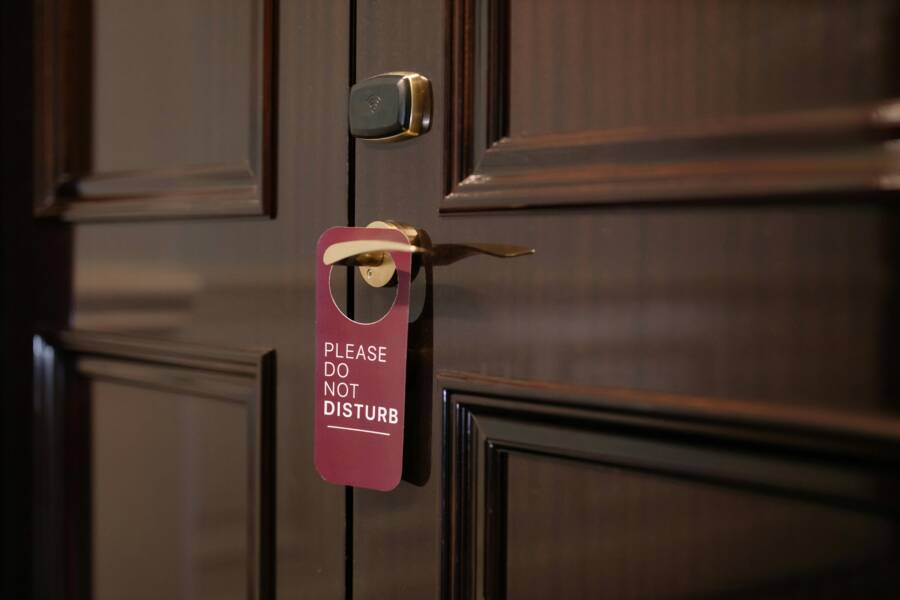
- Photo: Close-up of a smartphone displaying Do Not Disturb settings with active options.
- Photo by Daniel Moises Magulado, https://www.pexels.com/@daniel-moises-magulado-199841
- Image URL
- Caption: Do Not Disturb is enabled on the phone, showing how it can mute alerts.
Note: If you rely on critical apps like banking, health, or security alerts, consider whitelisting them or allowing exceptions during DND. See Apple’s guidance on Focus and notifications, and Google’s official Android help for Do Not Disturb to tailor settings to your daily routine.
- Apple Support resources:
- How to turn Do Not Disturb on or off on your iPhone
- Change notification settings on iPhone
- Google Support resources:
- Limit interruptions with Do Not Disturb on Android
Why this matters: When a Focus or DND profile is active, even legitimate alerts may be silenced. The simplest fix is to temporarily disable the mode or adjust who and what can break through. If you consistently need certain apps to bypass DND, configure exceptions rather than turning off DND entirely.
Inspect per app notification settings
Even if system notifications are enabled, individual apps may mute alerts or use a non-visible style. Review each app’s notification toggles, sounds, banners, and lock screen visibility.
- How to review per app settings
- Open Settings and go to Notifications (iPhone) or Apps & notifications (Android).
- Select each app that you rely on for timely alerts. Confirm that notifications are allowed and check:
- Toggles for notifications are ON
- Sound is enabled or set to a recognizable tone
- Banner style is visible (for iPhone, choose banners that pop up; for Android, ensure heads-up notifications are allowed)
- Lock screen visibility is set so you can see alerts when the screen is locked
- Some apps have in-app notification options. Open the app and check its internal settings for alert tones, vibration, or push notification behavior. Some apps offer separate controls for different event types (for example messages vs. mentions).
- Ensuring critical apps can override DND
- If you use Do Not Disturb during late hours, you’ll want certain apps to override it during emergencies or high-priority moments. On iPhone, this is often handled through Focus settings or per-app notification overrides within Focus. On Android, look for app overrides or exceptions within Do Not Disturb or Modes.
- Example approach: Allow calls from favorites or specific contacts, and permit notifications from your messaging or security apps to come through even when DND is on.
- Quick test after changes
- Send a test notification from the app or trigger a known alert (for example a calendar reminder or a chat message). Confirm that you receive it in a timely manner, with the expected sound or vibration.
Tips for better results
- Prioritize: Make a short list of your must-notify apps. If one app is consistently late, recheck its in-app and system-level settings.
- Consistency: Align per-app alert styles across devices where you frequently switch between phone, tablet, or computer.
- App updates: Ensure you’re on the latest version, as updates can adjust how notifications are delivered.
- Apple Support links you can consult:
- Change notification settings on iPhone
- Allow or silence notifications for a Focus on iPhone
- Google Support links you can consult:
- Limit interruptions with Do Not Disturb on Android
- Limit interruptions with modes and Do Not Disturb on Pixel phone
If you depend on a few critical apps, consider creating a short routine to verify these apps weekly. A quick audit keeps your alerts reliable and prevents the “missed message” scenario from becoming a habit.
Restart the device and close background apps
A simple restart can resolve many notification delays. It clears memory, resets background tasks, and reloads the systems that deliver alerts.
- Why restarting helps
- Background services can stall or crash. A fresh start restarts those services and often restores smooth notification flow.
- It clears memory leaks and stops apps that hog resources, which can slow down alert processing.
- Basic restart steps
- iPhone
- Hold the side button and either volume button until the power-off slider appears.
- Drag the slider to turn off, then wait about 30 seconds.
- Press and hold the side button to turn the device back on.
- Android
- Hold the power button until the power menu appears.
- Tap Restart. If Restart isn’t available, choose Power off and then turn the device back on after a minute.
- iPhone
- Closing background apps and reloading notification services
- After the restart, check that no apps are left running in the background unnecessarily. On iPhone, double-click the Home/Swipe Up to reveal apps and swipe away distractions. On Android, open the recent apps view and close apps you don’t need.
- If a particular app still lags, force stop (Android) or reinstall (iOS and Android) to ensure it reloads its notification services properly.
- Some devices offer a built-in optimization or battery management feature. If you’ve customized power-saving or background limits, re-enable necessary background tasks for the apps that matter.
- Quick checks after reboot
- Send test notifications from a few key apps (messages, calendar, email) to verify they appear quickly after the restart.
- Watch for delayed alerts again over the next few hours. If delays reappear, you may need to revisit per-app settings or investigate network-related issues.
- Related resources
- Apple support: Restart your iPhone
- Google support: How to restart the phone
- General Android troubleshooting for devices that restart or crash
Putting it all together
- A fast, reliable notification system is built on three pillars: ensure system-wide alert permissions, tune per-app notification settings, and perform a routine restart when things slow down. When you combine these steps, you’ll reduce missed alerts and keep your phone a step ahead of the moment you need to react.
- Quick checklist to keep handy
- Confirm Do Not Disturb or Focus is off or properly configured
- Review each important app’s notification settings
- Test with a real or simulated alert
- Restart the device and close unnecessary background tasks
- Reassess after a few days if any app still feels slow
- If you need further guidance, Apple and Google provide detailed official steps for both iPhone and Android. These resources will help you tailor settings to your exact model and software version, so your notifications stay timely across everyday use.
External resources to consider
- iPhone: How to turn Do Not Disturb on or off on your iPhone, Change notification settings on iPhone, Allow or silence notifications for a Focus on iPhone
- Android: Limit interruptions with Do Not Disturb on Android, Limit interruptions with modes and Do Not Disturb on Pixel phone, Fix an Android device that’s restarting or crashing
Remember, small adjustments can make a big difference. Start with the easiest fix you see and work your way through the list. Timely notifications aren’t a luxury; they’re a tool to help you stay on top of what matters.
Platform wide settings that impact notification timing
Notifications don’t just come from individual apps. Platform wide settings shape whether alerts fire promptly or sit in limbo. This section explains how broad controls can delay or speed up notifications, and how to tune them so you get timely alerts across your daily tasks. As you read, think about the big picture: your phone is a small assistant, and these settings are the rules that keep it from overstepping or holding back when you need it most. If you’re juggling work, family, or travel, these platform level tweaks can make a real difference.
Battery optimization and background activity
Battery saving modes and aggressive background activity limits can slow down notifications. When a device restricts background work, apps may not fetch new data often enough, so you miss timely alerts or see delayed updates. This is especially true during battery saver states or on devices that aggressively manage energy use to extend life.
On most smartphones, you can reduce delays by temporarily relaxing or whitelisting essential apps. Start by locating battery optimization or background activity settings and consider the following:
- Whitelist critical apps: Add banking, health, security, messaging, and calendar apps to a trusted list so they can run in the background without throttling.
- Disable aggressive optimizations: Some devices silently throttle background tasks when battery saver is on. If you rely on fast alerts, turn off or loosen these restrictions for core apps.
- Check both ecosystems: Battery settings differ between Android and iPhone. On Android, look for battery optimization or background activity; on iPhone, review Low Power Mode and any app background activity controls. A quick check ensures you’re not blocking essential data in the background.
- Quick validation: After adjusting, send a test notification from a key app and monitor whether alerts appear promptly over the next few hours.
For further guidance on Focus and notification behavior on iPhone, you can review Apple’s focus related help:
- Allow or silence notifications for a Focus on iPhone: https://support.apple.com/guide/iphone/allow-or-silence-notifications-for-a-focus-iph21d43af5b/ios
If you want a broader view on how background activity and battery life interact with notifications across platforms, see common practices and tips from industry guides:
- How to schedule focus modes and automate interruptions: https://macrumors.com/how-to/schedule-focus-modes
Tip: If you use Focus modes to reduce interruptions during certain hours, ensure essential apps can bypass the mode or have prioritized notification access. A quick weekly check helps keep important alerts flowing without leaving you overwhelmed by nonessential notices.
Focus modes and time restrictions
Focus modes, whether scheduled or location based, can block or delay alerts for work, study, or personal time. When these modes are active, only approved interruptions pass through, which can mean missed messages or calendar reminders if you haven’t added exceptions.
To keep important alerts flowing, follow these steps:
- Create exceptions for must-have apps: Allow notifications from essential apps such as messaging, email, calendar, and security apps even when Focus is on.
- Schedule with care: If you rely on alerts during specific hours, set Focus schedules that reflect real work and family routines. Remember to test transitions between modes to verify timing.
- Use location-based triggers wisely: If you move between work and home, ensure the mode switches in a way that matches your real needs, not just a generic pattern.
- Test changes: Simulate typical scenarios like a workday or a quick multi-task session and verify that critical alerts appear as expected.
Helpful resources for Focus modes on iPhone include official guidance on setting and managing Focus and notifications:
- Allow or silence notifications for a Focus on iPhone: https://support.apple.com/guide/iphone/allow-or-silence-notifications-for-a-focus-iph21d43af5b/ios
- Schedule and automate Focus modes: https://macrumors.com/how-to/schedule-focus-modes
If you’re using Android, explore how Do Not Disturb and other modes interact with app alerts, and how to set exceptions for urgent notifications. A well-tuned Focus setup can help you protect time without sacrificing essential alerts.
Testing tip: Create a temporary Focus profile that mirrors your most demanding hours. Run through a few scenarios—work prompts, calendar alerts, and urgent messages—to confirm each category arrives when expected. This is a quick way to catch gaps before they matter.
Network settings and data saver
Push notifications rely on a steady network connection. Poor network conditions or data saver modes can cause delays or missed alerts. When data saving is active, apps may restrict background data or limit how often they fetch new information, which directly impacts notification timing.
To minimize network related delays, keep these practices in mind:
- Switch between Wi Fi and mobile data: If you notice delays, try a quick switch to a different network. Some environments favor Wi Fi while others are more stable on cellular data.
- Allow background data for key apps: Ensure critical apps can use data in the background so they can fetch updates as soon as they arrive.
- Check data saver settings: If data saver is on, whitelist essential apps or temporarily disable it while expecting important alerts.
- Test after network changes: After switching networks or adjusting data saver, send a test notification from a couple of key apps to confirm timely delivery.
Support and guidance on Focus related settings and background activity can help with understanding how these choices affect notification timing:
- Allow or silence notifications for a Focus on iPhone: https://support.apple.com/guide/iphone/allow-or-silence-notifications-for-a-focus-iph21d43af5b/ios
Additionally, if you frequently move between locations or networks, a short routine to verify connectivity for critical apps can save you headaches. For Android users, it is helpful to verify that data saver and background data settings are configured for the apps that matter most.
Putting it into practice
- Create a quick playbook: A few steps you can run during a network check. For example, confirm the device is on a network with reasonable latency, check if data saver is enabled, and verify that background data is allowed for your must-notify apps.
- Use test notifications: Periodically trigger alerts from your messaging or calendar apps to ensure they arrive promptly after network changes.
External references to explore
- Allow or silence notifications for a Focus on iPhone: https://support.apple.com/guide/iphone/allow-or-silence-notifications-for-a-focus-iph21d43af5b/ios
- How to schedule focus modes: https://macrumors.com/how-to/schedule-focus-modes
Summary takeaways
- Platform wide settings act as guardrails that can help or hinder how quickly you see alerts.
- Regularly review battery optimization, Focus modes, and data saver to ensure essential apps aren’t blocked.
- Use small, repeatable tests to confirm that changes actually improve notification timing.
External resources to consider
- iPhone: Use Low Power Mode to save battery life on your iPhone or iPad: https://support.apple.com/en-us/101604
- Background App Refresh and related concepts: https://www.businessinsider.com/reference/background-app-refresh
If you depend on timely alerts, pair these platform level checks with per-app settings for a comprehensive approach. The goal is simple: a smartphone that stays on top of the moment you need to react, without drowning you in noise. And if you ever feel the need to revisit your setup, a quick audit keeps your notifications reliable over time.
iPhone specific fixes to speed up notifications
Timely alerts on an iPhone rely on a mix of system settings and app behaviors. The following sections focus on iPhone-specific tweaks you can apply to speed up how and when you see notifications. Use these steps to test and verify improvements, then tailor them to your daily routine. If you rely on critical apps, combine these with per‑app permissions for the best results.
Check Focus and Lock Screen notifications
Focus and Do Not Disturb settings can mute or delay alerts even from apps you trust. Likewise, Lock Screen visibility affects whether you notice an alert as soon as it arrives. To test quickly, disable Focus temporarily, then reenable it with approved apps.
- How it works
- Focus modes block or silence notifications based on your schedule or location. When active, only allowed apps and people break through.
- Lock Screen settings determine whether banners or alerts appear when the screen is locked.
- Do Not Disturb behaves similarly and can mute sounds and banners across contexts.
- Quick path to disable Focus for testing
- Open Settings > Focus and toggle Focus off. Send a test alert to yourself or use a supported app to generate a notification.
- Reenable with approved apps
- Pick essential apps (messaging, calendar, security) and add them to the Focus allowed list.
- Return to Settings > Focus and ensure those apps are allowed to interrupt during the times you need them.
- Extra notes and testing tips
- If an alert is critical, consider temporarily allowing it to bypass Focus for testing, then restore your normal configuration.
- After testing, monitor alerts for a few hours to confirm the improvement.
Relevant resources for Focus on iPhone
He Was Drowning in Bills and Burnout Until a Simple Daily Ritual Rewired His Brain for Wealth in Less Than a Week
>>> Start Your Shift Today <<<

- Allow or silence notifications for a Focus on iPhone
- Change notification settings on iPhone
Verify Apple Push Notification Service and app permissions
APNs is the backbone that delivers push notifications to iPhone devices. App permission settings influence how and when those alerts arrive, especially when apps are allowed to fetch data in the background. Review permissions and background fetch rules to ensure timely delivery.
- Why APNs matters
- APNs handles the push channel between Apple and the app servers. Any misconfiguration can create delivery delays or missed alerts.
- Background fetch and related permissions let apps update in the background so notifications appear promptly.
- Steps to review permissions
- Open Settings and go to Notifications. Verify that alerts are allowed for your key apps and that the style (banners, sounds) matches your preferences.
- Check Settings > Privacy > Background App Refresh and ensure it’s enabled for the important apps.
- If you use VPNs or security utilities, test with them disabled to confirm they aren’t throttling push data.
- Ensure apps can fetch data in the background
- Confirm Background App Refresh is on for critical apps.
- If your device uses Battery or Data Saver settings, make sure they don’t block background activity for essential apps.
- Quick test
- Send a test notification from a messaging or calendar app and confirm it arrives with minimal delay.
Helpful external references
- APNs and push notification troubleshooting guidance
- Technical notes on push delivery and background activity
Update iOS and reset network settings
Staying current with iOS fixes a lot of notification mishaps. If issues persist, a network reset can clear stubborn misconfigurations. Always back up data before performing major resets.
- Why keeping iOS up to date helps
- Each new release includes bug fixes and improvements to how notifications are delivered and managed.
- Updating can resolve compatibility issues with apps that rely on APNs.
- Safe way to reset network settings
- Settings > General > Transfer or Reset iPhone > Reset > Reset Network Settings.
- This clears saved networks and passwords, so be prepared to reconnect to Wi‑Fi and re-enter credentials.
- Backup reminder
- Before any major reset, ensure your iCloud or local backups are up to date.
- Quick post‑reset checks
- Reconnect to Wi‑Fi, then test a few key apps (messages, calendar, mail) to confirm prompt delivery.
- If problems return, revisit per‑app permissions and Focus settings.
- Extra tips
- If you rely on cellular data, verify the network settings for APN and data roaming where applicable.
- Use a test notification after updates or resets to verify timing over several hours.
External resources to consult
- Reset iPhone settings to their defaults
- iPhone notification and settings change guidance
Putting it into practice
- Build a small maintenance habit: after each iOS update or network change, run a quick notification test from two or three core apps.
- Track results for a day or two to identify patterns and adjust Focus or app permissions accordingly.
External links for broader context
- Apple support: Change notification settings on iPhone
- Apple support: Allow or silence notifications for a Focus on iPhone
In the end, fast and reliable notifications come from aligning Focus, APNs permissions, and network behavior. With these checks, your iPhone can stay on top of important moments without becoming a source of noise. If you want more hands‑on strategies, this approach pairs well with routine audits of the most critical apps on your smartphone.
Android specific fixes to reduce notification delays
Notifications should arrive when they matter most. On Android devices, a few well-chosen tweaks can dramatically speed up delivery without sacrificing battery life. This section outlines practical, device-friendly steps you can take today. It covers common Android behaviors that cause delays, how to fine tune system and app settings, and when to take deeper actions like clearing cache or reinstalling an app. Think of your Android phone as a smart assistant that needs the right permissions and a clean data path to stay on top of every alert.
Disable battery saver and optimize background activity
Battery saver modes are great for extending life, but they can slow down how quickly apps pull in new data. When the system throttles background work, notifications may lag or arrive stale. The fix is simple: relax the restrictions for must-notify apps and keep background activity enabled for critical services.
- Start with a quick check on battery optimization
- On most Androids, go to Settings > Battery > Battery optimization. From there, you can switch essential apps from “Optimized” to “Don’t optimize.” Banking, messaging, calendar, and security apps usually belong in this whitelist.
- If you’re on a Galaxy device, you’ll find these options under Settings > Apps, choose an app, then Battery > Optimize battery usage. Set the app to “Not optimized” to ensure it runs in the background.
- Disable battery saver temporarily during heavy app use
- If you’re waiting for a time critical alert, turn off Battery saver from Quick Settings or Settings > Battery. Recheck after your rush is over to balance power and prompt notifications.
- Allow background activity and data usage
- In Android 11 and later, make sure each important app has background activity allowed. Go to Settings > Apps > [Your App] > Battery and enable “Allow background activity.” If your device has a data saver mode, add the apps to the whitelist so they can fetch data even when data saver is on.
- Samsung and Pixel specifics
- Samsung devices: Settings > Apps > [App] > Battery > Unrestricted (or Allow background activity). Also check Settings > Battery and device care > Background usage limits and disable any unintended restrictions for key apps.
- Pixel devices: Settings > Apps & notifications > See all apps > [App] > Battery > Background restriction should be off. Pixel’s adaptive battery can still impact timing, so consider giving top apps a permanent exemption if you rely on them for real-time alerts.
- Quick validation
- After adjusting, trigger a test notification from messaging or calendar apps. Monitor for a few hours to confirm that the alert arrives promptly and with the expected tone or vibration.
Pro tip: If you use a feature like Focus or DND, ensure critical apps still get through. On many devices, you can create exceptions so important messages never get buried by power saving.
If you want more context on how OEMs handle background activity, these official and practical guides offer deeper explanations:
What If the Only Thing Between You and the Life You Deserve Is a Hidden Wealth Code Waiting to Be Activated
>>> Open the Door <<<

- Android background activity basics and how to manage them
- How to turn off battery optimizer on common devices
External links to consider
- https://www.androidauthority.com/android-delayed-notifications-and-fixes-3487369/
- https://support.google.com/pixelphone/thread/135909987/delayed-notifications-since-android-12-update?hl=en
Review notification channels and per-app settings
Starting with Android 8.0, notification channels let you group alerts by type and control their behavior. This is crucial because even if the system allows notifications, a misconfigured channel can mute or delay critical alerts. The goal is to ensure the right channels are front and center for the apps you rely on.
- Understand channels and their impact
- Each app can create multiple channels, each with its own sound, vibration, and importance level. Users can override these channel settings, so verify them in Settings > Apps & notifications > [App] > Notifications.
- Check channel priority and behavior
- Ensure the most important channels are set to High or Urgent if your goal is timely alerts. High priority channels can pop as heads up notifications or appear on the lock screen, even when the phone is busy with other tasks.
- Customize sounds, vibrations, and pop-ups
- For critical channels, assign a distinct sound and enable vibration. Consider enabling heads-up notifications so alerts appear as banners rather than silently creeping in.
- Manage per-app settings
- Review each app you depend on for timely notifications. For messaging, calendar, security, and banking apps, confirm:
- Notifications are allowed for the app
- The important channel is enabled and set to a high priority
- Sound and vibration are active
- Heads-up or pop-up notifications are allowed
- Review each app you depend on for timely notifications. For messaging, calendar, security, and banking apps, confirm:
- Special case: critical alerts and overrides
- Some apps offer a dedicated “urgent” or “high priority” channel. If you’re in a situation where a late notification could cause problems, switch the channel’s importance to a higher level or enable an exception in Do Not Disturb or Focus modes.
- Quick checks and testing
- After making changes, send a test alert from the app or trigger a known event (calendar reminder, message, or alert) to confirm the notification path is working as intended.
Helpful references for Android notification channels
- Create and manage notification channels – Android Developers
- About notifications | Views – Android Developers
External links to consider
- https://developer.android.com/develop/ui/views/notifications/channels
- https://developer.android.com/develop/ui/views/notifications
Clear cache and reinstall apps
Sometimes a stubborn app blocks notifications due to cached data or corrupted files. Clearing the app cache or reinstalling the app can reset its notification services and restore timely delivery. Always back up important data before taking these steps to avoid any loss.
- Clearing app cache and data
- Android: Settings > Apps > [App] > Storage > Clear cache. If issues persist, you can also try Clear data, but be aware this may remove local app data and settings.
- For a safer approach, start with Clear cache first. Only clear data if the problem remains and you’re prepared to reconfigure the app.
- Reinstall the app
- Uninstall the app, restart the device, and reinstall from the Google Play Store. This ensures you get the latest version with fresh notification handlers.
- Data safety and backups
- Before clearing data or reinstalling, back up any important information. Use the app’s built-in export features if available, or a cloud backup solution to protect conversations, preferences, and locally stored data.
- When to consider this step
- If a single app consistently delivers late alerts, has corrupted notification settings, or refuses to obey the system’s permission model, a reinstall often resolves the issue.
- Quick validation
- After reinstalling, sign back in and trigger a test notification. Confirm that it arrives promptly and with the expected behavior (sound, vibration, and on-screen display).
Practical guidance on data safety
- Always back up critical messages, chats, or notes before clearing data.
- Verify that cloud backups (Google Drive for Android apps, for example) are current.
- Reinstall only the apps you need to fix immediate notification delays.
External references about clearing cache and reinstalling
- https://www.android.com/articles/clear-cache-and-cookies/
- https://www.trio.so/blog/how-to-clear-cache-for-apps-on-android
Putting it into practice
- Run a quick triage: start with the least invasive option, Clear cache, then test. If delays persist, proceed to reinstall.
- Maintain a small maintenance routine: once a month, review the few apps that matter most and confirm their notification behavior remains optimal.
- Quick checklist to keep handy
- Battery optimization for must-notify apps is off or whitelisted
- Critical channels set to high priority where appropriate
- Test notifications after each change
- Clear cache and reinstall only when needed
- Back up data before clearing app data or reinstalling
External resources to consider
- Android: How to Clear Cache and Delete Cookies on Your Phone
- How to Clear App Cache on Android [Manually & in Bulk]
If you rely on timely alerts, this trio of actions—tuning battery and background activity, refining channel and per-app settings, and clearing cache or reinstalling as needed—gives you a robust path to faster delivery. Pair these steps with periodic checks and you’ll cut down missed notifications and reduce the chance of delays during critical moments. And for heavy smartphone users, a concise routine that you run weekly keeps your alerts reliably on time.
Best practices to prevent delayed notifications and test tips
Timely notifications come from clear control points across the device and apps. This section lays out practical, low-friction practices you can apply today. You’ll learn how to test effectively after each change, what to watch for, and which tools help you verify delivery. Think of your smartphone as a reliable assistant that only needs a few well‑placed settings to stay on top of every alert.
Test notifications and use notification history
Testing after every change is the quickest way to confirm you’re moving in the right direction. Use both built‑in history and lightweight third party tools when needed. A simple, repeatable test routine helps you spot gaps before they bite.
- Create a short test script
- Pick 3 key alerts: messaging, calendar reminder, and an app that pushes time‑sensitive data.
- Trigger each alert and note the time it appears. If it’s late, record what settings were changed just before the test.
- Use built‑in notification history
- iPhone users can review recent alerts in the notification center or focus history. Android users can check individual app notification logs in Settings.
- Try a third party test tool if necessary
- When you suspect an app isn’t delivering, a lightweight test app or a status page can confirm whether the issue is with the device, the app, or the network.
- Document the result
- Note the exact time to delivery, sound, and vibration. If a test fails, revert to a previous setting and test again.
- Quick example
- After enabling a Focus exception for a messaging app, send a test message and verify it appears within two seconds and with the expected banner.
Use these external references for deeper testing methods and best practices:
- Understanding message delivery | Firebase Cloud Messaging
- How to fix notification delivery issues on specific Android devices
- Tracking Push Notifications: Best Solutions for Android & iPhone
Tips for a smooth testing flow
- Keep a tiny checklist handy for each change: confirm permissions, confirm focus/Do Not Disturb exceptions, run a test, review the history, and log the outcome.
- Don’t overthink it. If a test fails, revert the last change and re‑test with a minimal, incremental adjustment.
Keep software and apps updated
Updates are not just about new features. They tighten security, fix bugs, and smooth out how notifications are delivered. Regular updates reduce the chance of delays caused by compatibility issues between the OS and apps.
- Why updates matter
- OS updates fix known delivery problems and improve background activity handling.
- App updates often adjust notification channels, sounds, and timing to better align with the operating system’s behavior.
- A weekly update routine
- Check for OS updates and app updates once a week. On most devices, you’ll find updates in Settings under Software Update (iPhone) or System > Advanced > System updates (Android).
- Enable automatic updates where appropriate to keep critical apps current, especially if you rely on fast alerts.
- A simple weekly routine
- Start on Monday or Sunday: open Settings, check for OS updates, then open your main app stores and review pending updates.
- After updating, run a quick test of your three key alerts to confirm delivery timing remains steady.
- When automatic updates matter most
- Automatic updates are especially helpful for security apps, messaging services, and calendar tools. They reduce the risk of a delay caused by an outdated component.
- A quick note on the safe side
- If you’re on limited data, set updates to occur only on Wi‑Fi to avoid unexpected data charges.
Reference points for broad guidance on why updates help and how to enable them:
- Why updates matter for Android and iPhone
- Never disable automatic app updates on your phone
- Keep devices and apps up to date | CISA
Practical tip
- After an update, don’t assume everything is perfect. Run a short test across multiple apps to ensure the delivery path remains clean.
Use a simple notification setup and avoid cleaners
A straightforward notification setup reduces the chances of misrouting alerts. Complex cleaning tools and aggressive optimizers can interfere with how and when alerts arrive. The goal is a clean data path and minimal interference.
- Keep a minimal, focused setup
- Limit the number of notification channels you actively manage to those you truly need. Keep the rest quiet unless there’s a real reason to be loud.
- Use clear sounds and distinctive vibration patterns for your must‑notify apps so you can identify them at a glance.
- Beware of aggressive cleaners
- Third party cleaners and task killers often delete background data or force close apps, which can cause delayed or missing notifications.
- If maintenance is needed, prefer built‑in device tools or simple cleanup routines that don’t disrupt background services.
- Safer maintenance alternatives
- Use built‑in storage optimization and battery settings to identify only truly problematic apps.
- Regularly clear cache for troubleshooting rather than sweeping all data or force stopping apps.
- A quick practical routine
- Review your must‑notify apps once a month. Confirm their background activity is allowed and that data saver settings don’t block them.
- When you notice delays, test by sending a notification from those apps and observe the path from server to device.
Helpful references you can consult
- Task killers and memory cleaners can actually do more harm than good
- Don’t kill my app! Learn how background restrictions affect delivery
- Android background activity basics and how to manage them
Best practices for ongoing maintenance
- Keep a short, recurring routine: once a month, review must‑notify apps, test delivery, and adjust how you use Focus or Do Not Disturb.
- If you use battery saver modes, verify essential apps remain untouched by these limits during business hours or high‑alert periods.
- When you switch networks, run a test to confirm delivery timing stays fast.
How external resources fit in
- Stop blocking essential apps with aggressive cleaners
- Understand notification channels and per‑app settings on Android
- Focus modes and notifications on iPhone help you tailor delivery
This section helps you keep a lean setup that stays sharp. The result is fewer missed alerts and more reliable, timely notifications throughout the day.
External links for quick reference
- Understanding message delivery | Firebase Cloud Messaging
- How to fix notification delivery issues on specific Android devices
- Don’t kill my app! Don’t kill apps, make them work
- Task killers and memory cleaners can actually do more harm than good and you should stop using them
In the end, the right combination of cautious maintenance, clean per‑app settings, and consistent testing keeps your notifications timely. A smartphone that stays on top of moments you care about is not a luxury; it’s a practical tool for everyday life. To keep your setup fresh, run a quick audit every so often and adjust as your apps and routines evolve.
Conclusion
A fast, reliable notification system comes from clear controls across the device and apps. Focus on three pillars: system permissions, per‑app settings, and a simple maintenance routine on your smartphone. When you test after each change, you can confirm delivery is timely and consistent. A small, regular check keeps you in the loop and reduces missed alerts when it matters most.
Print-ready quick fix checklist
- Verify Do Not Disturb or Focus is configured to allow essentials and test a message
- Review per‑app notification settings for sound, banner, and lock screen visibility
- Check battery optimization and background activity for must‑notify apps
- Confirm notification channels are set to high priority where needed (Android)
- Run a quick test after each change and log the result
Printable quick fix guide
- Use the checklist above as a one-page sheet you can print and tape near your workspace
- Keep a simple note of the last test times to track improvements
If you have tips or questions from your own setup, share them in the comments below. Your experience can help others tune their alerts just as well.
She Pressed Play on a Strange Audio Track and Within Days Her Financial Reality Started Shifting in Ways She Could Not Explain
>>> See How It Works <<<