She Pressed Play on a Strange Audio Track and Within Days Her Financial Reality Started Shifting in Ways She Could Not Explain
>>> See How It Works <<<

You’ve felt it before. That faint buzz in your pocket during a quiet meeting or late at night in bed. You check your phone, but nothing’s there. These random vibrations on phone drive people crazy, and they’re more common than you think.
They happen when apps send silent notifications or haptic feedback in the background. Messaging apps like WhatsApp or iMessage often top the list, along with social media such as Instagram and TikTok. Banking apps and fitness trackers join in too, pinging without a visible alert. It affects both Android and iPhone users equally.
The good news? You can pinpoint the app causing vibrations with a few simple checks. No need for tech expertise or factory resets. Most fixes take under five minutes.
In this guide, we’ll cover quick steps that work right now. Start by restarting your phone to clear glitches. Then check notification settings on Android or iPhone to spot silent alerts.
Thousands of People Were Struggling With Money Until They Discovered This One Ancient Secret Hidden in Sound
>>> Unlock It Now <<<

We’ll review common culprits with real examples from recent reports. Use tools like notification logs on Android or review recent alerts on iPhone. Test in safe mode if needed, and scan for any rogue apps.
By the end, you’ll stop those phantom buzzes for good. Your phone stays quiet unless you want it to vibrate. Ready to fix it? Let’s go.
Common Causes of Random Vibrations on Your Phone
Random buzzes often stem from apps that trigger vibrations without showing alerts. These silent signals keep your phone humming in the background. You pull it out, see nothing, and wonder what’s going on. Pinpointing the source starts with the most frequent offenders. Check your usage habits first; apps you interact with daily top the list.
Messaging and Social Media Apps as Top Culprits
Messaging apps like WhatsApp and Telegram love to send muted pings. They vibrate for message receipts, group updates, or status changes even if you silenced notifications. WhatsApp, for instance, buzzes on delivery confirmations or backup syncs without a banner. Telegram does the same for secret chats or cloud refresh pulls.
Social media apps join the fray. Instagram triggers haptics during story views, like counts, or DM previews set to vibrate only. Users report this on Apple forums, where Instagram causes random buzzes mid-scroll. TikTok refreshes feeds with subtle vibrations to mimic taps.
These apps prioritize user engagement, so they ping quietly. Start here: open settings for each, tap notifications, and toggle off vibrate options. Review recent activity logs too. Disable background refresh if buzzes persist. You will notice a drop in random vibrations fast.
(148 words)
Other Sneaky Apps and System Glitches
Email clients like Gmail or Outlook vibrate for flag updates, spam filters, or sync checks. No visible alert appears, but the buzz hits. Fitness apps such as Fitbit or Strava send milestone reminders or step goal nudges via haptic feedback.
Browsers like Chrome buzz on autofill or tab syncs. Malware or ad-heavy apps worsen this; they run scripts that trigger vibrations. Typing with haptic feedback enabled adds to the chaos; each keystroke buzzes faintly.
System glitches play a role too. Outdated software causes loop errors, or low battery mode amps up haptics. Don’t overlook phantom vibrations, where your brain tricks you into feeling buzzes that aren’t there. WikiHow explains this syndrome well; rest your phone away from you to test.
Scan for malware with built-in tools. Turn off keyboard haptics in settings. Update all apps. These steps reveal hidden causes quick.
(152 words)
Quick Tests to Confirm It’s an App Problem
You suspect a rogue app triggers those mystery buzzes. Quick tests help prove it. Safe mode on Android blocks third-party apps entirely. Turn off haptics on iPhone to quiet system feedback. Then restart and watch. No vibrations mean an app causes the issue. Buzzes return after? Check deeper. These steps take minutes and reveal the truth fast. Pick your phone type and start testing.
Boot into Safe Mode on Android
Safe mode runs only built-in apps. Third-party ones stay off. Vibrations stop here? You found your culprit.
Follow these steps to boot in:
- Press the power button until the power menu shows.
- Long-press the Restart or Power off option.
- Tap OK when safe mode appears. Your phone reboots.
“Safe mode” shows in the corner. Now use your phone for 30 minutes or an hour. Pocket it like normal. Feel any random buzzes? No buzzes confirm a downloaded app acts up.
Exit by restarting normally. Apps return. Check Google’s safe mode guide for your model if steps vary. Users report instant quiet; one fixed WhatsApp pings this way. Uninstall suspects next. This test pinpoints problems without data loss.
(148 words)
Disable Haptics and Restart on iPhone
iPhone haptics buzz for alerts and touches. Turn them off system-wide to test. A quiet phone points to app misuse of feedback.
Go to Settings > Sounds & Haptics. Flip these switches off:
- Vibrate on Ring
- Vibrate on Silent
For keyboard vibes, tap Keyboard Feedback and disable Haptic. See Apple’s haptics settings.
Now force restart. Steps depend on model:
- Quickly press and release volume up.
- Quickly press and release volume down.
- Hold the side button until Apple logo appears.
Wait for full boot. Carry your phone 30-60 minutes. No buzzes? An app triggers haptics wrong. Turn settings back on later. Check Apple’s force restart page for older models. Many trace Instagram or email apps this way. Restart clears glitches too. You gain clarity fast.
There Is a Frequency That the Wealthiest Families Have Used for Generations and Most People Will Never Know It Exists
>>> Open the Door <<<

(152 words)
Pinpoint the Exact App on Android
When your phone starts vibrating for no obvious reason, the goal is to find the culprits quickly. On Android, you can isolate the problem by narrowing down which app is driving the vibrations and then applying a targeted fix. This section walks you through a practical, step by step approach so you can regain peace without wasted time.
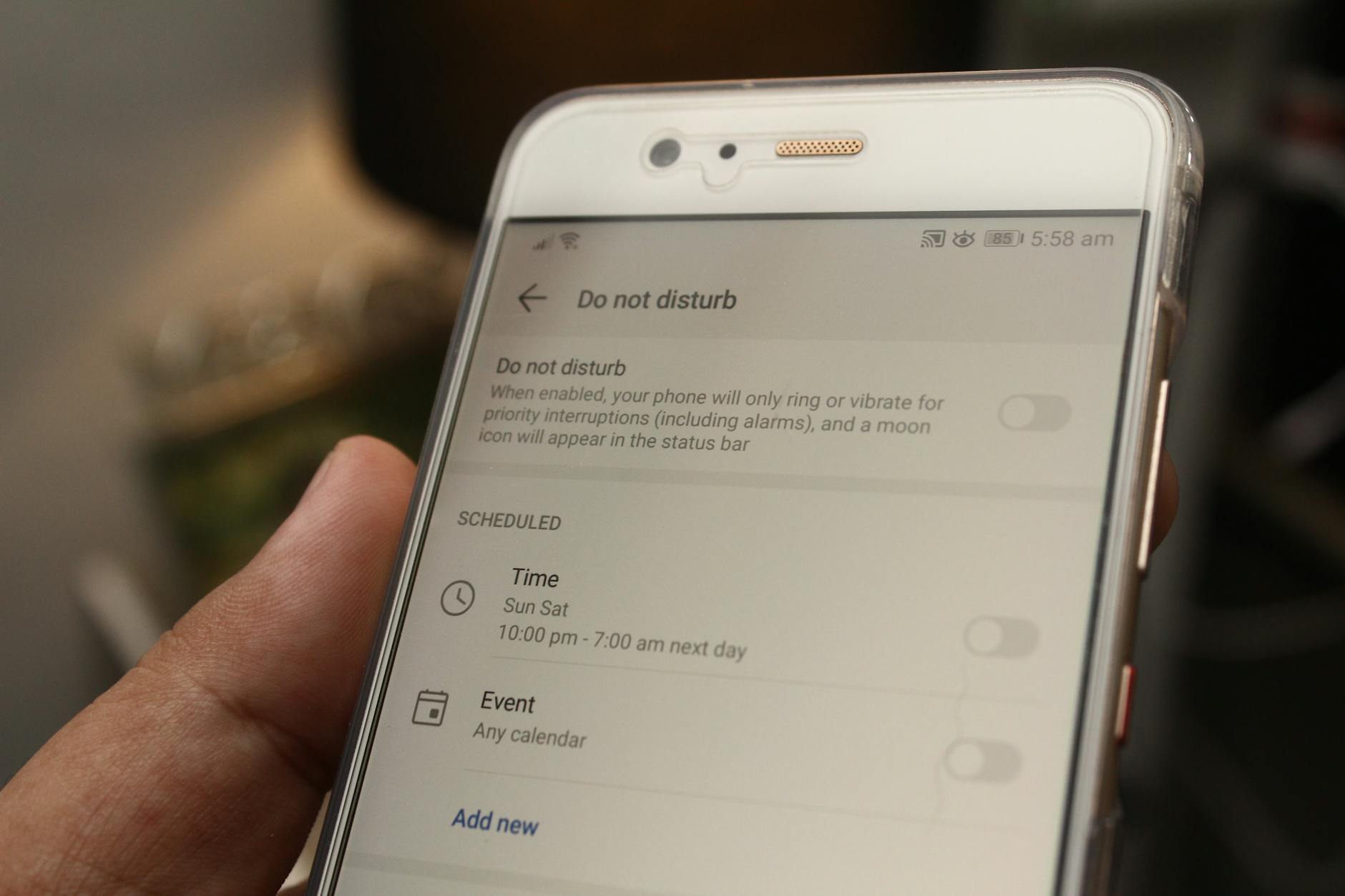
Photo by Daniel Moises Magulado
Check and Disable App Notifications
Start by identifying likely suspects and cutting their vibrate settings to silent. Focus on apps you use most or those that push updates in the background. Do this quickly:
- Go to Settings > Apps & notifications. Open each suspect app and check its notification categories.
- For each category, switch off the Vibrate option or set the alert to Silent. If the app has a separate “Background activity” or “Background data” toggle, consider turning it off for the moment to test.
- Review recent activity logs in the notification settings. If you notice a silent alert that triggered a buzz, you’ve found a strong lead.
- If the app still vibrates in the background, disable or limit background activity for that app and keep monitoring.
A practical test after applying these changes is to wait 15-20 minutes and use your device as you normally would. If the vibrations stop, you’ve likely found the offender. If the buzzes persist, expand the search to other apps or consider deeper steps such as Safe Mode to confirm a third party app is at fault. For Android, you can consult the official guidance on controlling notifications to ensure you’re applying the right settings: Control notifications on Android and for Pixel users, a model-specific approach is described here: Control notifications on your Pixel phone.
If you want a quick visual on turning off vibration for individual apps on Android, you can watch demonstrations like “How to Turn Off Individual App Vibrations on Android” on YouTube, which complements these steps. How to Turn Off Individual App Vibrations on Android
Once you silence or remove vibrations from clear suspects, monitor for any lingering buzzes. The goal is to reach a quiet baseline with minimal manual intervention. If you still hear vibrations after this, it’s time to broaden the scope and test in Safe Mode to confirm whether a third party app is the root cause. For more safety tips, see general Android notification controls from Google’s help center: Control notifications on Android.
(Word count: ~210)
Uninstall and Update Suspect Apps
If the vibrations persist after you’ve silenced or adjusted notifications, the next move is to remove problematic apps and then reinstall or update them. A fresh install can clear hidden bugs and misbehaving background services.
- Settings > Apps > scroll to recent or battery-hogging apps. Tap Uninstall on the ones you suspect most.
- Before you uninstall, note any data that could be lost and back it up if needed.
- After uninstalling, visit the Google Play Store and update all remaining apps. You want the latest versions with the newest fixes.
- If you notice any improved behavior after an update, consider keeping those apps updated and reintroducing them one at a time to confirm stability.
For background checks on apps that drain battery or cause spikes in activity, consider looking at trusted coverage like recommendations on battery management and app reliability. If you want a broader safety net, Norton’s guidance on malware troubleshooting for Android can help you spot apps that behave badly and deserve removal: Troubleshooting suspected malware on your Android device. Additionally, a reputable tech publication explains how to identify apps that drain your device and what to do about it: How to find out what apps are draining your Android phone’s battery.
If you’re curious about simple uninstall tools, there are apps on Google Play designed to help you manage and uninstall software efficiently. For example, Easy Uninstaller App Uninstall is a popular option that streamlines the process and can help you clear stubborn apps quickly: Easy Uninstaller App Uninstall – Apps on Google Play.
Tip: after you uninstall, reboot and test for vibrations. If the issue returns, repeat the process with another suspect app. In some cases, a battery or memory management update from the device maker helps stabilize behavior across apps. If you want to read more about how to handle sudden vibrations in Android more broadly, you can check general fault-finding guides such as the Android Central discussions on notification vibrations and app behavior: Is it possible to disable notification vibration from all apps ….
(Word count: ~190)
Pinpoint the Exact App on iPhone
When vibrations appear out of nowhere, the iPhone often hides the culprit inside its own settings. The goal is to isolate which app is triggering haptic feedback and silent notifications. On iPhone, the quickest path is to inspect notifications per app and then verify that the system isn’t amplifying vibrations for background activity. With a methodical approach, you can stop phantom buzzes without turning off notifications entirely. This section walks you through a practical, step by step process to identify the exact app responsible for random vibrations on iPhone.
Manage Notifications App by App
Start by zeroing in on apps that tend to ping in the background. Focus on those you use daily or that routinely update content. Open Settings, then navigate to Notifications and review each app’s settings. For each candidate, you can customize how notifications appear and whether a vibration is included. If you see a “Vibrate” option tied to a category like banners or alerts, switch it off or set that category to Silent. It’s often enough to disable vibration for the app to confirm whether it was the offender.
Take a closer look at the apps that frequently refresh in the background, such as messaging, social media, or email clients. If a particular app shows silent alerts yet still triggers a buzz, test with haptics turned off globally for a short period. You can also tap into the app’s on-device settings to reduce background activity or adjust alert styles. If the issue remains after adjusting notifications, force a restart and monitor for new buzzes. The process is straightforward and rarely takes more than a few minutes. For a clear reference on how to change notification settings on iPhone, see Apple’s guidance on changing notification settings for specific apps: Change notification settings on iPhone.
He Was Drowning in Bills and Burnout Until a Simple Daily Ritual Rewired His Brain for Wealth in Less Than a Week
>>> Start Your Shift Today <<<

Delete Apps and Check for Updates
If you narrow the list to a handful of suspects but vibrations persist, it’s time to test app health by managing storage and updating software. Start with a quick cleanup: free up space by removing unused or rarely used apps. This not only helps with performance but also eliminates hidden background services that might be malnourishing the system. After deleting, check for updates to ensure you’re running the latest, most stable versions.
Proceed to iPhone Storage to assess space usage and potential app baggage. If an app has grown bloated through cached data or corrupted files, a reinstall can clear those issues. Before removing any app, back up essential data. Then, go to Settings > General > iPhone Storage, review the list, and delete the offenders. Once you’ve freed space, perform a software update to rule out a system glitch. Keeping the device up to date reduces the chance of background processes misbehaving. For guidance on managing storage and installing updates, see Apple’s official resources: Manage storage on iPhone and Delete apps on your iPhone or iPad. If you need a quick reminder on removing apps, Apple’s entry on deleting apps is a helpful starting point: Remove or delete apps from iPhone.
Prevent Vibrations and What to Do Next
Even after you’ve identified the likely app, you still want a clean, lasting fix. This section breaks down practical steps to prevent random vibrations from returning and what to do when the root cause isn’t obvious. The goal is a quiet phone without sacrificing essential notifications.
Immediate, high-impact fixes you can do now
- Restart your device. A quick reboot clears minor glitches that can cause phantom haptics.
- Turn off haptics temporarily. On iPhone, disable vibration in Settings to confirm whether a malware or setting is the trigger. On Android, mute vibrations for suspicious apps and monitor for changes over the next 15–20 minutes.
- Check critical notification settings. Review categories for messaging and email apps first, then expand to social apps. If a category can vibrate, switch it to Silent or Off.
- Update everything. Install the latest versions of your apps and system software. Updates fix known bugs that can cause unexpected haptics.
- Limit background activity for suspects. If you notice vibrations stop after disabling background activity for a particular app, you’ve confirmed the offender in a safe, reversible way.
If you want clear walkthroughs, see guidance from Google and Apple on notifications and safety tips for devices. For Android, you can start with the official guidance on controlling notifications, and Pixel users have model-specific steps. For iPhone, Apple’s support articles explain notification changes and storage management that can help with background activity too.
System checks that reduce false alarms
- Run a malware check with built-in tools. Some apps can trigger vibrations via covert background tasks. Use reputable malware guidance if you suspect hidden behavior.
- Clear out roaming, flaky background services. Heavy background activity from multiple apps can create a cascade of vibrations. A clean slate often reveals the real culprit.
- Review recent updates. A new OS or app update can change how vibrations are delivered. If vibrations spike after an update, consider rolling back a problematic update where possible or waiting for a fix in a subsequent patch.
- Check battery health and performance. Poor battery or memory issues can cause odd device behavior, including haptic feedback loops. Regular maintenance helps prevent future quirks.
For more context on general troubleshooting and malware checks on Android, reputable resources discuss how to spot and handle rogue apps and system issues. These guides complement hands-on steps and give you a safety net if the problem persists.
How to verify the culprit on Android and what to expect
- Use Safe Mode to confirm a third-party app is at fault. Safe Mode limits the device to built-in apps, so vibrations should drop if a third-party app is the cause. This approach is a quick, low-risk test.
- Silence vibrations for suspect apps and observe. If the buzz stops after you mute or disable a specific app, you’ve likely found the source.
- Reintroduce apps one by one. After confirming the offender, reinstall other apps gradually to ensure stability before returning to a normal setup.
If you want a quick visual guide, look for video walkthroughs that show how to disable vibrations for individual apps on Android. These tutorials can be a practical complement to the written steps. In addition, Google’s and Pixel’s official help pages provide model-specific paths to control notifications and vibrations.
What to do next if the vibration persists
- Delete and reinstall. If suspicions remain after muting, uninstall the app, reboot, and retrace steps to see if vibrations return. A clean reinstall can clear stubborn background services.
- Expand to other apps. If the problem continues after addressing the obvious culprits, widen the scope to other often overlooked apps (needing a longer test period or Safe Mode verification).
- Consider a hardware check. If software fixes fail, a hardware fault in the vibration motor is possible. A professional diagnostic can confirm or rule out a hardware issue.
When you’re ready to broaden your understanding of device health, trusted resources offer deeper dives into vibration behavior and app impact. If you’re curious about broader safety and reliability topics, you can consult established guides from reputable tech publications and service providers for additional perspective.
Conclusion
Finding the app behind random phone vibrations is usually quick and doable with simple checks. Start with Safe Mode on Android or disable vibrations per app on iPhone, then verify if the buzz stops; these steps confirm whether a third party app or a system setting is to blame. Next, review notification settings and background activity for likely suspects, then update or uninstall problem apps and reinstall only after testing shows stability. Keep your device clean by closing background apps, restarting to clear glitches, and scanning for malware if you notice odd behavior.
These fixes are straightforward and build trust fast because they rely on clear, reversible actions. You’ll move from mystery to quiet performance without drastic measures. If the vibration returns, repeat the targeted checks or broaden your test to other apps in Safe Mode. The goal is a reliable, well behaved phone that only vibrates when you want it to.
Share in the comments which app you discovered was causing the issue. It helps others learn from your experience and shows this problem is fixable.
He Was Drowning in Bills and Burnout Until a Simple Daily Ritual Rewired His Brain for Wealth in Less Than a Week
>>> Start Your Shift Today <<<